
Diving at Canyons (Spain)
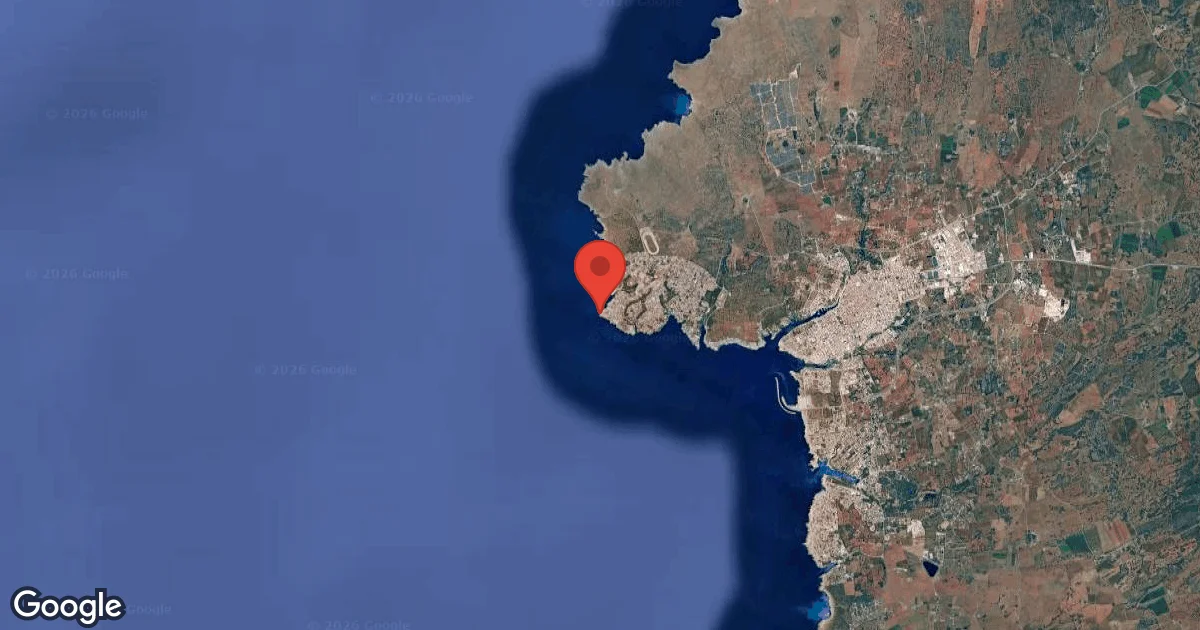
Canyons, off the coast of Ciutadella de Menorca, Spain, presents a dynamic underwater landscape that invites exploration. It's a geological marvel with impressive underwater canyons and tunnels. Divers of varied skill levels find it appealing, from those just starting out to experienced individuals seeking more advanced formations. This site provides a comprehensive experience of Mediterranean underwater topography.
Tonight's objective overview for Canyons shows an air temperature of 25°C. The measured surface conditions include wave heights around 0.2 m. This environmental data is logged for the close of the day.
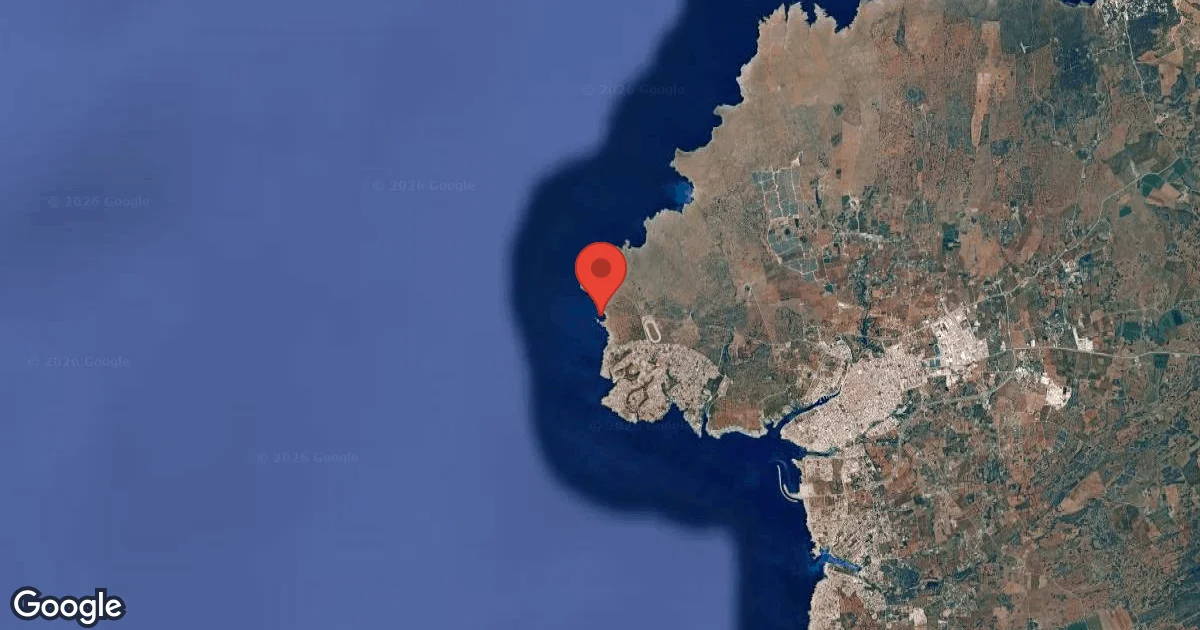
Dive Site Location & Key Facts
Dive Site Overview
Formed by ancient geological processes, this underwater realm near Ciutadella de Menorca earns its name from numerous tunnels running perpendicular to the coast. Many sections reveal collapsed roofs, creating unique light play.
Divers navigating these Canyons will encounter dramatic geological architecture, starting from a rock bottom and posidonia beds in shallower sections. A prominent feature includes a first canyon, stretching approximately 25 meters (82 ft) in length and up to 3 meters (10 ft) wide, presenting a colorful, carpeted corridor.
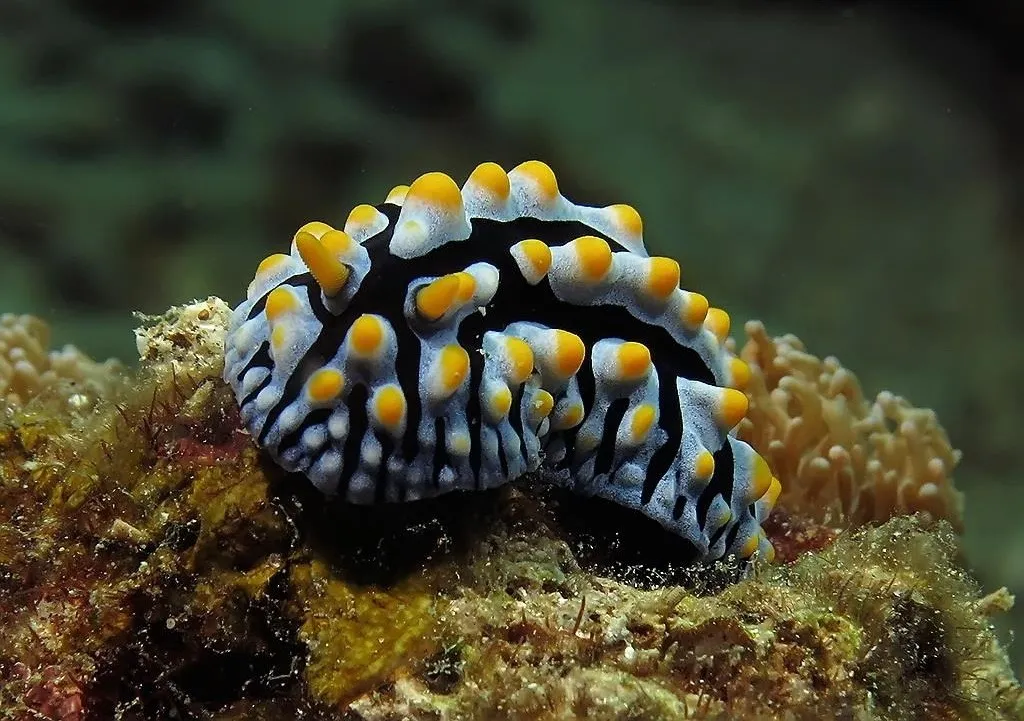
Leaving this behind and keeping a wall to the right, a second canyon immediately appears, reaching a max depth of about 25 meters and notable for a large, round stone wedged deeper within. The journey continues through a third canyon, shallower at around 12 meters (39 ft), which hosts a variety of delicate animals like small nudibranchs.
Impressive walls along the route also feature vibrant yellow encrusting anemones and bryozoan colonies. These intricate underwater gorges run parallel to each other, leading divers on a sinuous path through a dynamic reef structure. The site is accessible exclusively by boat.
Conditions are Good
Optimal conditions expected
Current conditions near Canyons show 25° air, 27° sea temperature, 0.8 m waves, and 32 km/h wind. Forecast data is refreshed regularly to ensure accuracy.
Best Time to Dive
Optimal diving conditions at Canyons typically emerge during the summer and early autumn months, particularly from May through September. During this period, the dive score consistently rates as 'Good' or 'Very Good,' indicating stable and favorable weather. Air temperatures are pleasantly warm, averaging between 19°C (66°F) in May and peaking in the high 20s°C during July and August. Wave heights are generally at their lowest, often below 1 meter (3 ft), contributing to smoother boat access and entries. Wind speeds also tend to be lighter, reducing surface chop. Rainfall is minimal, with June, July, and August showing the lowest averages, ensuring clearer skies and better visibility. While specific water temperature data isn't consistently reported, these months typically offer comfortable conditions for Mediterranean diving.
PEAK SEASON SCORE
Scores combine air & water temps, waves, wind & rainfall for overall conditions.
BEST MONTHS TO DIVE
Monthly records compiled from satellite and marine observation nodes over the last 3 years. Data provided by Open-Meteo and MET Norway.
Dive Experience & Conditions
Exploring Canyons takes divers through a varied depth profile, suitable for a wide range of certifications. The minimum depth is often around 10 meters, while deeper sections can reach approximately 30 meters in many areas. Some broader canyon systems in Spain allow for advanced profiles exploring depths up to 40 meters. An average depth for many routes sits at about 20 meters. Divers encounter impressive walls, swim-throughs, and several distinct canyon formations. These passages, including areas with collapsed roofs, require confident buoyancy control. Visibility is consistently excellent, often ranging between 30-35 meters, allowing for clear views of the geological structures. Medium currents, typically between 1-2 knots, can be present, so divers should be prepared for some drift in certain areas.
Dive Difficulty & Safety Guidelines
An experienced diver's approach is essential when navigating the varied formations at Canyons. Planning your dive within your certification limits is crucial, especially when exploring deeper sections or the intricate tunnels. Carrying a dive light is highly advisable for illuminating darker areas within the collapsed roof sections and interior passages.
Pay close attention to buoyancy control to avoid contact with delicate ecosystems lining the canyon walls and to navigate tight spaces effectively. Medium currents are commonly reported, suggesting the need for awareness and good finning technique to conserve energy and maintain position.
Always dive with a buddy and ensure you are familiar with emergency procedures for overhead environments if entering specific tunnel systems.
Recommended Equipment
Overhead environment. Do not enter beyond training and gas planning limits.
- Dive Computer
- DSMB
- Primary & Backup Lights
- Reel / Spool
- Cutting Tool
This gear list is based on verified equipment signals for Canyons, Spain. Always confirm final gear choices with your dive operator, guide, or liveaboard.
Recommended Dive Suit
2-3mm shorty or light wetsuit is widely used for recreational dives in waters of this temperature. Water conditions at Canyons are currently measured at approximately 27°C (81°F). Surface air temperatures are resting at 25°C (77°F).
Forecasts suggest rising temperatures later this week. A warming trend is expected over the next few days.
Water temperatures can occasionally shift throughout the day depending on currents and depth layers.
Due to technical issues with our weather providers, data hasn't been fetched for over 48 hours. The data above reflects the conditions at the time of the last successful fetch.
Emergency & Medical Support
Essential information to help you plan your dive trip to Canyons.

Hyperbaric chambers are a critical part of dive safety infrastructure. Availability varies significantly by region, and not all dive areas have immediate access.
Before diving, it's recommended to:
- confirm nearest medical facilities
- check emergency procedures with local dive operators
- ensure dive insurance covers evacuation if required
Divers Alert Network
Diving emergency assistance available through DAN Europe.
+39 0642115685- 24/7 emergency hotline
- Diving medical assistance
- Evacuation coordination
Emergency contacts are provided for reference. Always verify local emergency services before diving.
Closest Listed Hyperbaric Chambers
Showing listed hyperbaric chamber facilities within 200 km of this dive site.
Distances are approximate straight-line distances and may not reflect emergency travel time.
Underwater and Hyperbaric Medicine
Palma de Mallorca, Spain•Approx. 112 km straight-line
Underwater and Hyperbaric Medicine
Information is provided for reference and planning purposes only. Dive Navigator does not verify operational status, staffing, availability, or quality of care at listed facilities. In an emergency, contact local emergency services, DAN, your dive operator, or the chamber directly. Do not travel to a facility without calling ahead.
Marine Life at Canyons
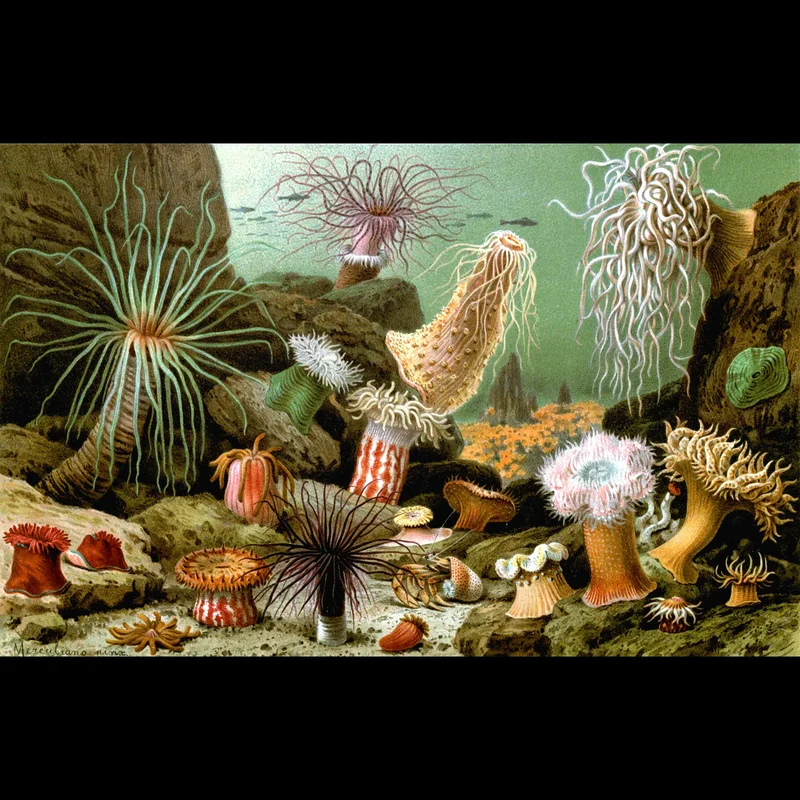
Life thrives within the intricate geological structures of Canyons, offering a macro and wide-angle experience. Divers frequently observe colorful sponges adhering to the walls and within crevices.
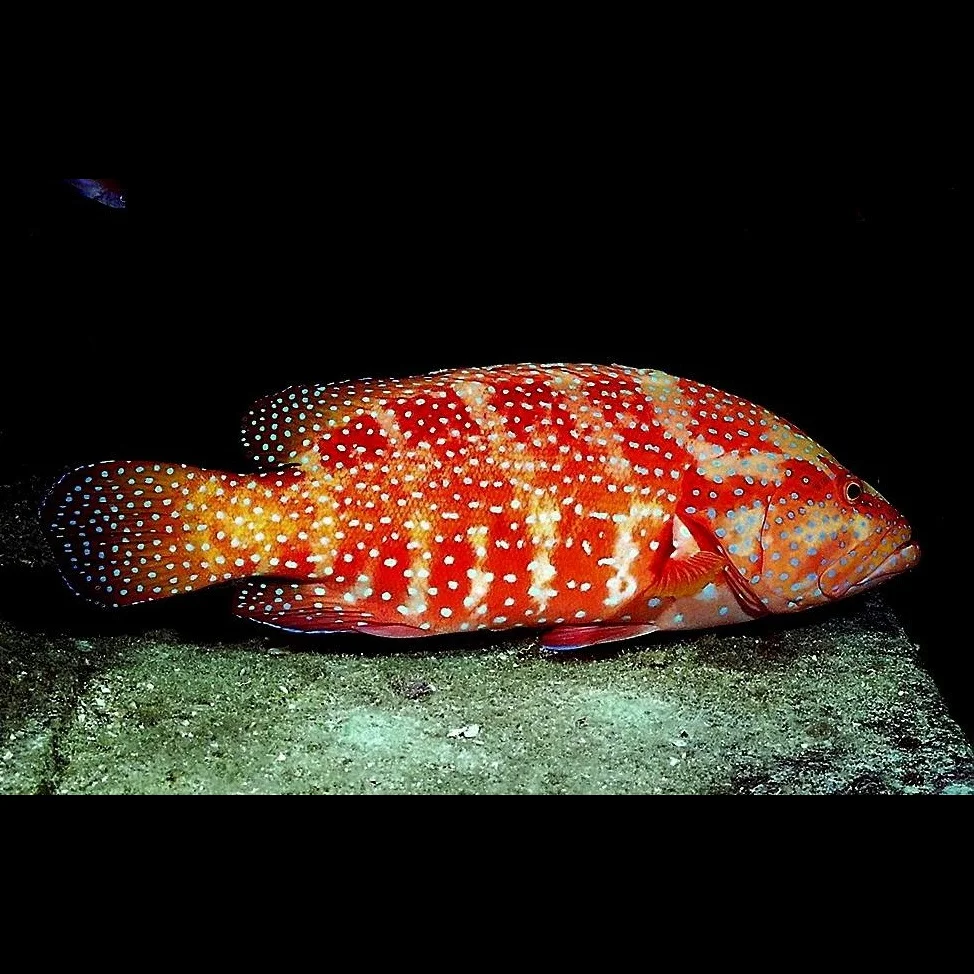
Fish often tuck into the terrain for shelter, creating pockets of activity in unexpected places. Delving into the narrower passages, a variety of small nudibranchs can be spotted.
The rocky surfaces also host vibrant yellow encrusting anemones and delicate colonies of bryozoans, adding texture and color to the underwater scenery. Exploring these habitats requires keen observation to appreciate the smaller, less obvious inhabitants.
Dive Sites Near Canyons
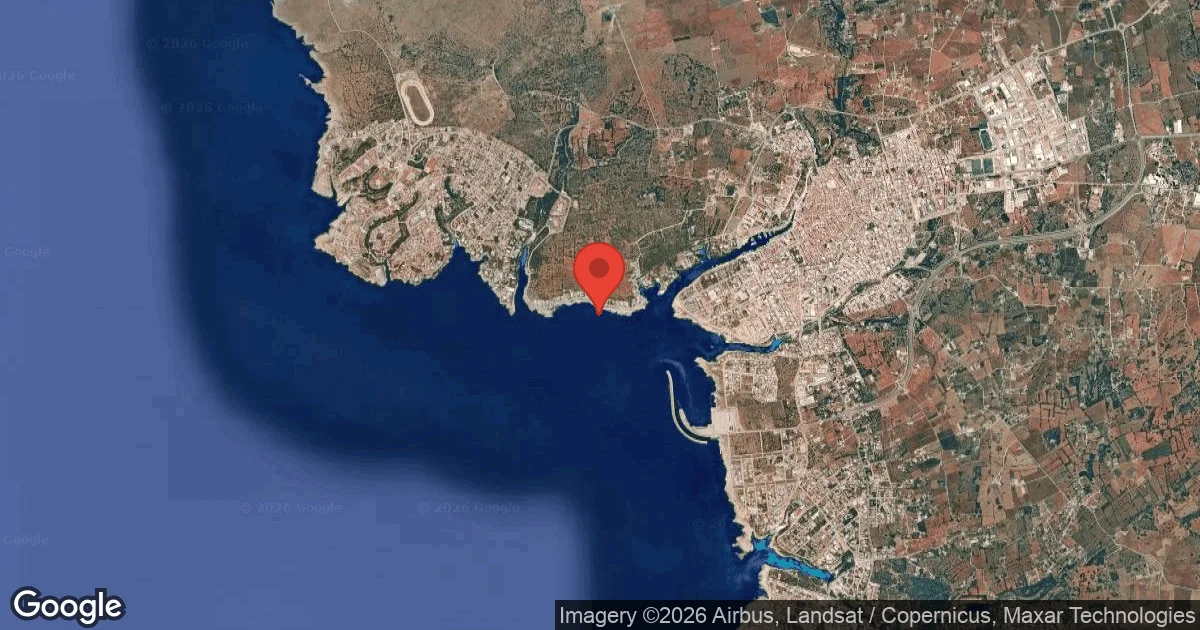
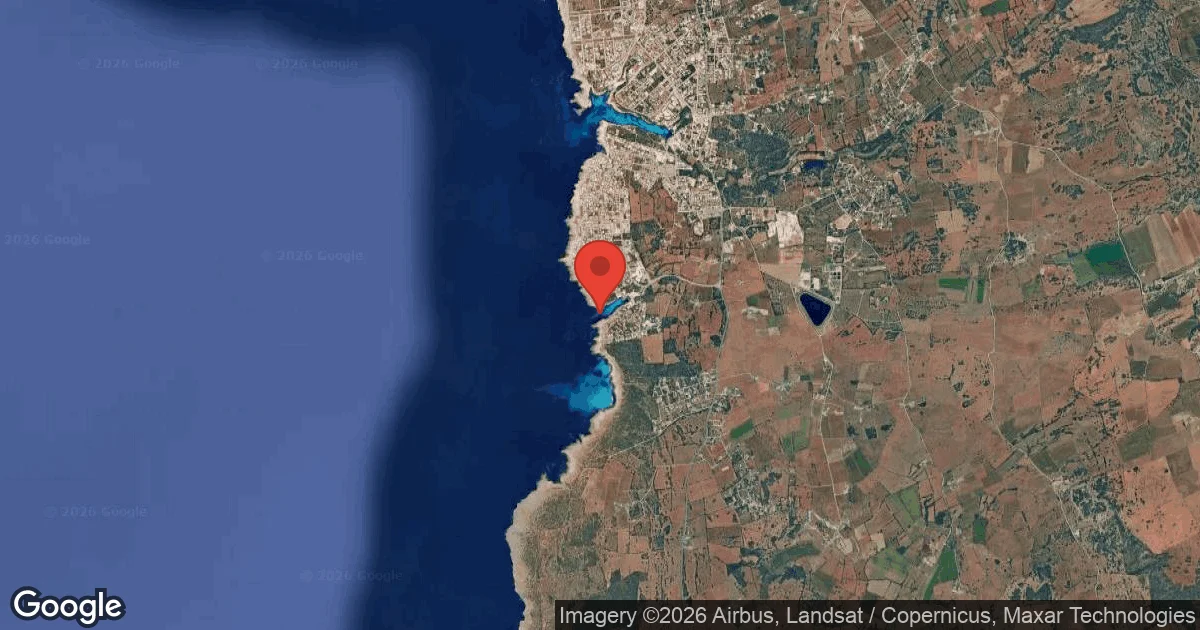
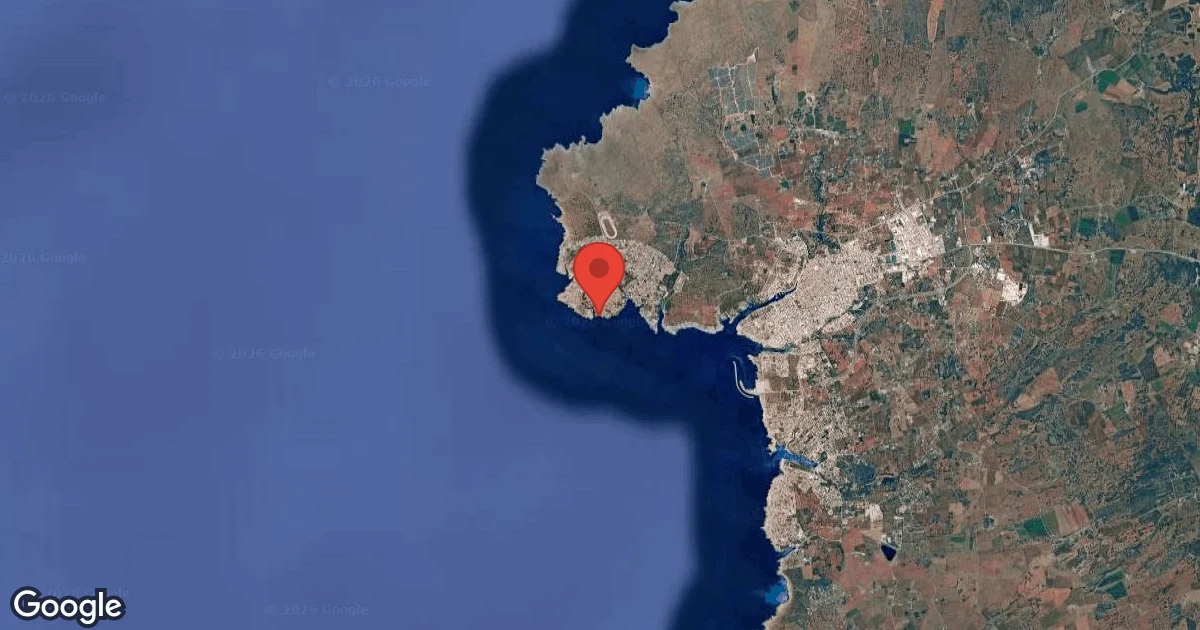
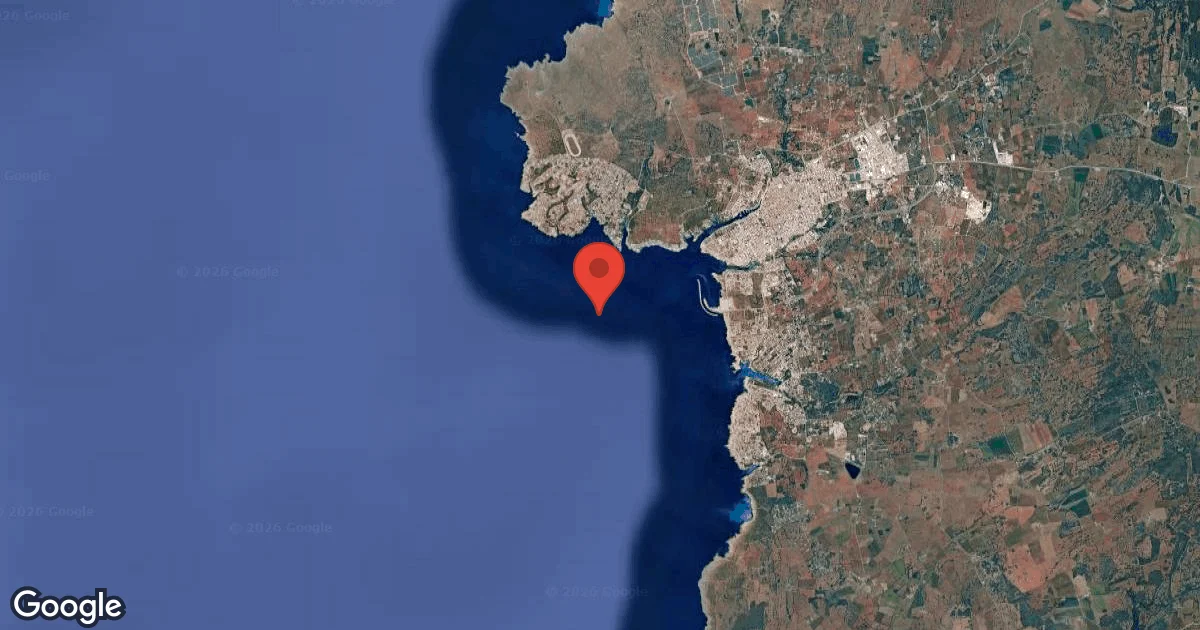
View all dive sites in SpainDiscover more underwater gems in this area.
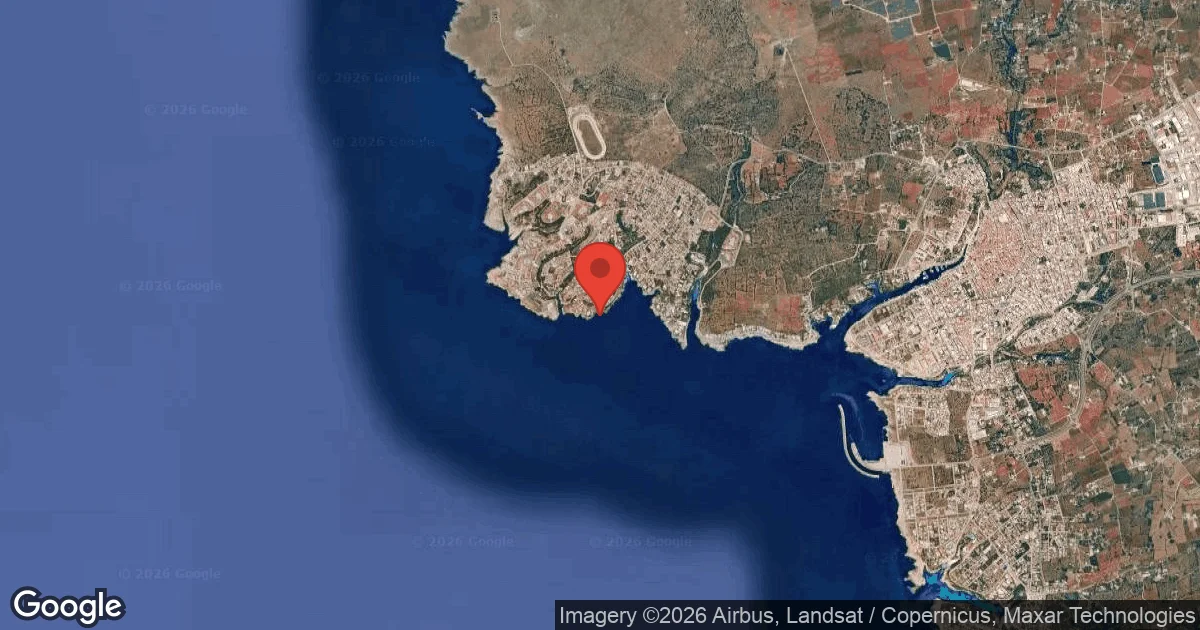
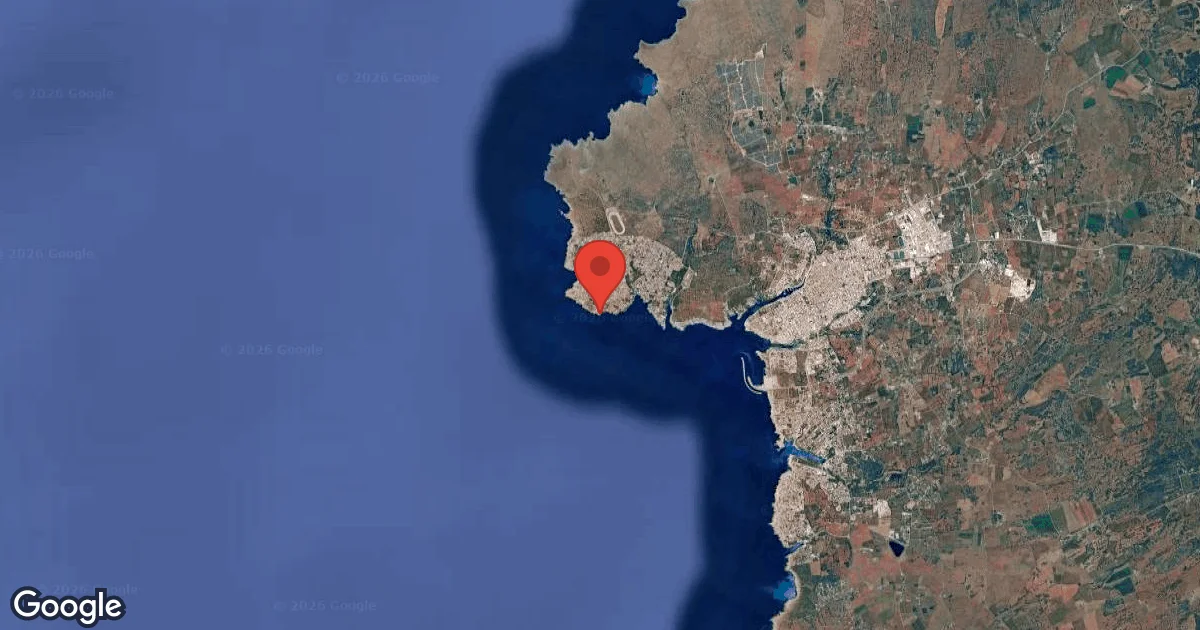
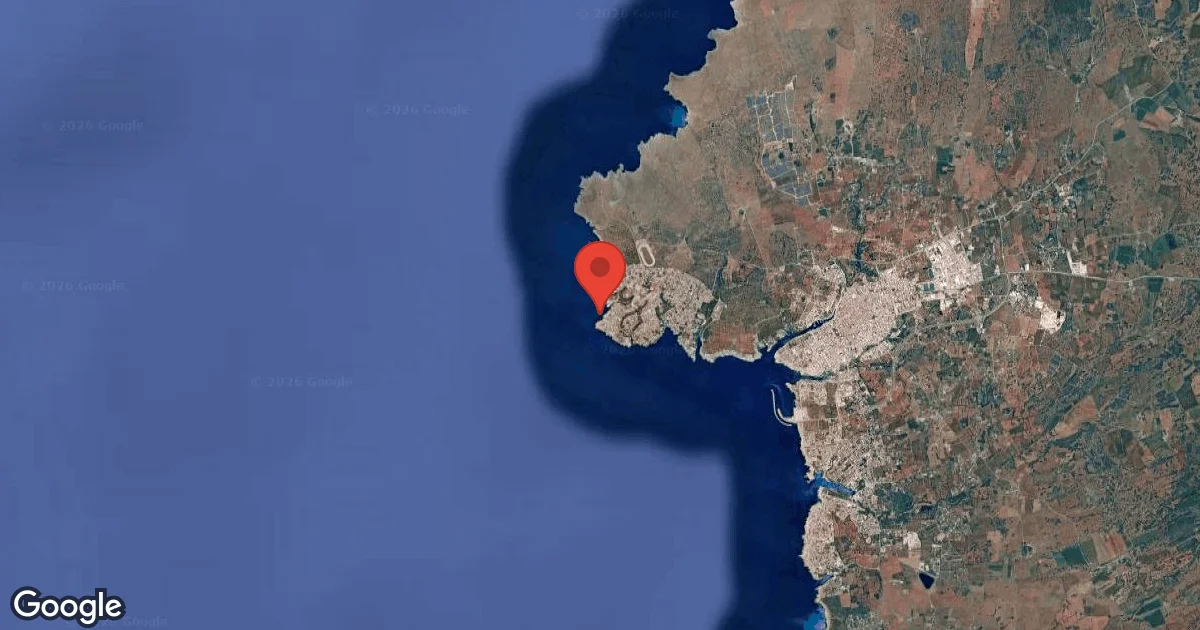
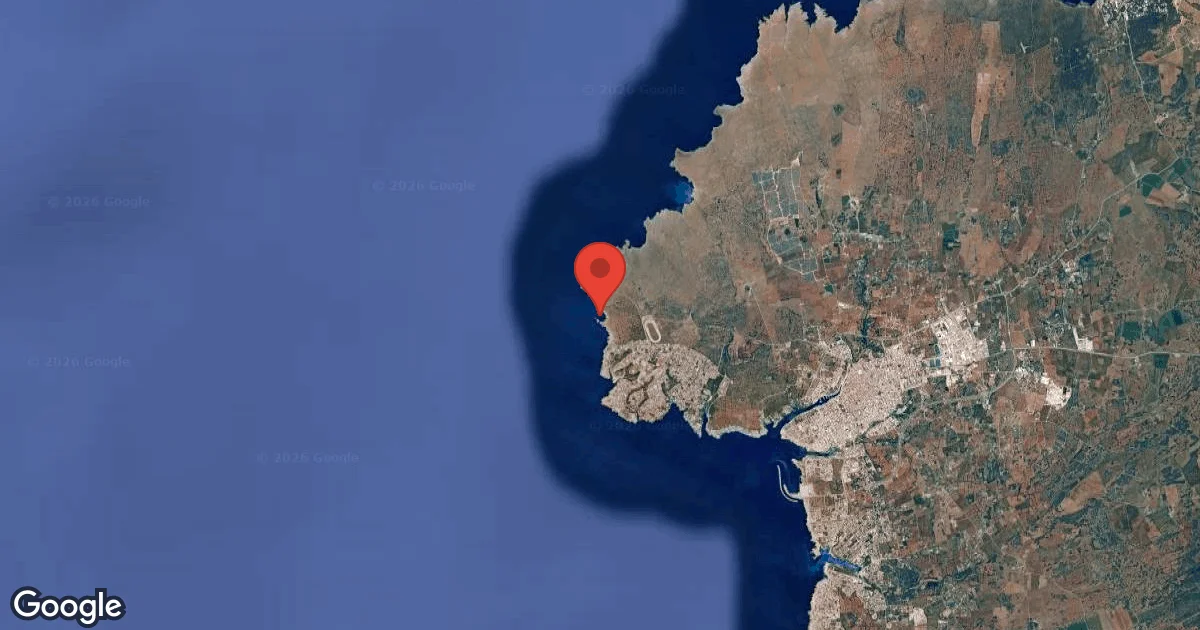
Dive Centers Near Canyons
Today: 09:00 - 09:304-6
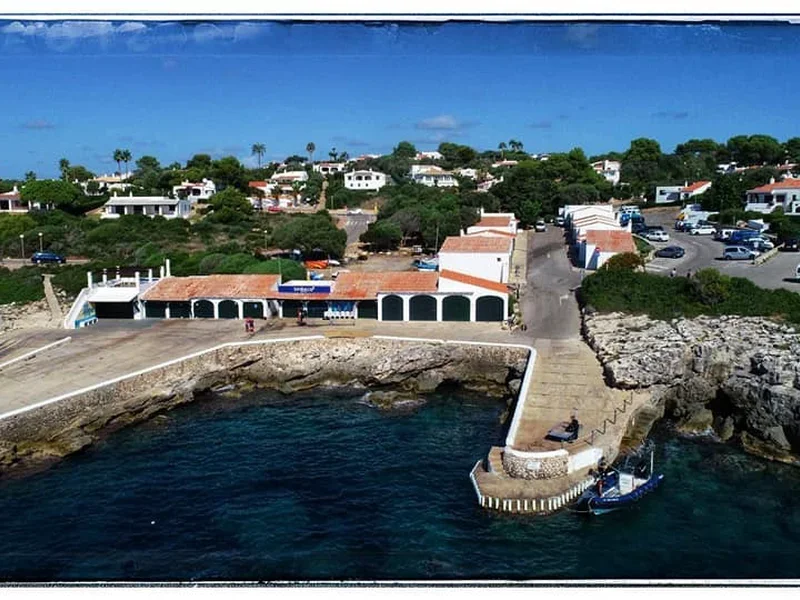
Nearest Airports
Nearest airports to help plan travel to this dive area.
Search Flights
Check available flights and routes on Expedia, using the nearby airports listed in this section.
Search Flights on ExpediaFrequently Asked Questions
What is the diving difficulty level at Canyons?
Canyons can suit a range of certified divers, but the route, visibility, and overhead-like sections matter. Less experienced divers should stay with a local guide and avoid darker or enclosed passages unless they have appropriate training.
Are there tunnels or swim-throughs at this dive site?
Yes, the site is known for its tunnels and perpendicular canyons, many with collapsed roof sections that create swim-through opportunities. A specific 'fireplace' formation can also be explored by adequately skilled divers.
Is a dive light necessary for exploring Canyons?
It is highly advisable to carry a dive light. This will help illuminate the darker sections within the tunnels, collapsed roof areas, and deeper canyon passages, enhancing visibility and safety.
What is the typical depth range for dives at Canyons?
Dives at Canyons usually move through shallower structured sections before reaching a maximum depth of about 25 m / 82 ft. The site is best understood as a canyon-and-tunnel profile within recreational depth, not as a 30–40 m dive.
How is access to the Canyons dive site?
Access to Canyons is exclusively by boat. Dive operators typically depart from Ciutadella de Menorca and anchor near the site, often close to small islets.
What kind of currents can be expected?
Medium currents, generally reported between 1-2 knots, can be present at the Canyons site. Divers should be prepared for these conditions and maintain good finning technique.
What marine life can I expect to see?
You can expect to encounter colorful sponges, various fish species seeking refuge in the terrain, small nudibranchs in delicate sections, and impressive yellow encrusting anemones and bryozoan colonies covering rocky surfaces.
Is Canyons suitable for beginner divers?
Yes, Canyons is considered a good choice for beginners. It also functions as a gentle introduction for those looking to transition towards more advanced diving experiences, offering a balance of accessible and challenging features.
Planning to dive Canyons?
Send one inquiry and receive offers directly from the best verified local dive operators.
Conditions are Good
Optimal conditions expected
Current conditions near Canyons show 25° air, 27° sea temperature, 0.8 m waves, and 32 km/h wind. Forecast data is refreshed regularly to ensure accuracy.