
Diving at El Gaudi (Spain)
Diving around the region associated with El Gaudi in Spain, often points to the diverse underwater topography found along the Costa Brava. This area features varied subaquatic structures, from sheltered coves to more exposed headlands. The dive sites are generally accessible by boat, departing from local harbors like Portlligat. Depths commonly range within recreational limits, allowing exploration of coastal reefs and rock formations.
As evening covers El Gaudi, the local air temperature is measured at 23°C. The current wave height at the surface is recorded at 0.5 m. These late-day readings characterize the surface conditions for the night.
Dive Site Location & Key Facts
Dive Site Overview
Exploring the waters off Costa Brava, the region encompassing areas linked to figures like Gaudi, offers a distinctive Mediterranean dive experience. This part of Spain is known for its rugged coastline extending into the sea, forming interesting underwater landscapes.
While specific dive details for 'El Gaudi' aren't consistently reported, the broader Costa Brava, including areas near the Medes Islands, is a significant highlight for scuba diving. Divers can expect to find environments shaped by centuries of geological activity, creating intriguing rock formations and small caverns. The overall diving character here emphasizes the interplay between marine life and complex rocky habitats, providing a different feel from sandy bottom dives typical in other regions. Post-dive, the local marinas, such as those in Portlligat, offer opportunities for fresh seafood.
Conditions are Good
07:00 - 14:00
Optimal conditions expected
Current conditions near El Gaudi show 23° air, 27° sea temperature, 0.7 m waves, and 31 km/h wind. Forecast data is refreshed regularly to ensure accuracy.
Best Time to Dive
Considering dive conditions, the months from May through September generally present the most favorable environment for diving in this Spanish region. During this period, dive scores consistently rate as 'Good' or higher, peaking in the summer. Air temperatures steadily rise, ranging from approximately 19°C (66°F) in May to highs of 26.5°C (80°F) in July and August, then gradually decreasing. Specific water temperature data isn't consistently reported, but warmer air implies more comfortable surface conditions. Wave heights tend to be lower, averaging around 0.7-0.9 meters (2-3 feet), and wind speeds are generally lighter. Rainfall is minimal during these peak months, ensuring clearer skies and better visibility for surface intervals. For those preferring slightly cooler conditions and potentially fewer crowds, April and October also offer 'Good' dive scores.
PEAK SEASON SCORE
Scores combine air & water temps, waves, wind & rainfall for overall conditions.
BEST MONTHS TO DIVE
Monthly records compiled from satellite and marine observation nodes over the last 3 years. Data provided by Open-Meteo and MET Norway.
Dive Experience & Conditions
A typical descent in the dive sites of Costa Brava initiates divers into a rocky underwater environment, often characterized by steep drop-offs or interesting rock formations. Visibility can vary, but clear conditions often prevail, particularly during calmer summer months. Currents are not consistently reported but can be present, requiring divers to be mindful of local conditions, especially around more exposed sites like those near Cap de Creus. The underwater landscape changes as you descend, often revealing walls adorned with various forms of marine growth. Maximum depths can extend to around 30 m (100 ft) or more in certain areas, catering to advanced divers, though many captivating features are found in shallower sections. Keep an eye on your depth and bottom time.
Dive Difficulty & Safety Guidelines
Prioritizing local expertise is essential when planning dives in this part of Spain. Always consult with local dive centers; they provide the most current information on site-specific conditions, potential currents, and recommended entry/exit points. Divers should always follow safe diving practices, including dive computer usage, proper buoyancy control, and maintaining adequate separation from other divers.
Given the potential for rocky terrain, ensuring proper weighting and finning techniques helps protect the delicate marine environment. Always dive within your certification limits.
It's also advisable to carry a surface marker buoy for increased visibility, especially in areas with boat traffic.
Recommended Equipment
Overhead environment. Do not enter beyond training and gas planning limits.
Current and surface separation risk. Local briefing strongly recommended.
- Dive Computer
- DSMB
- Primary & Backup Lights
- Reel / Spool
- Cutting Tool
This gear list is based on verified equipment signals for El Gaudi, Spain. Always confirm final gear choices with your dive operator, guide, or liveaboard.
Recommended Dive Suit
Current diving conditions indicate water temperatures around 27°C (81°F) at El Gaudi. Surface air temperatures are resting at 23°C (73°F).
Forecasts suggest rising temperatures later this week. A warming trend is expected over the next few days.
Most divers exploring waters at this temperature rely on 2-3mm shorty or light wetsuit for effective insulation. A hood or vest is suggested for sensitive divers due to surface winds. Surface intervals may feel cooler. Water temperature is only one factor influencing overall comfort during a dive.
Emergency & Medical Support
Essential information to help you plan your dive trip to El Gaudi.

Hyperbaric chambers are a critical part of dive safety infrastructure. Availability varies significantly by region, and not all dive areas have immediate access.
Before diving, it's recommended to:
- confirm nearest medical facilities
- check emergency procedures with local dive operators
- ensure dive insurance covers evacuation if required
Divers Alert Network
Diving emergency assistance available through DAN Europe.
+39 0642115685- 24/7 emergency hotline
- Diving medical assistance
- Evacuation coordination
Emergency contacts are provided for reference. Always verify local emergency services before diving.
Closest Listed Hyperbaric Chambers
Showing listed hyperbaric chamber facilities within 200 km of this dive site.
Distances are approximate straight-line distances and may not reflect emergency travel time.
Underwater and Hyperbaric Medicine
Palma de Mallorca, Spain•Approx. 112 km straight-line
Underwater and Hyperbaric Medicine
Information is provided for reference and planning purposes only. Dive Navigator does not verify operational status, staffing, availability, or quality of care at listed facilities. In an emergency, contact local emergency services, DAN, your dive operator, or the chamber directly. Do not travel to a facility without calling ahead.
Marine Life at El Gaudi
The underwater landscape along Costa Brava fosters a vibrant array of Mediterranean marine life, particularly among its rocky outcrops and sheltered areas. Divers may encounter schools of fish, including the distinctive swallowtail seaperch, often seen darting amongst crevices.
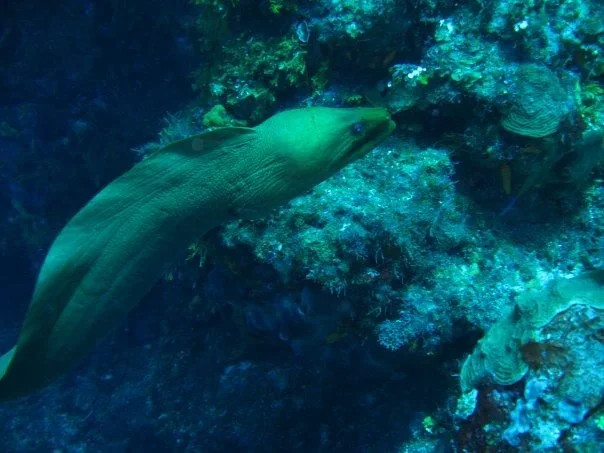
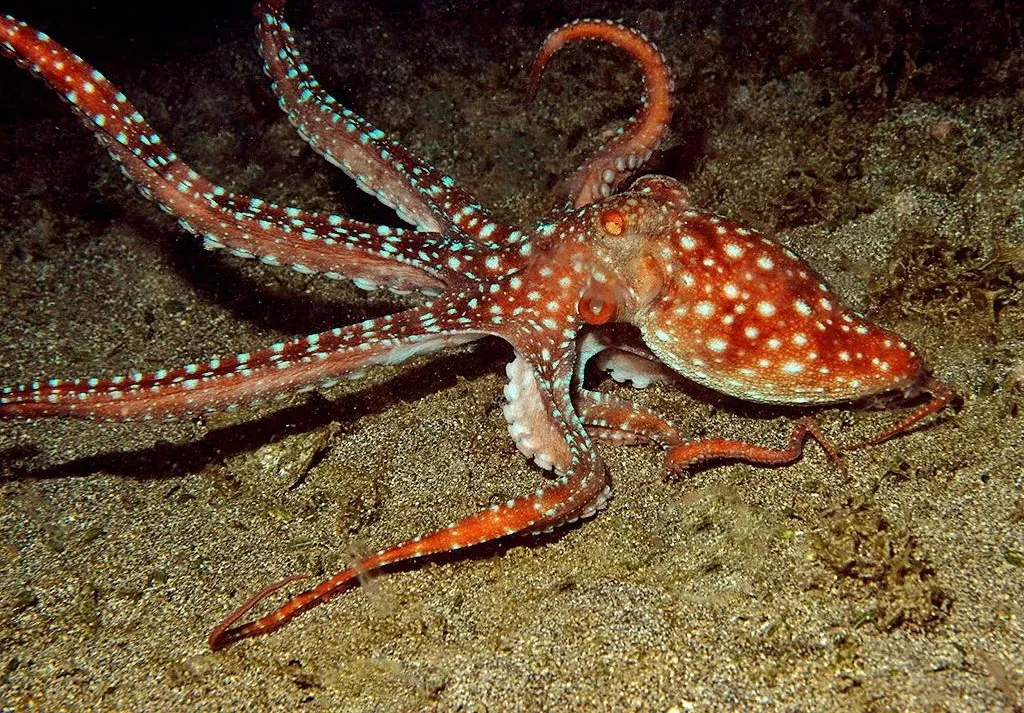
Sponges and various invertebrates color the rock faces, creating a diverse visual tapestry. Keep a keen eye on the cracks and under ledges, as octopuses or moray eels may be hidden.
The region's ecosystems, supported by these varied underwater structures, provide habitats for smaller macro life as well.
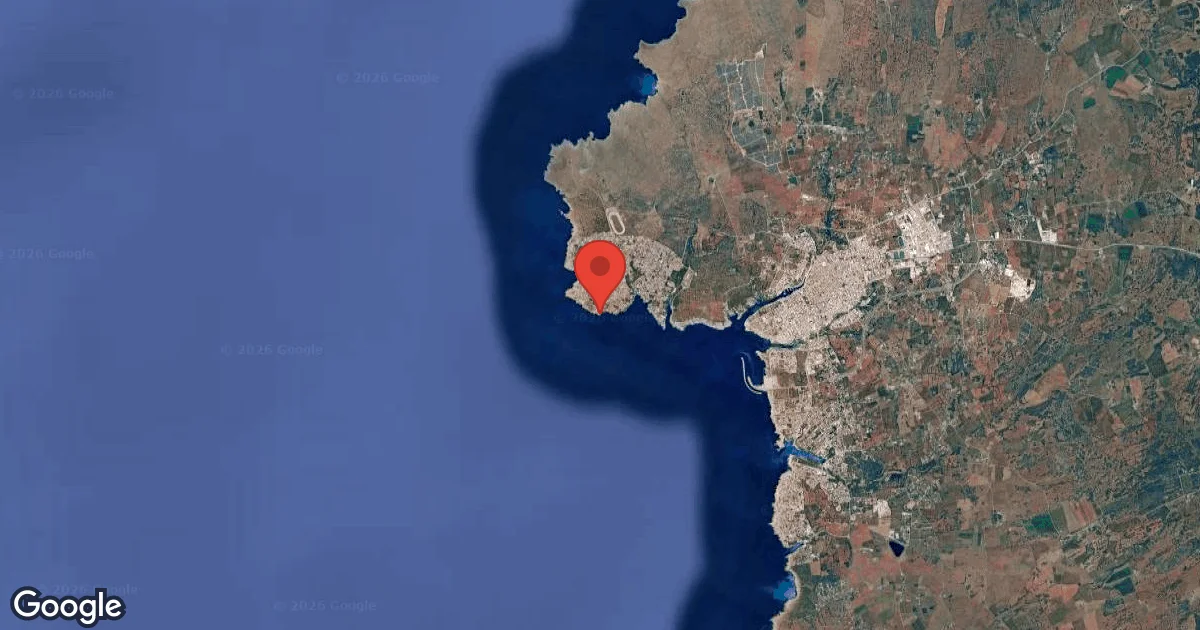
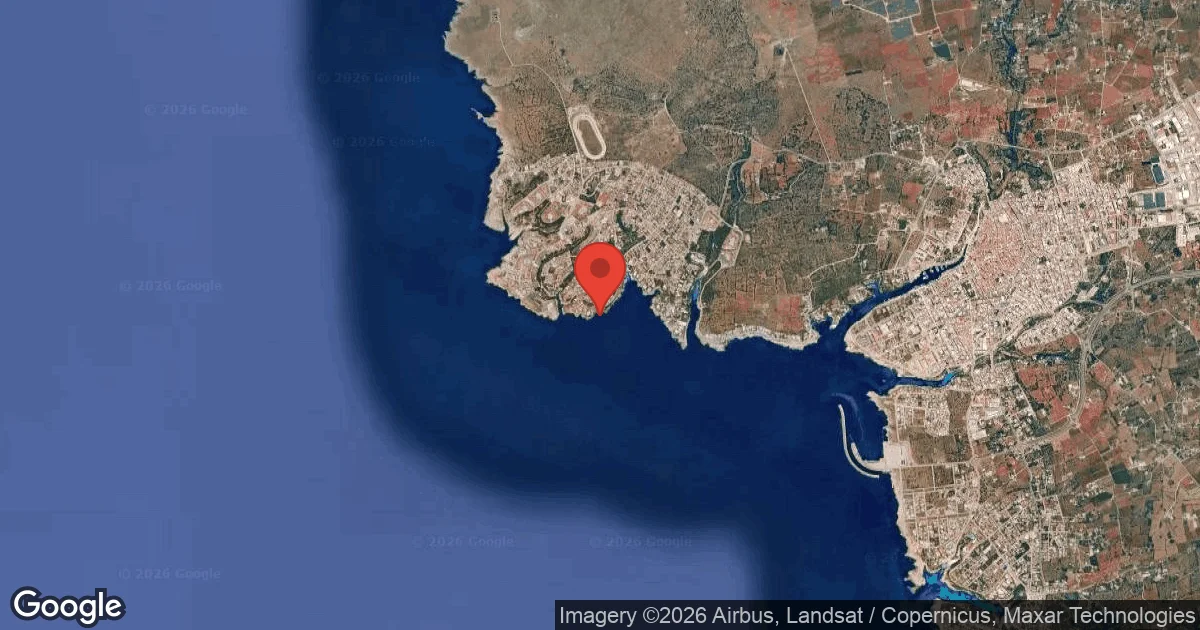
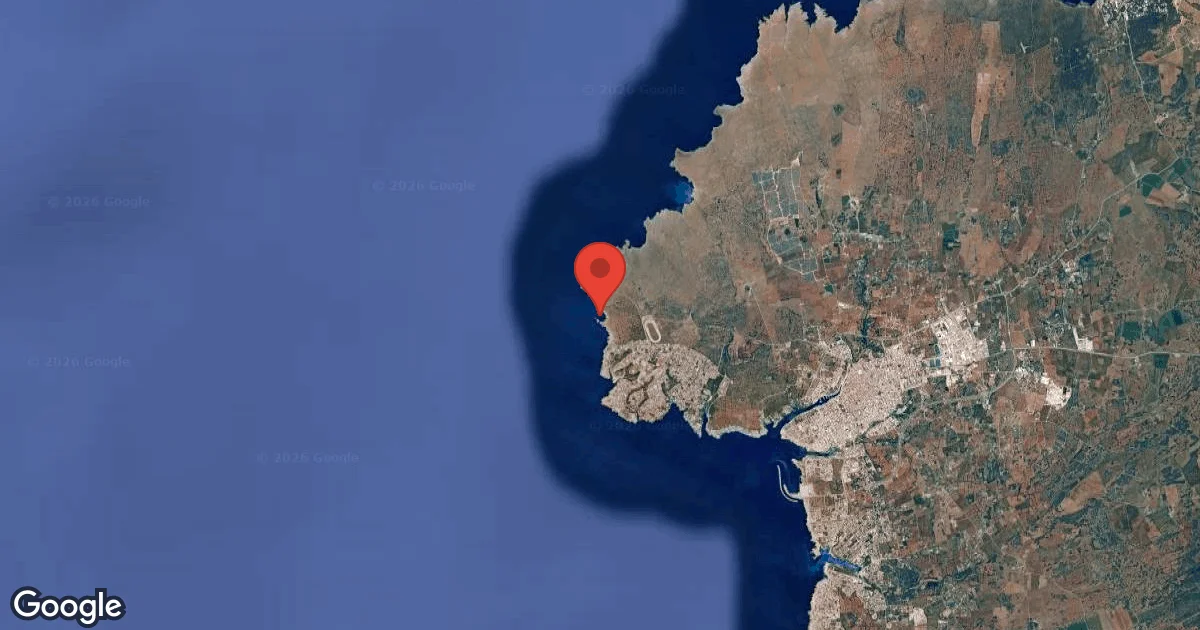
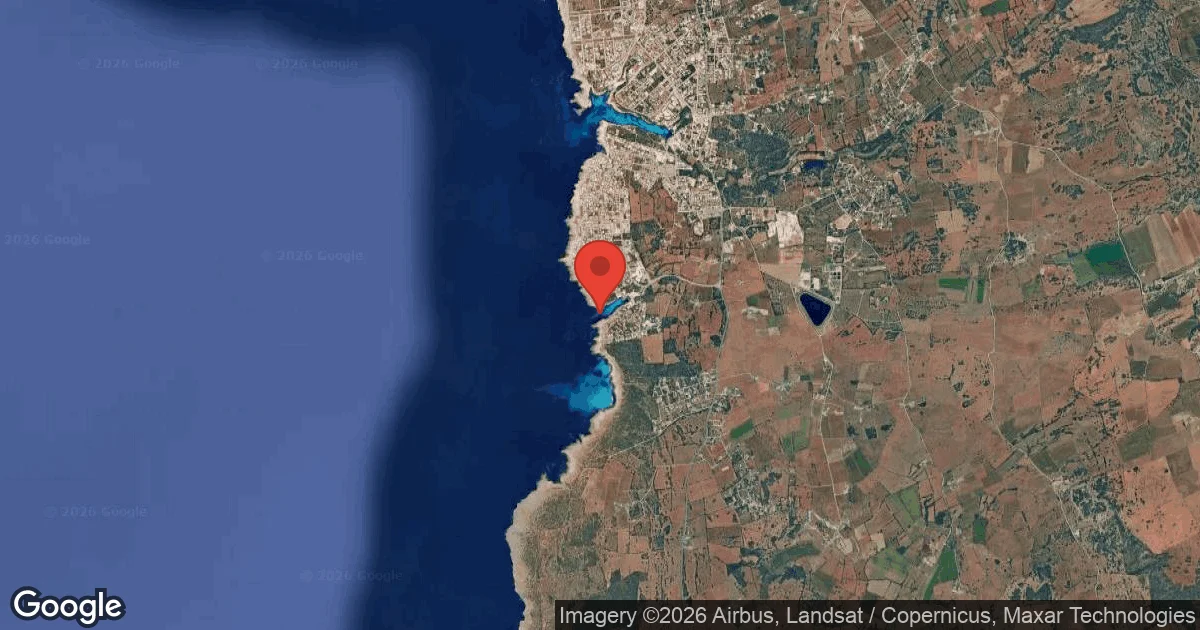
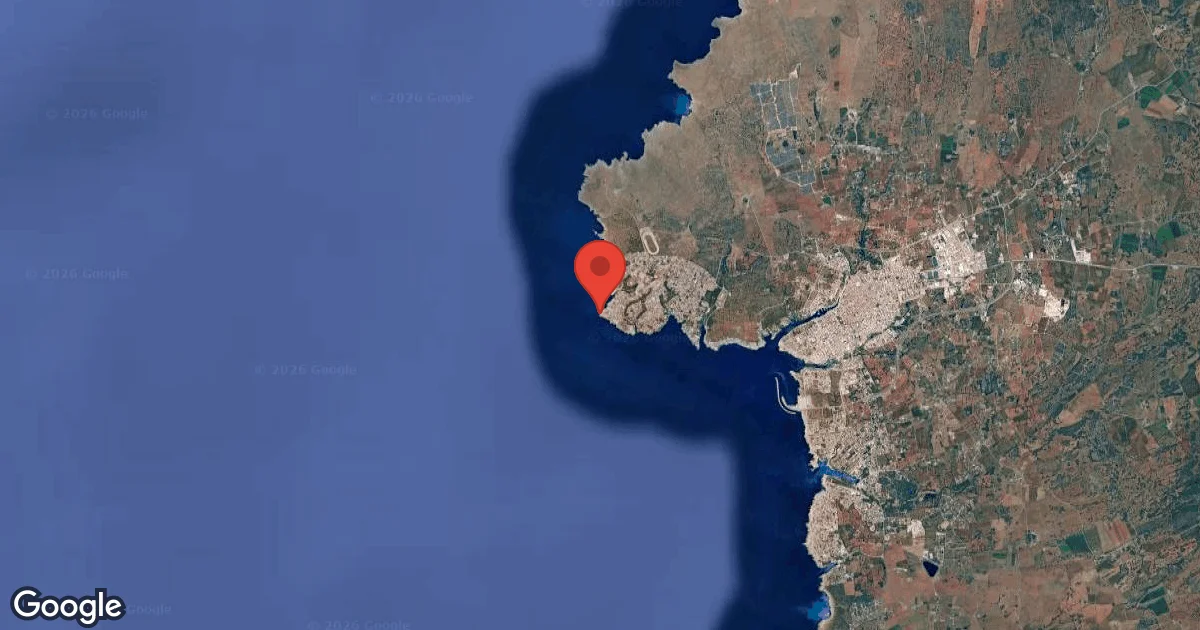
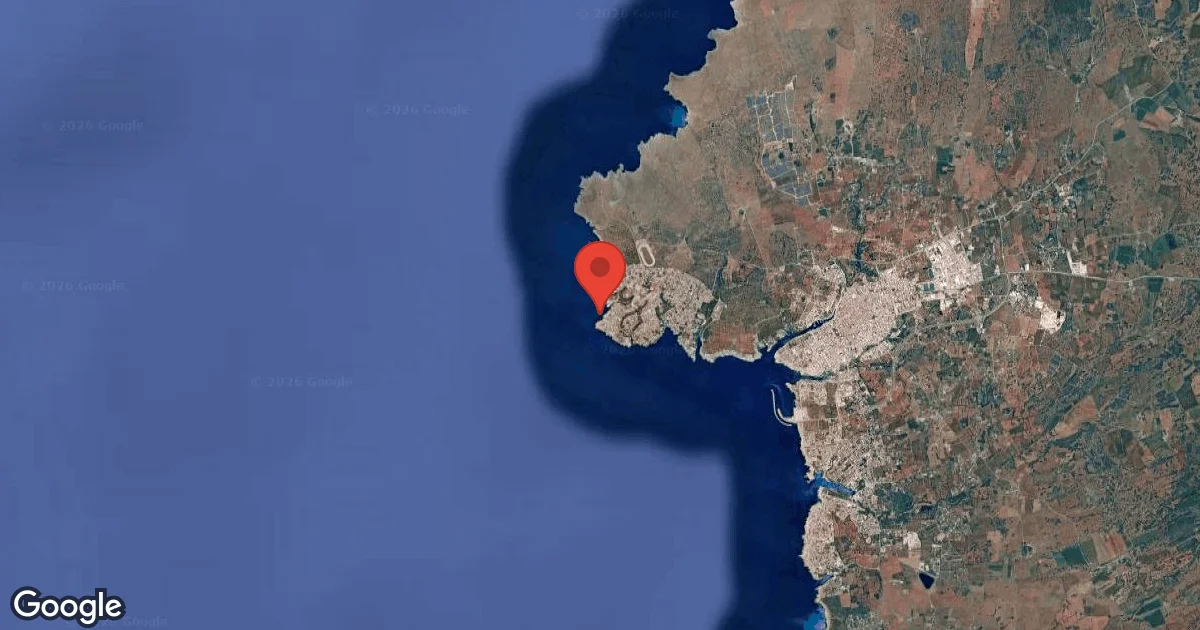
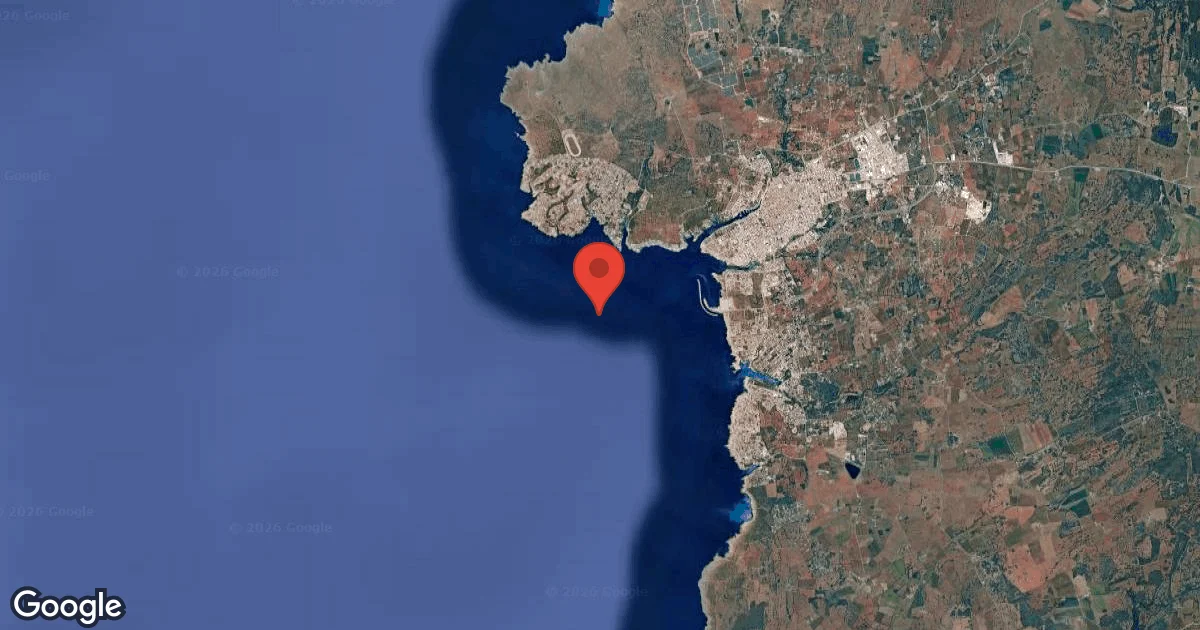
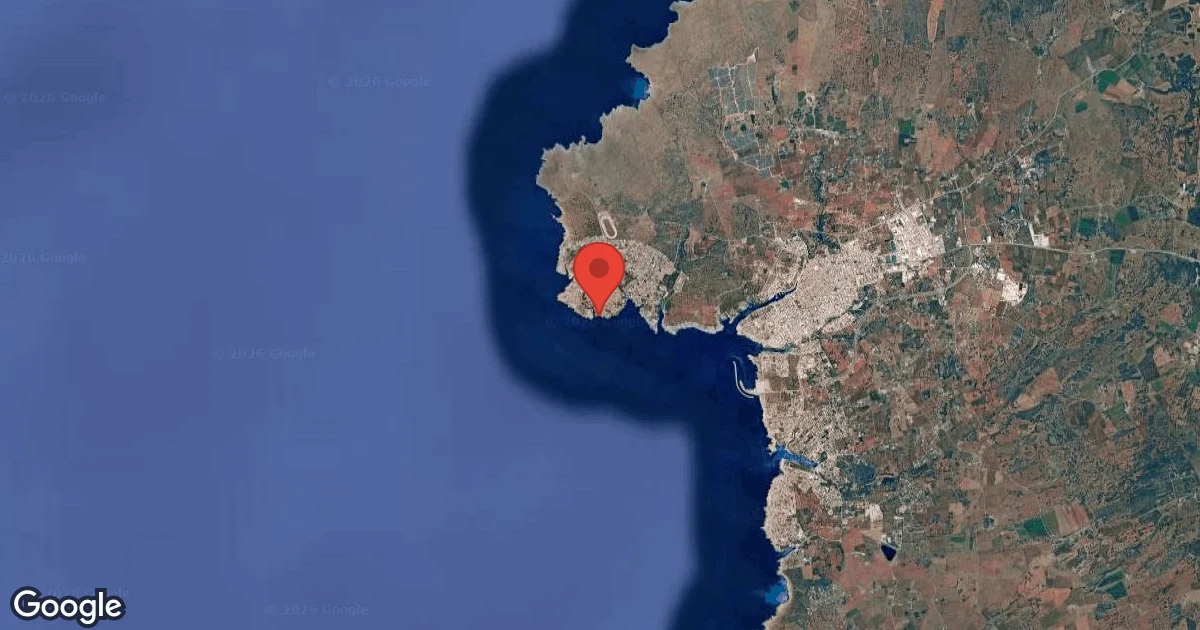
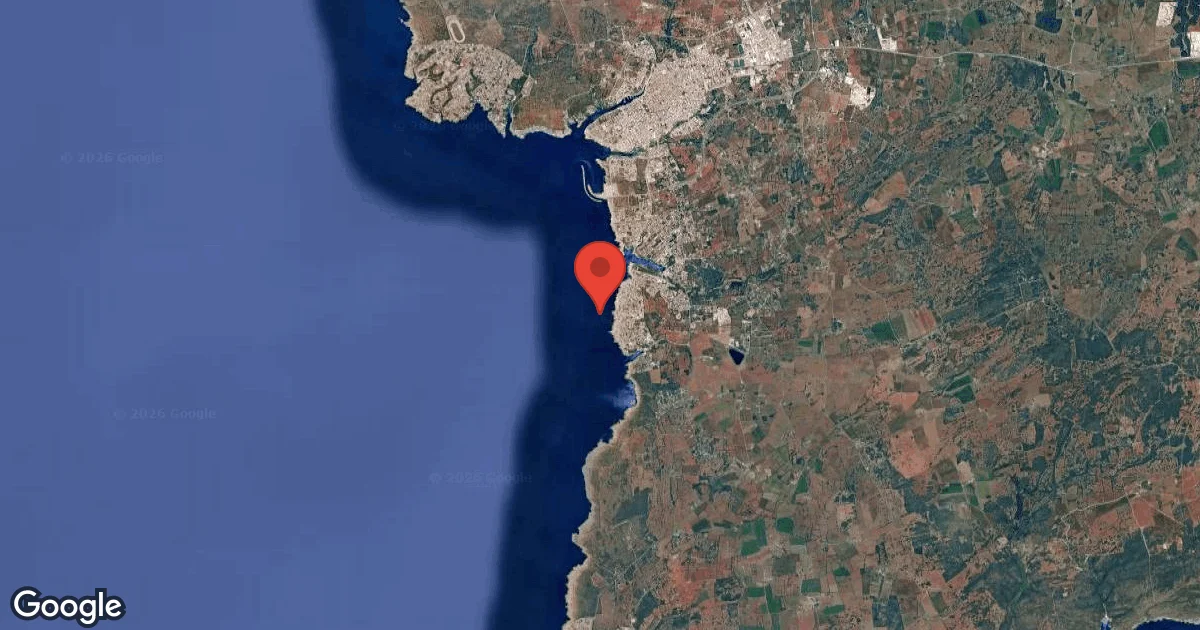
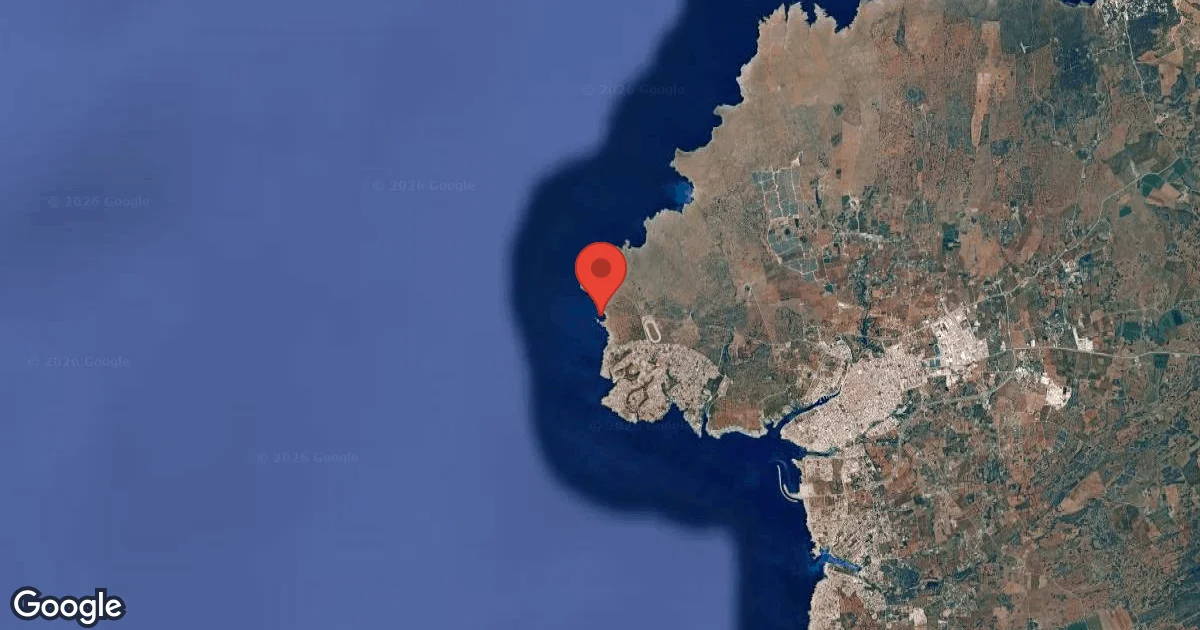
Dive Sites Near El Gaudi
View all dive sites in SpainDiscover more underwater gems in this area.
Dive Centers Near El Gaudi
Today: 09:00 - 09:304-6
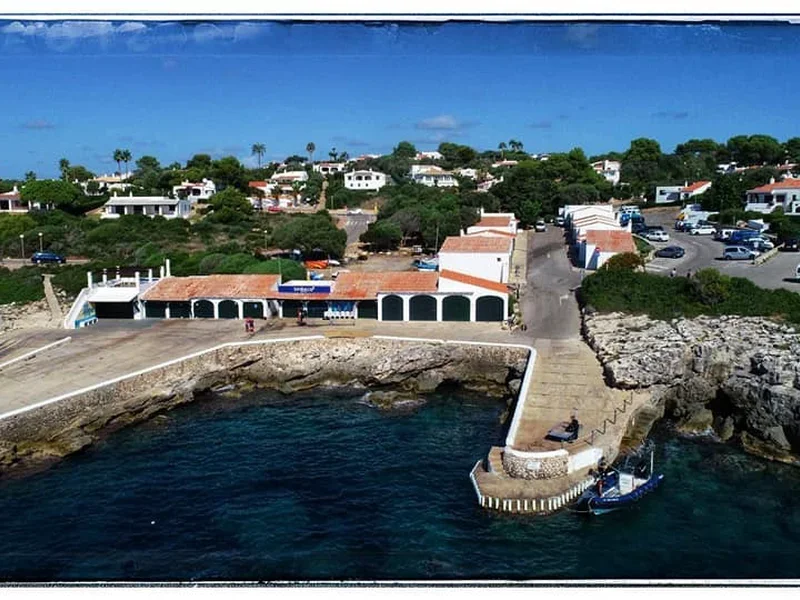
Nearest Airports
Nearest airports to help plan travel to this dive area.
Search Flights
Check available flights and routes on Expedia, using the nearby airports listed in this section.
Search Flights on ExpediaFrequently Asked Questions
Where is El Gaudi located for diving purposes?
While 'El Gaudi' primarily refers to the architectural legacy of Antoni Gaudí, it implicitly points to the Catalonia region of Spain. For diving, this means exploring the nearby Costa Brava coastline, with popular access points like Portlligat or areas around the Medes Islands.
What are the typical dive depths in this region?
Dive depths along the Costa Brava are suitable for a range of certifications. Many sites offer interesting features in shallower recreational depths, but some areas can extend to approximately 30 m (100 ft), allowing for deeper exploration by certified divers.
What is the water temperature like for diving?
Specific water temperature data for the Costa Brava isn't consistently reported. However, during the peak diving season from May to September, air temperatures are warmest, suggesting more comfortable surface conditions and generally milder water temperatures compared to colder months.
Are there strong currents to be aware of?
Currents are not consistently reported for all sites. Conditions can vary depending on the specific location and time of year. It's always best to check with local dive operators on the day of your dive for the most accurate current information.
What marine life can I expect to see?
Divers can expect to see typical Mediterranean marine species. Notable sightings include schools of swallowtail seaperch, various sponges, and invertebrates adhering to the rocky walls. Keep an eye out for octopuses or moray eels concealed in crevices.
What other activities can be done in the area besides diving?
Beyond diving, the region offers several cultural and outdoor activities. You can explore hiking trails around Cap de Creus, indulge in wine tasting in Emporda's vineyards, or visit Salvador Dalí's holiday home in Portlligat, which requires advance reservations.
Planning to dive El Gaudi?
Send one inquiry and receive offers directly from the best verified local dive operators.
Conditions are Good
07:00 - 14:00
Optimal conditions expected
Current conditions near El Gaudi show 23° air, 27° sea temperature, 0.7 m waves, and 31 km/h wind. Forecast data is refreshed regularly to ensure accuracy.