
Diving at Cala Borp (Spain)
Diving around Cala Borp generally presents favorable conditions, especially during the warmer months. Air temperatures typically range between 23-26°C (73-79°F) from June to September, with minimal rainfall. Wave heights are generally lower during these periods, contributing to smoother surface conditions. This allows for comfortable surface intervals and easier boat access to sites. The overall dive scores indicate a consistent 'Good' rating for most of the year.
As evening covers Cala Borp, the local air temperature is measured at 22.5°C. The current wave height at the surface is recorded at 0.5 m. These late-day readings characterize the surface conditions for the night.
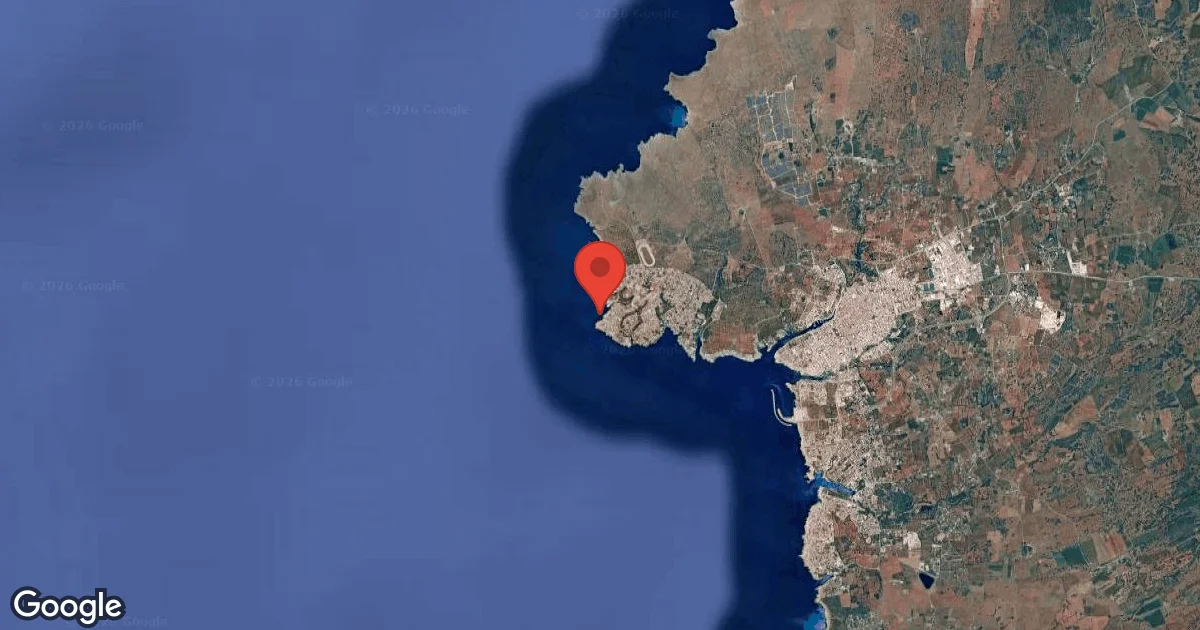
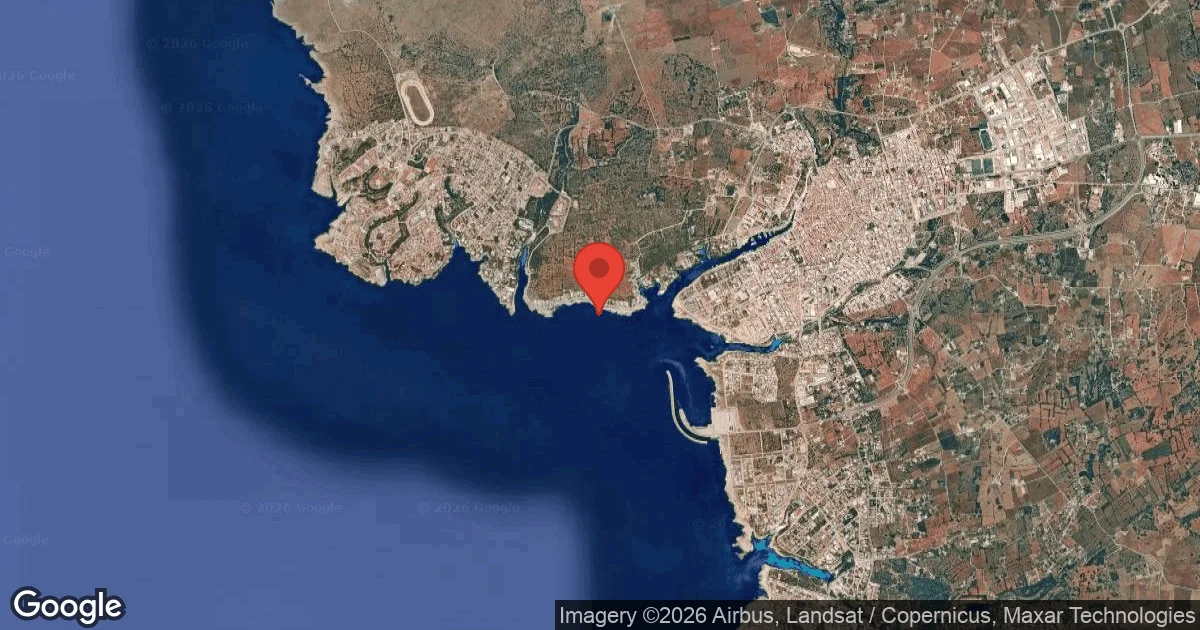
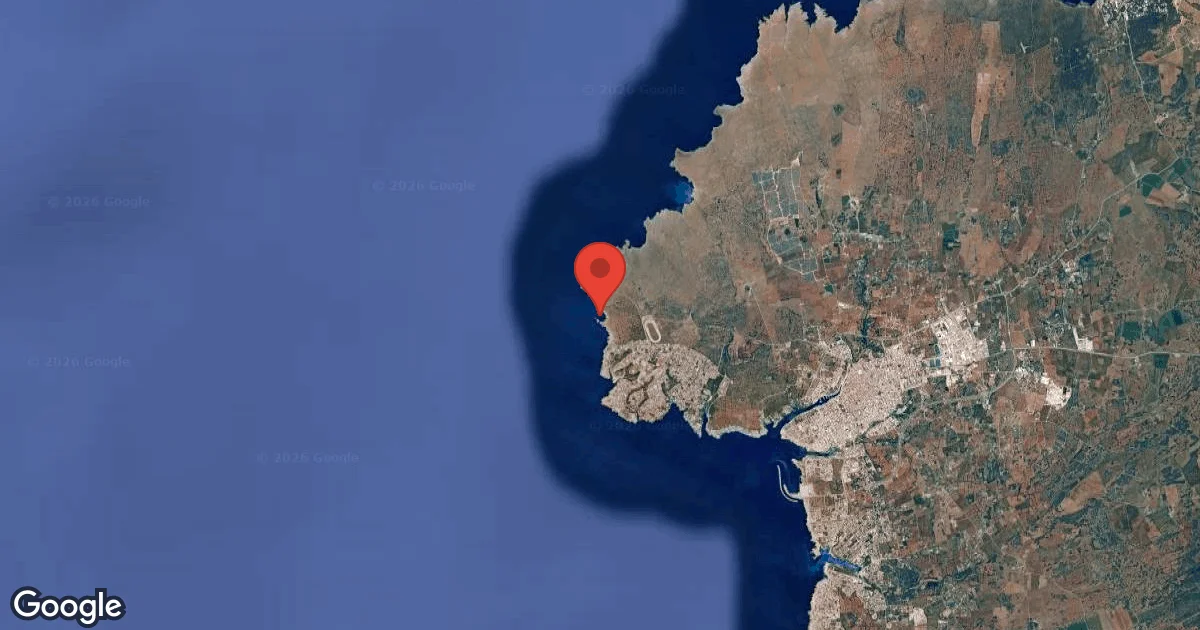
Dive Site Location & Key Facts
Dive Site Overview
While specific historical details about Cala Borp are limited, the wider Spanish coastline, particularly areas like the Costa Brava and Ibiza, is characterized by a rich underwater tapestry shaped by geological shifts and marine ecosystems. Dive sites in this region often reveal diverse features, from extensive posidonia seagrass meadows vital for marine life to ancient wrecks, offering glimpses into maritime pasts.
For instance, the Melchuca, a cargo ship off Cala Montjoí, narrates a story of a storm in 1968, where algae has since grown over its boards, and the sea has petrified cargo in its hold. Cala Borp itself is identified as a wall dive, a common and captivating geological formation found across the Mediterranean. Millennia of geological processes shape these structures, presenting dramatic vertical or steeply sloping rock faces often adorned with various sedentary organisms.
These unique habitats contrast with the gentler slopes of many coastal areas. Exploring these vertical landscapes allows divers to observe how currents and light play across different depths, revealing distinct zones of marine growth.
This dive typology creates an engaging experience, moving through the natural architecture of the seabed, investigating crevices, and overhangs.
Conditions are Good
07:00 - 14:00
Optimal conditions expected
Current conditions near Cala Borp show 23° air, 27° sea temperature, 0.7 m waves, and 30 km/h wind. Forecast data is refreshed regularly to ensure accuracy.
Best Time to Dive
The optimal period for diving around Cala Borp aligns with the summer and early autumn months, from May through October, where dive scores are consistently rated 'Good' or 'Excellent'. During these months, air temperatures are most pleasant, averaging from 18.5°C (65°F) in May, peaking around 26.5°C (80°F) in July and August, and remaining warm at 21°C (70°F) in October. Rainfall is notably minimal during this peak season, often below 2mm per month, ensuring clear skies. Sea conditions tend to be calmer with lower average wave heights, particularly from June to August, where waves are typically below 0.9 meters. While specific water temperature data isn't consistently reported for this site, the prolonged warm air temperatures generally indicate comfortable diving conditions. Early mornings often provide the calmest seas and best light penetration, making them ideal for exploring the wall's features.
PEAK SEASON SCORE
Scores combine air & water temps, waves, wind & rainfall for overall conditions.
BEST MONTHS TO DIVE
Monthly records compiled from satellite and marine observation nodes over the last 3 years. Data provided by Open-Meteo and MET Norway.
Dive Experience & Conditions
Descending along the wall at Cala Borp offers a distinct sensory experience, a vertical journey into the Mediterranean's depths. Features of the wall dictate the dive, with varied topography ranging from sheer drops to more gradual slopes and potentially small ledges or overhangs. Light penetration can dramatically shift with depth, highlighting the textures and colors of marine growth closest to the surface, while deeper sections might require a dive light to reveal their vibrancy. Divers might feel a subtle pull from currents, which vary depending on local weather patterns and tidal movements, especially around prominent features. Water conditions typically present a comfortable temperature during peak season, although thermoclines are not uncommon at greater depths. Visibility is generally good across many Spanish dive sites, allowing for clear views along the wall's extent. Good visibility allows spotting marine life nestled in the rock or cruising along the blue.
Dive Difficulty & Safety Guidelines
Navigating the wall at Cala Borp requires sound dive planning and adherence to safety protocols. Always dive within your certification limits and maintain a conservative no-decompression limit, especially when exploring deeper sections of the wall. Due to the vertical nature of a wall dive, managing buoyancy control is essential to prevent unintended descents or ascents, protecting both diver and the delicate marine environment.
Always dive with a buddy, staying close to ensure clear communication and support. Carrying a dive computer is critical for monitoring depth and bottom time, and a signaling device, such as a surface marker buoy, is advisable for surface visibility.
While no specific hazards are reported for Cala Borp, staying aware of potential currents and maintaining a safe distance from the wall to avoid contact with any sharp edges or sensitive organisms is always recommended.
Recommended Equipment
- Dive Computer
- DSMB
This gear list is based on verified equipment signals for Cala Borp, Spain. Always confirm final gear choices with your dive operator, guide, or liveaboard.
Recommended Dive Suit
Divers planning relaxed exploration may appreciate the warmth of 2-3mm shorty or light wetsuit. Surface intervals may feel cooler. Divers often notice that perceived temperature can feel cooler during deeper or longer dives.
The waters surrounding Cala Borp are currently maintaining temperatures close to 27°C (80°F). Surface air temperatures are resting at 23°C (73°F).
Temperatures look set to gradually increase over the next several days. A warming trend is expected over the next few days.
Emergency & Medical Support
Essential information to help you plan your dive trip to Cala Borp.

Hyperbaric chambers are a critical part of dive safety infrastructure. Availability varies significantly by region, and not all dive areas have immediate access.
Before diving, it's recommended to:
- confirm nearest medical facilities
- check emergency procedures with local dive operators
- ensure dive insurance covers evacuation if required
Divers Alert Network
Diving emergency assistance available through DAN Europe.
+39 0642115685- 24/7 emergency hotline
- Diving medical assistance
- Evacuation coordination
Emergency contacts are provided for reference. Always verify local emergency services before diving.
Closest Listed Hyperbaric Chambers
Showing listed hyperbaric chamber facilities within 200 km of this dive site.
Distances are approximate straight-line distances and may not reflect emergency travel time.
Underwater and Hyperbaric Medicine
Palma de Mallorca, Spain•Approx. 111 km straight-line
Underwater and Hyperbaric Medicine
Information is provided for reference and planning purposes only. Dive Navigator does not verify operational status, staffing, availability, or quality of care at listed facilities. In an emergency, contact local emergency services, DAN, your dive operator, or the chamber directly. Do not travel to a facility without calling ahead.
Marine Life at Cala Borp
A wall dive's underwater landscape, such as Cala Borp's, naturally supports a diverse range of Mediterranean marine life that thrives on vertical surfaces and within crevices. Exploring these rock formations, divers often spot giant groupers, known to hover near reef walls and rock structures in the region.
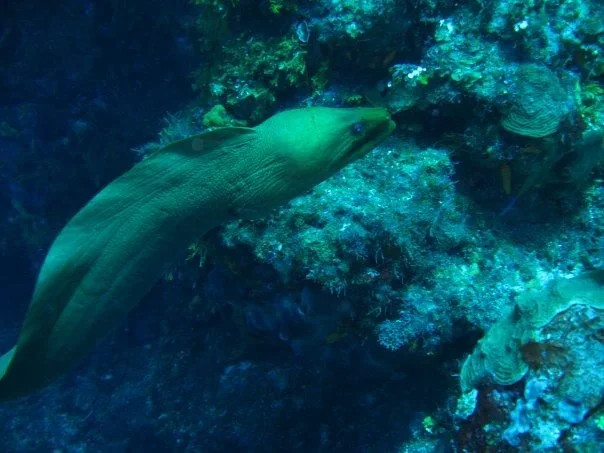
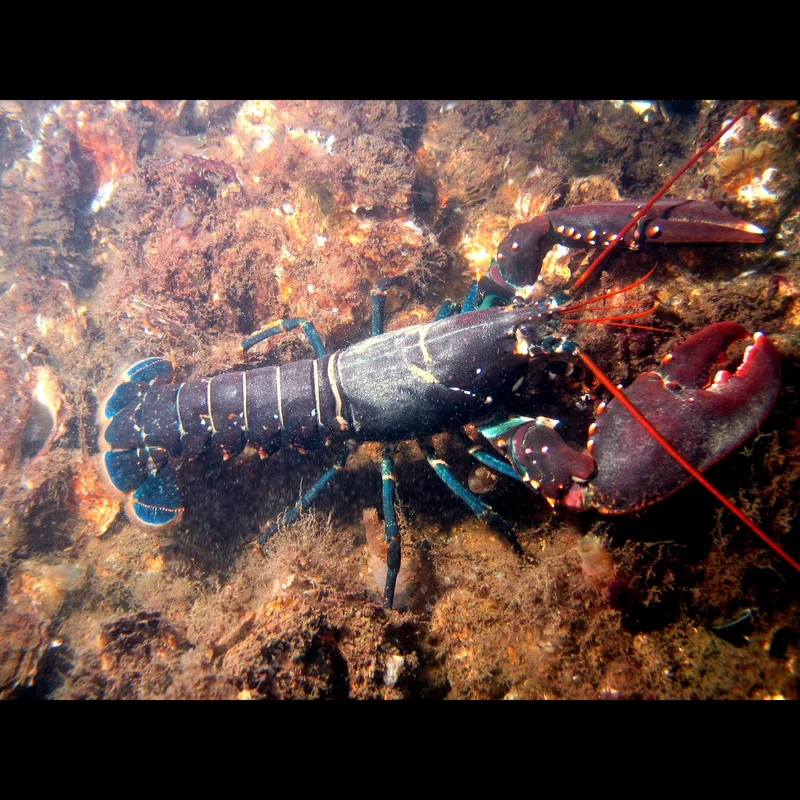
Moray eels frequently peek from their hiding spots within the wall's numerous holes and cracks. Keep an eye out for camouflaged octopus, adept at blending into the rocky backdrop, and various species of lobsters tucked into sheltered ledges.
Patches of colorful gorgonians may adorn the walls, especially where currents bring nutrients, adding vibrant hues to the underwater scene. It provides shelter and hunting grounds, creating a dynamic ecosystem.

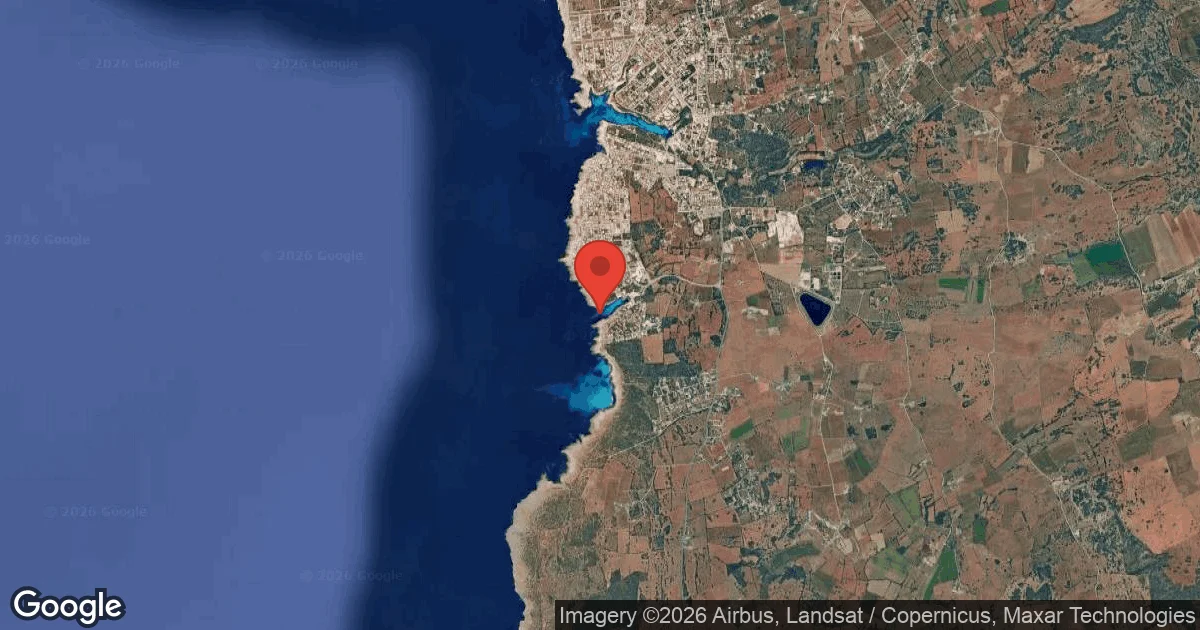
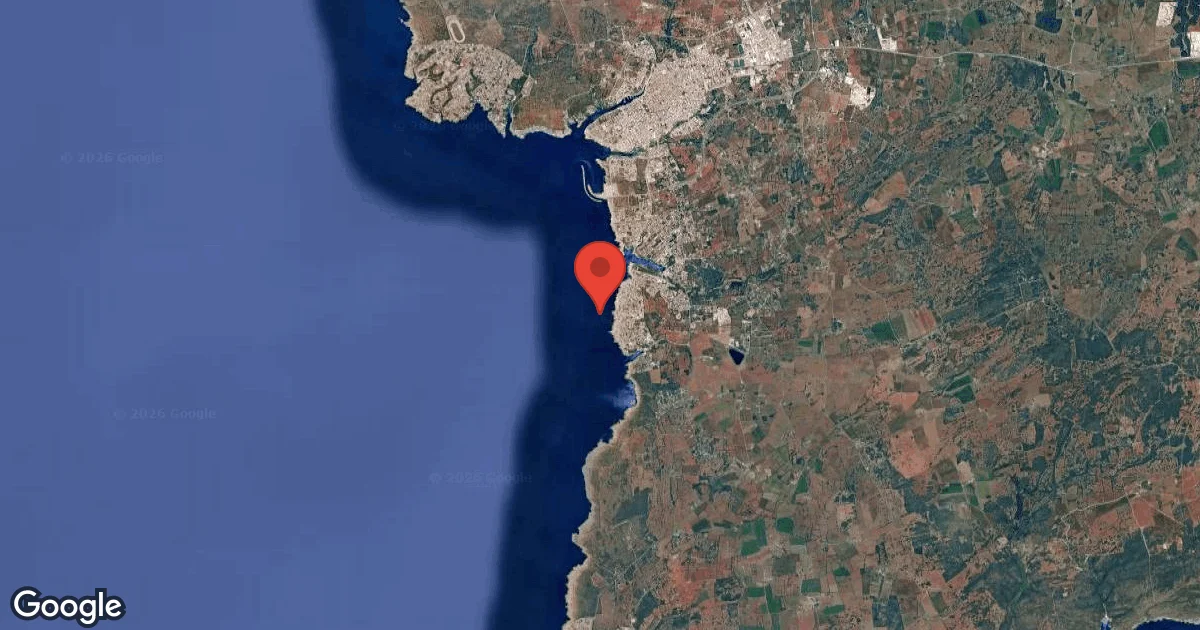
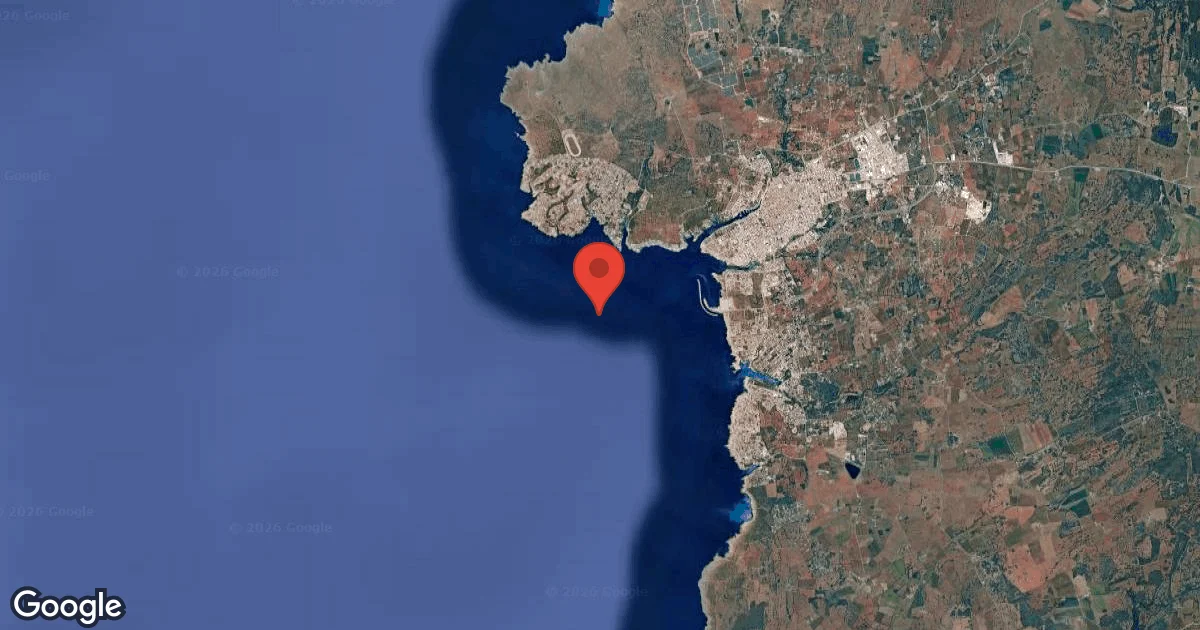
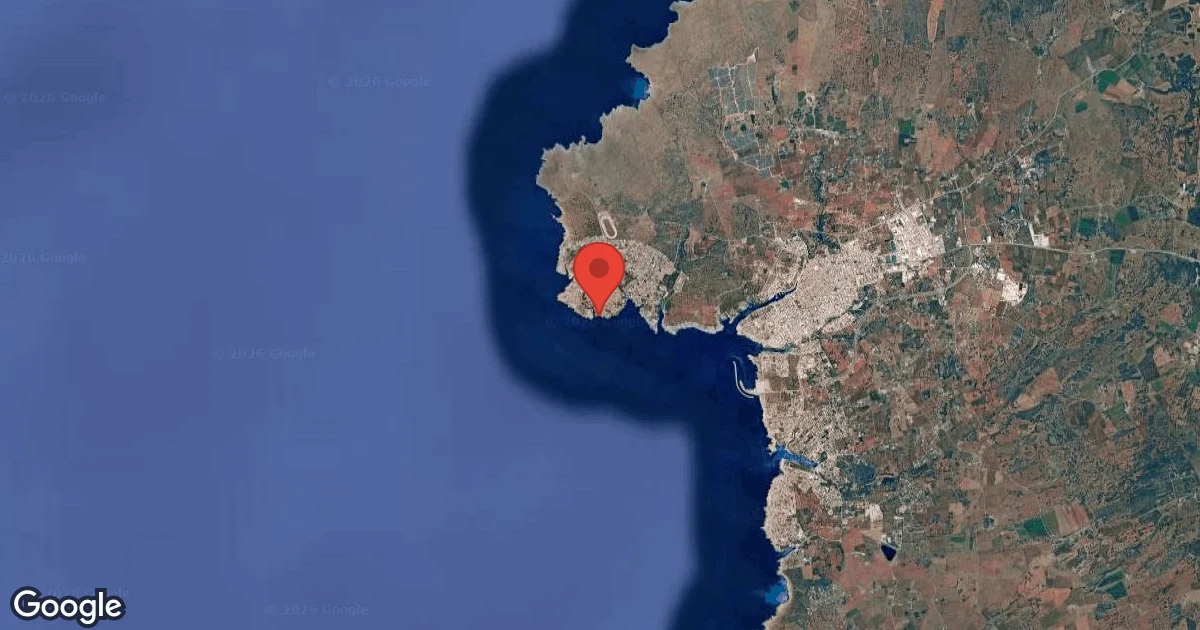
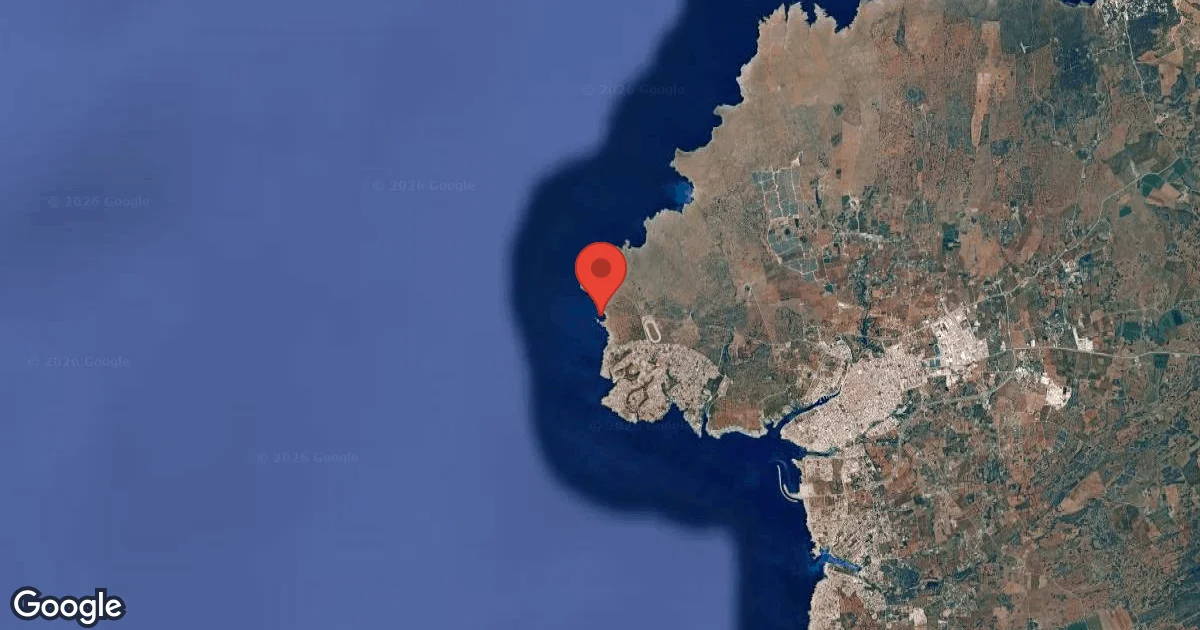
Dive Sites Near Cala Borp
View all dive sites in SpainDiscover more underwater gems in this area.
Dive Centers Near Cala Borp
Today: 09:00 - 09:304-6
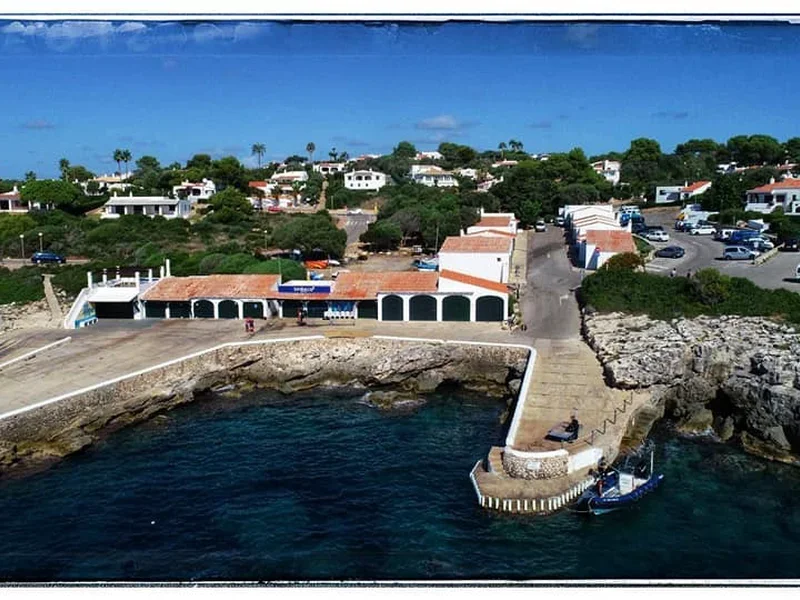
Nearest Airports
Nearest airports to help plan travel to this dive area.
Search Flights
Check available flights and routes on Expedia, using the nearby airports listed in this section.
Search Flights on ExpediaFrequently Asked Questions
What type of dive site is Cala Borp?
Cala Borp is primarily a wall dive. These sites are characterized by vertical or steeply sloping rock formations, offering a unique opportunity to explore different depth zones along a single structure.
What are the typical water temperatures for diving in this region?
While specific water temperature data for Cala Borp isn't consistently reported, the Mediterranean waters in this region generally range from around 14°C (57°F) in winter to 25°C (77°F) or warmer in late summer. A wetsuit thickness suitable for these variations is advisable.
What marine life might I see on a wall dive at Cala Borp?
Wall dives in this area commonly host marine life such as giant groupers, moray eels, and various species of lobsters sheltering in rock crevices. Divers might also spot octopus, barracuda, and colorful gorgonians clinging to the rock face.
Are there strong currents at Cala Borp?
Currents can vary depending on local weather and sea conditions, as with many coastal sites. While not consistently reported as strong, divers should always be prepared for potential currents, especially around exposed sections of the wall.
Is Cala Borp suitable for beginner divers?
Wall dives can be suitable for beginners who have good buoyancy control. However, deeper sections may be more appropriate for advanced divers. Always consult with a local dive center for site-specific guidance based on your experience level.
What general equipment should I bring for diving here?
Standard recreational dive gear including a BCD, regulator, mask, fins, and a wetsuit suitable for the ambient water temperature is recommended. A dive computer and a reliable dive light are particularly useful for exploring the nuances of a wall dive.
Is there any posidonia seagrass at Cala Borp?
Posidonia seagrass meadows are a vital part of the Mediterranean seabed ecology and are found extensively across the region. While not explicitly detailed for Cala Borp, it's common to find these seagrass beds in surrounding areas, potentially at the base or periphery of the wall.
Planning to dive Cala Borp?
Send one inquiry and receive offers directly from the best verified local dive operators.
Conditions are Good
07:00 - 14:00
Optimal conditions expected
Current conditions near Cala Borp show 23° air, 27° sea temperature, 0.7 m waves, and 30 km/h wind. Forecast data is refreshed regularly to ensure accuracy.