
Diving at Knife Rock (Sri Lanka)
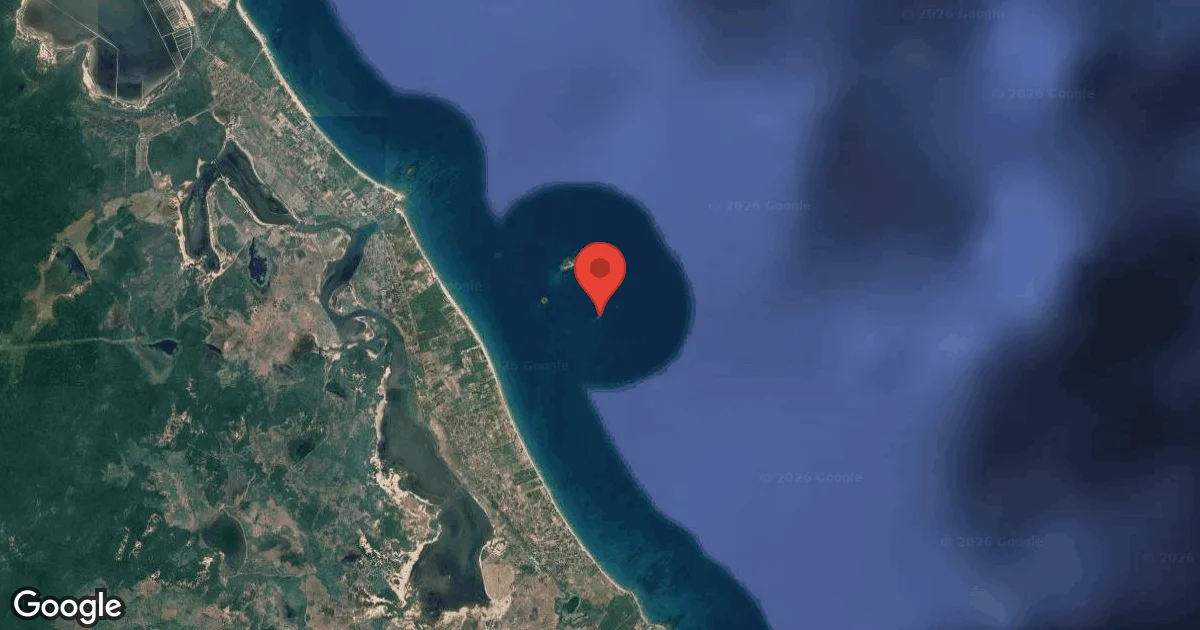
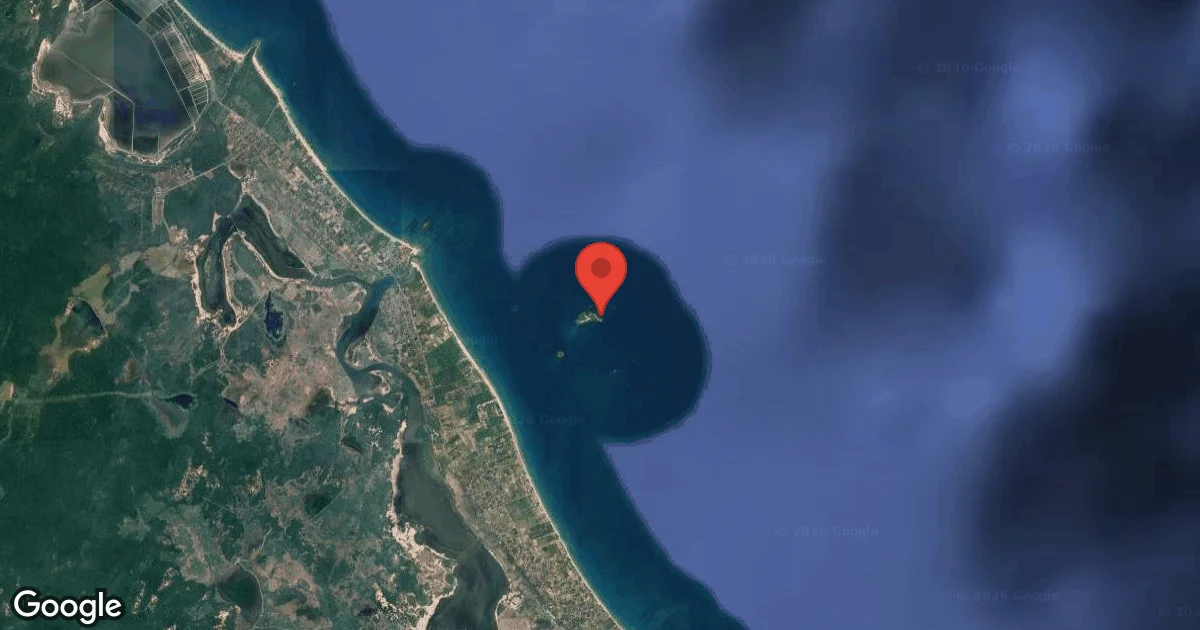
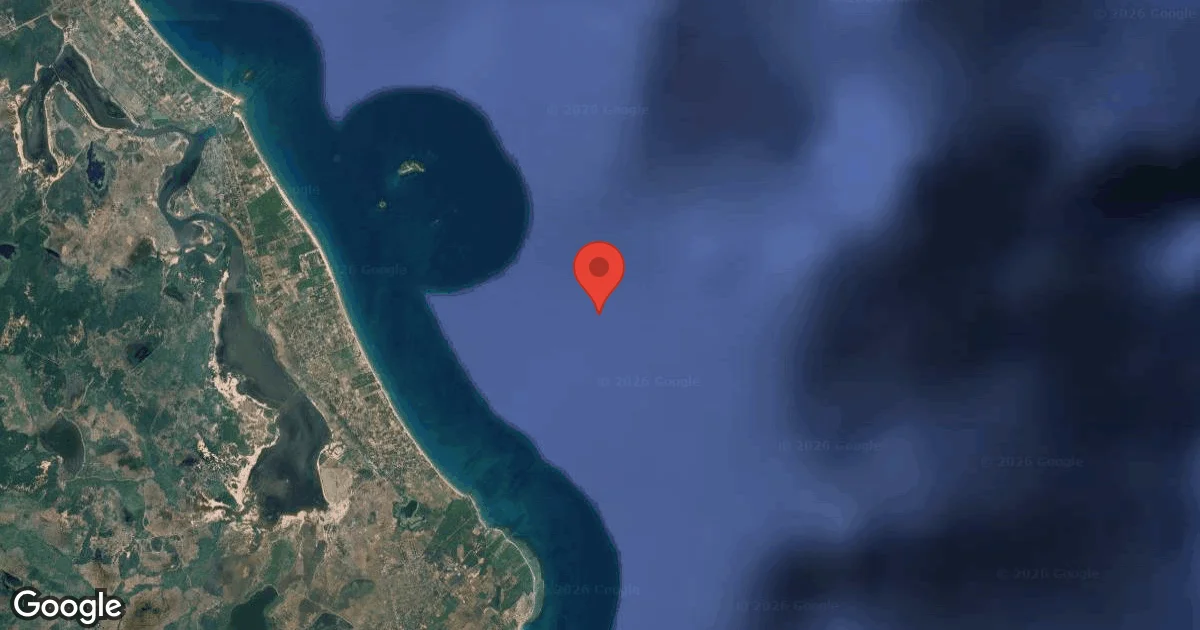
Knife Rock presents a distinct visual and atmospheric experience, often described as having an eerie, dark quality that sets it apart from other Trincomalee dive sites. Positioned just south of Pigeon Island, its dramatic underwater rock formations create a thrilling backdrop for exploration. Photographers and marine life enthusiasts are drawn to its unique structural characteristics and the life they support.
Tonight's objective overview for Knife Rock shows an air temperature of 30.5°C. The measured surface conditions include wave heights around 0.3 m. This environmental data is logged for the close of the day.
Dive Site Location & Key Facts
Dive Site Overview
Tracing its reputation among local divers, Knife Rock has long been associated with a sense of mystery and intriguing gloom, an atmosphere enhanced by what appear to be two long rocky slabs resting on the seabed. This site plunges to a maximum depth of 18 meters (60 ft), though typical recreational dives often explore the vibrant areas around 15 meters (50 ft).
Beyond its dramatic structures, the site hosts beautiful clusters of neat table coral and mushroom soft coral, establishing a rich reef environment. Divers frequently observe large groupers lurking near the rocks, along with various reef fish that feed within the extensive soft coral patches. The site's allure extends to the occasional blurred silvery reflections of pelagic species moving in the distance, further contributing to its unique character.
It's a place where magnificent sea anemones gently sway, sea cucumbers slowly traverse the sandy areas, and tube worms filter feed in the warm currents, creating a diverse underwater tableau.
Conditions are Good
Optimal conditions expected
Current conditions near Knife Rock show 30° air, 30° sea temperature, 0.4 m waves, and 29 km/h wind. Forecast data is refreshed regularly to ensure accuracy.
Best Time to Dive
Optimal diving conditions at Knife Rock are primarily influenced by seasonal weather patterns, with April standing out as an excellent month, boasting a dive score of 9. During this period, air temperatures average around 28.5°C (83°F), accompanied by minimal rain (approximately 3.48 mm) and very calm wave heights of about 0.4 meters (1.3 ft). Generally good diving scores persist from February through October. Air temperatures typically range between 26°C (79°F) in cooler months like January and up to 30°C (86°F) during warmer periods in June and July. Wave heights tend to be lower from March to May, which often correlates with better visibility and calmer seas. November and December see an increase in rain, around 21.28 mm and 9.41 mm respectively, and higher wave activity, potentially affecting surface conditions and dive comfort. Despite these variations, the site's warm waters make it accessible for most of the year, with surface conditions being the main determinant for planning.
PEAK SEASON SCORE
Scores combine air & water temps, waves, wind & rainfall for overall conditions.
BEST MONTHS TO DIVE
Monthly records compiled from satellite and marine observation nodes over the last 3 years. Data provided by Open-Meteo and MET Norway.
Dive Experience & Conditions
Exploring Knife Rock often involves navigating generally clear water conditions, though the site's deeper rock formations can create areas of 'gloom' where pelagics might lurk. The site's maximum depth is 18 meters (60 ft), placing it comfortably within recreational diving limits. Divers can expect the generally gentle currents reported for the Trincomalee area to enhance their experience, allowing for relaxed exploration of the dramatic rock structures. While specific water temperature data isn't consistently reported, the region's waters are known to be warm. These clear, warm waters contribute to a pleasant dive, enabling good visibility for observing marine life and the intricate coral growth on the formations. Paying attention to local dive briefings regarding any current shifts will ensure an even smoother dive.
Dive Difficulty & Safety Guidelines
Before descending at Knife Rock, divers should consider the site's distinct structural elements and the potential for encountering larger marine species, particularly in the deeper, more shadowed sections. Knife Rock's thrilling nature stems from its dramatic rock formations, which necessitates good buoyancy control to avoid contact with the corals and structures. While the currents are generally mild, maintaining awareness of your dive profile and surroundings is always a wise approach, especially when peering into the 'gloom' where pelagics are sometimes sighted.
Adhering to standard safe diving practices, such as buddy diving and monitoring air consumption, ensures a secure experience. Always follow the guidance of local dive operators, who possess up-to-date knowledge of site conditions and any temporary considerations.
Recommended Equipment
- Dive Computer
- DSMB
This gear list is based on verified equipment signals for Knife Rock, Sri Lanka. Always confirm final gear choices with your dive operator, guide, or liveaboard.
Recommended Dive Suit
With water temperatures around 30°C (87°F), many divers find a dive skin or rash guard provides comfortable protection.
Local dive briefings can provide the most accurate guidance.
A modest cooling trend is expected in the upcoming forecast. Cooler days are ahead; you might want a warmer option for later in the week. A warmer option can provide additional comfort if conditions shift.
Due to technical issues with our weather providers, live updates are temporarily delayed. The data above reflects the conditions at the time of the last successful fetch.
Emergency & Medical Support
Essential information to help you plan your dive trip to Knife Rock.

Hyperbaric chambers are a critical part of dive safety infrastructure. Availability varies significantly by region, and not all dive areas have immediate access.
Before diving, it's recommended to:
- confirm nearest medical facilities
- check emergency procedures with local dive operators
- ensure dive insurance covers evacuation if required
Divers Alert Network
Diving emergency assistance available through DAN World.
+1-919-684-9111- 24/7 emergency hotline
- Diving medical assistance
- Evacuation coordination
Emergency contacts are provided for reference. Always verify local emergency services before diving.
Marine Life at Knife Rock
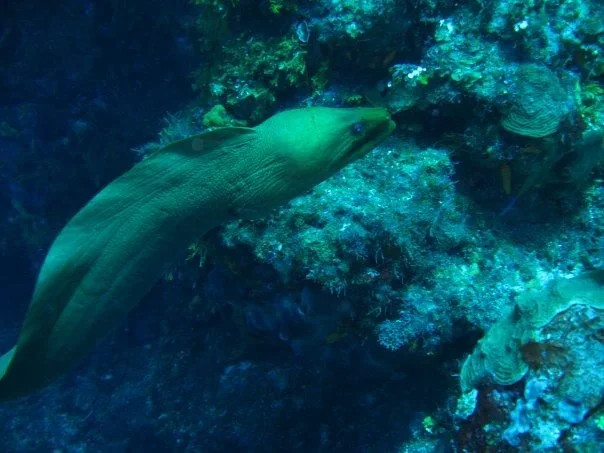
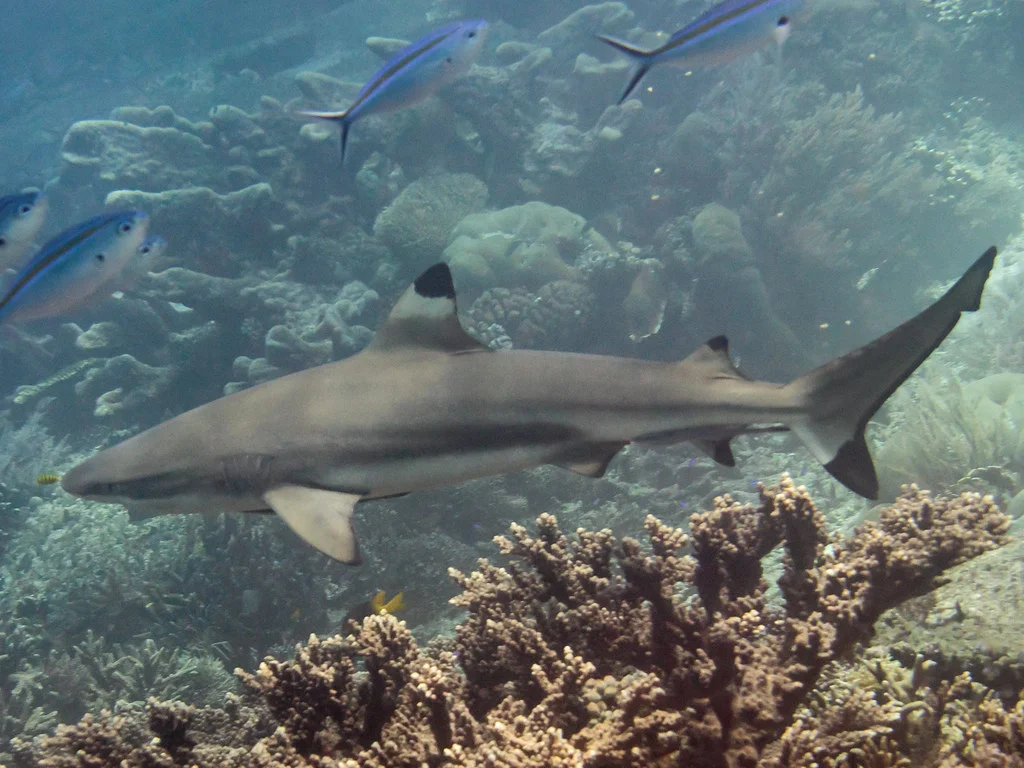
Upon approaching Knife Rock, divers will quickly observe a vibrant array of reef fish darting among the colorful corals that carpet the dramatic rock formations. Moray eels are commonly sighted, often peeking from crevices within the rocks, while the occasional blacktip reef shark might be seen patrolling the area.
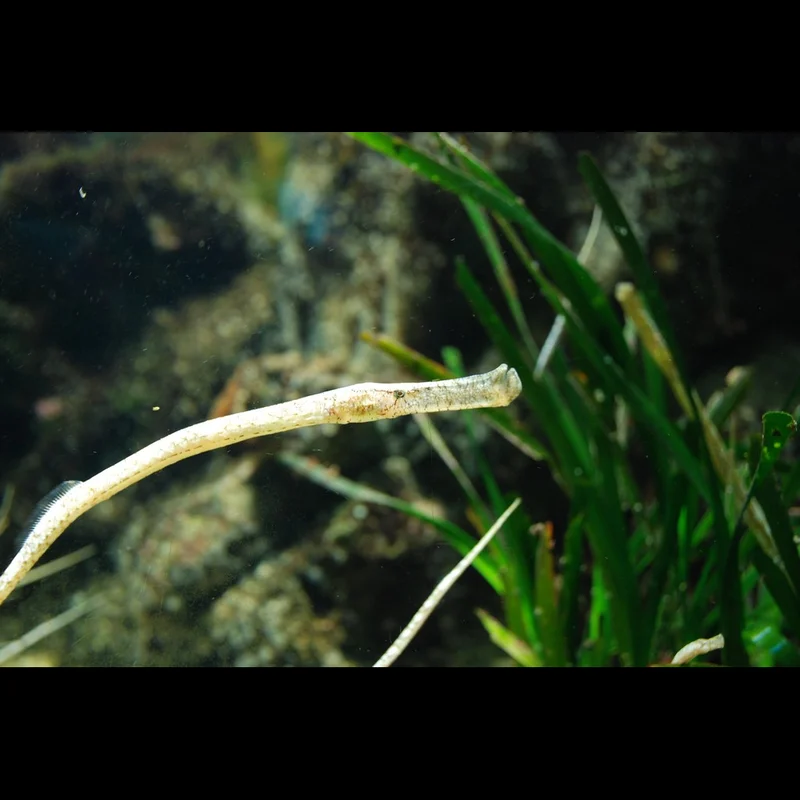
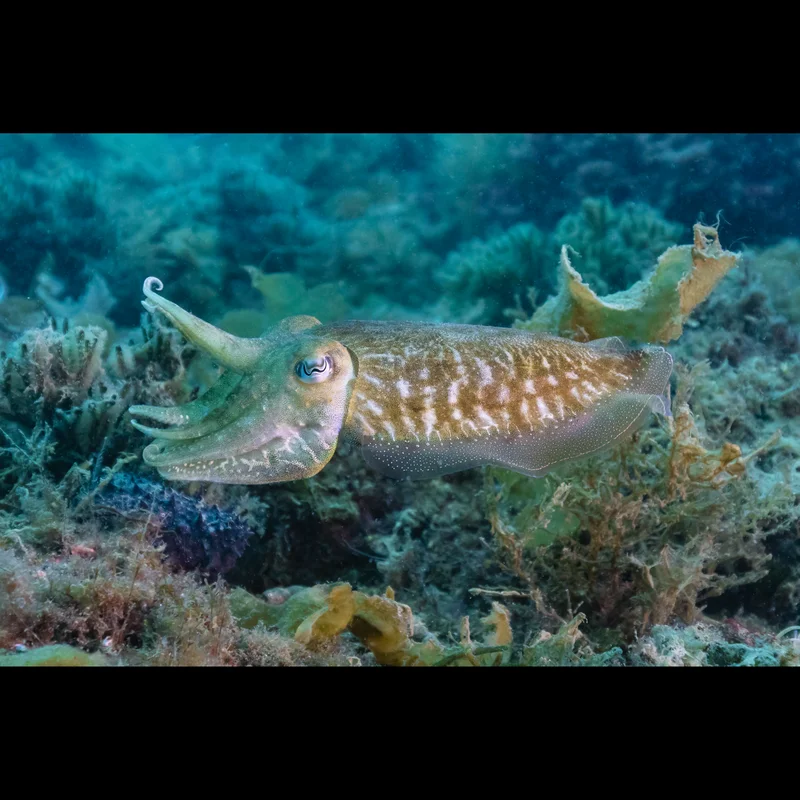
Large groupers are a frequent presence here. Closer inspection reveals smaller, intricate creatures like starfish, pipefish, and cuttlefish, adding to the site's biodiversity.

Dive Sites Near Knife Rock
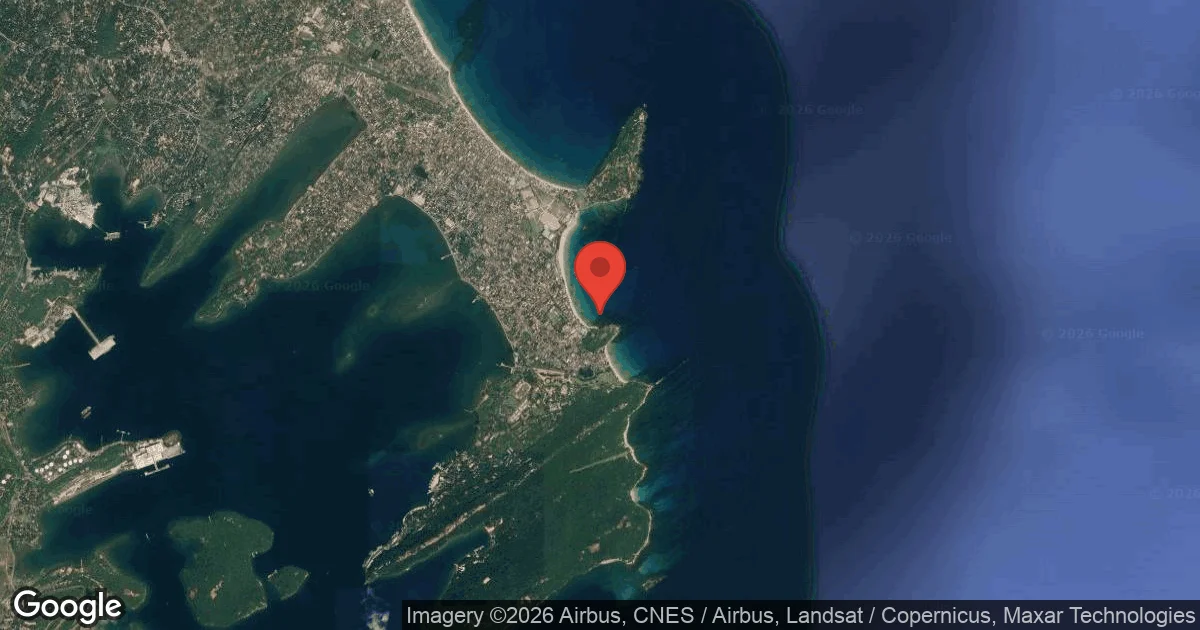
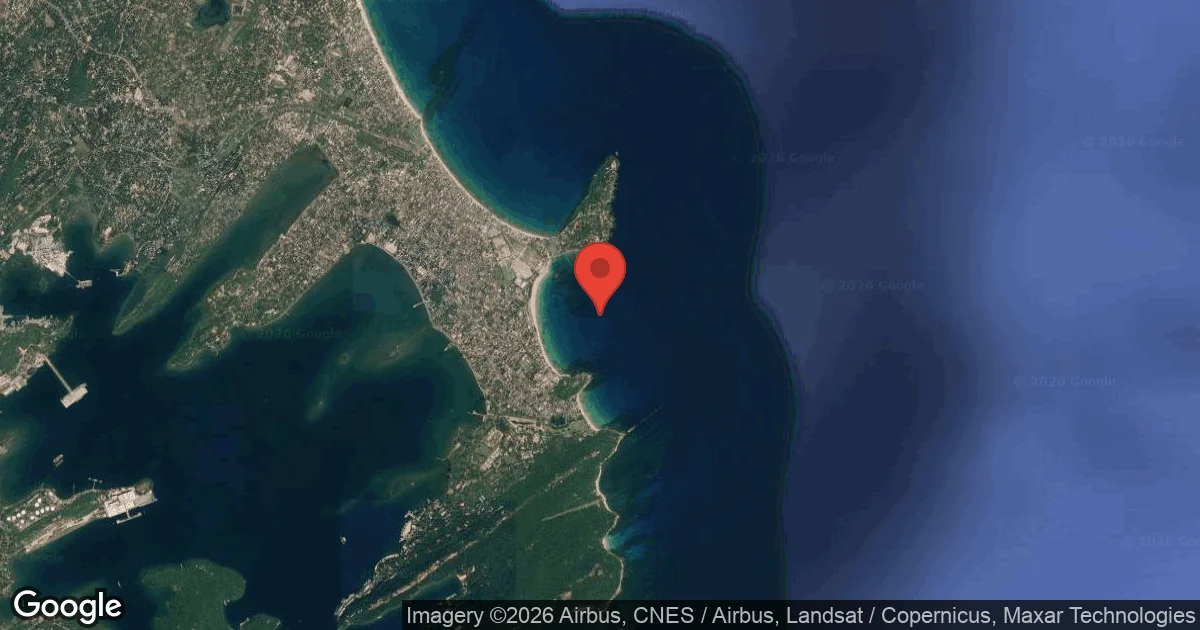
View all dive sites in Sri LankaDiscover more underwater gems in this area.
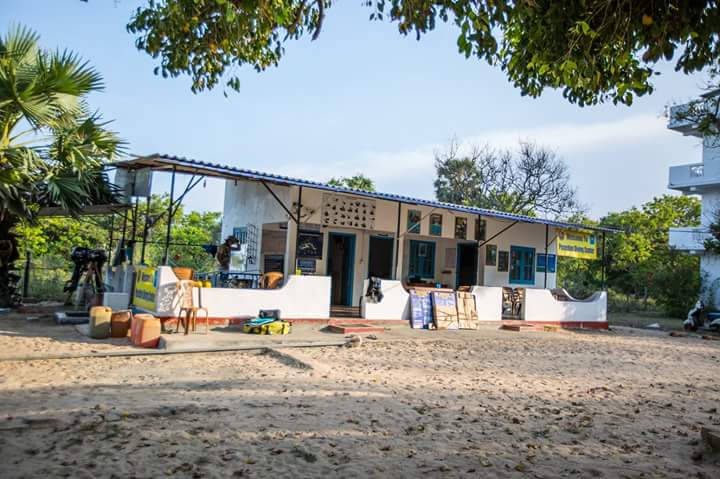
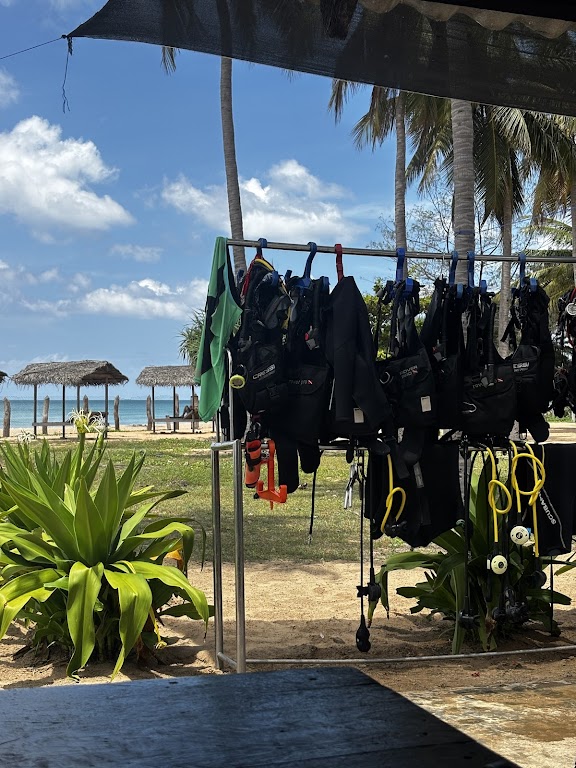
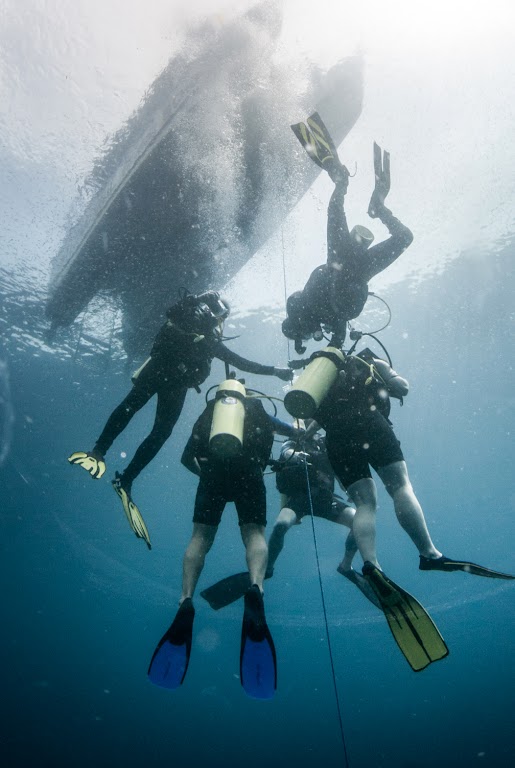
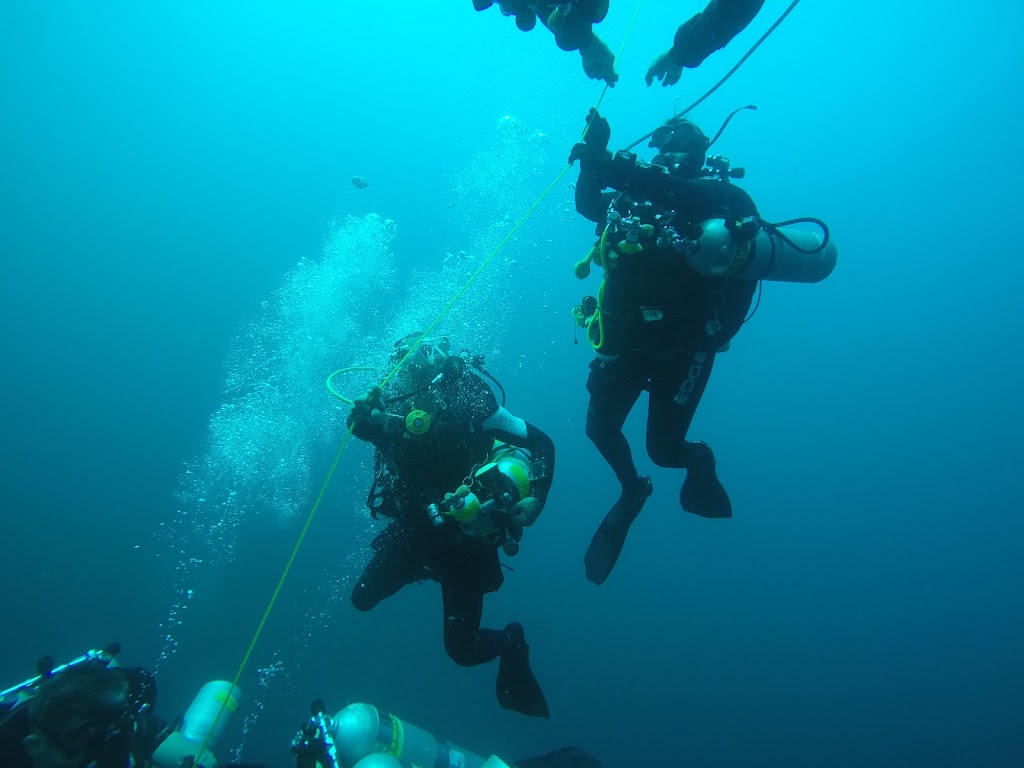
Dive Centers Near Knife Rock
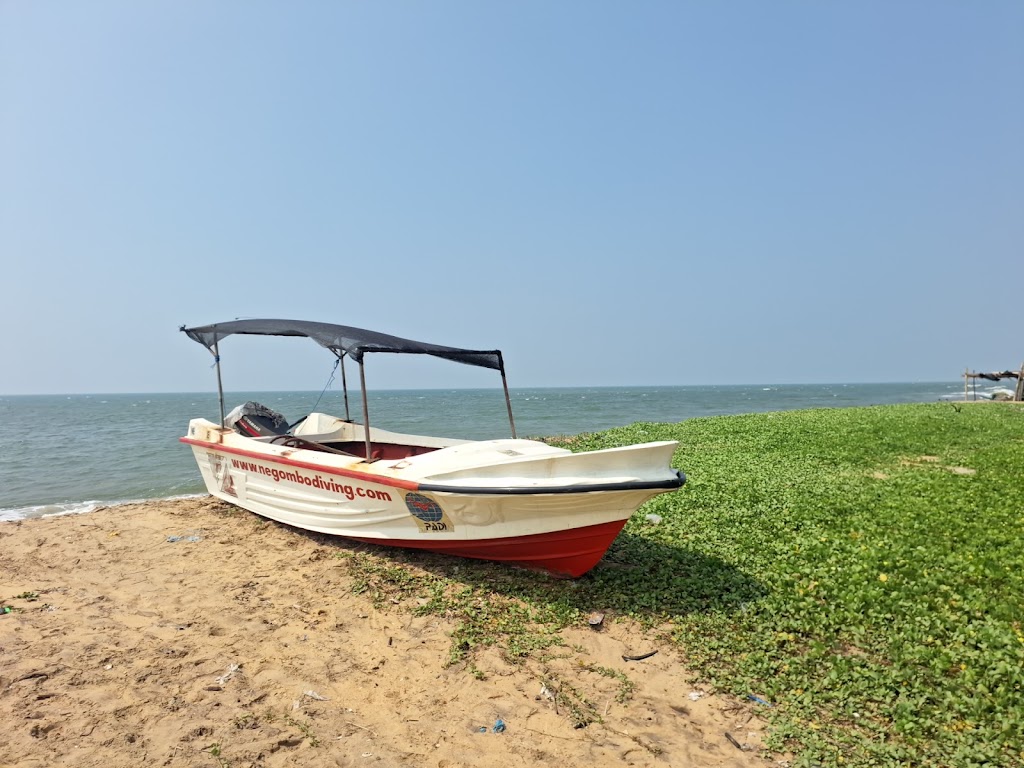
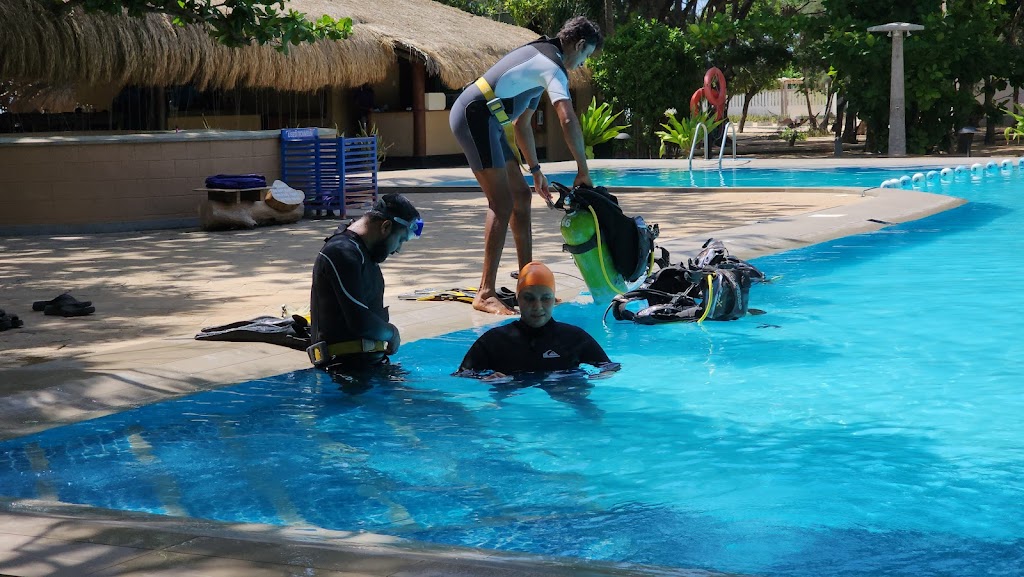
Today: 06:00 - 21:00

Nearest Airports
Nearest airports to help plan travel to this dive area.
Search Flights
Check available flights and routes on Expedia, using the nearby airports listed in this section.
Search Flights on ExpediaFrequently Asked Questions
What is the maximum depth at Knife Rock?
Knife Rock offers a thrilling dive experience, reaching a maximum depth of 18 meters (60 ft). Many divers explore the vibrant sections closer to 15 meters (50 ft).
What kind of marine life can be seen at Knife Rock?
Divers can expect to see an array of reef fish, moray eels, and frequently sighted large groupers. There's also the possibility of encountering blacktip reef sharks, starfish, pipefish, and cuttlefish.
Is Knife Rock suitable for all diver levels?
With a maximum depth of 18 meters (60 ft), Knife Rock is well within recreational diving limits. Its gentle currents and generally clear visibility make it approachable for most certified divers.
What are the general conditions like at Knife Rock?
Knife Rock typically features generally clear, warm waters and gentle currents. While overall visibility is good, the dramatic rock formations can create shadowed or 'gloomy' areas.
What gives Knife Rock its 'eerie' quality?
The site's unique atmosphere comes from its dramatic, dark rock formations and the presence of what appear to be two long rocky slabs on the seabed. This contributes to a mysterious and intriguing feel.
Is Knife Rock a good site for underwater photography?
Yes, Knife Rock is considered a haven for photographers. Its dramatic rock formations, vibrant corals, and diverse marine life provide ample subjects for captivating underwater images.
Planning to dive Knife Rock?
Send one inquiry and receive offers directly from the best verified local dive operators.
Conditions are Good
Optimal conditions expected
Current conditions near Knife Rock show 30° air, 30° sea temperature, 0.4 m waves, and 29 km/h wind. Forecast data is refreshed regularly to ensure accuracy.