
Diving at Navy Island Cave (Sri Lanka)
Calm surface conditions often characterize the waters around Navy Island Cave, providing an accessible entry point for divers. This Sri Lankan dive site features a compelling combination of coral reefs and rock formations. Depths typically range to about 12 m / 39 ft, making it suitable for a broad spectrum of diving proficiencies. Clarity of the water varies but is frequently good, allowing for appreciation of the underwater topography and marine inhabitants.
As evening covers Navy Island Cave, the local air temperature is measured at 27°C. The current wave height at the surface is recorded at 0.3 m. These late-day readings characterize the surface conditions for the night.
Dive Site Location & Key Facts
Dive Site Overview
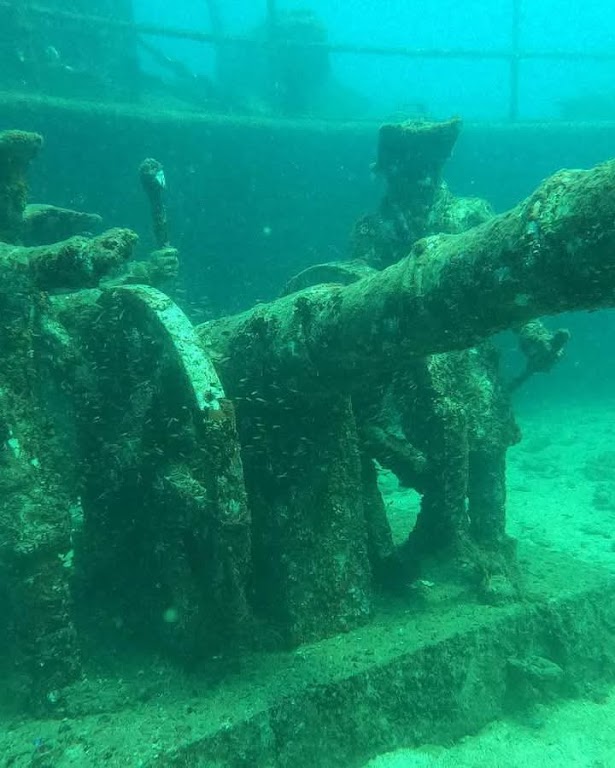
Navy Island Cave carries a palpable historical weight, with remnants from its strategic role during World War II occasionally visible beneath the surface. This unique aspect adds a distinctive layer to the exploration of its natural features, inviting divers to connect with both natural beauty and a bygone era, distinguishing it from purely natural sites.
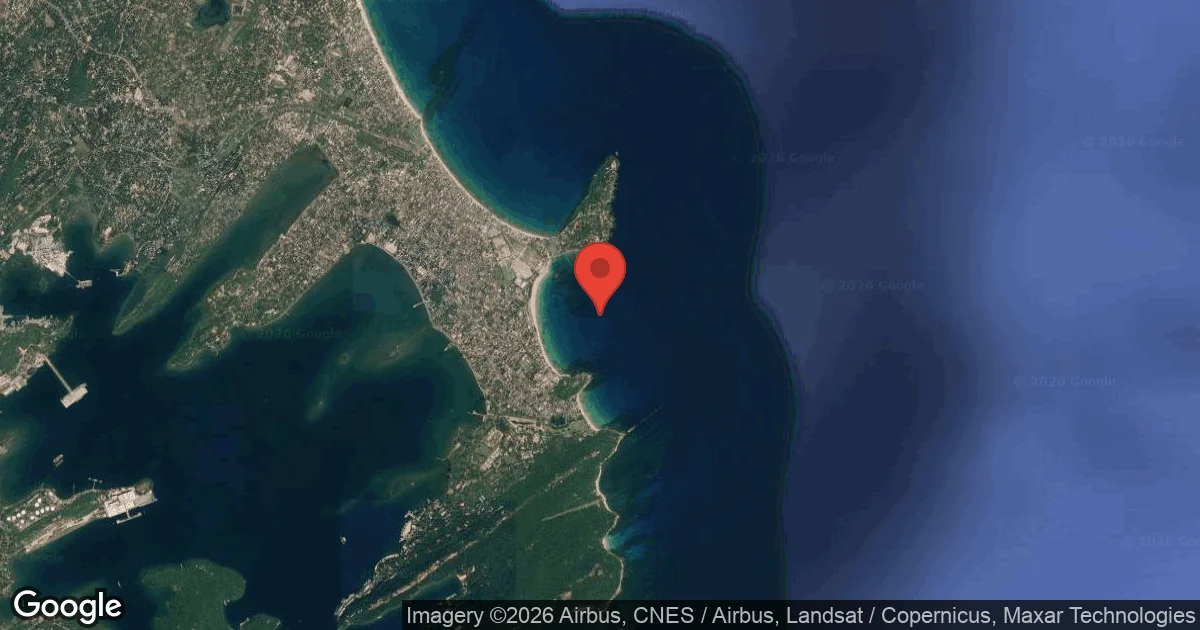
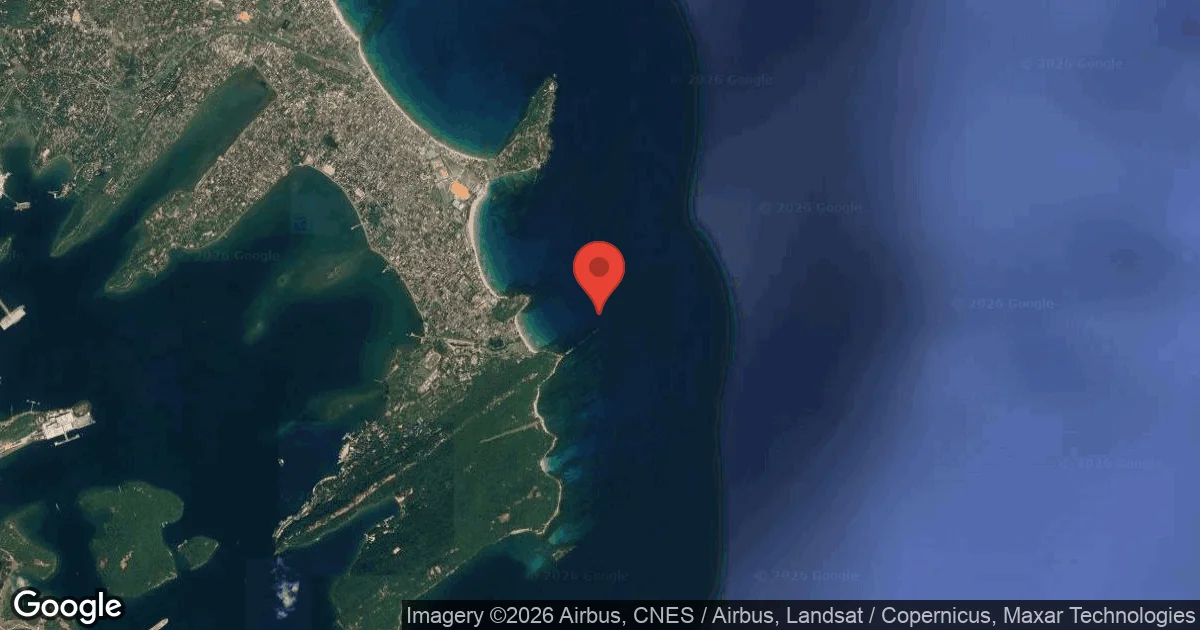
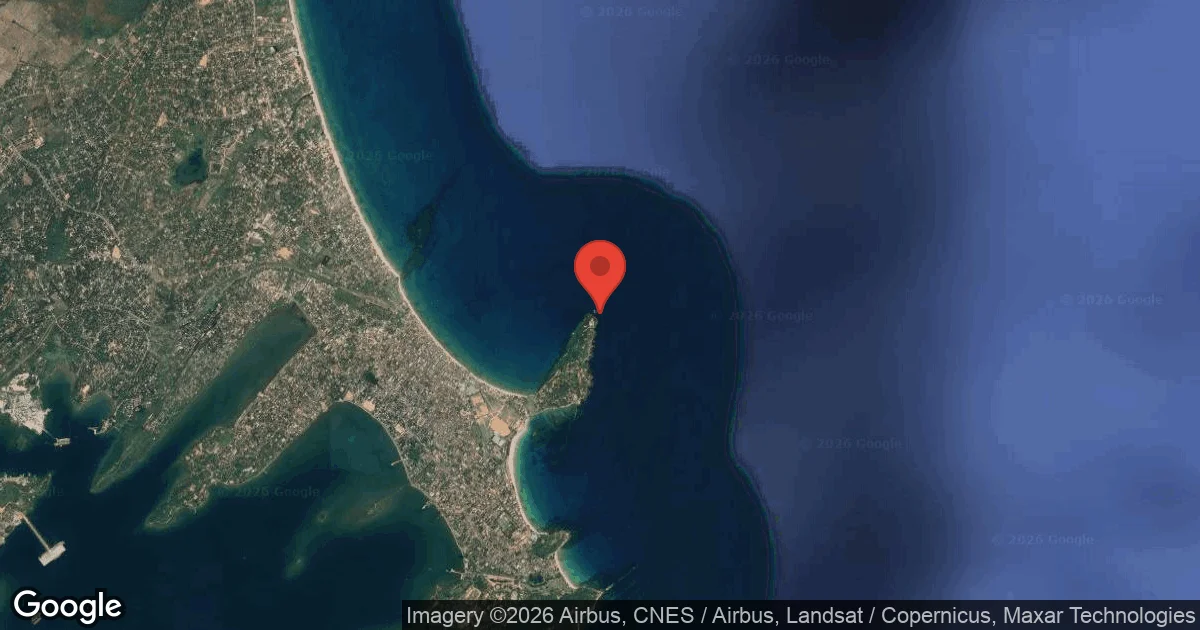
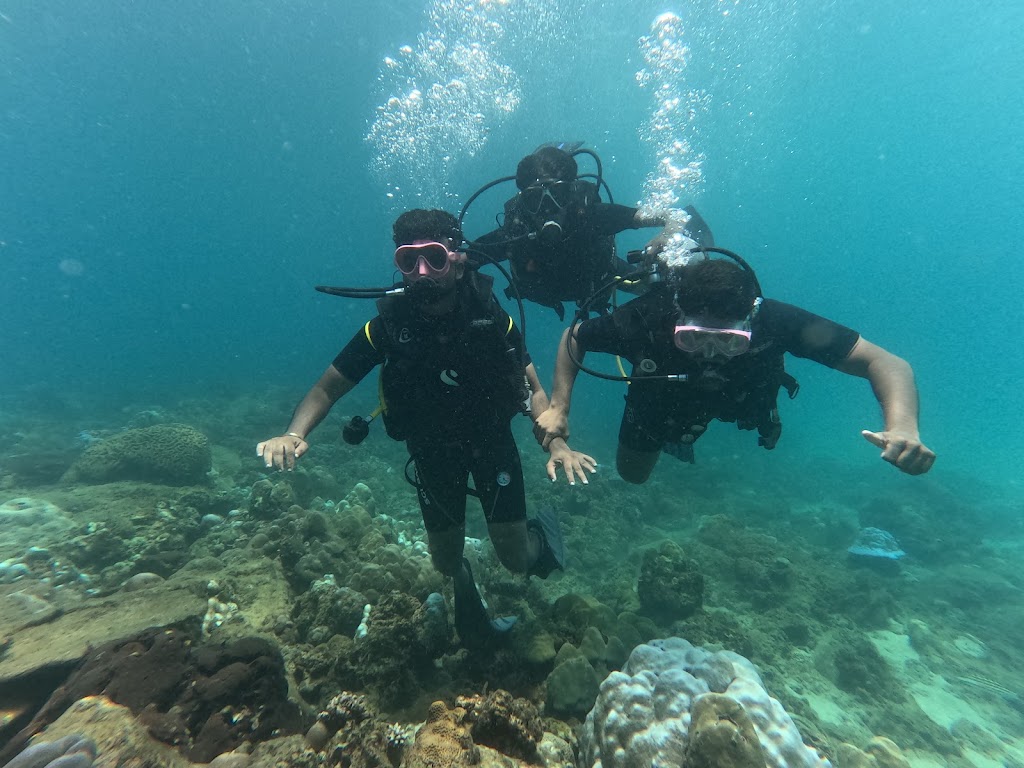
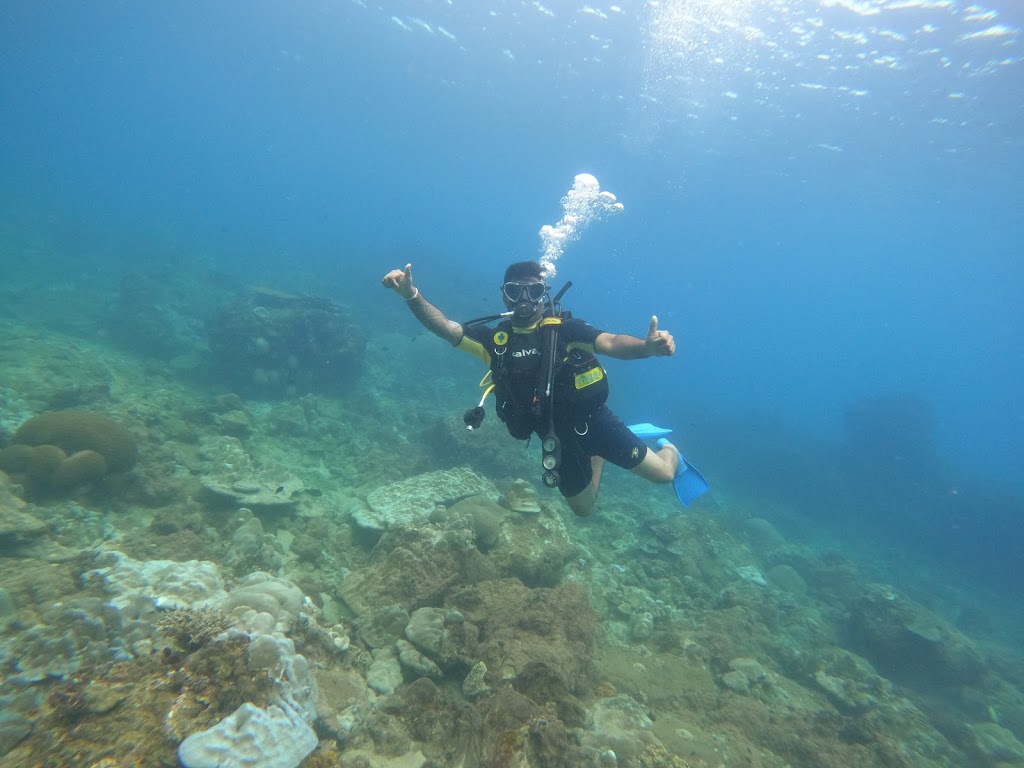
Located just offshore from Trincomalee, this site presents a compelling dive through several distinct cave systems, including one noted for its igloo-like formation that divers can safely explore. Beyond the caverns, divers encounter extensive vibrant coral gardens and intriguing rock structures that house a bustling marine ecosystem. Its relatively shallow maximum depth, typically around 12 m / 39 ft, combines with a generally calm environment.
This accessibility makes it a popular choice for a wide spectrum of divers, from those just starting their journey to more experienced individuals. The site is particularly recognized for a rich variety of fish schools and colorful, intact corals, offering ample opportunities for detailed observation and underwater photography within its diverse formations.
This combination of historical context and thriving marine life creates a memorable and engaging underwater experience.
Conditions are Good
Optimal conditions expected
Current conditions near Navy Island Cave show 27° air, 28° sea temperature, 0.4 m waves, and 34 km/h wind. Forecast data is refreshed regularly to ensure accuracy.
Best Time to Dive
Optimal diving conditions at Navy Island Cave generally span from March to July, which consistently receive "Excellent" dive scores based on climate data. During these months, air temperatures are comfortably warm, averaging between 27°C and 30°C (81-86°F). Wave heights are at their lowest, typically ranging from 0.2 to 0.4 meters, enhancing overall dive comfort and visibility. Rainfall during this period is also minimal, further contributing to ideal surface conditions. Even outside this peak, months like January, February, August, September, and October still offer "Good" diving experiences, with air temperatures remaining above 25°C (77°F). November experiences higher rainfall and wave activity, potentially affecting dive planning.
PEAK SEASON SCORE
Scores combine air & water temps, waves, wind & rainfall for overall conditions.
BEST MONTHS TO DIVE
Monthly records compiled from satellite and marine observation nodes over the last 3 years. Data provided by Open-Meteo and MET Norway.
Dive Experience & Conditions
Descending into Navy Island Cave, divers immediately encounter an engaging environment where sunlight filters through crevices, illuminating vibrant underwater ecosystems. The sensory experience involves navigating through intriguing rock formations and exploring cave entrances, some described as igloo-like, which often shelter various marine species. The water temperature is consistently warm, a comfortable extension of the tropical air temperatures characteristic of the region. Visibility can be quite good, frequently offering clear, unobstructed views of the colorful coral reefs and diverse schools of fish, allowing for detailed observation. Currents are typically gentle here, providing a relaxed and unhurried diving experience, though conditions can naturally vary depending on specific weather patterns and lunar cycles. This site offers a tangible sense of exploration and discovery without demanding overly technical skills.
Dive Difficulty & Safety Guidelines
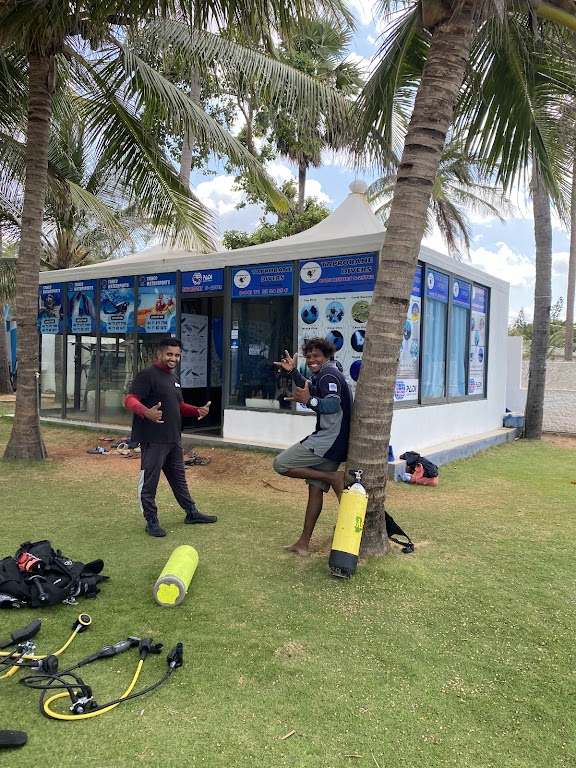
Approaching this site, divers should assess their certification level as it accommodates various proficiencies, including Open Water and Advanced Open Water divers. For less experienced individuals, diving with a certified instructor is highly recommended to ensure a safe and enjoyable experience within the caves and around the reefs. Local diving schools actively maintain the site and offer guided dives and equipment rentals.
It's prudent to check current weather conditions and sea currents before any dive, as these can influence visibility and overall safety. Booking dives in advance, particularly during peak tourist seasons, is advisable to secure a spot with reputable operators.
Recommended Equipment
Overhead environment. Do not enter beyond training and gas planning limits.
- Dive Computer
- DSMB
- Primary & Backup Lights
- Reel / Spool
- Cutting Tool
This gear list is based on verified equipment signals for Navy Island Cave, Sri Lanka. Always confirm final gear choices with your dive operator, guide, or liveaboard.
Recommended Dive Suit
For many recreational divers, 2-3mm shorty or light wetsuit provides a practical level of insulation in these conditions. Consider warmer surface protection (like a boat coat) due to brisk winds. Divers who tend to get cold easily may prefer slightly thicker exposure protection.
The waters surrounding Navy Island Cave are currently maintaining temperatures close to 28°C (83°F). Surface air temperatures are resting at 27°C (80°F).
The next few days appear likely to bring similar environmental conditions.
Emergency & Medical Support
Essential information to help you plan your dive trip to Navy Island Cave.

Hyperbaric chambers are a critical part of dive safety infrastructure. Availability varies significantly by region, and not all dive areas have immediate access.
Before diving, it's recommended to:
- confirm nearest medical facilities
- check emergency procedures with local dive operators
- ensure dive insurance covers evacuation if required
Divers Alert Network
Diving emergency assistance available through DAN World.
+1-919-684-9111- 24/7 emergency hotline
- Diving medical assistance
- Evacuation coordination
Emergency contacts are provided for reference. Always verify local emergency services before diving.
Marine Life at Navy Island Cave
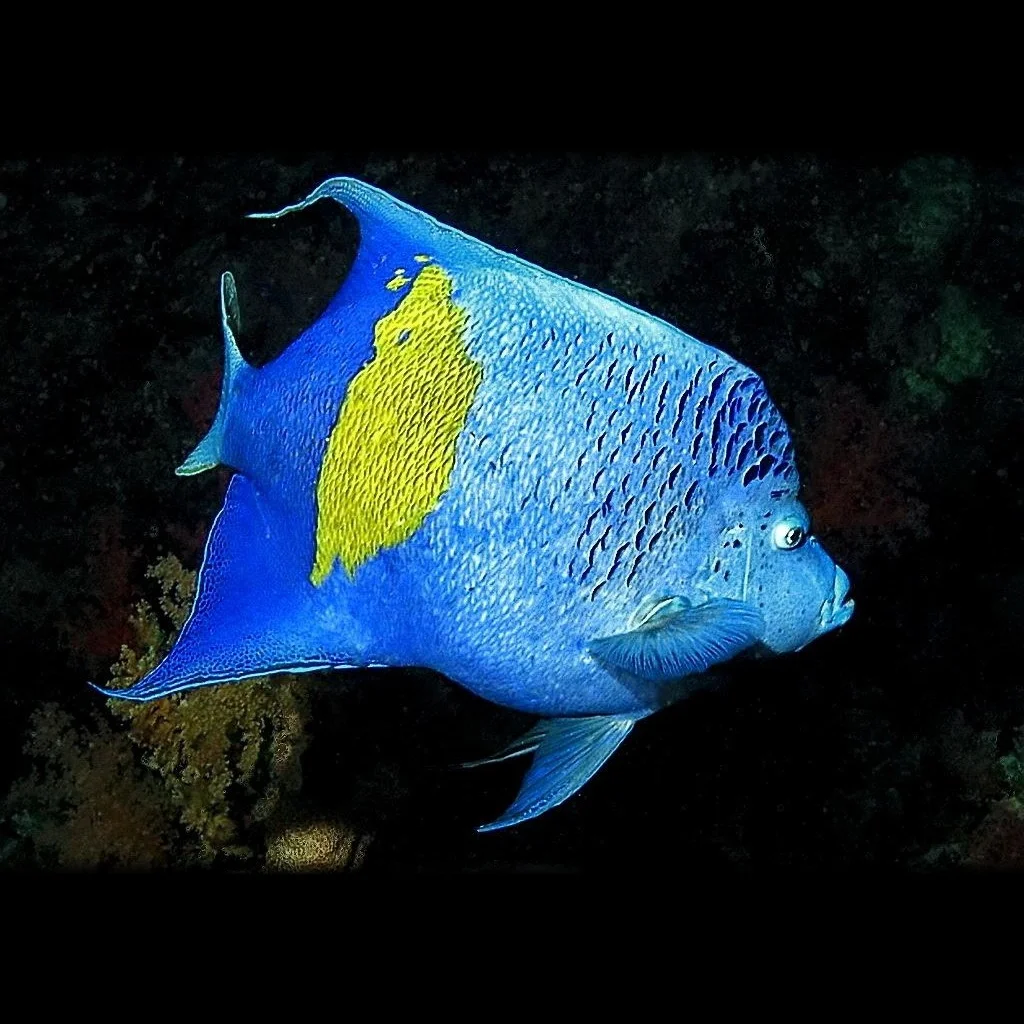
The topography of Navy Island Cave, with its combination of coral reefs and rocky structures, creates a diverse habitat for marine life. Schools of colorful tropical fish often congregate around the reef formations, including angelfish, clownfish, and triggerfish.
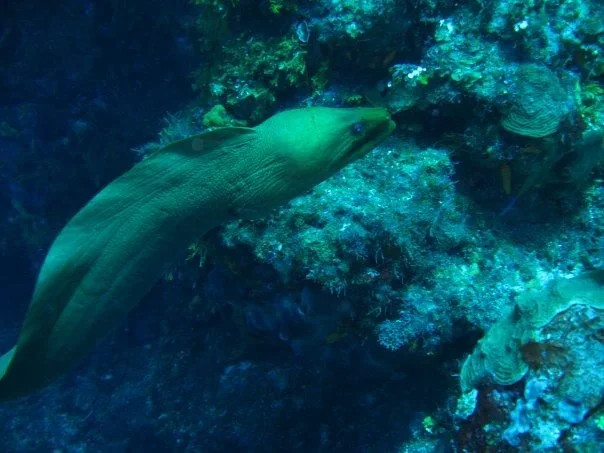
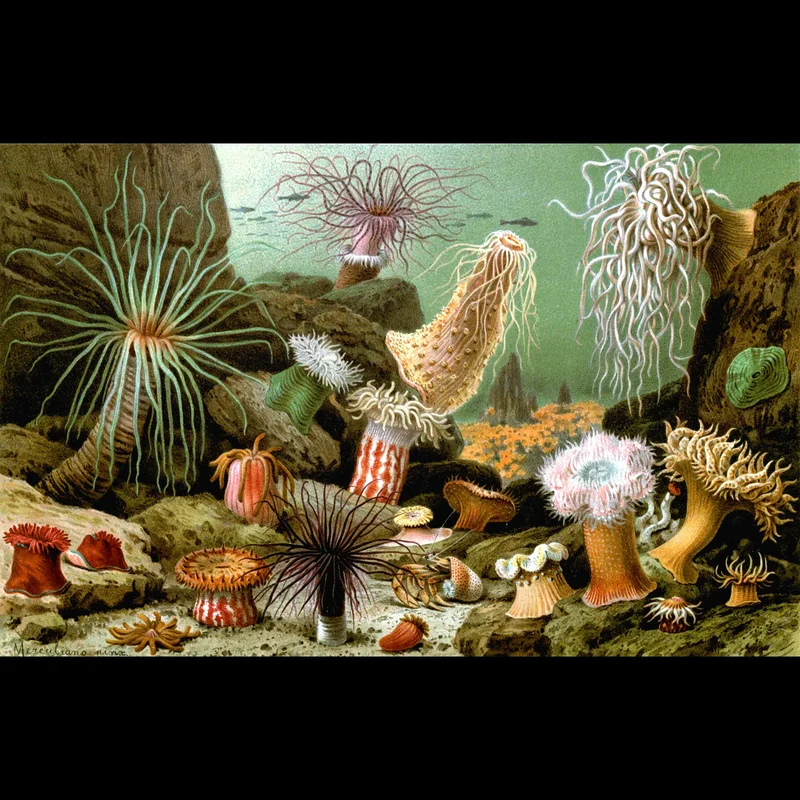
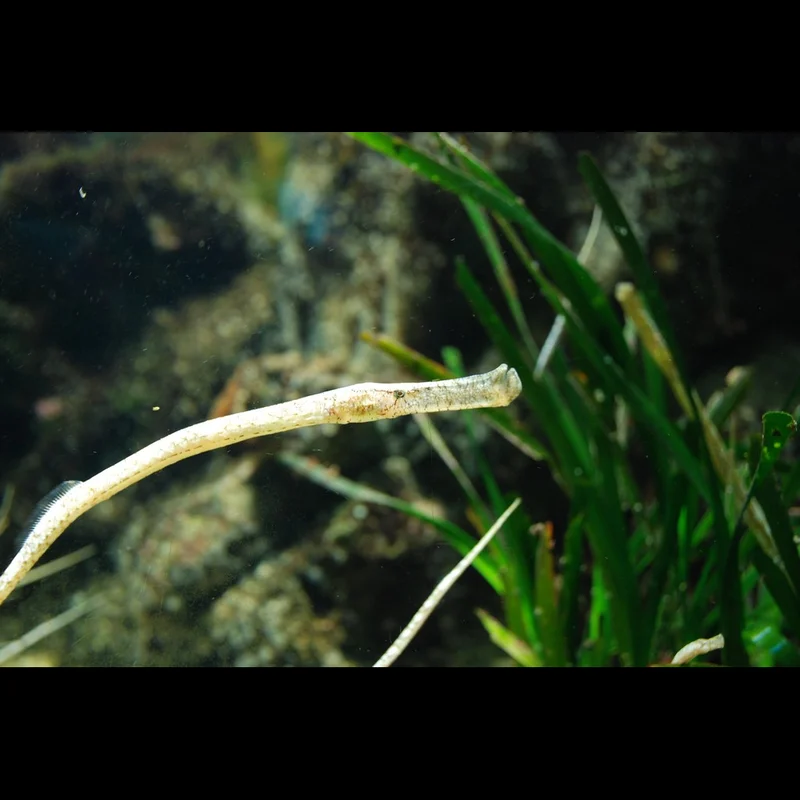
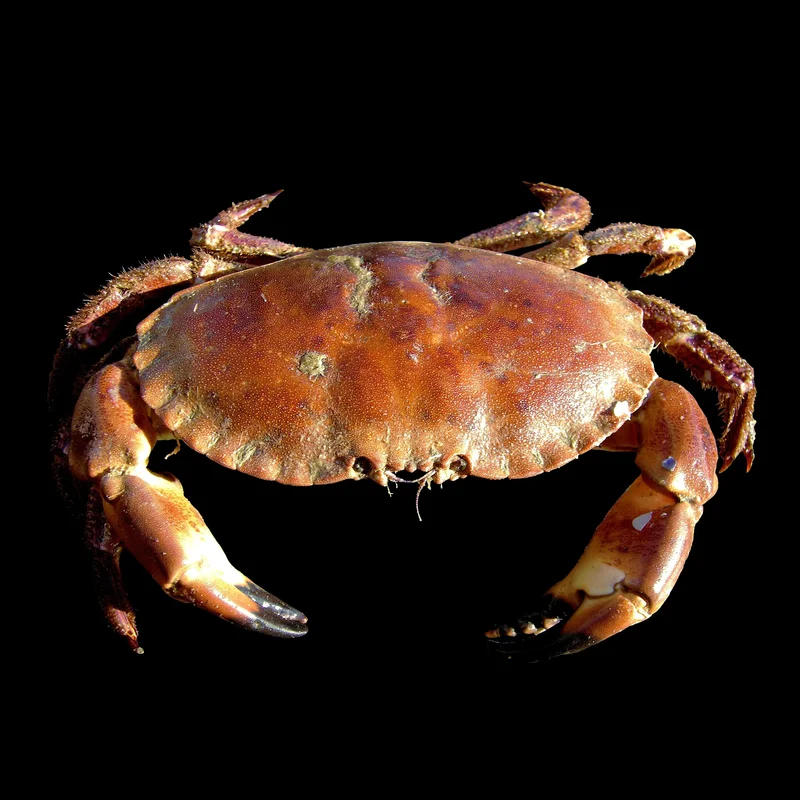
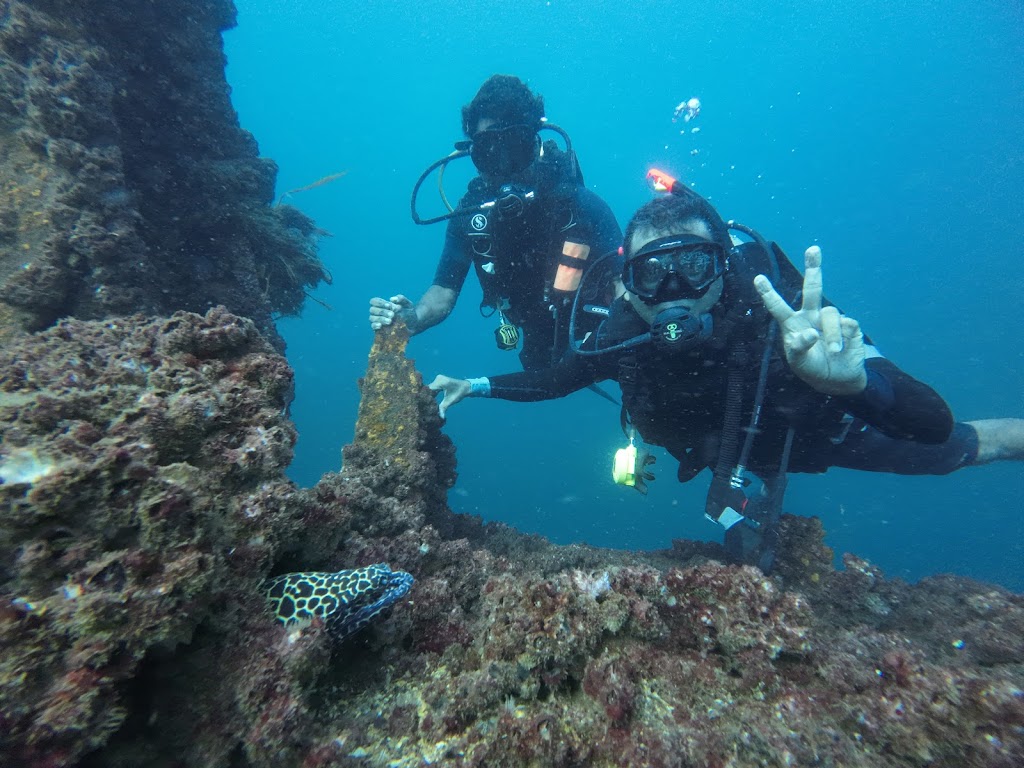
Moray eels can be observed nestled within rock crevices, while crabs and sea anemones cling to the surfaces. Occasional sightings of pipefish and even tuna are reported.
The captivating underwater landscape serves as a backdrop for these creatures, offering dynamic viewing opportunities for divers exploring the caves and surrounding reef.
Dive Sites Near Navy Island Cave
View all dive sites in Sri LankaDiscover more underwater gems in this area.
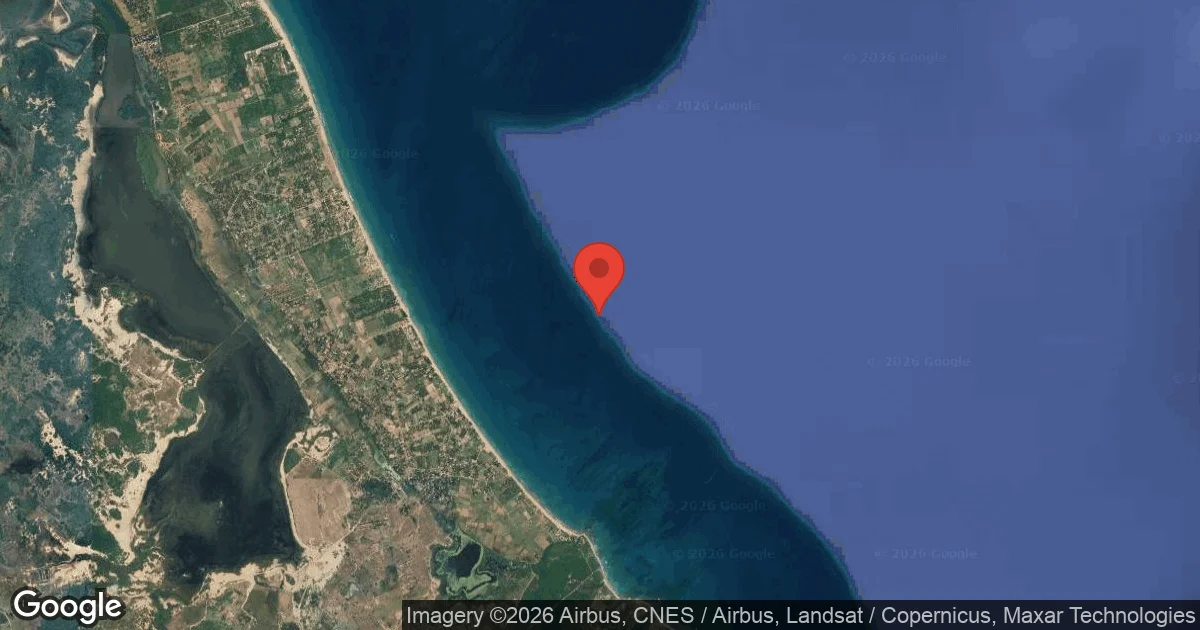
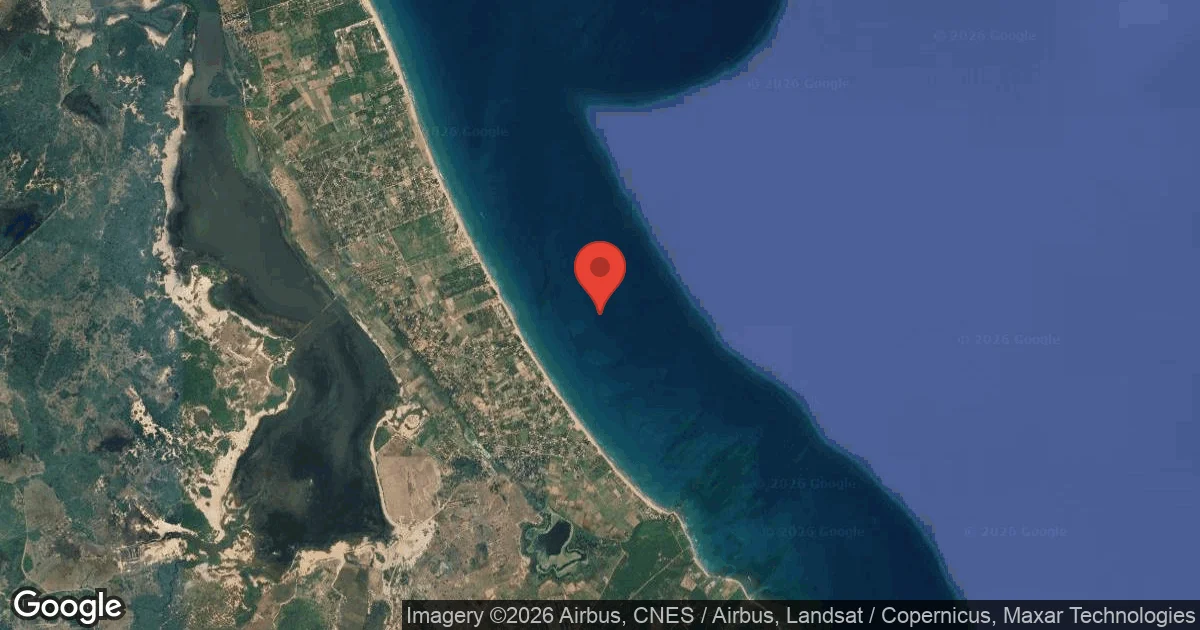
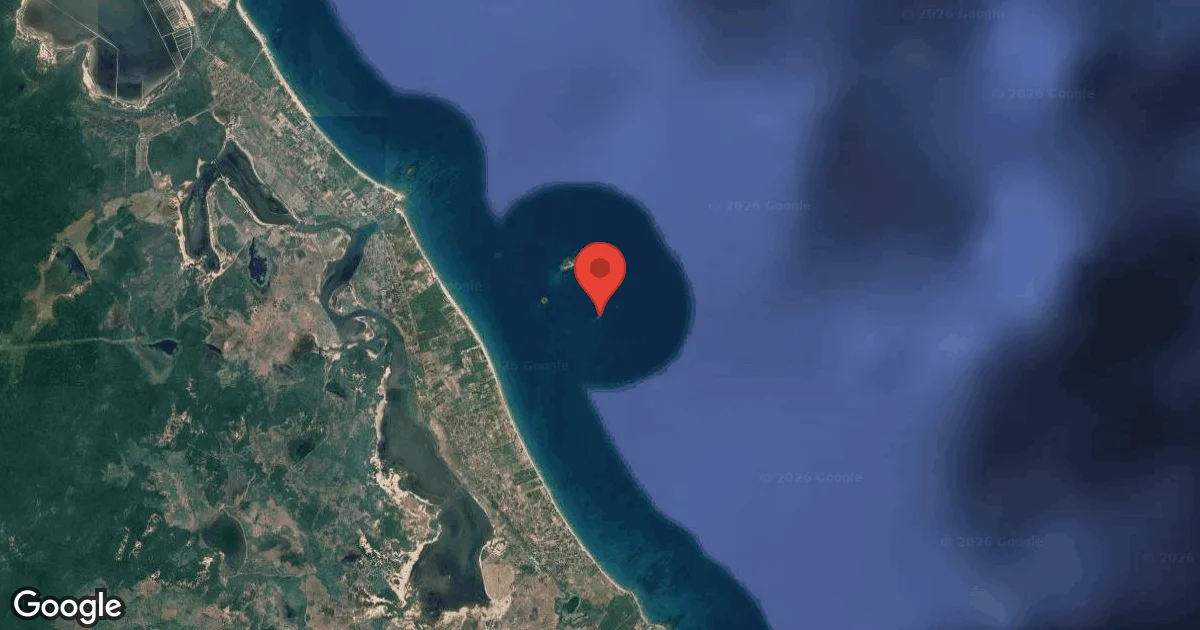
Dive Centers Near Navy Island Cave
Today: 06:00 - 20:00


Nearest Airports
Nearest airports to help plan travel to this dive area.
Search Flights
Check available flights and routes on Expedia, using the nearby airports listed in this section.
Search Flights on ExpediaFrequently Asked Questions
What type of dive site is Navy Island Cave?
It's a shallow dive site featuring a combination of coral reefs, intricate rock formations, and accessible underwater caves, including an igloo-like structure. It's known for both its natural beauty and historical elements from World War II.
What is the maximum depth at Navy Island Cave?
The maximum depth typically reached at this site is around 12 meters (39 feet), making it suitable for a wide range of certified divers.
What marine life can I expect to see?
Divers often encounter a variety of colorful tropical fish like angelfish, clownfish, and triggerfish. Moray eels, crabs, pipefish, and sea anemones are also commonly observed, occasionally alongside larger species like tuna.
Is Navy Island Cave suitable for beginner divers?
Yes, its relatively shallow depth and generally calm conditions make it suitable for Open Water divers, and it's also a popular spot for Discover Scuba Diving experiences. Beginners should consider diving with a certified instructor.
When is the best time of year to dive here?
The prime diving season, offering "Excellent" conditions, runs from March to July due to minimal rainfall, low wave heights, and warm air temperatures. "Good" conditions are common throughout most of the rest of the year.
Are there any historical aspects to the dive site?
The area holds historical significance from World War II, and divers may occasionally spot remnants from that era, adding an interesting dimension to the underwater exploration.
How can I get to Navy Island Cave?
The site is typically accessed by boat from Trincomalee. You can also reach the general area by car, public transportation, or taxi from the town center, followed by a short walk or transfer to a dive boat.
Do I need to book my dive in advance?
It's advisable to book your dive with a certified local operator in advance, especially if you plan to visit during peak tourist seasons, to ensure availability.
Planning to dive Navy Island Cave?
Send one inquiry and receive offers directly from the best verified local dive operators.
Conditions are Good
Optimal conditions expected
Current conditions near Navy Island Cave show 27° air, 28° sea temperature, 0.4 m waves, and 34 km/h wind. Forecast data is refreshed regularly to ensure accuracy.