
Diving at Pigeon Island Back Side (Sri Lanka)
Maintaining the delicate balance of Pigeon Island back side, a crucial part of one of Sri Lanka's two marine national parks, requires careful diving practices. This area experiences environmental pressures from tourism, including coral breakage, plastic pollution, and occasional overcrowding. Responsible diver behavior is essential to preserve its fragile ecosystems, which serve as a significant breeding ground for reef fish and turtles. Divers should be aware of these impacts and commit to eco-friendly approaches to help sustain this vibrant site.
Evening condition tracking at Pigeon Island Back Side features an air temperature of 27.5°C. We have recorded wave heights measuring 0.4 m during this period. These figures outline the environmental parameters currently present.
Dive Site Location & Key Facts
Dive Site Overview
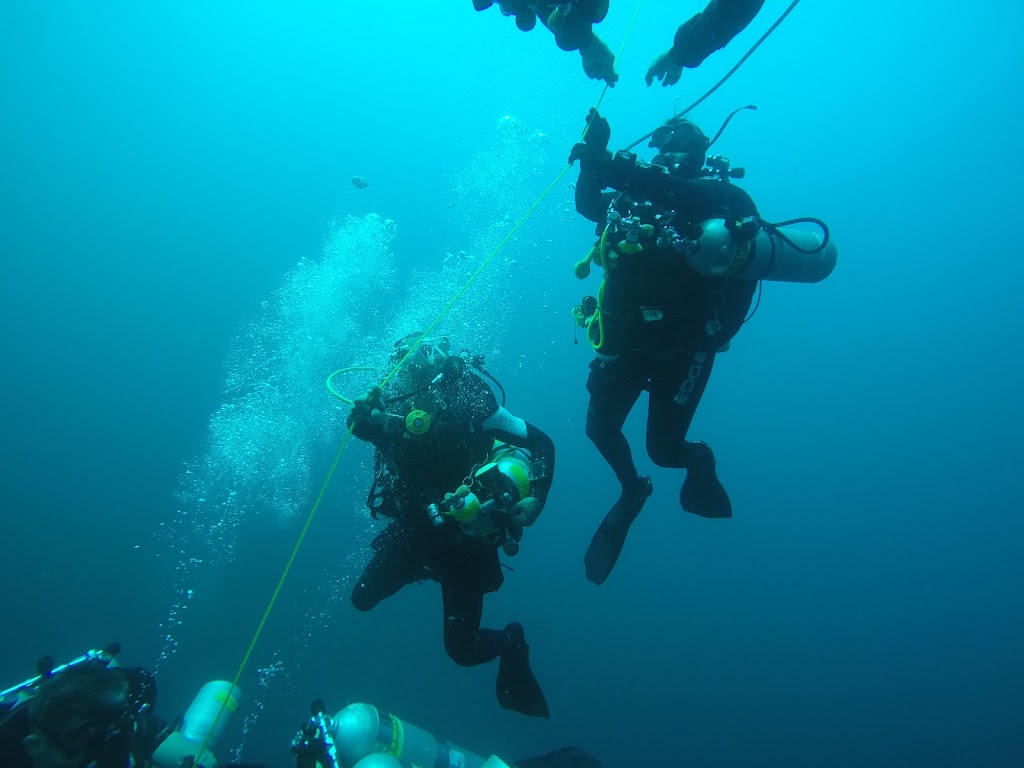
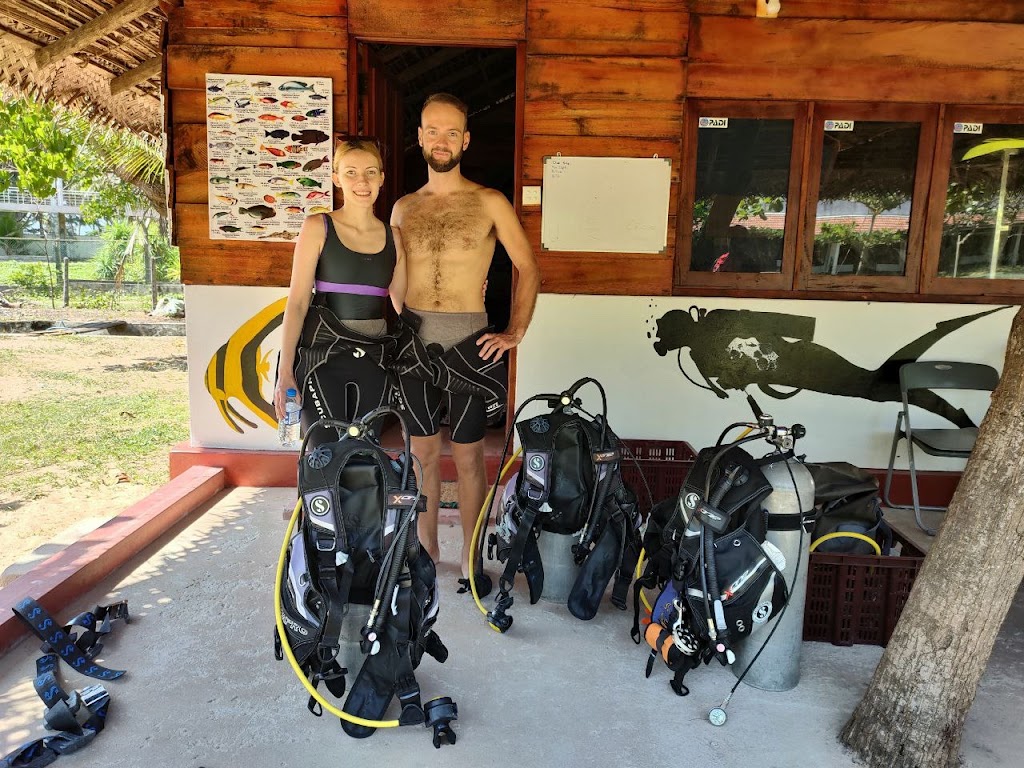
Pigeon Island's backside, a prominent feature of one of Sri Lanka's marine national parks, provides an exceptionally accessible gateway into a thriving underwater environment. It stands as an ideal spot for new divers, offering a suitable setting for initial dives or for completing certifications like PADI Open Water Diver and various specialty courses, including Underwater Photographer.
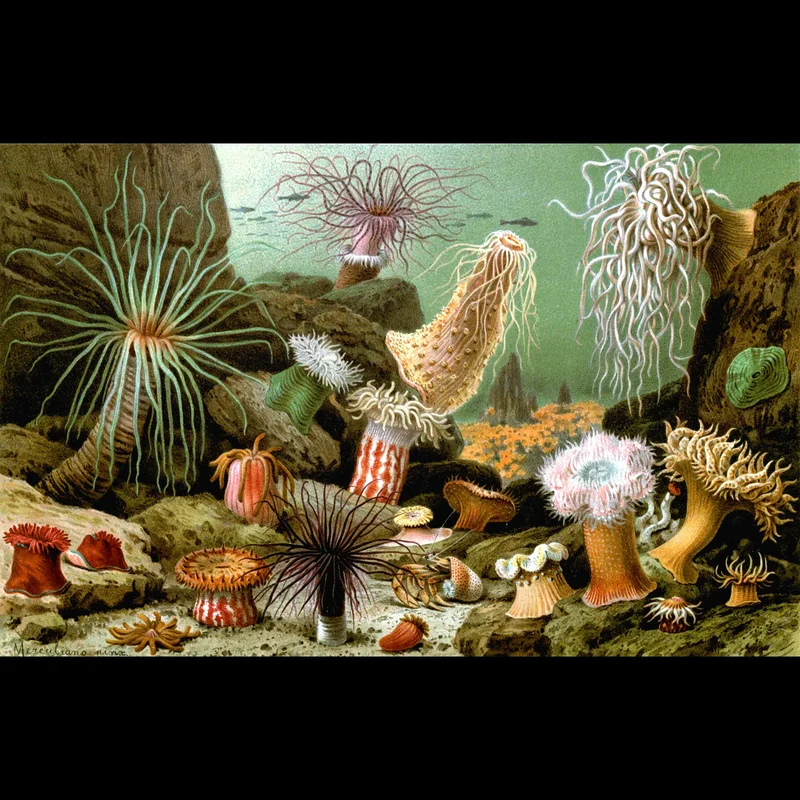
Here, divers typically start their exploration in shallow zones, beginning around 6 meters (or 20 feet), and then progressively move into slightly deeper areas, usually ranging from 10 to 12 meters. This gentle descent profile ensures a comfortable and secure learning curve for individuals across different skill levels. The site is particularly distinguished by its expansive coral gardens, which display a diverse array of table, anemone, soft, and hard corals.
These formations are not just visually striking; they form the bedrock of a dynamic marine sanctuary, creating habitats vital for numerous species. It's a key destination for experiencing some of the most captivating underwater scenery along Sri Lanka's eastern shoreline, offering both beauty and a manageable challenge for those beginning their dive journey.
The sustained health of these delicate ecosystems is a testament to the protected status and highlights the importance of responsible diving practices in preserving its appeal for future exploration.
Conditions are Good
Optimal conditions expected
Current conditions near Pigeon Island Back Side show 28° air, 30° sea temperature, 0.5 m waves, and 31 km/h wind. Forecast data is refreshed regularly to ensure accuracy.
Best Time to Dive
Planning your visit for the dry season on Sri Lanka's east coast ensures the best diving experience at Pigeon Island back side. The ideal window is typically between May and September, when sea conditions are calmest and underwater visibility peaks. During this period, average air temperatures hover around 29-30°C / 84-86°F, with minimal rainfall, enhancing overall comfort both above and below the surface. Outside these months, particularly from November to January, wave heights can increase to over 1 meter / 3 feet, and rainfall is more significant, potentially affecting visibility and comfort. Water temperatures remain consistently warm, ranging from 27-30°C / 81-86°F year-round, which makes for pleasant diving regardless of the season.
PEAK SEASON SCORE
Scores combine air & water temps, waves, wind & rainfall for overall conditions.
BEST MONTHS TO DIVE
Monthly records compiled from satellite and marine observation nodes over the last 3 years. Data provided by Open-Meteo and MET Norway.
Dive Experience & Conditions
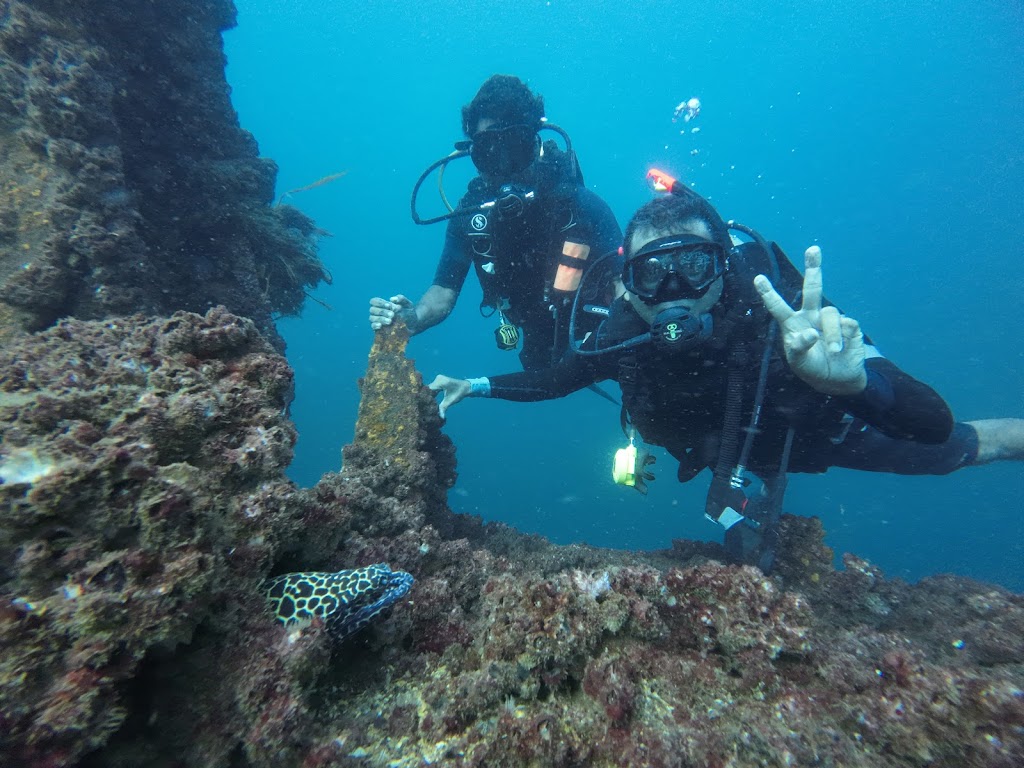
Divers entering the water at Pigeon Island's back side will typically begin their descent in shallow areas around 6 meters, gradually exploring deeper, usually down to 10-12 meters. The overall dive sites around Pigeon Island cater to beginner and intermediate divers, with depths generally varying between 5 and 20 meters. Water temperatures remain comfortably warm, typically between 27°C and 30°C / 81°F and 86°F. Visibility here can be excellent, frequently ranging from 10 to 30 meters. The reef structure itself consists of shallow coral reefs, extensive beds of branching corals, and occasional large rocky outcrops and coral-covered boulders, providing a diverse underwater landscape for exploration.
Dive Difficulty & Safety Guidelines
An expert approach to diving at Pigeon Island back side emphasizes adherence to marine park regulations and responsible diving practices. Given the site's status as a marine national park, divers are expected to follow strict no-touch policies regarding marine life and corals. It is important to avoid feeding or interacting with animals and to refrain from collecting any shells or coral fragments.
To minimize impact, choose dive operators who prioritize eco-friendly practices, such as limiting group sizes and supporting coral reef restoration initiatives. Respecting park regulations and leaving no trace are paramount for preserving this delicate marine environment.
Recommended Equipment
- Dive Computer
- DSMB
This gear list is based on verified equipment signals for Pigeon Island Back Side, Sri Lanka. Always confirm final gear choices with your dive operator, guide, or liveaboard.
Recommended Dive Suit
The latest conditions reported around Pigeon Island Back Side place the water temperature close to 30°C (86°F). Surface air temperatures are resting at 28°C (82°F).
Many divers choose dive skin or rash guard when diving in similar conditions. A hood or vest is suggested for sensitive divers due to surface winds.
Short-term weather patterns suggest stable conditions for divers visiting the area.
Emergency & Medical Support
Essential information to help you plan your dive trip to Pigeon Island back side.

Hyperbaric chambers are a critical part of dive safety infrastructure. Availability varies significantly by region, and not all dive areas have immediate access.
Before diving, it's recommended to:
- confirm nearest medical facilities
- check emergency procedures with local dive operators
- ensure dive insurance covers evacuation if required
Divers Alert Network
Diving emergency assistance available through DAN World.
+1-919-684-9111- 24/7 emergency hotline
- Diving medical assistance
- Evacuation coordination
Emergency contacts are provided for reference. Always verify local emergency services before diving.
Marine Life at Pigeon Island Back Side
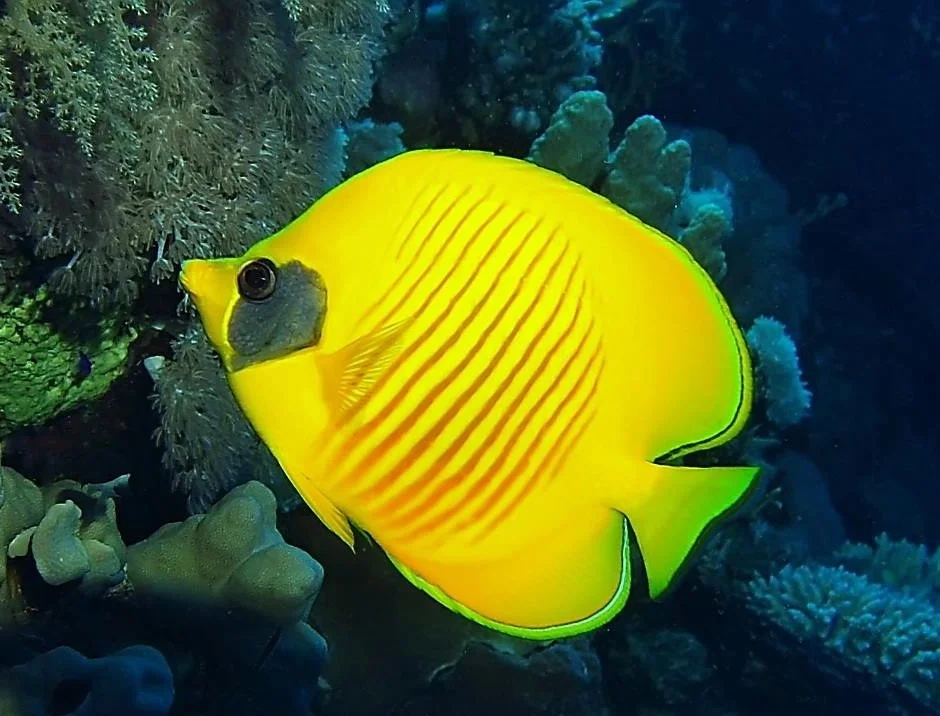
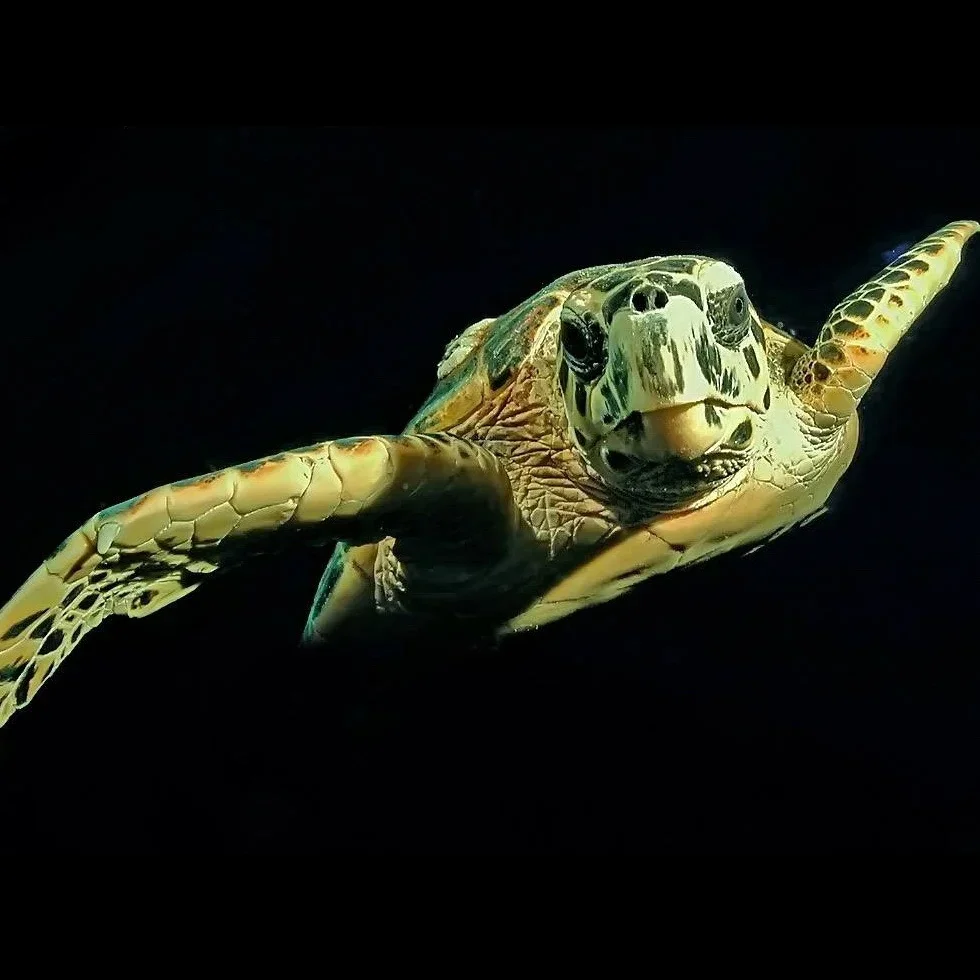
What often first captures a diver's attention here are the vibrant coral gardens, which shelter a wide array of reef fish like parrotfish, butterflyfish, and clownfish. Divers frequently encounter green and hawksbill turtles, particularly in areas like Turtle Cove, especially during morning dives.
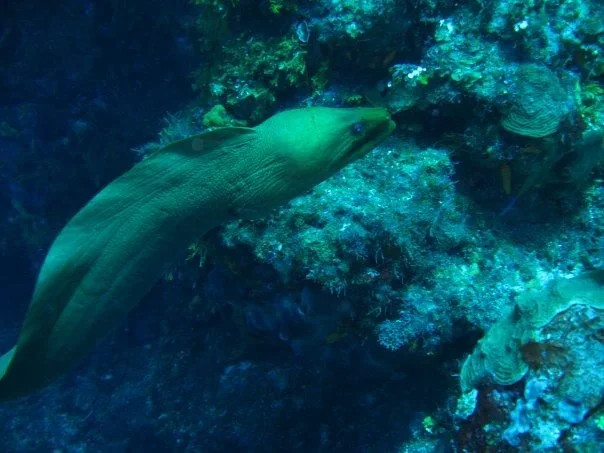
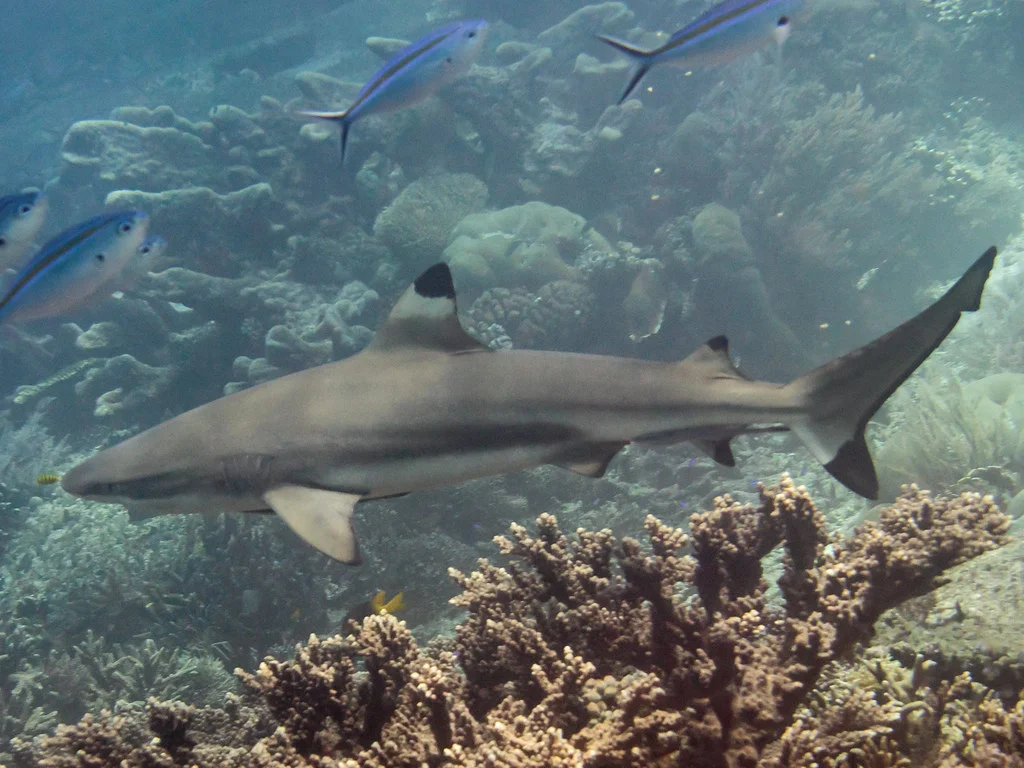
Within the reef's crevices and under ledges, look for various moray eels and the occasional lionfish. Blacktip reef sharks are also common sightings patrolling the deeper sections of the reef, alongside sporadic rays and barracuda, adding to the dynamic marine activity.
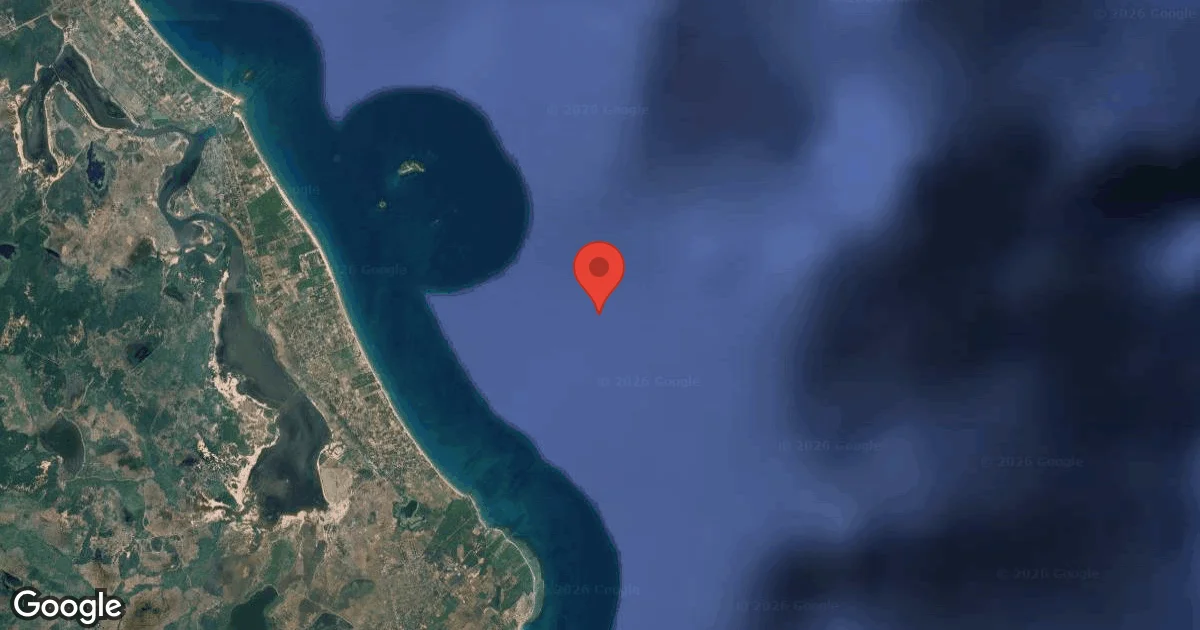
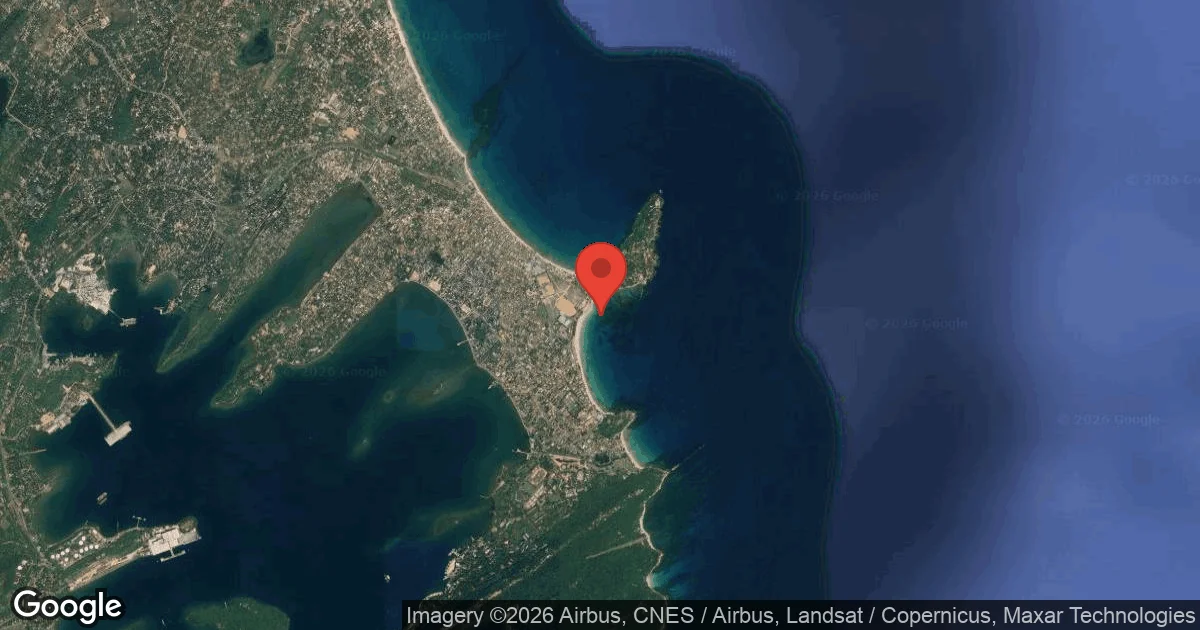
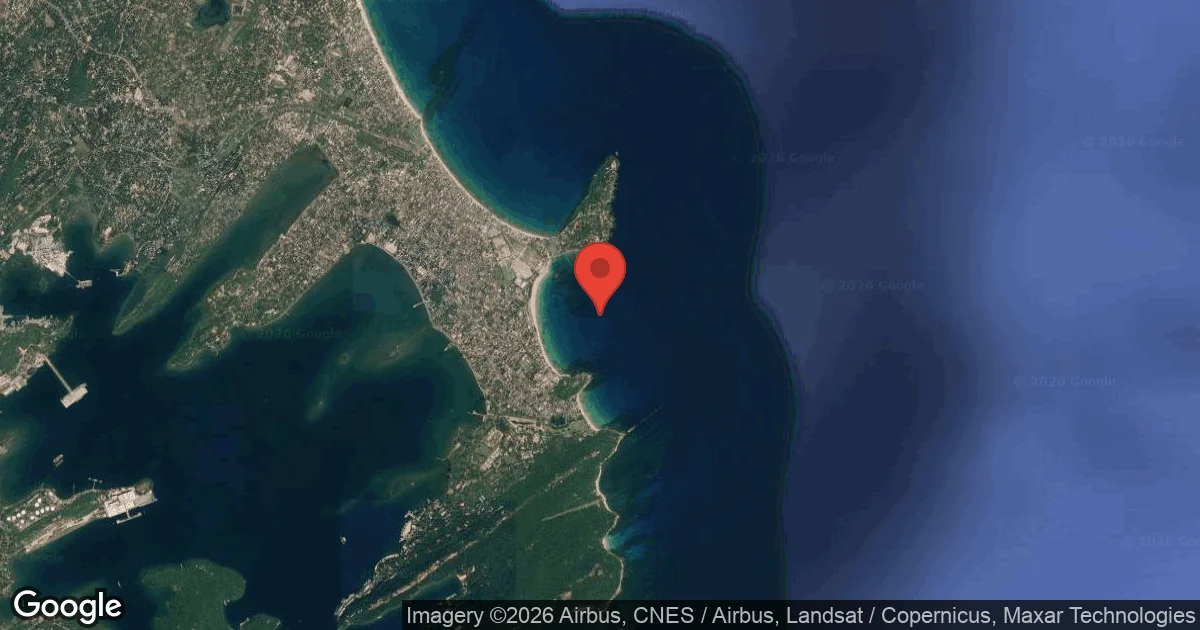
Dive Sites Near Pigeon Island Back Side
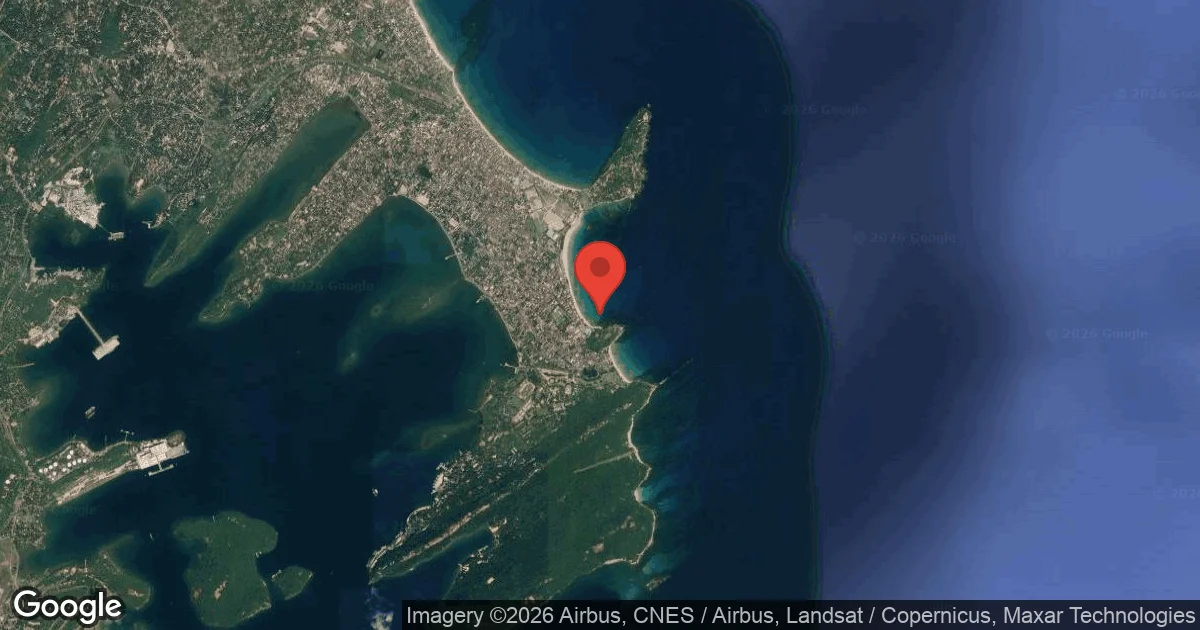
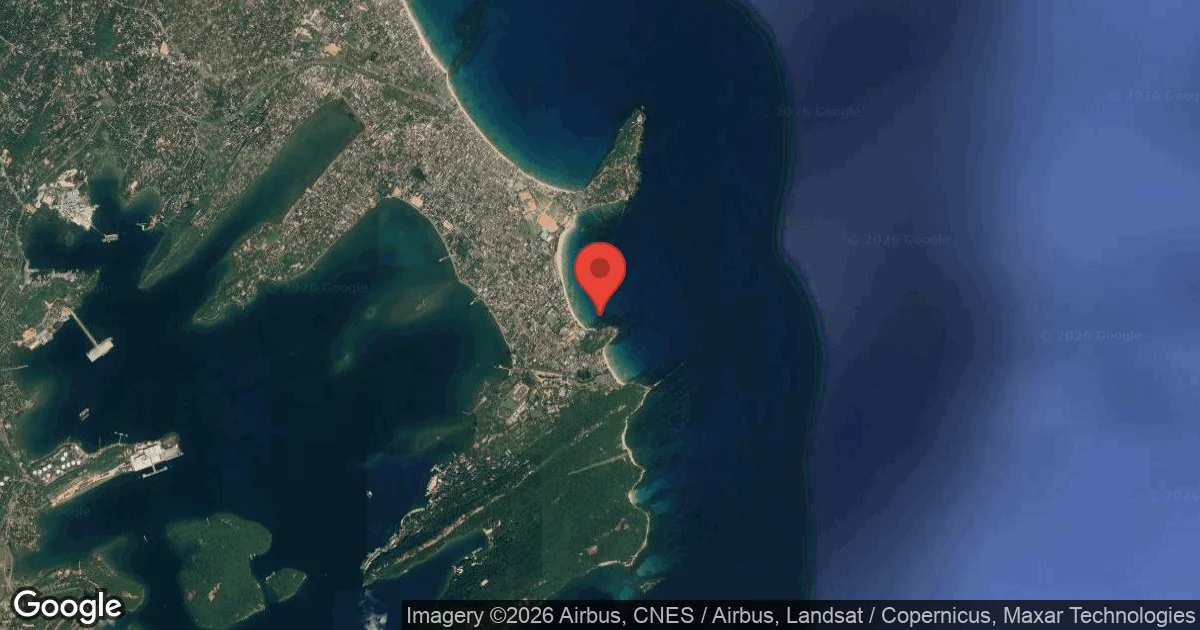
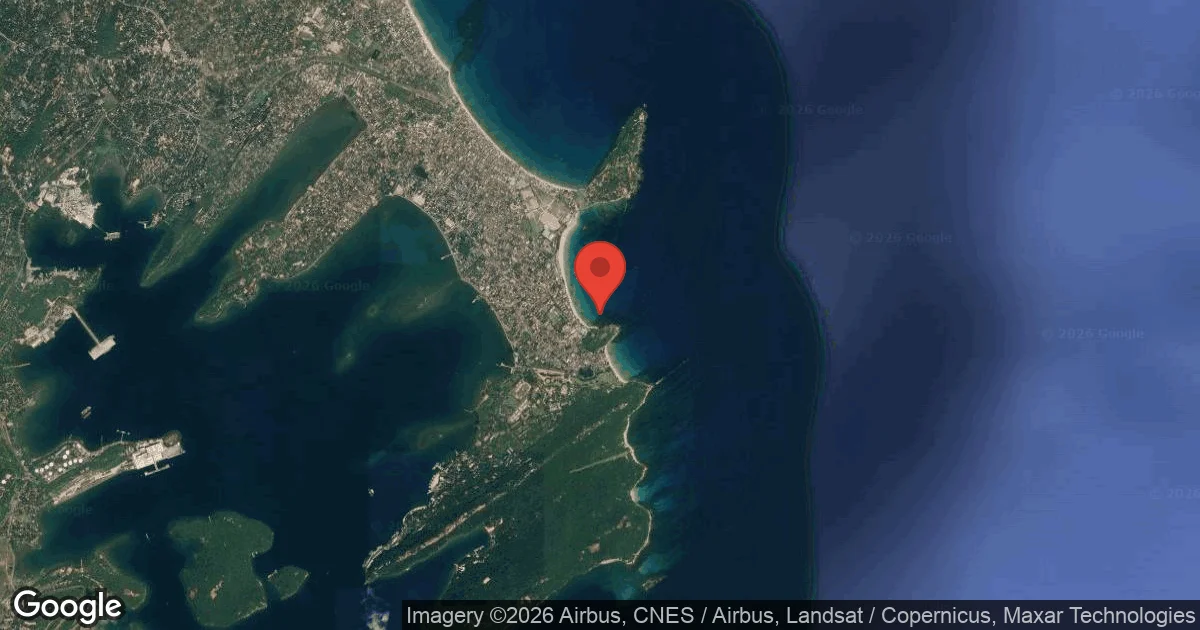
View all dive sites in Sri LankaDiscover more underwater gems in this area.
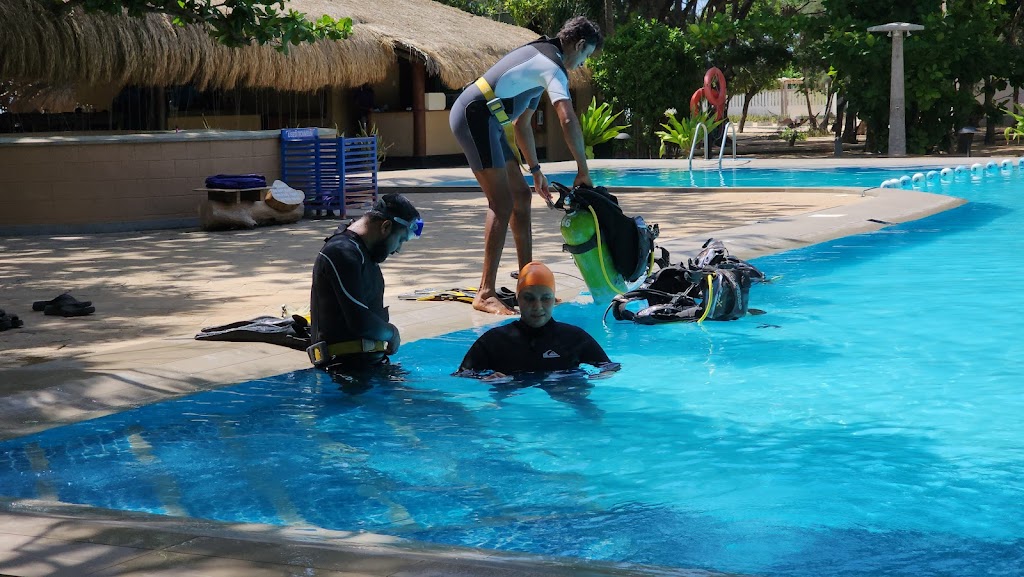
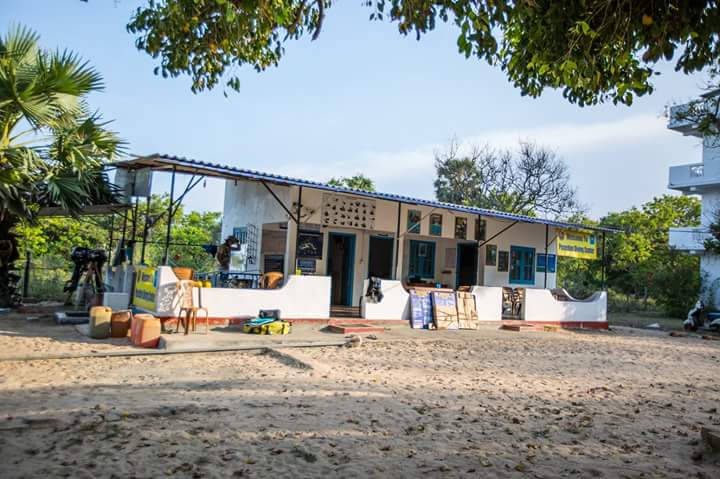
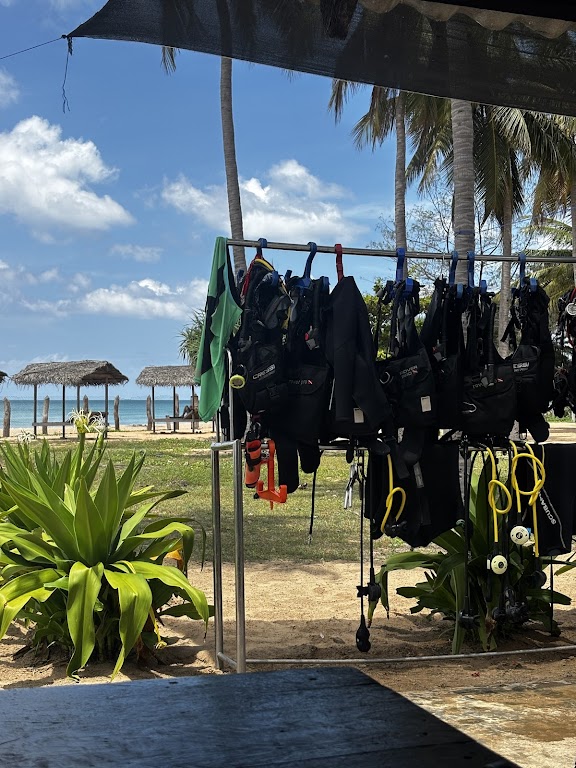
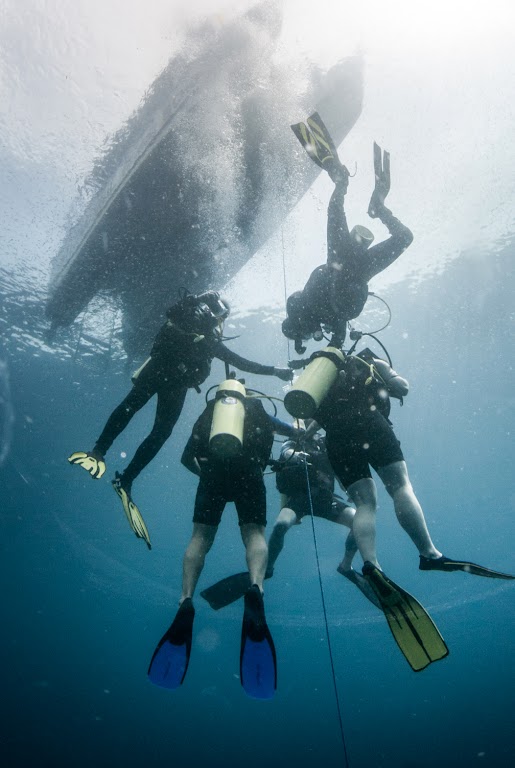
Dive Centers Near Pigeon Island Back Side
Today: 06:00 - 21:00
Nearest Airports
Nearest airports to help plan travel to this dive area.
Search Flights
Check available flights and routes on Expedia, using the nearby airports listed in this section.
Search Flights on ExpediaFrequently Asked Questions
What makes Pigeon Island back side suitable for beginners?
This site is ideal for new divers due to its shallow starting depths, often around 6 meters, and a gradual descent to 10-12 meters. The generally calm seas and excellent visibility also create a comfortable and less challenging environment for those completing their first dive or PADI Open Water Diver courses.
What kind of marine life can I expect to see?
Pigeon Island back side is known for its diverse coral gardens, which attract numerous reef fish such as parrotfish, clownfish, and butterflyfish. You can also frequently spot green and hawksbill turtles, various moray eels, and blacktip reef sharks. Occasionally, divers may encounter rays and barracuda.
When is the best time of year to dive at this site?
The optimal time for diving is during the dry season on Sri Lanka's east coast, typically from May to September. This period offers the calmest sea conditions, excellent visibility, and pleasant air temperatures, enhancing the overall dive experience.
Are there specific environmental guidelines for diving here?
Yes, as a marine national park, strict guidelines apply. Divers must adhere to no-touch policies, avoid feeding marine animals, and refrain from collecting any souvenirs like shells or coral fragments. Choosing eco-conscious dive operators who promote small group sizes and coral restoration is also highly encouraged.
What are the typical dive depths and water temperatures?
Dives at Pigeon Island back side generally start around 6 meters and typically reach 10-12 meters, though some areas may extend to 20 meters. Water temperatures remain consistently warm, usually ranging between 27-30°C / 81-86°F throughout the year.
How do I get to Pigeon Island?
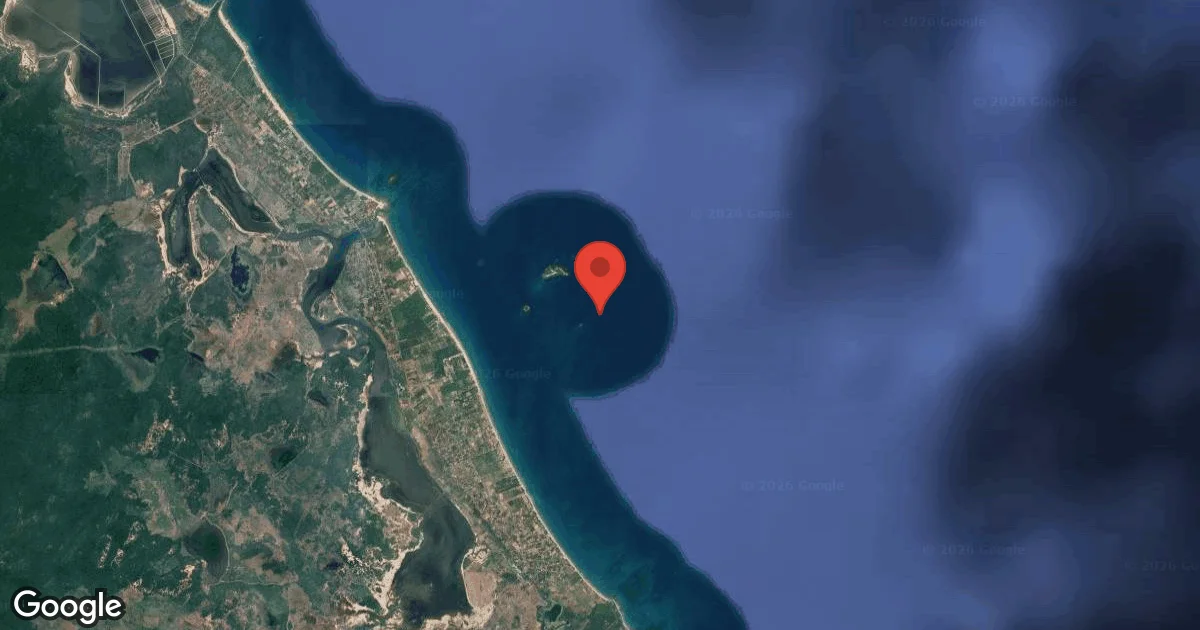
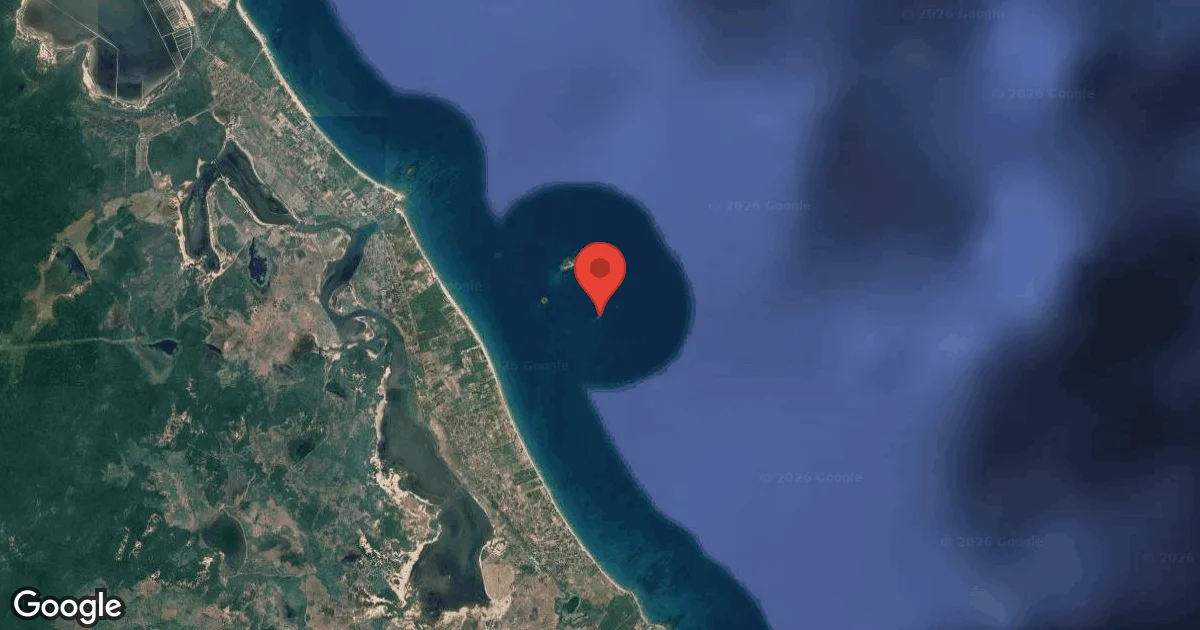
Pigeon Island is located about one kilometer off the coast of Nilaveli, near Trincomalee. Access is primarily by a short boat ride from the Nilaveli beach, often arranged through local dive centers or tour operators. Visitors are required to pay an entrance fee at the Nilaveli jetty.
Planning to dive Pigeon Island Back Side?
Send one inquiry and receive offers directly from the best verified local dive operators.
Conditions are Good
Optimal conditions expected
Current conditions near Pigeon Island Back Side show 28° air, 30° sea temperature, 0.5 m waves, and 31 km/h wind. Forecast data is refreshed regularly to ensure accuracy.