
Diving at Life Saving Point Reef (Sri Lanka)
For divers approaching Life Saving Point Reef, its calm, shallow profile is key. Situated in Trincomalee's Dutch Bay, the site offers a straightforward, accessible experience, especially valuable for those seeking ideal conditions for training or easy exploration. With a maximum depth of 10 m / 32 ft, it provides a relaxed environment suitable for PADI Open Water Diver courses and initial night dive experiences.
Evening condition tracking at Life Saving Point Reef features an air temperature of 27.5°C. We have recorded wave heights measuring 0.3 m during this period. These figures outline the environmental parameters currently present.
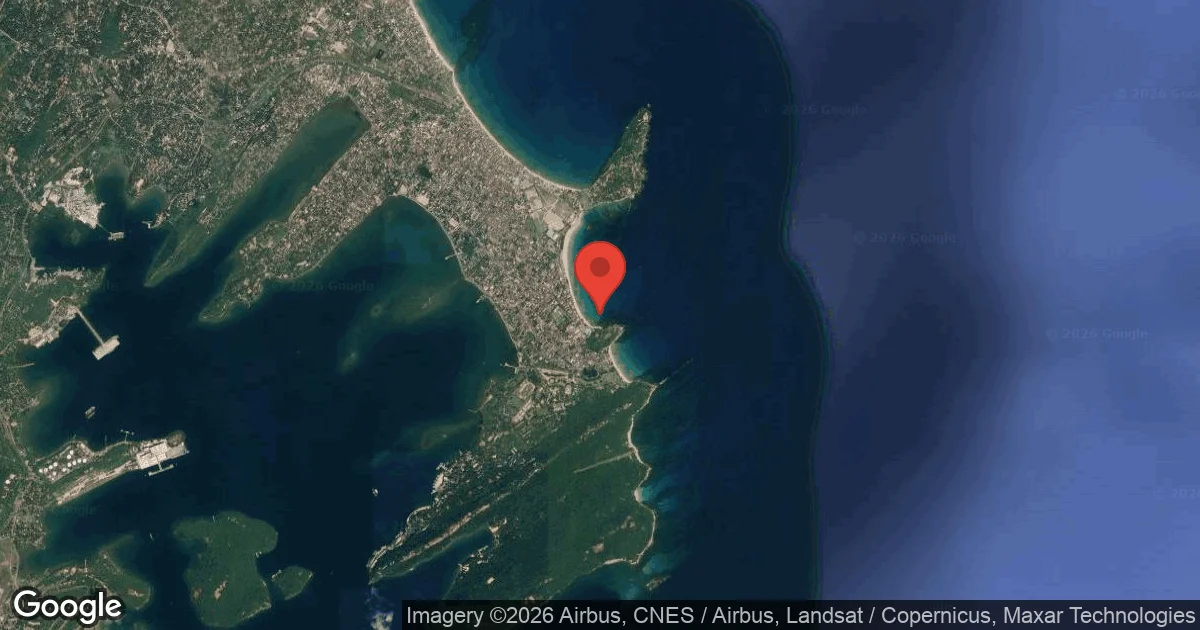
Dive Site Location & Key Facts
Dive Site Overview
Entering the waters of Life Saving Point Reef presents a tranquil and accessible experience within Trincomalee's Dutch Bay, acting as an ideal introduction to Sri Lanka's diverse underwater environments. This shallow and vibrant reef serves as a primary location for divers across various experience levels, ranging from novices building foundational skills to intermediates seeking relaxed exploration.
With a maximum depth of approximately 10 m / 32 ft, the site is frequently chosen for PADI Discover Scuba Diving programs, Open Water Diver courses, and initial night dive experiences, allowing participants to comfortably acclimate to submerged environments. Divers benefit from flexible access options, as the reef can be reached efficiently from both shore and boat, simplifying logistical planning. The environment here is consistently noted for its safe and calm conditions, a factor that significantly contributes to its reputation as an excellent training ground where confidence can be safely cultivated.
The reef floor itself is characterized by a dynamic blend of vibrant coral patches and open sandy areas. This varied topography supports a rich tapestry of smaller marine life, encouraging close observation and making each dive an engaging opportunity to witness the intricate ecosystems of the Indian Ocean.
Conditions are Moderate
Optimal conditions expected
Current conditions near Life Saving Point Reef show 28° air, 29° sea temperature, 0.3 m waves, and 37 km/h wind. Forecast data is refreshed regularly to ensure accuracy.
Best Time to Dive
Planning a visit to Life Saving Point Reef often hinges on maximizing underwater clarity and calm sea states. From March through July, conditions typically present as most stable and clear for diving this shallow reef, aligning with recorded "Excellent" dive scores. During these months, air temperatures average between 27°C / 81°F and 30°C / 86°F. Wave heights are notably lower, sometimes as little as 0.2 m / 0.7 ft in April, suggesting minimal surface chop that can impact visibility. Rainfall also remains minimal during this prime season, with June seeing averages around 0.98 mm. While diving is generally possible year-round with "Good" scores dominating other months, the peak season offers consistently favorable conditions.
PEAK SEASON SCORE
Scores combine air & water temps, waves, wind & rainfall for overall conditions.
BEST MONTHS TO DIVE
Monthly records compiled from satellite and marine observation nodes over the last 3 years. Data provided by Open-Meteo and MET Norway.
Dive Experience & Conditions
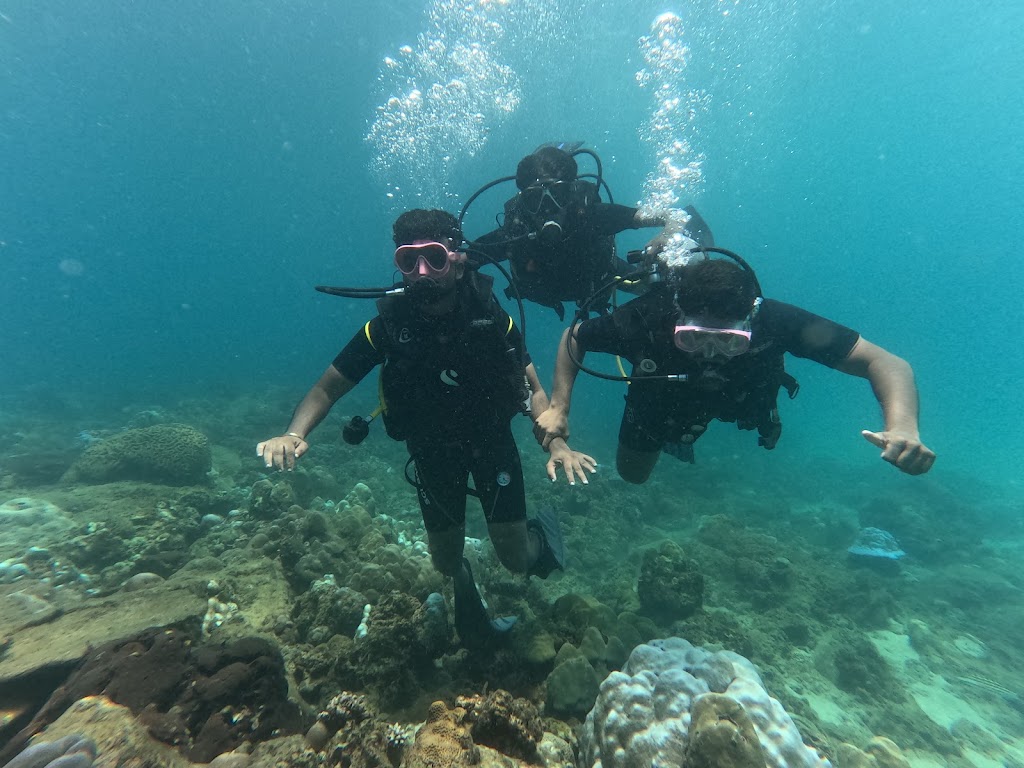
Descending at Life Saving Point Reef immerses divers in a sheltered environment, ideal for developing skills or enjoying relaxed exploration. Its shallow nature, reaching approximately 10 meters, combined with calm conditions, makes it particularly suitable for initial training dives and for experiencing the unique ambiance of a night dive. Entry to the site is flexible, accommodating both boat and shore access. Reef structure itself consists of a combination of vibrant corals and sandy bottom patches, offering varied habitats for marine life. Visibility, while not consistently reported with exact figures, tends to be good, though it varies depending on specific local conditions. Expect minimal currents, providing for a largely effortless dive.
Dive Difficulty & Safety Guidelines
Navigating Life Saving Point Reef presents minimal inherent challenges, making it a safe choice for less experienced divers. A shallow maximum depth, around 10 meters, inherently reduces many risk factors associated with deeper dives. Within the protected Dutch Bay, this site generally experiences calm conditions, mitigating concerns about strong currents.
No specific hazards are consistently reported for Life Saving Point Reef itself. Adhering to standard safe diving practices remains essential, including thorough equipment checks, careful monitoring of air consumption, and always diving within personal certification limits. It's also advisable to dive with a local, reputable operator.
Recommended Equipment
- Dive Computer
This gear list is based on verified equipment signals for Life Saving Point Reef, Sri Lanka. Always confirm final gear choices with your dive operator, guide, or liveaboard.
Recommended Dive Suit
For many recreational divers, 2-3mm shorty or light wetsuit provides a practical level of insulation in these conditions. A hood or vest is suggested for sensitive divers due to surface winds. Divers who tend to get cold easily may prefer slightly thicker exposure protection.
At the moment, divers exploring Life Saving Point Reef will likely experience water temperatures near 29°C (83°F). Surface air temperatures are resting at 28°C (82°F).
The next few days appear likely to bring similar environmental conditions.
Emergency & Medical Support
Essential information to help you plan your dive trip to Life saving point reef.

Hyperbaric chambers are a critical part of dive safety infrastructure. Availability varies significantly by region, and not all dive areas have immediate access.
Before diving, it's recommended to:
- confirm nearest medical facilities
- check emergency procedures with local dive operators
- ensure dive insurance covers evacuation if required
Divers Alert Network
Diving emergency assistance available through DAN World.
+1-919-684-9111- 24/7 emergency hotline
- Diving medical assistance
- Evacuation coordination
Emergency contacts are provided for reference. Always verify local emergency services before diving.
Marine Life at Life Saving Point Reef
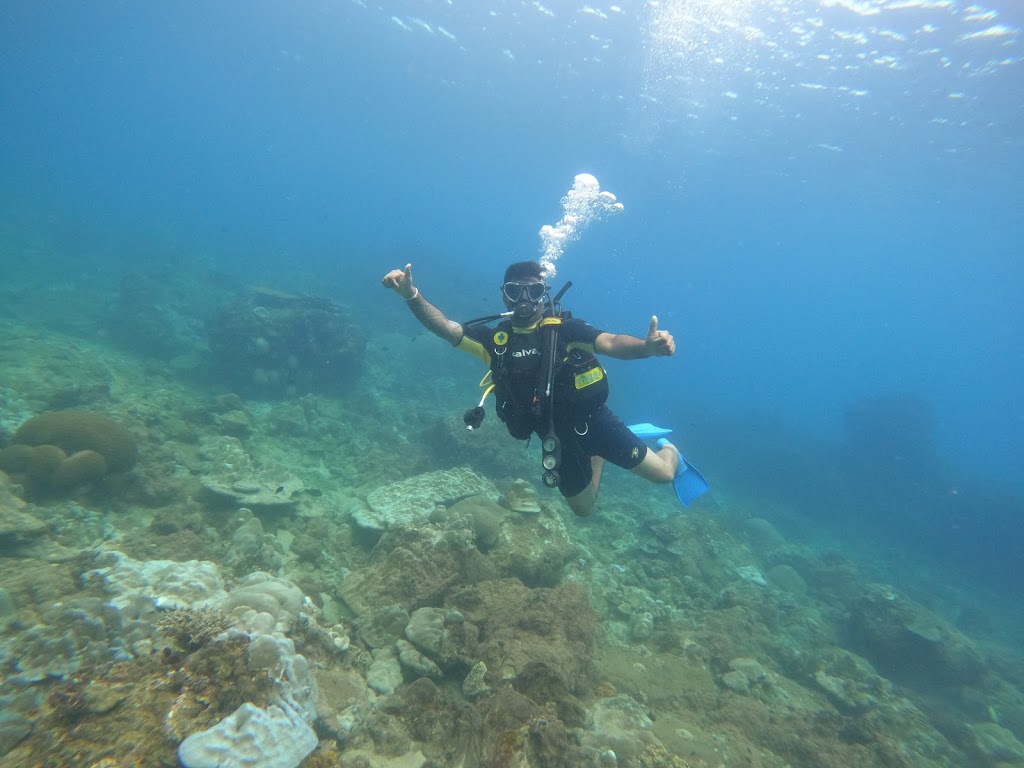
Upon entering the water at Life Saving Point Reef, divers often first notice the smaller, intricately patterned inhabitants of the coral and sandy patches. You'll commonly encounter various reef fish such as clownfish, parrotfish, and angelfish navigating the environment.
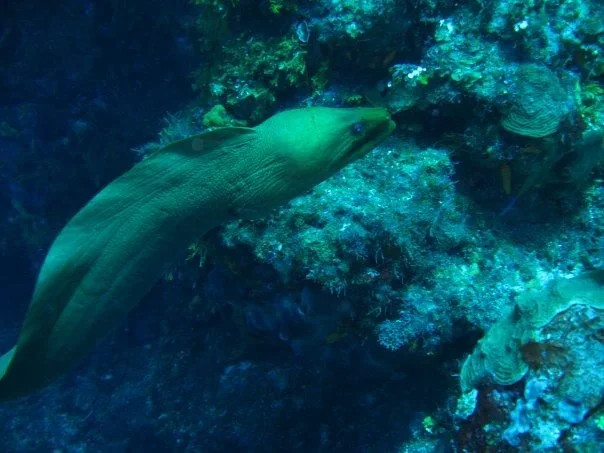
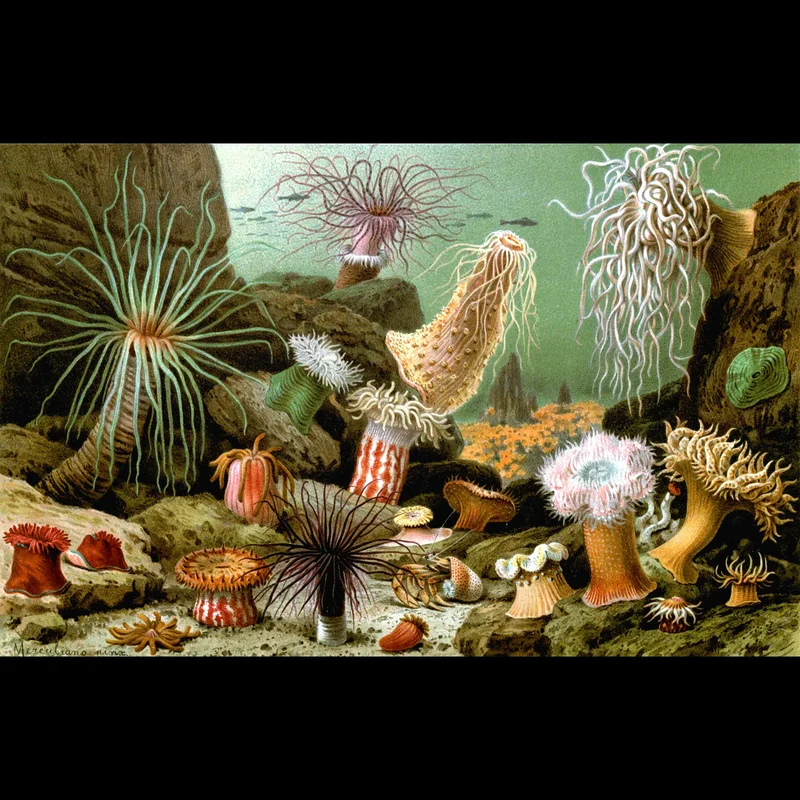
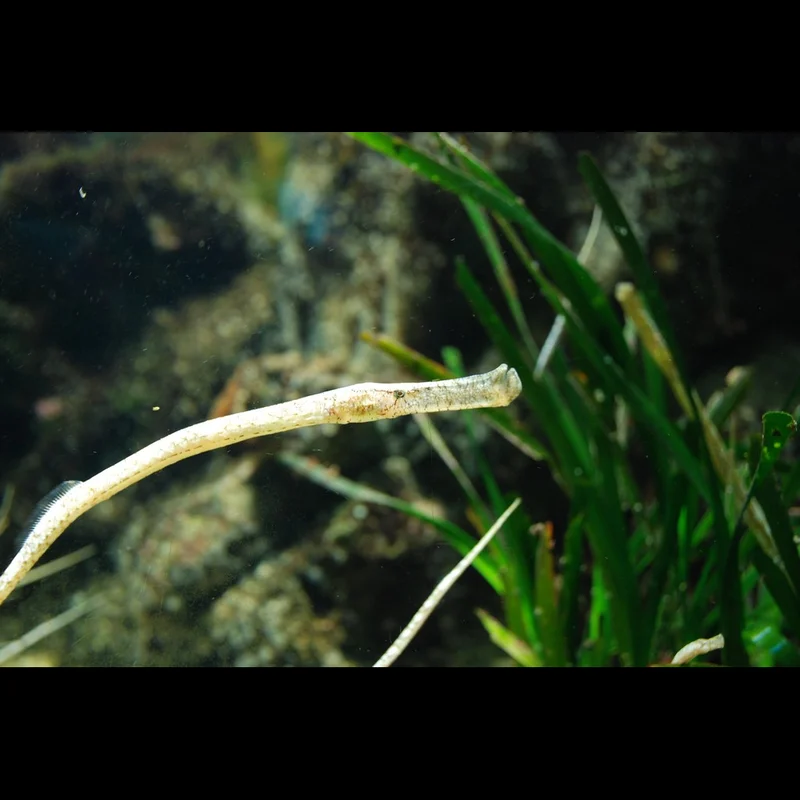
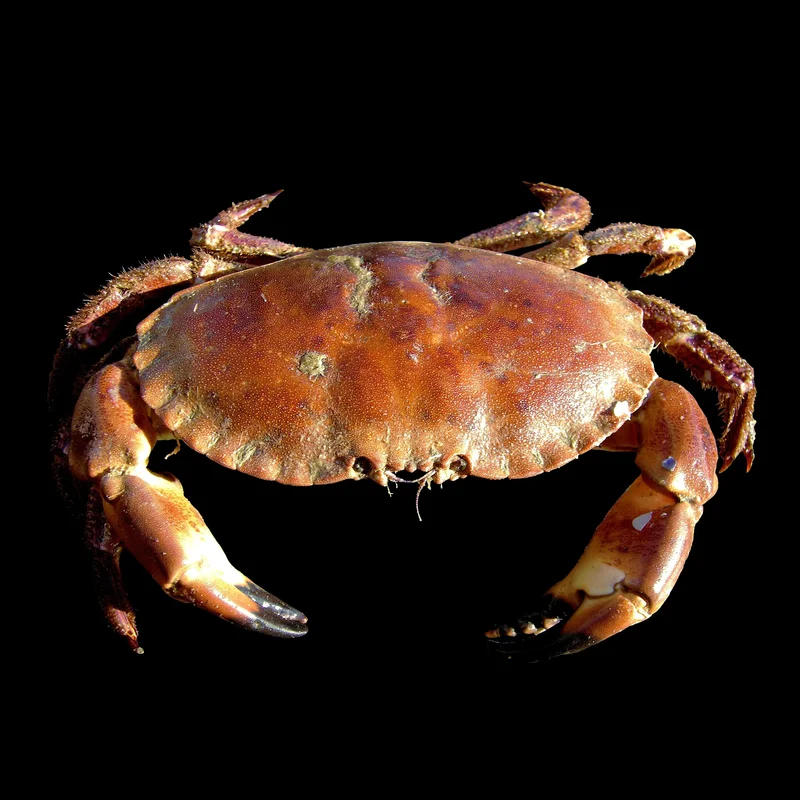
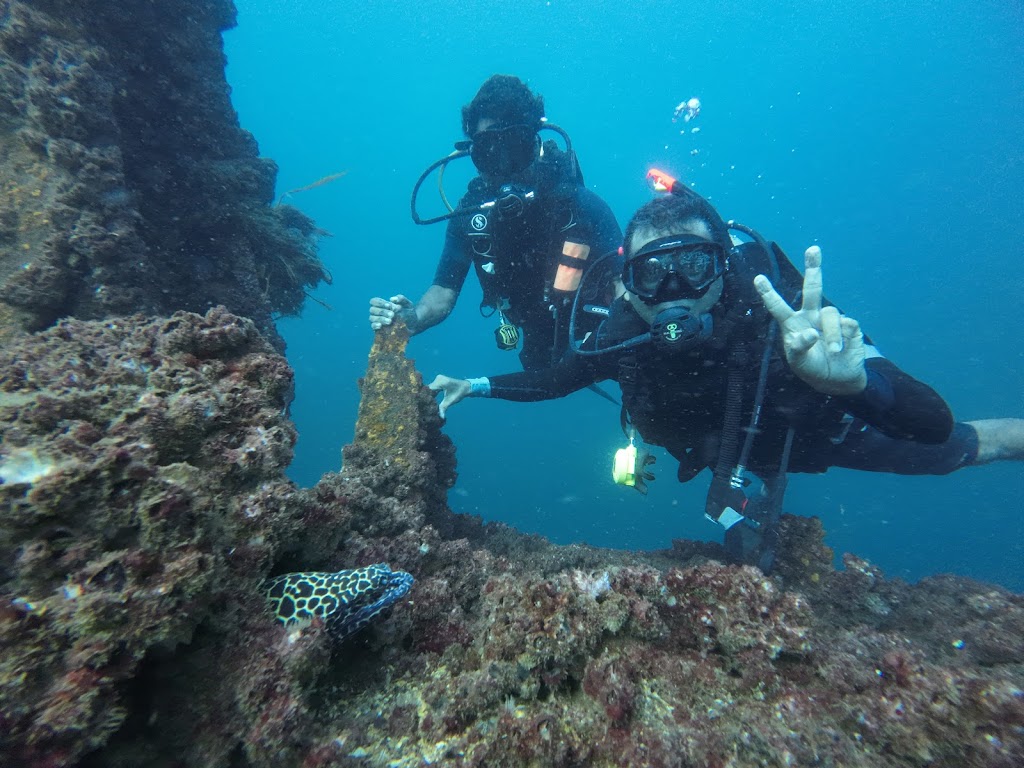
Keep an eye out for moray eels, including honeycomb and giant morays, often found tucked into crevices, while garden eels can be observed swaying rhythmically from sandy areas. Crabs, pipefish, and vibrant sea anemones contribute to the diverse macro life.
Occasionally, a sea turtle might glide past, or a small ray could be spotted resting on the sandy bottom, adding to the variety of the encounter.
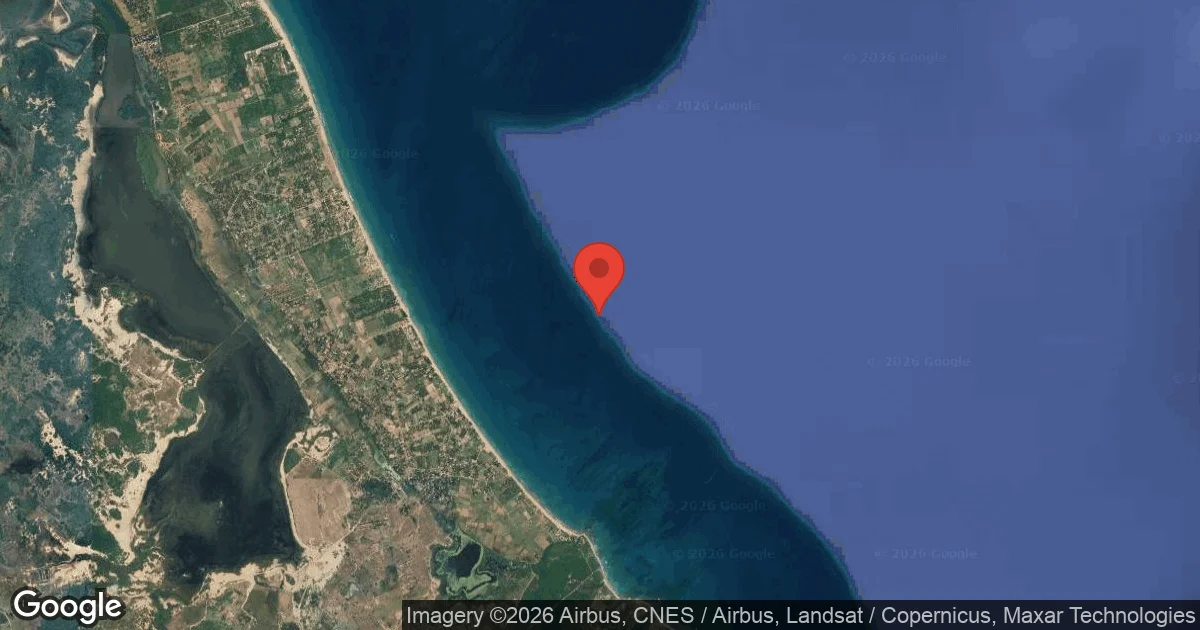
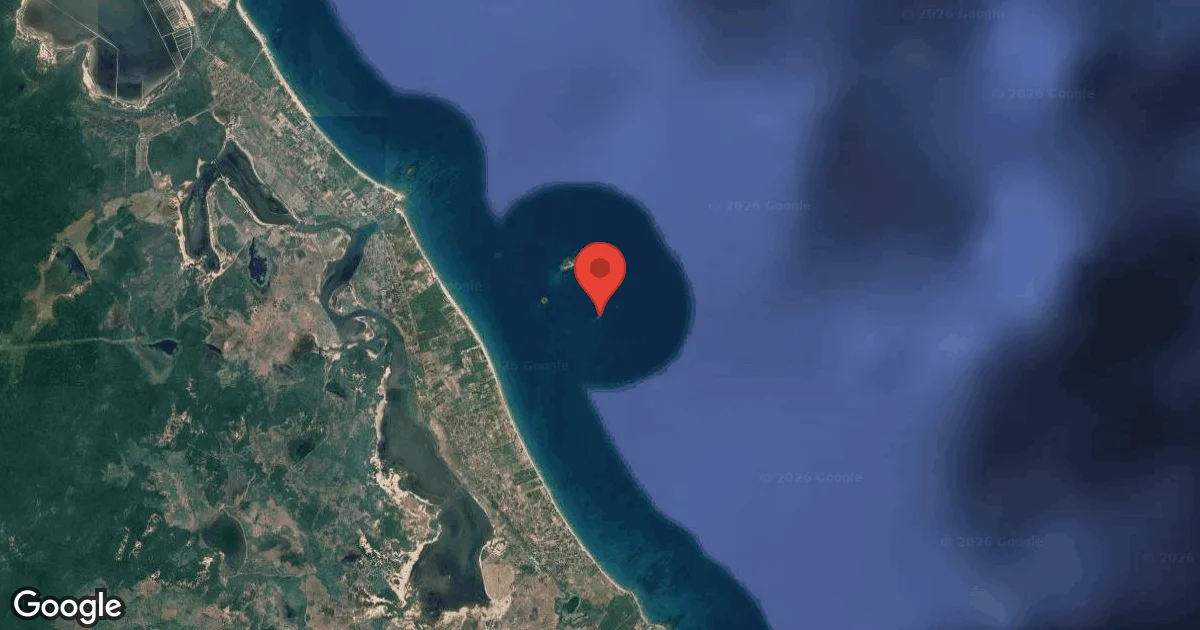
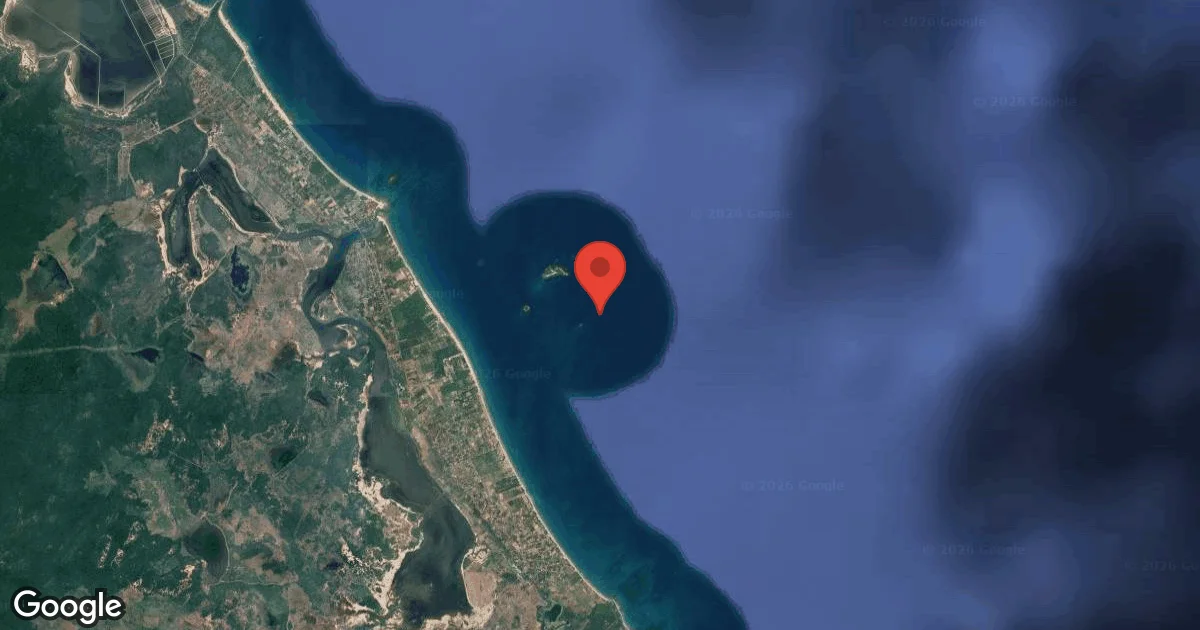
Dive Sites Near Life Saving Point Reef
View all dive sites in Sri LankaDiscover more underwater gems in this area.
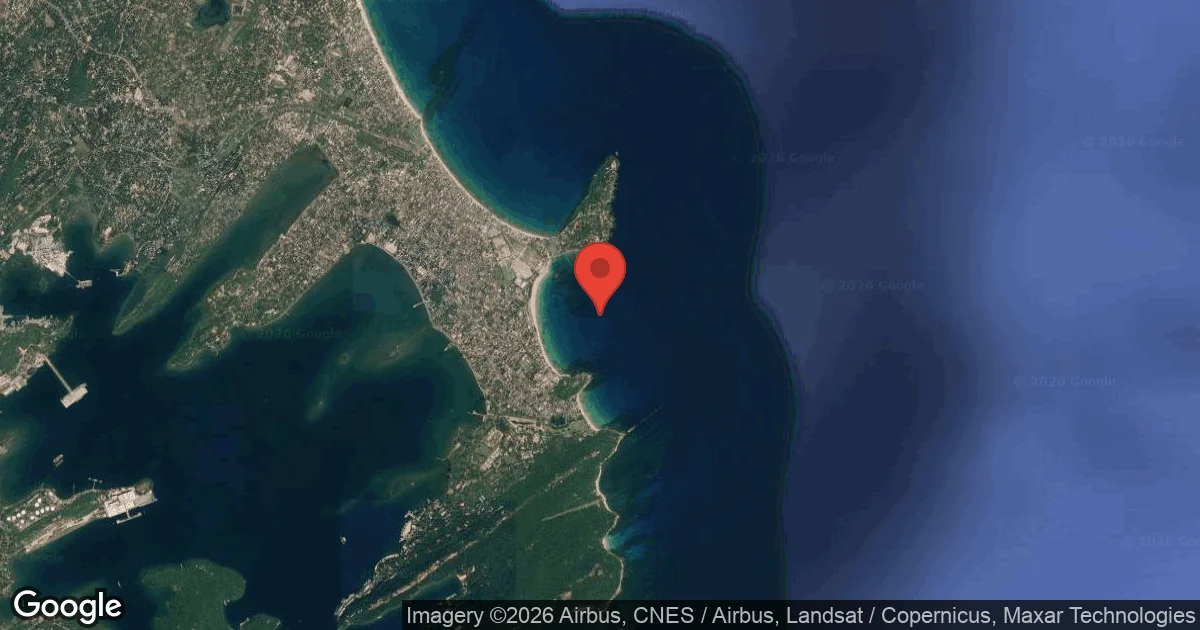
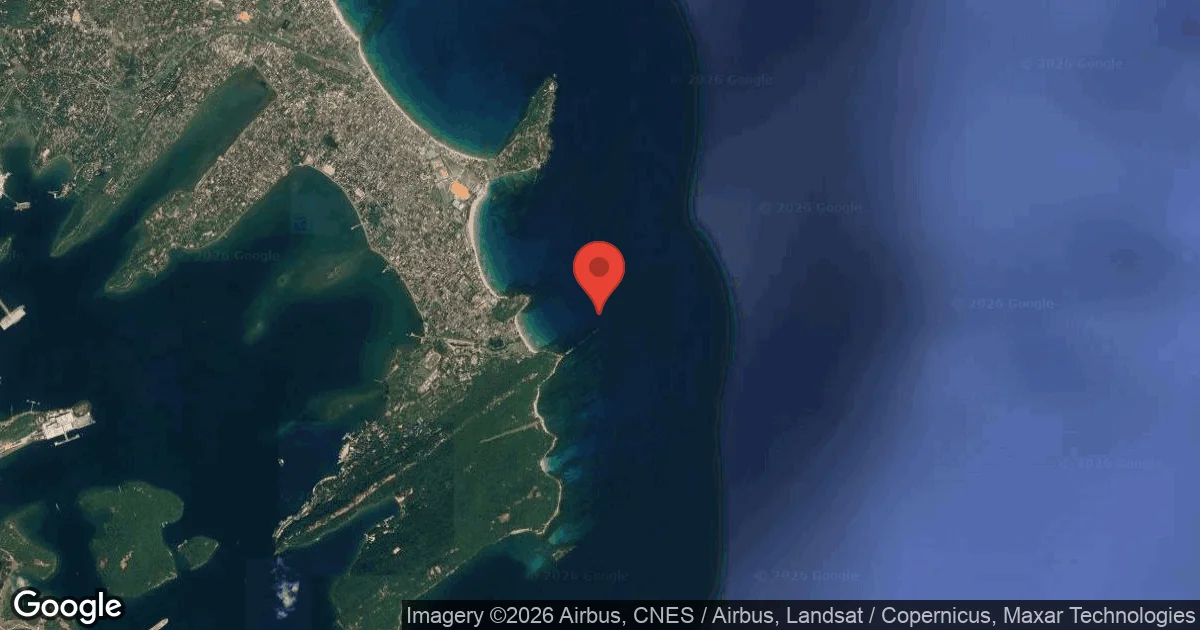
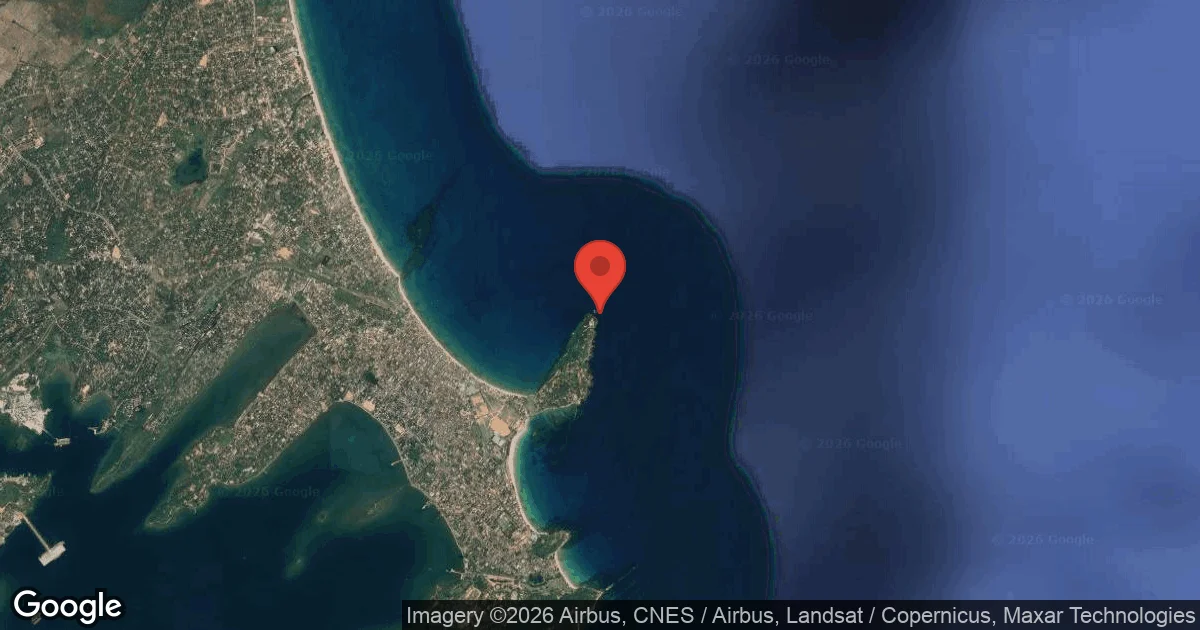
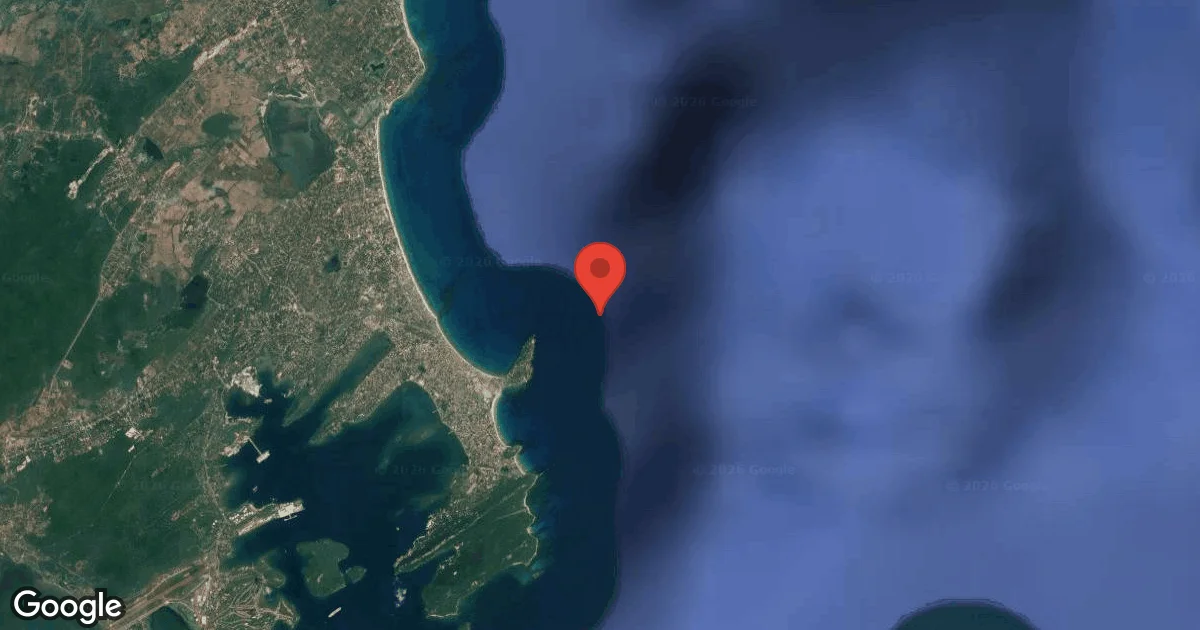
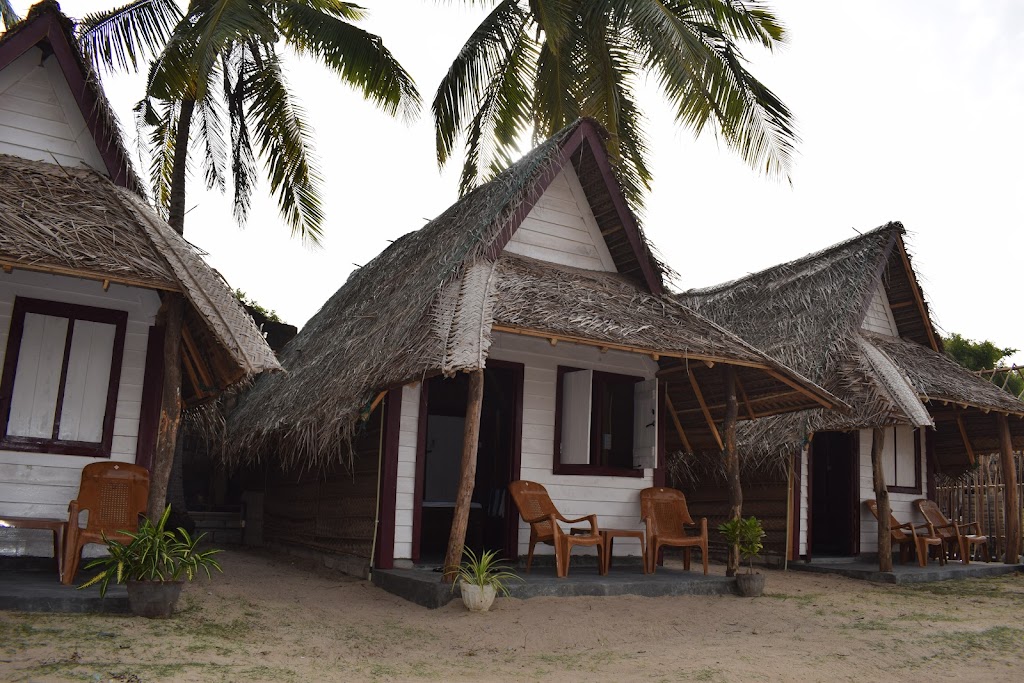
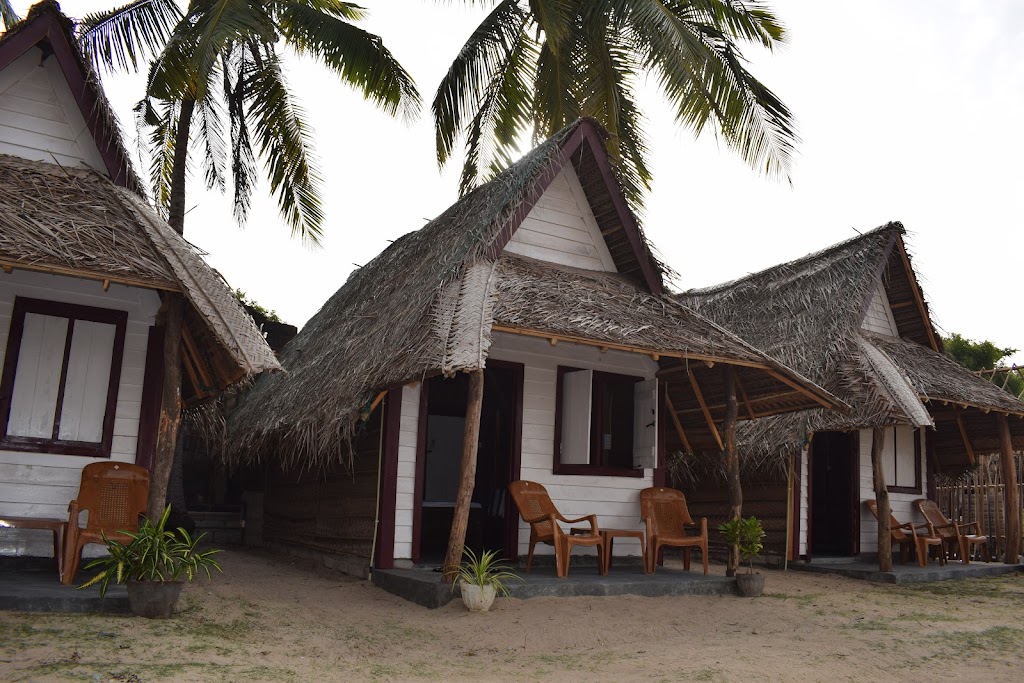
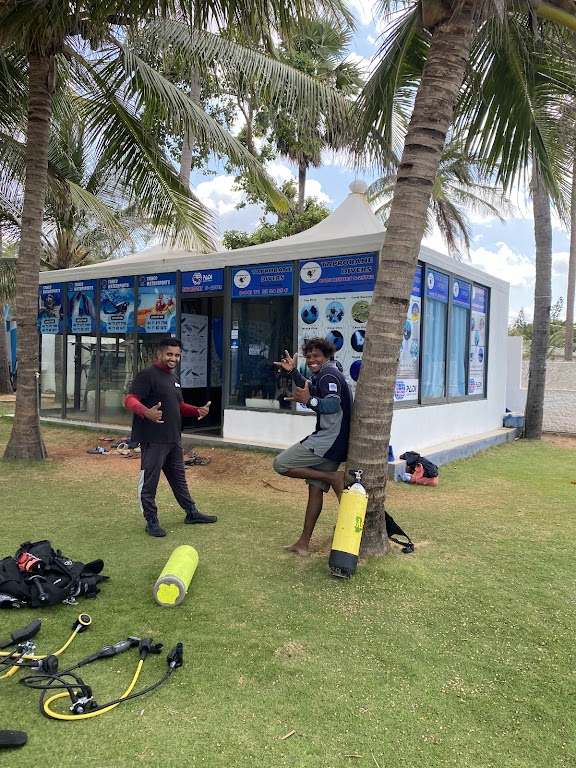
Dive Centers Near Life Saving Point Reef
Today: 06:00 - 20:00
Nearest Airports
Nearest airports to help plan travel to this dive area.
Search Flights
Check available flights and routes on Expedia, using the nearby airports listed in this section.
Search Flights on ExpediaFrequently Asked Questions
What is the maximum depth at Life Saving Point Reef?
Life Saving Point Reef is a shallow site, typically reaching about 10 meters or 32 feet. Its moderate depth makes it accessible for various levels of diver certification and training.
What experience level is recommended for diving here?
Ideal for beginner to intermediate divers. Due to its calm and shallow conditions, the site is frequently used for PADI Discover Scuba Diving experiences and Open Water Diver courses.
Are night dives possible at Life Saving Point Reef?
Night dives are considered ideal at Life Saving Point Reef. It offers a different perspective on marine inhabitants in calm conditions, perfect for introductory nocturnal explorations.
How do divers access Life Saving Point Reef?
Divers can access the reef through both shore and boat entries. This flexibility allows for different logistical arrangements depending on operator preference.
What marine life can I expect to see at this reef?
Expect to encounter a variety of marine life. This includes moray eels, garden eels, crabs, pipefish, and sea anemones, alongside various reef fish like clownfish and parrotfish. Occasional sightings of sea turtles and rays are also possible.
What are the typical water conditions like?
Life Saving Point Reef is known for its calm and safe conditions. Positioned within the protected Dutch Bay, strong currents are not consistently reported, contributing to a relaxed diving environment.
When is the best time of year to dive Life Saving Point Reef?
From March through July generally offers the best diving conditions. This period sees minimal waves and rainfall, though the site maintains good diving scores throughout most of the year.
Planning to dive Life Saving Point Reef?
Send one inquiry and receive offers directly from the best verified local dive operators.
Conditions are Moderate
Optimal conditions expected
Current conditions near Life Saving Point Reef show 28° air, 29° sea temperature, 0.3 m waves, and 37 km/h wind. Forecast data is refreshed regularly to ensure accuracy.