
Diving at South Tip (Thailand)
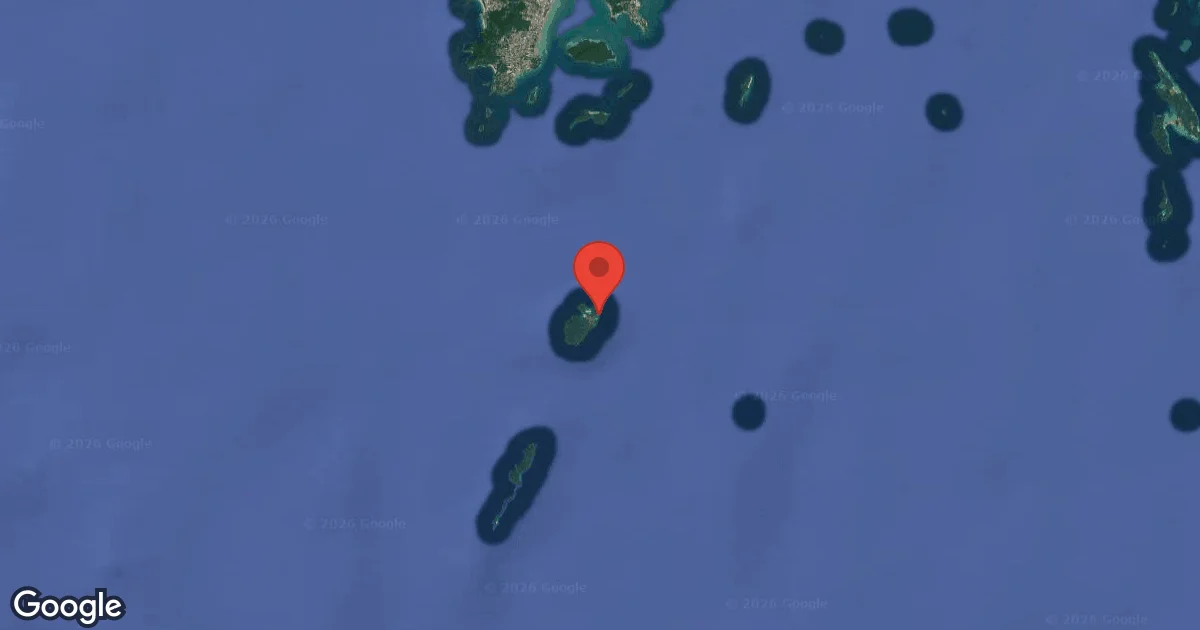
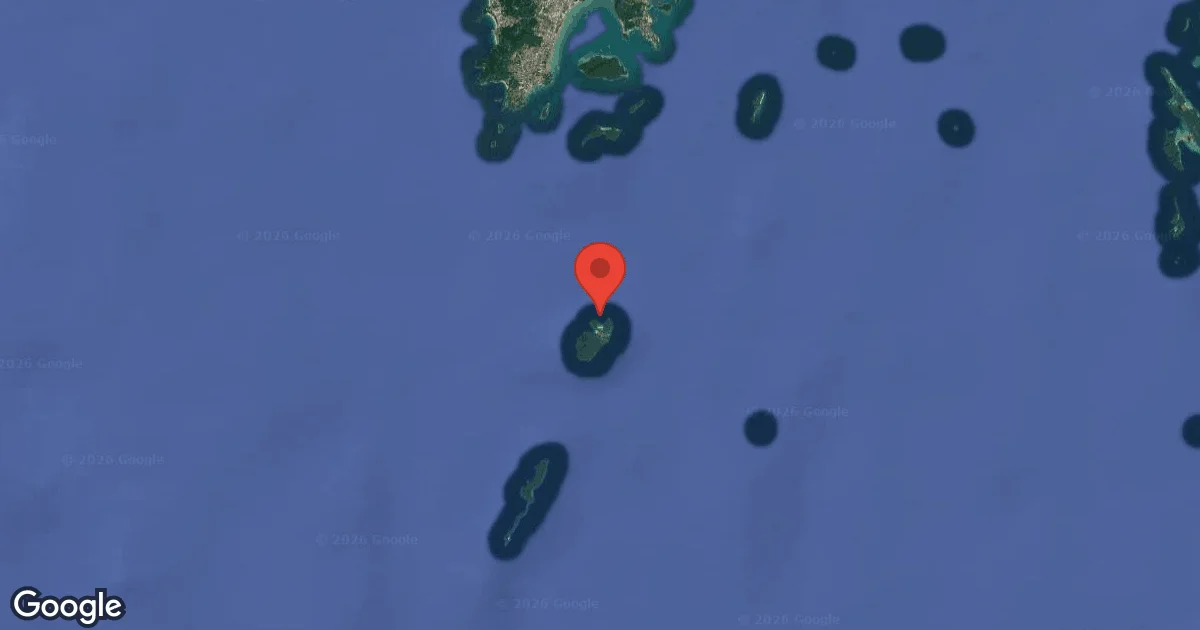
South Tip, located at the southernmost extremity of Koh Racha Noi Island, has established itself as an exceptional dive destination. Its reputation largely stems from its unique position as a significant manta ray cleaning station, drawing these majestic creatures from miles around. Beyond the potential for large pelagic sightings, its allure also stems from the challenging yet rewarding experience it offers advanced divers. It continues to attract those seeking substantial underwater encounters.
As evening covers South Tip, the local air temperature is measured at 28°C. The current wave height at the surface is recorded at 1.4 m. These late-day readings characterize the surface conditions for the night.
Dive Site Location & Key Facts
Dive Site Overview
An underwater landscape of colossal granite boulders primarily characterizes South Tip, forming a submerged pinnacle that extends from Racha Noi Island. This terrain begins at shallower sections around 12-14 m (40-46 ft) in the north, gradually descending before sloping dramatically to depths exceeding 40 m (130 ft) to the south.
On its western side, a gentle rock slope contrasts sharply with a much steeper eastern face, where coral formations are less dense. Deeper sections often present sandy patches between the massive rock formations. Many of the prominent boulders are adorned with vibrant purple soft corals of the Alcyonaria type, creating a rich, biodiverse scenery that thrives despite the site's exposure to strong currents.
Exploring the deeper southern wall can reveal more intricate life and unique rock formations. While not a vast dive site in terms of horizontal spread, its significant depth range and varied topography, including wall-like sections and deep canyons formed by the boulders, provide ample exploration for advanced divers.
Navigation often involves following the main rock structures, keeping an eye on current directions which can shift rapidly around these features. A dramatic, imposing feel emanates from the sheer scale of the granite formations, demanding respect from divers.
Conditions are Moderate
Optimal conditions expected
Current conditions near South Tip show 28° air, 29° sea temperature, 1.5 m waves, and 33 km/h wind. Forecast data is refreshed regularly to ensure accuracy.
Best Time to Dive
Visibility is often a primary consideration when planning a dive at South Tip. Favorable conditions for visibility generally span from November to April. During these months, the region experiences consistently lower rainfall, with averages ranging from 0.9 mm (January) to 5.25 mm (April), which contributes to the frequently reported excellent visibility of 20-40+ m (65-130+ ft). Air temperatures during this season are comfortably warm, typically averaging between 27.5°C (82°F) and 29°C (84°F). While good visibility is often present, it can vary depending on local current patterns and specific weather events. Outside of this prime window, from May to October, conditions can be more moderate, with increased rain and wave activity potentially affecting water clarity.
PEAK SEASON SCORE
Scores combine air & water temps, waves, wind & rainfall for overall conditions.
BEST MONTHS TO DIVE
Monthly records compiled from satellite and marine observation nodes over the last 3 years. Data provided by Open-Meteo and MET Norway.
Dive Experience & Conditions
Entering the water at South Tip often demands a negative entry. Divers must descend rapidly to the top of the rock formations, reaching around 12-14 meters, to quickly secure shelter from prevailing currents. Known for its very strong and often unpredictable currents, South Tip experiences flows that converge from both sides of Racha Noi Island. These flows can accelerate significantly around the boulders and take on unusual directions. Consequently, the site is best suited for experienced divers holding a PADI Advanced Open Water certification or equivalent, and specifically those trained in drift diving techniques. Planning dives around slack tide, especially on days with smaller tidal swings, is frequently recommended to mitigate current intensity and allow for safer exploration.
Dive Difficulty & Safety Guidelines
For diver safety, addressing the significant currents at South Tip is paramount. These converging flows can create intense, unpredictable conditions, making the site suitable only for experienced and appropriately certified divers. It's crucial to plan dives for optimal conditions, typically around slack tide during periods of small tidal range, to minimize the impact of strong flows.
A negative entry is often necessary to rapidly reach the protection offered by the main rock formations. Divers should maintain excellent buoyancy control and stay vigilant regarding current changes.
Carrying a Surface Marker Buoy (SMB) is highly recommended for signaling the boat, particularly if drift diving results in surfacing away from the intended location.
Recommended Equipment
Current and surface separation risk. Local briefing strongly recommended.
- Dive Computer
- DSMB
- Reel / Spool
This gear list is based on verified equipment signals for South Tip, Thailand. Always confirm final gear choices with your dive operator, guide, or liveaboard.
Recommended Dive Suit
For relaxed exploration dives, dive skin or rash guard generally provides adequate warmth. Consider warmer surface protection (like a boat coat) due to brisk winds. Those diving at South Tip today will likely encounter water temperatures in the region of 29°C (85°F). Surface air temperatures are resting at 28°C (82°F).
Forecast trends indicate similar diving conditions over the next few days.
A diver's personal tolerance to cold water can play a large role in suit selection.
Emergency & Medical Support
Essential information to help you plan your dive trip to South Tip.

Hyperbaric chambers are a critical part of dive safety infrastructure. Availability varies significantly by region, and not all dive areas have immediate access.
Before diving, it's recommended to:
- confirm nearest medical facilities
- check emergency procedures with local dive operators
- ensure dive insurance covers evacuation if required
Divers Alert Network
Diving emergency assistance available through DAN World.
+1-919-684-9111- 24/7 emergency hotline
- Diving medical assistance
- Evacuation coordination
Emergency contacts are provided for reference. Always verify local emergency services before diving.
Marine Life at South Tip
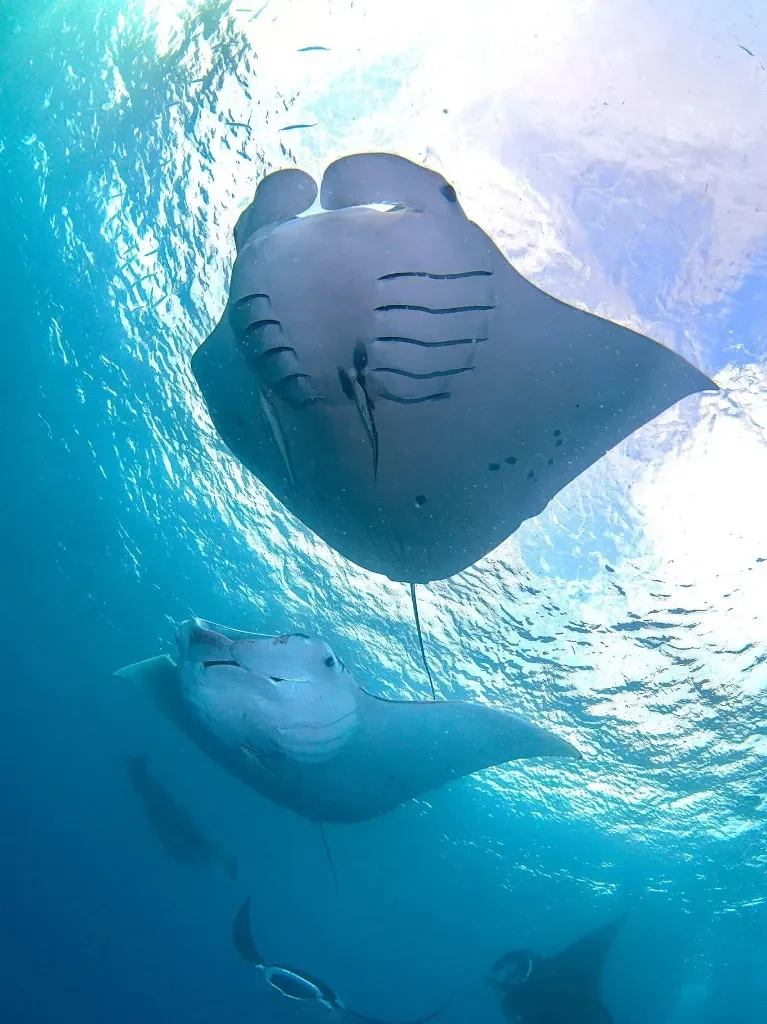
Manta rays are a major highlight at South Tip, as it hosts the only known cleaning station for these oceanic pelagics within a considerable radius. While sightings are not consistently reported on every dive, the potential for encountering them is a significant draw.
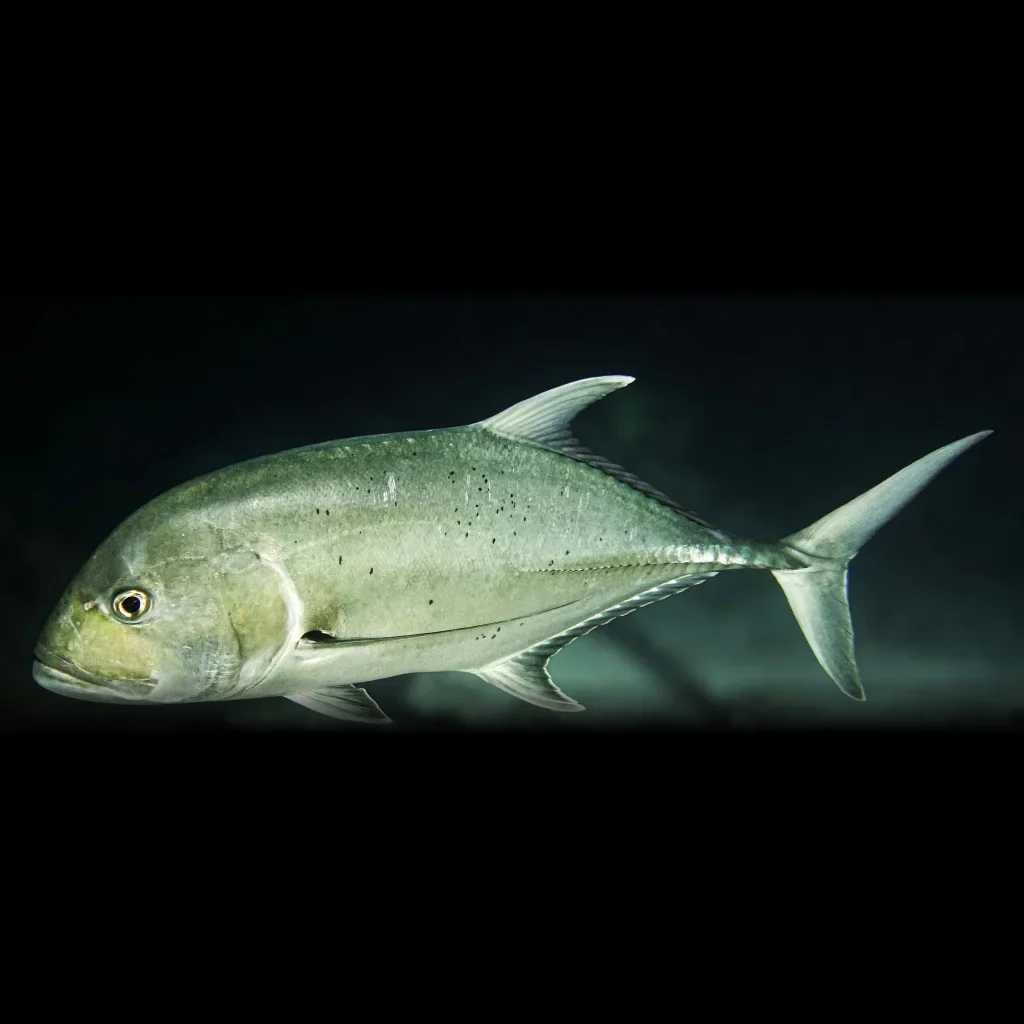
Beyond the mantas, the site teems with other impressive marine life. Divers frequently observe Unicorn Fish, Surgeon Fish, and Giant Trevally patrolling the top of the boulder formations.
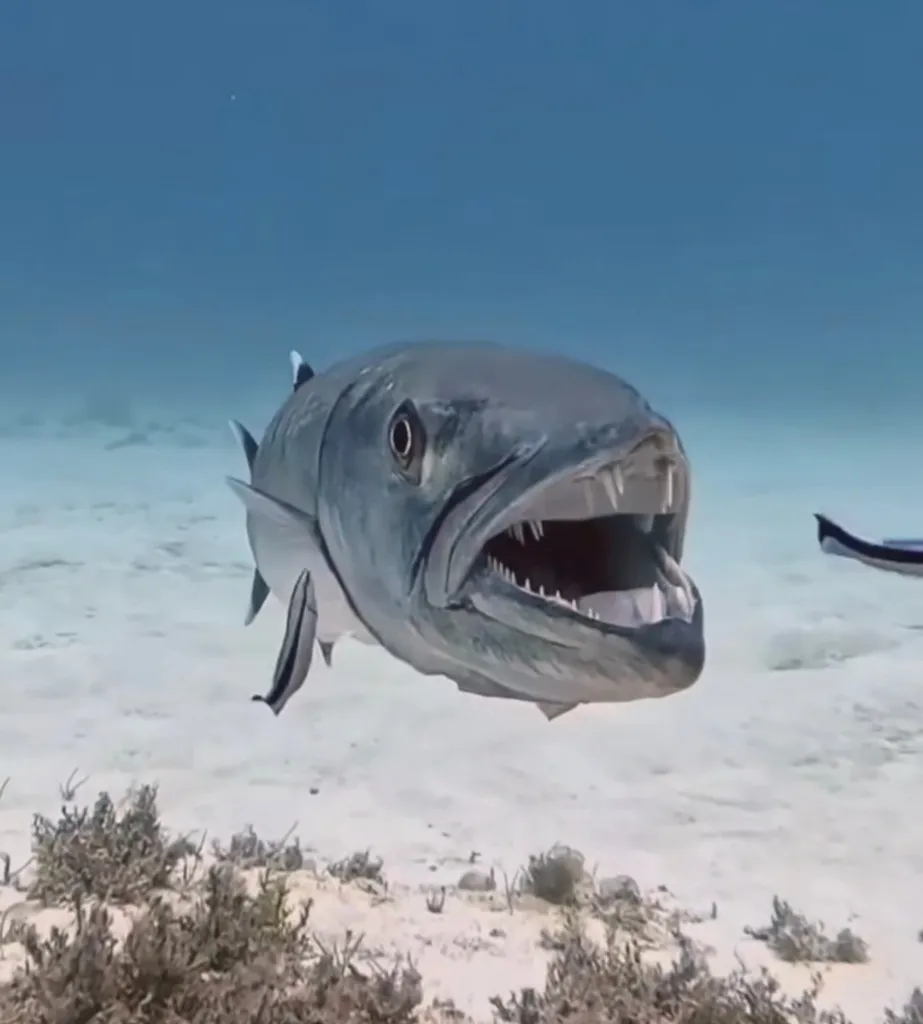
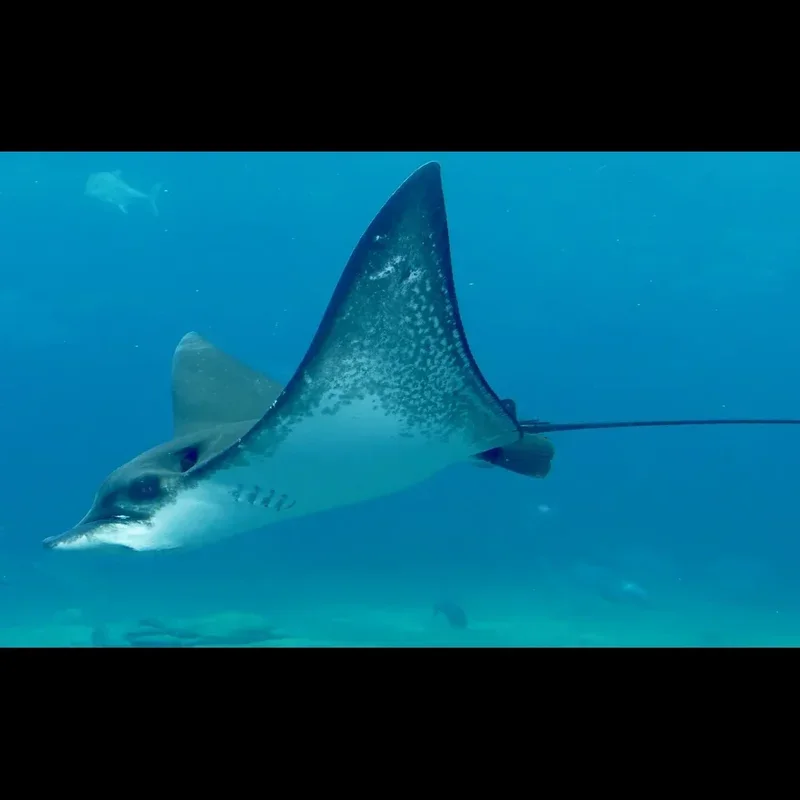
On fortunate occasions, a large school of Chevron Barracuda can also be encountered. Exploring the deeper sections, such as the southern wall, also offers opportunities to spot leopard sharks and eagle rays.
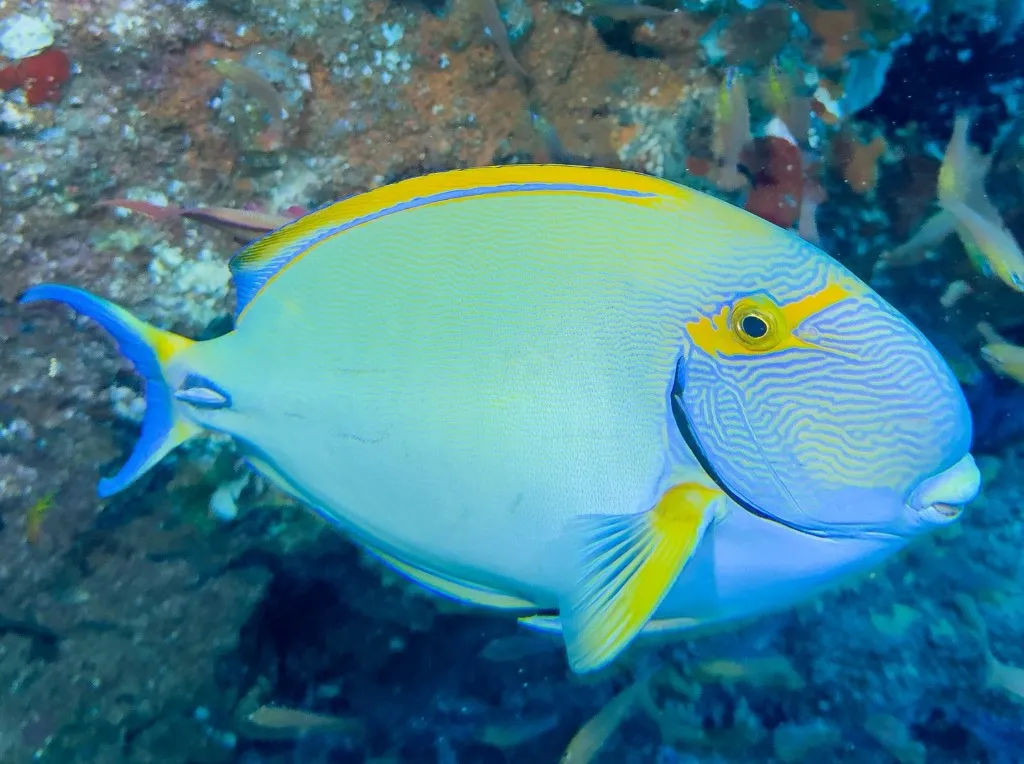
Dive Sites Near South Tip
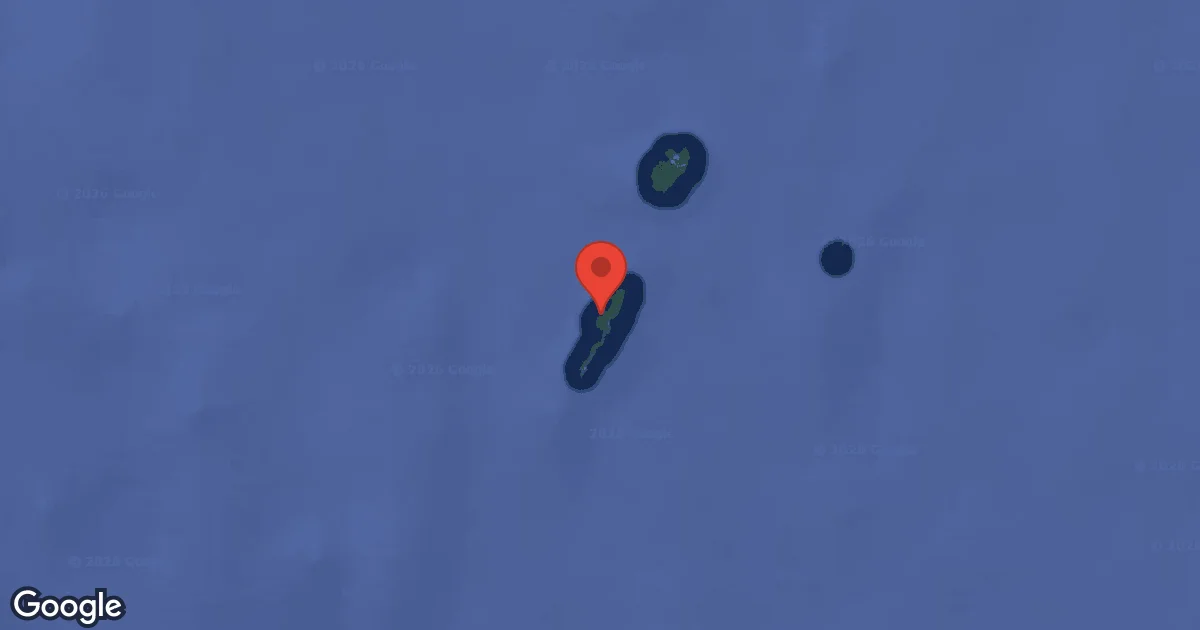
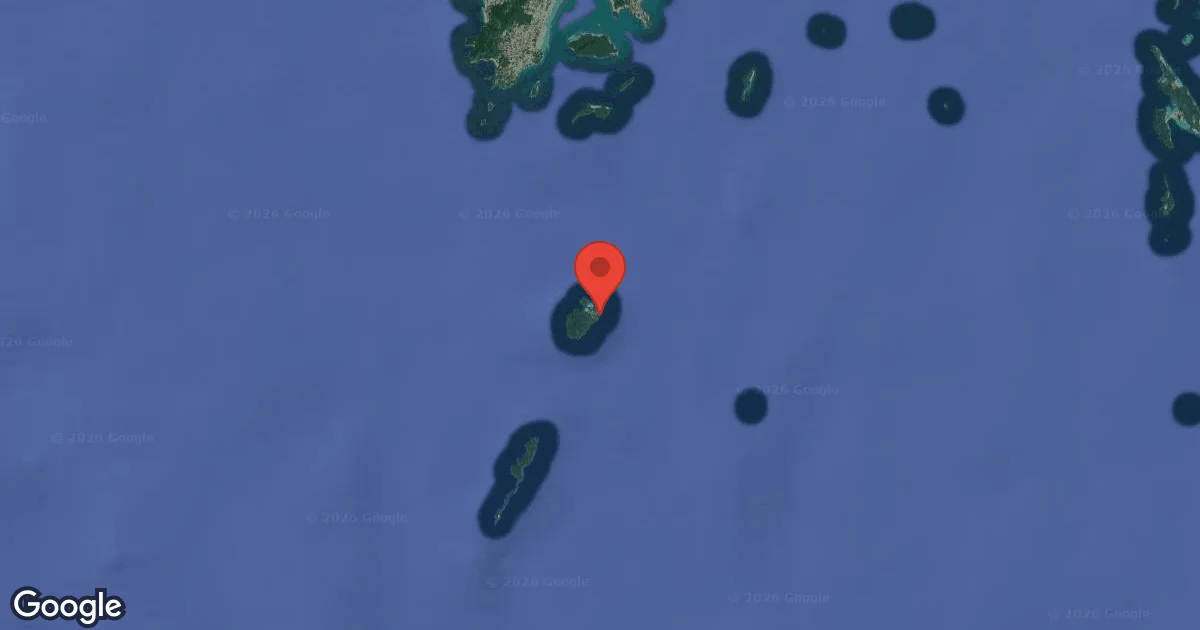
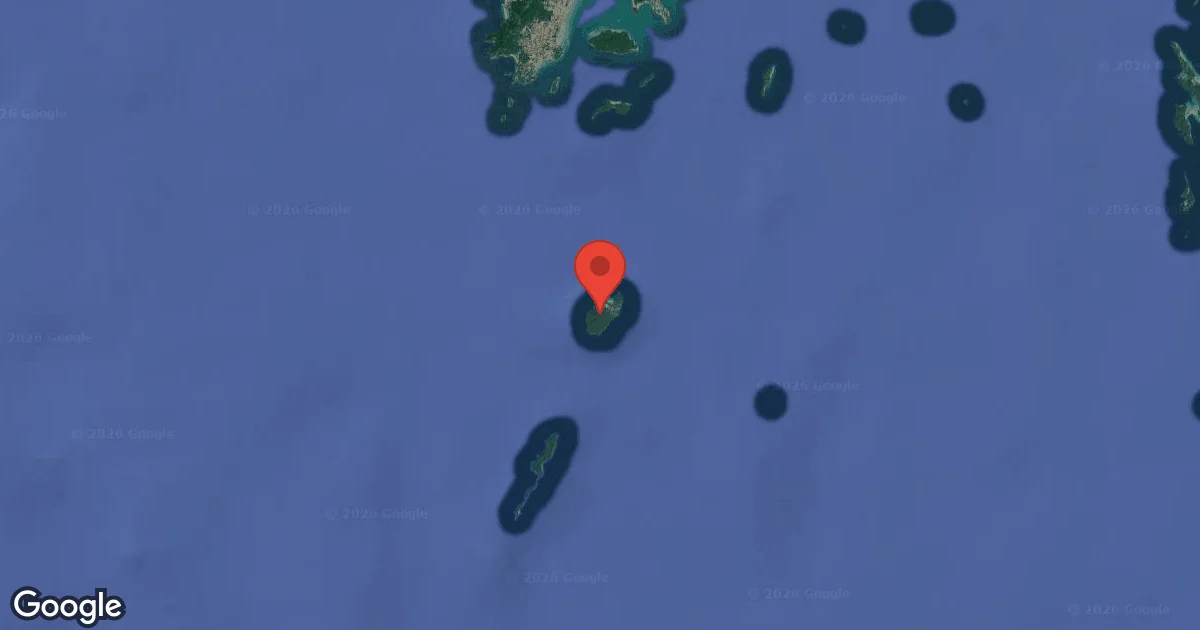
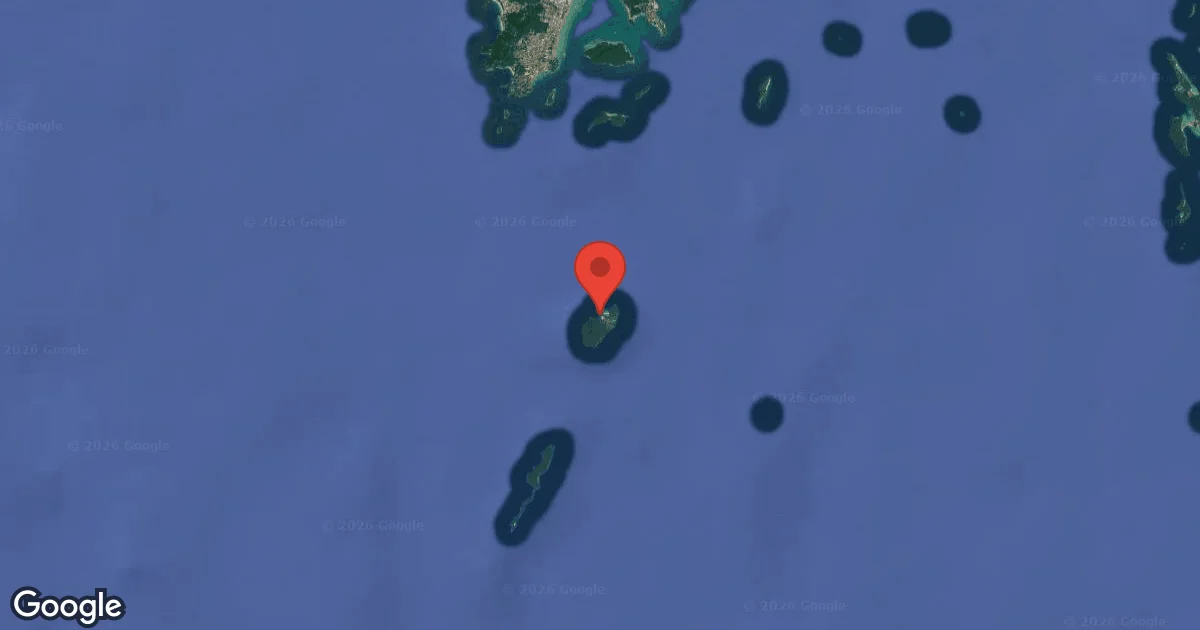
View all dive sites in ThailandDiscover more underwater gems in this area.
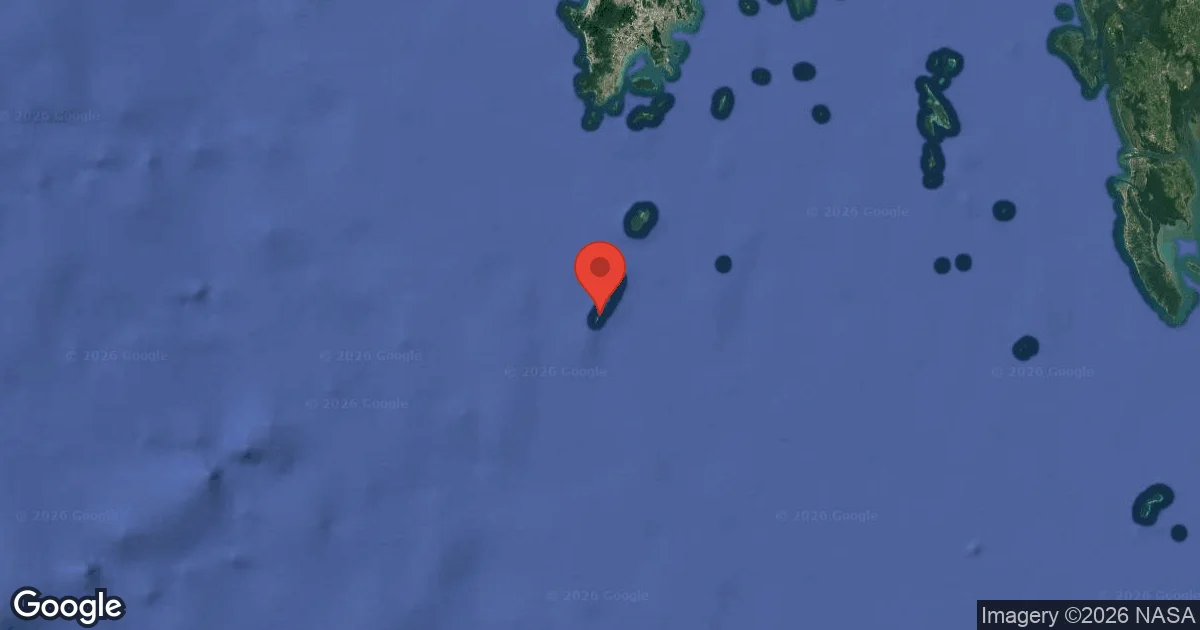
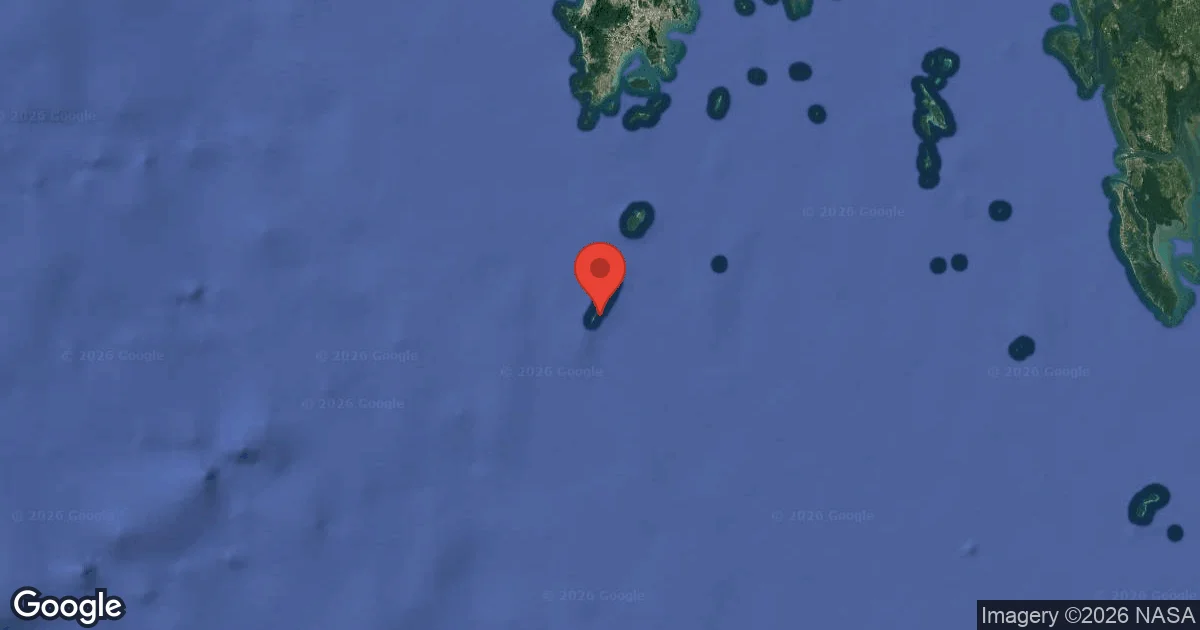
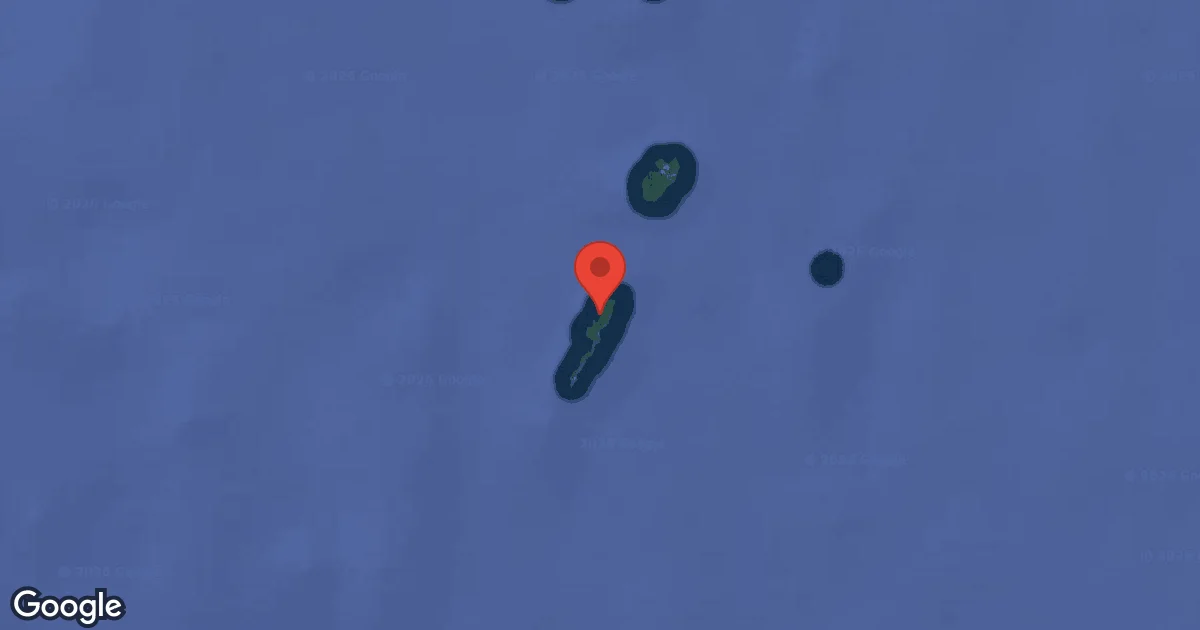
Dive Centers Near South Tip

Nearest Airports
Nearest airports to help plan travel to this dive area.
Search Flights
Check available flights and routes on Expedia, using the nearby airports listed in this section.
Search Flights on ExpediaFrequently Asked Questions
What dive certification level is required for South Tip?
South Tip is best suited for experienced divers. A PADI Advanced Open Water certification or an equivalent is generally recommended due to challenging and often unpredictable currents. Divers should also be proficient in drift diving techniques.
What are the typical current conditions at South Tip?
South Tip is known for very strong and often unpredictable currents. These flows converge from both sides of Racha Noi Island, accelerating significantly around the boulders and taking on unusual directions. Planning dives around slack tide is frequently recommended to mitigate their intensity.
When is the optimal period to dive South Tip?
Optimal conditions generally span from November to April. During these months, lower rainfall contributes to excellent visibility, often exceeding 20 meters. Air temperatures are comfortably warm, typically between 27.5°C (82°F) and 29°C (84°F).
What marine life can divers expect to encounter?
Manta rays are a major highlight, as South Tip hosts a known cleaning station for these pelagics. Beyond mantas, divers frequently observe Unicorn Fish, Surgeon Fish, and Giant Trevally. Leopard sharks and eagle rays are also possible in deeper sections.
What are the depth ranges at South Tip?
Dive depths range from shallower sections around 12-14 meters in the north, sloping dramatically to deeper sections exceeding 40 meters to the south. Exploration often occurs within recreational depth limits for advanced divers.
What safety precautions should be taken when diving here?
Addressing significant currents is paramount; a negative entry is often necessary. Divers must maintain excellent buoyancy control and stay vigilant regarding current changes. Carrying a Surface Marker Buoy (SMB) is highly recommended for signaling the boat.
Planning to dive South Tip?
Send one inquiry and receive offers directly from the best verified local dive operators.
Conditions are Moderate
Optimal conditions expected
Current conditions near South Tip show 28° air, 29° sea temperature, 1.5 m waves, and 33 km/h wind. Forecast data is refreshed regularly to ensure accuracy.