
Diving at Aussie Reef - Racha Noi (Thailand)
Aussie Reef provides a dynamic experience, primarily suitable for certified divers comfortable with drift conditions. With a maximum depth of 30 m (100 ft), the site accommodates those exploring its deeper coral bombies as well as novice divers appreciating the hard coral gardens in shallower sections. This site balances a leisurely drift with opportunities for more technical navigation.
Early observations for Aussie Reef - Racha Noi report a surface air temperature of 27.5°C. The water surface is currently presenting wave heights of 1.9 m. Consider these environmental metrics before beginning your descent.
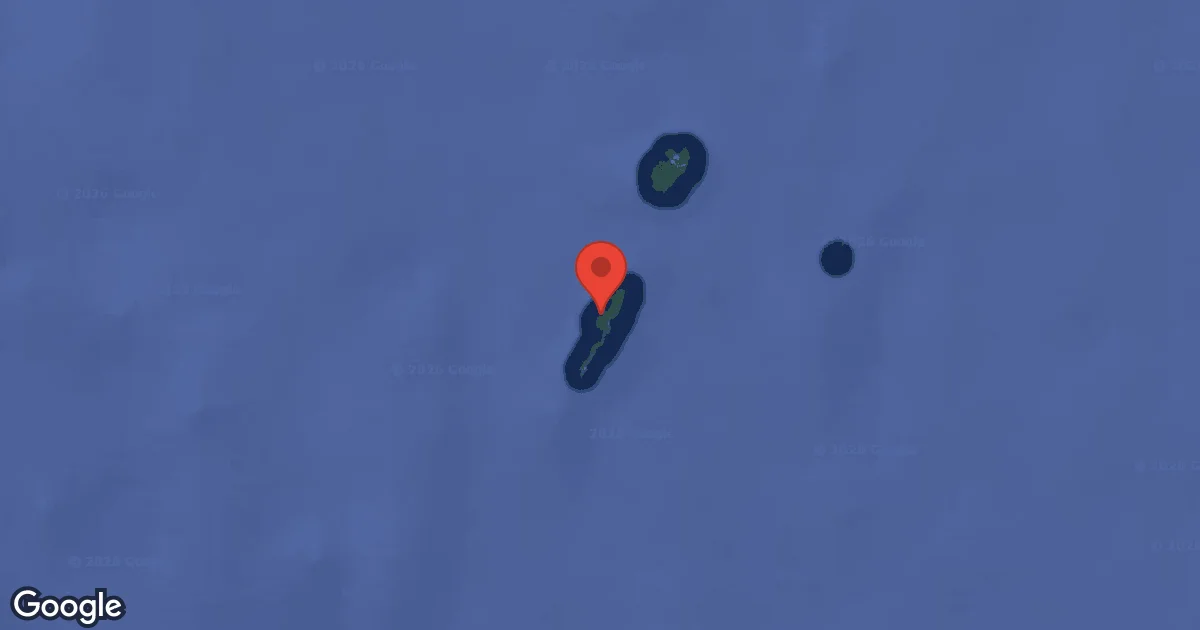
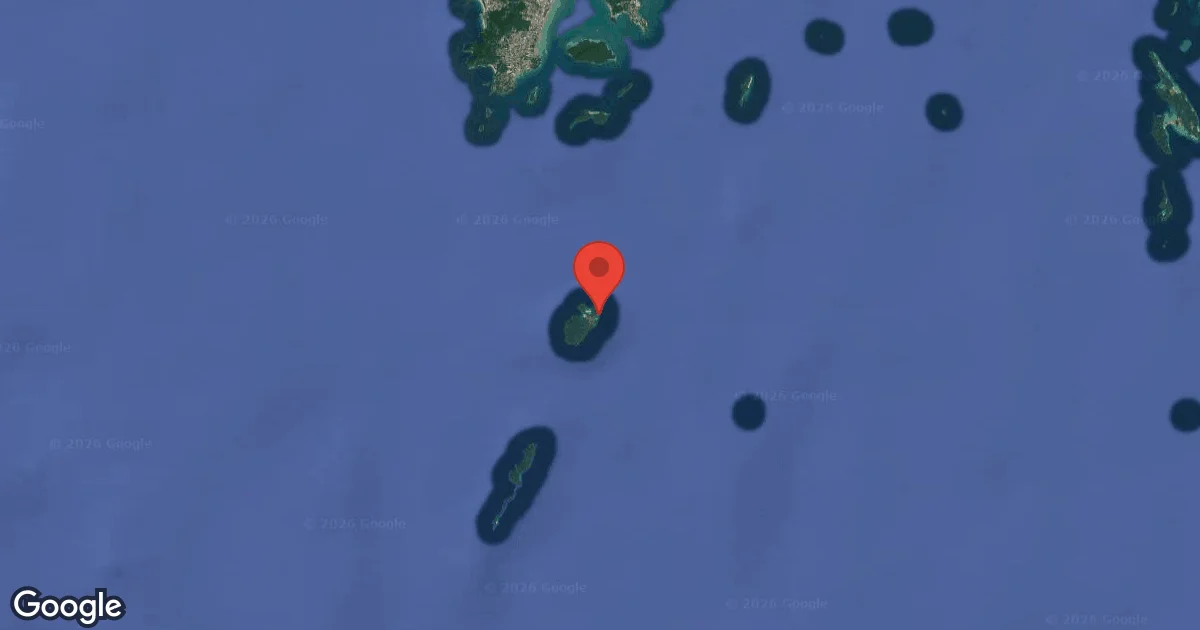
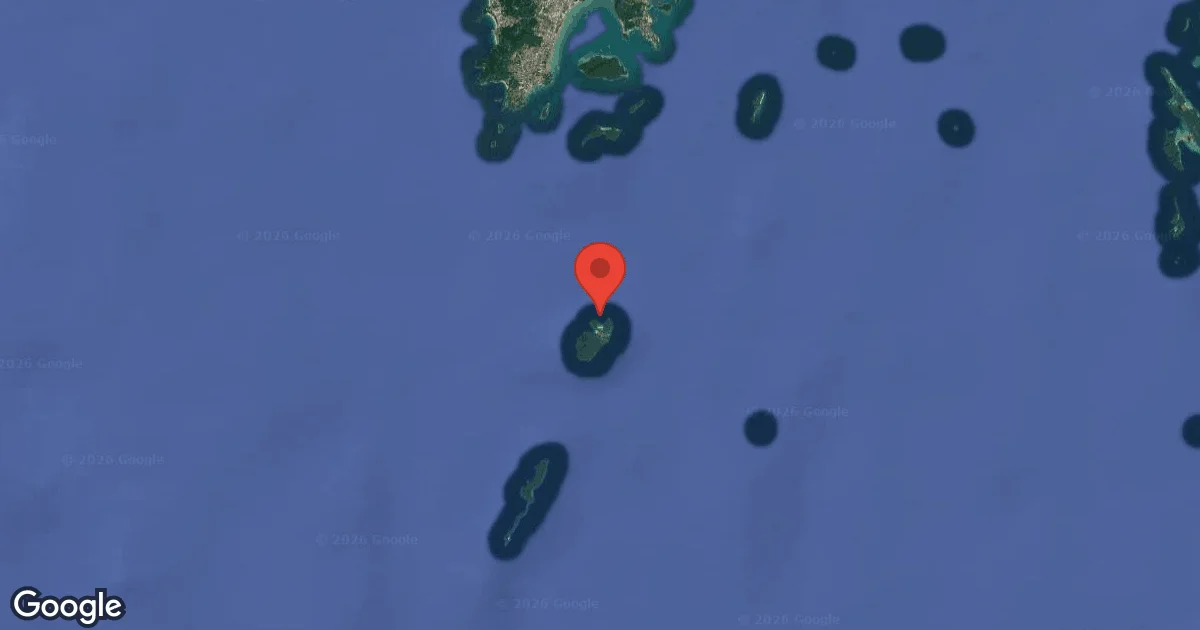
Dive Site Location & Key Facts
Dive Site Overview
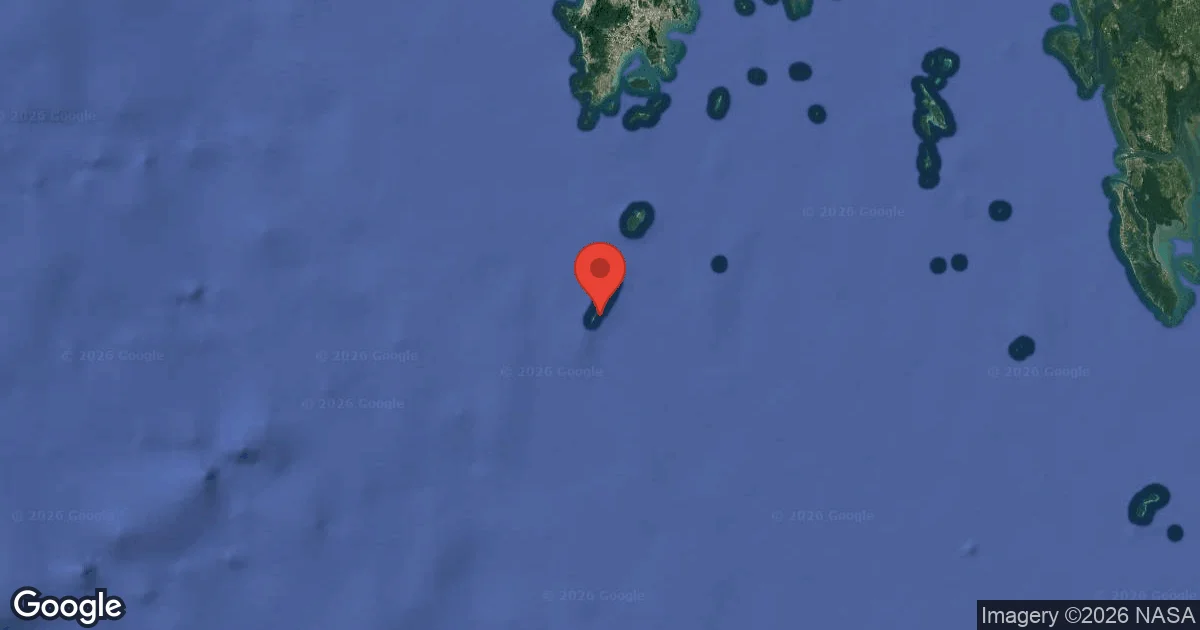
Forming part of the Racha Noi landscape, Aussie Reef has long been a destination for day trip excursions departing from Phuket. Historically, the region was a popular entry point for beginner and novice divers due to its often clear waters.
Over the past 10-15 years, however, extensive coral bleaching events have impacted the health of its coral structures and marine ecosystems. Despite these changes, the site still provides a compelling drift dive experience. Divers will find extensive hard coral gardens in the shallower sections, transitioning to significant deep coral bombies as the depth increases.
The varied topography includes aspects of rocky reef and wall-like features, eventually sloping down to a sandy bottom that extends to around 35 meters, though recreational dives typically maintain a maximum depth of 30 m (100 ft). Navigating the reef usually involves a consistent current-assisted drift, making it an engaging experience for those comfortable with the flow. Exploring the terrain offers glimpses into an evolving underwater world.
Conditions are Moderate
Optimal conditions expected
Current conditions near Aussie Reef - Racha Noi show 28° air, 29° sea temperature, 1.9 m waves, and 28 km/h wind. Forecast data is refreshed regularly to ensure accuracy.
Best Time to Dive
Optimizing your visit to Aussie Reef largely depends on seasonal conditions. January through May, and October through December, generally present the best diving conditions, with dive scores rated 'Good'. During these months, average air temperatures range from 27.5°C to 29°C (81.3°F to 84.2°F), and wave heights typically stay below 1 meter. Rainfall is also notably lower, averaging 0.9 to 5.2 mm, particularly in the earlier part of the year. November to April offers the best chance for manta ray sightings. From June to September, conditions become 'Moderate' due to increased wave heights, reaching up to 1.4 meters, and higher average rainfall, which might impact visibility and comfort.
PEAK SEASON SCORE
Scores combine air & water temps, waves, wind & rainfall for overall conditions.
BEST MONTHS TO DIVE
Monthly records compiled from satellite and marine observation nodes over the last 3 years. Data provided by Open-Meteo and MET Norway.
Dive Experience & Conditions
Approaching Aussie Reef via boat, divers will typically prepare for a drift entry, aligning with the prevalent currents. Initial descent reveals clear, salty waters, often providing excellent visibility throughout the dive. The topography transitions from rocky reefs in shallower zones to deeper coral bombies, eventually meeting a soft sandy plateau. Currents are a significant factor here; they can be quite strong, frequently running directly to the south, which can lead to extended drift rides. Divers exploring the reef between 10-25 meters should remain aware of these conditions to manage their dive profile effectively.
Dive Difficulty & Safety Guidelines
Successfully navigating Aussie Reef requires an awareness of its currents, which can be robust and dictate the direction of your drift. While no specific hazards beyond general dive risks are consistently reported, managing your air consumption and no-decompression limits is crucial, especially when exploring the maximum depth of 30 m (100 ft). Dive operators usually select sites based on daily weather and current assessments, prioritizing diver safety. Always stay within your certification limits and be prepared for potential strong water movement.
Recommended Equipment
Current and surface separation risk. Local briefing strongly recommended.
- Dive Computer
- DSMB
- Reel / Spool
This gear list is based on verified equipment signals for Aussie Reef - Racha Noi, Thailand. Always confirm final gear choices with your dive operator, guide, or liveaboard.
Recommended Dive Suit
With water temperatures around 29°C (85°F), many divers find a dive skin or rash guard provides comfortable protection.
Being prepared with flexible exposure options is a common approach among experienced divers.
Current forecasts indicate relatively stable conditions for the coming days.
Emergency & Medical Support
Essential information to help you plan your dive trip to Aussie Reef - Racha Noi.

Hyperbaric chambers are a critical part of dive safety infrastructure. Availability varies significantly by region, and not all dive areas have immediate access.
Before diving, it's recommended to:
- confirm nearest medical facilities
- check emergency procedures with local dive operators
- ensure dive insurance covers evacuation if required
Divers Alert Network
Diving emergency assistance available through DAN World.
+1-919-684-9111- 24/7 emergency hotline
- Diving medical assistance
- Evacuation coordination
Emergency contacts are provided for reference. Always verify local emergency services before diving.
Marine Life at Aussie Reef - Racha Noi
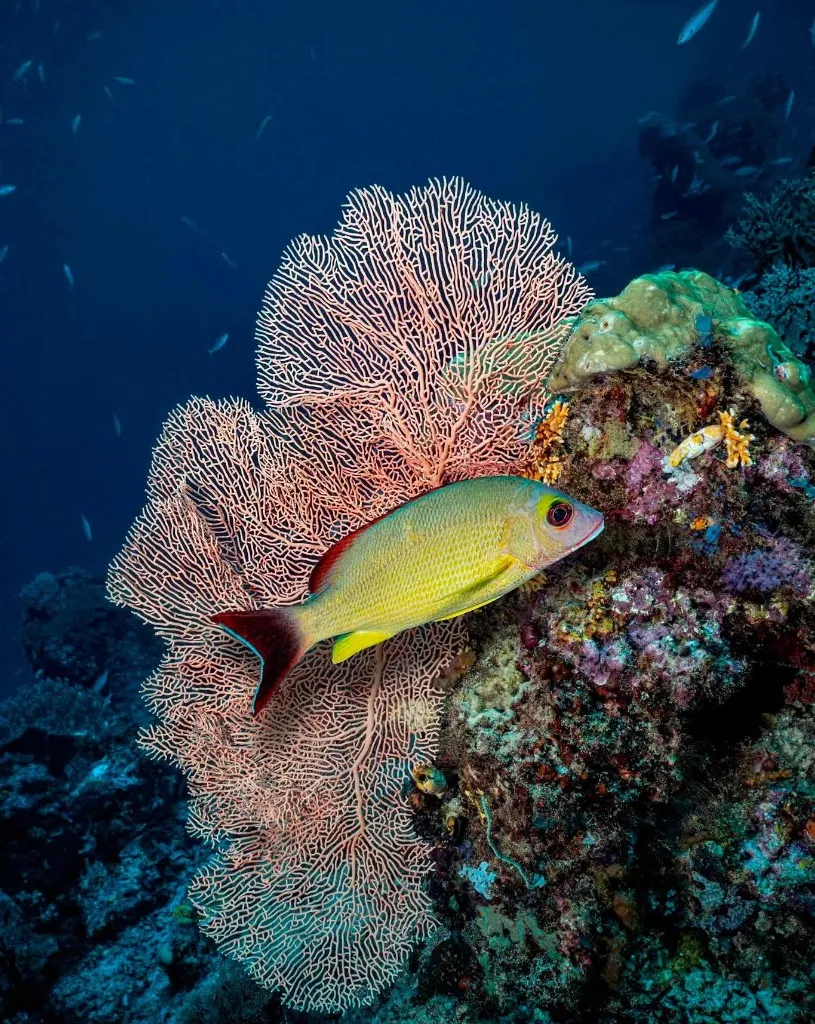
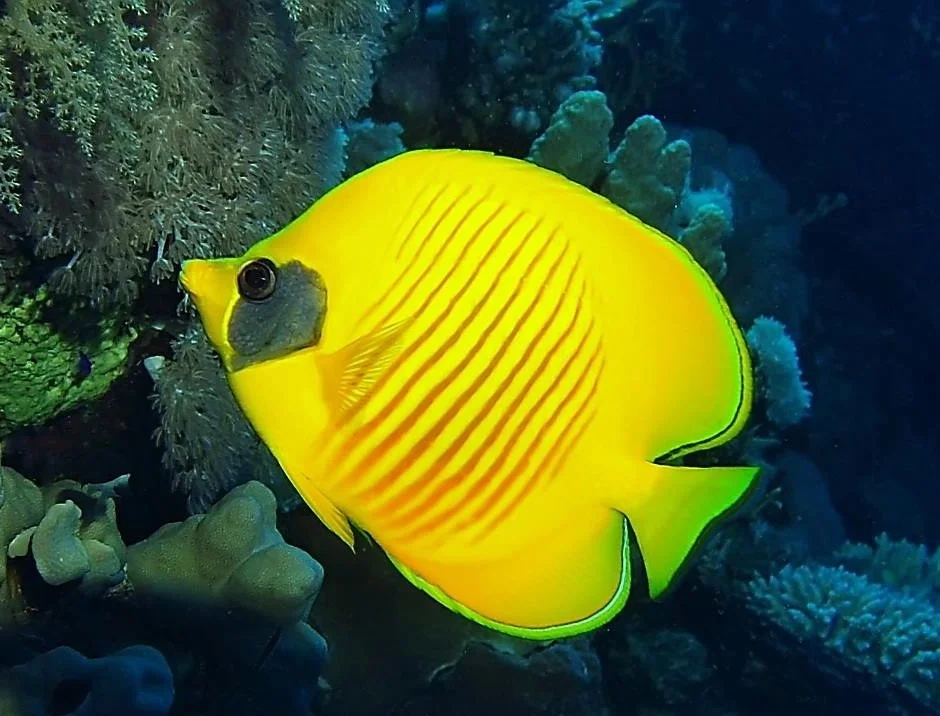
Observing the marine inhabitants often starts with sightings of smaller, colorful reef fish. Commonly seen species include butterflyfish, angelfish, wrasse, and parrotfish, darting among the corals.
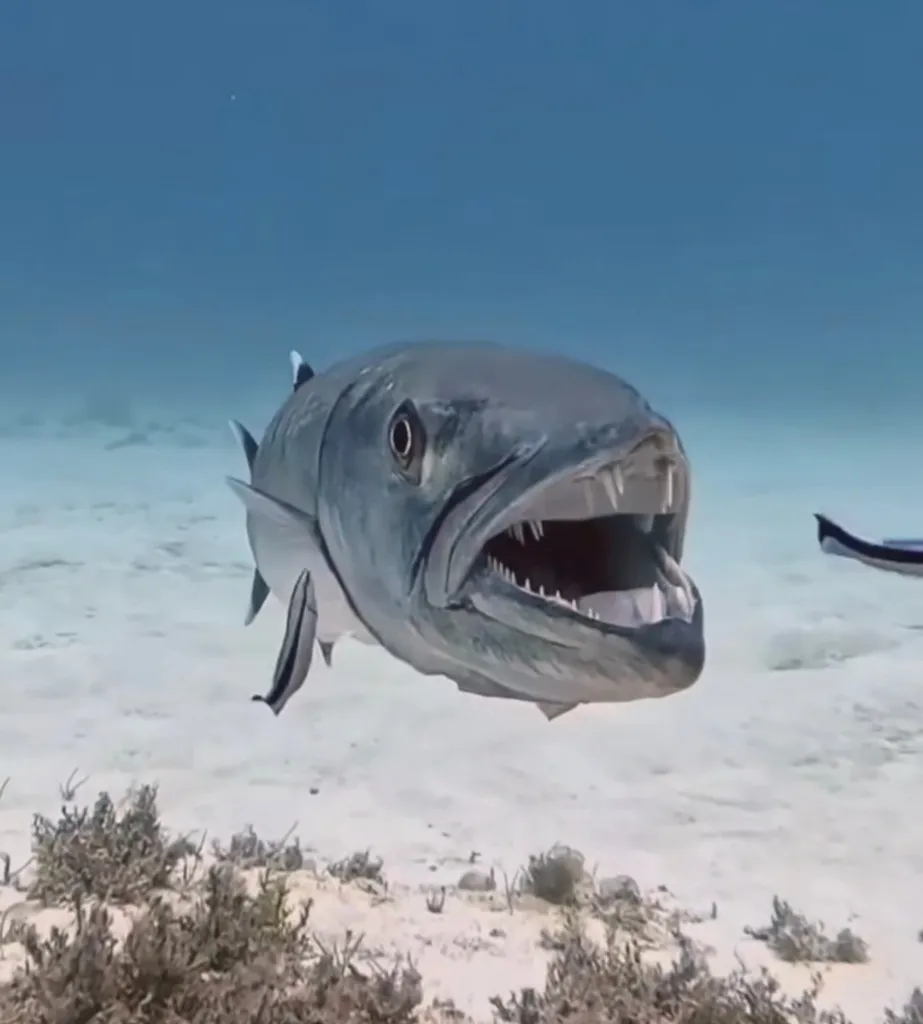
Keep an eye out for elusive lionfish, stonefish, and waspfish, which are masters of camouflage. Larger schools of barracuda and snapper occasionally pass by, adding to the dynamic underwater scene.
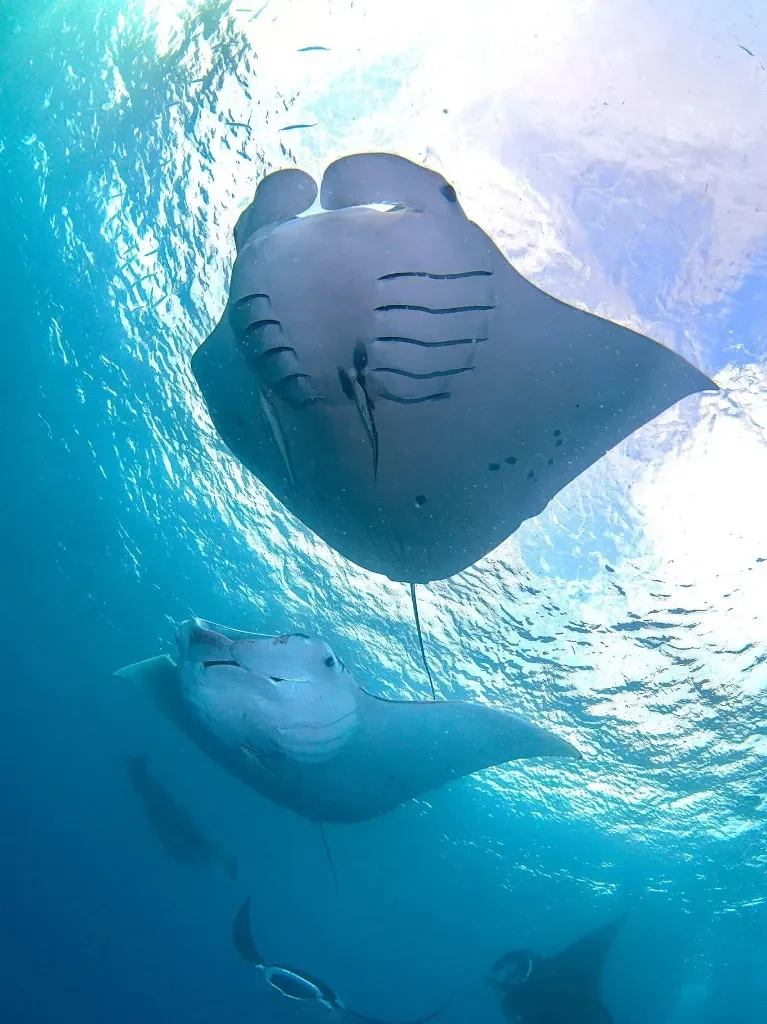
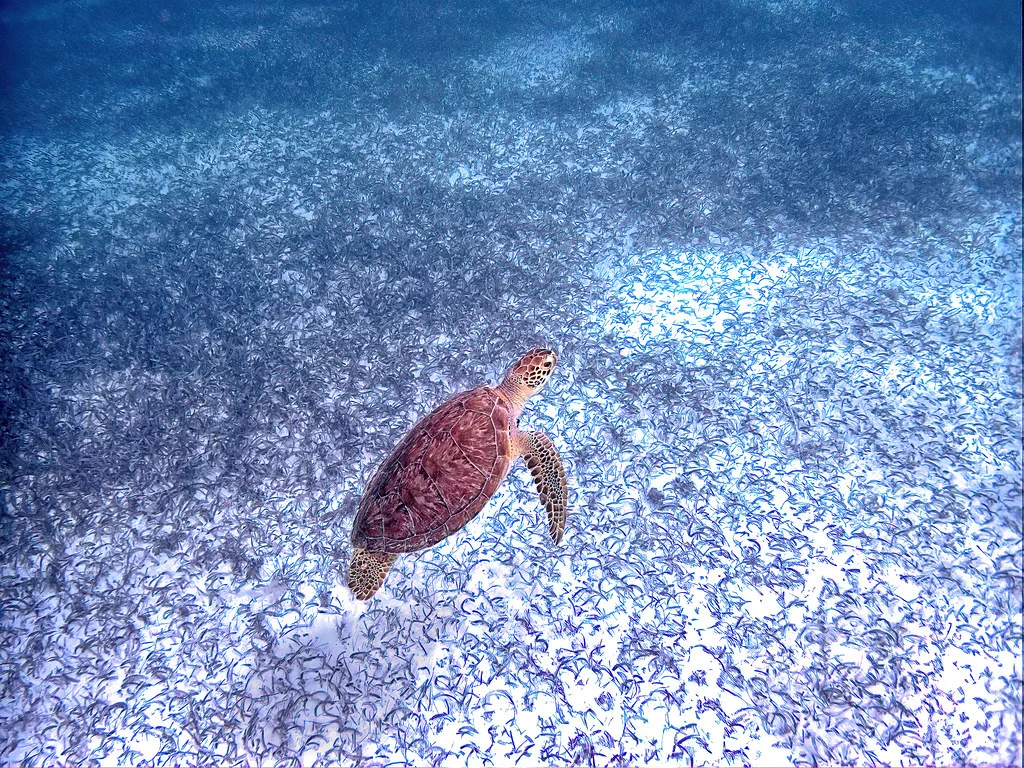
Hawksbill and Loggerhead turtles are present, often grazing near the reef, while leopard sharks may be spotted resting on the sandy bottom. Though not guaranteed, manta rays have been known to visit the area, particularly between November and April.
Dive Sites Near Aussie Reef - Racha Noi
View all dive sites in ThailandDiscover more underwater gems in this area.
Dive Centers Near Aussie Reef - Racha Noi


Nearest Airports
Nearest airports to help plan travel to this dive area.
Search Flights
Check available flights and routes on Expedia, using the nearby airports listed in this section.
Search Flights on ExpediaFrequently Asked Questions
What is the typical depth range at Aussie Reef?
Aussie Reef offers a recreational depth range suitable for various diver levels. Divers can explore shallow hard coral gardens, but the site extends to a maximum depth of 30 m (100 ft), featuring deeper coral bombies and a sandy bottom.
Are there strong currents at Aussie Reef?
Yes, Aussie Reef is primarily a drift dive site, and currents can be quite significant. They often run to the south, requiring divers to be proficient in current management and buoyancy control for a safe experience.
What can divers expect regarding visibility?
Visibility at Aussie Reef is often excellent, typically providing clear, salty waters throughout the dive. While conditions can vary, good water clarity generally enhances the drift dive experience and allows for clear views of the extensive coral structures.
Is Aussie Reef suitable for beginner divers?
Aussie Reef is primarily suited for certified divers comfortable with drift conditions. While novice divers can appreciate shallower hard coral gardens, the potential for strong currents and the site's maximum depth suggests some prior experience is beneficial.
What kind of marine life is commonly seen here?
Divers frequently spot colorful reef fish like butterflyfish, angelfish, and parrotfish. Keep an eye out for camouflaged lionfish or stonefish. Occasional sightings of larger barracuda, snapper schools, and turtles are common. Manta rays visit seasonally, particularly from November to April.
When is the best time of year to dive Aussie Reef?
The optimal time to dive Aussie Reef is from January through May and October through December, when conditions are generally rated 'Good'. Wave heights are lower, and rainfall is minimal, contributing to better overall comfort and visibility for divers.
Planning to dive Aussie Reef - Racha Noi?
Send one inquiry and receive offers directly from the best verified local dive operators.
Conditions are Moderate
Optimal conditions expected
Current conditions near Aussie Reef - Racha Noi show 28° air, 29° sea temperature, 1.9 m waves, and 28 km/h wind. Forecast data is refreshed regularly to ensure accuracy.