
Diving at Racha Noi Island (Thailand)
For divers venturing south of Racha Yai, Racha Noi Island presents a dynamic destination with varied conditions, appealing to both novice and advanced levels. Its waters are deeper than its northern counterpart, attracting a broader spectrum of marine life. Day trips from Phuket often combine both Racha islands, making it a frequent stop. A range of experiences is available, from sheltered bays ideal for beginners to challenging deep sites for seasoned divers.
Tonight's objective overview for Racha Noi Island shows an air temperature of 28.5°C. The measured surface conditions include wave heights around 1.6 m. This environmental data is logged for the close of the day.
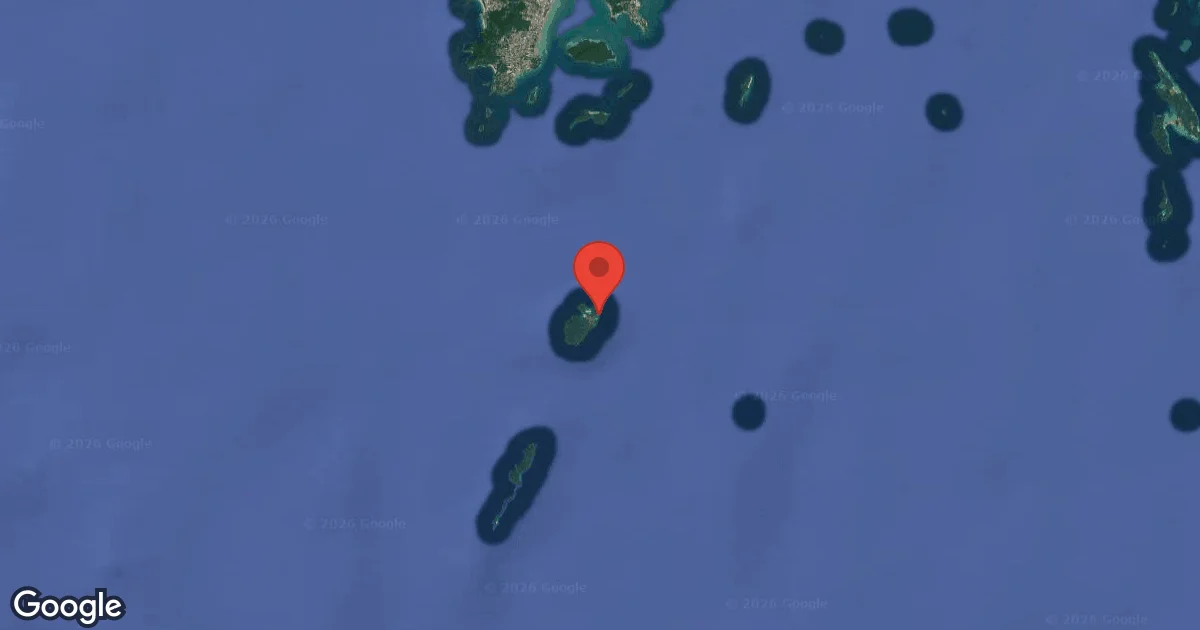
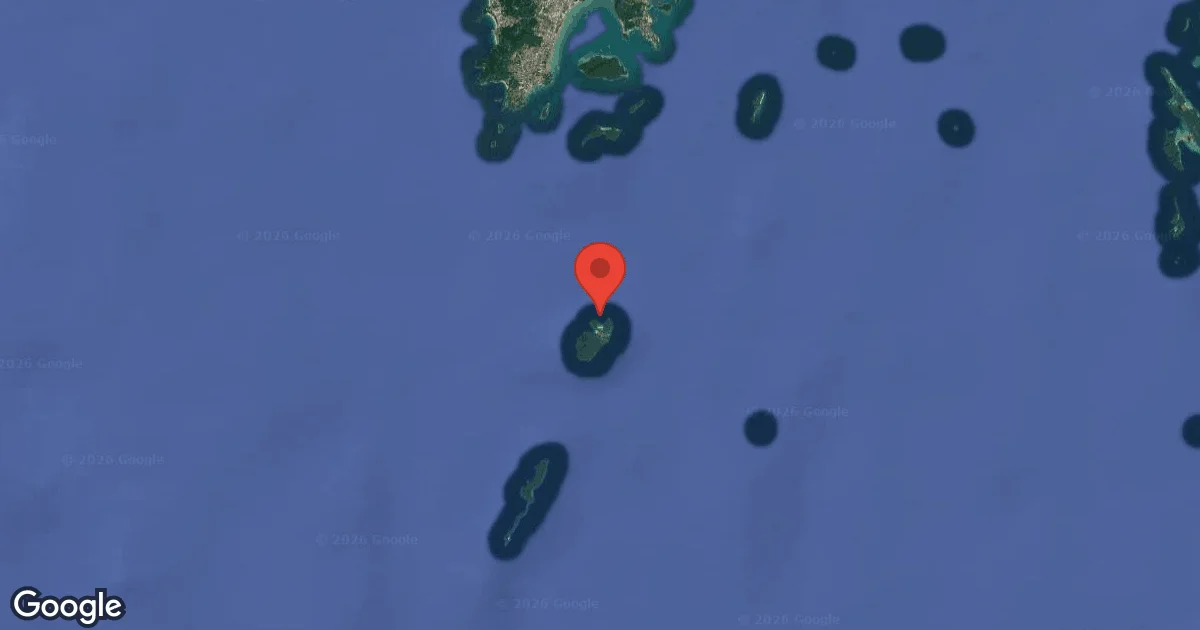
Dive Site Location & Key Facts
Dive Site Overview
Dramatic underwater landscapes characterize Racha Noi Island, particularly reminiscent of the Similan Islands with massive granite boulders piled on the seabed. Surrounding waters are notably deeper, with sandy slopes descending to 70 m (230 ft) in places, increasing the likelihood of encountering pelagic species from the open ocean.
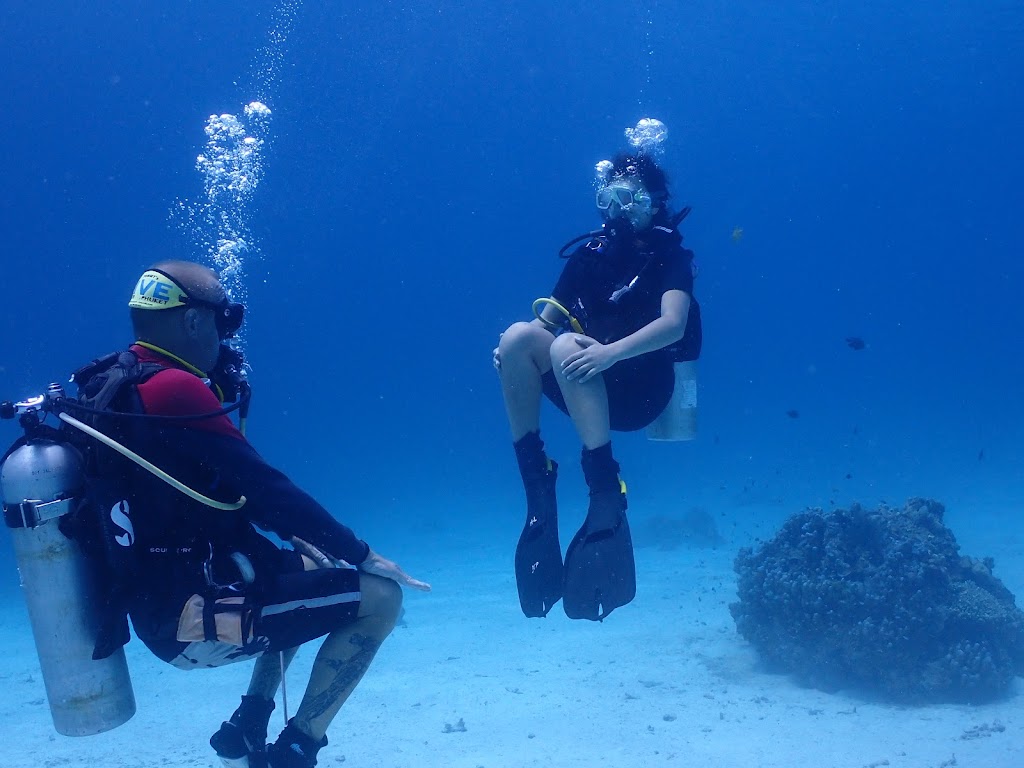
Dive sites here cater to all certification levels. Banana Bay, located on the east coast, features gentle sandy slopes, starting at around 3 meters and descending to about 25 meters.
These depths, roughly 10 to 82 feet, with scattered corals, make it suitable for entry-level training and relaxed dives. On the west side, Marina Bay presents a rocky environment with numerous swim-throughs and depths often reaching 30 meters.
Further south, Racha Noi Bay offers a mix of branching coral formations in shallower waters and piled rocks in deeper sections, with a maximum depth of around 25 meters. South Tip is reserved for advanced divers, often plunging beyond 30 meters into areas where larger marine life is more frequently observed. This site can experience strong currents, adding to its appeal for experienced divers.
Conditions are Moderate
Optimal conditions expected
Current conditions near Racha Noi Island show 28° air, 29° sea temperature, 1.5 m waves, and 23 km/h wind. Forecast data is refreshed regularly to ensure accuracy.
Best Time to Dive
Racha Noi offers distinct experiences depending on the season, allowing year-round trips from Phuket. From November to April, conditions are generally optimal with good dive scores (7-8) and typically lower rainfall, averaging 0.9-5.2 mm. Air temperatures during this period remain comfortable, ranging from approximately 27.5°C (82°F) in January to 29°C (84°F) in April. Dry season conditions favor the west side, north tip, and South Tip, where divers can best appreciate the dramatic topography and potentially spot larger pelagics. Between May and October, the 'low season' brings moderate dive scores (6-7) and higher rainfall, with averages peaking around 10.3 mm in November. During these months, prevailing westerly winds often make eastern bays like Banana Bay the preferred, calmer dive spots.
PEAK SEASON SCORE
Scores combine air & water temps, waves, wind & rainfall for overall conditions.
BEST MONTHS TO DIVE
Monthly records compiled from satellite and marine observation nodes over the last 3 years. Data provided by Open-Meteo and MET Norway.
Dive Experience & Conditions
Entering the waters around Racha Noi, conditions vary from serene to challenging. Visibility commonly ranges from 10-25 m (33-82 ft), influenced by currents and recent weather. Currents are generally weak to moderate in the sheltered bays but can be significant, particularly around the northern, western, and southern tips, as well as in deeper sections. These stronger currents often accompany the presence of large pelagic animals. Topography shifts from pure white sandy bottoms and gentle slopes in protected bays to impressive granite boulders and rocky formations with intricate swim-throughs at more exposed sites. While specific water temperature data isn't consistently reported in our system, the tropical climate ensures generally warm diving conditions.
Dive Difficulty & Safety Guidelines
For an enjoyable dive at Racha Noi, divers should plan according to their certification level and local conditions. Always monitor current strength, especially when approaching exposed areas like the South Tip, where drifts can be strong. Deep dives beyond 30 meters, often pushing past 100 feet, are common at specific sites, requiring appropriate advanced training and gas planning.
Maintain excellent buoyancy control, particularly when navigating the boulder formations and swim-throughs to protect the delicate marine environment. Novice divers should stick to the calmer, shallower bays, while advanced divers can explore the deeper, more challenging sites.
Listen carefully to your dive guide's briefing regarding entry and exit points, as conditions can change rapidly.
Recommended Equipment
Current and surface separation risk. Local briefing strongly recommended.
- Dive Computer
- DSMB
- Reel / Spool
This gear list is based on verified equipment signals for Racha Noi Island, Thailand. Always confirm final gear choices with your dive operator, guide, or liveaboard.
Recommended Dive Suit
Dive skin or rash guard usually provides adequate warmth in water around this temperature. A hood or vest is suggested for sensitive divers due to surface winds. Water conditions at Racha Noi Island are currently measured at approximately 29°C (85°F). Surface air temperatures are resting at 28°C (83°F).
Environmental conditions are expected to remain consistent in the short-term outlook.
Conditions can vary slightly across different parts of the same dive site.
Emergency & Medical Support
Essential information to help you plan your dive trip to Racha Noi Island.

Hyperbaric chambers are a critical part of dive safety infrastructure. Availability varies significantly by region, and not all dive areas have immediate access.
Before diving, it's recommended to:
- confirm nearest medical facilities
- check emergency procedures with local dive operators
- ensure dive insurance covers evacuation if required
Divers Alert Network
Diving emergency assistance available through DAN World.
+1-919-684-9111- 24/7 emergency hotline
- Diving medical assistance
- Evacuation coordination
Emergency contacts are provided for reference. Always verify local emergency services before diving.
Marine Life at Racha Noi Island
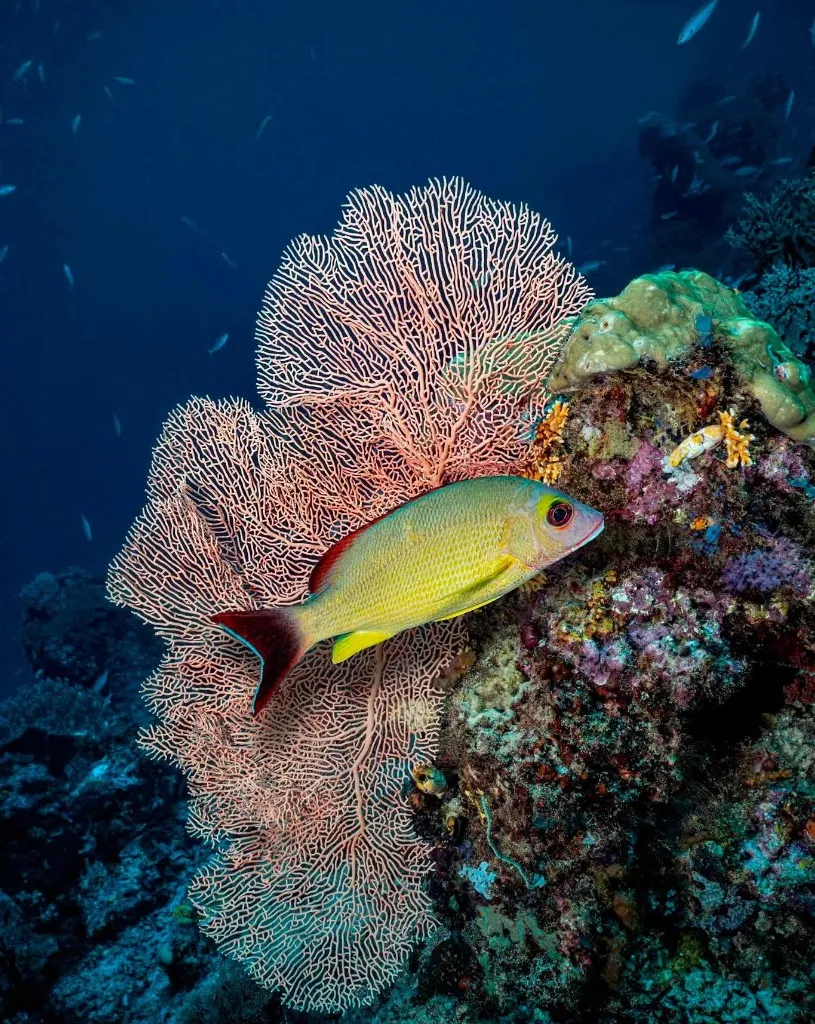
Racha Noi's underwater landscape supports a diverse range of marine life. Observing the varied terrain, divers might spot schools of barracuda and fusiliers moving in formation over rocky outcrops.
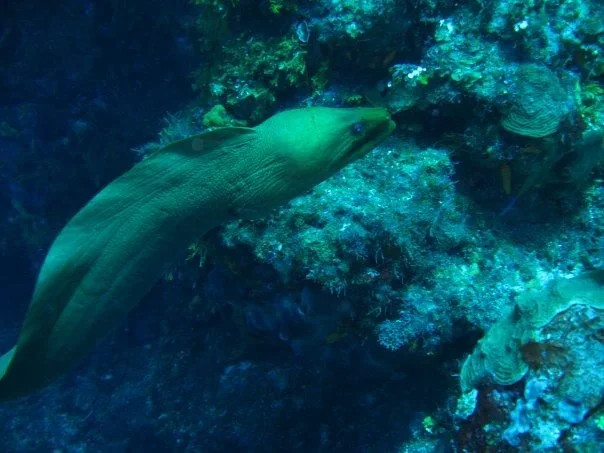
Stingrays and garden eels commonly inhabit sandy bottom areas, blending into their surroundings. Among corals and rocks, look for colorful parrotfish, triggerfish, moray eels, butterflyfish, and bannerfish.
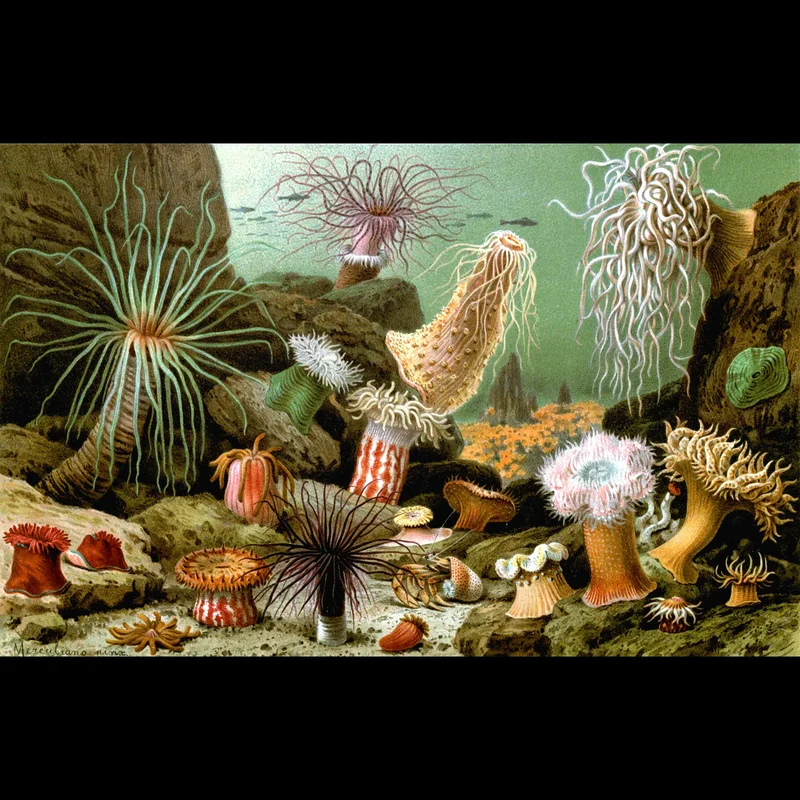
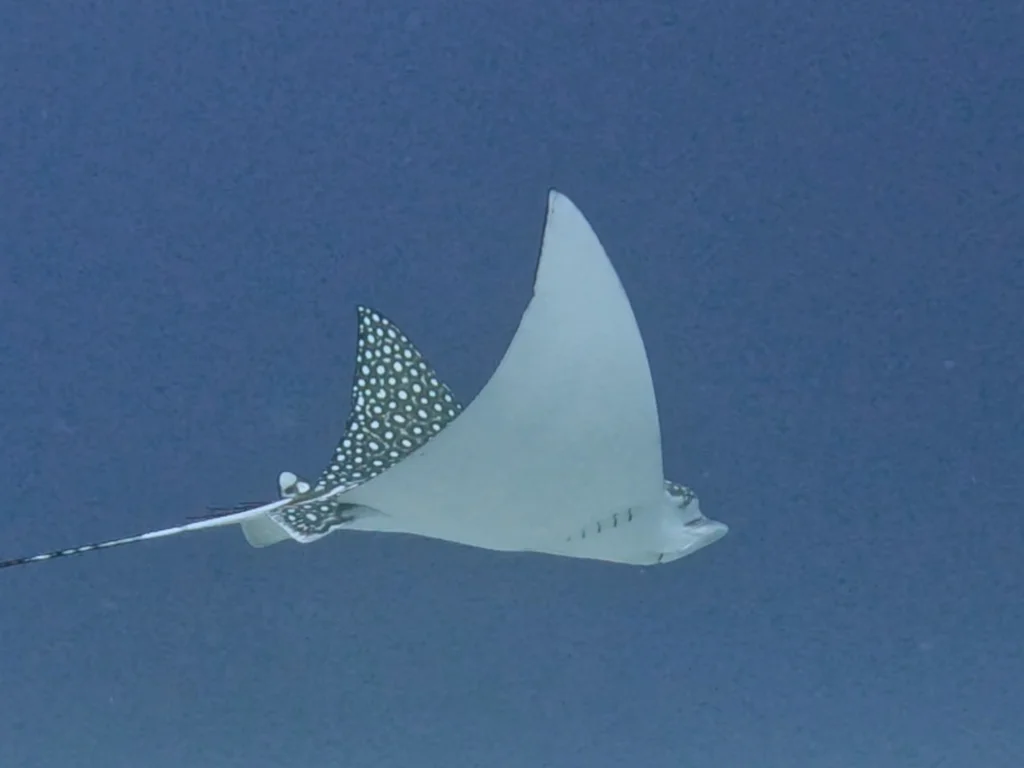
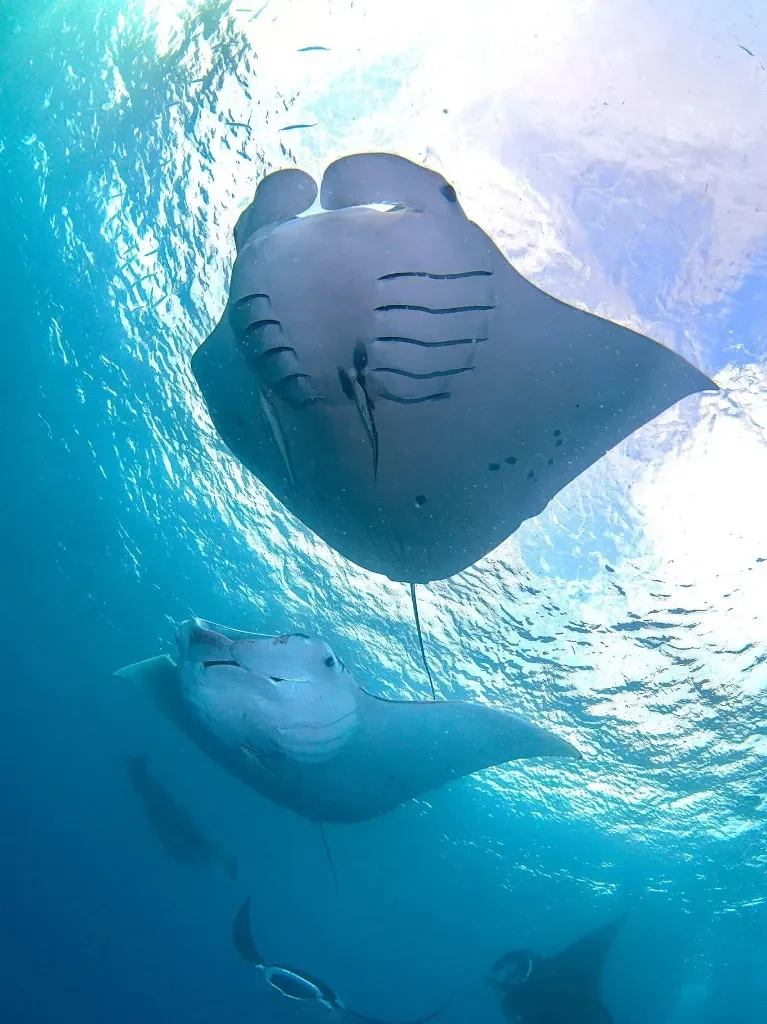
While not a daily occurrence, deeper waters and specific sites like the South Tip offer the chance to encounter larger pelagics, including graceful manta rays and spotted eagle rays. Leopard sharks can sometimes be seen resting on sandy patches, and intricate sea anemones shelter various small creatures.
Dive Sites Near Racha Noi Island
View all dive sites in ThailandDiscover more underwater gems in this area.
Dive Centers Near Racha Noi Island

Nearest Airports
Nearest airports to help plan travel to this dive area.
Search Flights
Check available flights and routes on Expedia, using the nearby airports listed in this section.
Search Flights on ExpediaFrequently Asked Questions
How long does it take to get to Racha Noi Island from Phuket?
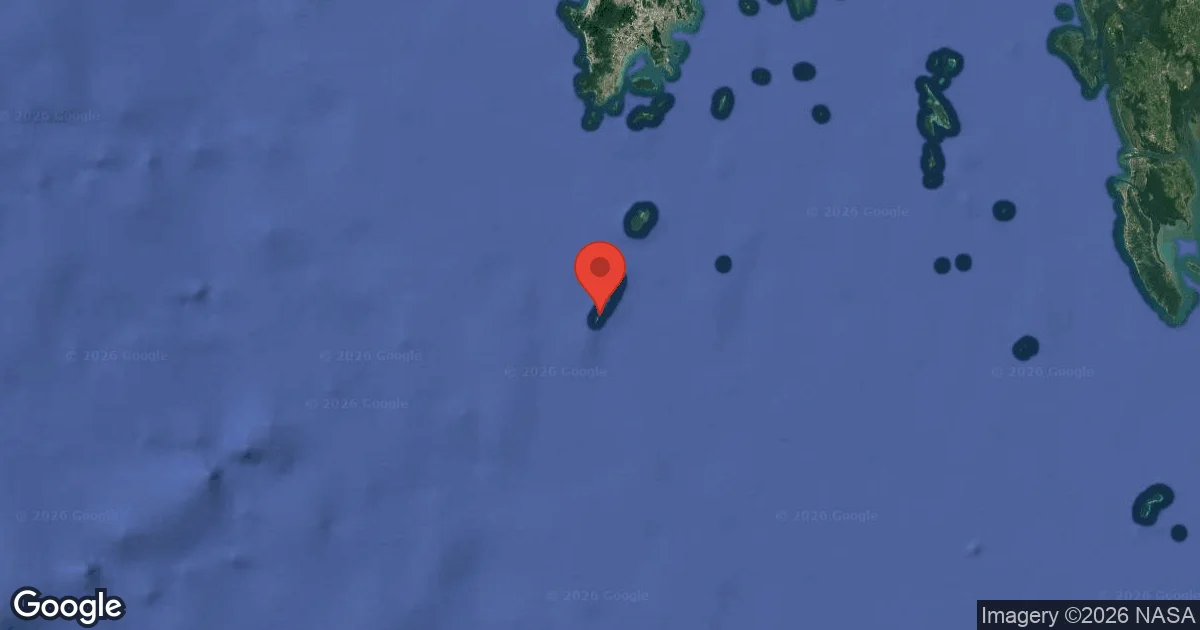
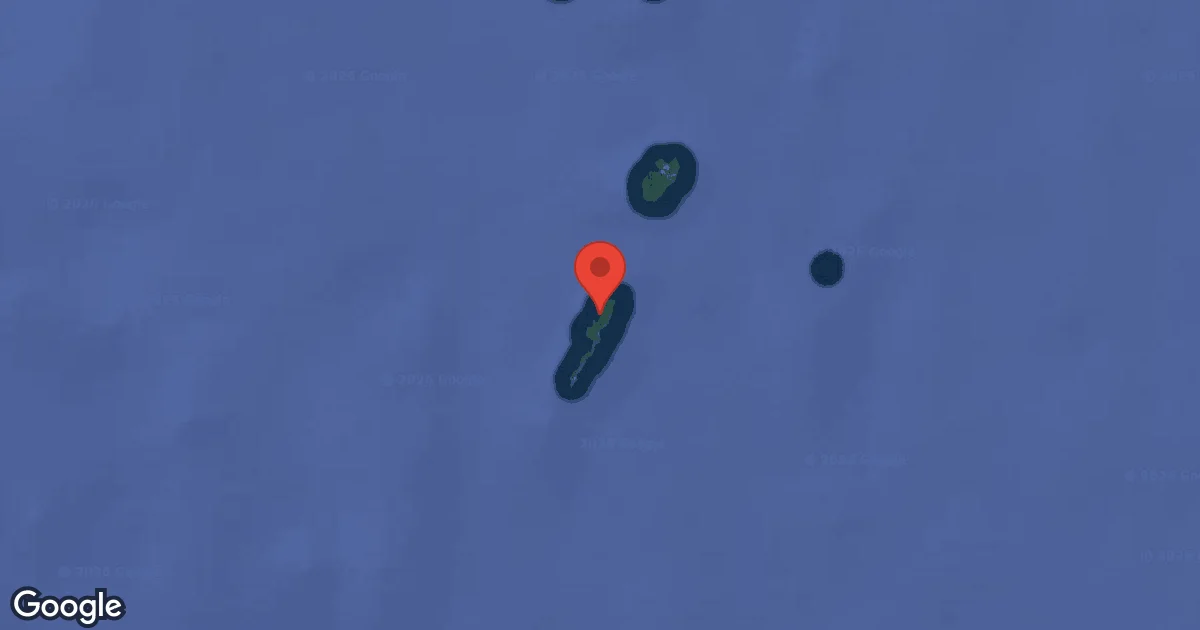
Racha Noi Island is located south of Racha Yai. Typically, a standard day trip boat from Chalong Bay, Phuket, takes about 2 hours and 15 minutes, accounting for the journey past Racha Yai.
Is Racha Noi Island suitable for beginner divers?
Yes, Racha Noi offers dive sites perfect for beginners. Banana Bay, on the east coast, has shallow, calm areas with depths ranging from 3 to 10 meters and gentle sandy slopes, ideal for first-time divers or those needing a refresher.
Can I see manta rays at Racha Noi Island?
Manta rays are sometimes sighted at Racha Noi, particularly at the South Tip and Marina Bay, especially when currents are present. While not guaranteed, the deeper surrounding waters increase the possibility of encountering these larger pelagic species.
What kind of topography can I expect at Racha Noi?
Topography here is varied, featuring dramatic granite boulders piled on the seabed, sandy slopes, and pure white sand areas. Numerous rock crevices and swim-throughs are also present, particularly on the west side of the island, offering diverse exploration.
What are the common depths for diving at Racha Noi?
Dive depths range from shallow bays around 3 to 10 meters to deeper areas reaching 30 meters or more, especially at sites like the South Tip. Many recreational dives fall within the 5 to 25 meter range across various bays.
Are there strong currents at Racha Noi Island?
Currents at Racha Noi vary; they are typically weak to moderate in the sheltered bays. However, strong currents can be encountered at more exposed sites, particularly around the island's tips, which can enhance chances for pelagic sightings.
Planning to dive Racha Noi Island?
Send one inquiry and receive offers directly from the best verified local dive operators.
Conditions are Moderate
Optimal conditions expected
Current conditions near Racha Noi Island show 28° air, 29° sea temperature, 1.5 m waves, and 23 km/h wind. Forecast data is refreshed regularly to ensure accuracy.