
Diving at Harruby Wreck (Thailand)
For divers seeking an engaging wreck experience without extreme depths, the Harruby Wreck presents a valuable opportunity. Sunk as an artificial reef, this former liveaboard offers straightforward exploration at Ko Racha Yai. It's an excellent site to refine wreck diving skills, particularly for those looking to practice swim-throughs or complete their PADI Wreck Specialty. Combining your dive here with the nearby artificial reef cubes and a smaller fishing boat ensures a comprehensive underwater adventure, making the most of your bottom time.
As evening covers Harruby Wreck, the local air temperature is measured at 28°C. The current wave height at the surface is recorded at 1.3 m. These late-day readings characterize the surface conditions for the night.
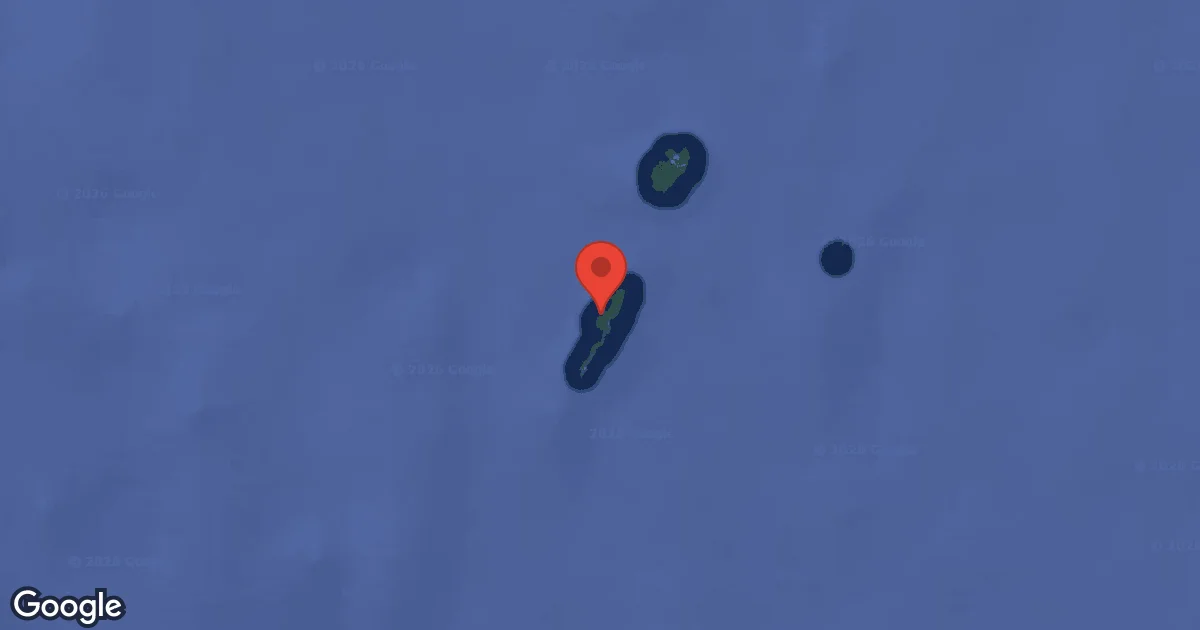
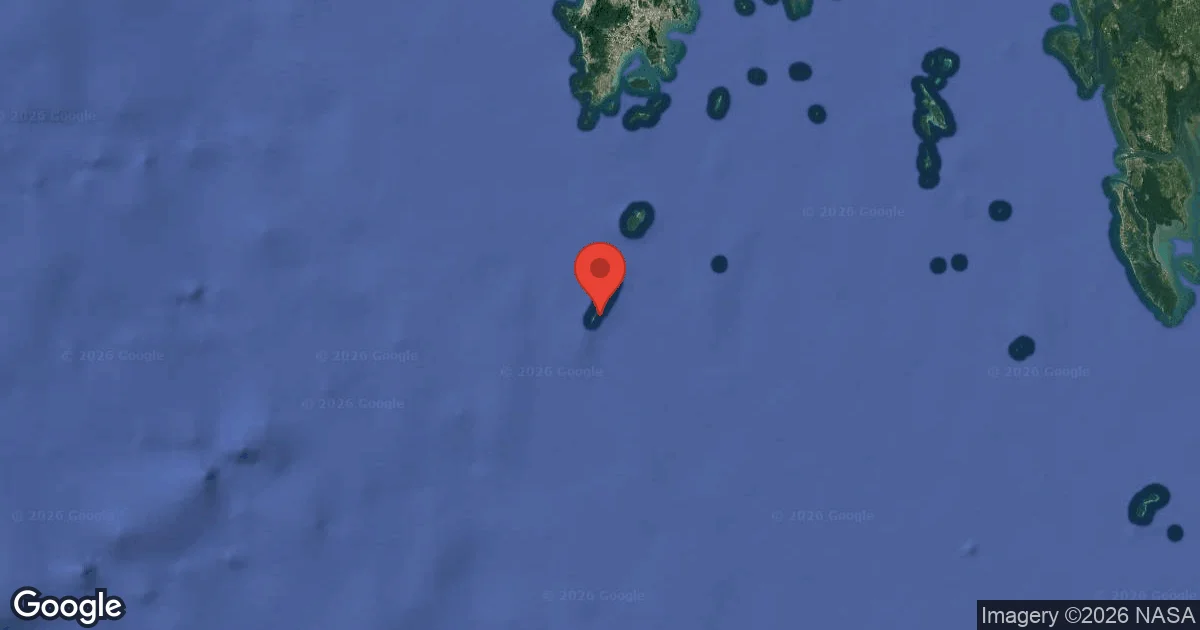
Dive Site Location & Key Facts
Dive Site Overview
Once a bustling liveaboard, the Harruby Wreck now rests upright on the sandy bottom of Ko Racha Yai's Bay 1, transformed into a thriving artificial reef. She was intentionally sunk on May 19, 2011, providing an accessible and engaging dive site for a wide range of certified divers.
Uppermost sections of the ship reach a comfortable 14 m (46 ft), with its base settling at approximately 20 m (65 ft). Such a depth profile allows for extended bottom times and a relaxed exploration pace. Harruby itself offers multiple easy swim-throughs; its structure is widely open, making it an ideal location for divers to practice or develop wreck penetration skills.
Adjacent to the main wreck, a field of artificial reef concrete cubes extends the dive, attracting diverse marine life and adding complexity to the navigation.
Furthermore, a short distance away lies the distinct wreckage of a smaller Thai fishing vessel, essentially creating a 'double wreck' experience. Combining these elements provides sufficient points of interest to fill an entire dive, ensuring varied exploration beyond just the main structure. It's a purposeful addition to the underwater landscape, fostering marine growth.
Conditions are Moderate
Optimal conditions expected
Current conditions near Harruby Wreck show 28° air, 29° sea temperature, N/A waves, and 27 km/h wind. Forecast data is refreshed regularly to ensure accuracy.
Best Time to Dive
Prime diving season for the Harruby Wreck typically aligns with Thailand's dry season, running from January through May and extending into October through December. During these months, conditions are generally favorable, air temperatures averaging a comfortable 27.5-29°C (82-84°F). Rainfall is minimal, often less than 5 mm, contributing to calmer seas and better visibility. Such a period often sees 'Good' dive scores, indicating optimal conditions for exploring the wreck and its surrounding artificial reef. In contrast, the months from June to September are marked by slightly more variable weather, reflecting a 'Moderate' dive score rating. While air temperatures remain warm, hovering between 28-29°C (82-84°F), increased rainfall, often ranging from 6-10 mm, characterizes this period. Higher wave heights, occasionally reaching over 1.0 meter (3.3 feet), can result, potentially affecting boat travel and surface conditions. Despite this, diving remains possible, though divers should expect potentially choppier seas and variable underwater clarity. Most operators continue daily trips during these months, adjusting schedules based on localized conditions.
PEAK SEASON SCORE
Scores combine air & water temps, waves, wind & rainfall for overall conditions.
BEST MONTHS TO DIVE
Monthly records compiled from satellite and marine observation nodes over the last 3 years. Data provided by Open-Meteo and MET Norway.
Dive Experience & Conditions
Descending onto the Harruby Wreck, divers immediately notice its upright and largely intact structure, sitting peacefully on the sandy seabed. The water typically feels bath-like, with temperatures in the 27-30°C (81-86°F) range, making extended bottom times comfortable even without thick exposure suits. Visibility varies but is often clear enough to appreciate the wreck's full 26 m (85 ft) length and 5 m (16 ft) width as you approach. Mild currents are generally reported at this site, making for an easy drift around the wreck rather than a demanding swim. The simplicity of its open sections invites exploration, with natural light often penetrating deep inside, easing any apprehension about entry. Exploring the surrounding artificial cubes and the smaller fishing boat's remnants feels like an extension of the main dive, adding layers to the underwater landscape. It's a site that allows divers to relax and observe marine life interactions with the structure without battling strong forces, fostering a calm, engaging experience.
Dive Difficulty & Safety Guidelines
While the Harruby Wreck is considered accessible for many certified divers, approaching any overhead environment requires adherence to specific safety protocols. Its depth, reaching 20 m (65 ft) at the bottom, falls well within recreational limits, but careful air management is always key.
The wreck offers easy swim-throughs, yet respecting the structure's integrity and avoiding contact with potential sharp edges or unstable sections is essential. Divers should maintain neutral buoyancy to prevent disturbing sediment, which can significantly reduce visibility for themselves and others.
For those interested in exploring inside the wreck or tackling the 'full penetration' mentioned, obtaining a PADI Wreck Diver Specialty certification is highly recommended. This training provides critical skills in line usage, navigation, and emergency procedures specific to wreck environments.
Always dive with a reliable buddy and ensure you're equipped with appropriate gear for the conditions, including a dive computer and surface marker buoy.
Recommended Equipment
Overhead / entanglement risk. Wreck penetration requires proper training.
- Dive Computer
- DSMB
- Primary & Backup Lights
- Wreck Reel
- Cutting Tool
This gear list is based on verified equipment signals for Harruby Wreck, Thailand. Always confirm final gear choices with your dive operator, guide, or liveaboard.
Recommended Dive Suit
Divers planning deeper dives may feel cooler than those staying in shallower areas.
Many divers find that dive skin or rash guard offers a comfortable balance between warmth and mobility. A hood or vest is suggested for sensitive divers due to surface winds. Forecast trends indicate similar diving conditions over the next few days.
Divers heading to Harruby Wreck today should expect water temperatures around 29°C (85°F). Surface air temperatures are resting at 28°C (82°F).
Emergency & Medical Support
Essential information to help you plan your dive trip to Harruby Wreck.

Hyperbaric chambers are a critical part of dive safety infrastructure. Availability varies significantly by region, and not all dive areas have immediate access.
Before diving, it's recommended to:
- confirm nearest medical facilities
- check emergency procedures with local dive operators
- ensure dive insurance covers evacuation if required
Divers Alert Network
Diving emergency assistance available through DAN World.
+1-919-684-9111- 24/7 emergency hotline
- Diving medical assistance
- Evacuation coordination
Emergency contacts are provided for reference. Always verify local emergency services before diving.
Marine Life at Harruby Wreck
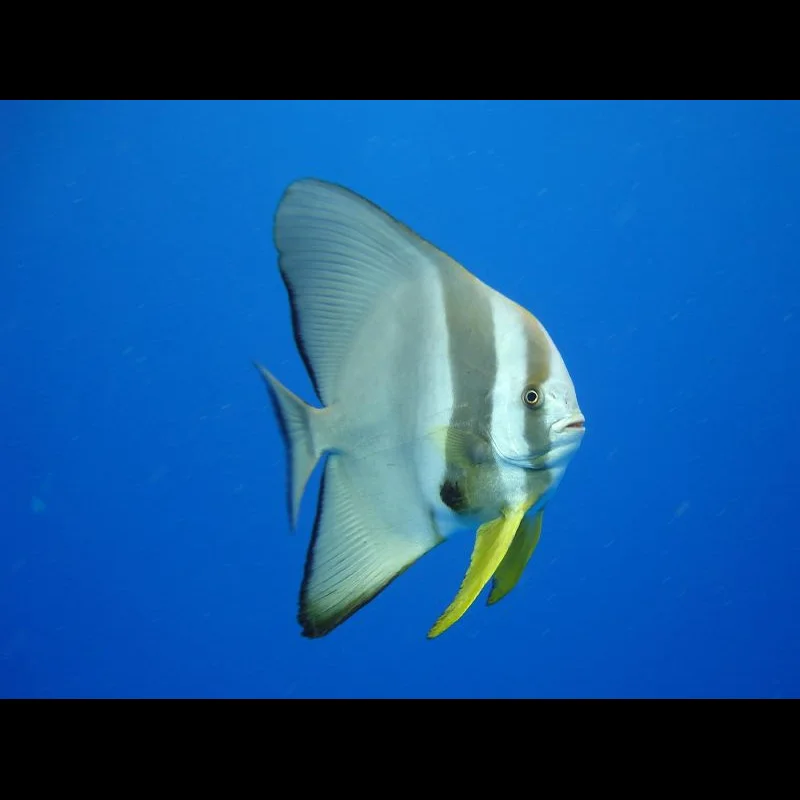
Upon approaching the Harruby Wreck, divers will likely first notice the impressive schools of batfish that have made this artificial reef their home. These curious fish often congregate around the structure, providing dynamic photo opportunities.
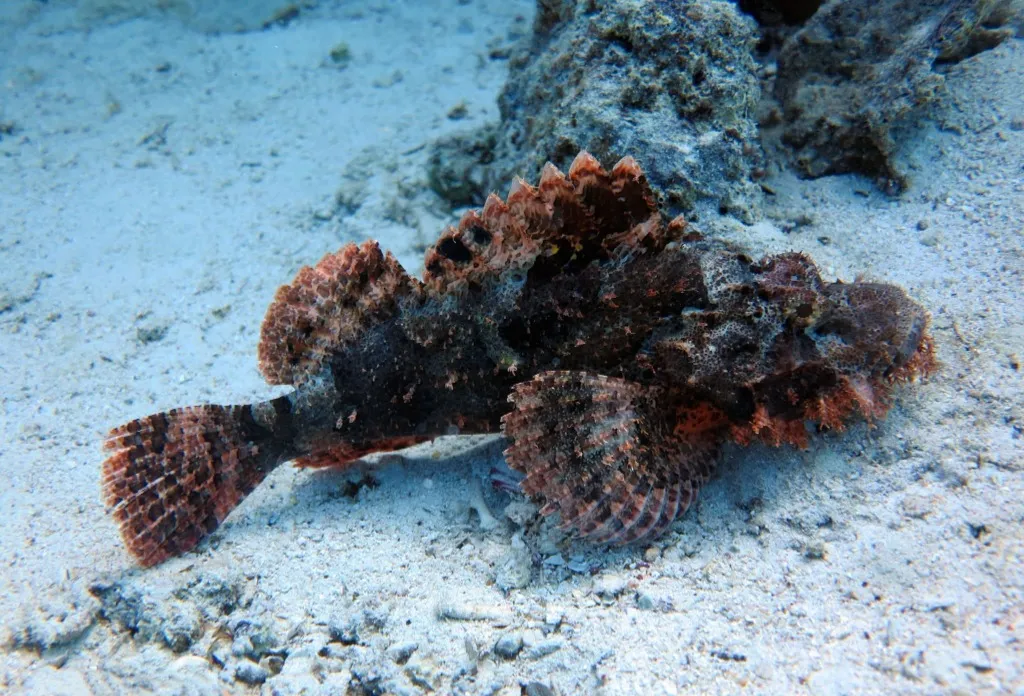
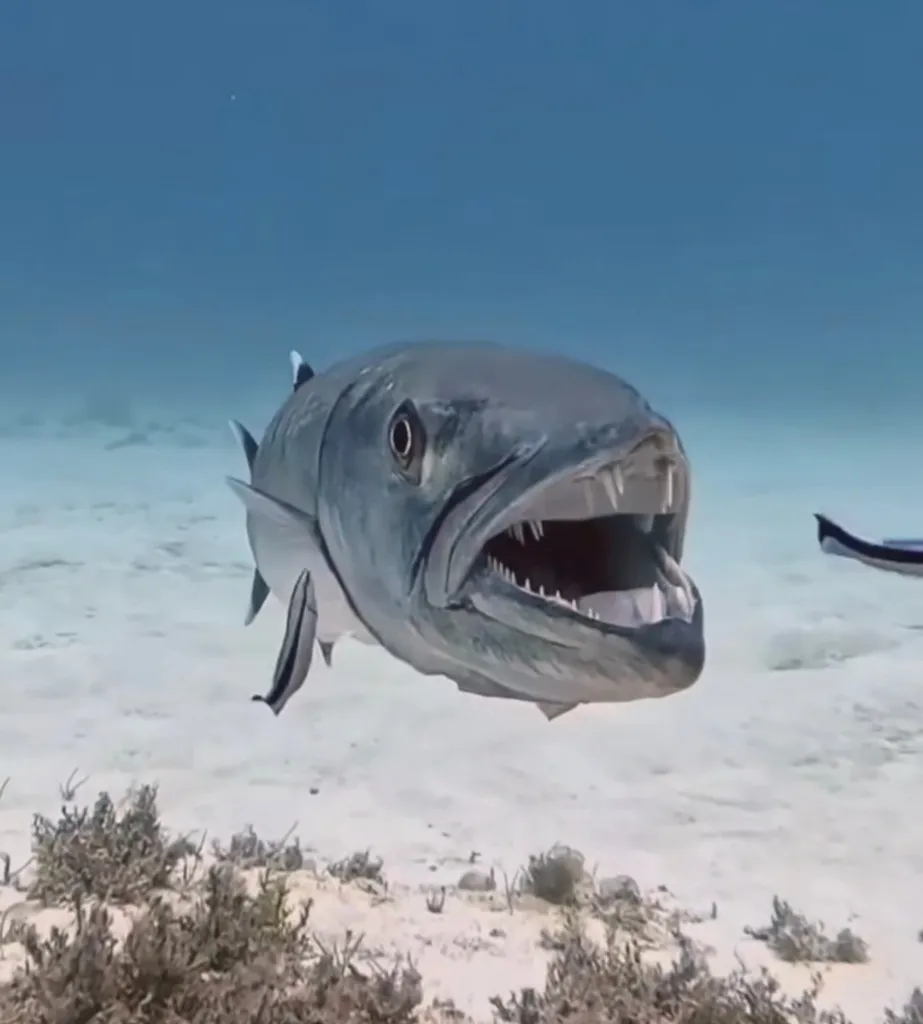
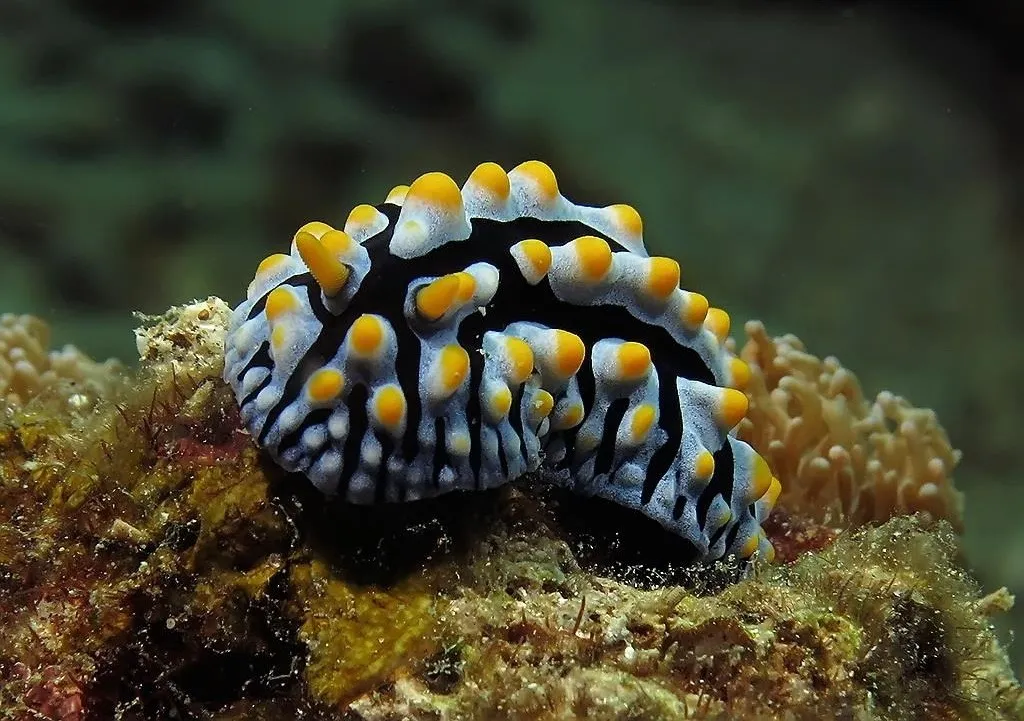
Look closer and you'll find barracuda lurking in the blue, along with various bannerfish and scorpion fish camouflaged among the corals and growth that adorn the wreck. Patience can reward you with sightings of more elusive creatures, such as the occasionally reported ornate ghost pipefish or tiny nudibranchs.
Keep a keen eye on the sandy areas surrounding the wreck; snake eels are frequently observed, peeking their heads out from the sand, adding another layer of fascinating behavior to observe.

Dive Sites Near Harruby Wreck
View all dive sites in ThailandDiscover more underwater gems in this area.
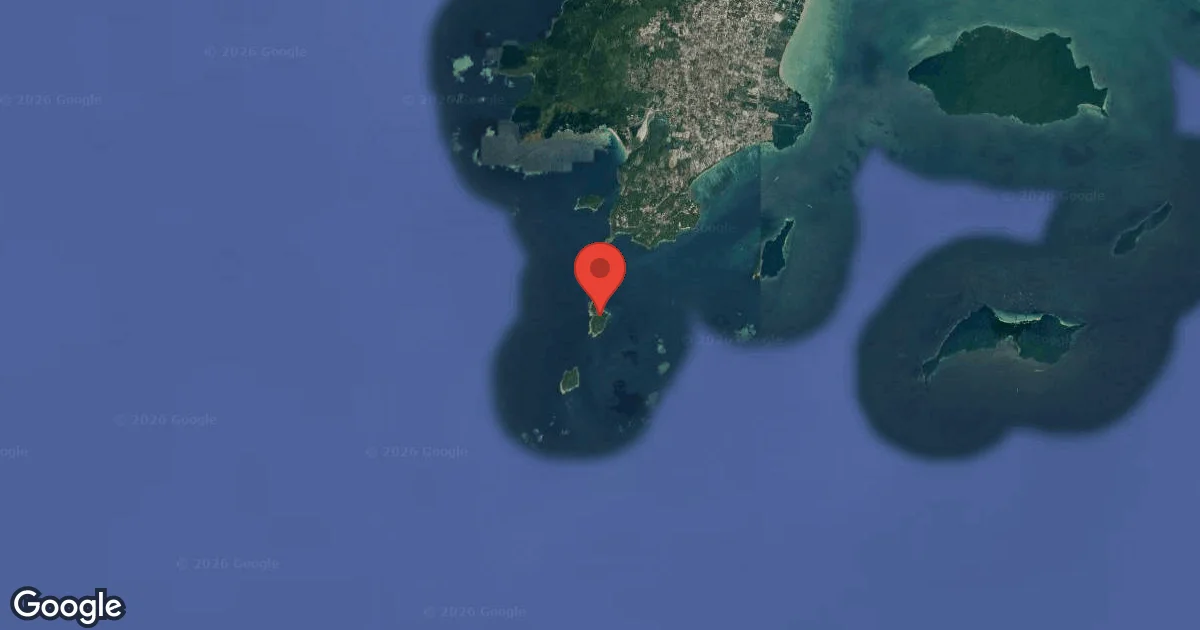
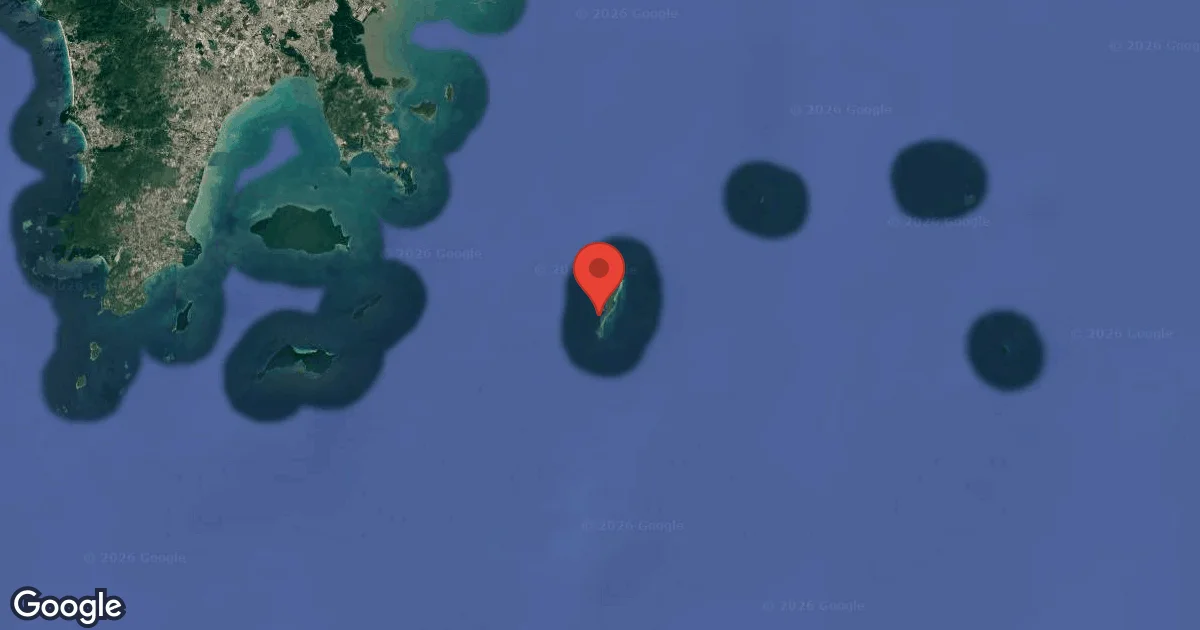
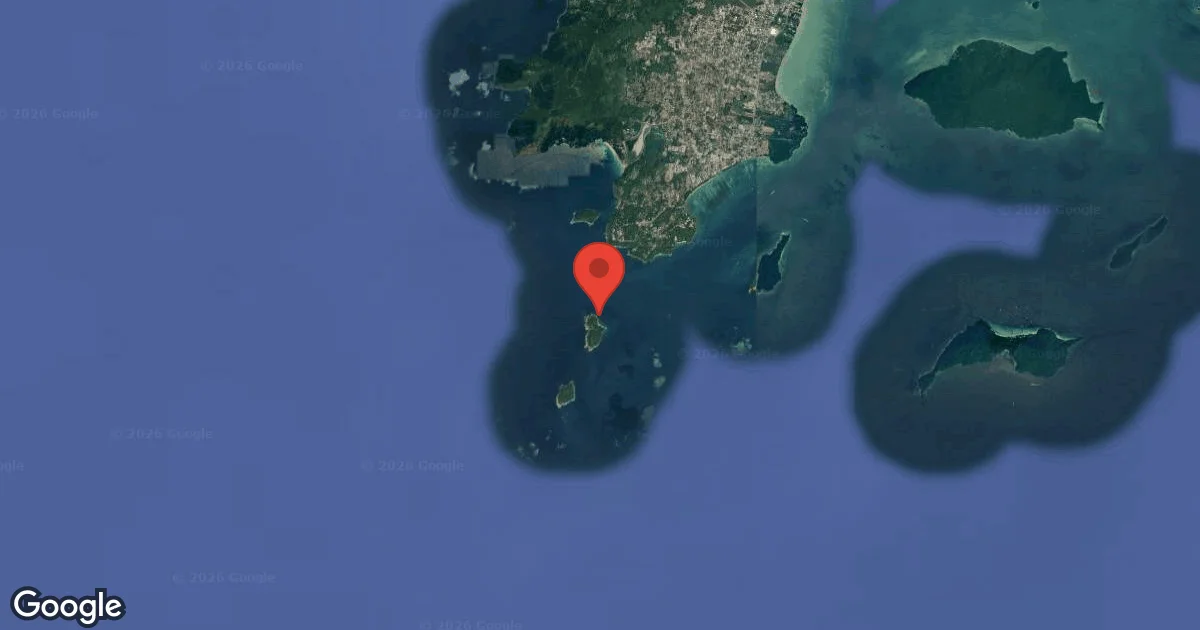
Dive Centers Near Harruby Wreck

Nearest Airports
Nearest airports to help plan travel to this dive area.
Search Flights
Check available flights and routes on Expedia, using the nearby airports listed in this section.
Search Flights on ExpediaFrequently Asked Questions
What kind of dive site is Harruby Wreck?
The Harruby Wreck is an artificial reef, a former liveaboard intentionally sunk to create a habitat for marine life. It functions as both a wreck and an artificial reef site, offering exploration of the main vessel, concrete cubes, and a smaller fishing boat.
How deep is the Harruby Wreck?
The top of the wreck is at about 14 m (46 ft), with the bottom resting at approximately 20 m (65 ft). This makes it accessible for various certification levels, including Open Water divers.
Is the Harruby Wreck suitable for beginner divers?
Yes, its relatively shallow depth and open structure with easy swim-throughs make it suitable for certified divers of many experience levels. However, basic wreck diving protocols should always be followed.
Can I penetrate the Harruby Wreck?
The wreck offers widely open sections for easy swim-throughs, and full penetration is possible for appropriately trained divers. It's an ideal site for conducting the PADI Wreck Specialty Course.
What marine life can I expect to see?
You can often spot large schools of batfish and barracuda around the wreck. Other common sightings include scorpion fish, bannerfish, and occasionally ornate ghost pipefish or snake eels in the surrounding sand.
Are there strong currents at the Harruby Wreck?
The site typically experiences mild currents. This generally allows for a relaxed drift around the wreck, enhancing the overall dive experience.
What is the water temperature like?
Water temperatures around the Harruby Wreck are consistently warm, generally ranging from 27-30°C (81-86°F). This allows for comfortable diving with minimal exposure protection.
Planning to dive Harruby Wreck?
Send one inquiry and receive offers directly from the best verified local dive operators.
Conditions are Moderate
Optimal conditions expected
Current conditions near Harruby Wreck show 28° air, 29° sea temperature, N/A waves, and 27 km/h wind. Forecast data is refreshed regularly to ensure accuracy.