
Diving at Cannon Site (Trinidad and Tobago)
For an engaging dive at Cannon site, approach with an adaptable mindset regarding currents; they often shift. Pay close attention during your pre-dive brief for the day's expected conditions, ensuring your buoyancy control is dialed in. This preparation is key for navigating both potential drift sections and enjoying the historical elements rumored to be present.
Current morning readings from Cannon Site indicate an air temperature of 27.5°C. Surface wave heights are averaging around 0.4 m at this time. These local measurements provide a baseline for your daily dive planning.
Dive Site Location & Key Facts
Dive Site Overview
Cannon site, while not explicitly detailed, is understood to embody the varied and vibrant diving experiences typical of Trinidad and Tobago. Imagined as a classic Caribbean reef dive, the name suggests a potential historical feature like a cannon, offering an intriguing focal point amidst lively ecosystems.
Descending here could involve a gentle drift along a coral-encrusted reef, similar to other sites where currents facilitate effortless movement. The depth range for such recreational reef dives in the area commonly extends from shallower sections down to approximately 22 m (75 ft), catering to divers with varying experience levels. Exploring the contours of the reef, divers might discover overhangs and crevices, providing shelter for diverse marine species.
This site likely presents opportunities for both macro photography within its intricate coral structures and wider-angle observations of schooling fish, similar to nearby vibrant reef environments.
Conditions are Good
07:00 - 14:00
Optimal conditions expected
Current conditions near Cannon Site show 28° air, 30° sea temperature, 0.4 m waves, and 23 km/h wind. Forecast data is refreshed regularly to ensure accuracy.
Best Time to Dive
Considering Tobago's climate, diving at Cannon site presents a notable contrast between the dry and wet seasons. Optimal conditions typically fall between January and June, when visibility is generally at its peak. During these months, average air temperatures comfortably range from around 25.5°C to 27.5°C (78-82°F), paired with minimal rainfall, averaging between 2.3 and 4.1 mm. Conversely, from June to November, rainier conditions can increase, with monthly averages sometimes reaching 4.4 mm in July, potentially ushering in runoff from the Orinoco River which might impact underwater visibility. Despite the seasonal variations, dive scores remain consistently good throughout the year, suggesting favorable conditions are often present. Wind speeds, averaging 17-25 km/h (11-16 mph), and wave heights, typically below 0.9 meters (3 ft), also contribute to generally manageable surface conditions.
PEAK SEASON SCORE
Scores combine air & water temps, waves, wind & rainfall for overall conditions.
BEST MONTHS TO DIVE
Monthly records compiled from satellite and marine observation nodes over the last 3 years. Data provided by Open-Meteo and MET Norway.
Dive Experience & Conditions
Current dynamics at the Cannon site, much like other Tobago locations, can vary, sometimes presenting a mild drift that adds an exhilarating element to the dive. Divers frequently report water temperatures consistently hovering around 27°C (80°F), creating a comfortable environment for extended bottom times. Visibility, while generally good, depends on the prevailing conditions and site-specific factors, often ranging from 18 to 24 meters (60 to 80 ft) across the region. Encountering a slight current can turn this into an enjoyable drift dive, allowing divers to effortlessly glide along the reef. Observing the underwater topography, one might find a mix of rocky outcrops and sandy bottom areas, characteristic of the local dive sites. Careful attention to buoyancy is always advised, particularly when navigating areas with more pronounced water movement.
Dive Difficulty & Safety Guidelines
Approaching Cannon site, divers should be prepared for potentially variable current conditions, which is a common challenge across Tobago's dive sites. While typically mild, currents can occasionally pick up pace, necessitating good buoyancy control and navigation skills. It's prudent for divers to carry a surface marker buoy (SMB) for safety, especially if drift diving is anticipated.
Maintaining situational awareness and staying close to your dive buddy or group are crucial for a smooth experience. The depth range, generally within recreational limits, still calls for divers to be certified to at least an Open Water Diver level, with Advanced Open Water recommended for exploring deeper sections or more dynamic conditions. Always respect marine life; observe without touching to preserve the delicate ecosystem.
Recommended Equipment
Overhead / entanglement risk. Wreck penetration requires proper training.
- Dive Computer
- Primary & Backup Lights
- Wreck Reel
- Cutting Tool
This gear list is based on verified equipment signals for Cannon Site, Trinidad and Tobago. Always confirm final gear choices with your dive operator, guide, or liveaboard.
Recommended Dive Suit
Divers planning relaxed exploration may appreciate the warmth of dive skin or rash guard. A hood or vest is suggested for sensitive divers due to surface winds. Divers often notice that perceived temperature can feel cooler during deeper or longer dives.
The waters surrounding Cannon Site are currently maintaining temperatures close to 30°C (85°F). Surface air temperatures are resting at 28°C (82°F).
Weather projections show fairly stable environmental conditions ahead.
Emergency & Medical Support
Essential information to help you plan your dive trip to Cannon site.

Hyperbaric chambers are a critical part of dive safety infrastructure. Availability varies significantly by region, and not all dive areas have immediate access.
Before diving, it's recommended to:
- confirm nearest medical facilities
- check emergency procedures with local dive operators
- ensure dive insurance covers evacuation if required
Divers Alert Network
Diving emergency assistance available through DAN World.
+1-919-684-9111- 24/7 emergency hotline
- Diving medical assistance
- Evacuation coordination
Emergency contacts are provided for reference. Always verify local emergency services before diving.
Marine Life at Cannon Site
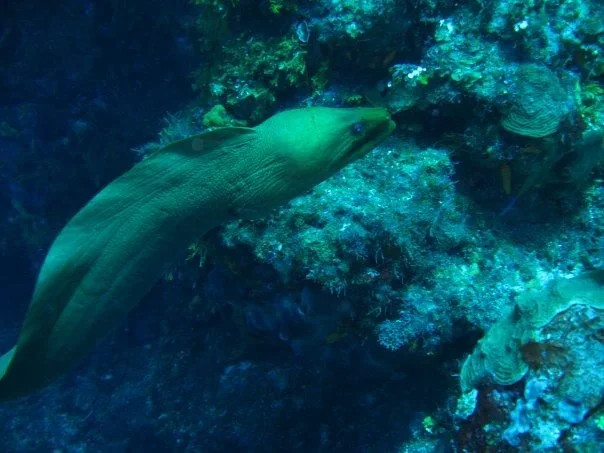
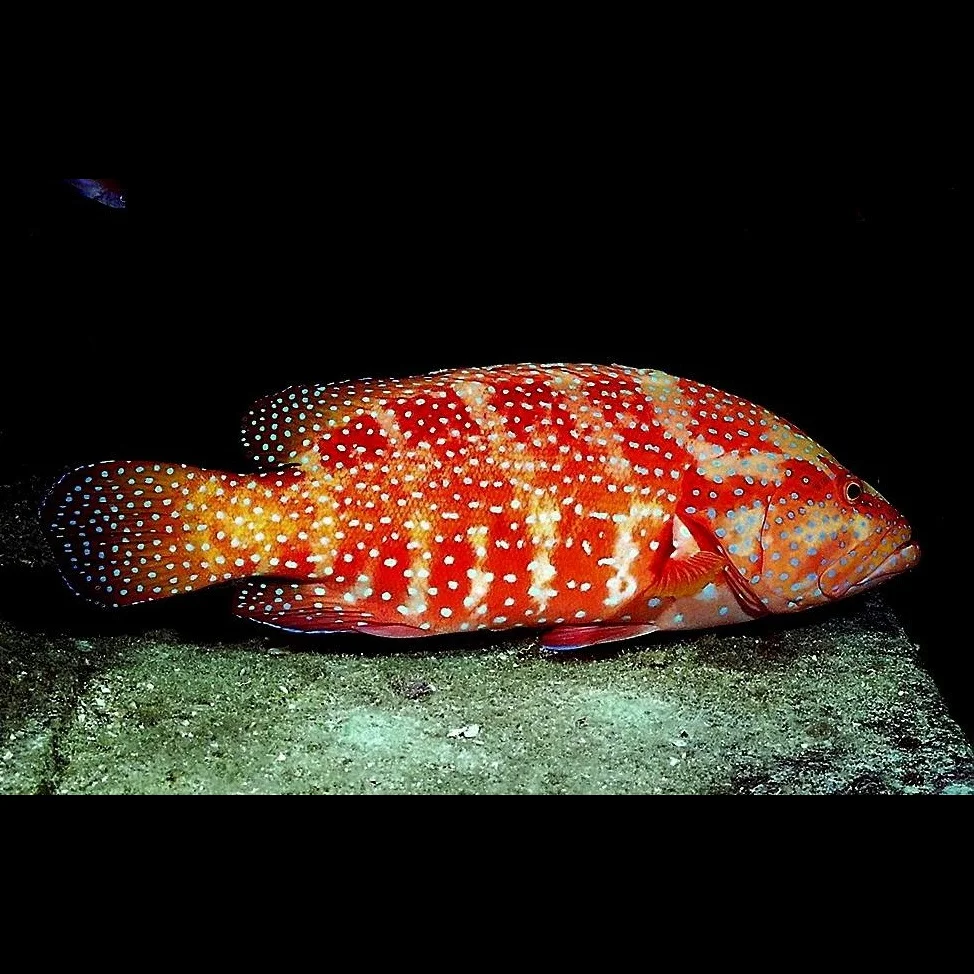
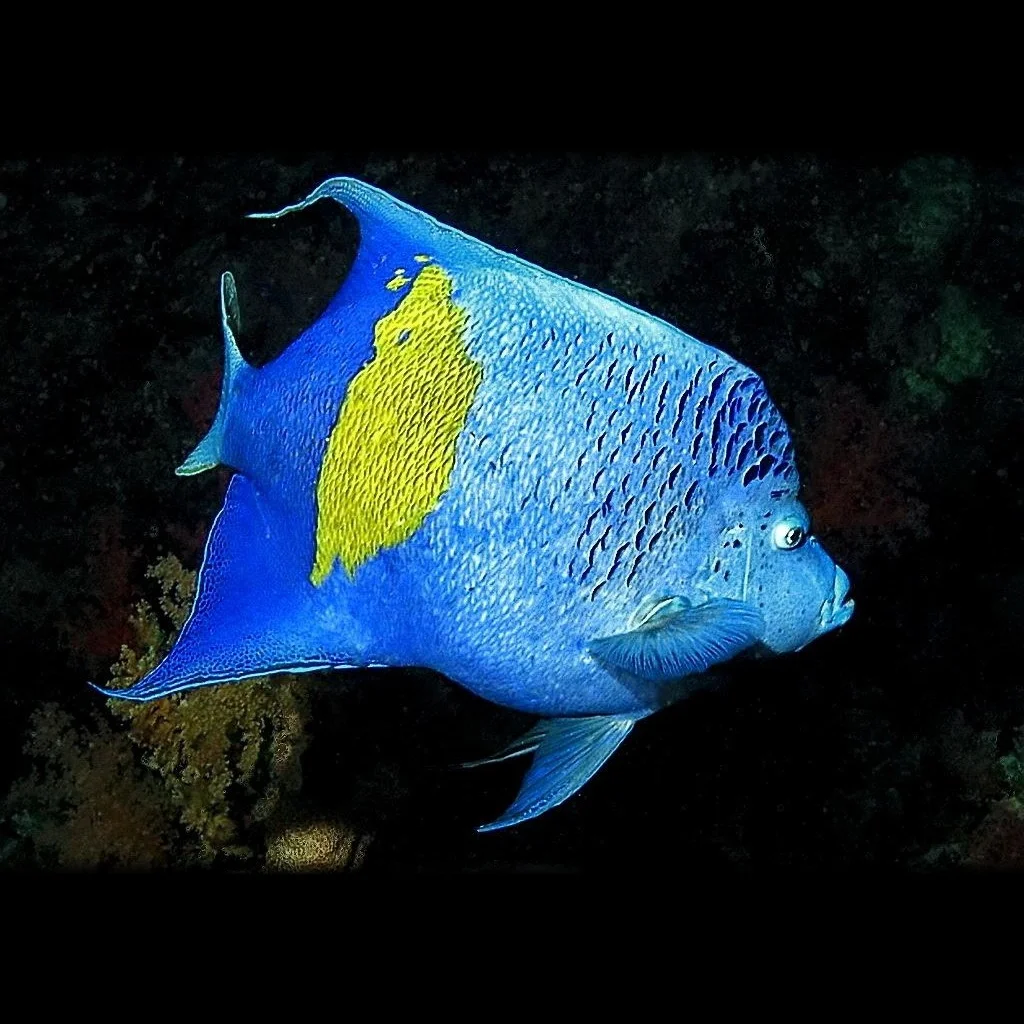
Observing the reef, divers are often greeted by the striking hues of queen, French, and grey angelfish, frequently seen alongside various groupers and parrotfish. Moray eels are common inhabitants, often peering from crevices, while spiny lobsters may be spotted tucked into the reef structure.
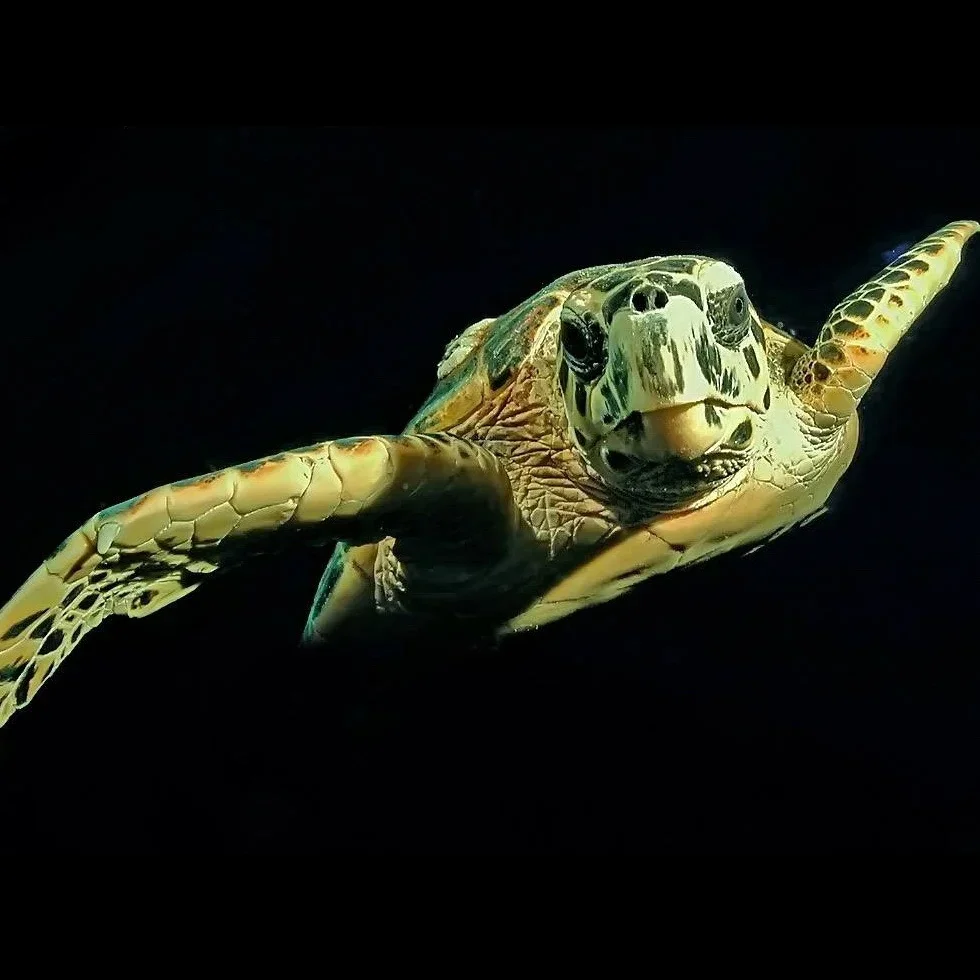
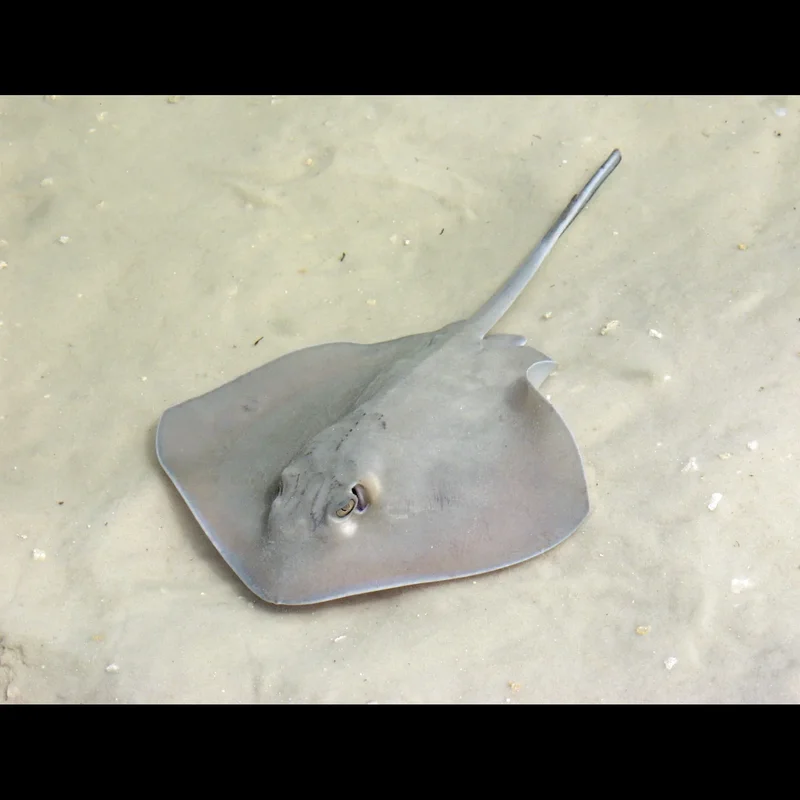
Keep an eye on the sandy bottom for Southern stingrays gliding gracefully or the more elusive yellowhead jawfish hovering near their burrows. Hawksbill turtles are also known visitors, occasionally cruising past.
Further exploration can reveal cleaner shrimp diligently working at cleaning stations, a fascinating sight for photographers.
Dive Sites Near Cannon Site
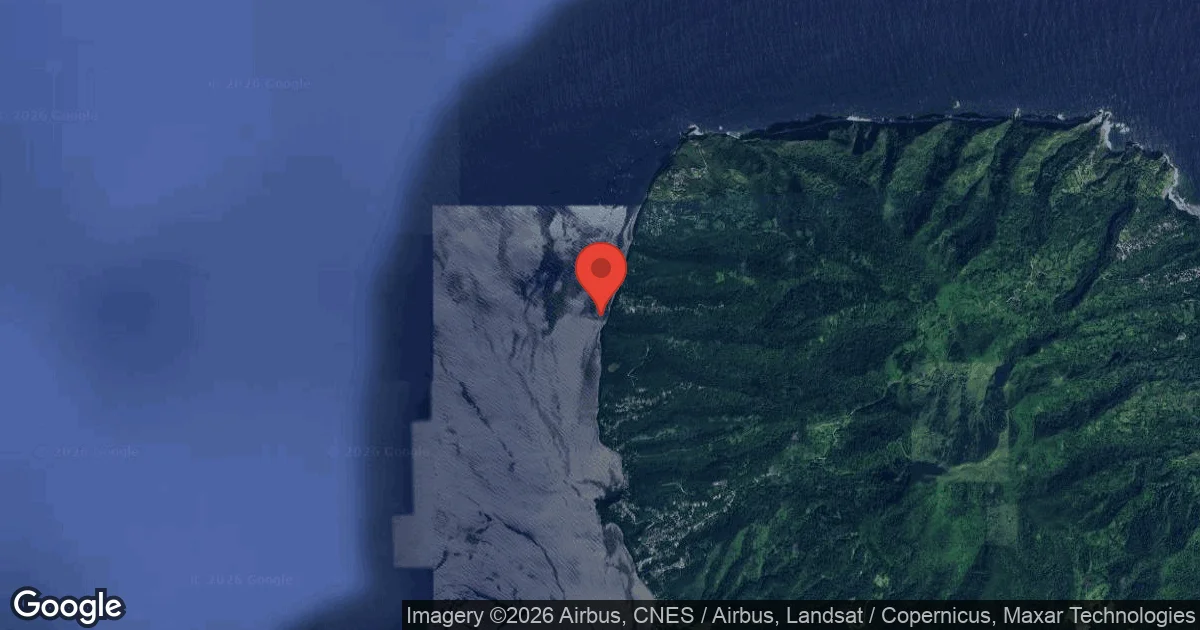
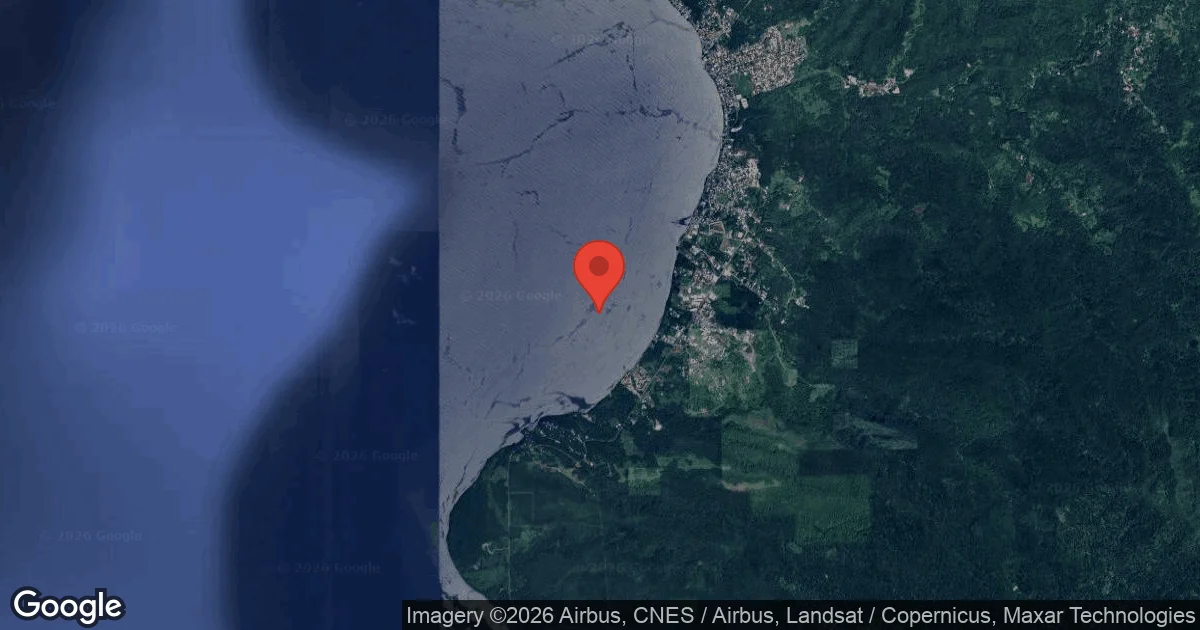
View all dive sites in Trinidad and TobagoDiscover more underwater gems in this area.
Dive Centers Near Cannon Site
No Dive Centers Local To Cannon Site
Are you a dive center visiting this location? Get listed to reach divers.
Nearest Airports
Nearest airports to help plan travel to this dive area.
Search Flights
Check available flights and routes on Expedia, using the nearby airports listed in this section.
Search Flights on ExpediaFrequently Asked Questions
What is the typical depth range at Cannon site?
Cannon site, similar to many recreational dives in Tobago, offers a depth range typically extending from shallower reef tops down to approximately 22 m (75 ft). This makes it accessible for a variety of certification levels within the recreational diving spectrum.
What kind of currents can I expect?
Currents at Cannon site can be variable. Often they are mild, providing a gentle drift, but they can occasionally strengthen, creating a more dynamic drift dive. Always check with your dive operator for the day's specific conditions.
What is the water temperature like?
Water temperatures at Cannon site are consistently warm, generally hovering around 27°C (80°F). This comfortable temperature makes for enjoyable diving throughout the year, often requiring only a thin wetsuit or even just a rash guard.
When is the best time to visit Cannon site for diving?
The period between January and June typically offers the best visibility due to drier weather and minimal river runoff. While conditions remain good year-round, these months provide optimal clarity, enhancing the overall dive experience.
What marine life might I encounter?
Divers often encounter a variety of reef fish, including angelfish, parrotfish, and snapper. Moray eels, spiny lobsters, and Southern stingrays are also commonly seen. Keep an eye out for hawksbill turtles gliding through the water.
Is Cannon site suitable for beginner divers?
Given the potential for varying currents, Cannon site may be suitable for beginners with good buoyancy control, especially on calmer days. However, divers should consult with their dive operator, as some conditions might be more appropriate for intermediate or experienced divers.
Are there actual cannons or historical artifacts?
While the name 'Cannon site' strongly suggests the presence of historical artifacts like cannons, specific details are not consistently reported. Many local dive sites blend natural reef formations with intriguing historical elements, and it is a plausible feature to look for during a dive here.
Planning to dive Cannon Site?
Send one inquiry and receive offers directly from the best verified local dive operators.
Conditions are Good
07:00 - 14:00
Optimal conditions expected
Current conditions near Cannon Site show 28° air, 30° sea temperature, 0.4 m waves, and 23 km/h wind. Forecast data is refreshed regularly to ensure accuracy.