
Diving at Hot Sulfur (Trinidad and Tobago)
Approaching the waters off Speyside, Tobago, divers prepare for a dynamic Caribbean experience. This area, particularly sites like Japanese Gardens, delivers high-speed drift diving through nutrient-rich currents. Expect an energetic ride, where the water's flow guides explorers past vibrant reef formations and large marine life. It's an engaging dive that truly defines adventurous underwater exploration in the region.
Early observations for Hot Sulfur report a surface air temperature of 27.5°C. The water surface is currently presenting wave heights of 0.4 m. Consider these environmental metrics before beginning your descent.
Dive Site Location & Key Facts
Dive Site Overview
Speyside's Japanese Gardens stands out as a challenging, rewarding dive site, attracting experienced divers beyond tranquil reefs. Influenced by nutrient-rich waters from the Orinoco River, the site fosters exceptional marine growth.
Its evocative name comes from the impressive, well-maintained appearance of the underwater landscape, often compared to meticulously designed gardens. Historically, divers have navigated strong Atlantic currents here, experiencing a 'Superman ride' as they drift along. A typical dive profile often begins with a descent into a vibrant coral landscape, often reaching depths up to 30 m (100 ft), leading into a spacious swim-through, sometimes called the Kamikaze tunnel.
Successfully navigating this section can lead to powerful washing machine or down currents, emphasizing the need for attentive guidance. Beyond the tunnel, extensive coral fans, whips, and plumes sway horizontally with the current, forming the true Japanese Gardens.
Observations indicate sponges grow to impressive sizes, providing shelter for various smaller reef inhabitants. Surrounding underwater topography includes flat bottoms with rock formations, slopes, and occasional walls, providing varied habitats within recreational diving limits.
Conditions are Good
07:00 - 14:00
Optimal conditions expected
Current conditions near Hot Sulfur show 27° air, 30° sea temperature, 0.4 m waves, and 22 km/h wind. Forecast data is refreshed regularly to ensure accuracy.
Best Time to Dive
Conditions for diving around Speyside, Tobago, generally remain favorable throughout the year, with consistently good dive scores reported across all months. The period from September to May often presents slightly milder wave conditions, averaging between 0.5 m and 0.8 m, which can make boat transfers more comfortable. During these months, average air temperatures range from 25.5°C to 27.5°C (78-82°F), providing pleasant surface intervals. Rainfall is relatively low from January through May, typically averaging 2.3 mm to 4.1 mm, contributing to generally clear skies. While June through August see a slight increase in wind speeds, up to 25.2 km/h, this doesn't significantly deter diving given the dive area's reputation for strong currents year-round. Water temperatures, although not consistently reported, generally reflect warm Caribbean averages, likely falling between 26-29°C (79-84°F) for comfortable diving without heavy thermal protection. The peak months for dive scores, rated 'Good' with scores of 8, are March, April, May, September, and October, indicating stable and enjoyable conditions for exploring these dynamic sites.
PEAK SEASON SCORE
Scores combine air & water temps, waves, wind & rainfall for overall conditions.
BEST MONTHS TO DIVE
Monthly records compiled from satellite and marine observation nodes over the last 3 years. Data provided by Open-Meteo and MET Norway.
Dive Experience & Conditions
Diving Japanese Gardens is an exhilarating experience, primarily characterized by strong, often unpredictable currents that define its drift diving nature. Expect a high-speed journey where holding a regulator in place and using a reef hook to temporarily anchor against rocks or large sponges becomes part of the routine. Currents can range from merely strong to intense 'washing machine' conditions, especially around features like the Kamikaze tunnel, where down currents are also possible. The marine environment flourishes due to the rich nutrient flow, fostering substantial growth in sponges and corals that form a complex reef structure. Visibility is generally good, though the nutrient particles in the water are often noticeable, indicative of the vibrant ecosystem. Deeper sections of the reef can be explored within recreational limits, with the current often guiding divers along the contours of the underwater landscape. Water temperatures typically hover in the upper 20s Celsius, making a 3mm wetsuit or shorty sufficient for thermal comfort. Surface conditions can vary, influenced by average wave heights of around 0.6 to 0.7 meters, which can impact boat rides to the site.
Dive Difficulty & Safety Guidelines
Diving in Speyside, particularly sites known for strong currents like Japanese Gardens, requires advanced diving skills and appropriate preparation. Divers should be comfortable with drift diving techniques and proficient in managing powerful water movement, including potential down currents or washing machine conditions near swim-throughs. Always dive with experienced local guides who understand the dynamic nature of the currents and the optimal dive profiles to mitigate risks.
A reef hook is a critical piece of equipment for this environment, allowing divers to safely observe marine life or rest without being swept away. Maintaining excellent buoyancy control is crucial to avoid contact with the fragile reef while navigating at speed or seeking shelter.
Given the area's challenging conditions, a thorough pre-dive briefing is essential, covering entry and exit strategies, current expectations, and emergency procedures.
Recommended Equipment
- Dive Computer
This gear list is based on verified equipment signals for Hot Sulfur, Trinidad and Tobago. Always confirm final gear choices with your dive operator, guide, or liveaboard.
Recommended Dive Suit
In these water temperatures, dive skin or rash guard is a common choice for recreational diving. A hood or vest is suggested for sensitive divers due to surface winds. Longer dive profiles can make thermal protection more important than short exploratory dives.
At the moment, divers exploring Hot Sulfur will likely experience water temperatures near 30°C (85°F). Surface air temperatures are resting at 27°C (81°F).
Environmental conditions appear stable for the near future.
Emergency & Medical Support
Essential information to help you plan your dive trip to Hot sulfur.

Hyperbaric chambers are a critical part of dive safety infrastructure. Availability varies significantly by region, and not all dive areas have immediate access.
Before diving, it's recommended to:
- confirm nearest medical facilities
- check emergency procedures with local dive operators
- ensure dive insurance covers evacuation if required
Divers Alert Network
Diving emergency assistance available through DAN World.
+1-919-684-9111- 24/7 emergency hotline
- Diving medical assistance
- Evacuation coordination
Emergency contacts are provided for reference. Always verify local emergency services before diving.
Marine Life at Hot Sulfur
The first impression diving here is often the sheer abundance of life thriving in the nutrient-rich waters. Divers frequently encounter an impressive variety of hard and soft corals, alongside giant barrel sponges that provide shelter for smaller creatures like banded coral shrimps.
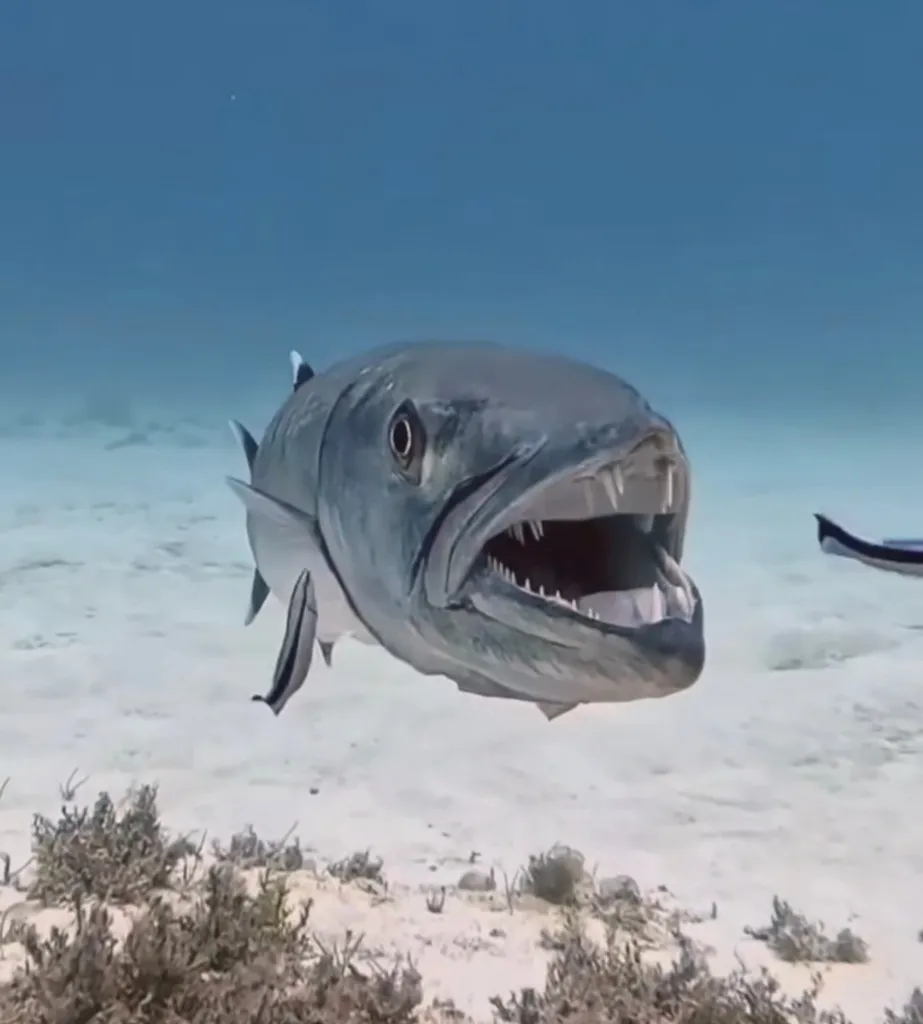
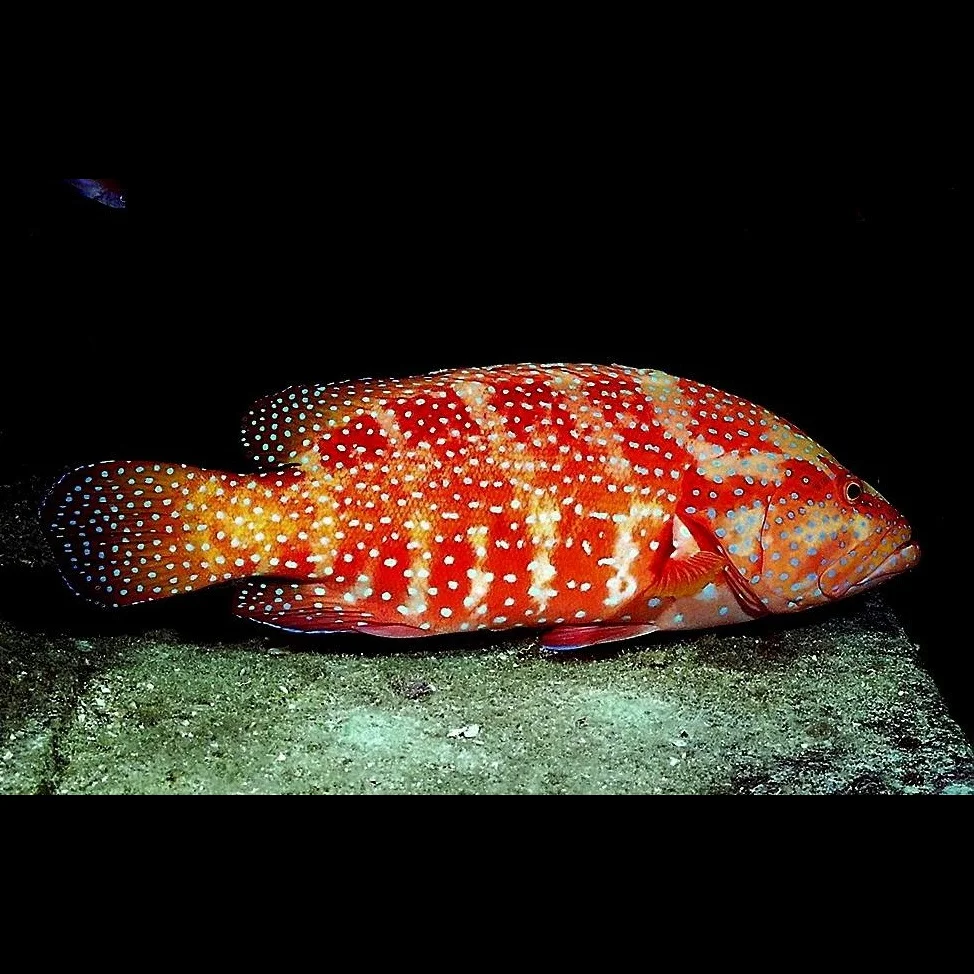
Fish life is vibrant, with sightings of groupers, barracudas, and various jacks or trevally common, often encountered in the blue as currents sweep them past. Remarkably large bearded fireworms have been observed, often twice their typical size, a testament to the prolific ecosystem.
Turtles are also consistently present, moving unhurriedly through the currents, seemingly unaffected by the surrounding speed. Though less common, rays, eels, and octopus occasionally appear, adding to the rich biodiversity of this dynamic reef.

Dive Sites Near Hot Sulfur
View all dive sites in Trinidad and TobagoDiscover more underwater gems in this area.
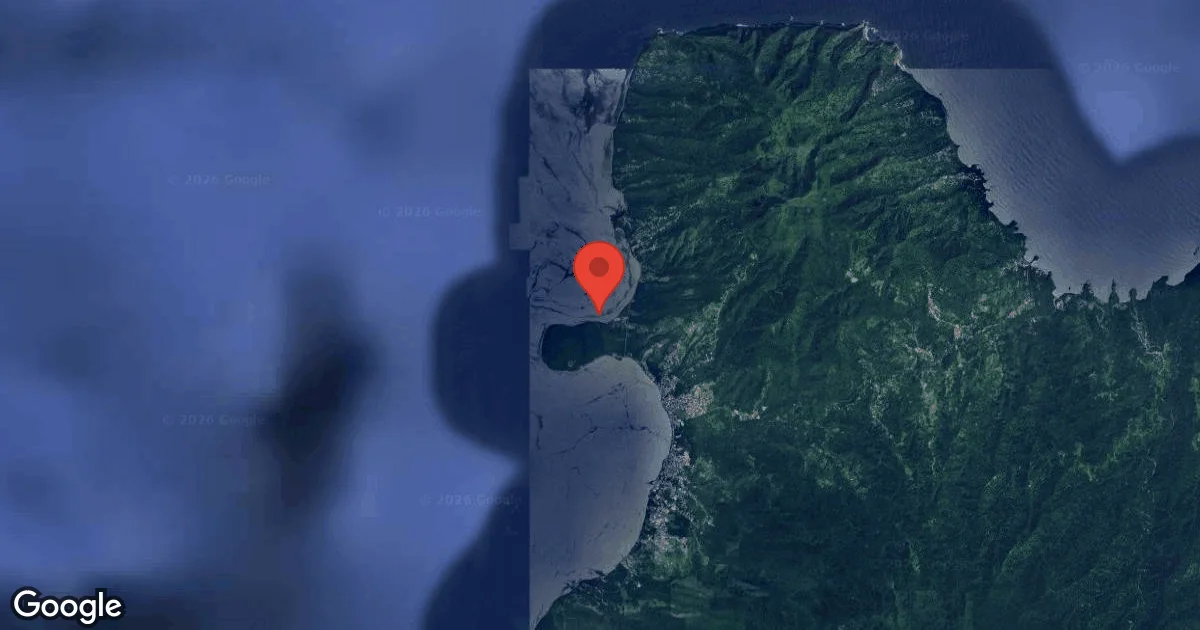
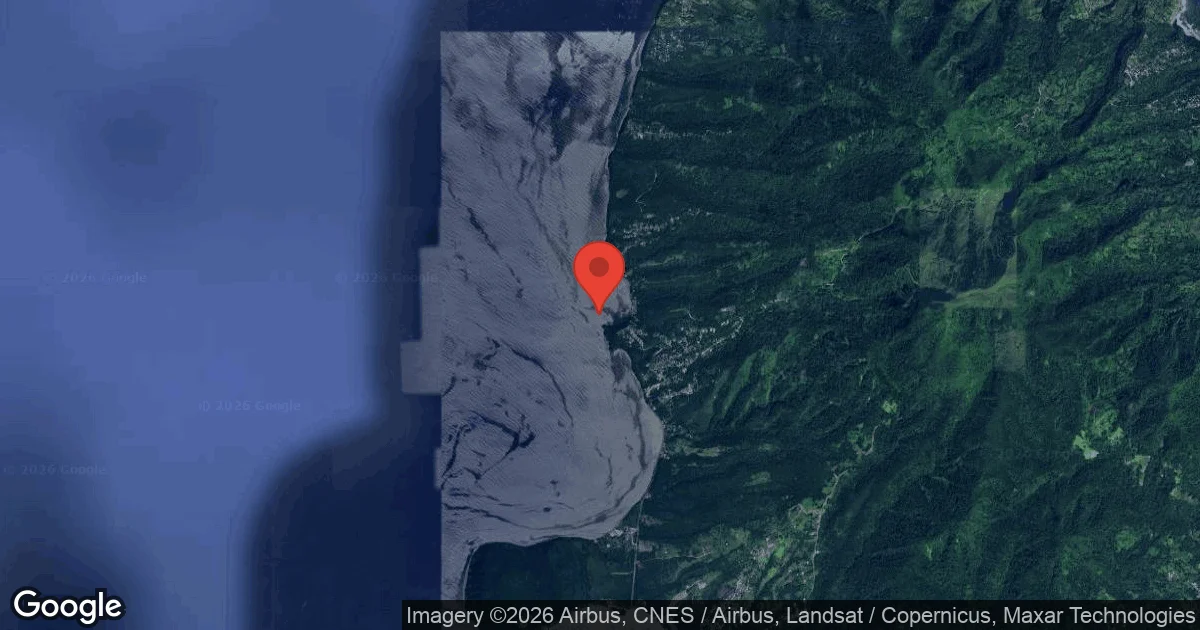
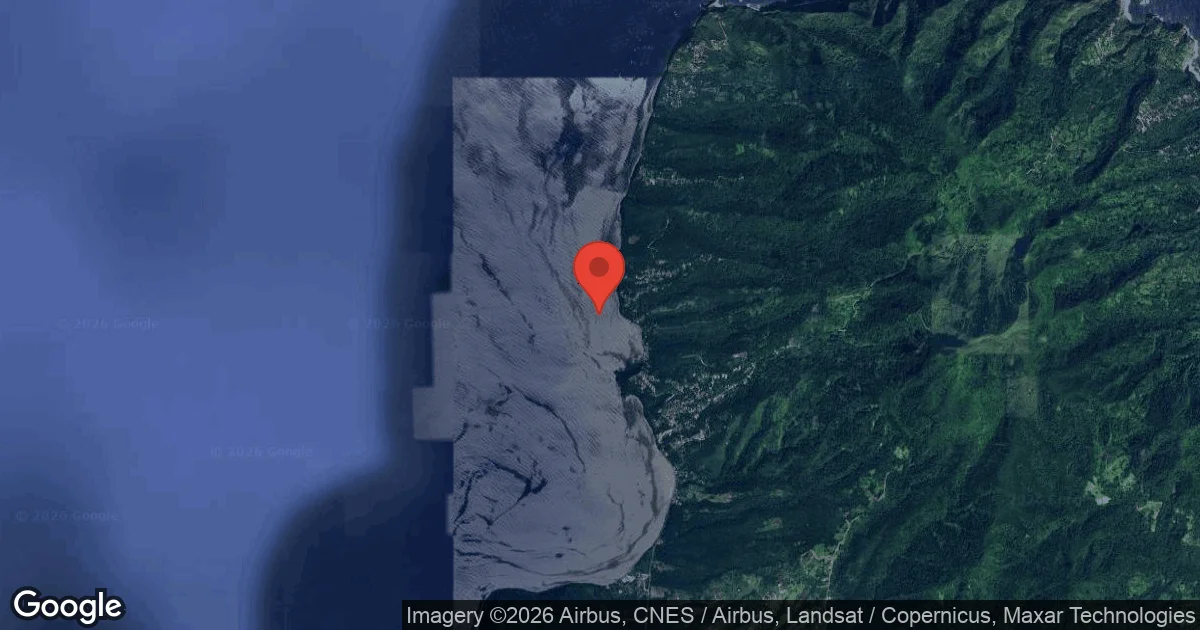
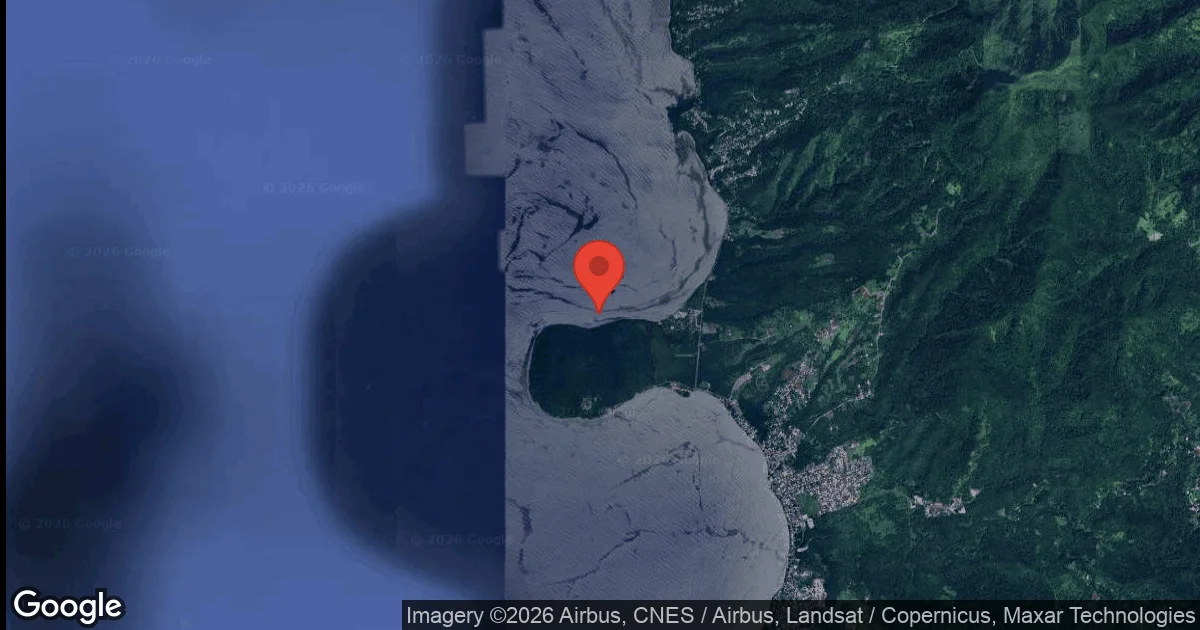
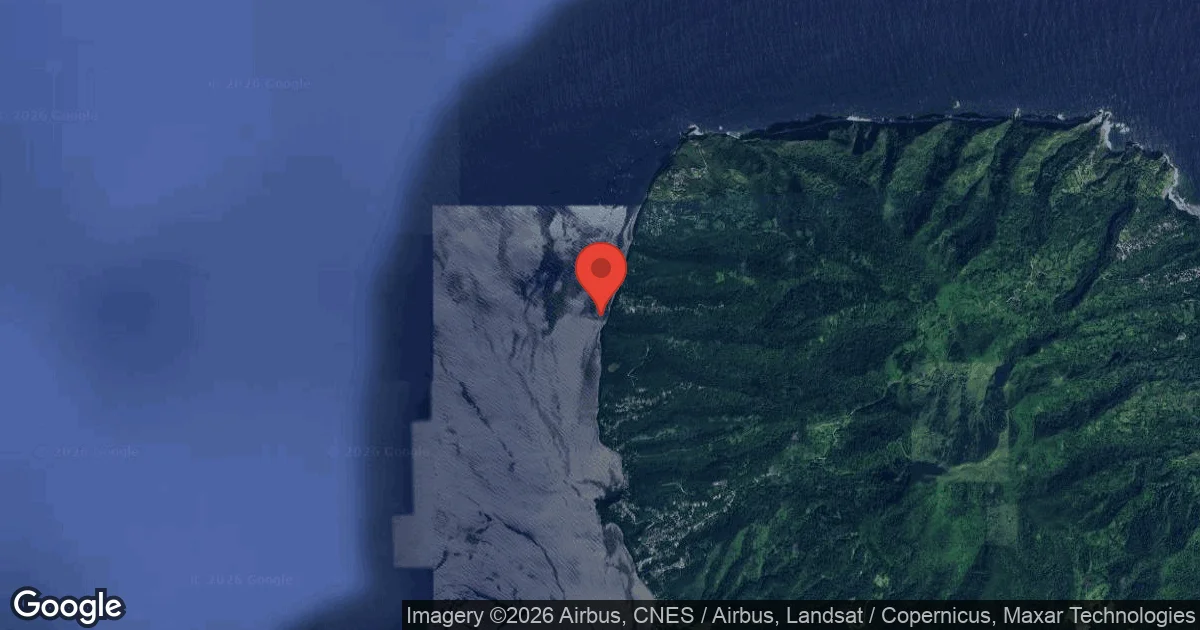
Dive Centers Near Hot Sulfur
No Dive Centers Local To Hot Sulfur
Are you a dive center visiting this location? Get listed to reach divers.
Nearest Airports
Nearest airports to help plan travel to this dive area.
Search Flights
Check available flights and routes on Expedia, using the nearby airports listed in this section.
Search Flights on ExpediaFrequently Asked Questions
What kind of currents can I expect at Speyside?
Strong and dynamic currents are a defining feature of diving in Speyside. They can range from a steady drift to intense 'washing machine' conditions, especially near certain formations. Down currents are also possible.
Is this site suitable for beginner divers?
This area is generally recommended for experienced divers comfortable with drift diving and managing strong currents. New divers may find the conditions challenging due to the powerful water movement.
What kind of marine life is commonly seen in Japanese Gardens?
Expect abundant hard and soft corals, massive sponges, and a variety of fish like groupers and barracudas. Larger-than-average bearded fireworms and steady turtles are also frequently observed.
Do I need special equipment for these dives?
A reef hook is strongly recommended for safely holding position in strong currents without damaging the reef. Ensuring your regulator is secure and having good drift diving gear are also important.
How deep are the dives in Speyside?
Dives in Speyside, including Japanese Gardens, are typically within recreational dive limits. While specific depths vary, expect to explore vibrant reef structures and tunnels at typical recreational depths.
How clear is the water usually?
Water clarity is generally good, allowing for clear views of the reef. However, the water often contains visible nutrient particles, which contribute to the area's rich marine life and thriving ecosystem.
Planning to dive Hot Sulfur?
Send one inquiry and receive offers directly from the best verified local dive operators.
Conditions are Good
07:00 - 14:00
Optimal conditions expected
Current conditions near Hot Sulfur show 27° air, 30° sea temperature, 0.4 m waves, and 22 km/h wind. Forecast data is refreshed regularly to ensure accuracy.