
Diving at Tube Reef (Trinidad and Tobago)
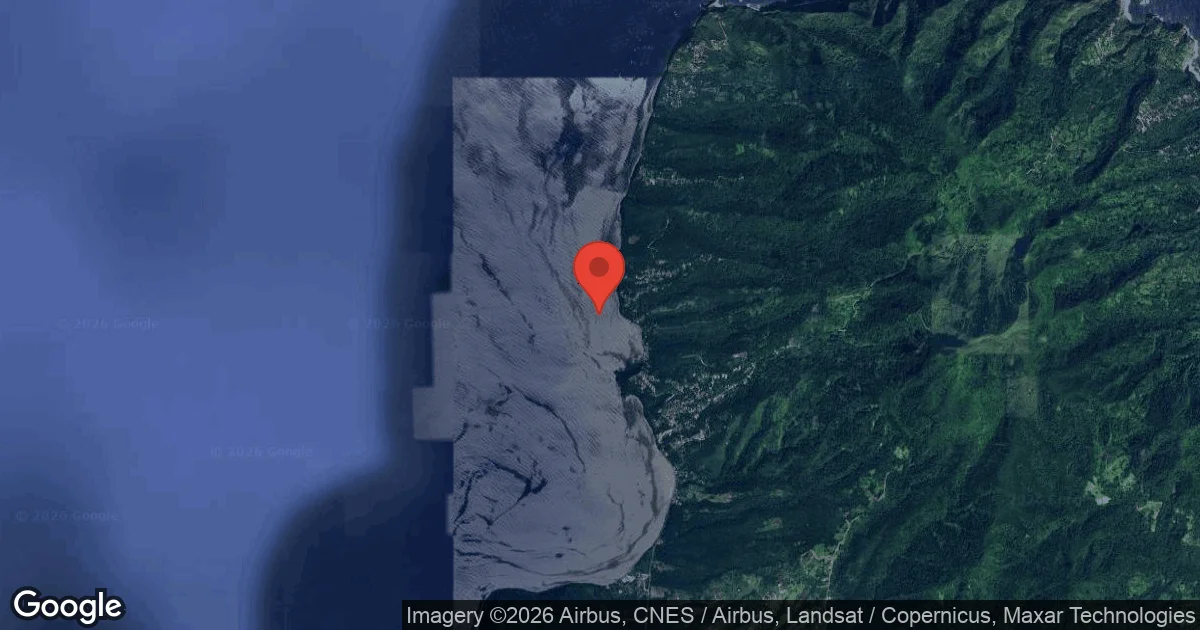
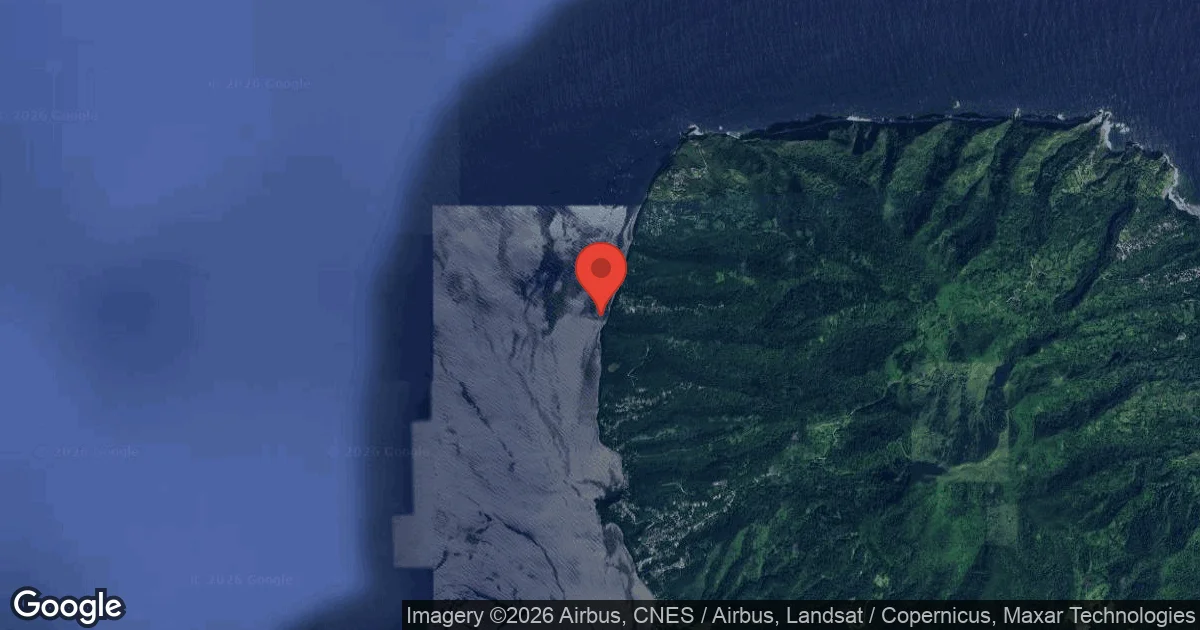
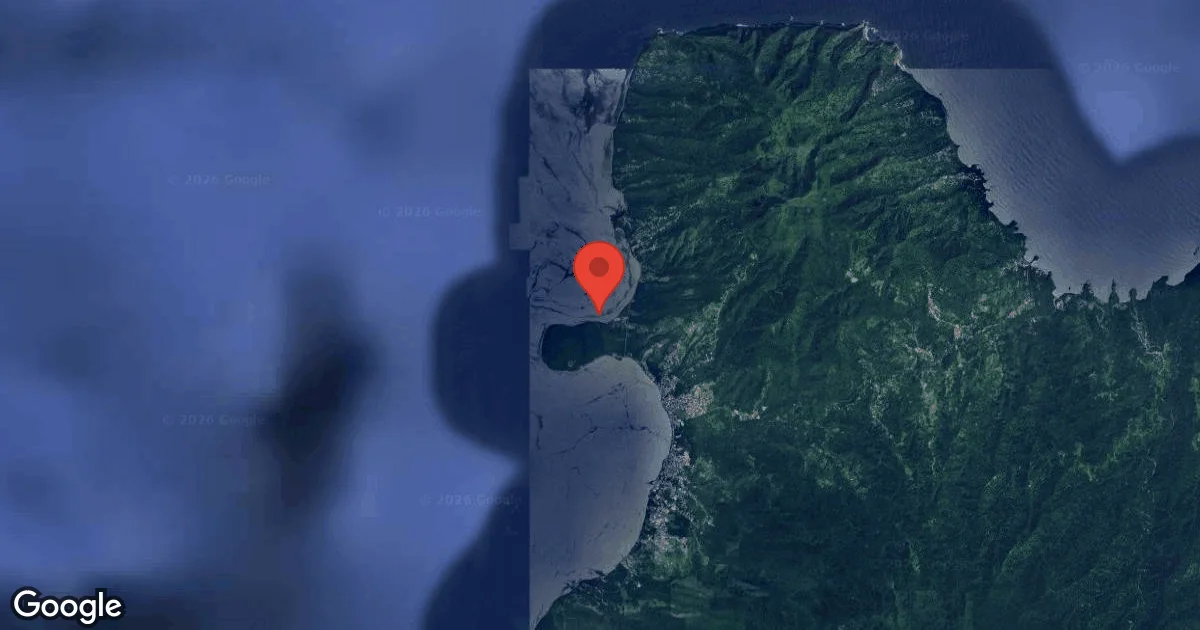
Nestled along Trinidad and Tobago's coastline, Tube Reef, often associated with the Japanese Gardens dive site, presents a distinctive technical profile. It features a gently sloping reef structure, characterized by its prominent tube and vase sponges. This site generally experiences gentle currents, making navigation manageable for most divers. Divers can expect depths within recreational limits, typically extending to around 30 m (100 ft), suitable for various certification levels.
As evening covers Tube Reef, the local air temperature is measured at 27°C. The current wave height at the surface is recorded at 0.6 m. These late-day readings characterize the surface conditions for the night.
Dive Site Location & Key Facts
Dive Site Overview
Historically, many dive sites in Trinidad and Tobago, including those like Tube Reef, have offered divers a window into a thriving Caribbean ecosystem. Closely identified with the Japanese Gardens, this particular site became known for its impressive display of varied sponge growth.
It wasn't just about the fish; the intricate underwater topography and flora became a central attraction. Early expeditions documented vast formations of tube and vase sponges, along with abundant sea whips, creating a deeply aesthetic underwater landscape across its shallower and deeper sections. Consistently gentle currents here have allowed for extended exploration, contrasting with some of Tobago's more intense drift dives.
Navigating its terrain presents minimal challenge, making it suitable for a range of certified divers. Conditions at Tube Reef make it an accessible location, allowing divers to appreciate the delicate balance of its coral reef environment.
Gradually sloping reef contours guide divers through its vibrant sections, revealing diverse micro-habitats at depths typically within recreational limits. Its enduring appeal lies in this combination of accessibility and rich biological detail, a quintessential Tobago reef experience.
Conditions are Excellent
07:00 - 14:00
Optimal conditions expected
Current conditions near Tube Reef show 27° air, 29° sea temperature, 0.4 m waves, and 17 km/h wind. Forecast data is refreshed regularly to ensure accuracy.
Best Time to Dive
Diving conditions are often optimal from January through June, aligning with the drier season. Air temperatures during this period average between 25-27°C (77-81°F), paired with minimal rainfall, typically around 2-4 mm (0.08-0.16 inches) per month. Wave heights are generally lower, averaging 0.6-0.8 meters (2-2.6 feet), contributing to calmer surface conditions. Visibility tends to be at its best then, with northern sites reporting around 24 meters (80 feet) on clear days. While June to November brings more rain and potential runoff from the Orinoco River, impacting visibility, good diving can still occur. Water temperatures consistently hover around 27°C (80°F) throughout the year, ensuring comfortable dives regardless of the season. Humpback whales are sighted in Tobago's waters from late January into May, though rarely during a dive itself.
PEAK SEASON SCORE
Scores combine air & water temps, waves, wind & rainfall for overall conditions.
BEST MONTHS TO DIVE
Monthly records compiled from satellite and marine observation nodes over the last 3 years. Data provided by Open-Meteo and MET Norway.
Dive Experience & Conditions
Approaching Tube Reef, divers will immediately notice the site's namesake, large tube sponges, alongside a variety of vase sponges and sea whips that create a vibrant underwater tapestry. Gentle currents typically carry you along the gently sloping reef, allowing for relaxed observation rather than strenuous swimming. A comfortable water temperature of approximately 27°C (80°F) is maintained year-round, making for warm, inviting dives. Visibility, while varying with seasonal rainfall, often reaches 24 meters (80 feet) in the northern dive areas where this site is likely found. The sensation is one of being guided through a meticulously cultivated garden, where every sponge and coral head appears deliberately placed. Moving through its sections, like Kamikaze Cut, offers a sheltered area for dive conclusion.
Dive Difficulty & Safety Guidelines
Diving at Tube Reef generally involves gentle currents, making it suitable for divers with intermediate experience in drift diving. While conditions are typically benign here, divers should always monitor current behavior as even gentle drifts require appropriate buoyancy control and situational awareness. It's advisable to descend as a group and stay together, especially when navigating the sloping reef contours.
Always plan your dive profile within recreational limits, ensuring no-decompression limits are respected. Communication with your dive guide is essential, particularly regarding the planned exit point, which may involve transitioning through areas like Kamikaze Cut.
Ensuring proper equipment maintenance and following established dive protocols contributes to a safe experience.
Recommended Equipment
Current and surface separation risk. Local briefing strongly recommended.
- Dive Computer
- DSMB
- Reel / Spool
This gear list is based on verified equipment signals for Tube Reef, Trinidad and Tobago. Always confirm final gear choices with your dive operator, guide, or liveaboard.
Recommended Dive Suit
Current diving conditions indicate water temperatures around 29°C (85°F) at Tube Reef. Surface air temperatures are resting at 27°C (80°F).
Current forecasts indicate relatively stable conditions for the coming days.
Most divers exploring waters at this temperature rely on dive skin or rash guard for effective insulation. Consider warmer surface protection (like a boat coat) due to brisk winds. Water temperature is only one factor influencing overall comfort during a dive. Stronger winds may also make surface intervals feel cooler than usual.
Due to technical issues with our weather providers, data hasn't been fetched for over 48 hours. The data above reflects the conditions at the time of the last successful fetch.
Emergency & Medical Support
Essential information to help you plan your dive trip to Tube Reef.

Hyperbaric chambers are a critical part of dive safety infrastructure. Availability varies significantly by region, and not all dive areas have immediate access.
Before diving, it's recommended to:
- confirm nearest medical facilities
- check emergency procedures with local dive operators
- ensure dive insurance covers evacuation if required
Divers Alert Network
Diving emergency assistance available through DAN World.
+1-919-684-9111- 24/7 emergency hotline
- Diving medical assistance
- Evacuation coordination
Emergency contacts are provided for reference. Always verify local emergency services before diving.
Marine Life at Tube Reef
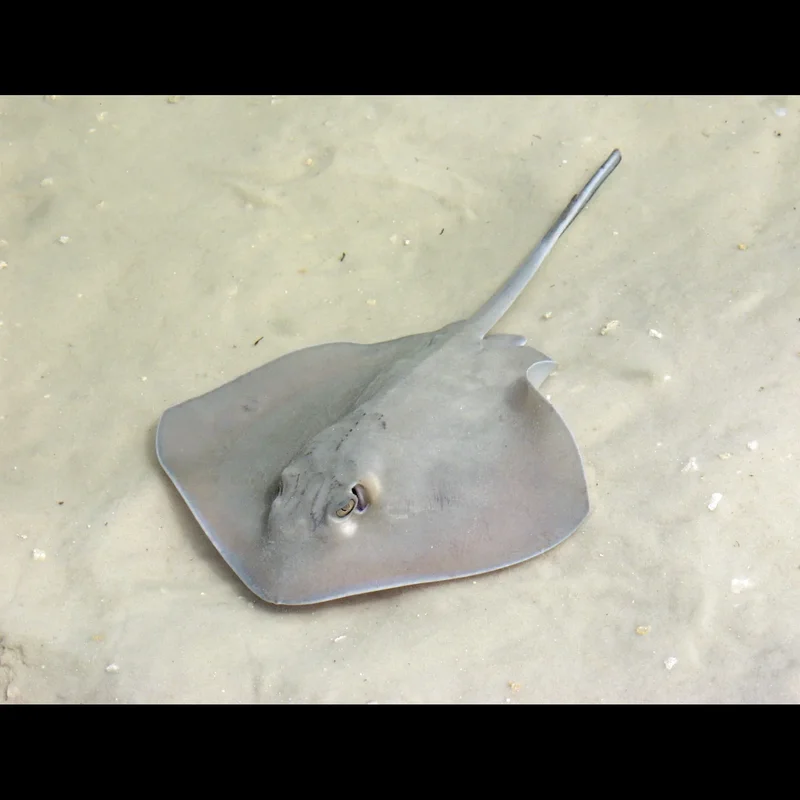
The underwater landscape of Tube Reef, adorned with abundant tube and vase sponges, along with swaying sea whips, provides a rich habitat for diverse marine life. Swirling schools of reef fish are a common sight, darting among the coral formations.
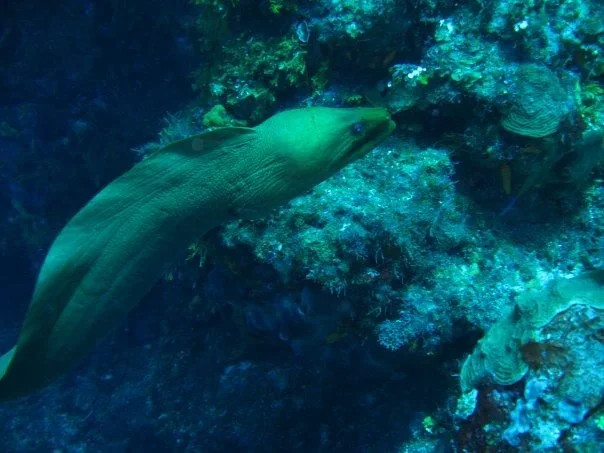
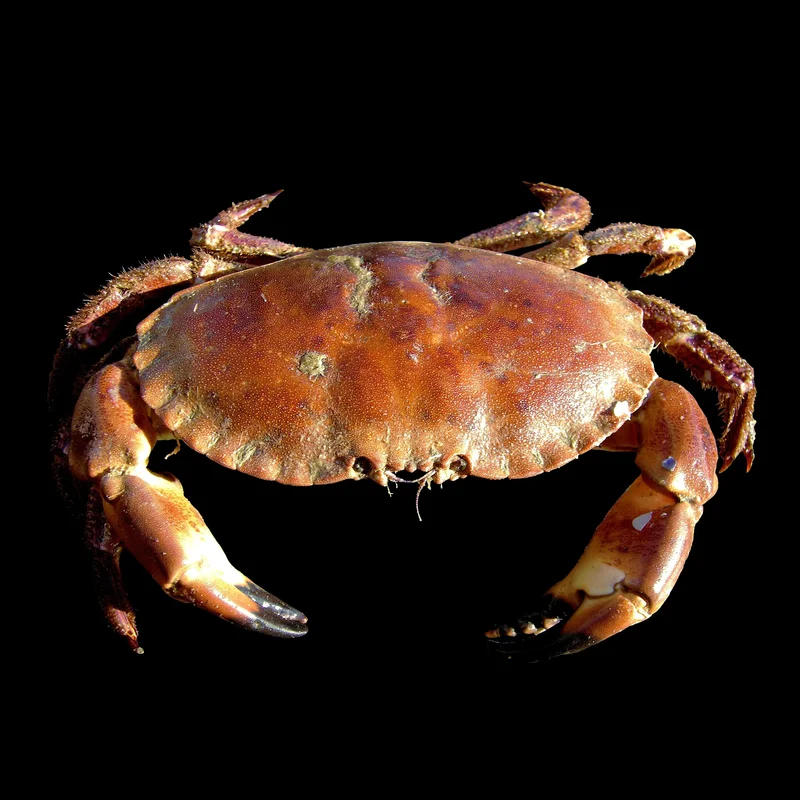
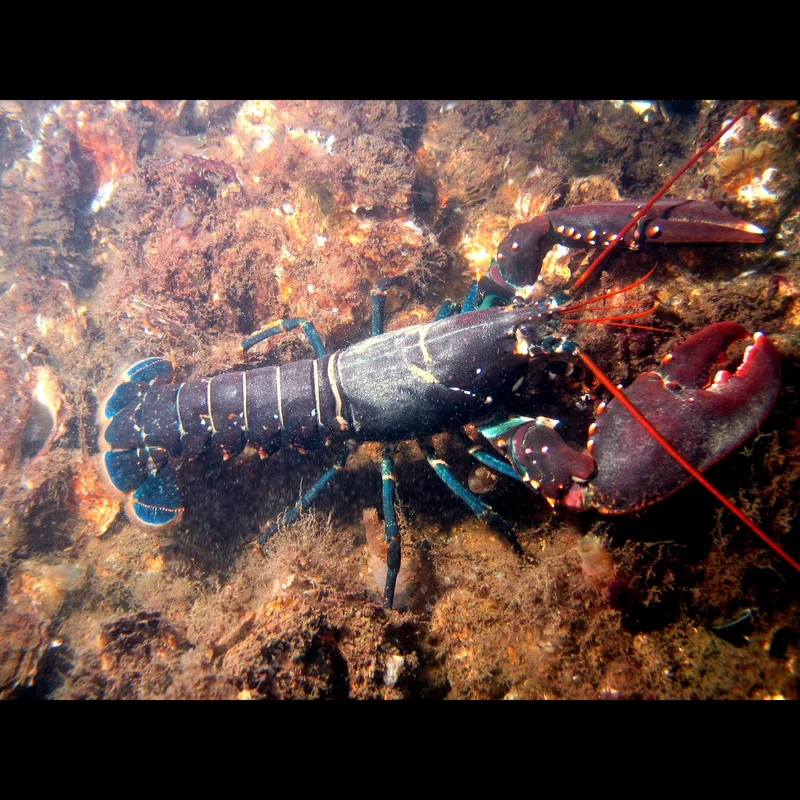
Closer inspection reveals numerous invertebrates, including various crabs and lobsters, often tucked away in crevices. Moray eels can occasionally be spotted peeking from their rocky shelters.
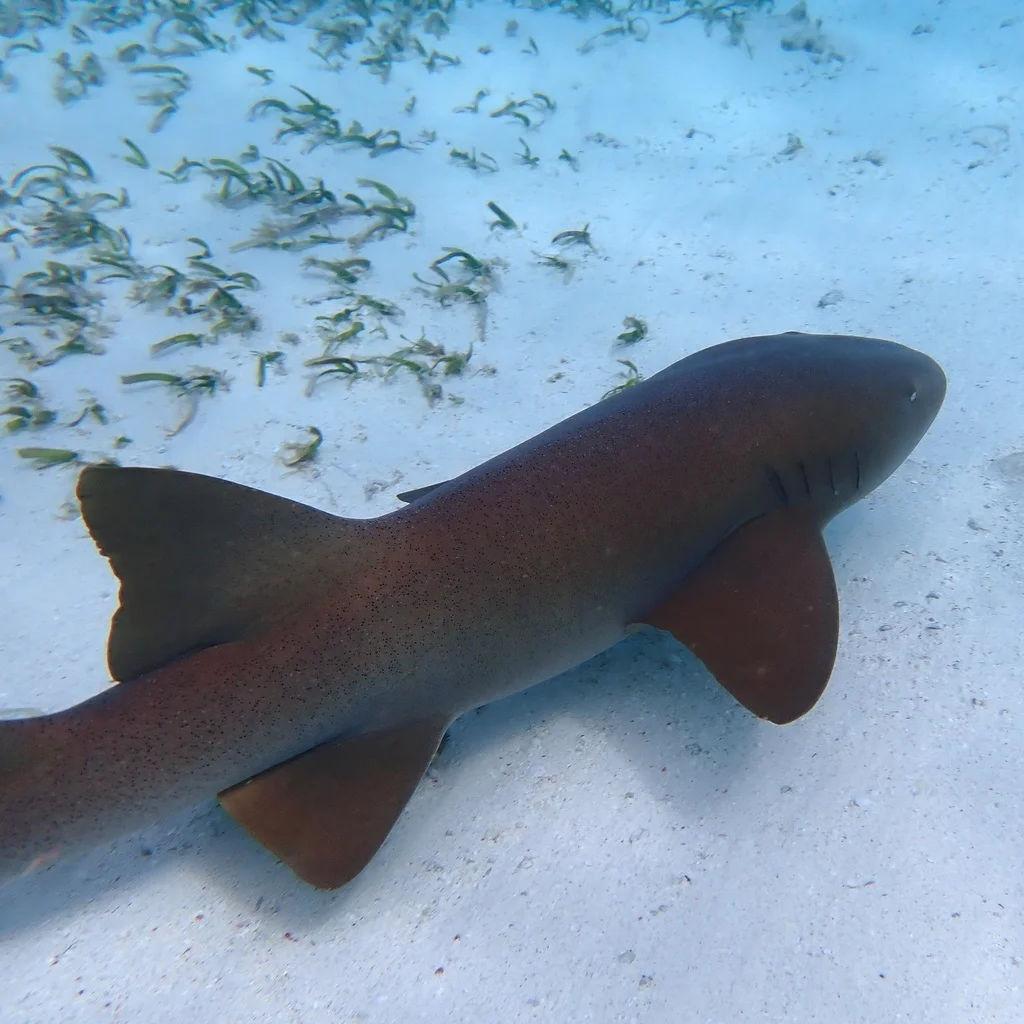
Though not always present, the broader Tobago waters offer possibilities of encountering pelagic visitors such as barracuda or even nurse sharks on deeper, more exposed sections of reefs in the region.
Dive Sites Near Tube Reef
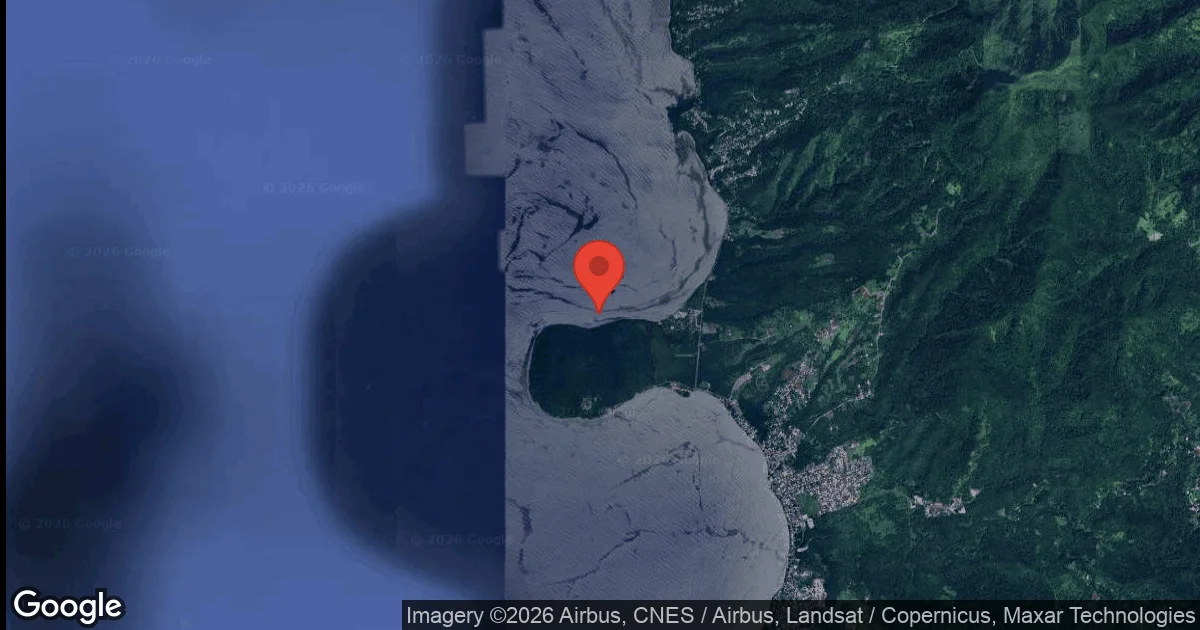
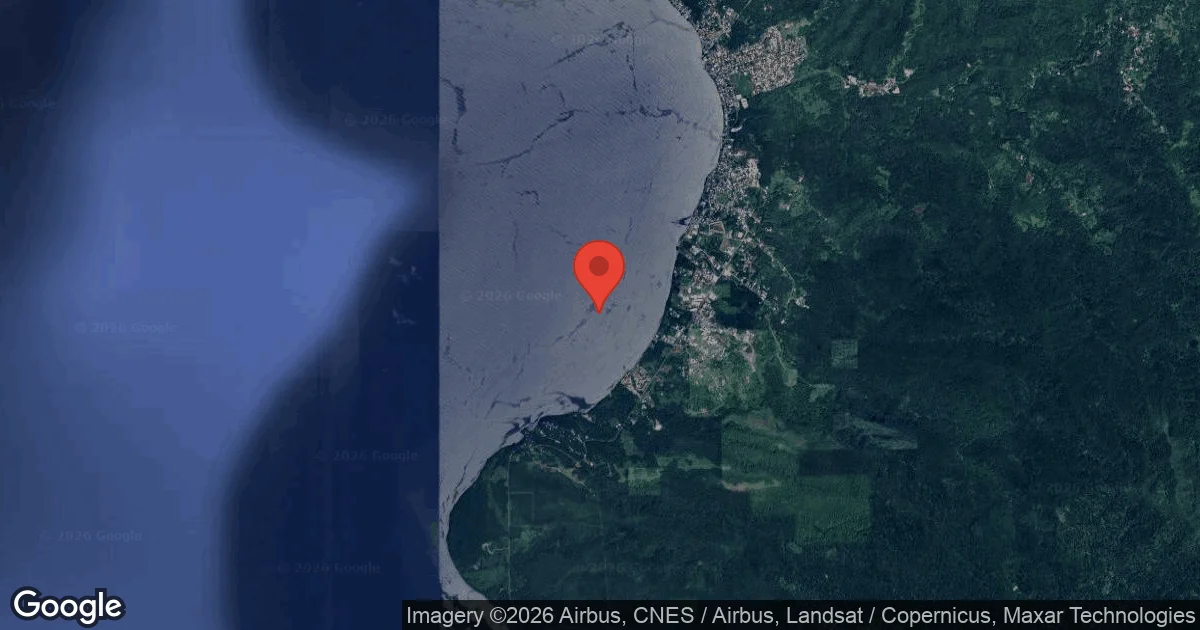
View all dive sites in Trinidad and TobagoDiscover more underwater gems in this area.
Dive Centers Near Tube Reef
No Dive Centers Local To Tube Reef
Are you a dive center visiting this location? Get listed to reach divers.
Nearest Airports
Nearest airports to help plan travel to this dive area.
Search Flights
Check available flights and routes on Expedia, using the nearby airports listed in this section.
Search Flights on ExpediaFrequently Asked Questions
What kind of dive site is Tube Reef?
Tube Reef is primarily a reef dive characterized by a gently sloping coral structure. It's known for its impressive formations of tube and vase sponges, offering a visually rich experience. The site also functions as a drift dive due to its gentle currents.
Are the currents strong at Tube Reef?
No, the currents at Tube Reef are generally described as gentle. This makes for a relaxed drift dive, allowing divers to be carried along the reef without excessive effort. It contrasts with some of Tobago's more challenging drift sites.
What is the typical visibility like?
Visibility at Tube Reef can vary, but generally ranges around 24 meters (80 feet) in the northern dive sites, especially during the dry season. It may be reduced during the wetter months due to increased rainfall and potential river runoff.
What marine life can I expect to see?
Divers often encounter schools of reef fish, various invertebrates such as crabs and lobsters, and moray eels. The site's numerous sponges and sea whips create a vibrant backdrop for these resident creatures. Pelagic species like barracuda are possible, though less frequent.
What is the water temperature?
The water temperature at Tube Reef is consistently warm throughout the year. Divers can expect comfortable conditions with temperatures hovering around 27°C (80°F), making it suitable for dives with minimal thermal protection.
Is Tube Reef suitable for beginner divers?
With its gentle currents and manageable depth, Tube Reef is generally suitable for intermediate divers comfortable with drift diving techniques. Beginners with proper guidance and good buoyancy control may also enjoy the site, but should consult with their dive operator first.
Planning to dive Tube Reef?
Send one inquiry and receive offers directly from the best verified local dive operators.
Conditions are Excellent
07:00 - 14:00
Optimal conditions expected
Current conditions near Tube Reef show 27° air, 29° sea temperature, 0.4 m waves, and 17 km/h wind. Forecast data is refreshed regularly to ensure accuracy.