
Diving at Mount Irvine Wall (Trinidad and Tobago)
Currents at Mount Irvine Wall typically feature a steady drift of about 1 knot, requiring divers to manage their buoyancy and position actively. Water temperatures average around 25-26°C (77-79°F), offering comfortable conditions, though surface swells can be significant before descent. Air temperatures in the region generally range between 26-28°C (79-82°F) throughout the year, with less rain during peak dive season. Visibility often reaches 25 m (82 ft), but can vary with ocean conditions, influencing how much of the broader blue expanse divers experience.
Evening condition tracking at Mount Irvine Wall features an air temperature of 27.5°C. We have recorded wave heights measuring 1.2 m during this period. These figures outline the environmental parameters currently present.
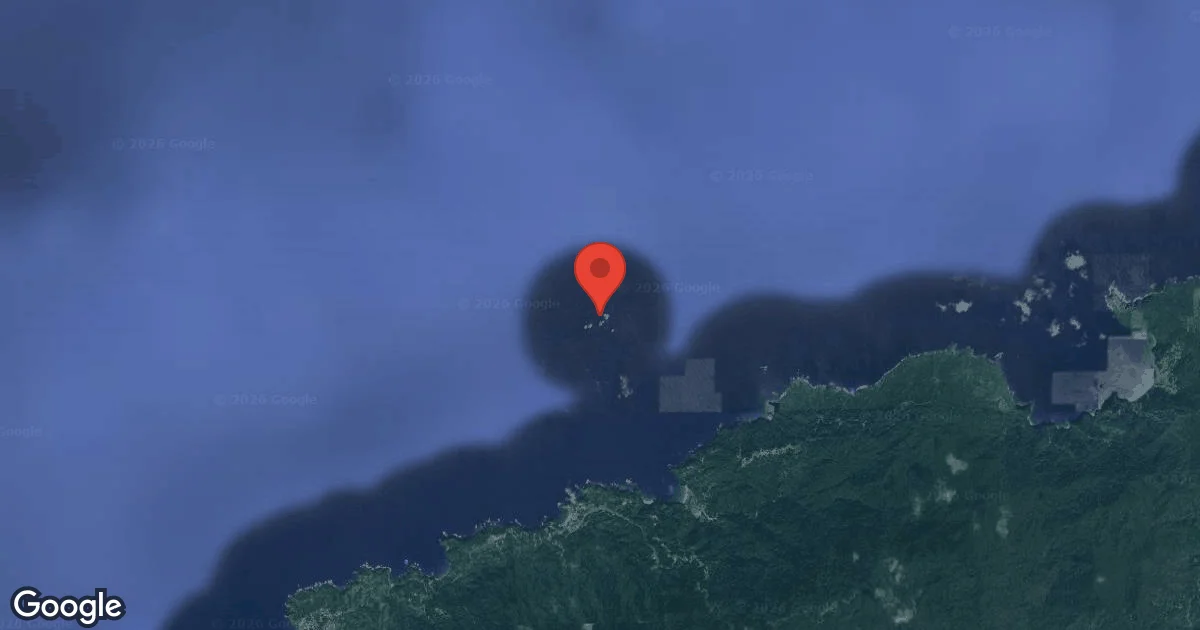
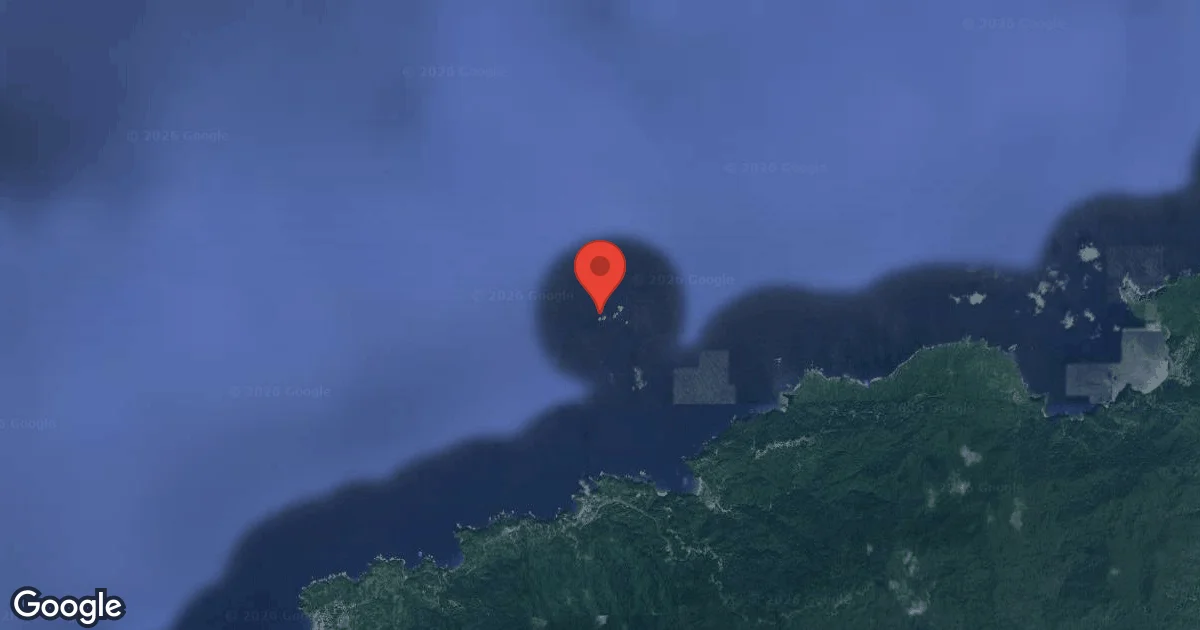
Dive Site Location & Key Facts
Dive Site Overview
Mount Irvine Wall in Tobago provides a dynamic diving experience, tracing a natural boundary where a vibrant reef meets deeper waters. Historically, this site is recognized for its distinct structure, making it a reliable destination for divers exploring the Caribbean coast of Trinidad and Tobago.
A main wall section extends from shallower areas, starting around 7.6 m (25 ft) and descending to approximately 18.3 m (60 ft). Its shallower profile distinguishes it from the deeper Mt. Irvine Extension, which reaches more profound coral formations.
Divers navigate along a diverse landscape characterized by impressive canyons, intricate cracks, and sheltered ledges, all heavily encrusted with sponges and a variety of colorful corals. This topographical complexity creates numerous hiding spots and transit routes for marine life.
A steady drift often accompanies dives here, allowing for an effortless observation of the ecosystem. Accessibility for recreational divers and the consistent presence of varied marine species drawn to its protective crevices and abundant food sources contribute to the site's appeal.
Conditions are Good
Optimal conditions expected
Current conditions near Mount Irvine Wall show 28° air, 29° sea temperature, 0.9 m waves, and 28 km/h wind. Forecast data is refreshed regularly to ensure accuracy.
Best Time to Dive
Planning your dive at Mount Irvine Wall often prioritizes calmer seas and optimal visibility for the most rewarding experience. The period from March through May and then August through December generally offers good to very good dive scores. These months typically see lower average wave heights, making boat travel and entries more comfortable, particularly when surface swells are active. While water temperatures remain consistently warm, around 26°C (79°F) in February and potentially reaching 25.5°C (78°F) generally, air temperatures are pleasant, averaging 26-28°C (79-82°F). Rainfall is comparatively lower in the drier months of February to May, before increasing through the wet season, although September shows a notable decrease in rain and wind. Wind speeds are also reduced in August and September, which often correlates with improved underwater visibility, though local conditions can change.
PEAK SEASON SCORE
Scores combine air & water temps, waves, wind & rainfall for overall conditions.
BEST MONTHS TO DIVE
Monthly records compiled from satellite and marine observation nodes over the last 3 years. Data provided by Open-Meteo and MET Norway.
Dive Experience & Conditions
Descending into Mount Irvine Wall reveals a vibrant tableau, where the reef structure acts as a living canvas. Divers frequently describe a sensory immersion into a world of crevices and ledges that invite close exploration. The wall's surface is profusely adorned with sponges and corals, displaying an array of brilliant yellows, oranges, and purples. A gentle, consistent current often facilitates a relaxed drift, allowing divers to observe the intricate details of the wall without excessive effort. Visibility can be excellent, commonly around 25 m (82 ft), allowing distant observation of the wall's extent and the broader blue. However, visibility sometimes prevents seeing into the expansive blue beyond the immediate wall structure. While surface conditions can present significant swells, requiring careful entry, the depths below are typically calmer, providing a stable environment for exploration.
Dive Difficulty & Safety Guidelines
Diving at Mount Irvine Wall requires adherence to standard safety protocols and an awareness of the site's environmental characteristics. Given the prevalent 1-knot current, divers should possess good buoyancy control and be comfortable with drift diving techniques. Planning your dive with local operators ensures familiarity with the day's specific current patterns and entry/exit points, which can be affected by surface swells.
Maintaining safe ascent rates and performing safety stops is crucial, especially when exploring deeper sections or after extended bottom times. Always dive within your certification limits; the site's maximum depth is around 18.3 m (60 ft), suitable for recreational divers.
Additionally, respect for the marine environment is paramount; avoid touching or disturbing corals and other marine life to preserve this thriving ecosystem.
Recommended Equipment
- Dive Computer
This gear list is based on verified equipment signals for Mount Irvine Wall, Trinidad and Tobago. Always confirm final gear choices with your dive operator, guide, or liveaboard.
Recommended Dive Suit
Divers planning deeper dives may feel cooler than those staying in shallower areas.
Many divers find that dive skin or rash guard offers a comfortable balance between warmth and mobility. Consider warmer surface protection (like a boat coat) due to brisk winds. Forecast trends indicate similar diving conditions over the next few days.
Water temperatures across the dive area at Mount Irvine Wall are presently estimated to be around 29°C (85°F). Surface air temperatures are resting at 28°C (82°F).
Emergency & Medical Support
Essential information to help you plan your dive trip to Mount Irvine Wall.

Hyperbaric chambers are a critical part of dive safety infrastructure. Availability varies significantly by region, and not all dive areas have immediate access.
Before diving, it's recommended to:
- confirm nearest medical facilities
- check emergency procedures with local dive operators
- ensure dive insurance covers evacuation if required
Divers Alert Network
Diving emergency assistance available through DAN World.
+1-919-684-9111- 24/7 emergency hotline
- Diving medical assistance
- Evacuation coordination
Emergency contacts are provided for reference. Always verify local emergency services before diving.
Marine Life at Mount Irvine Wall
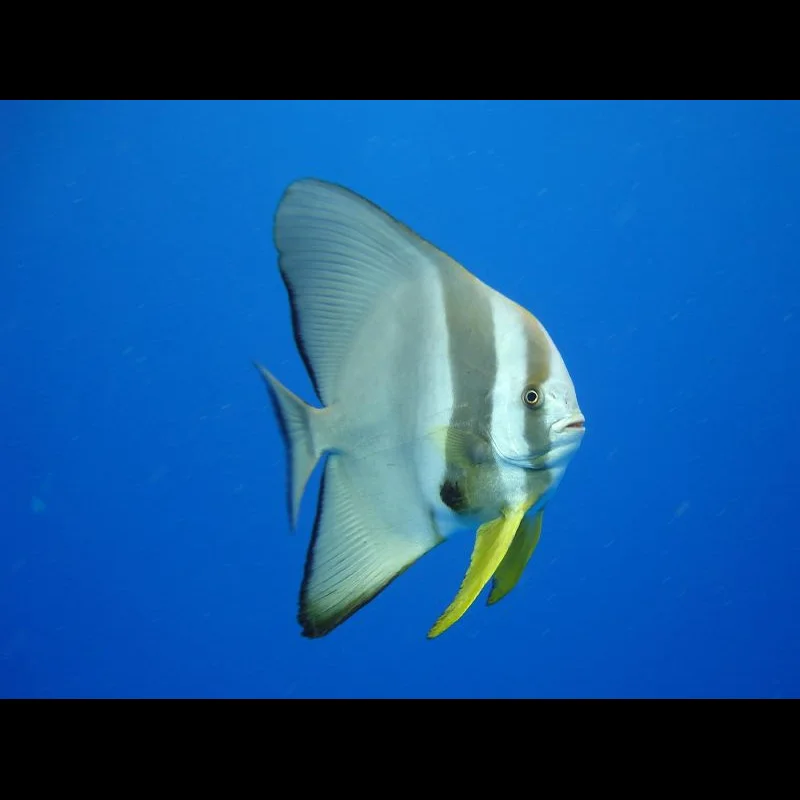
Mount Irvine Wall acts as a thriving sanctuary for a diverse range of marine inhabitants. Within its many nooks and crannies, divers can discover vibrant schools of fish, creating a dynamic underwater spectacle.
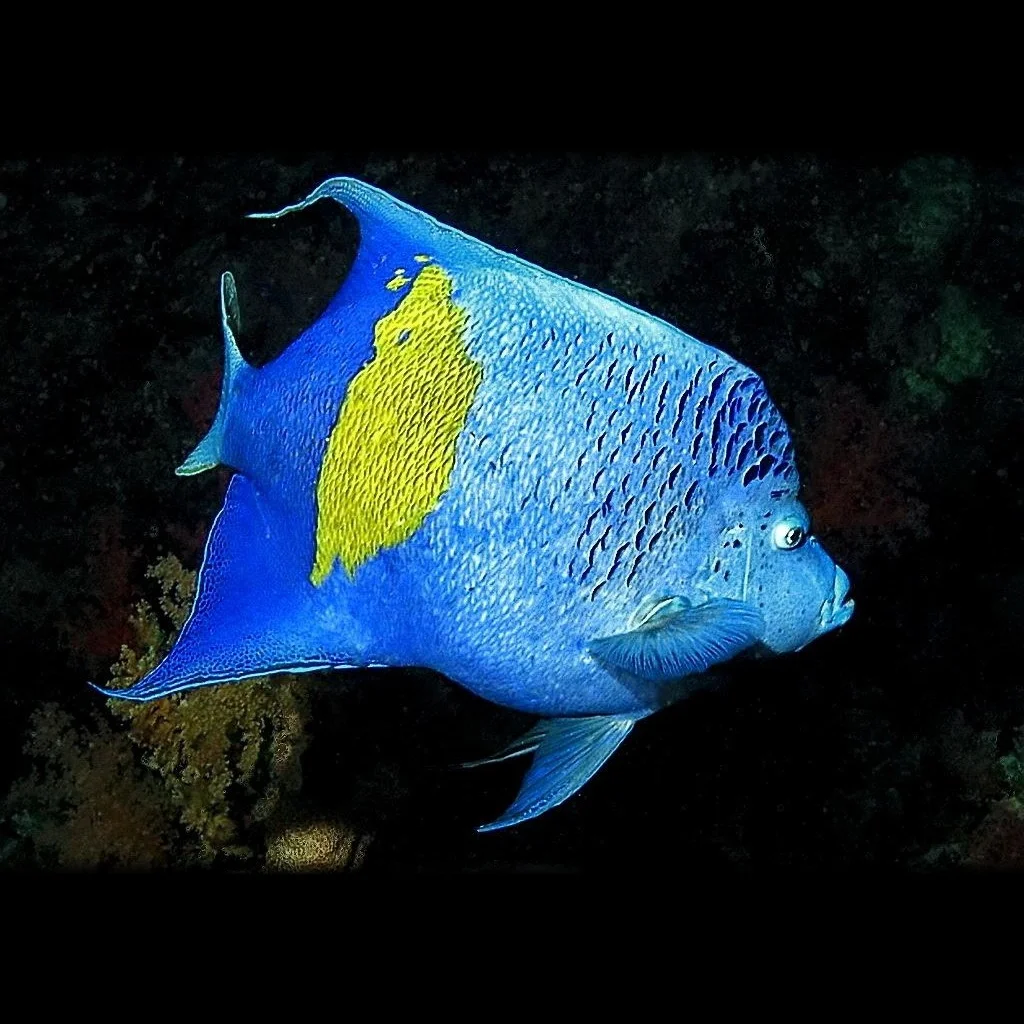
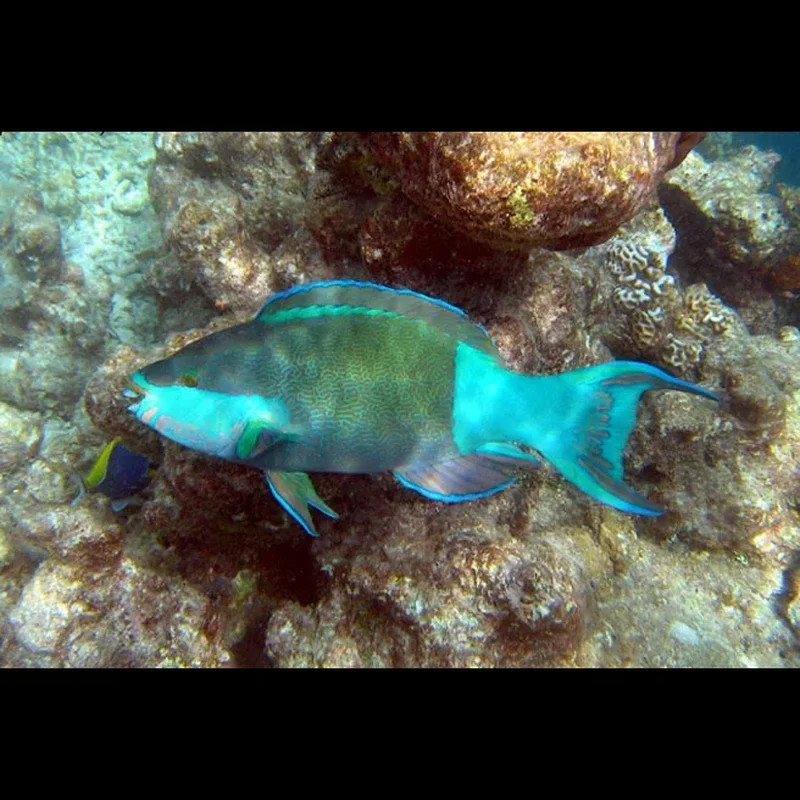
Observing queen angelfish and parrotfish blending into the colorful sponges and corals is a common highlight. Sea horses are occasionally spotted nestled within crevices, offering a unique photographic opportunity.
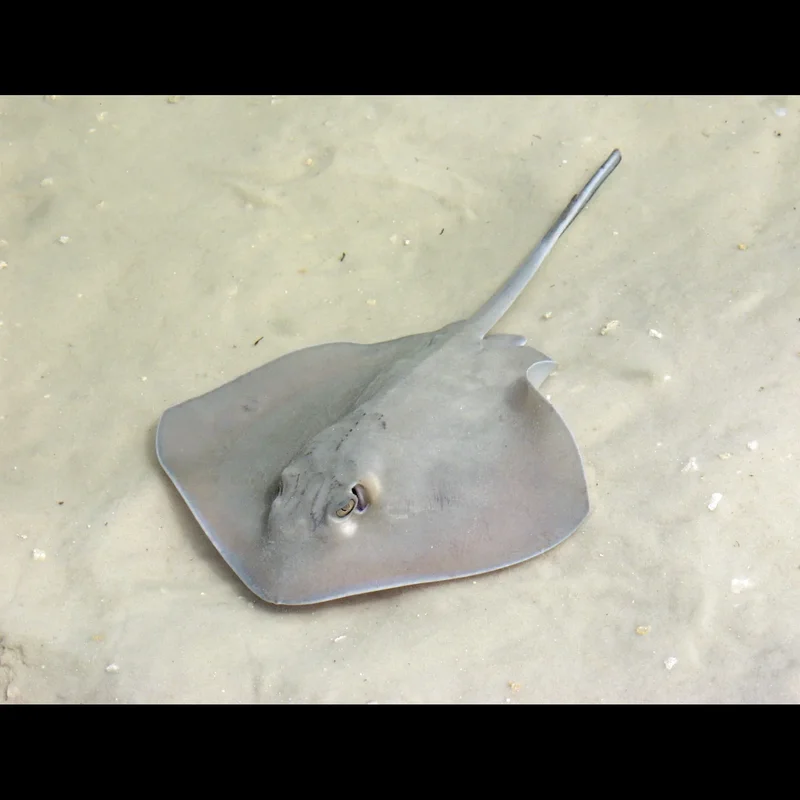
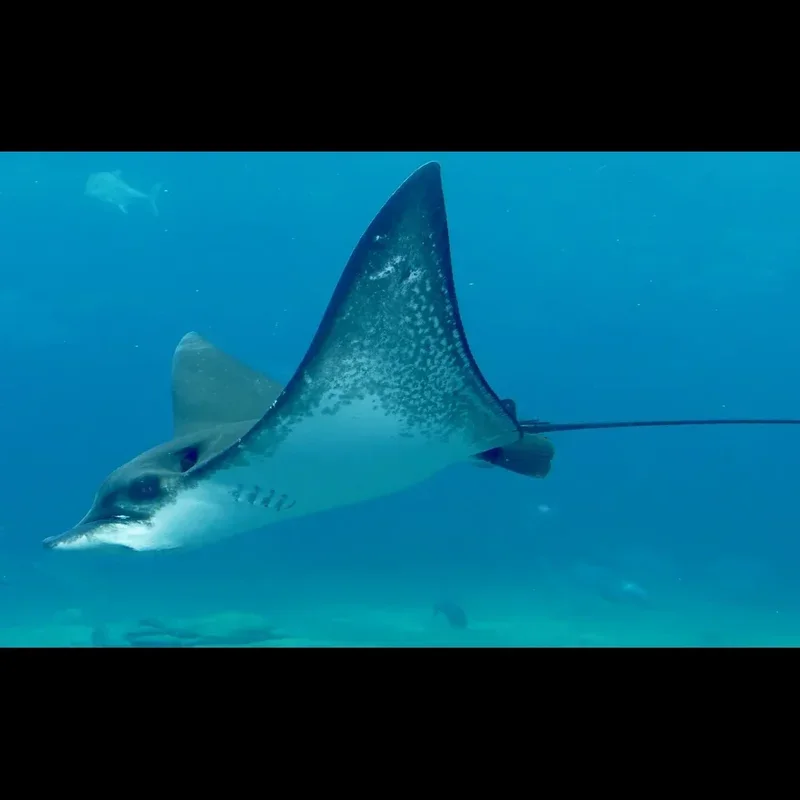
The deeper extension of the site may reveal larger pelagic species, including tarpon, cobia, and eagle rays, particularly along the massive coral reef formations. Encounters with an octopus in repose within a crevice are also reported, alongside surgeonfish patrolling the sandy depths further from the wall.
Dive Sites Near Mount Irvine Wall
View all dive sites in Trinidad and TobagoDiscover more underwater gems in this area.
Dive Centers Near Mount Irvine Wall
No Dive Centers Local To Mount Irvine Wall
Are you a dive center visiting this location? Get listed to reach divers.
Nearest Airports
Nearest airports to help plan travel to this dive area.
Search Flights
Check available flights and routes on Expedia, using the nearby airports listed in this section.
Search Flights on ExpediaFrequently Asked Questions
What is the typical depth range for diving Mount Irvine Wall?
Mount Irvine Wall's main dive site typically ranges from a shallow depth of 7.6 m (25 ft) down to about 18.3 m (60 ft). This range keeps it well within recreational diving limits. For more experienced divers, a deeper extension is also available.
Are there strong currents at Mount Irvine Wall?
Yes, Mount Irvine Wall commonly experiences a steady current of approximately 1 knot. Divers should be comfortable with drift diving techniques and maintain good buoyancy control. Local dive operators will provide up-to-date information on daily conditions.
What kind of marine life can I expect to see?
Divers can expect to see schooling fish, queen angelfish, parrotfish, and occasional seahorses within the wall's crevices. A deeper reef extension might offer sightings of tarpon, cobia, and eagle rays. The reef itself is encrusted with a variety of colorful sponges and corals.
What is the water temperature like?
Water temperatures at Mount Irvine Wall are generally warm and comfortable. They typically average around 25-26°C (77-79°F) year-round. This allows for comfortable diving, often without the need for thick wetsuits.
What is the visibility usually like at this site?
Visibility at Mount Irvine Wall is often good, reaching up to 25 m (82 ft) on favorable days. However, like any open-water site, visibility can fluctuate depending on prevailing ocean conditions and recent weather patterns. It's always best to check with local dive centers for current reports.
Are there specific hazards to be aware of?
While underwater conditions are often calm, surface swells can sometimes be significant, making boat entries and exits challenging. The steady current also requires divers to be attentive to their positioning and plan their drift. There are no other consistently reported hazards.
Planning to dive Mount Irvine Wall?
Send one inquiry and receive offers directly from the best verified local dive operators.
Conditions are Good
Optimal conditions expected
Current conditions near Mount Irvine Wall show 28° air, 29° sea temperature, 0.9 m waves, and 28 km/h wind. Forecast data is refreshed regularly to ensure accuracy.