
Diving at Rock Beauty Point (Trinidad and Tobago)
What catches the eye at Rock Beauty Point is the profusion of the angelfish that lend the site its name. These vibrant fish are a constant presence, darting among the coral formations. It's a boat entry site, revealing an ocean environment that offers varying depths down to 45 m / 147 ft, suitable for certified divers exploring its underwater terrain. The reef provides shelter for diverse marine life, creating a dynamic visual experience from the moment you descend.
Tonight's objective overview for Rock Beauty Point shows an air temperature of 27°C. The measured surface conditions include wave heights around 0.9 m. This environmental data is logged for the close of the day.
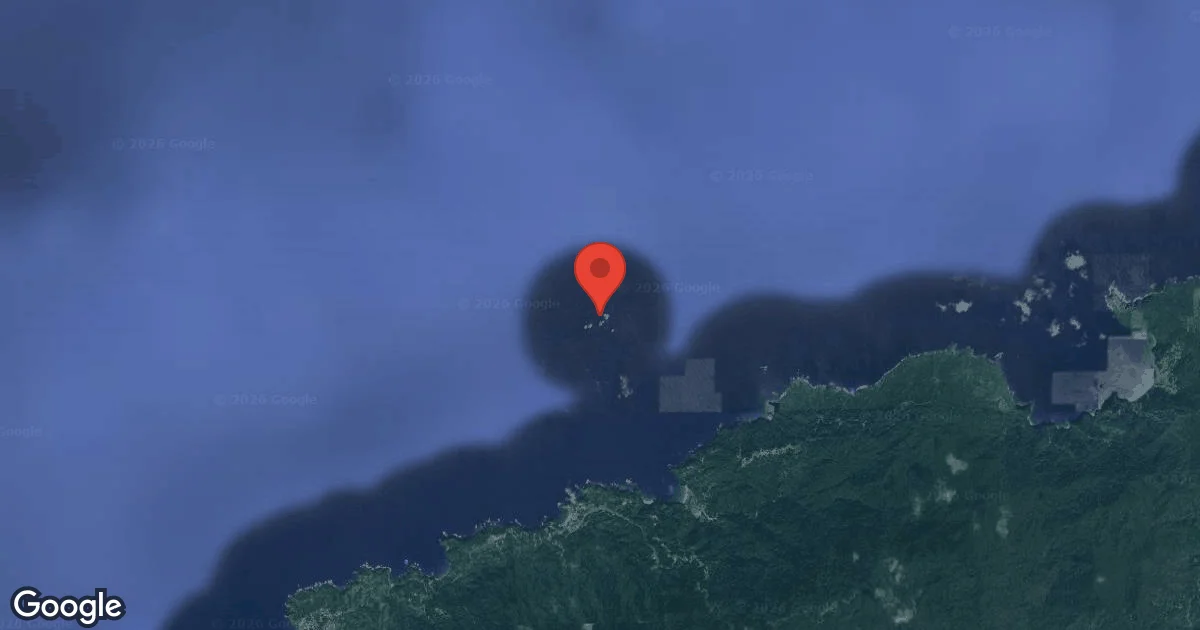
Dive Site Location & Key Facts
Dive Site Overview
Rock Beauty Point distinguishes itself through the consistent presence of its namesake angelfish, a vibrant indicator of the health and specific character of this reef. This site is accessed by boat, opening up to an expansive ocean dive.
While the site reaches significant depths, the marine activity often begins in shallower areas, catering to divers with PADI Open Water Diver certification and those advancing their skills. Expect to navigate an environment where water temperatures consistently hover around 27°C / 80°F, sometimes reaching 29°C / 84°F in summer months. Visibility can vary, typically ranging from 5 to 30 m / 16 to 98 ft, influenced by seasonal conditions.
The site’s underwater landscape features coral formations and sandy expanses, which provide diverse habitats. Divers often encounter various reef fish, and there's potential for sightings of larger pelagics in the surrounding waters.
Planning for this site means preparing for a dynamic dive experience within the rich marine ecosystem of Trinidad and Tobago. This location doesn't demand extreme conditions, but an awareness of general Caribbean dive practices will enhance the experience.
Conditions are Good
Optimal conditions expected
Current conditions near Rock Beauty Point show 27° air, 30° sea temperature, 0.9 m waves, and 24 km/h wind. Forecast data is refreshed regularly to ensure accuracy.
Best Time to Dive
Optimal dive conditions typically prevail between January and June at Rock Beauty Point. During these months, visibility is generally at its best, often with excellent clarity. This period also sees lower average rainfall, with monthly precipitation ranging from approximately 1.5 to 3.5 mm, which contributes to clearer water. Air temperatures are comfortably warm, ranging from 26°C to 27°C / 79°F to 81°F. As the year progresses from July to December, the rainy season begins, bringing increased precipitation, with monthly averages potentially reaching 5.8 mm. This can sometimes lead to reduced visibility due to runoff, especially in southern sites. Wave heights tend to be lower during late summer and early autumn, with generally lower wave heights, which might offer calmer surface conditions. However, wind speeds, while varying, remain moderate throughout the year. Overall, the drier, calmer months generally provide a more consistent and rewarding dive experience.
PEAK SEASON SCORE
Scores combine air & water temps, waves, wind & rainfall for overall conditions.
BEST MONTHS TO DIVE
Monthly records compiled from satellite and marine observation nodes over the last 3 years. Data provided by Open-Meteo and MET Norway.
Dive Experience & Conditions
Accessing Rock Beauty Point typically involves a boat entry, leading directly into its ocean environment. Once submerged, divers will find water temperatures that are consistently warm, generally ranging between 25-28°C / 78-84°F. This makes for comfortable diving, often allowing for lighter exposure suits. Visibility, while generally good, isn't consistently reported at specific fixed values; it varies depending on prevailing conditions, with typical ranges. The underwater landscape presents a mix of coral formations and sandy areas, creating diverse exploration opportunities. It accommodates PADI Open Water Divers, and those with advanced certifications will find more to explore in its deeper sections. While current strength is not consistently reported for this specific site, drift diving is a common practice in Trinidad and Tobago, so divers should be prepared for potential currents.
Dive Difficulty & Safety Guidelines
When planning a dive at Rock Beauty Point, it's prudent to consider the general conditions of Trinidad and Tobago's waters. Awareness of prevailing currents is important, as many sites in the region are known for drift diving opportunities. Always dive within your certification limits and stay close to your buddy.
Given the potential for deeper sections, divers should ensure they are appropriately trained for such depths. Maintaining good buoyancy control is essential to protect the delicate coral ecosystems.
While no specific hazards are recorded in our database for Rock Beauty Point, general safe diving practices, such as proper ascent rates and safety stops, are always critical. Always consult with local dive operators for the most up-to-date site conditions and any specific recommendations or warnings before your dive.
Recommended Equipment
Technical depth range. Advanced planning, gas management, and appropriate certification required.
- Dive Computer
- DSMB
- Primary & Backup Lights
This gear list is based on verified equipment signals for Rock Beauty Point, Trinidad and Tobago. Always confirm final gear choices with your dive operator, guide, or liveaboard.
Recommended Dive Suit
Individual comfort in the water can vary significantly from diver to diver, even under the same conditions.
For most recreational dives, dive skin or rash guard should provide comfortable protection. A hood or vest is suggested for sensitive divers due to surface winds. Forecast trends indicate little change in overall diving conditions during the next few days.
Current temperature readings suggest that the water at Rock Beauty Point is around 30°C (85°F). Surface air temperatures are resting at 27°C (81°F).
Emergency & Medical Support
Essential information to help you plan your dive trip to Rock Beauty Point.

Hyperbaric chambers are a critical part of dive safety infrastructure. Availability varies significantly by region, and not all dive areas have immediate access.
Before diving, it's recommended to:
- confirm nearest medical facilities
- check emergency procedures with local dive operators
- ensure dive insurance covers evacuation if required
Divers Alert Network
Diving emergency assistance available through DAN World.
+1-919-684-9111- 24/7 emergency hotline
- Diving medical assistance
- Evacuation coordination
Emergency contacts are provided for reference. Always verify local emergency services before diving.
Marine Life at Rock Beauty Point
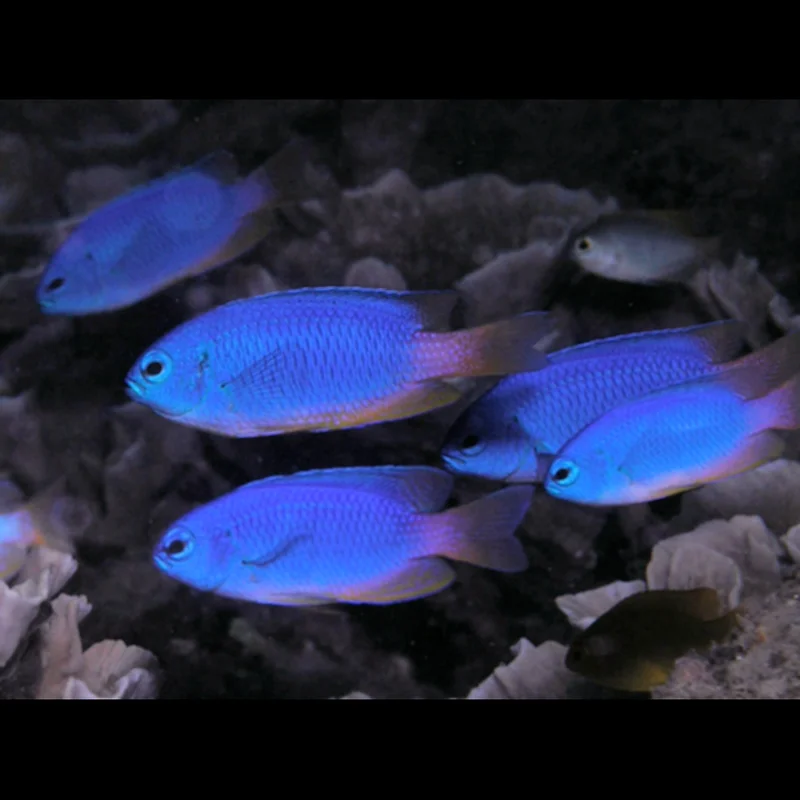
The underwater landscape at Rock Beauty Point is primarily defined by its vibrant coral formations and the abundant reef fish that inhabit them. As the site’s name suggests, Rock Beauty Angelfish are a common and striking sight here, often seen navigating the reef's structure.
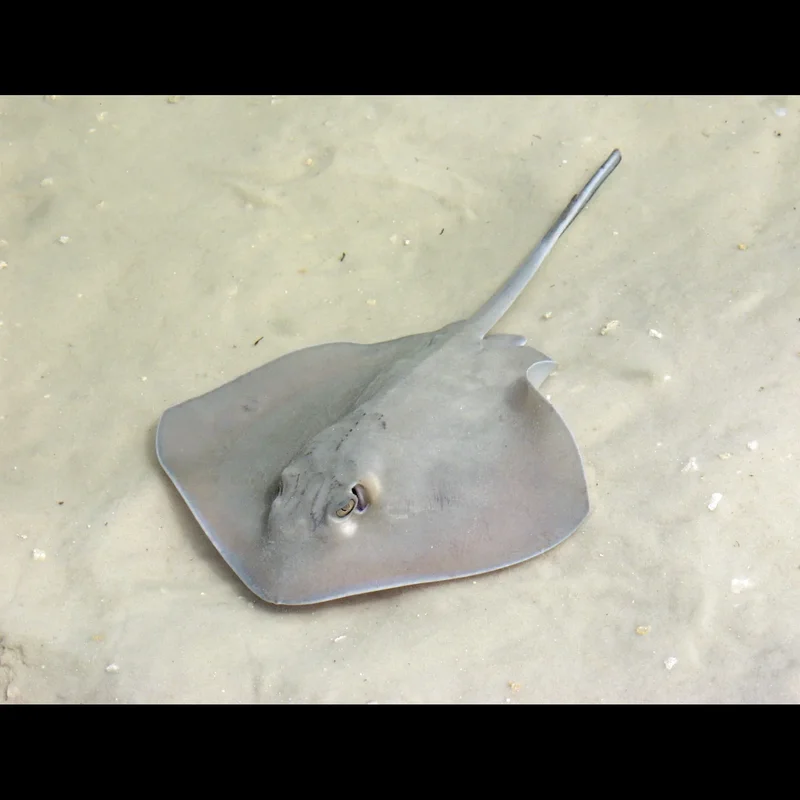
Divers exploring the varied terrain might also encounter a diversity of other reef fish, including French angelfish, blue wrasse, and damselfish. Beyond the immediate reef, the sandy expanses occasionally reveal southern stingrays or Atlantic guitarfish burying themselves.
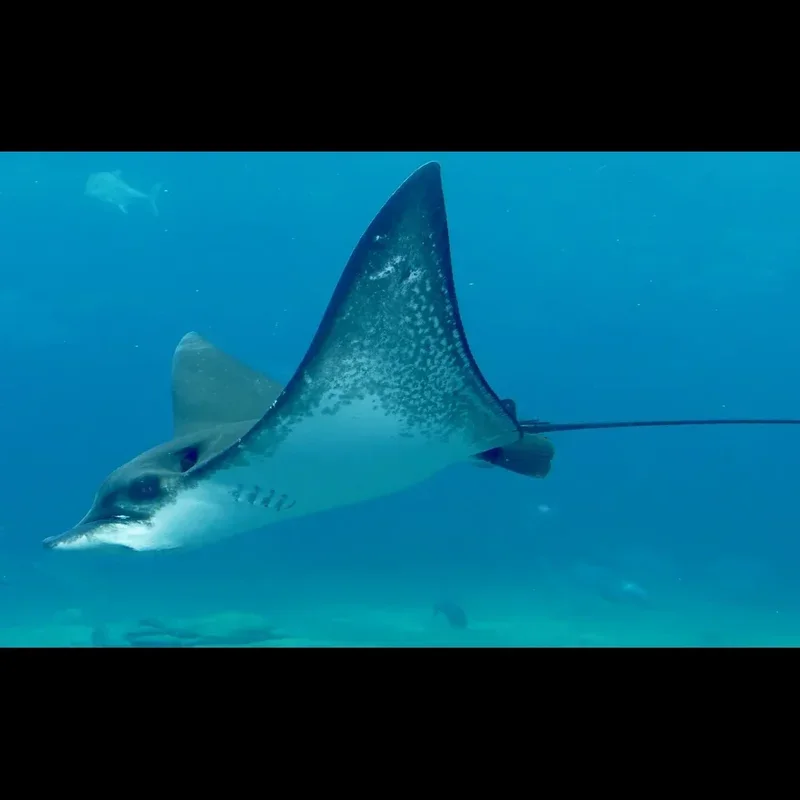
While not guaranteed, the broader Tobago waters can also offer glimpses of pelagic species like eagle rays or schools of jacks, adding an element of anticipation to each dive.

Dive Sites Near Rock Beauty Point
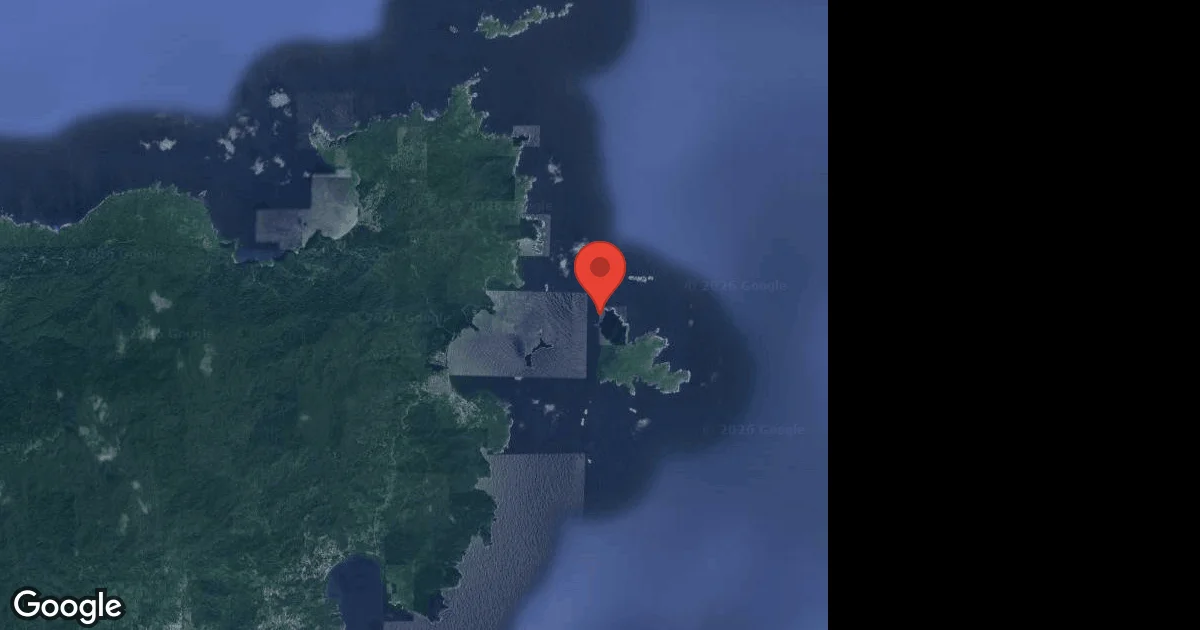
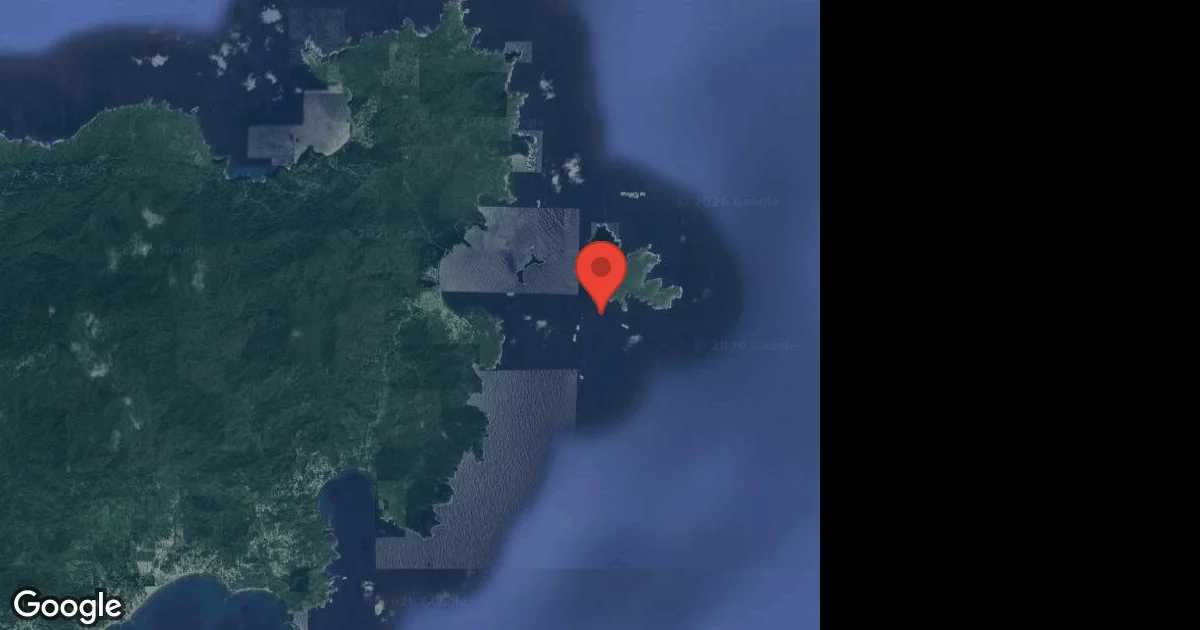
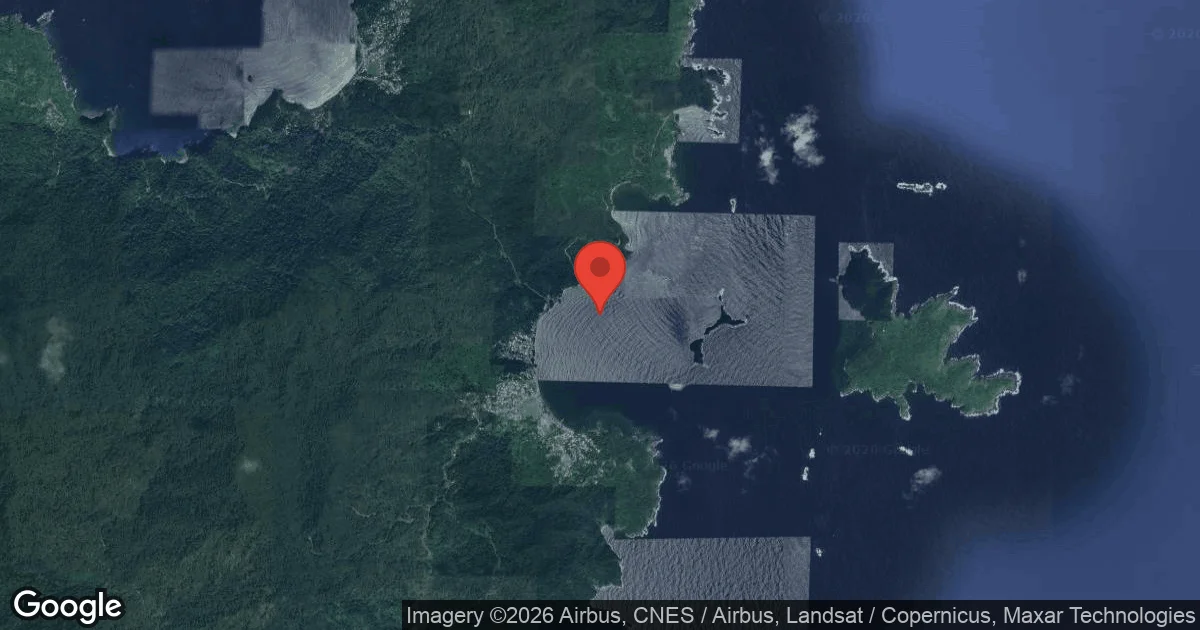
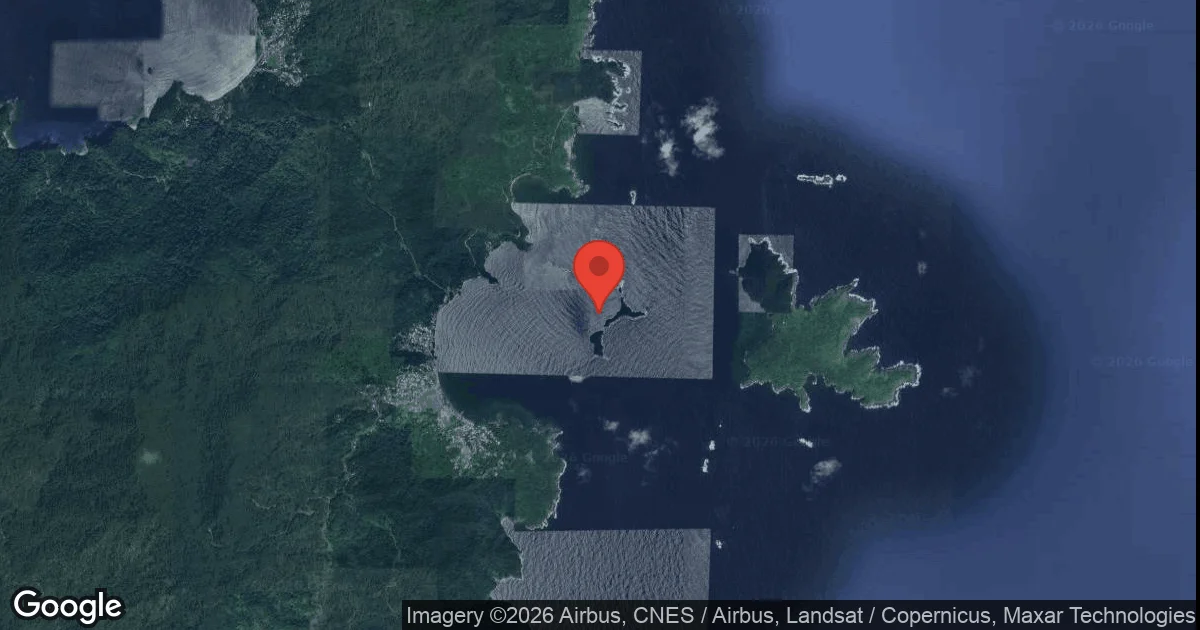
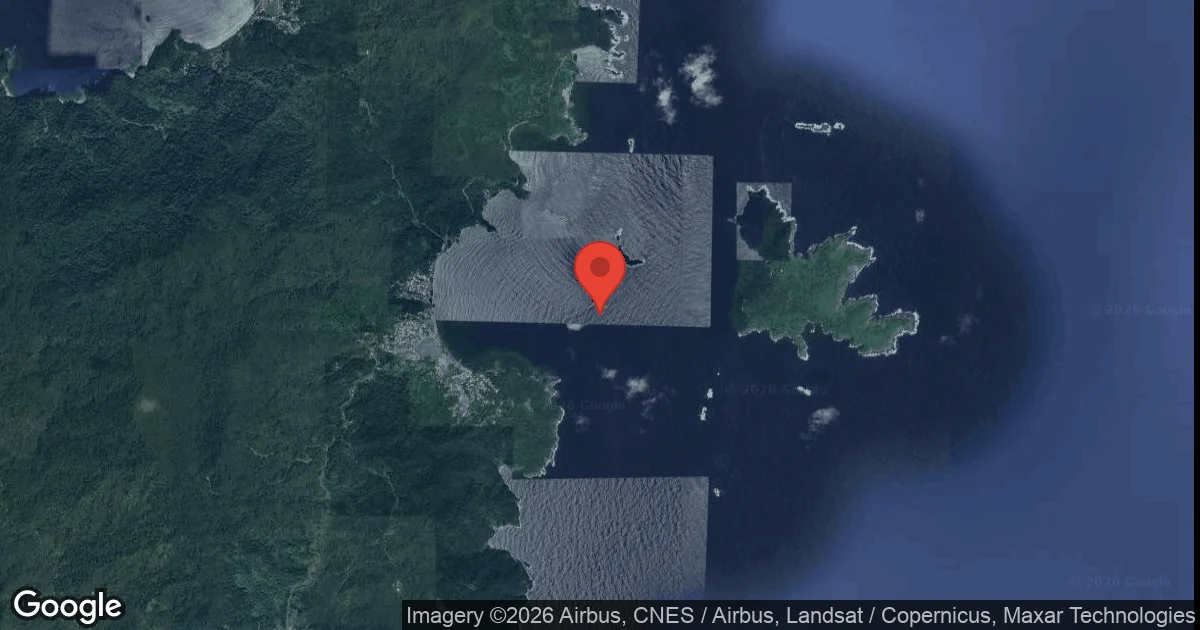
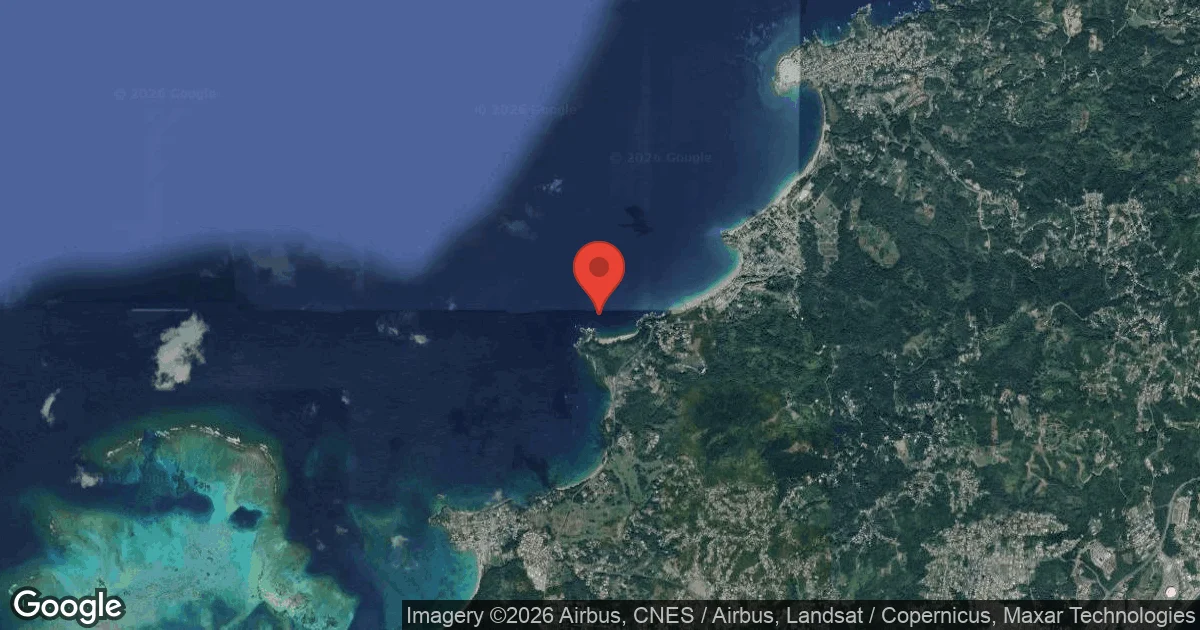
View all dive sites in Trinidad and TobagoDiscover more underwater gems in this area.
Dive Centers Near Rock Beauty Point
No Dive Centers Local To Rock Beauty Point
Are you a dive center visiting this location? Get listed to reach divers.
Nearest Airports
Nearest airports to help plan travel to this dive area.
Search Flights
Check available flights and routes on Expedia, using the nearby airports listed in this section.
Search Flights on ExpediaFrequently Asked Questions
What is the maximum depth at Rock Beauty Point?
The site reaches depths that accommodate advanced open water divers, offering ample exploration in its deeper zones.
What marine life can I expect to see at Rock Beauty Point?
You're likely to see numerous Rock Beauty Angelfish, which give the site its name, along with other reef fish like French angelfish and various wrasse. Stingrays are also occasionally observed in sandy areas around the reef.
What are the typical water temperatures?
Water temperatures are consistently warm, generally hovering around 27°C / 80°F, and can reach up to 29°C / 84°F during the summer months. This comfortable temperature often allows for a lighter wetsuit or even a dive skin.
How is visibility at this dive site?
Visibility at Rock Beauty Point varies, but generally allows for clear views. The clearest conditions are typically found between January and June, outside of the rainy season.
Is Rock Beauty Point suitable for beginner divers?
The site is suitable for PADI Open Water Divers, particularly in shallower areas. However, with its deeper sections, those with advanced certifications will find more to explore beyond the shallower areas.
What type of entry is used for this dive?
Rock Beauty Point is primarily a boat entry dive site. This allows for direct access to the varied reef and its surrounding ocean environment.
Are currents a factor at Rock Beauty Point?
While specific current data for Rock Beauty Point isn't consistently reported, many dive sites in Trinidad and Tobago can experience currents, making drift diving common. Divers should be prepared for potential current and consult local operators for daily conditions.
Planning to dive Rock Beauty Point?
Send one inquiry and receive offers directly from the best verified local dive operators.
Conditions are Good
Optimal conditions expected
Current conditions near Rock Beauty Point show 27° air, 30° sea temperature, 0.9 m waves, and 24 km/h wind. Forecast data is refreshed regularly to ensure accuracy.