
Diving at Flying Reef (Trinidad and Tobago)
Flying Reef is a vibrant, relatively shallow drift dive experience, typically explored between 9-15 m (30-50 ft). Its straight reef edge provides a consistent depth profile, making it accessible for divers seeking an introduction to current diving. The site's character is defined by a gentle flow along the reef, offering an engaging underwater journey.
As evening covers Flying Reef, the local air temperature is measured at 28.5°C. The current wave height at the surface is recorded at 1.1 m. These late-day readings characterize the surface conditions for the night.
Dive Site Location & Key Facts
Dive Site Overview
Divers navigating Flying Reef encounter a ruler-straight reef edge, essentially functioning as a natural conveyor belt. Its underwater topography features rocky ledges and sandy canyons, intricately carved through with diverse coral formations thriving in the consistent flow.
These structures provide vital shelter and foraging opportunities. Divers typically experience a steady, almost effortless 'flying' pace along the reef, a sensation giving the site its evocative name. Reaching a maximum depth of around 15 m (50 ft), shallower sections create dynamic areas of interaction between marine life and the moving water, perfect for extended observation of small reef creatures.
Predominantly a reef dive, a consistent current forms its defining feature, making it highly suitable for those comfortable with active water movement and seeking a predictable trajectory. Varied reef structures provide numerous hiding spots and feeding grounds for a diversity of marine species, all visible as divers glide past.
Observing the interplay between strong current and reef inhabitants adapting to flow offers continuous visual interest as the landscape unfolds.
Conditions are Good
Optimal conditions expected
Current conditions near Flying Reef show 28° air, 29° sea temperature, 1.1 m waves, and 28 km/h wind. Forecast data is refreshed regularly to ensure accuracy.
Best Time to Dive
Focusing on visibility, the period between January and June generally presents the clearest conditions at Flying Reef. During these months, visibility often ranges from 15-25 m (50-80 ft), though it can reach 25 m in February. June to November, however, ushers in rainier conditions which may lead to runoff, potentially impacting underwater clarity. Air temperatures remain consistently warm, averaging between 26.5°C (80°F) in January and 28.5°C (83°F) in September. Rainfall is comparatively low from January to April, with only 1.2-1.8 mm, increasing to higher levels from June through November. While water temperatures generally hover around 26-29°C (79-84°F) year-round, the dryer months tend to offer a more dependable dive experience in terms of visibility.
PEAK SEASON SCORE
Scores combine air & water temps, waves, wind & rainfall for overall conditions.
BEST MONTHS TO DIVE
Monthly records compiled from satellite and marine observation nodes over the last 3 years. Data provided by Open-Meteo and MET Norway.
Dive Experience & Conditions
Entering the water at Flying Reef, divers are often immediately aware of a gentle to moderate current, typically 1-2 knots (1.8-3.7 km/h). Such consistent flow allows for effortless gliding along the reef, giving the sensation of covering significant ground with minimal effort. Water temperature remains consistently warm, generally ranging from 26-29°C (79-84°F), making longer dives comfortable without excessive thermal protection. While visibility can vary, conditions are generally good, averaging 15-25 m (50-80 ft) during drier periods. Divers should be prepared for varying levels of surge, especially in shallower areas. A relaxing journey awaits, requiring divers to maintain buoyancy and enjoy the ride rather than actively finning. Calm surface conditions aid entry and exit, enhancing overall dive safety.
Dive Difficulty & Safety Guidelines
The primary consideration at Flying Reef is managing the current, which is integral to the drift dive experience. Divers should be proficient in drift diving techniques and maintain situational awareness, especially regarding their dive group and the boat. Always ensure you have appropriate signaling devices, such as a surface marker buoy (SMB), for safe ascent and retrieval.
This site, like all reefs, benefits from responsible diving practices; avoid touching coral formations or disturbing marine life. Maintain neutral buoyancy to prevent accidental contact with the delicate ecosystem.
While no specific hazards are consistently reported, practicing conservative dive profiles and adhering to no-decompression limits are always prudent for a safe experience.
Recommended Equipment
Current and surface separation risk. Local briefing strongly recommended.
- Dive Computer
- DSMB
- Reel / Spool
This gear list is based on verified equipment signals for Flying Reef, Trinidad and Tobago. Always confirm final gear choices with your dive operator, guide, or liveaboard.
Recommended Dive Suit
Forecast conditions over the next few days suggest temperatures will remain relatively stable.
Two divers in the same water temperature may experience very different comfort levels. Stronger winds may also make surface intervals feel cooler than usual.
Many divers find that dive skin or rash guard offers the right level of insulation for conditions like these. Consider warmer surface protection (like a boat coat) due to brisk winds. The surrounding waters at Flying Reef are currently registering temperatures of roughly 29°C (85°F). Surface air temperatures are resting at 28°C (83°F).
Emergency & Medical Support
Essential information to help you plan your dive trip to Flying Reef.

Hyperbaric chambers are a critical part of dive safety infrastructure. Availability varies significantly by region, and not all dive areas have immediate access.
Before diving, it's recommended to:
- confirm nearest medical facilities
- check emergency procedures with local dive operators
- ensure dive insurance covers evacuation if required
Divers Alert Network
Diving emergency assistance available through DAN World.
+1-919-684-9111- 24/7 emergency hotline
- Diving medical assistance
- Evacuation coordination
Emergency contacts are provided for reference. Always verify local emergency services before diving.
Marine Life at Flying Reef
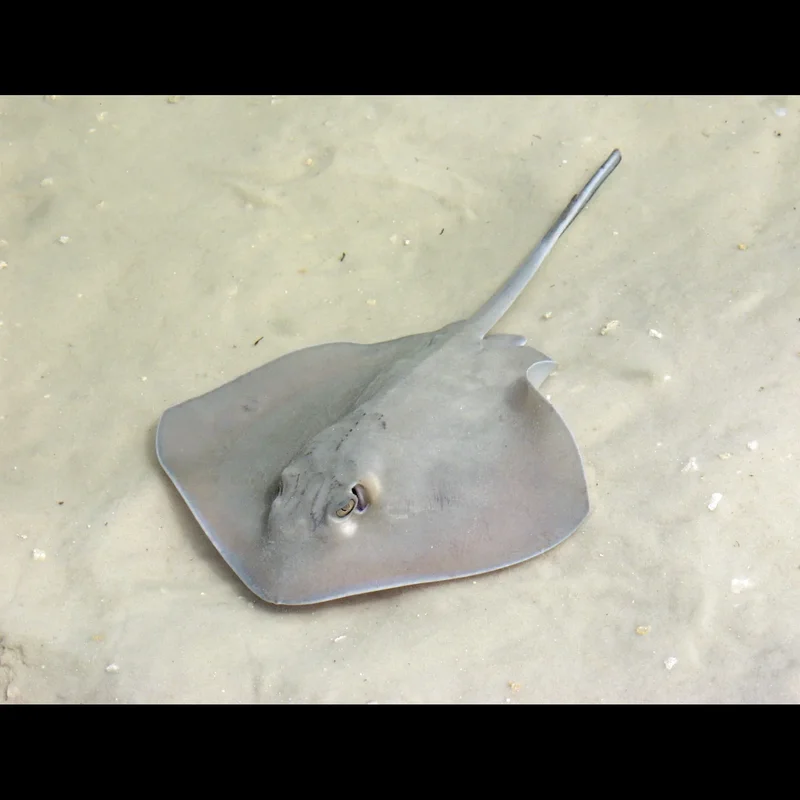
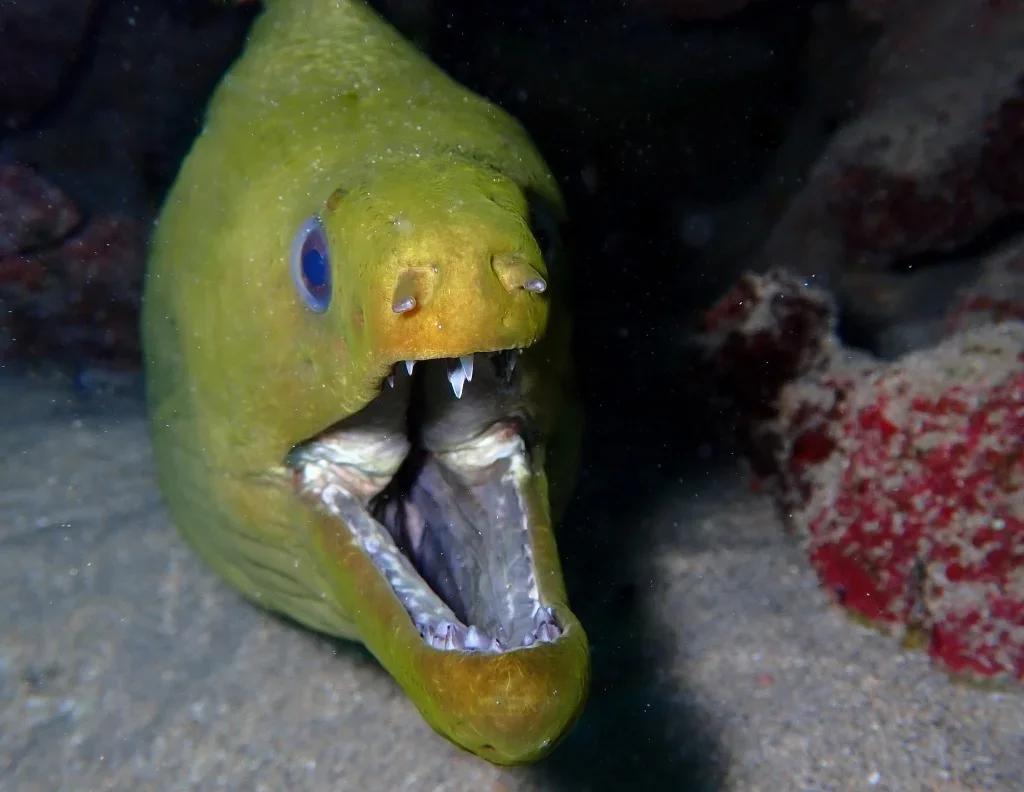
As you drift along the reef's edge, divers commonly notice green moray eels tucked into crevices. Stingrays are often spotted gliding over the sandy bottom adjacent to the reef.
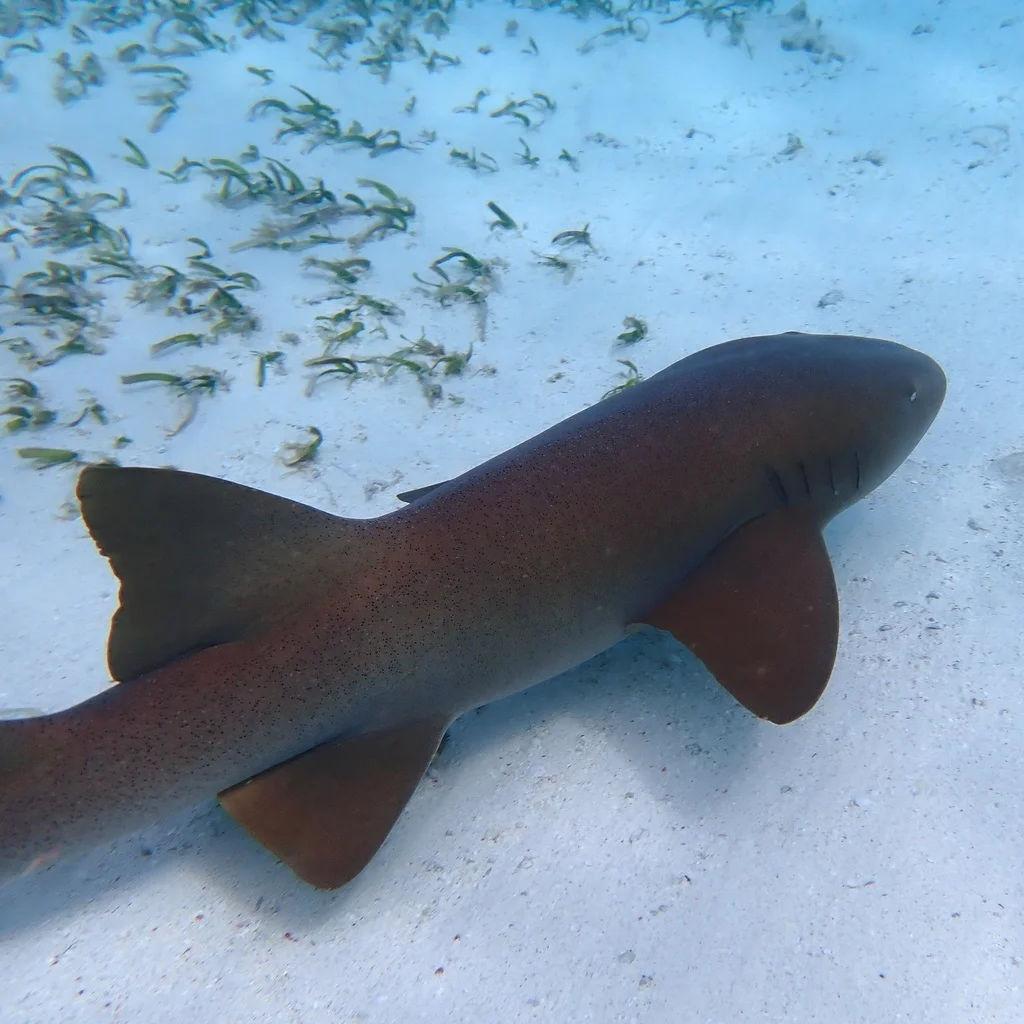
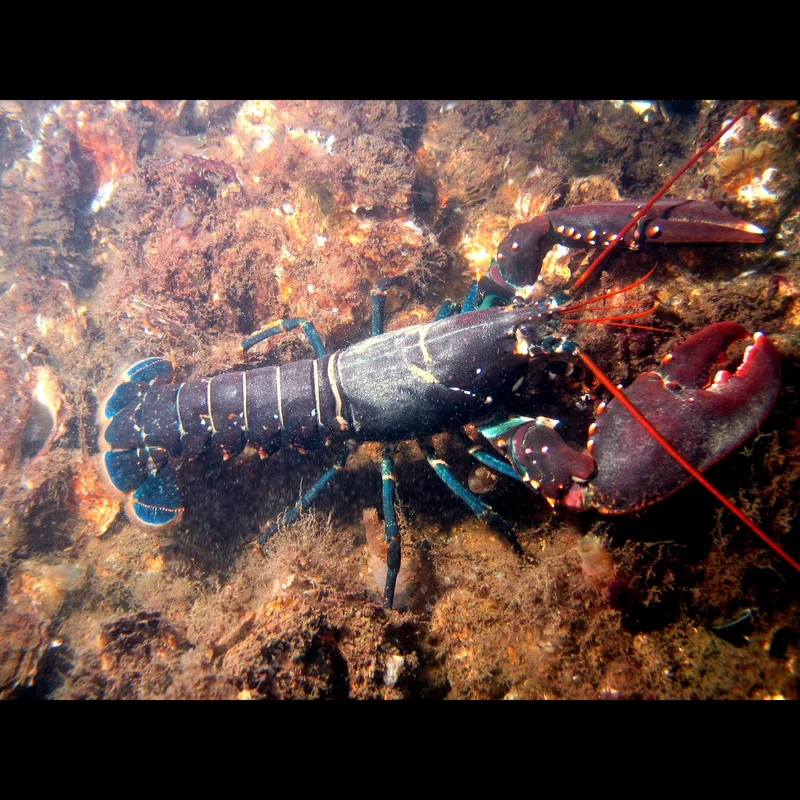
Keep an eye out for various turtles, including the occasional hawksbill, casually navigating the currents. Lobsters hide under ledges, while nurse sharks are sometimes seen resting in the reef structure.
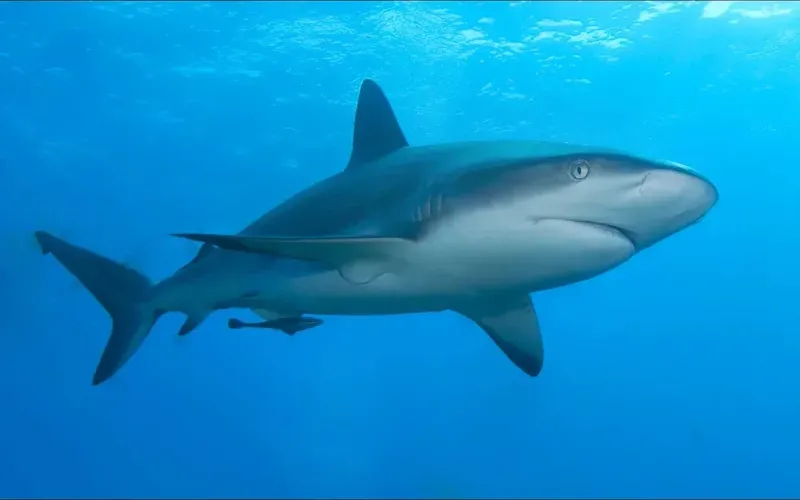
The rare cornet fish may also make an appearance. While a reef shark sighting is less common, the general activity of smaller reef fish and colorful invertebrates provides constant engagement.
Dive Sites Near Flying Reef
View all dive sites in Trinidad and TobagoDiscover more underwater gems in this area.
Dive Centers Near Flying Reef
No Dive Centers Local To Flying Reef
Are you a dive center visiting this location? Get listed to reach divers.
Nearest Airports
Nearest airports to help plan travel to this dive area.
Search Flights
Check available flights and routes on Expedia, using the nearby airports listed in this section.
Search Flights on ExpediaFrequently Asked Questions
What is the typical depth range for diving Flying Reef?
Flying Reef is considered a relatively shallow dive site. Depths typically range between 9-15 m (30-50 ft), making it accessible for various certification levels.
What kind of current can be expected at Flying Reef?
Divers should anticipate a consistent current at Flying Reef, generally ranging from 1-2 knots (1.8-3.7 km/h). This current is what facilitates the site's signature drift diving experience.
When is the best time for good visibility at this dive site?
Visibility is generally best from January to June, with averages often between 15-25 m (50-80 ft). The rainy season from June to November can introduce runoff, potentially reducing clarity.
What marine life is commonly seen at Flying Reef?
Common sightings include green moray eels, stingrays, various types of turtles, lobsters, and nurse sharks. Occasionally, a cornet fish might be observed.
Is Flying Reef suitable for beginner drift divers?
Yes, Flying Reef is often described as a great introduction to drift diving due to its ruler-straight reef edge and consistent current, which makes for a predictable experience.
What are the water temperatures like at Flying Reef?
Water temperatures are consistently warm throughout the year. Divers can expect temperatures to generally hover around 26-29°C (79-84°F).
Planning to dive Flying Reef?
Send one inquiry and receive offers directly from the best verified local dive operators.
Conditions are Good
Optimal conditions expected
Current conditions near Flying Reef show 28° air, 29° sea temperature, 1.1 m waves, and 28 km/h wind. Forecast data is refreshed regularly to ensure accuracy.