
Diving at Amphora Wall (Turkey)
Descending upon Amphora Wall near Fethiye's Peksimet Island, divers trace a history etched into the seabed. This site, named for the broken but distinct ancient clay vessels scattered across its slopes, invites exploration into a maritime past. An entry from a rigid-hulled inflatable boat (RIB) positions divers just behind a rocky promontory, leading into a captivating underwater landscape.
Evening condition tracking at Amphora Wall features an air temperature of 22°C. We have recorded wave heights measuring 0.3 m during this period. These figures outline the environmental parameters currently present.
Dive Site Location & Key Facts
Dive Site Overview
Beginning with a substantial wall, the underwater topography here initially descends to around 12 m / 40 ft, providing a clear reference point for the initial phase of the dive. From this point, the bottom transitions into a gentle slope before reaching a more pronounced drop-off, typically between 20 and 22 meters.
However, the wall continues its descent beyond 30 meters in some areas, inviting deeper exploration for suitably certified divers. Along this varied terrain, divers will find scattered amphorae, many broken but originating from different historical periods, along with a notable old mill stone at shallower depths.
Moving along a northwest trajectory, the site reveals intricate pinnacles, offering opportunities to explore crevices and features. Around 22 meters, a long chain can be spotted, leading towards a modern anchor situated behind a large coral block at 25 meters.
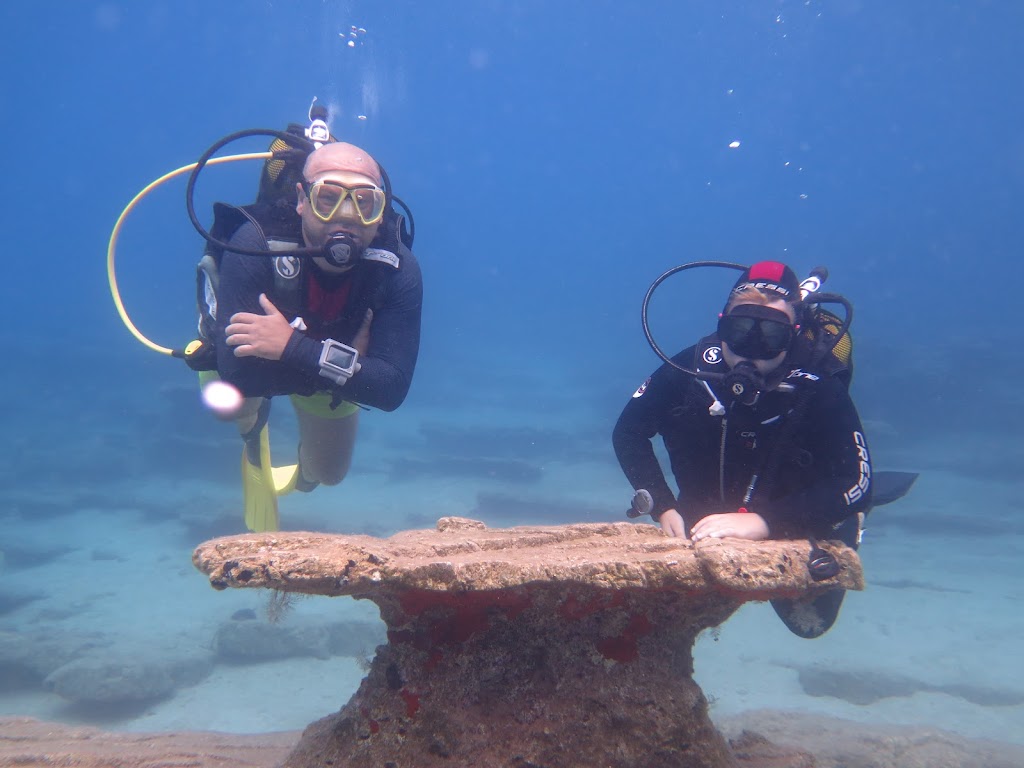
Not far from there, a large table coral rises strikingly in front of two prominent coral towers, behind which an original anchor stick with discernible inscriptions and further remains of the ancient amphorae have been observed, remnants of a historical Turkish ship that once transported mercury, though the spilled mercury is long gone. These historical artifacts add a significant dimension to the underwater exploration.
Conditions are Excellent
07:00 - 14:00
Optimal conditions expected
Current conditions near Amphora Wall show 22° air, 28° sea temperature, 0.6 m waves, and 19 km/h wind. Forecast data is refreshed regularly to ensure accuracy.
Best Time to Dive
While Amphora Wall generally offers good diving conditions year-round, distinct seasonal variations shape the experience. October often stands out with an 'Excellent' dive score, characterized by a pleasant average air temperature around 21°C / 70°F and minimal average rainfall of approximately 1.7 mm. By contrast, the summer months, particularly July and August, present significantly warmer average air temperatures reaching 29-30°C / 84-86°F, with virtually no rain, making surface conditions very comfortable. Cooler months, such as January and February, see average air temperatures drop to 12°C / 54°F, accompanied by higher average rainfall of 4.9-5.9 mm, yet these months still maintain a 'Good' dive score. Water temperature is not consistently reported for this specific site, but generally reflects Mediterranean seasonal shifts. Overall, late spring through early autumn typically provides the most favorable combination of air temperature and calm sea conditions for extended diving comfort.
PEAK SEASON SCORE
Scores combine air & water temps, waves, wind & rainfall for overall conditions.
BEST MONTHS TO DIVE
Monthly records compiled from satellite and marine observation nodes over the last 3 years. Data provided by Open-Meteo and MET Norway.
Dive Experience & Conditions
Exploring Amphora Wall offers a varying depth profile, suitable for different certification levels. Beginner divers can comfortably navigate the initial wall slope, which typically levels out around 12 meters, where some amphorae and the mill stone are found. As the slope deepens, divers can follow the contour down to the 20-22 meter range, where more historical artifacts like the chain, anchor, and coral towers with amphora remnants are located. A drift dive, this site requires good buoyancy control, especially when navigating around coral pinnacles and structures. Visibility here is generally good, enhancing the experience of spotting marine life and scattered relics. Water movement can vary, so preparedness for mild to moderate current is advisable for an optimal experience.
Dive Difficulty & Safety Guidelines
For any wall dive, diligent planning and awareness of your depth and air consumption are paramount. Entry to Amphora Wall is typically from a rigid-hulled inflatable boat (RIB) behind a rocky promontory, necessitating careful entry and exit procedures. While specific hazards aren't consistently reported for this site, the drift dive nature implies potential for currents, which divers should anticipate and manage with appropriate dive techniques.
Respecting the historical significance of the amphorae and other artifacts is crucial; avoid disturbing or attempting to retrieve any items. Maintaining good buoyancy control is key, preventing accidental contact with the delicate coral structures and ensuring a safe dive. A safety stop in a corner of the wall is often part of the planned ascent.
Recommended Equipment
- Dive Computer
- DSMB
This gear list is based on verified equipment signals for Amphora Wall, Turkey. Always confirm final gear choices with your dive operator, guide, or liveaboard.
Recommended Dive Suit
With water temperatures around 28°C (83°F), many divers find a 2-3mm shorty or light wetsuit provides comfortable protection.
Divers performing multiple dives may appreciate slightly warmer protection later in the day.
Surface conditions are expected to warm up slightly in the coming days. A warming trend is expected over the next few days.
Emergency & Medical Support
Essential information to help you plan your dive trip to Amphora Wall.

Hyperbaric chambers are a critical part of dive safety infrastructure. Availability varies significantly by region, and not all dive areas have immediate access.
Before diving, it's recommended to:
- confirm nearest medical facilities
- check emergency procedures with local dive operators
- ensure dive insurance covers evacuation if required
Divers Alert Network
Diving emergency assistance available through DAN Europe.
+39 0642115685- 24/7 emergency hotline
- Diving medical assistance
- Evacuation coordination
Emergency contacts are provided for reference. Always verify local emergency services before diving.
Closest Listed Hyperbaric Chambers
Showing listed hyperbaric chamber facilities within 200 km of this dive site.
Distances are approximate straight-line distances and may not reflect emergency travel time.
DzKK Aksaz Deniz Üssü, Military base chamber
24/7 ListedMugla, Turkey•Approx. 68 km straight-line
DzKK Aksaz Deniz Üssü, Military base chamber
24/7 ListedInformation is provided for reference and planning purposes only. Dive Navigator does not verify operational status, staffing, availability, or quality of care at listed facilities. In an emergency, contact local emergency services, DAN, your dive operator, or the chamber directly. Do not travel to a facility without calling ahead.
Denizli Özel Sağlık Hastanesi
24/7 ListedICU CapableDenizli, Turkey•Approx. 136 km straight-line
Denizli Özel Sağlık Hastanesi
24/7 ListedICU CapableInformation is provided for reference and planning purposes only. Dive Navigator does not verify operational status, staffing, availability, or quality of care at listed facilities. In an emergency, contact local emergency services, DAN, your dive operator, or the chamber directly. Do not travel to a facility without calling ahead.
Sağlık Bilimleri Üniversitesi Antalya Eğitim ve Araştırma Hastanesi
24/7 ListedICU CapableAntalya, Turkey•Approx. 150 km straight-line
Sağlık Bilimleri Üniversitesi Antalya Eğitim ve Araştırma Hastanesi
24/7 ListedICU CapableInformation is provided for reference and planning purposes only. Dive Navigator does not verify operational status, staffing, availability, or quality of care at listed facilities. In an emergency, contact local emergency services, DAN, your dive operator, or the chamber directly. Do not travel to a facility without calling ahead.
Marine Life at Amphora Wall
Focusing on the smaller, often overlooked inhabitants, Amphora Wall hosts a variety of interesting marine life. Divers frequently observe schools of glass fish congregating around the numerous pinnacles.
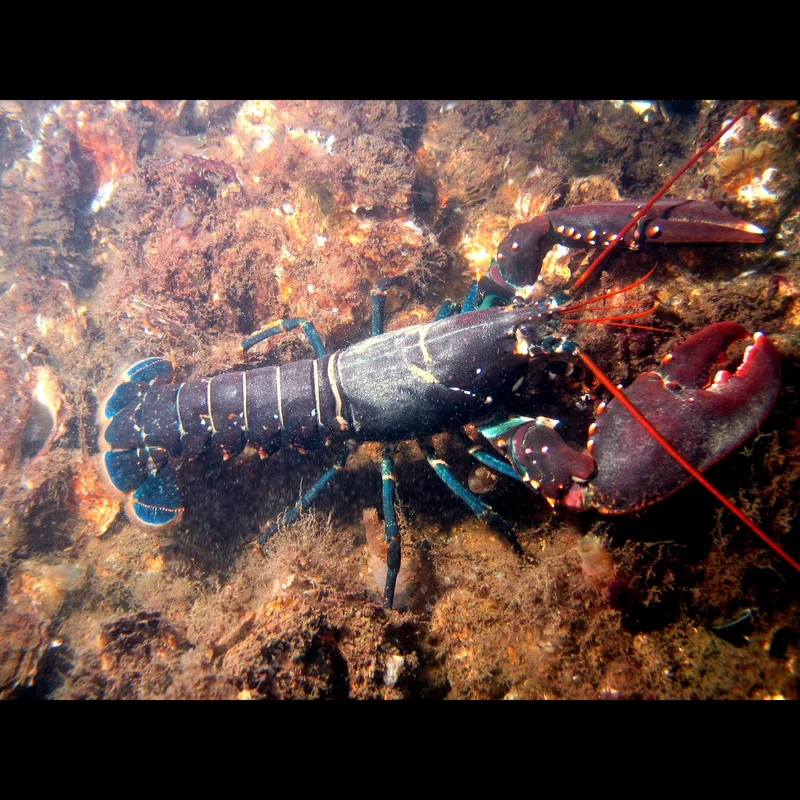
Among the corals and rocky structures, feather stars and starfish are commonly spotted, adding splashes of color to the environment. Keen eyes searching under and around rocks along the northwestern trajectory may also reveal slipper lobsters, making the detailed exploration of the wall and its features particularly rewarding.

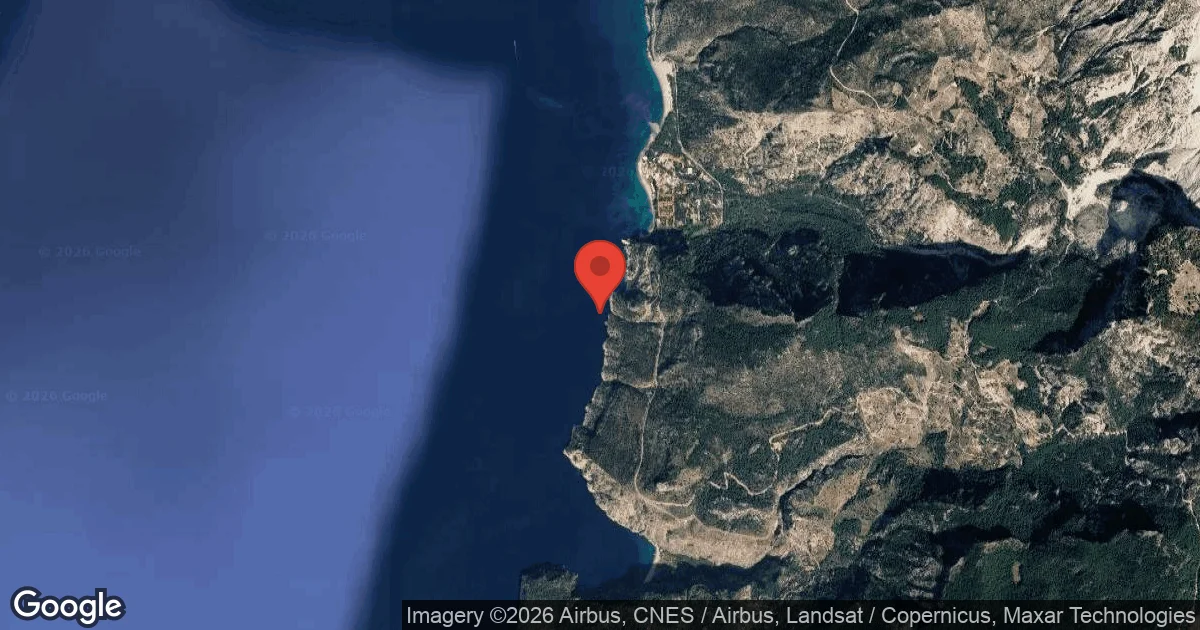
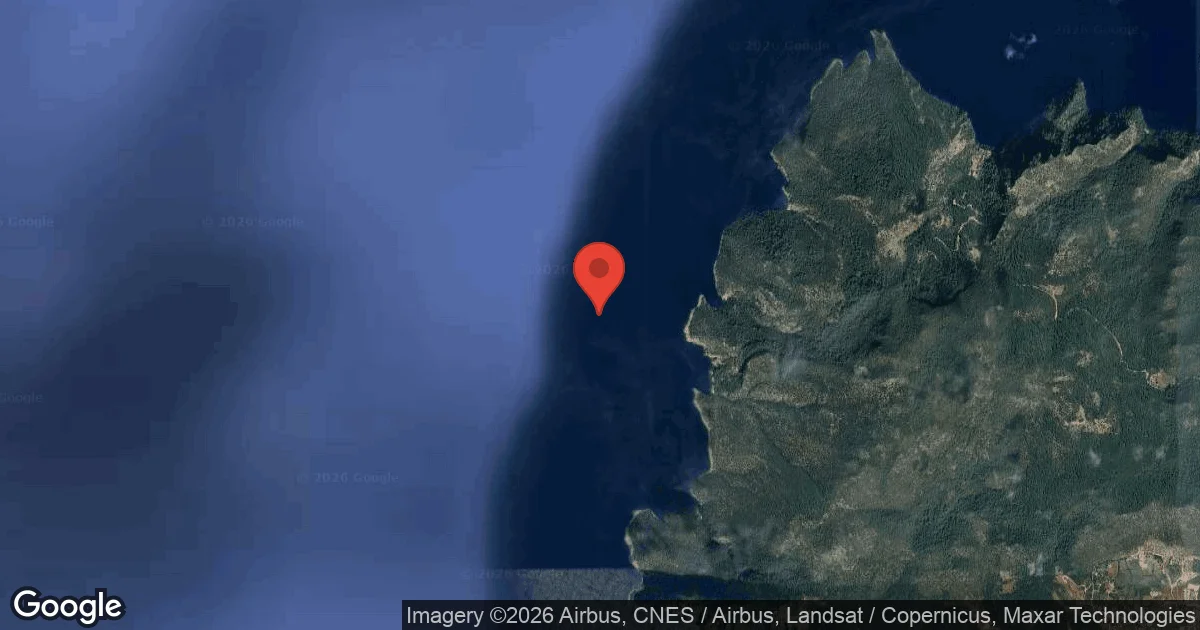
Dive Sites Near Amphora Wall
View all dive sites in TurkeyDiscover more underwater gems in this area.
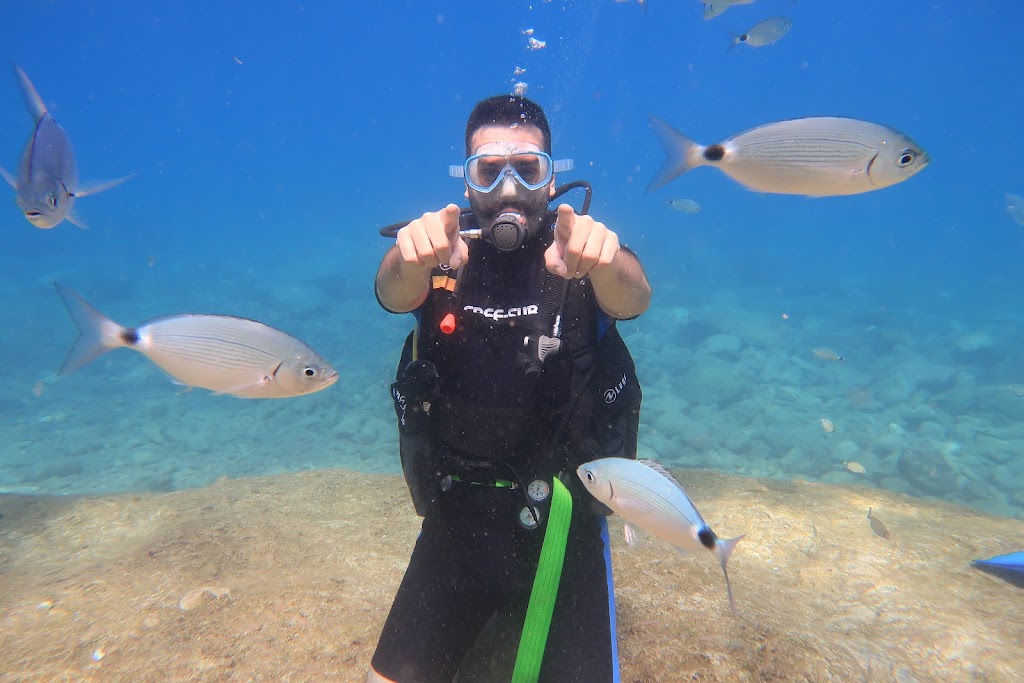
Dive Centers Near Amphora Wall
Today: Open 24 hours

Nearest Airports
Nearest airports to help plan travel to this dive area.
Search Flights
Check available flights and routes on Expedia, using the nearby airports listed in this section.
Search Flights on ExpediaFrequently Asked Questions
What types of historical artifacts can be seen at Amphora Wall?
Divers can observe numerous broken amphorae of various origins, an old mill stone, a long chain leading to a modern anchor, and an original anchor stick with inscriptions, all remnants of ancient maritime trade and shipwrecks.
What is the maximum depth at Amphora Wall?
While the primary exploration area often extends to 20-22 meters, the wall itself continues to descend beyond 30 m / 98 ft, offering deeper sections for advanced divers.
Is Amphora Wall suitable for beginner divers?
Yes, the initial wall and sloping bottom to about 12 meters are suitable for beginners. However, the site is classified as a drift dive, so good buoyancy and comfort with mild currents are beneficial.
What kind of marine life might I encounter?
The site features schools of glass fish, feather stars, starfish, and if you look closely under rocks, you might spot slipper lobsters. The emphasis is on smaller, reef-associated species.
What are the typical water conditions?
Visibility is generally good, making it easy to observe both the historical artifacts and marine life. Water movement can vary, so divers should be prepared for potential mild to moderate currents.
How is entry to the dive site typically made?
Entry is usually made by boat, specifically from a rigid-hulled inflatable boat (RIB), just behind a rocky promontory, which sets the stage for a guided drift dive along the wall.
Is it allowed to touch or collect the amphorae?
No, all historical artifacts, including the amphorae and anchor remains, are protected. Divers must observe them without disturbing or attempting to retrieve any items to preserve the site's integrity.
What training is recommended for this site?
The site is noted as good for PADI Advanced Open Water Diver and PADI Underwater Photographer training, enhancing skills relevant to drift diving, navigation, and capturing the unique historical elements.
Planning to dive Amphora Wall?
Send one inquiry and receive offers directly from the best verified local dive operators.
Conditions are Excellent
07:00 - 14:00
Optimal conditions expected
Current conditions near Amphora Wall show 22° air, 28° sea temperature, 0.6 m waves, and 19 km/h wind. Forecast data is refreshed regularly to ensure accuracy.