
Diving at Small Reef/Three Tunnels (Turkey)
Small Reef, also known as Three Tunnels, presents a distinctive underwater landscape near Fethiye. Divers navigate a series of natural tunnels and follow an impressive wall that plunges to 40 m / 131 ft. Characterized by geological formations, the site features narrow cavities and extended passages. Its topography creates a dynamic environment for exploration, contrasting shallows with deeper structural elements.
Tonight's objective overview for Small Reef/Three Tunnels shows an air temperature of 24°C. The measured surface conditions include wave heights around 0.6 m. This environmental data is logged for the close of the day.
Dive Site Location & Key Facts
Dive Site Overview
Embark on an exploration of Small Reef/Three Tunnels, a captivating dive site situated just two miles from Fethiye harbour. Known for its network of submerged tunnels and an extensive wall, the location provides a journey through marine architecture.
Divers typically begin their descent in the shallows near Aziz Aga bay, where a reef gradually slopes before giving way to a prominent wall. As you progress westwards, depths increase from around 12-15 m, leading directly to the main wall structure. Several distinct tunnels define the topography.
One tunnel measures 7-8 m long with an entrance around 30 m. Following this, an inverted V-shaped tunnel extends about 10-12 m.
Two shorter tunnels are also found at shallower depths, around 17-19 m. These passages offer an engaging experience, guiding divers through natural rock formations.
Beyond the tunnels, a deep wall reaching over 40 m continues the dive, where two narrow cavities at roughly 35 m require single-person entry. Combining elements of reef diving with cavern exploration, the site offers a varied underwater adventure.
Conditions are Excellent
07:00 - 14:00
Optimal conditions expected
Current conditions near Small Reef/Three Tunnels show 24° air, 28° sea temperature, 0.5 m waves, and 14 km/h wind. Forecast data is refreshed regularly to ensure accuracy.
Best Time to Dive
Optimal visibility and comfortable diving conditions characterize the summer and early autumn months at Small Reef/Three Tunnels. From June to October, the area generally experiences excellent dive scores, coinciding with low rainfall and higher air temperatures. For instance, June offers air temperatures averaging 27°C / 81°F with minimal rain (0.38 mm), while September and October maintain similar favorable patterns with air temperatures around 26°C / 79°F and 21.5°C / 71°F respectively, alongside low rainfall figures of 1.36 mm and 1.68 mm. During these periods, wave heights are typically lower, contributing to calm sea states that enhance water clarity, which is crucial for navigating the site's intricate tunnels and observing marine life along the wall. While good diving conditions extend year-round, these warmer months consistently provide the most agreeable surface conditions and optimal light penetration for exploring the deeper sections and cavities. Visibility can vary, but generally remains excellent during periods of settled weather, allowing for clear views of the rock formations and potential sightings of stingrays on the sandy bottom.
PEAK SEASON SCORE
Scores combine air & water temps, waves, wind & rainfall for overall conditions.
BEST MONTHS TO DIVE
Monthly records compiled from satellite and marine observation nodes over the last 3 years. Data provided by Open-Meteo and MET Norway.
Dive Experience & Conditions
An initial descent into shallower reef areas defines the start of a a dive, transitioning into a prominent wall structure. Following the wall to the west reveals depths reaching 20-25 m before extending further down. Divers experience a staged exploration, moving from open reef to more dramatic vertical topography. Navigating the series of tunnels and cavities forms a key aspect of this site. Divers can traverse a 7-8 m passage, followed by a distinct inverted V-shaped tunnel, and then two shorter passages found around 17-19 m. Careful buoyancy control is demanded by such geological formations. Current conditions are not consistently reported but are generally mild in sheltered areas. Water temperatures in the Mediterranean vary depending on the season, with warmer conditions in summer.
Dive Difficulty & Safety Guidelines
Navigating the unique formations at Small Reef/Three Tunnels presents specific considerations for divers. Entering the narrower cavities, particularly those found at roughly 35 m, requires advanced skills and careful judgment, as these are best traversed individually.
Proper buoyancy control is essential throughout the dive, especially when exploring the longer tunnels and navigating along the sheer wall. Divers planning to explore the tunnels should carry a dive torch to illuminate the darker sections and enhance visibility within these overhead environments.
Adherence to PADI Standard Safe Diving Practices is always recommended, and consulting a local dive professional familiar with the site's present conditions is advisable. While no specific hazards are reported, awareness of your surroundings and a buddy system are crucial for a safe experience.
Recommended Equipment
Overhead / entanglement risk. Wreck penetration requires proper training.
Overhead environment. Do not enter beyond training and gas planning limits.
- Dive Computer
- DSMB
- Primary & Backup Lights
- Wreck Reel
- Reel / Spool
- Cutting Tool
This gear list is based on verified equipment signals for Small Reef/Three Tunnels, Turkey. Always confirm final gear choices with your dive operator, guide, or liveaboard.
Recommended Dive Suit
Thermal protection such as 2-3mm shorty or light wetsuit is commonly used for water temperatures in this range.
Current readings at Small Reef/Three Tunnels show water temperatures near 28°C (83°F). Surface air temperatures are resting at 24°C (75°F).
Environmental models indicate a modest warming trend ahead. A warming trend is expected over the next few days.
Emergency & Medical Support
Essential information to help you plan your dive trip to Small Reef/Three Tunnels.

Hyperbaric chambers are a critical part of dive safety infrastructure. Availability varies significantly by region, and not all dive areas have immediate access.
Before diving, it's recommended to:
- confirm nearest medical facilities
- check emergency procedures with local dive operators
- ensure dive insurance covers evacuation if required
Divers Alert Network
Diving emergency assistance available through DAN Europe.
+39 0642115685- 24/7 emergency hotline
- Diving medical assistance
- Evacuation coordination
Emergency contacts are provided for reference. Always verify local emergency services before diving.
Closest Listed Hyperbaric Chambers
Showing listed hyperbaric chamber facilities within 200 km of this dive site.
Distances are approximate straight-line distances and may not reflect emergency travel time.
DzKK Aksaz Deniz Üssü, Military base chamber
24/7 ListedMugla, Turkey•Approx. 63 km straight-line
DzKK Aksaz Deniz Üssü, Military base chamber
24/7 ListedInformation is provided for reference and planning purposes only. Dive Navigator does not verify operational status, staffing, availability, or quality of care at listed facilities. In an emergency, contact local emergency services, DAN, your dive operator, or the chamber directly. Do not travel to a facility without calling ahead.
Denizli Özel Sağlık Hastanesi
24/7 ListedICU CapableDenizli, Turkey•Approx. 131 km straight-line
Denizli Özel Sağlık Hastanesi
24/7 ListedICU CapableInformation is provided for reference and planning purposes only. Dive Navigator does not verify operational status, staffing, availability, or quality of care at listed facilities. In an emergency, contact local emergency services, DAN, your dive operator, or the chamber directly. Do not travel to a facility without calling ahead.
Sağlık Bilimleri Üniversitesi Antalya Eğitim ve Araştırma Hastanesi
24/7 ListedICU CapableAntalya, Turkey•Approx. 151 km straight-line
Sağlık Bilimleri Üniversitesi Antalya Eğitim ve Araştırma Hastanesi
24/7 ListedICU CapableInformation is provided for reference and planning purposes only. Dive Navigator does not verify operational status, staffing, availability, or quality of care at listed facilities. In an emergency, contact local emergency services, DAN, your dive operator, or the chamber directly. Do not travel to a facility without calling ahead.
Marine Life at Small Reef/Three Tunnels
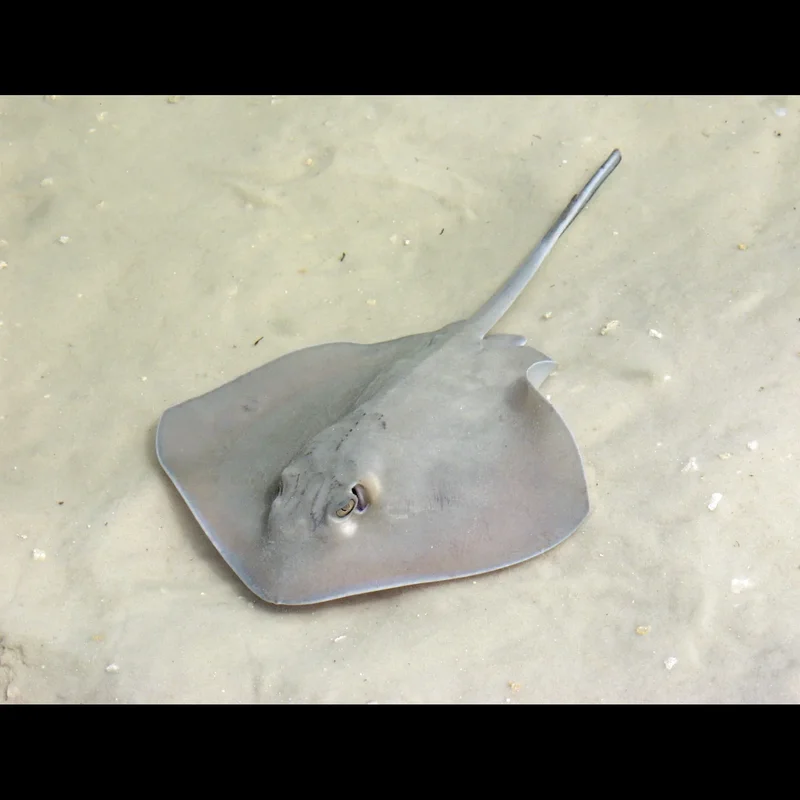
A variety of marine life inhabits the underwater landscape at Small Reef/Three Tunnels, particularly in sandy areas and within protective reef nooks. Divers frequently encounter stingrays, which are often well-camouflaged against the sandy bottom, particularly near triangular formations.
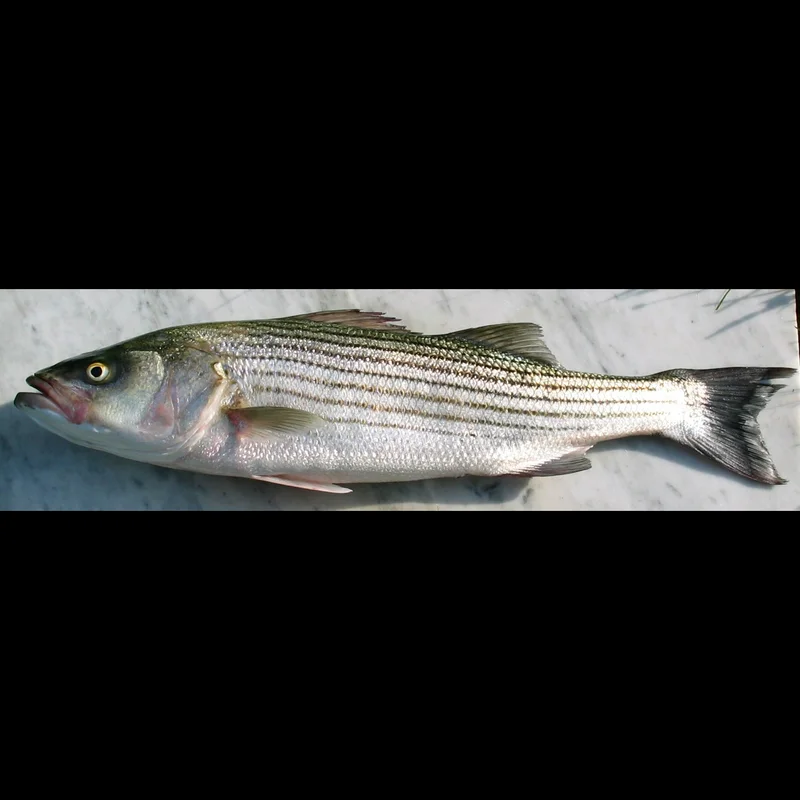
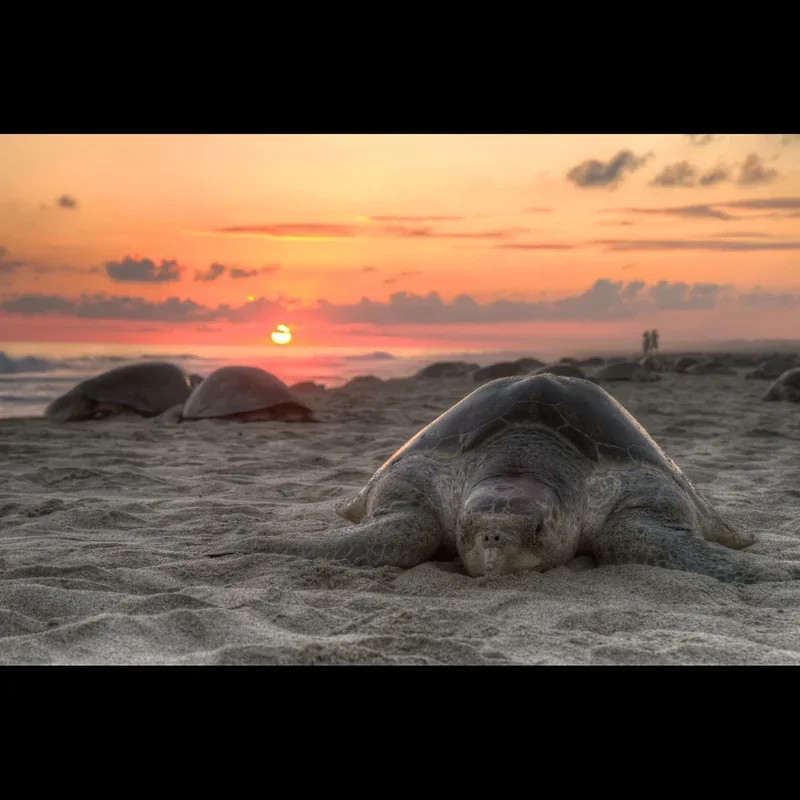
Sea turtles are also regularly observed navigating the site. Closer to Aziz Aga bay, shallows are bustling with activity, featuring schools of fish like earrings, melanuria, and black bass.
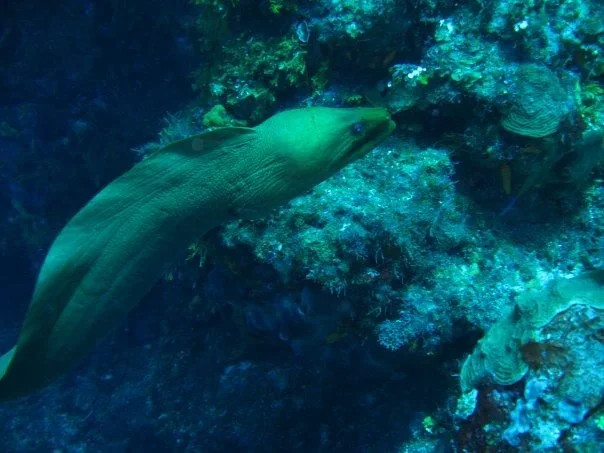
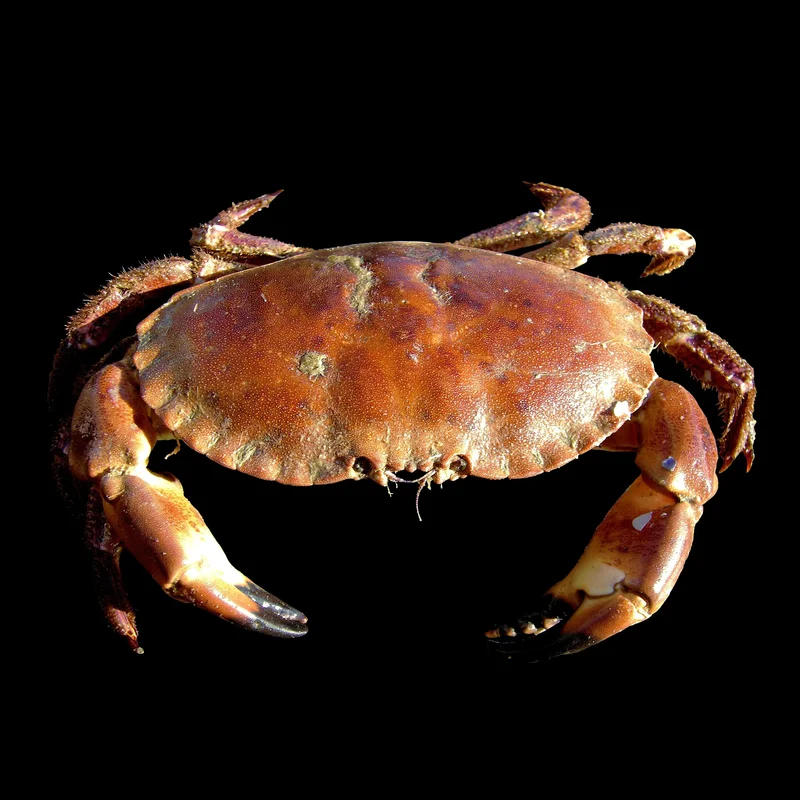
While traversing the reef and wall, divers might also spot moray eels, octopus, and crabs, making for a dive rich in observable fauna.
Dive Sites Near Small Reef/Three Tunnels
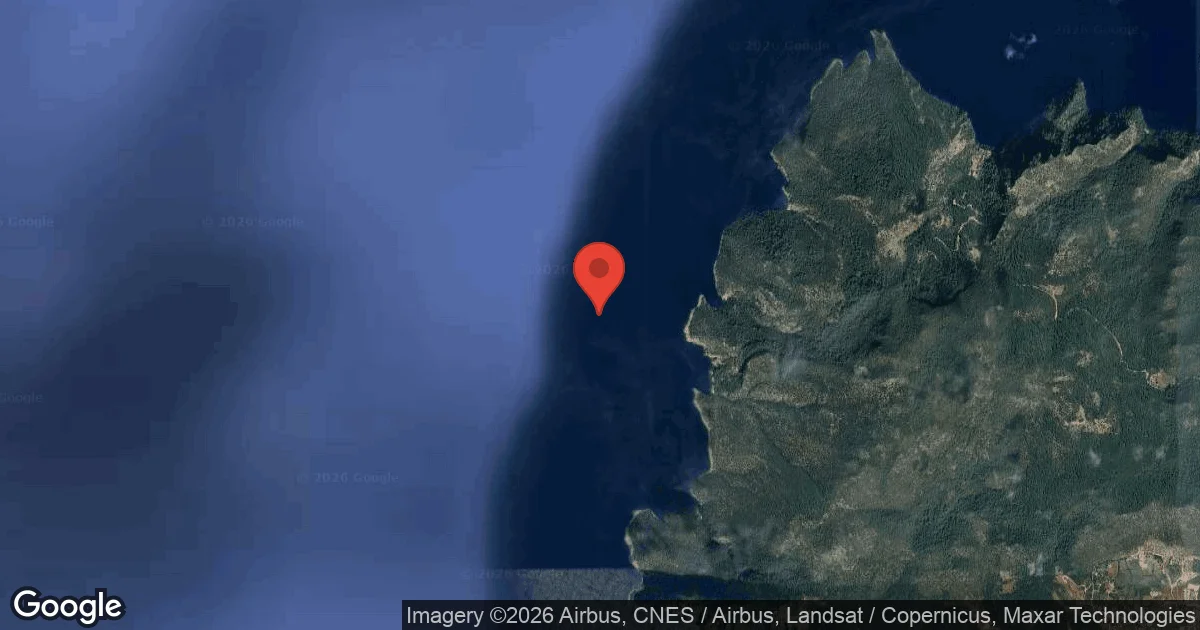
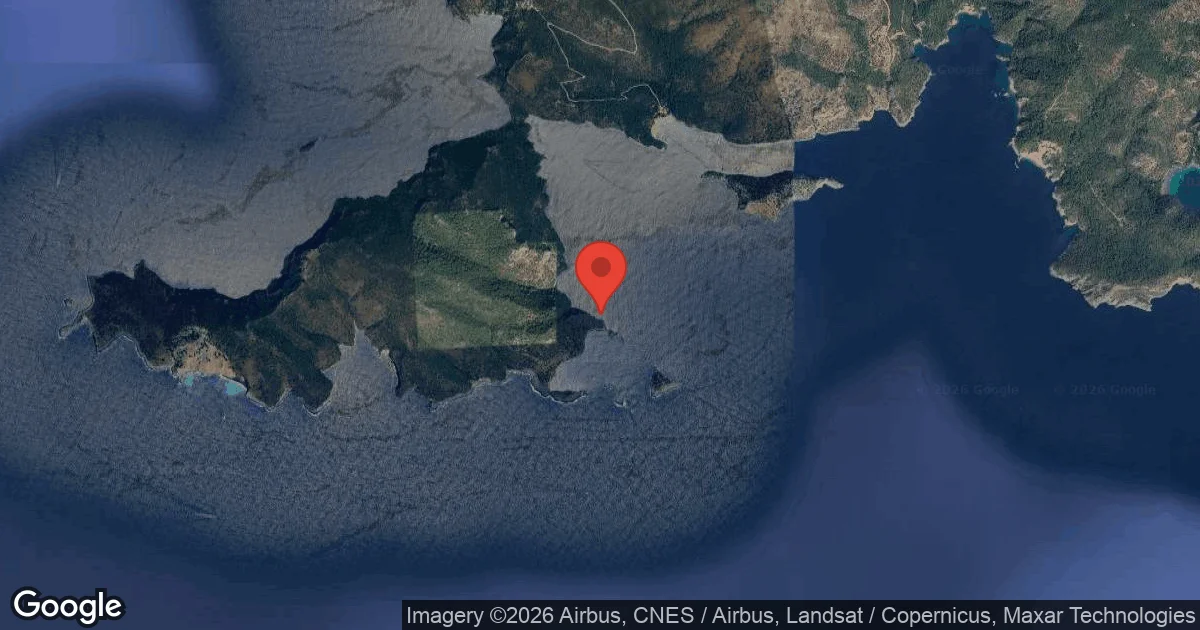
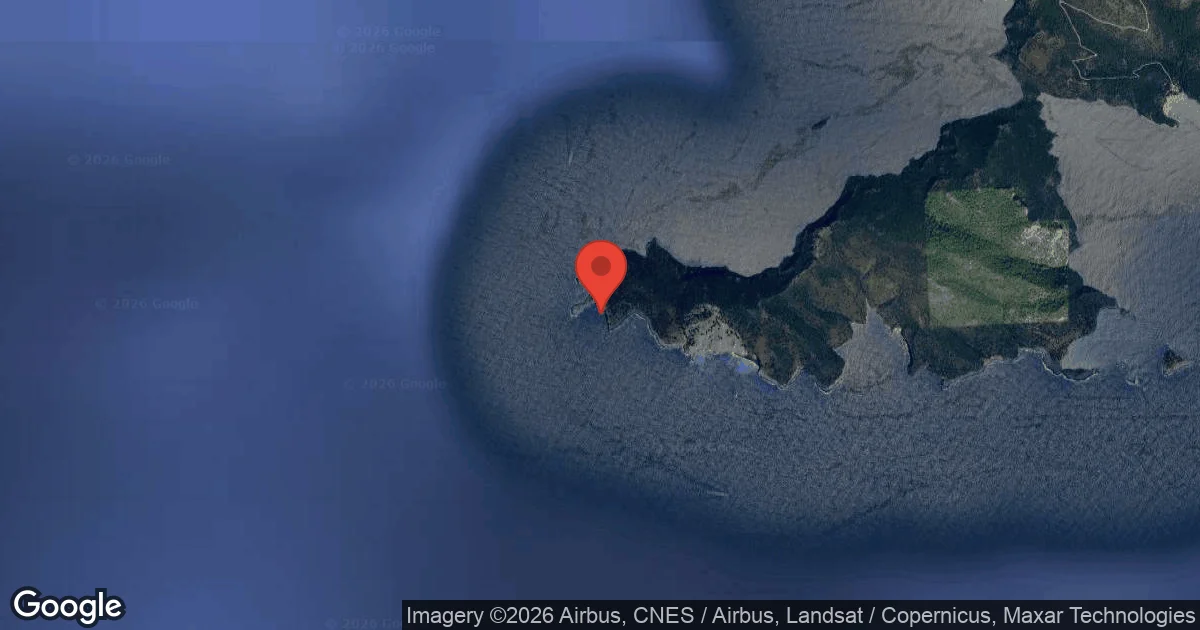
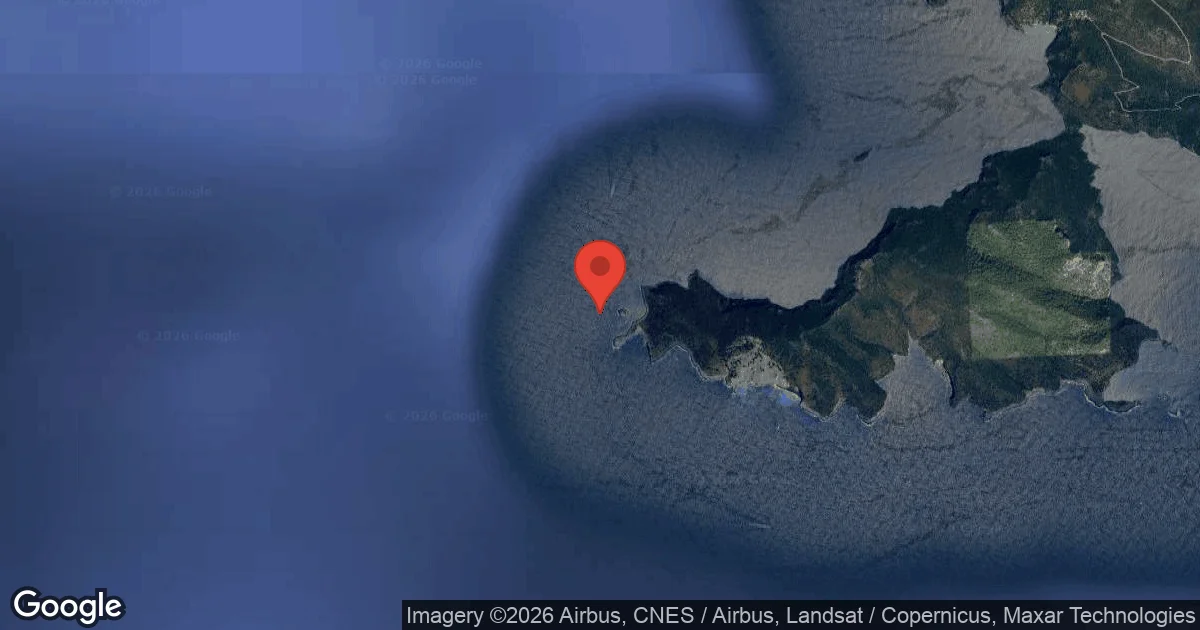
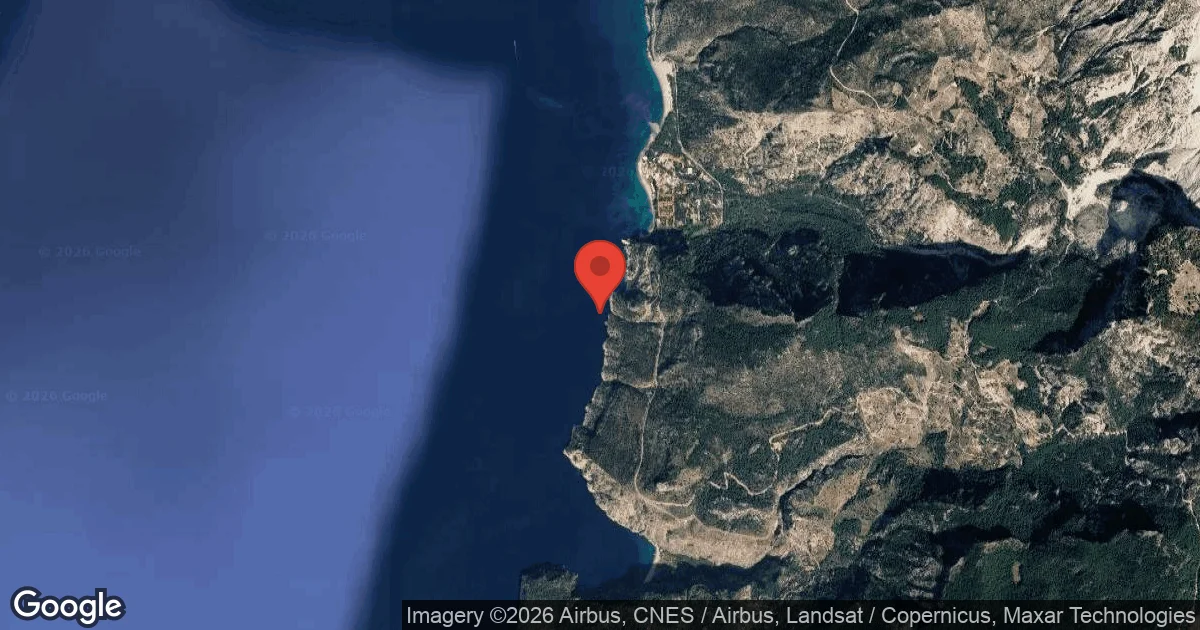
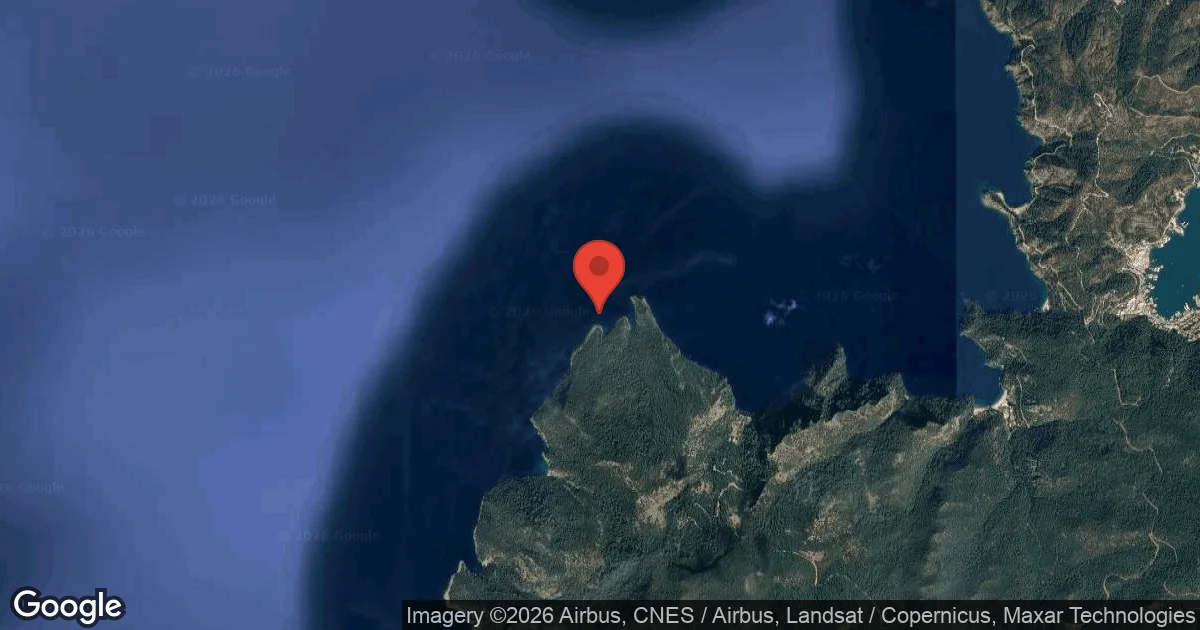
View all dive sites in TurkeyDiscover more underwater gems in this area.
Dive Centers Near Small Reef/Three Tunnels
Today: Open 24 hours
Nearest Airports
Nearest airports to help plan travel to this dive area.
Search Flights
Check available flights and routes on Expedia, using the nearby airports listed in this section.
Search Flights on ExpediaFrequently Asked Questions
What is the maximum depth at Small Reef/Three Tunnels?
The main wall extends to a maximum depth of 40 m / 131 ft, although the tunnel entrances and other reef sections are found at shallower depths, starting around 12-15 m.
Are the tunnels suitable for all divers?
The tunnels vary in length and depth. Some sections, especially the narrower cavities at 35 m, are best suited for experienced divers comfortable with overhead environments and good buoyancy control.
What marine life can I expect to see?
Divers frequently encounter stingrays and sea turtles on the sandy bottoms. The bay area is home to schools of earrings, melanuria, and black bass, with moray eels, octopus, and crabs also present on the reef.
Do I need special equipment for this dive site?
A dive computer is standard, and a dive torch is highly recommended for exploring the tunnels and cavities to illuminate their interiors effectively.
How do I get to Small Reef/Three Tunnels?
The site is typically accessed by boat, located just two miles from Fethiye harbour, with dives often starting in the shallows near Aziz Aga bay.
What are the water temperatures like?
Water temperatures in the Mediterranean typically range from cooler in winter to quite warm in summer and early autumn. Specific data isn't consistently reported, but summer months generally offer the most comfortable conditions.
Is there much current at this site?
Currents at Small Reef/Three Tunnels are not consistently reported, but typically in similar reef environments, they can vary. Sheltered areas near the reef or inside tunnels usually experience milder conditions.
Planning to dive Small Reef/Three Tunnels?
Send one inquiry and receive offers directly from the best verified local dive operators.
Conditions are Excellent
07:00 - 14:00
Optimal conditions expected
Current conditions near Small Reef/Three Tunnels show 24° air, 28° sea temperature, 0.5 m waves, and 14 km/h wind. Forecast data is refreshed regularly to ensure accuracy.