
Diving at Big Reef/Dalyan Reef (Turkey)
Big Reef/Dalyan Reef presents a rewarding challenge for experienced Open Water divers, Advanced Divers, and those with higher certifications. This site calls for robust buoyancy control and environmental awareness, particularly due to the sometimes strong currents. Divers with a knack for deeper exploration will appreciate the opportunities to encounter larger marine species in its lower reaches, making it suitable for those comfortable pushing their limits.
As evening covers Big Reef/Dalyan Reef, the local air temperature is measured at 23°C. The current wave height at the surface is recorded at 0.4 m. These late-day readings characterize the surface conditions for the night.
Dive Site Location & Key Facts
Dive Site Overview
Just a brief boat ride from Bodrum, Big Reef, also known as Dalyan Reef, emerges as a significant underwater landmark, challenging divers with its distinctive hill formation and a substantial drop-off. This imposing wedge-shaped reef, approximately 500 m / 1640 ft offshore, presents a compelling profile.
The reef's summit typically starts between 5 m / 16 ft and 12 m / 39 ft, often serving as a descent point via the anchor chain. From here, divers can embark on a compelling exploration, frequently navigating a circular path dictated by prevailing currents. The panoramic underwater vistas are notable, providing extensive exploration opportunities of the surrounding marine environment.
A key feature is the dramatic wall, facing Black Island, which plunges from shallower depths to around 34 meters, with some areas extending deeper to 40 meters. This expansive topography, coupled with a reported rich biodiversity, creates a dynamic dive profile where marine encounters can vary from the shallow reef top to the deeper wall.
Conditions are Excellent
07:00 - 14:00
Optimal conditions expected
Current conditions near Big Reef/Dalyan Reef show 23° air, 28° sea temperature, 0.5 m waves, and 15 km/h wind. Forecast data is refreshed regularly to ensure accuracy.
Best Time to Dive
Conditions are paramount when planning a dive at Big Reef, with the months of June, September, and October frequently rated as excellent. During these periods, air temperatures average around 21-27°C / 70-81°F, often accompanied by minimal rainfall, typically less than 2 mm. These months also tend to exhibit some of the calmest sea states, with average wave heights remaining below 0.5 meters. While diving is considered good year-round, these specific months often provide the clearest visibility and most comfortable conditions, enhancing the overall dive experience. Divers can anticipate a favorable environment for exploration during this window, benefiting from stable weather patterns and reduced water movement.
PEAK SEASON SCORE
Scores combine air & water temps, waves, wind & rainfall for overall conditions.
BEST MONTHS TO DIVE
Monthly records compiled from satellite and marine observation nodes over the last 3 years. Data provided by Open-Meteo and MET Norway.
Dive Experience & Conditions
Descending at Big Reef provides a distinct feeling of entering a dynamic environment. Upon reaching the reef top, often around 7 to 12 meters, divers frequently encounter currents that can dictate the dive's flow, necessitating good buoyancy and finning technique. A common approach involves navigating a circular path, exploring along the wall that drops dramatically. The water temperature typically ranges between 22-27°C / 72-81°F during warmer months, which is comfortable. Visibility, when optimal, unveils extensive underwater panoramas, highlighting the reef's varied topography. Deeper sections often feel more remote and expansive, potentially offering sightings of larger pelagics.
Dive Difficulty & Safety Guidelines
Navigating Big Reef requires a mindful approach, particularly due to the presence of strong currents. Divers should possess excellent buoyancy control and maintain constant awareness of their surroundings. This site is best suited for experienced Open Water Divers, Advanced Divers, or those with deeper diving certifications, as parts of the reef extend to significant depths, reaching beyond 30 meters and potentially 40 meters in some areas.
Always plan your route in consideration of the current and ensure sufficient gas management for a mandatory safety stop, often performed mid-water. Engaging with a local dive center is crucial for current conditions and site-specific guidance.
Recommended Equipment
Deep dive hazard. Increased narcosis and gas consumption risk.
- Dive Computer
- DSMB
- Primary & Backup Lights
This gear list is based on verified equipment signals for Big Reef/Dalyan Reef, Turkey. Always confirm final gear choices with your dive operator, guide, or liveaboard.
Recommended Dive Suit
In conditions like these, many divers prefer diving with 2-3mm shorty or light wetsuit. Surface intervals may feel cooler.
Divers entering the water at Big Reef/Dalyan Reef today can expect temperatures near 28°C (83°F) beneath the surface. Surface air temperatures are resting at 23°C (73°F).
Environmental models indicate a modest warming trend ahead. A warming trend is expected over the next few days.
Emergency & Medical Support
Essential information to help you plan your dive trip to Big Reef/Dalyan Reef.

Hyperbaric chambers are a critical part of dive safety infrastructure. Availability varies significantly by region, and not all dive areas have immediate access.
Before diving, it's recommended to:
- confirm nearest medical facilities
- check emergency procedures with local dive operators
- ensure dive insurance covers evacuation if required
Divers Alert Network
Diving emergency assistance available through DAN Europe.
+39 0642115685- 24/7 emergency hotline
- Diving medical assistance
- Evacuation coordination
Emergency contacts are provided for reference. Always verify local emergency services before diving.
Closest Listed Hyperbaric Chambers
Showing listed hyperbaric chamber facilities within 200 km of this dive site.
Distances are approximate straight-line distances and may not reflect emergency travel time.
DzKK Aksaz Deniz Üssü, Military base chamber
24/7 ListedMugla, Turkey•Approx. 62 km straight-line
DzKK Aksaz Deniz Üssü, Military base chamber
24/7 ListedInformation is provided for reference and planning purposes only. Dive Navigator does not verify operational status, staffing, availability, or quality of care at listed facilities. In an emergency, contact local emergency services, DAN, your dive operator, or the chamber directly. Do not travel to a facility without calling ahead.
Denizli Özel Sağlık Hastanesi
24/7 ListedICU CapableDenizli, Turkey•Approx. 130 km straight-line
Denizli Özel Sağlık Hastanesi
24/7 ListedICU CapableInformation is provided for reference and planning purposes only. Dive Navigator does not verify operational status, staffing, availability, or quality of care at listed facilities. In an emergency, contact local emergency services, DAN, your dive operator, or the chamber directly. Do not travel to a facility without calling ahead.
Sağlık Bilimleri Üniversitesi Antalya Eğitim ve Araştırma Hastanesi
24/7 ListedICU CapableAntalya, Turkey•Approx. 152 km straight-line
Sağlık Bilimleri Üniversitesi Antalya Eğitim ve Araştırma Hastanesi
24/7 ListedICU CapableInformation is provided for reference and planning purposes only. Dive Navigator does not verify operational status, staffing, availability, or quality of care at listed facilities. In an emergency, contact local emergency services, DAN, your dive operator, or the chamber directly. Do not travel to a facility without calling ahead.
Marine Life at Big Reef/Dalyan Reef
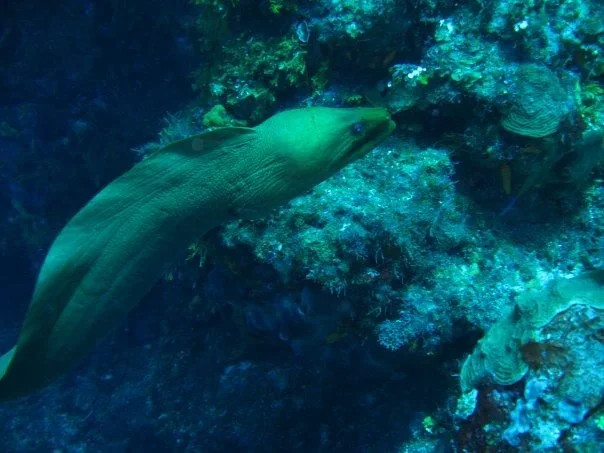
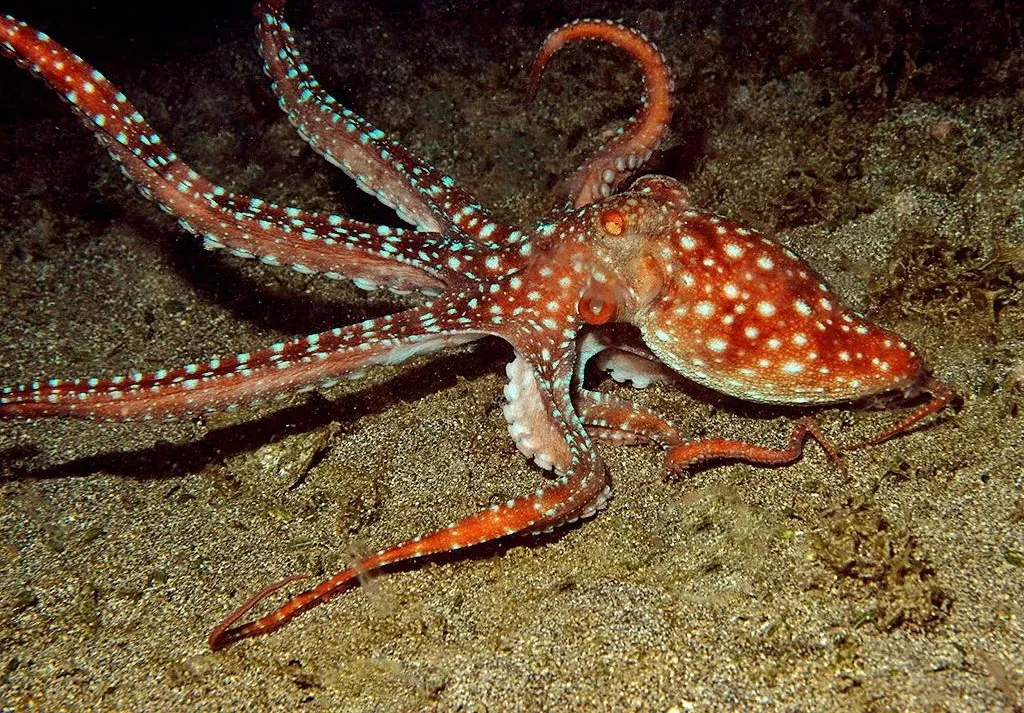
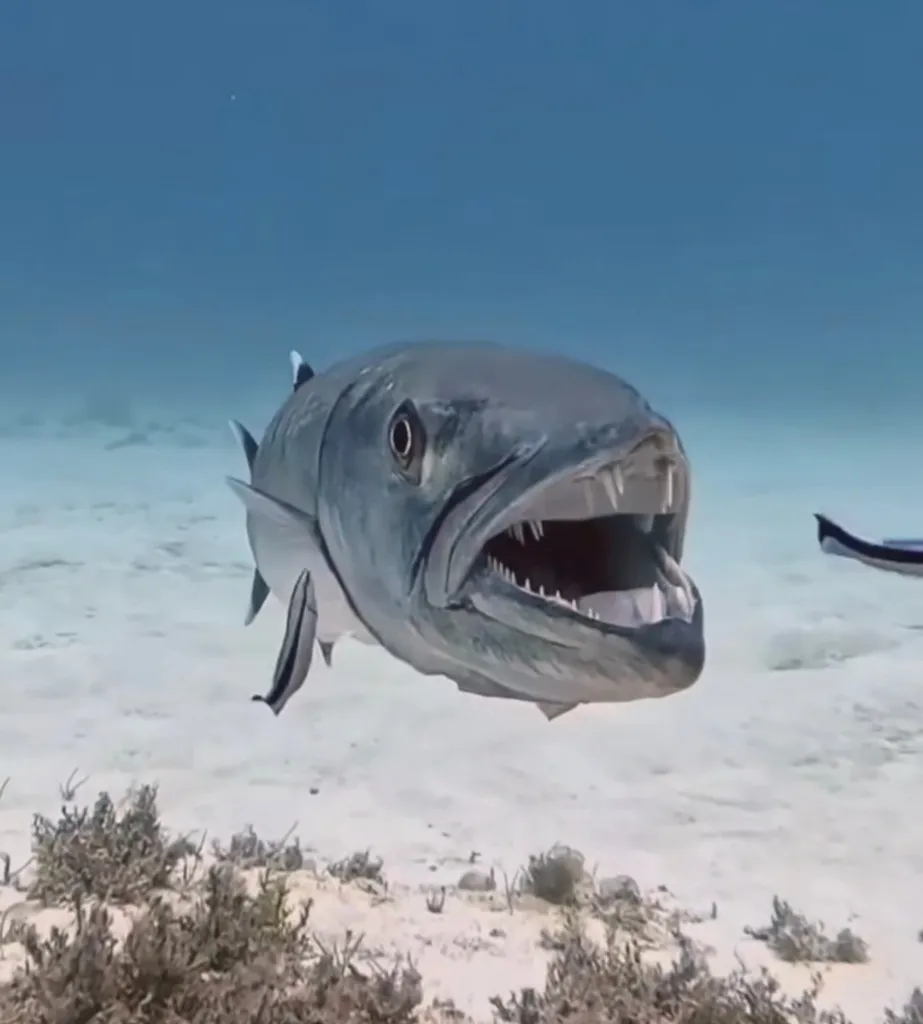
Approaching the reef, divers often first notice the schooling barracudas and jacks patrolling the upper sections. The intricate wall is a prime habitat for moray eels and octopuses, frequently found tucked into its many crevices.
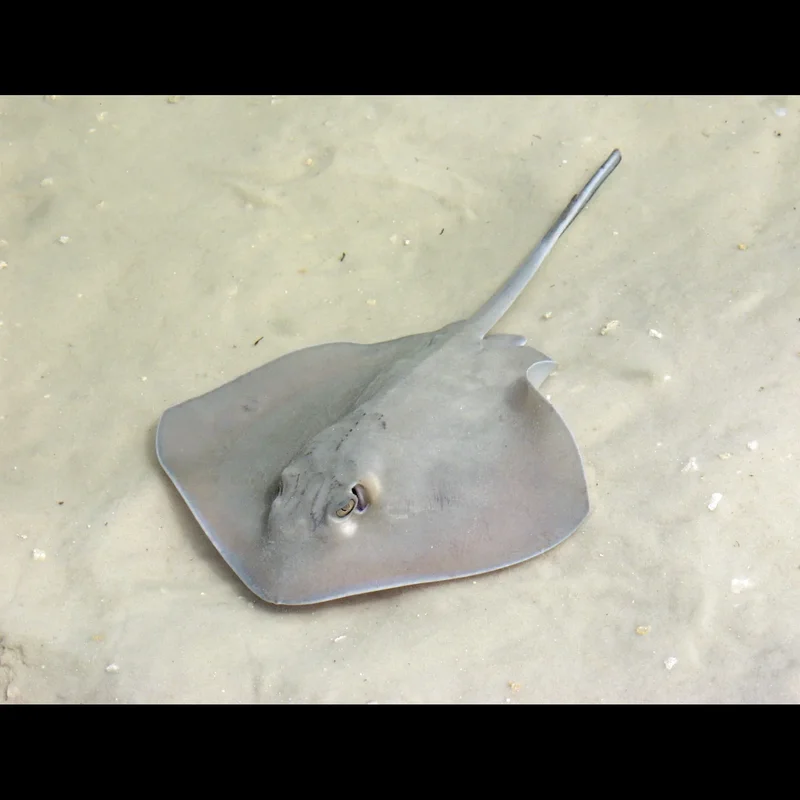
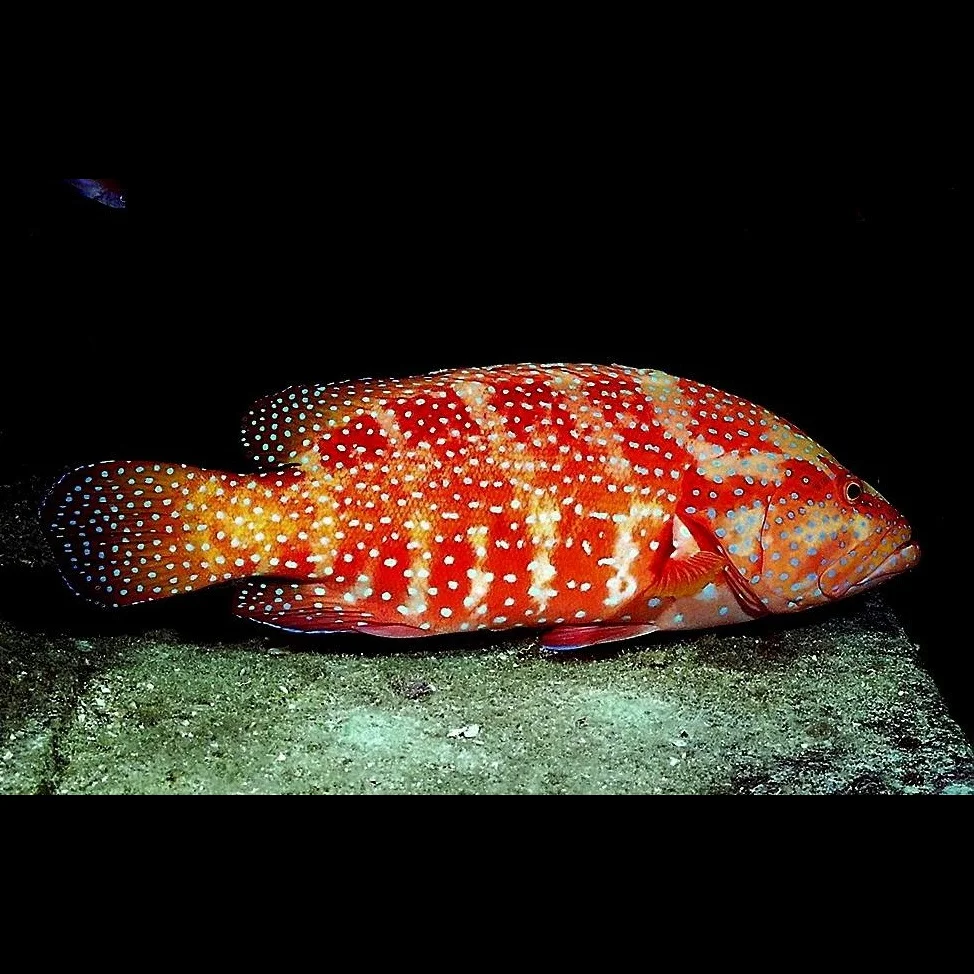
Closer inspection of the reef reveals a world of smaller inhabitants, including vibrant nudibranchs, groupers, and various reef fish. Deeper areas occasionally yield sightings of stingrays, tuna, and bonitos, adding to the site's rich biodiversity.
Dive Sites Near Big Reef/Dalyan Reef
View all dive sites in TurkeyDiscover more underwater gems in this area.
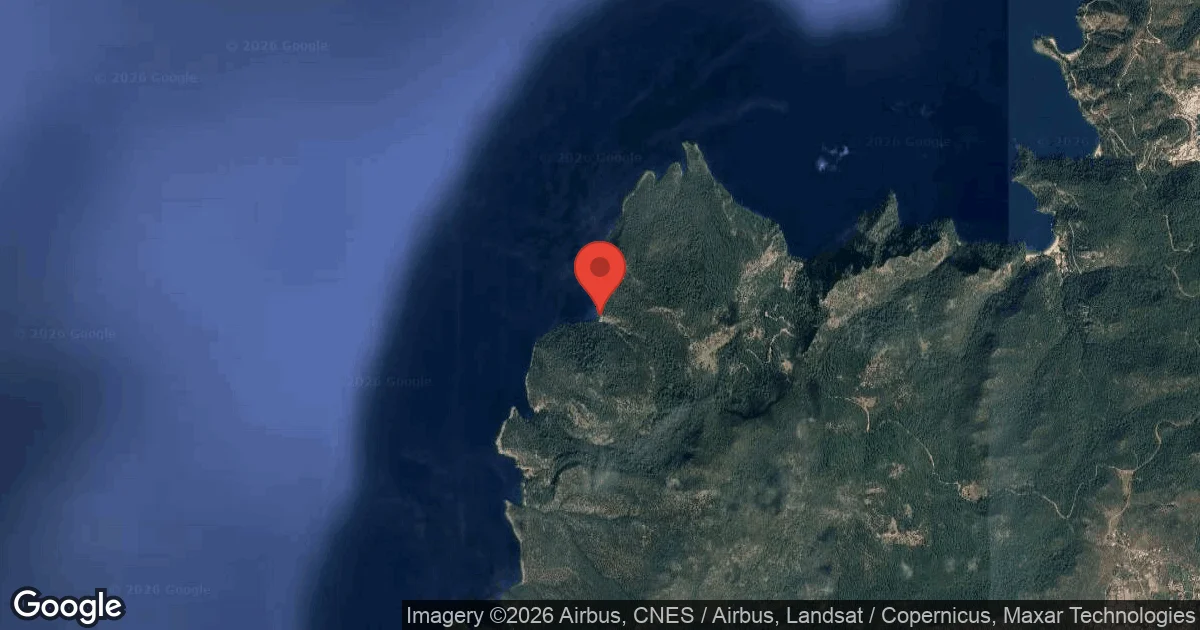
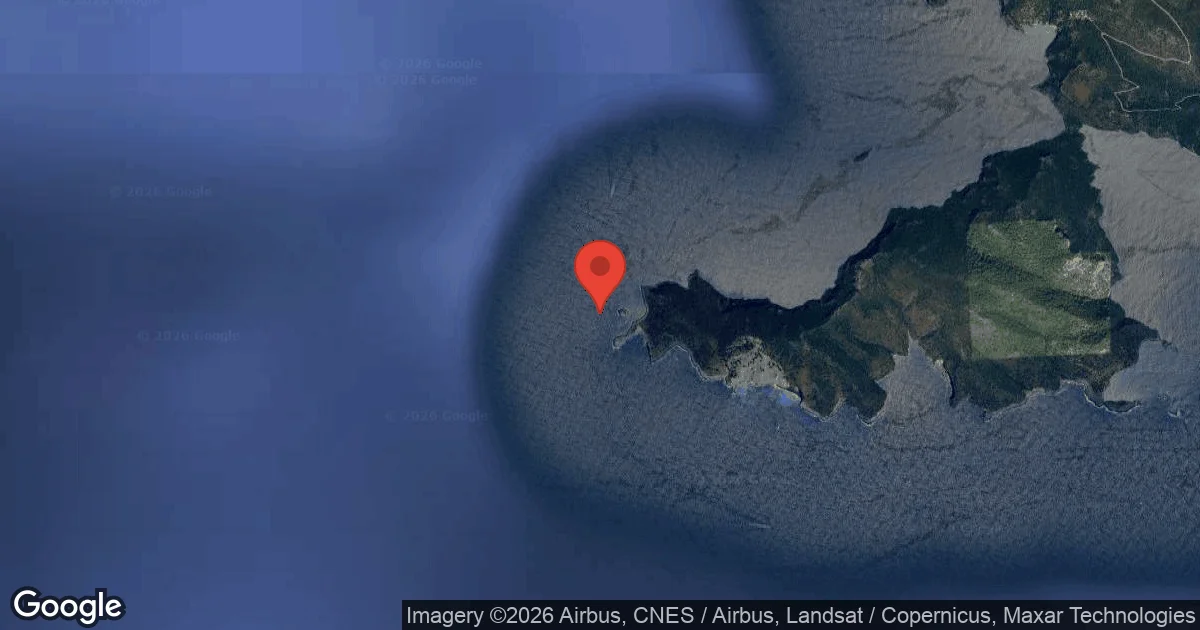
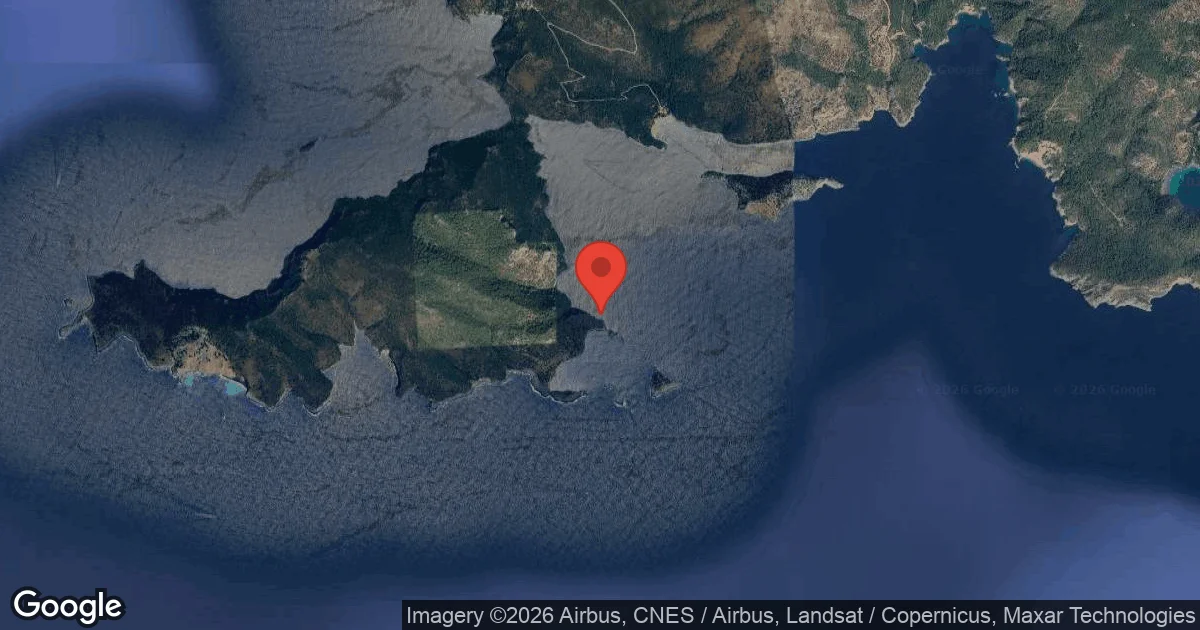
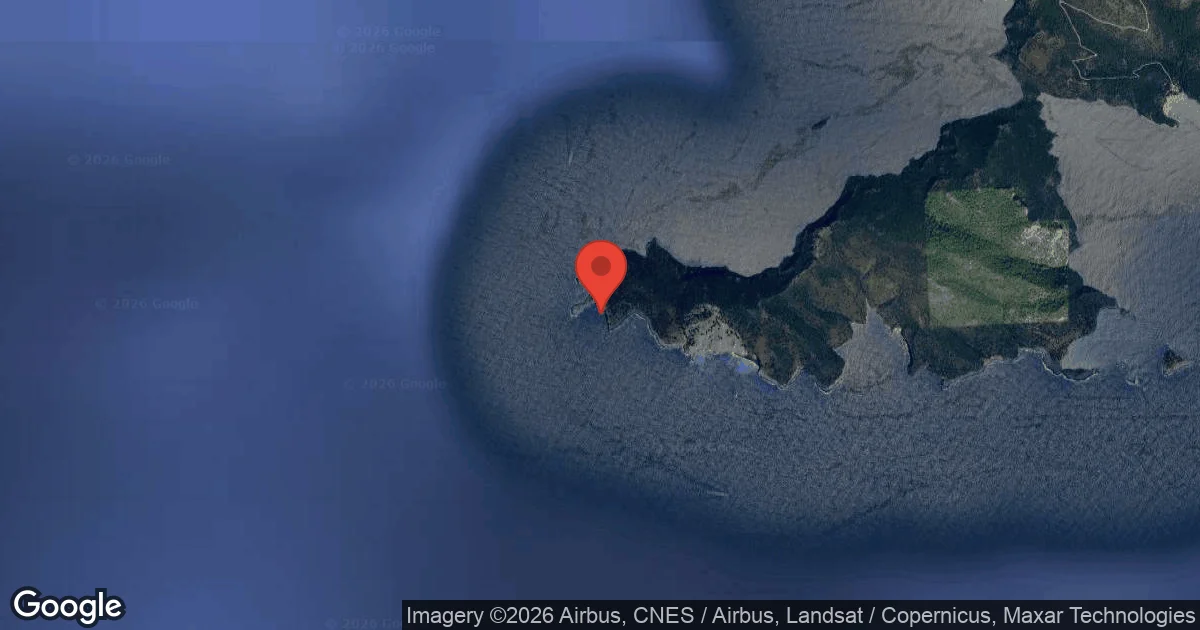
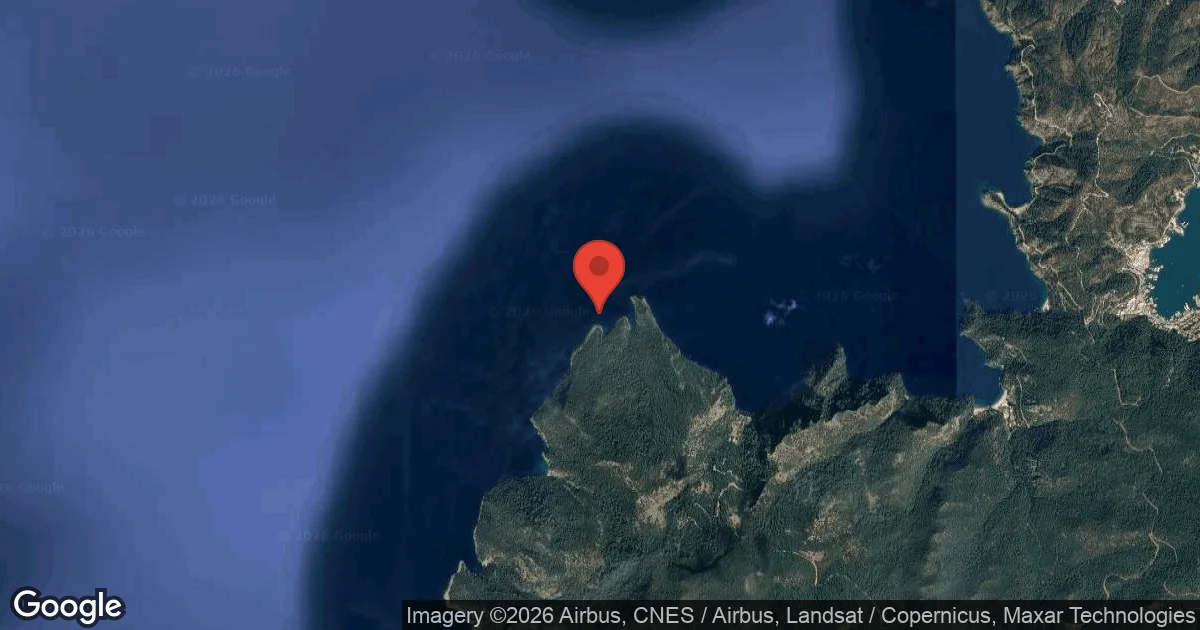
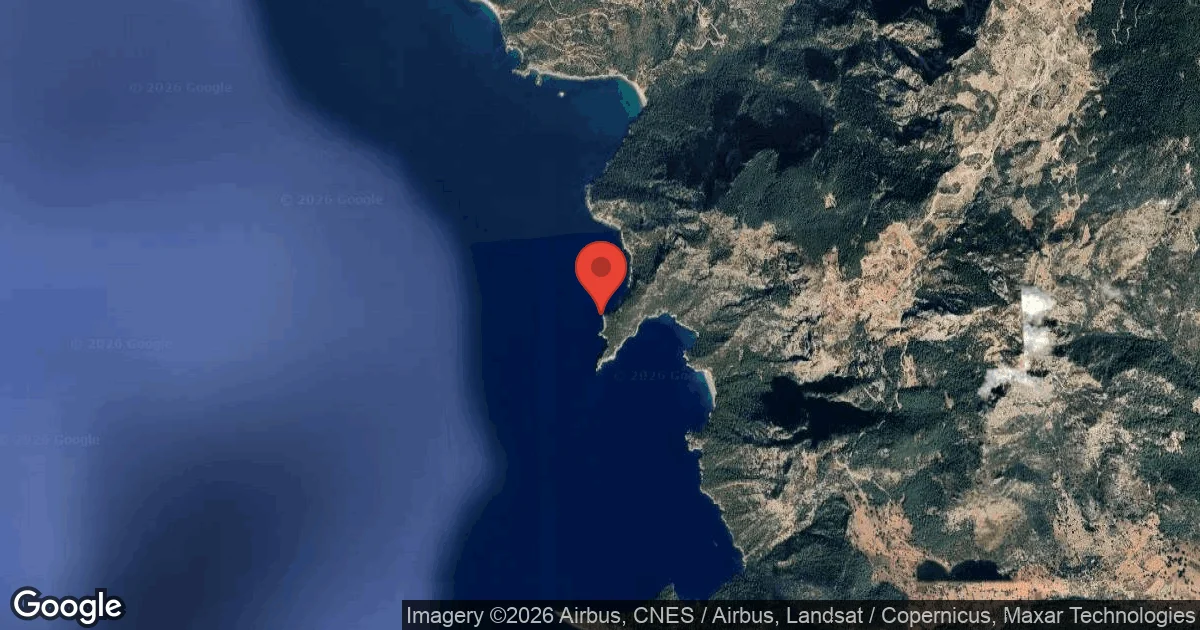
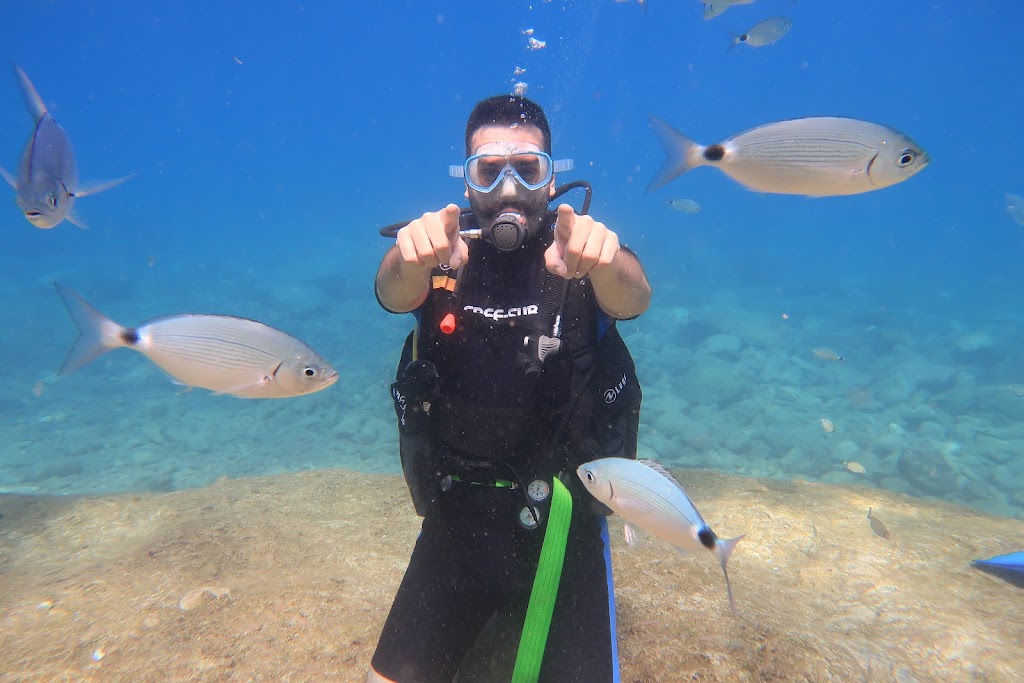
Dive Centers Near Big Reef/Dalyan Reef
Today: Open 24 hours


Nearest Airports
Nearest airports to help plan travel to this dive area.
Search Flights
Check available flights and routes on Expedia, using the nearby airports listed in this section.
Search Flights on ExpediaFrequently Asked Questions
Where is Big Reef/Dalyan Reef located?
Big Reef, also known as Dalyan Reef, is found about a 20-minute boat ride from Bodrum, Turkey. It lies between the Bodrum Peninsula and Black Island, opposite Saint Peter Castle, approximately 500 meters from shore.
What is the typical depth range at Big Reef?
The summit of the underwater hill typically starts at depths between 5 and 12 meters. From there, the site features a wall that plunges to about 34 meters, with some sections extending deeper, up to 40 meters.
Are there currents at Big Reef?
Yes, currents are often present at Big Reef and can vary in strength, influencing the direction of the dive. Divers should be prepared for these conditions, as strong currents necessitate good buoyancy control and situational awareness.
What skill level is recommended for diving Big Reef?
Big Reef is best suited for experienced Open Water Divers, Advanced Divers, and those with higher certifications. The varying depths and potential for strong currents require divers to have proficient buoyancy control and solid dive planning skills.
What marine life can divers expect to see?
The reef hosts a rich variety of marine life. Common sightings include moray eels, octopuses, barracudas, groupers, and vibrant nudibranchs. Divers may also encounter stingrays, tuna, bonitos, jacks, spiny lobsters, and various smaller reef fish.
What type of dive is Big Reef?
Big Reef is characterized as a reef dive and a wall dive, often approached as a drop-off dive. Divers typically explore its circular shape and the dramatic wall that descends into deeper waters.
Is any special equipment recommended for this dive site?
An underwater scooter (DPV) is highly recommended for maximizing exploration, especially if you plan to cover both Big Reef and the neighboring Small Reef in one dive. A dive computer for monitoring parameters and a torch for observing details are also valuable.
Planning to dive Big Reef/Dalyan Reef?
Send one inquiry and receive offers directly from the best verified local dive operators.
Conditions are Excellent
07:00 - 14:00
Optimal conditions expected
Current conditions near Big Reef/Dalyan Reef show 23° air, 28° sea temperature, 0.5 m waves, and 15 km/h wind. Forecast data is refreshed regularly to ensure accuracy.