
Diving at Iblis Reef (Turkey)
Maintaining precise buoyancy is essential at Iblis Reef, a site characterized by its dramatic drop-offs and intricate rock formations in the Aegean Sea. Divers must manage their descent carefully to navigate the varying depths and archaeological finds, which demand an intermediate to advanced skill level. The site presents a dynamic underwater environment, making proper control crucial for both safety and enjoyment.
As evening covers Iblis Reef, the local air temperature is measured at 24.5°C. The current wave height at the surface is recorded at 0.6 m. These late-day readings characterize the surface conditions for the night.
Dive Site Location & Key Facts
Dive Site Overview
With its dramatic topography and rich history, Iblis Reef offers a compelling journey through an underwater landscape where echoes of ancient maritime activity are present amidst impressive natural structures. This multifaceted site incorporates reef, archaeological elements, a channel, and open ocean diving, presenting a varied exploration.
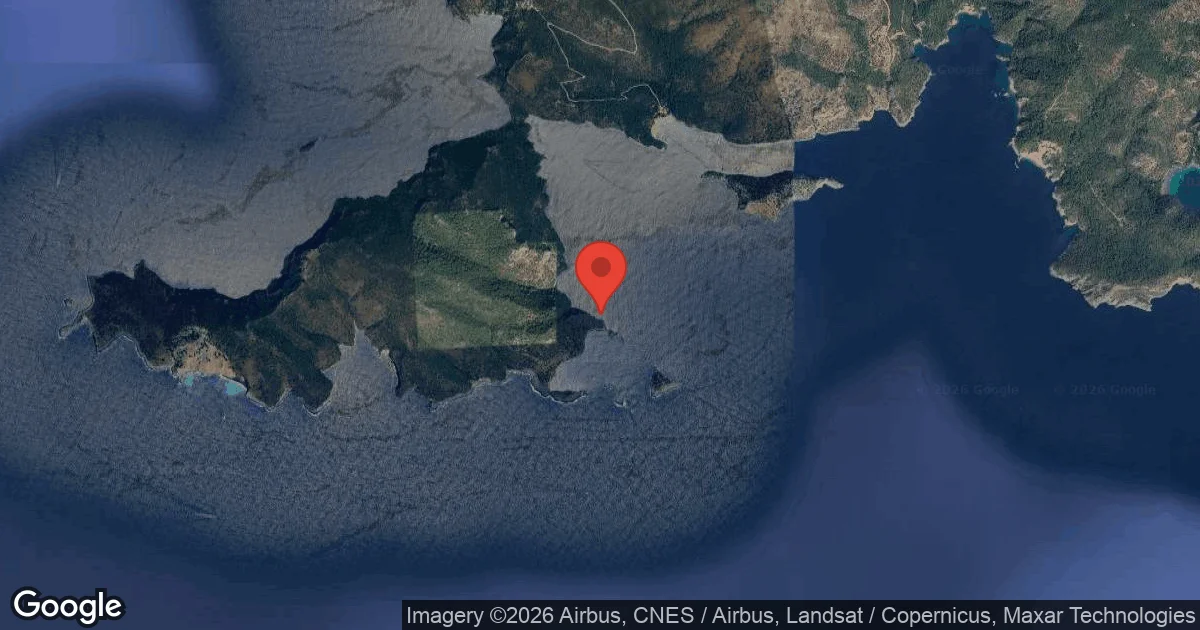
Divers often begin by heading west to north to east around a sea mount, observing walls, rocks, and the diverse marine life within. The dive typically continues up and east towards a channel between the island and the main coast, where terraced rock formations become a prominent feature on the right-hand side. At depths reaching up to 30 m / 100 ft, divers might encounter archaeological finds like amphora, suggesting past shipwrecks and human interaction with this vibrant marine environment.
The topography includes great drop-offs and numerous holes and cracks along the walls and reefs, offering shelter for various species and plenty of photographic opportunities. An intermediate to advanced certification is recommended, reflecting the need for good buoyancy control to navigate these depths and intricate features, with a common maximum operating depth around 20 m / 65 ft.
Conditions are Excellent
07:00 - 14:00
Optimal conditions expected
Current conditions near Iblis Reef show 25° air, 28° sea temperature, 0.6 m waves, and 14 km/h wind. Forecast data is refreshed regularly to ensure accuracy.
Best Time to Dive
For the most rewarding diving experience at Iblis Reef, planning your trip between May and October is ideal. These months generally offer the most comfortable conditions for exploring the site. During this period, surface air temperatures are notably pleasant, ranging from approximately 21°C / 70°F in May to a peak of 30.5°C / 87°F in July, gradually cooling to around 21.5°C / 71°F by October. Water temperatures during these summer months typically range from 22-28°C / 72-82°F, providing a warm and inviting environment. Rainfall is minimal, especially from June to August, where monthly averages can drop below 1 mm / 0.04 inches, ensuring excellent surface conditions and visibility. While diving is possible year-round, the winter months see water temperatures drop to 16-20°C / 61-68°F, which might necessitate thicker wetsuits. October stands out as an excellent month with favorable air and water temperatures and reduced rainfall, contributing to an optimal dive score.
PEAK SEASON SCORE
Scores combine air & water temps, waves, wind & rainfall for overall conditions.
BEST MONTHS TO DIVE
Monthly records compiled from satellite and marine observation nodes over the last 3 years. Data provided by Open-Meteo and MET Norway.
Dive Experience & Conditions
While Iblis Reef generally experiences mild to no currents, understanding the site's dynamic water conditions is key to a smooth dive. Visibility at the site can be quite variable, ranging from about 10 meters (33 feet) to an impressive 30 meters (100 feet), depending on the day's conditions and recent weather patterns. Surge is typically not reported as a significant factor, contributing to a stable underwater environment. The dive route often involves navigating around rocky formations, exploring intricate underwater caves, and discovering overhangs. These features, combined with significant depth variations from shallow areas to its deepest points, around 30 meters, demand good buoyancy control from divers. Water temperatures in summer range from 22-28°C / 72-82°F, cooling to 16-20°C / 61-68°F in winter.
Dive Difficulty & Safety Guidelines
Given the site's challenging topography, an intermediate to advanced certification is recommended for Iblis Reef. Divers should prioritize developing excellent buoyancy control, especially when navigating the significant drop-offs and varied depths encountered during the dive. Planning for potential deeper sections, particularly approaching the site's maximum reported depth, ensures a safer experience.
Always consult with local dive operators before your dive to get the most current information on site conditions and any specific recommendations. While specific hazards are not consistently reported, the intricate rock formations and archaeological elements necessitate careful navigation to prevent accidental contact. It's crucial to respect the marine environment and any archaeological artifacts encountered.
Recommended Equipment
- Dive Computer
- DSMB
This gear list is based on verified equipment signals for Iblis Reef, Turkey. Always confirm final gear choices with your dive operator, guide, or liveaboard.
Recommended Dive Suit
A warming trend is expected over the next few days. A warming trend is expected over the next few days.
Two divers in the same water temperature may experience very different comfort levels.
Many divers find that 2-3mm shorty or light wetsuit offers the right level of insulation for conditions like these. The surrounding waters at Iblis Reef are currently registering temperatures of roughly 28°C (83°F). Surface air temperatures are resting at 25°C (76°F).
Emergency & Medical Support
Essential information to help you plan your dive trip to Iblis Reef.

Hyperbaric chambers are a critical part of dive safety infrastructure. Availability varies significantly by region, and not all dive areas have immediate access.
Before diving, it's recommended to:
- confirm nearest medical facilities
- check emergency procedures with local dive operators
- ensure dive insurance covers evacuation if required
Divers Alert Network
Diving emergency assistance available through DAN Europe.
+39 0642115685- 24/7 emergency hotline
- Diving medical assistance
- Evacuation coordination
Emergency contacts are provided for reference. Always verify local emergency services before diving.
Closest Listed Hyperbaric Chambers
Showing listed hyperbaric chamber facilities within 200 km of this dive site.
Distances are approximate straight-line distances and may not reflect emergency travel time.
DzKK Aksaz Deniz Üssü, Military base chamber
24/7 ListedMugla, Turkey•Approx. 64 km straight-line
DzKK Aksaz Deniz Üssü, Military base chamber
24/7 ListedInformation is provided for reference and planning purposes only. Dive Navigator does not verify operational status, staffing, availability, or quality of care at listed facilities. In an emergency, contact local emergency services, DAN, your dive operator, or the chamber directly. Do not travel to a facility without calling ahead.
Denizli Özel Sağlık Hastanesi
24/7 ListedICU CapableDenizli, Turkey•Approx. 136 km straight-line
Denizli Özel Sağlık Hastanesi
24/7 ListedICU CapableInformation is provided for reference and planning purposes only. Dive Navigator does not verify operational status, staffing, availability, or quality of care at listed facilities. In an emergency, contact local emergency services, DAN, your dive operator, or the chamber directly. Do not travel to a facility without calling ahead.
Sağlık Bilimleri Üniversitesi Antalya Eğitim ve Araştırma Hastanesi
24/7 ListedICU CapableAntalya, Turkey•Approx. 154 km straight-line
Sağlık Bilimleri Üniversitesi Antalya Eğitim ve Araştırma Hastanesi
24/7 ListedICU CapableInformation is provided for reference and planning purposes only. Dive Navigator does not verify operational status, staffing, availability, or quality of care at listed facilities. In an emergency, contact local emergency services, DAN, your dive operator, or the chamber directly. Do not travel to a facility without calling ahead.
Marine Life at Iblis Reef
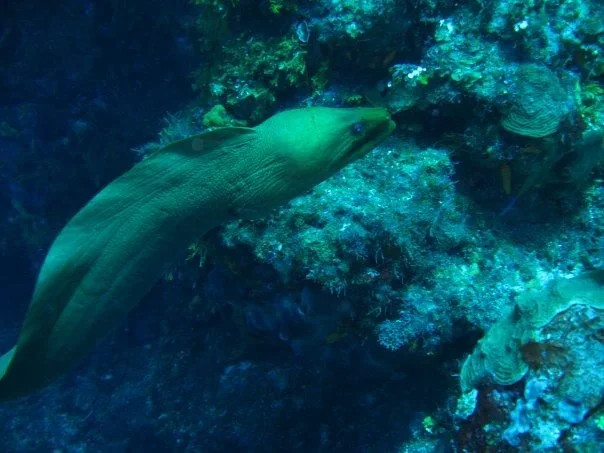
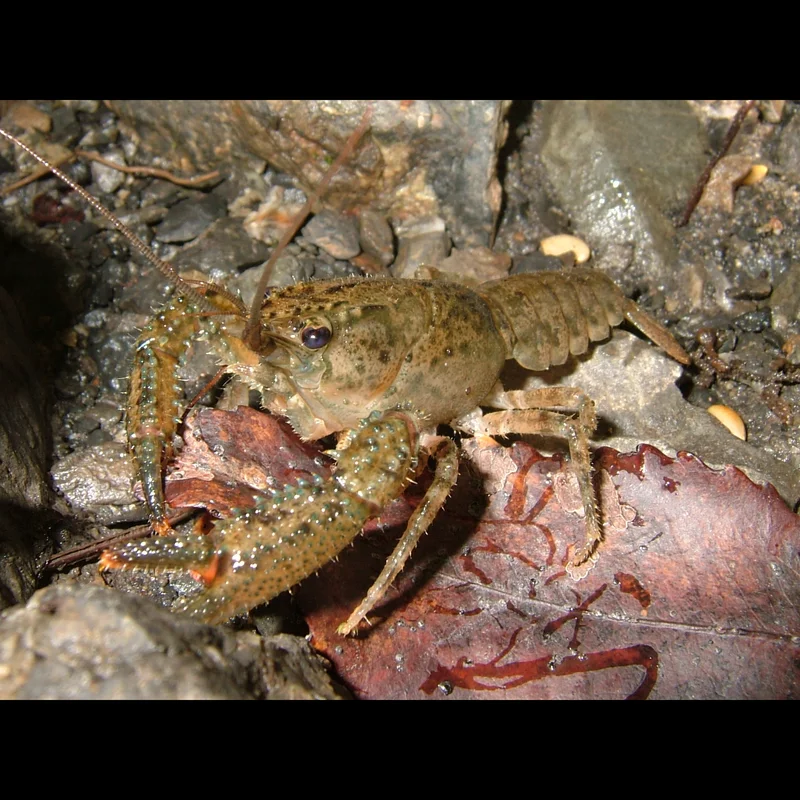
Iblis Reef provides a vibrant setting for observing a range of marine life, making it a rewarding experience for underwater photographers and naturalists alike. The site's numerous holes, cracks, and drop-offs are excellent hiding spots for creatures like moray eels and crayfish.
Divers often encounter large groupers and sponges residing at depth, alongside schooling jackfish. Keep an eye out for blennies darting among the rocks.
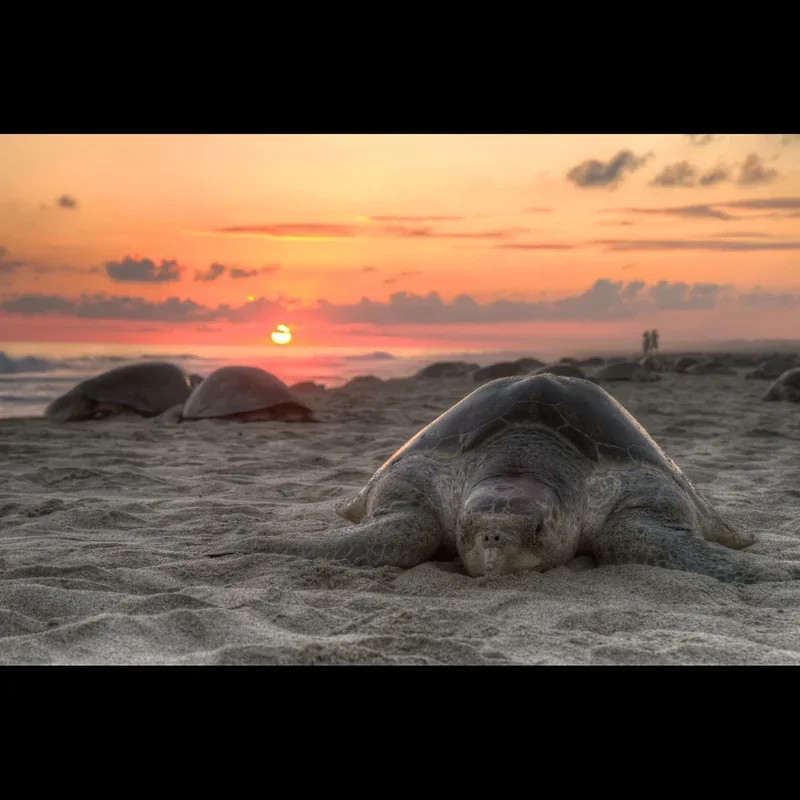
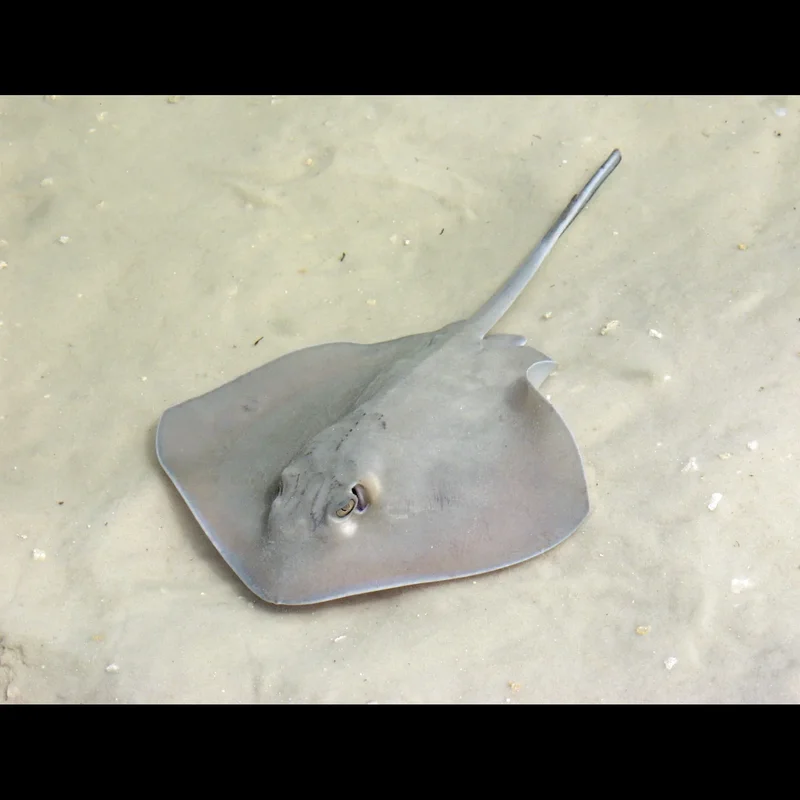
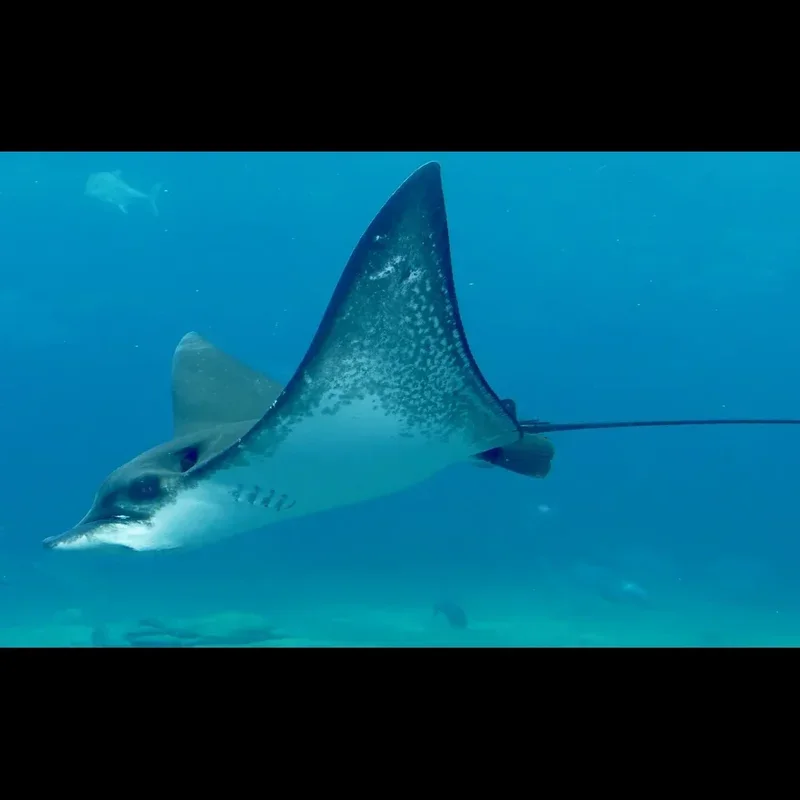
Common sightings can also include eagle rays, stingrays, and sea turtles, gracefully moving through the waters. As dives often conclude in the bay, flounder fish are known to be present, providing a final interaction.
Dive Sites Near Iblis Reef
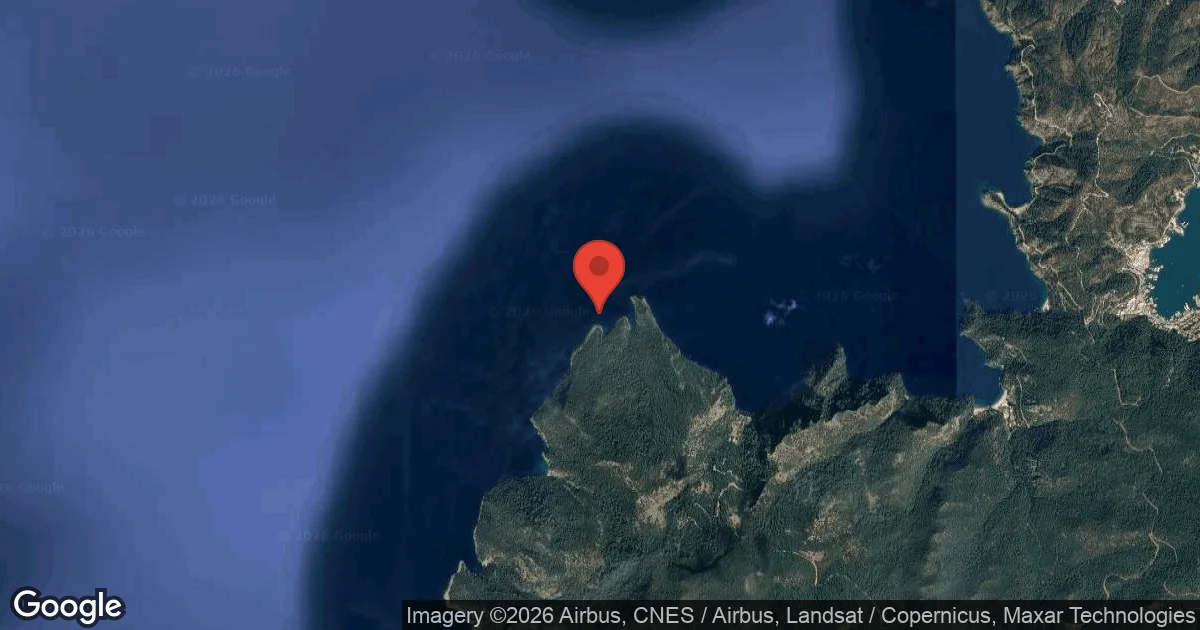
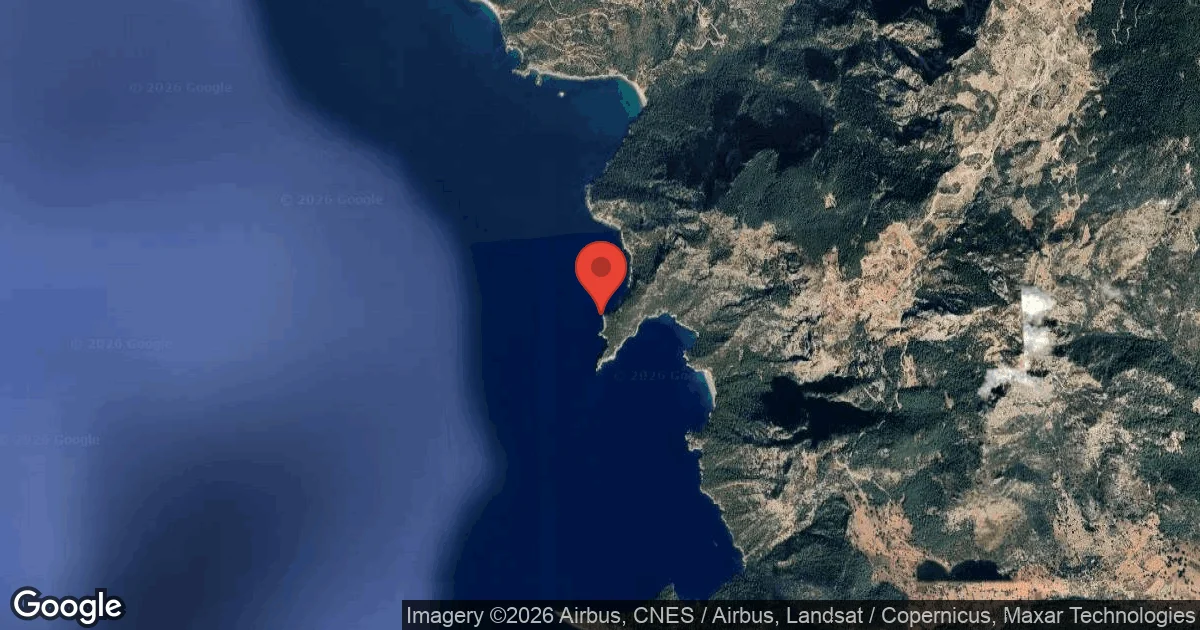
View all dive sites in TurkeyDiscover more underwater gems in this area.
Dive Centers Near Iblis Reef
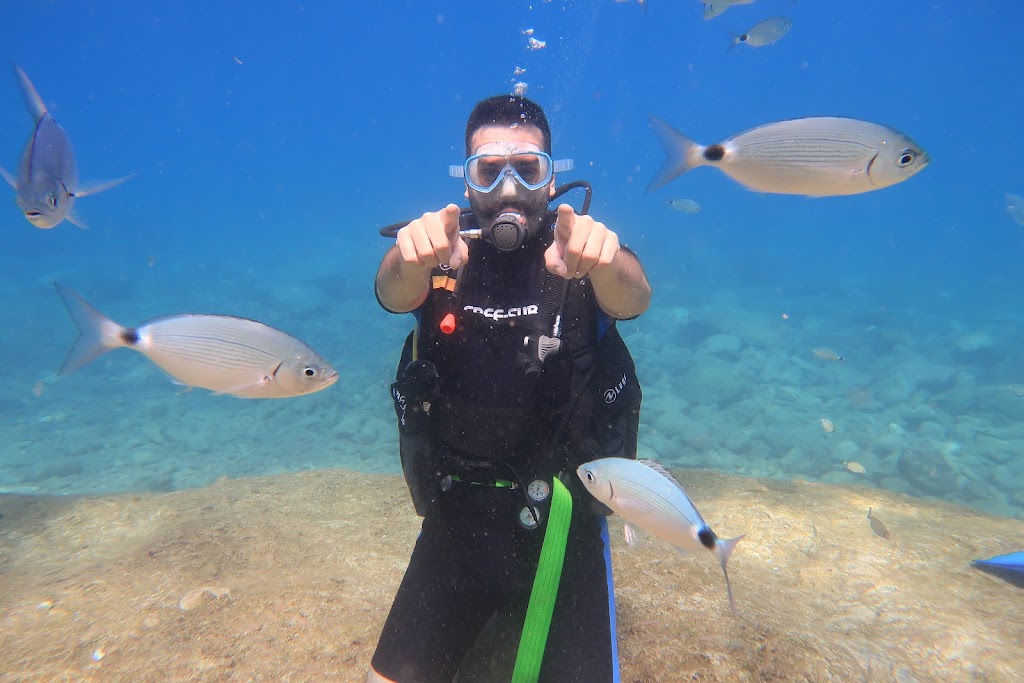
Today: Open 24 hours
Nearest Airports
Nearest airports to help plan travel to this dive area.
Search Flights
Check available flights and routes on Expedia, using the nearby airports listed in this section.
Search Flights on ExpediaFrequently Asked Questions
What is the maximum depth at Iblis Reef?
The site reaches a maximum reported depth of 30 meters (approximately 100 feet). Many dives, however, often focus on shallower levels, typically around 20 meters, with very shallow areas also accessible.
What level of diving experience is required for Iblis Reef?
Iblis Reef is generally considered suitable for intermediate to advanced certified divers. Good buoyancy control is emphasized due to the site's drop-offs and intricate formations.
What kind of underwater features can I expect to see?
Divers will encounter extensive rocky formations, terraced structures, and vibrant coral reefs. The site also features interesting drop-offs, underwater caves, overhangs, and a channel between an island and the main coast.
Are there any historical or archaeological points of interest?
Yes, Iblis Reef is noted for its archaeological elements, including potential sightings of amphora. These ancient artifacts offer a glimpse into the region's rich maritime history.
What marine life might I encounter at Iblis Reef?
The reef is home to diverse marine life. You might see moray eels, large groupers, jackfish, blennies, crayfish, and potentially eagle rays, stingrays, or sea turtles.
What are the typical water temperatures?
Water temperatures at Iblis Reef vary seasonally. During the summer months (May-October), temperatures generally range from 22-28°C / 72-82°F, while winter temperatures are cooler, typically 16-20°C / 61-68°F.
Is there usually strong current or surge at Iblis Reef?
Currents at Iblis Reef are typically mild to absent, and significant surge is not consistently reported. This generally contributes to stable and predictable diving conditions.
Planning to dive Iblis Reef?
Send one inquiry and receive offers directly from the best verified local dive operators.
Conditions are Excellent
07:00 - 14:00
Optimal conditions expected
Current conditions near Iblis Reef show 25° air, 28° sea temperature, 0.6 m waves, and 14 km/h wind. Forecast data is refreshed regularly to ensure accuracy.