
Diving at Kabak Tunnel (Turkey)
Kabak Tunnel offers a descent into a captivating underwater environment, feeling like an exploration into the geological heart of Peksimet Island. The clear Mediterranean embrace invites divers into a realm where natural rock formations carve a path through the point itself. It presents a distinctive sensation of navigating through ancient stone, a truly immersive experience beneath the waves.
Evening condition tracking at Kabak Tunnel features an air temperature of 34°C. We have recorded wave heights measuring 0.5 m during this period. These figures outline the environmental parameters currently present.
Dive Site Location & Key Facts
Dive Site Overview
Kabak Tunnel, named after the nearby Kabak Bay, represents more than just a natural formation; it hints at a deeper narrative beneath the surface. This passage, primarily a tunnel rather than a true cave, carves through the point for approximately 60 meters (200 ft).
It varies significantly in width, from 5 to 20 meters (16 to 66 ft), with a consistent height of 5 to 8 meters (16 to 26 ft). The dive initiates from a RIB, guiding divers along a wall descent to the tunnel entrance, situated at 29 meters (95 ft). Navigating this expansive opening, one proceeds to a second, internal cavern which ascends to 17 meters (56 ft).
Further exploration reveals a smaller opening leading to another chamber, where light from the distant entrance becomes visible. After emerging from the tunnel, the dive culminates with a unique historical artifact at 11-12 meters (36-39 ft): the rotary piston engine of an old World War II Italian bomber, its specific history and provenance not consistently reported. This blend of natural wonder and wartime relic defines the site's unique allure.
Conditions are Excellent
07:00 - 14:00
Optimal conditions expected
Current conditions near Kabak Tunnel show 34° air, 29° sea temperature, 0.5 m waves, and 26 km/h wind. Forecast data is refreshed regularly to ensure accuracy.
Best Time to Dive
Optimal conditions for Kabak Tunnel often align with lower wave heights and warmer air temperatures. October generally stands out as an excellent choice, recording an average dive score of 9, alongside the lowest average wave heights, contributing to smoother boat transitions. During the summer and early autumn period, from June through September, air temperatures are considerably warmer, ranging from about 27°C (81°F) to 31.5°C (89°F), with minimal rain activity, often less than 1 mm. Spring and late autumn, through May and November respectively, still offer good conditions, with average air temperatures around 18°C (64°F) to 21.5°C (71°F). Water temperature is not consistently reported in available data, but typically reaches its warmest in late summer.
PEAK SEASON SCORE
Scores combine air & water temps, waves, wind & rainfall for overall conditions.
BEST MONTHS TO DIVE
Monthly records compiled from satellite and marine observation nodes over the last 3 years. Data provided by Open-Meteo and MET Norway.
Dive Experience & Conditions
A high degree of buoyancy control is demanded at Kabak Tunnel, particularly for experienced divers. The tunnel's delicate nature, with its fragile lace corals (Byrzooa Pyrzooa), requires divers to maintain distance from the walls to prevent accidental contact and avoid disturbing the bottom silt. The descent typically begins via RIB, leading along a wall to the main tunnel entrance, which is about 15 meters (50 ft) wide, found at approximately 29 meters. Inside, the environment shifts, transitioning through a second cavern that rises to about 17 meters. Navigating the full length involves following specific guidance to find exit points and explore the various sections, culminating with the intriguing discovery of the WWII aircraft engine on a boulder-strewn slope at a shallower depth.
Dive Difficulty & Safety Guidelines
When approaching Kabak Tunnel, prioritize precise buoyancy control above all else. This isn't just for personal comfort; it's critical for preserving the fragile lace corals lining the tunnel and preventing silt-outs that can reduce visibility for yourself and others. Always stay to the right upon entry and exit to follow the established route and avoid disorientation within the tunnel system.
Regrouping outside the main cave allows for clear communication and safety checks before ascending. Given the maximum depth of 30 meters and the overhead environment, ensuring you are an experienced diver comfortable with cave or overhead diving protocols is essential.
Recommended Equipment
Overhead environment. Do not enter beyond training and gas planning limits.
- Dive Computer
- DSMB
- Primary & Backup Lights
- Reel / Spool
- Cutting Tool
This gear list is based on verified equipment signals for Kabak Tunnel, Turkey. Always confirm final gear choices with your dive operator, guide, or liveaboard.
Recommended Dive Suit
Divers planning deeper dives may feel cooler than those staying in shallower areas.
Many divers find that dive skin or rash guard offers a comfortable balance between warmth and mobility. A hood or vest is suggested for sensitive divers due to surface winds. Forecast trends indicate similar diving conditions over the next few days.
Water temperatures across the dive area at Kabak Tunnel are presently estimated to be around 29°C (84°F). Surface air temperatures are resting at 34°C (93°F).
Due to technical issues with our weather providers, live updates are temporarily delayed. The data above reflects the conditions at the time of the last successful fetch.
Emergency & Medical Support
Essential information to help you plan your dive trip to Kabak Tunnel.

Hyperbaric chambers are a critical part of dive safety infrastructure. Availability varies significantly by region, and not all dive areas have immediate access.
Before diving, it's recommended to:
- confirm nearest medical facilities
- check emergency procedures with local dive operators
- ensure dive insurance covers evacuation if required
Divers Alert Network
Diving emergency assistance available through DAN Europe.
+39 0642115685- 24/7 emergency hotline
- Diving medical assistance
- Evacuation coordination
Emergency contacts are provided for reference. Always verify local emergency services before diving.
Closest Listed Hyperbaric Chambers
Showing listed hyperbaric chamber facilities within 200 km of this dive site.
Distances are approximate straight-line distances and may not reflect emergency travel time.
DzKK Aksaz Deniz Üssü, Military base chamber
24/7 ListedMugla, Turkey•Approx. 78 km straight-line
DzKK Aksaz Deniz Üssü, Military base chamber
24/7 ListedInformation is provided for reference and planning purposes only. Dive Navigator does not verify operational status, staffing, availability, or quality of care at listed facilities. In an emergency, contact local emergency services, DAN, your dive operator, or the chamber directly. Do not travel to a facility without calling ahead.
Sağlık Bilimleri Üniversitesi Antalya Eğitim ve Araştırma Hastanesi
24/7 ListedICU CapableAntalya, Turkey•Approx. 148 km straight-line
Sağlık Bilimleri Üniversitesi Antalya Eğitim ve Araştırma Hastanesi
24/7 ListedICU CapableInformation is provided for reference and planning purposes only. Dive Navigator does not verify operational status, staffing, availability, or quality of care at listed facilities. In an emergency, contact local emergency services, DAN, your dive operator, or the chamber directly. Do not travel to a facility without calling ahead.
Denizli Özel Sağlık Hastanesi
24/7 ListedICU CapableDenizli, Turkey•Approx. 148 km straight-line
Denizli Özel Sağlık Hastanesi
24/7 ListedICU CapableInformation is provided for reference and planning purposes only. Dive Navigator does not verify operational status, staffing, availability, or quality of care at listed facilities. In an emergency, contact local emergency services, DAN, your dive operator, or the chamber directly. Do not travel to a facility without calling ahead.
Marine Life at Kabak Tunnel
Kabak Tunnel's diverse environments, from the low-light interior to the sunlit outer walls, support a distinctive range of marine inhabitants. Within the quieter, darker sections of the tunnel and its caverns, divers frequently encounter elusive unicorn shrimp and other species of cave shrimps, often alongside a few rocklings.
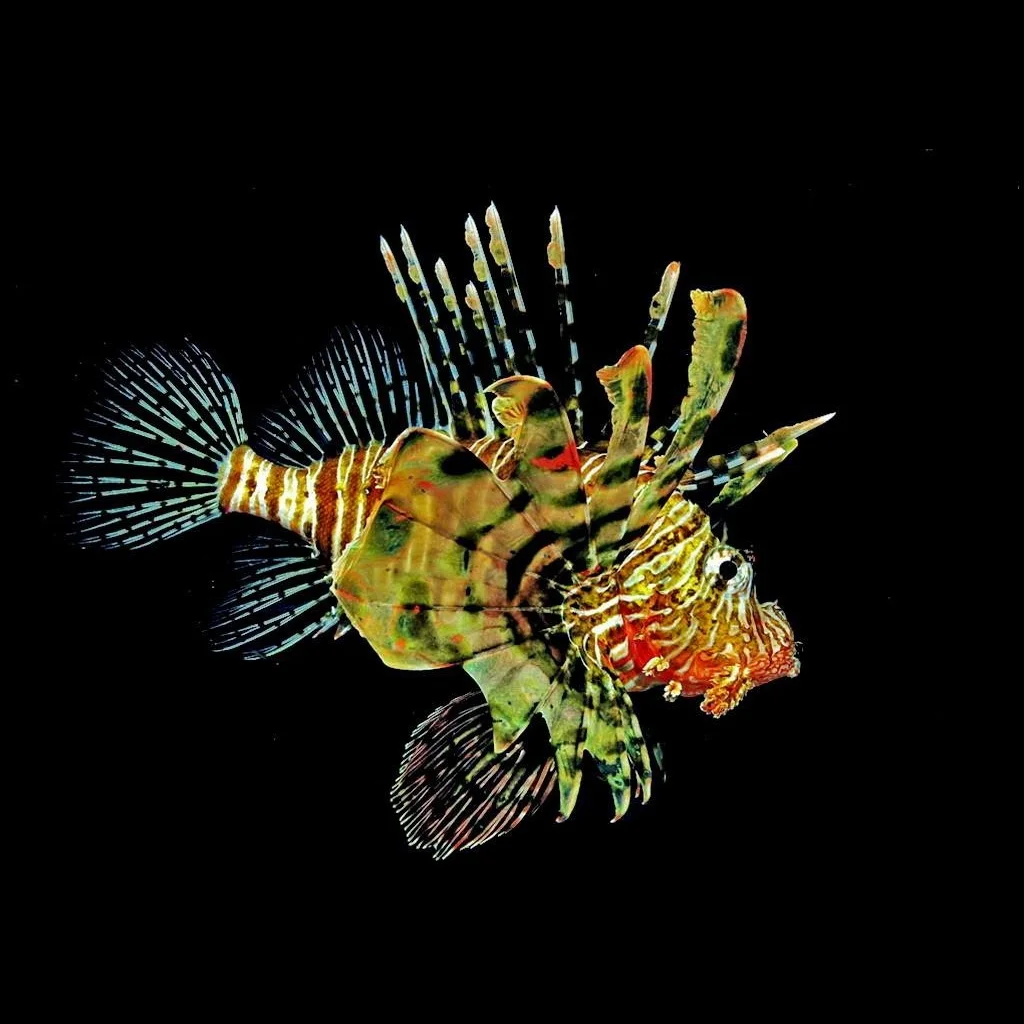
The tunnel walls themselves are home to extremely fragile lace corals, known scientifically as Byrzooa Pyrzooa, which require careful observation and avoidance. Exiting the tunnel, as divers transition to the brighter, boulder-strewn slopes and surrounding walls, lionfish are commonly observed patrolling the terrain.
This combination of specialized tunnel dwellers and more common reef species provides contrasting encounters throughout the dive.
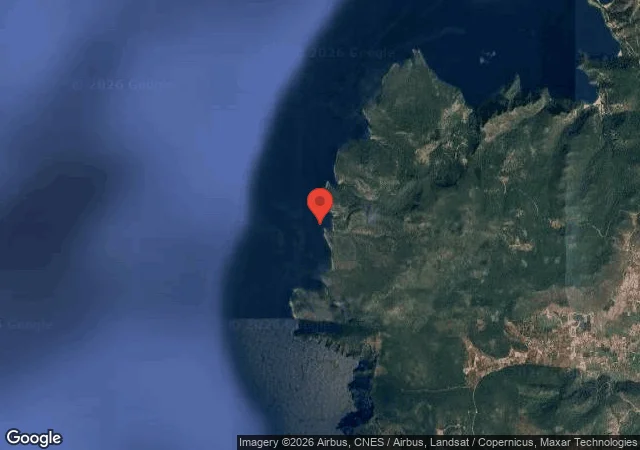
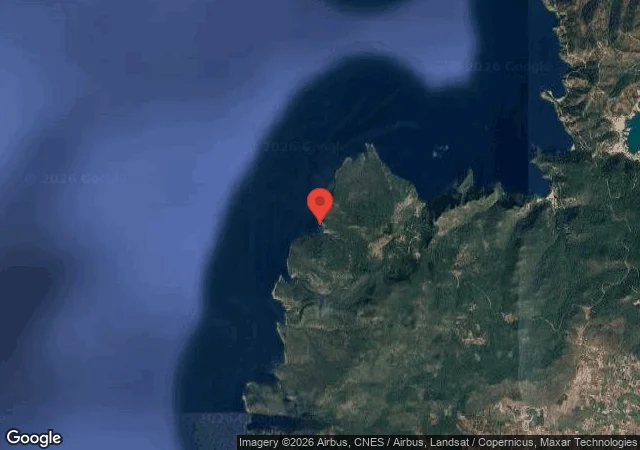
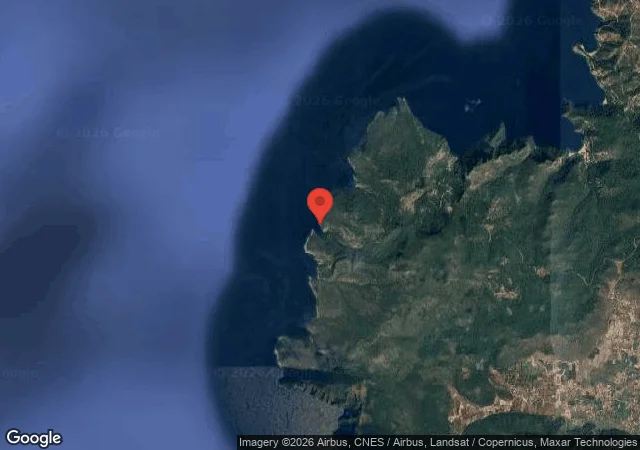
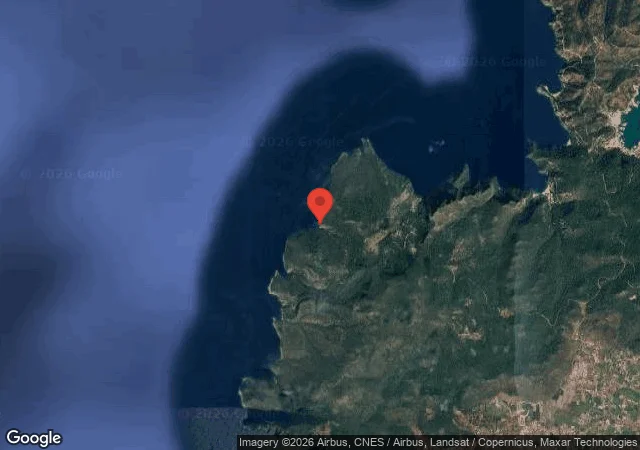
Dive Sites Near Kabak Tunnel
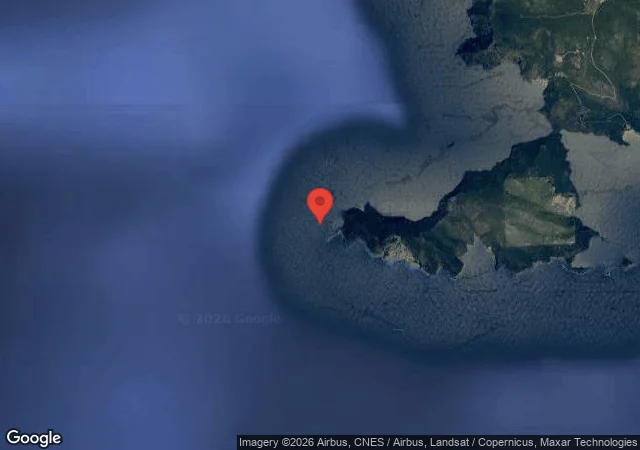
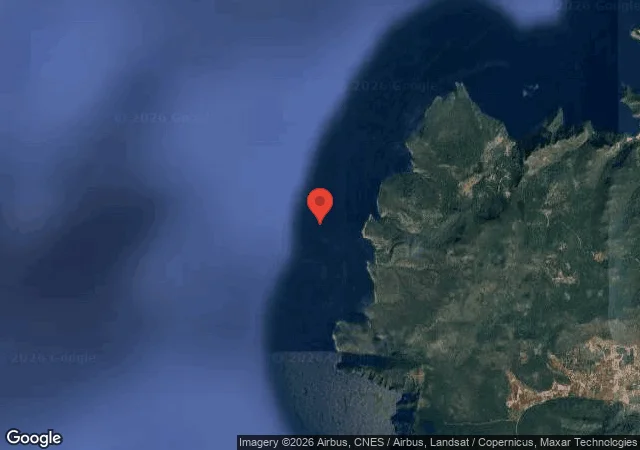
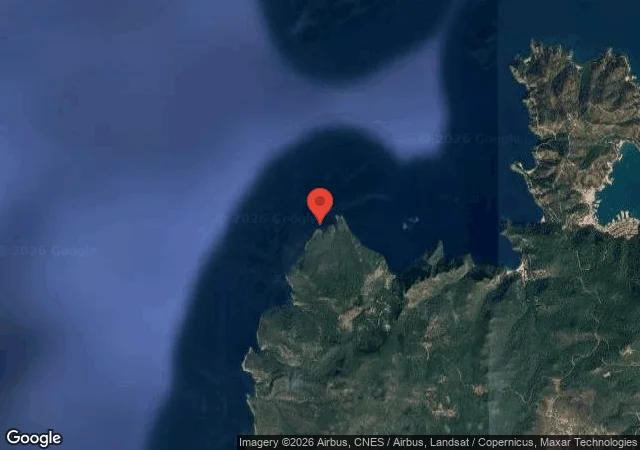
View all dive sites in TurkeyDiscover more underwater gems in this area.
Dive Centers Near Kabak Tunnel
Today: Open 24 hours


Nearest Airports
Nearest airports to help plan travel to this dive area.
Search Flights
Check available flights and routes on Expedia, using the nearby airports listed in this section.
Search Flights on ExpediaFrequently Asked Questions
How deep is Kabak Tunnel?
The tunnel entrance is at approximately 29 meters (95 ft), with the passage itself ascending in parts. The deepest point of the dive is around 30 meters (98 ft).
Is Kabak Tunnel suitable for beginner divers?
This site is recommended only for experienced divers due to the overhead environment and the critical need for perfect buoyancy control to protect fragile corals and avoid disturbing the bottom.
What kind of marine life can I expect to see?
Inside the tunnel, look for unicorn shrimp, other cave shrimps, and rocklings. Delicate lace corals are also present. Lionfish are commonly sighted on the outer walls and slopes after exiting the tunnel.
What is the best way to enter the dive site?
Entry to Kabak Tunnel is typically done from a RIB (rigid inflatable boat). Divers descend along a wall directly to the main tunnel entrance.
Are there any historical artifacts at Kabak Tunnel?
Yes, after exiting the main tunnel, an old World War II Italian bomber rotary piston engine can be found on a boulder-strewn slope at about 11-12 meters (36-39 ft).
What should I be careful about inside the tunnel?
Maintaining excellent buoyancy is crucial to avoid touching the fragile lace corals and stirring up the bottom sediment, which can significantly reduce visibility. Always follow the established route and stay to the right.
When is the best time to dive Kabak Tunnel?
October generally offers excellent conditions with low waves, though summer and early autumn provide very warm air temperatures and minimal rain, making them good choices for the overall experience.
Planning to dive Kabak Tunnel?
Send one inquiry and receive offers directly from the best verified local dive operators.
Conditions are Excellent
07:00 - 14:00
Optimal conditions expected
Current conditions near Kabak Tunnel show 34° air, 29° sea temperature, 0.5 m waves, and 26 km/h wind. Forecast data is refreshed regularly to ensure accuracy.