
Diving at Red Rock (Turkey)
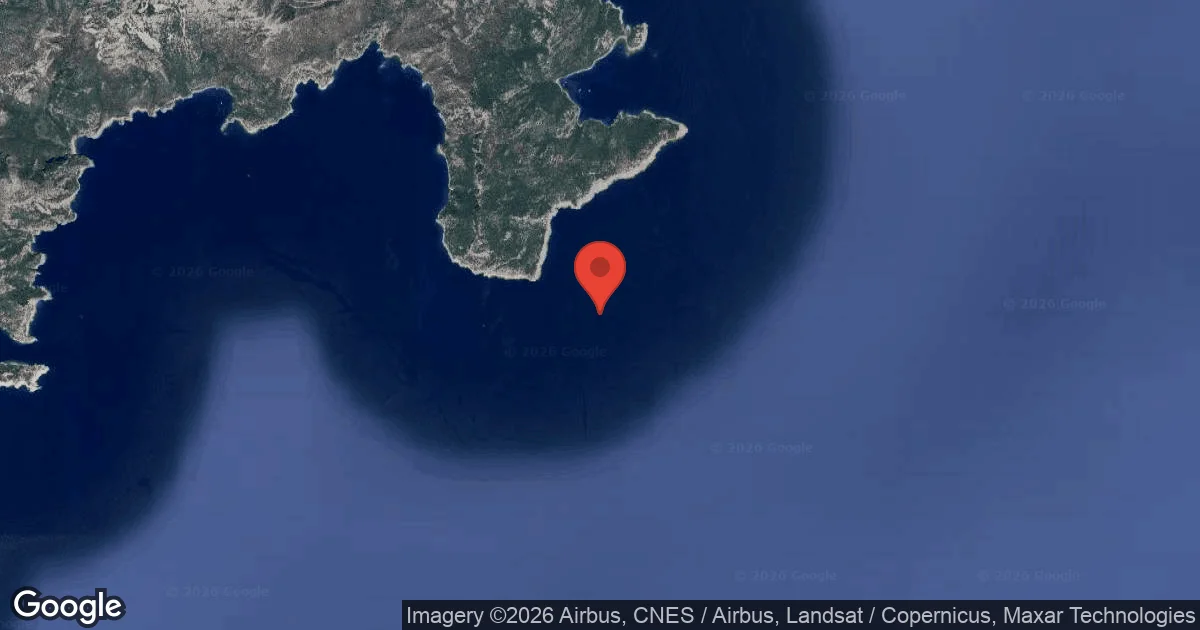
Red Rock, situated off the coast of Sarigerme, Turkey, presents an engaging dive opportunity for those exploring the Mediterranean. Divers here discover a captivating underwater landscape, defined primarily by its cave and wall diving profiles. It's a site that appeals to divers seeking both geological formations and potential encounters with pelagic life.
As evening covers Red Rock, the local air temperature is measured at 24.5°C. The current wave height at the surface is recorded at 0.5 m. These late-day readings characterize the surface conditions for the night.
Dive Site Location & Key Facts
Dive Site Overview
Exploring Red Rock in Turkey offers a diverse underwater experience, primarily characterized by its dramatic walls and intriguing cave formations. Starting from the surface, divers can descend along natural rock faces that plunge to a maximum depth of 30 m (100 ft).
Throughout the dive, visibility typically ranges from 9 to 30 meters (30 to 100 ft), allowing for clear views of the topographical features. The site features various crevices and overhangs, typical of a healthy Mediterranean wall, providing shelter for numerous smaller species. Deeper sections of the wall transition into sandy patches, which can host interesting critters, according to local reports.
While specific architectural details of the cave systems aren't widely detailed, their presence suggests areas where divers can explore more confined spaces, requiring appropriate training and caution. This combination of open wall and enclosed cavern structures creates a dynamic environment for underwater exploration.
Conditions are Excellent
07:00 - 14:00
Optimal conditions expected
Current conditions near Red Rock show 25° air, 28° sea temperature, 0.4 m waves, and 22 km/h wind. Forecast data is refreshed regularly to ensure accuracy.
Best Time to Dive
Diving at Red Rock, Turkey, sees its peak conditions from June through October, when the dive score is consistently rated as 'Excellent'. During these months, air temperatures are notably higher, ranging from 27.5°C (82°F) in June to 21.5°C (71°F) in October. Rainfall is minimal, often less than 1 mm per month, ensuring calm surface conditions. Conversely, the cooler months from November to May still offer 'Good' diving, despite lower air temperatures between 12.5°C and 20.5°C (54.1-69.3°F). Wave heights also tend to be slightly higher during winter, suggesting potentially choppier surface conditions, which might affect boat travel to the site. While specific water temperatures aren't consistently reported for Red Rock itself, the average for the broader Turkey region is around 21°C (70°F), generally warmer in summer months.
PEAK SEASON SCORE
Scores combine air & water temps, waves, wind & rainfall for overall conditions.
BEST MONTHS TO DIVE
Monthly records compiled from satellite and marine observation nodes over the last 3 years. Data provided by Open-Meteo and MET Norway.
Dive Experience & Conditions
Beginning the descent at Red Rock quickly immerses divers into its signature wall topography. The dive often starts along a sheer rock face, where the average water temperature hovers around 21°C (70°F), allowing for comfortable extended bottom times. Along the wall, conditions can vary; while currents are not consistently reported as strong here, localized surges or mild flows might be encountered, particularly around prominent rock features. The recreational depth range of the site, extending to 30 m (100 ft), provides ample opportunity to explore various sections of the wall and any accessible cave entrances. Visibility tends to be excellent, regularly reaching between 9 to 30 meters (30 to 100 ft), aiding in navigation and observation of marine life. Divers should be prepared for typical Mediterranean conditions, including the potential for thermoclines at deeper sections, though these are not consistently prominent.
Dive Difficulty & Safety Guidelines
Approaching Red Rock necessitates careful planning, especially considering its dive types include caves and walls. Divers should ensure they possess the appropriate certification and experience for these environments; cave diving, in particular, requires specialized training due to overhead environments. While specific hazards for Red Rock are not reported, general safety practices apply: always dive within your limits, monitor your depth and bottom time, and carry appropriate signaling devices.
Maintaining situational awareness is crucial, especially when exploring wall features or potentially enclosed spaces. Local dive operators will provide precise guidance on current conditions and any site-specific considerations, which can vary depending on the day.
Recommended Equipment
Overhead environment. Do not enter beyond training and gas planning limits.
- Dive Computer
- Primary & Backup Lights
- Reel / Spool
- Cutting Tool
This gear list is based on verified equipment signals for Red Rock, Turkey. Always confirm final gear choices with your dive operator, guide, or liveaboard.
Recommended Dive Suit
For divers planning standard recreational dives, 2-3mm shorty or light wetsuit is usually a suitable option. A hood or vest is suggested for sensitive divers due to surface winds. Divers vary widely in how quickly they feel cold underwater.
The waters surrounding Red Rock are currently maintaining temperatures close to 28°C (82°F). Surface air temperatures are resting at 25°C (76°F).
Temperatures look set to gradually increase over the next several days. A warming trend is expected over the next few days.
Emergency & Medical Support
Essential information to help you plan your dive trip to Red Rock.

Hyperbaric chambers are a critical part of dive safety infrastructure. Availability varies significantly by region, and not all dive areas have immediate access.
Before diving, it's recommended to:
- confirm nearest medical facilities
- check emergency procedures with local dive operators
- ensure dive insurance covers evacuation if required
Divers Alert Network
Diving emergency assistance available through DAN Europe.
+39 0642115685- 24/7 emergency hotline
- Diving medical assistance
- Evacuation coordination
Emergency contacts are provided for reference. Always verify local emergency services before diving.
Closest Listed Hyperbaric Chambers
Showing listed hyperbaric chamber facilities within 200 km of this dive site.
Distances are approximate straight-line distances and may not reflect emergency travel time.
DzKK Aksaz Deniz Üssü, Military base chamber
24/7 ListedMugla, Turkey•Approx. 10 km straight-line
DzKK Aksaz Deniz Üssü, Military base chamber
24/7 ListedInformation is provided for reference and planning purposes only. Dive Navigator does not verify operational status, staffing, availability, or quality of care at listed facilities. In an emergency, contact local emergency services, DAN, your dive operator, or the chamber directly. Do not travel to a facility without calling ahead.
Denizli Özel Sağlık Hastanesi
24/7 ListedICU CapableDenizli, Turkey•Approx. 128 km straight-line
Denizli Özel Sağlık Hastanesi
24/7 ListedICU CapableInformation is provided for reference and planning purposes only. Dive Navigator does not verify operational status, staffing, availability, or quality of care at listed facilities. In an emergency, contact local emergency services, DAN, your dive operator, or the chamber directly. Do not travel to a facility without calling ahead.
Marine Life at Red Rock
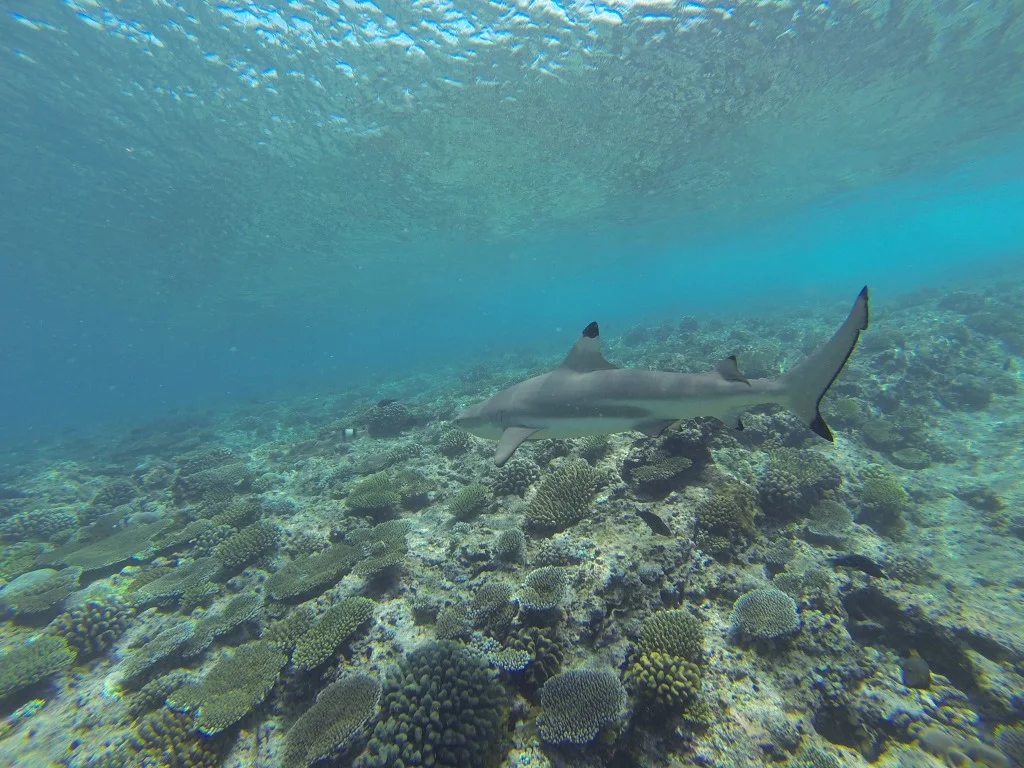
What often captures a diver's attention first at Red Rock are the possibilities of encountering larger marine species. Common sightings include various types of sharks, though these encounters are not guaranteed.
Additionally, turtles are frequently observed, often navigating the wall's crevices or feeding on sponges. While less common, the site also presents the rare chance to spot dolphins or even whales, adding an element of unpredictability to the dive.
The rock formations themselves host a variety of smaller reef fish and invertebrates, contributing to the overall ecological richness of the site.
Dive Sites Near Red Rock
View all dive sites in TurkeyDiscover more underwater gems in this area.
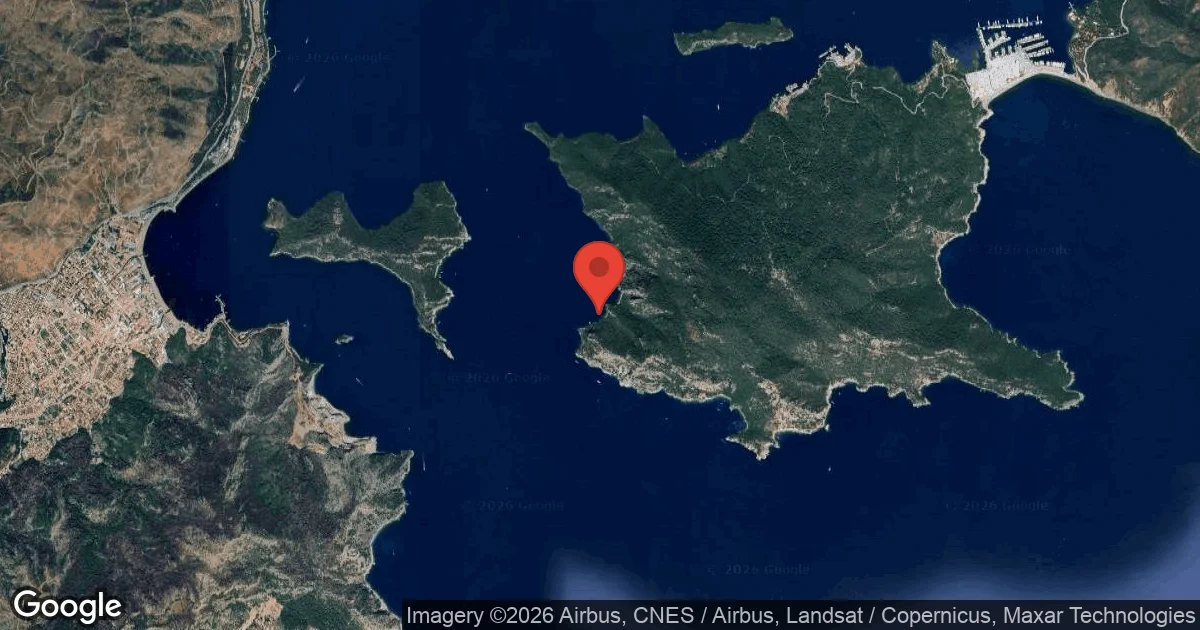
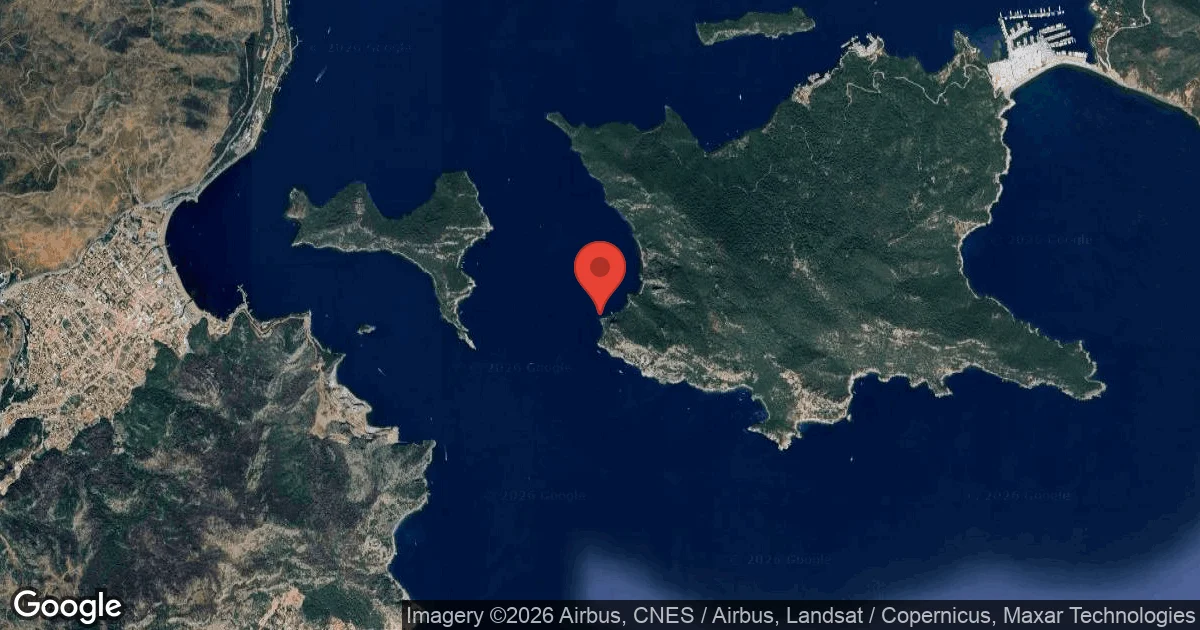
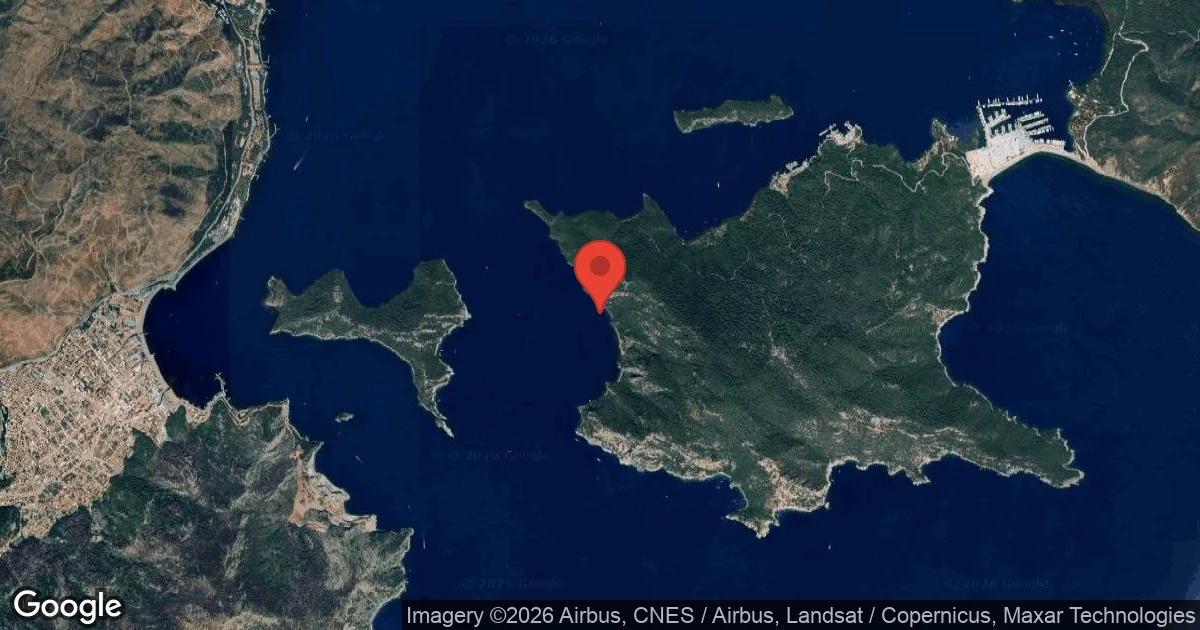
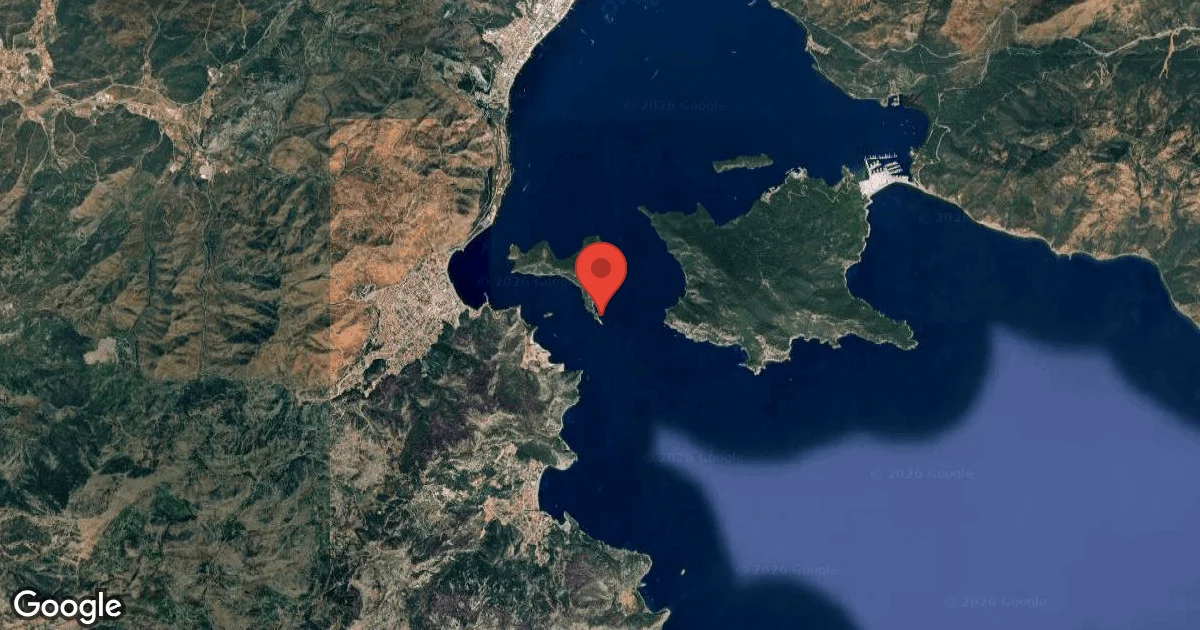
Dive Centers Near Red Rock
Today: Open 24 hours

Nearest Airports
Nearest airports to help plan travel to this dive area.
Search Flights
Check available flights and routes on Expedia, using the nearby airports listed in this section.
Search Flights on ExpediaFrequently Asked Questions
What dive certifications are recommended for Red Rock?
For Red Rock, an Open Water Diver certification is suitable for shallower wall sections. However, to explore the deeper areas and especially the cave components, advanced certifications such as Advanced Open Water, Deep Diver, and Cavern or Cave Diver are highly recommended for safety and full enjoyment.
What is the typical water temperature at Red Rock?
While specific, consistent reports for Red Rock's water temperature are limited, the average for the region in Turkey is around 21°C (70°F). Temperatures generally rise during the summer months, offering a comfortable diving experience.
Are there strong currents at Red Rock?
Currents at Red Rock are not consistently reported as strong, but like any open water site, conditions can vary. Divers should always consult with local dive operators on the day of their dive to understand prevailing currents and plan accordingly.
What kind of marine life can I expect to see?
Red Rock is noted for potential sightings of larger marine animals, including various types of sharks, turtles, and occasionally dolphins or whales. The walls and crevices also harbor numerous smaller fish and invertebrate species common to the Mediterranean.
What is the maximum depth for diving at Red Rock?
The maximum reported depth for diving at Red Rock is 30 m (100 ft). At this depth, divers can explore both shallow and deeper wall sections within recreational limits.
Is Red Rock suitable for beginner divers?
Beginner divers with an Open Water certification can enjoy the shallower sections of Red Rock's walls. However, some areas, particularly the caves or deeper sections, require more advanced training and experience.
Planning to dive Red Rock?
Send one inquiry and receive offers directly from the best verified local dive operators.
Conditions are Excellent
07:00 - 14:00
Optimal conditions expected
Current conditions near Red Rock show 25° air, 28° sea temperature, 0.4 m waves, and 22 km/h wind. Forecast data is refreshed regularly to ensure accuracy.