
Diving at Reef (Turkey)
Prepare for a diverse underwater journey along Turkey's extensive coastline, where historical artifacts meet vibrant marine ecosystems. This region invites divers to explore a varied topography, from intricate reef systems to dramatic walls and numerous wrecks. Whether seeking vibrant reefs or submerged history, Turkey offers accessible diving experiences for various skill levels throughout the year.
As evening covers Reef, the local air temperature is measured at 20°C. The current wave height at the surface is recorded at 0.2 m. These late-day readings characterize the surface conditions for the night.
Dive Site Location & Key Facts
Dive Site Overview
Exploring Turkey's underwater realm reveals a tapestry of topographical features, with over 70 documented dive sites including 31 reef dives, 27 wall dives, and 19 wreck dives. Divers encounter a fascinating luna-like underwater landscape in areas like Gökova, characterized by unusual rock formations and large drop-offs ideal for wall diving.
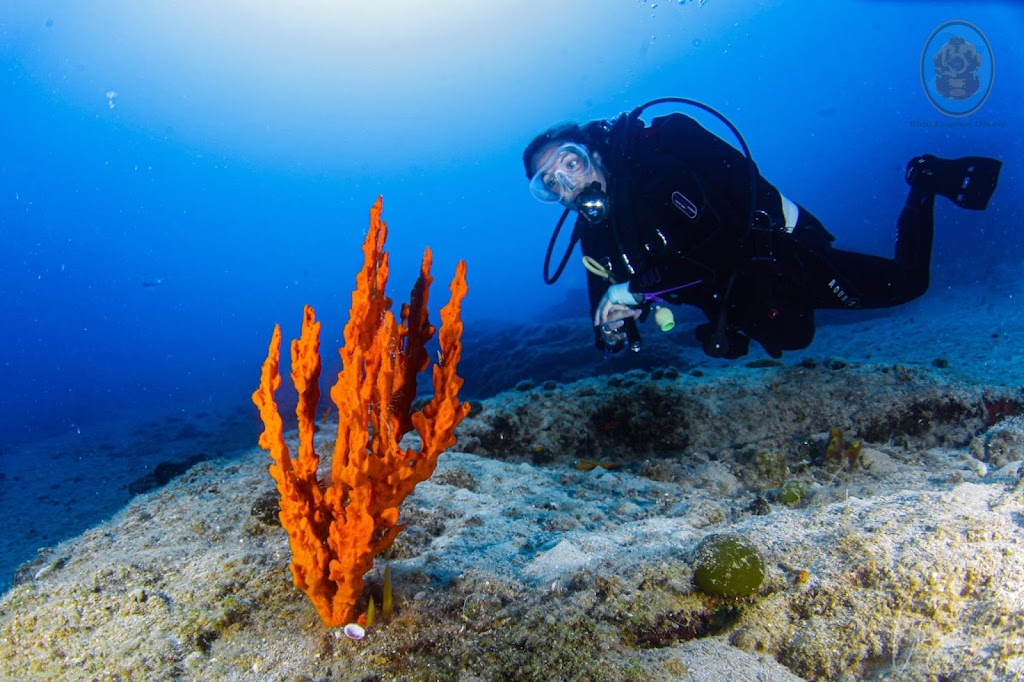
Other regions, such as Kas, provide a comprehensive experience featuring wrecks, caves, and canyons within its 25+ dive sites. These sites, located in areas like Ayvalık and Bodrum, often present colorful corals and sea sponges, which are not universally common in other parts of the Mediterranean.
Visibility frequently spans 9 to 30 m (30 to 100 ft), occasionally reaching up to 40 m (130 ft) in pristine areas like Fethiye or Kas. Water temperatures exhibit a broad range, dropping to 16°C (61°F) in early February and rising to 28°C (82°F) by mid-August, accommodating diverse diving preferences.
Conditions are Excellent
07:00 - 14:00
Optimal conditions expected
Current conditions near Reef show 20° air, 28° sea temperature, 0.4 m waves, and 22 km/h wind. Forecast data is refreshed regularly to ensure accuracy.
Best Time to Dive
While the main diving season in Turkey typically spans from May through November, offering excellent conditions, the destination truly supports year-round diving. During the peak season, especially from June to September, air temperatures are at their highest, averaging 27-31°C (81-88°F), and rainfall is minimal, often less than 1 mm, contributing to excellent dive scores. October and November also present favorable conditions with air temperatures around 17-21°C (63-70°F) and low rain, maintaining excellent dive scores. For those preferring quieter dive sites, exploring outside these busy months has its advantages. Even in colder periods like January and February, when air temperatures are cooler, around 12-13°C (54-55°F) with more rain (3.9-5.5mm), the dive score remains good, indicating viable opportunities to experience sites with fewer crowds. Water temperatures vary significantly, reaching lows of 16°C (61°F) in early February and highs of 28°C (82°F) in mid-August.
PEAK SEASON SCORE
Scores combine air & water temps, waves, wind & rainfall for overall conditions.
BEST MONTHS TO DIVE
Monthly records compiled from satellite and marine observation nodes over the last 3 years. Data provided by Open-Meteo and MET Norway.
Dive Experience & Conditions
Slipping into Turkey's waters, divers encounter visibility that commonly ranges from 9 to 30 m (30 to 100 ft), sometimes extending to an impressive 40 m (130 ft) in certain regions like Fethiye, enhancing photographic opportunities. The water temperature varies significantly across the year, from a cooler 16°C (61°F) in early February to a warm 28°C (82°F) in mid-August. This range necessitates adaptable thermal protection. During peak season, some popular dive sites can become quite busy. Opting to dive outside these high-traffic periods, especially during cooler months, often provides a more serene underwater experience, allowing for peaceful exploration of the reef systems and wrecks.
Dive Difficulty & Safety Guidelines
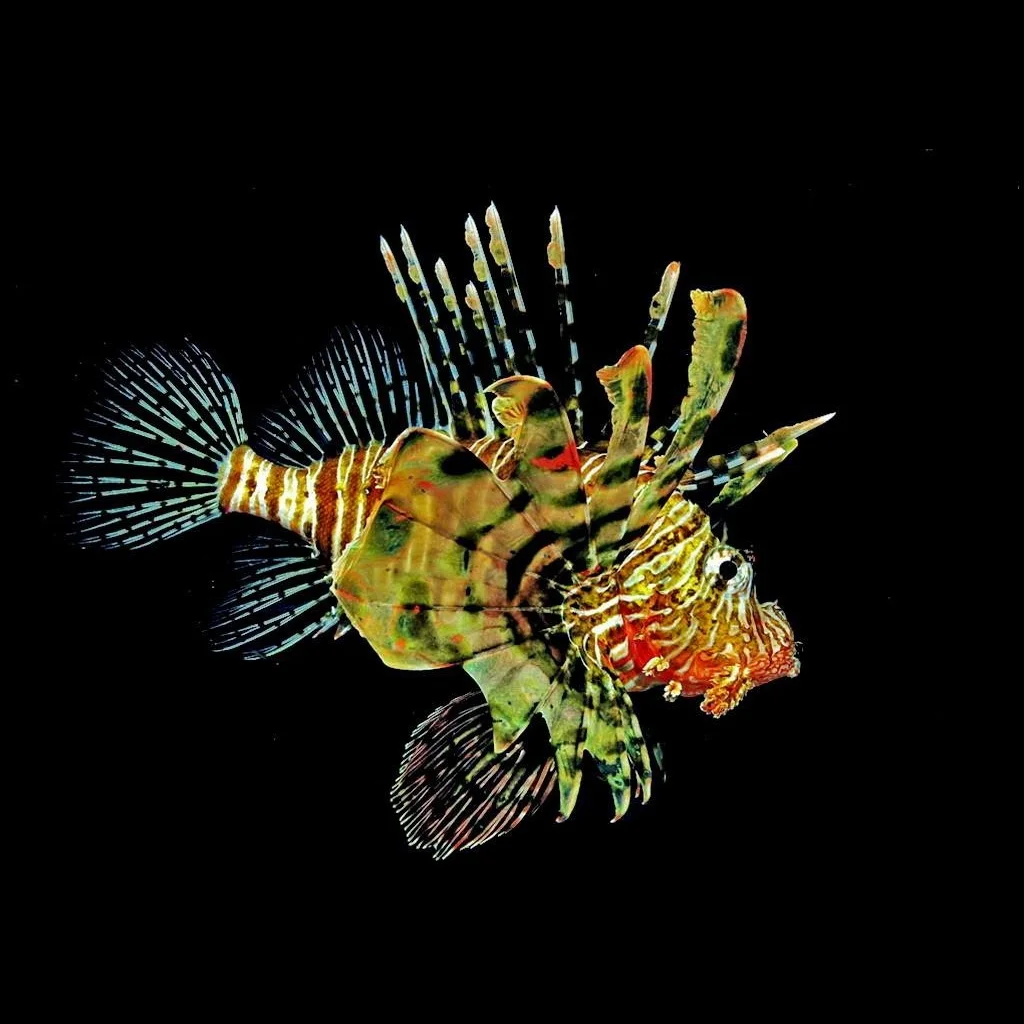
While specific hazards are not consistently reported across all Turkish dive sites, general dive safety protocols apply to ensure a secure experience. Divers should be mindful of other groups, particularly during busy periods, as site popularity can lead to increased activity underwater. The presence of lionfish, while beautiful, requires caution due to their poisonous spines; maintaining a respectful distance is advisable.
Always plan dives within your certification limits and stay aware of your air consumption and decompression limits. Adhering to responsible diving practices, such as proper buoyancy control, helps protect both yourself and the delicate underwater environment, including any historical artifacts encountered.
Recommended Equipment
Overhead / entanglement risk. Wreck penetration requires proper training.
- Dive Computer
- Primary & Backup Lights
- Wreck Reel
- Cutting Tool
This gear list is based on verified equipment signals for Reef, Turkey. Always confirm final gear choices with your dive operator, guide, or liveaboard.
Recommended Dive Suit
For many recreational divers, 2-3mm shorty or light wetsuit provides a practical level of insulation in these conditions. Surface intervals may feel cooler. Divers who tend to get cold easily may prefer slightly thicker exposure protection.
The waters surrounding Reef are currently maintaining temperatures close to 28°C (82°F). Surface air temperatures are resting at 20°C (68°F).
Temperatures look set to gradually increase over the next several days. A warming trend is expected over the next few days.
Emergency & Medical Support
Essential information to help you plan your dive trip to Reef.

Hyperbaric chambers are a critical part of dive safety infrastructure. Availability varies significantly by region, and not all dive areas have immediate access.
Before diving, it's recommended to:
- confirm nearest medical facilities
- check emergency procedures with local dive operators
- ensure dive insurance covers evacuation if required
Divers Alert Network
Diving emergency assistance available through DAN Europe.
+39 0642115685- 24/7 emergency hotline
- Diving medical assistance
- Evacuation coordination
Emergency contacts are provided for reference. Always verify local emergency services before diving.
Closest Listed Hyperbaric Chambers
Showing listed hyperbaric chamber facilities within 200 km of this dive site.
Distances are approximate straight-line distances and may not reflect emergency travel time.
DzKK Aksaz Deniz Üssü, Military base chamber
24/7 ListedMugla, Turkey•Approx. 11 km straight-line
DzKK Aksaz Deniz Üssü, Military base chamber
24/7 ListedInformation is provided for reference and planning purposes only. Dive Navigator does not verify operational status, staffing, availability, or quality of care at listed facilities. In an emergency, contact local emergency services, DAN, your dive operator, or the chamber directly. Do not travel to a facility without calling ahead.
Denizli Özel Sağlık Hastanesi
24/7 ListedICU CapableDenizli, Turkey•Approx. 128 km straight-line
Denizli Özel Sağlık Hastanesi
24/7 ListedICU CapableInformation is provided for reference and planning purposes only. Dive Navigator does not verify operational status, staffing, availability, or quality of care at listed facilities. In an emergency, contact local emergency services, DAN, your dive operator, or the chamber directly. Do not travel to a facility without calling ahead.
Marine Life at Reef
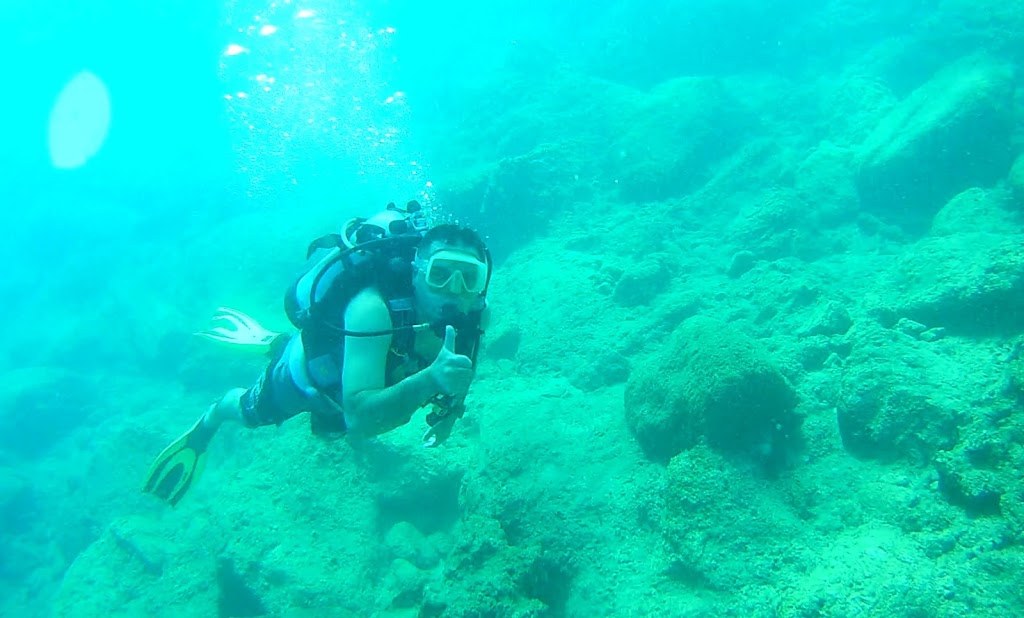
The underwater landscapes in Turkey host a variety of marine life alongside intriguing archaeological finds. Divers often observe colorful corals and diverse sea sponges adorning the reefs and wrecks.
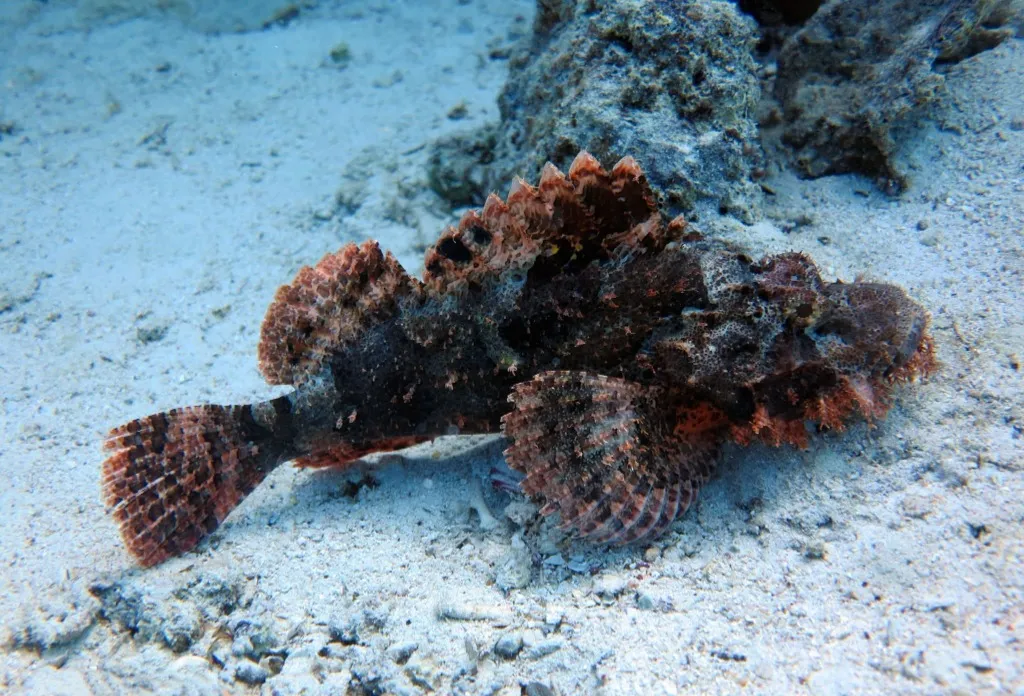
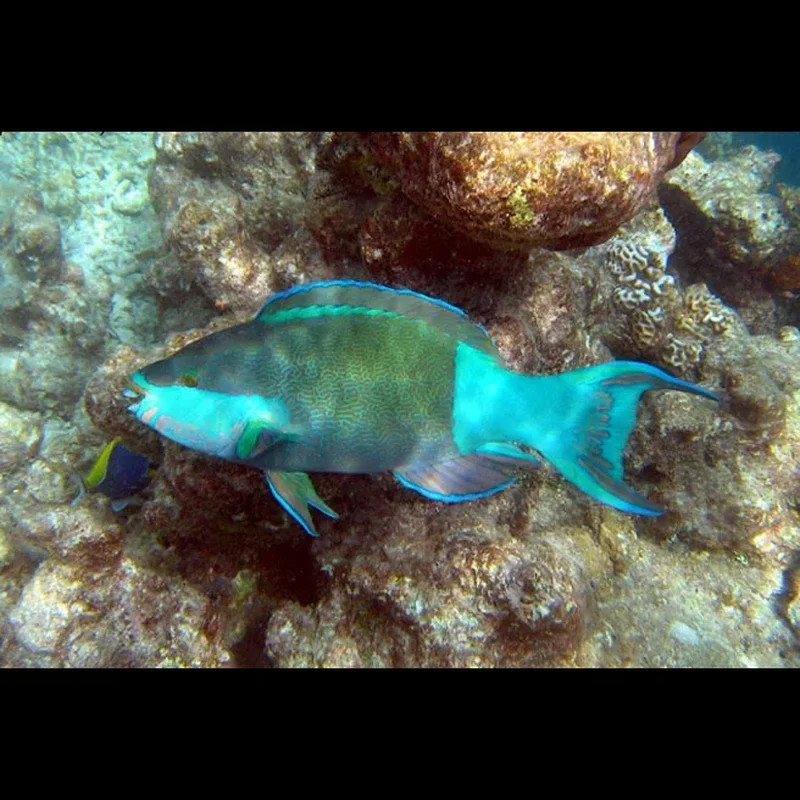
While an accidental introduction, lionfish are now common and, despite their destructive nature, are striking subjects for underwater photography. The waters are also home to native species like rainbow wrasse, Mediterranean parrotfish, painted comber, and small red scorpionfish.
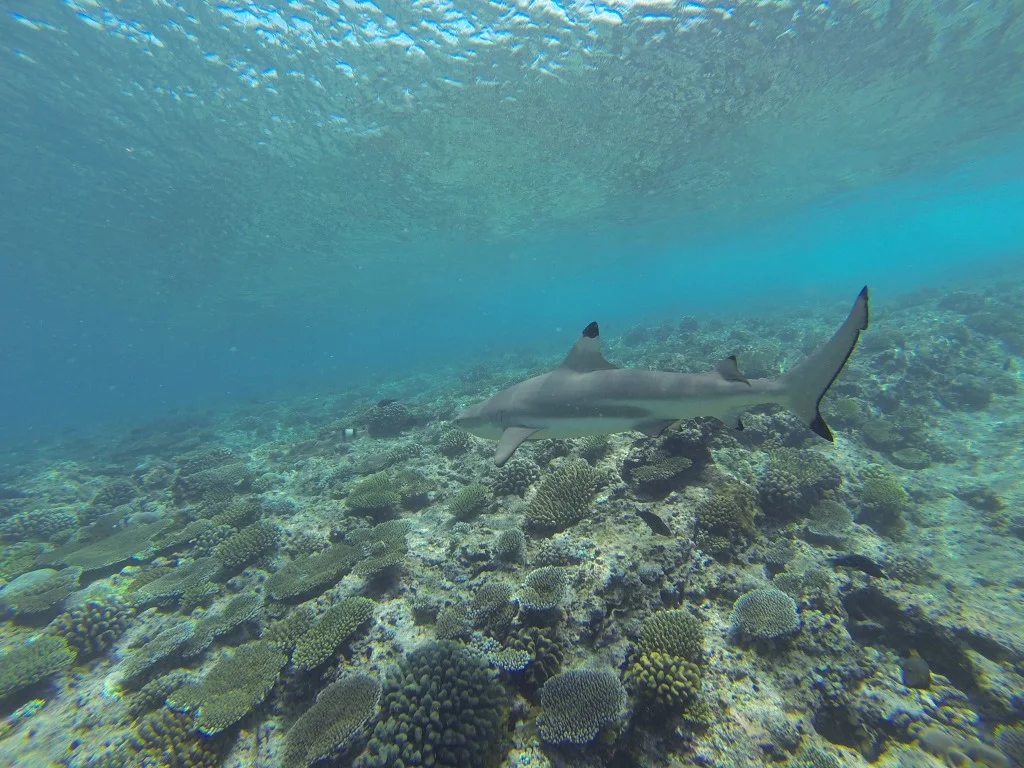
Lucky encounters with larger marine mammals such as dolphins, sharks, and whales are also possible. Additionally, some dive sites offer the unique chance to discover ancient amphoras and other historical artifacts, adding an archaeological dimension to the dive.
Dive Sites Near Reef
View all dive sites in TurkeyDiscover more underwater gems in this area.
Dive Centers Near Reef
Today: Open 24 hours

Nearest Airports
Nearest airports to help plan travel to this dive area.
Search Flights
Check available flights and routes on Expedia, using the nearby airports listed in this section.
Search Flights on ExpediaFrequently Asked Questions
What is the visibility like in Turkey?
Visibility in Turkey commonly ranges from 9 to 30 m (30 to 100 ft). In certain areas, like Fethiye or Kas, conditions can be exceptional, with visibility extending up to 40 m (130 ft).
What are the water temperatures in Turkey?
Water temperatures vary significantly throughout the year. They can be as low as 16°C (61°F) in early February and reach highs of 28°C (82°F) by mid-August.
Can I dive in Turkey year-round?
Yes, diving is possible year-round in Turkey. While the main season runs from May to November, cooler months offer good diving conditions and typically fewer crowds, though thermal protection will be necessary.
What types of dive sites are available?
Turkey offers a wide array of dive sites, including reefs, walls, tunnels, caverns, and numerous wrecks. Some sites also feature ancient archaeological artifacts.
Are there many dive operations in Turkey?
Yes, Turkey is a popular destination for scuba diving and offers many dive operations to choose from, catering to various experience levels. Options include both resort-based diving and liveaboards.
What marine life can I expect to see?
You can expect to see colorful corals, sea sponges, rainbow wrasse, Mediterranean parrotfish, painted comber, and small red scorpionfish. Lionfish are also prevalent, and occasional sightings of dolphins, sharks, or whales may occur.
Planning to dive Reef?
Send one inquiry and receive offers directly from the best verified local dive operators.
Conditions are Excellent
07:00 - 14:00
Optimal conditions expected
Current conditions near Reef show 20° air, 28° sea temperature, 0.4 m waves, and 22 km/h wind. Forecast data is refreshed regularly to ensure accuracy.