
Diving at Catermaran Wreck (Turkey)
Exploring underwater structures benefits greatly from clear visibility, and the Catermaran Wreck in Muğla Sarigerme typically offers favorable conditions. Diving this Turkish wreck provides clear views, simplifying appreciation for the sunken vessel's integrity. Calm waters during peak dive season further enhance clarity, enabling divers to discern wreck features from a distance. Stable conditions usually contribute to a rewarding visual experience throughout the dive.
Tonight's objective overview for Catermaran Wreck shows an air temperature of 19.5°C. The measured surface conditions include wave heights around 0.3 m. This environmental data is logged for the close of the day.
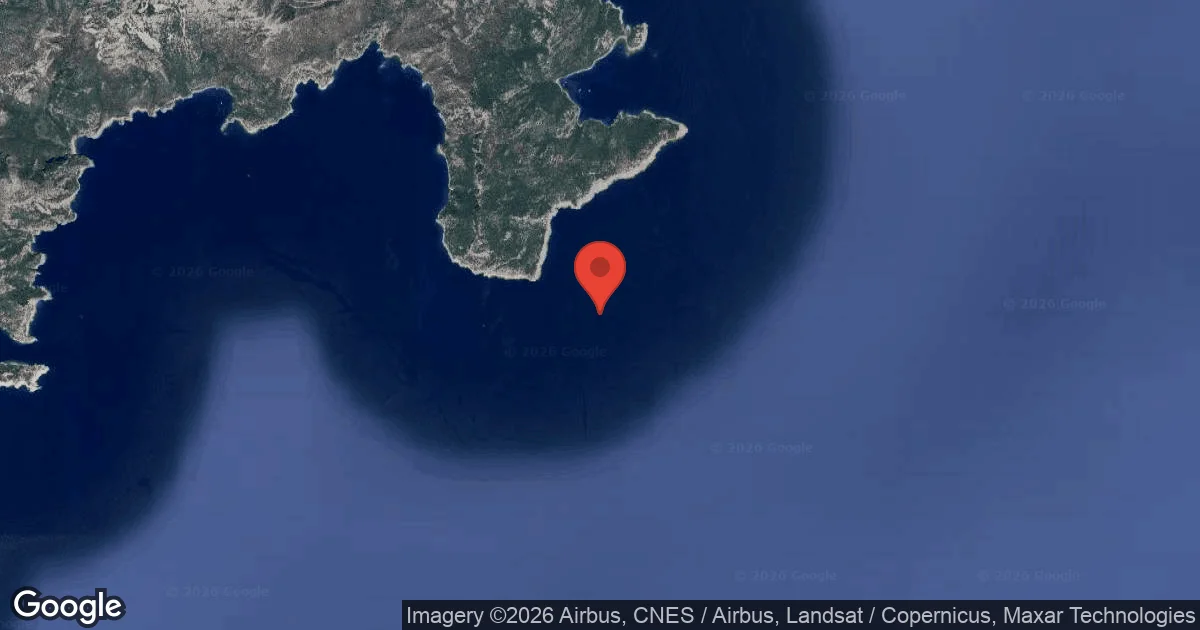
Dive Site Location & Key Facts
Dive Site Overview
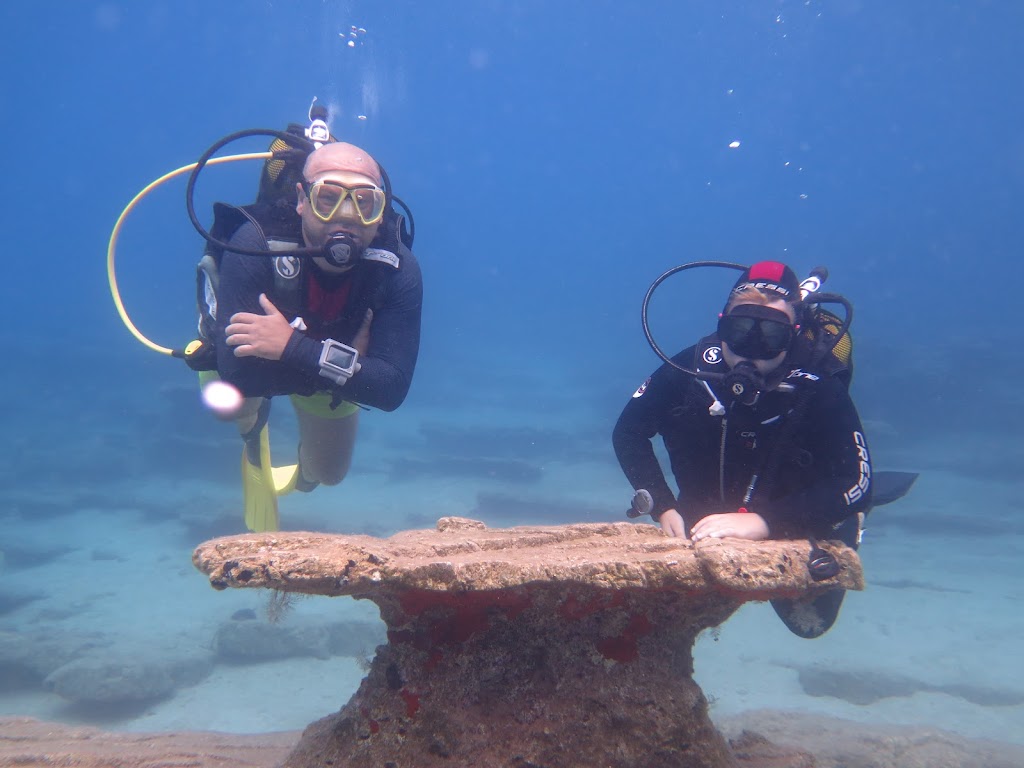
Anticipation of discovering a submerged structure in the Mediterranean marks the beginning of a journey to the Catermaran Wreck. As a designated wreck dive, it invites exploration into its form and the marine ecosystems it hosts.
While specific details on the Catermaran's dimensions are limited, similar Turkish wrecks often present substantial structures; sterns typically rest around 20 m (66 ft), with bows extending deeper, sometimes to 36 m (118 ft). Such depths usually categorize these sites as suitable for Advanced Open Water divers or those with equivalent experience. Consistent excellent dive scores throughout much of the year indicate reliable conditions for accessing and enjoying the site.
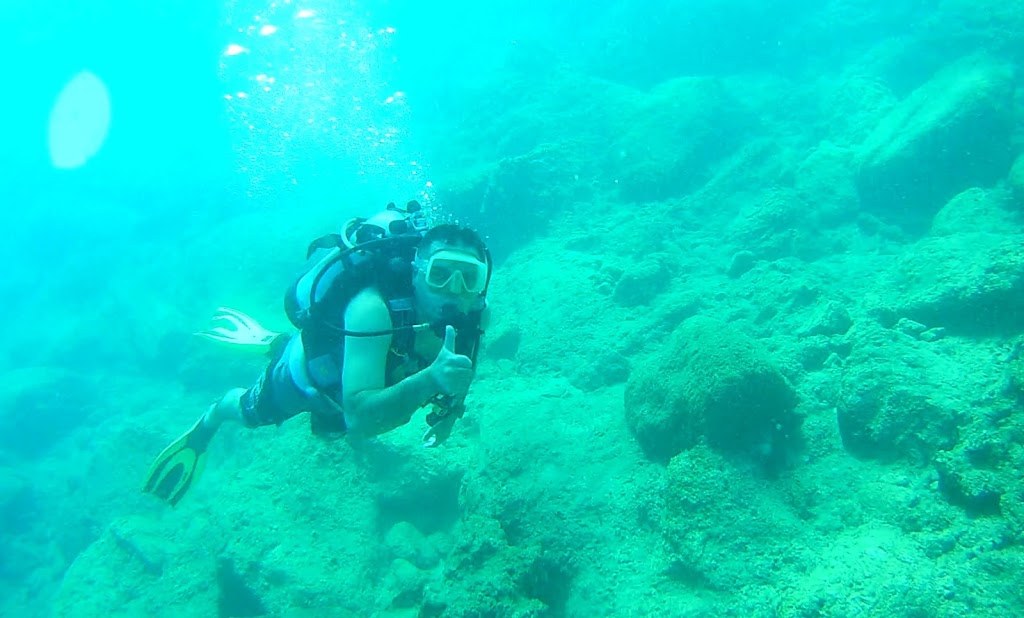
Descending towards the wreck, marine life is seen repurposing the structure, with various species establishing homes within its contours. The blend of historical intrigue and vibrant biological activity defines wreck diving here.
Divers can expect a relatively stable environment for exploration, benefiting from generally calm conditions characteristic of the region. An artificial reef, the wreck attracts an array of local fish populations.
Its presence provides both shelter and a complex habitat, making each dive a unique encounter with both the past and present marine environment. This site testifies to the sea's capacity to reclaim and transform man-made objects into thriving underwater ecosystems.
Conditions are Excellent
07:00 - 14:00
Optimal conditions expected
Current conditions near Catermaran Wreck show 19° air, 28° sea temperature, 0.4 m waves, and 22 km/h wind. Forecast data is refreshed regularly to ensure accuracy.
Best Time to Dive
Strategically planning a dive trip to the Catermaran Wreck enhances the overall experience. From June through October, 'Excellent' dive scores are consistently reported, driven by minimal rainfall, calmer seas, and warmer air temperatures. Average rainfall is negligible during these months, often less than 1 mm, significantly reducing runoff that could impact underwater clarity. Wave heights typically decrease to around 0.4 m (1.3 ft), contributing to settled particulate matter and enhanced visibility. Air temperatures within the excellent season are notably pleasant, ranging from 26.5°C to 31°C (80-88°F). While specific water temperature data isn't consistently reported, these warmer ambient conditions generally correlate with comfortable Mediterranean diving temperatures, often exceeding 22°C (72°F). Diving within this window maximizes chances for clear views and a relaxed experience. May and November's transition months still offer 'Good' diving, with slightly increased rain and wave activity but often acceptable visibility.
PEAK SEASON SCORE
Scores combine air & water temps, waves, wind & rainfall for overall conditions.
BEST MONTHS TO DIVE
Monthly records compiled from satellite and marine observation nodes over the last 3 years. Data provided by Open-Meteo and MET Norway.
Dive Experience & Conditions
Descending to the Catermaran Wreck leads divers into a calmer, often more sheltered environment compared to open water. As one drops through the water column, the wreck gradually materializes, its outlines becoming sharper in the clear visibility characteristic of the area. Underwater currents in its vicinity are not consistently reported as strong, but conditions can vary seasonally; lighter winds and waves contribute to easier descents and ascents during peak months. Divers can anticipate comfortable water temperatures, typically ranging from 22-27°C (72-81°F) across warmer seasons, though specific site data is limited. Upon reaching the wreck, the experience shifts to detailed exploration. Its structure provides numerous points of interest, from hull sections to potential openings. A sense of controlled discovery defines the dive, moving along or around the main body of the wreck. Encountering the site's inhabitants becomes a focal point, as many small species find refuge in and around the ship. Relatively stable conditions generally allow for extended bottom times, dependent on individual dive planning and air consumption.
Dive Difficulty & Safety Guidelines
Approaching any wreck dive, including the Catermaran, requires adherence to established safety protocols and a realistic assessment of individual skill. While its specific structure is not detailed for penetration, other regional wrecks sometimes offer opportunities for overhead environments, demanding specialized training such as Wreck Diver certification. Without such specific training, interior penetration should always be avoided, even if openings appear accessible.
Divers should always prioritize external observation and maintain a safe distance from fragile or unstable sections. Currents are generally manageable but should always be monitored; a pre-dive briefing will provide the latest information.
Maintaining proper buoyancy control is crucial to prevent accidental contact with the wreck, preserving both the site and your gear. Always dive within your certification limits and with a buddy. Awareness of air supply and no-decompression limits is paramount for a safe return to the surface.
Recommended Equipment
Overhead / entanglement risk. Wreck penetration requires proper training.
- Dive Computer
- Primary & Backup Lights
- Wreck Reel
- Cutting Tool
This gear list is based on verified equipment signals for Catermaran Wreck, Turkey. Always confirm final gear choices with your dive operator, guide, or liveaboard.
Recommended Dive Suit
2-3mm shorty or light wetsuit usually provides adequate warmth in water around this temperature. Surface intervals may feel cooler. Water conditions at Catermaran Wreck are currently measured at approximately 28°C (82°F). Surface air temperatures are resting at 19°C (67°F).
Forecasts suggest rising temperatures later this week. A warming trend is expected over the next few days.
Conditions can vary slightly across different parts of the same dive site.
Emergency & Medical Support
Essential information to help you plan your dive trip to Catermaran Wreck.

Hyperbaric chambers are a critical part of dive safety infrastructure. Availability varies significantly by region, and not all dive areas have immediate access.
Before diving, it's recommended to:
- confirm nearest medical facilities
- check emergency procedures with local dive operators
- ensure dive insurance covers evacuation if required
Divers Alert Network
Diving emergency assistance available through DAN Europe.
+39 0642115685- 24/7 emergency hotline
- Diving medical assistance
- Evacuation coordination
Emergency contacts are provided for reference. Always verify local emergency services before diving.
Closest Listed Hyperbaric Chambers
Showing listed hyperbaric chamber facilities within 200 km of this dive site.
Distances are approximate straight-line distances and may not reflect emergency travel time.
DzKK Aksaz Deniz Üssü, Military base chamber
24/7 ListedMugla, Turkey•Approx. 11 km straight-line
DzKK Aksaz Deniz Üssü, Military base chamber
24/7 ListedInformation is provided for reference and planning purposes only. Dive Navigator does not verify operational status, staffing, availability, or quality of care at listed facilities. In an emergency, contact local emergency services, DAN, your dive operator, or the chamber directly. Do not travel to a facility without calling ahead.
Denizli Özel Sağlık Hastanesi
24/7 ListedICU CapableDenizli, Turkey•Approx. 128 km straight-line
Denizli Özel Sağlık Hastanesi
24/7 ListedICU CapableInformation is provided for reference and planning purposes only. Dive Navigator does not verify operational status, staffing, availability, or quality of care at listed facilities. In an emergency, contact local emergency services, DAN, your dive operator, or the chamber directly. Do not travel to a facility without calling ahead.
Marine Life at Catermaran Wreck
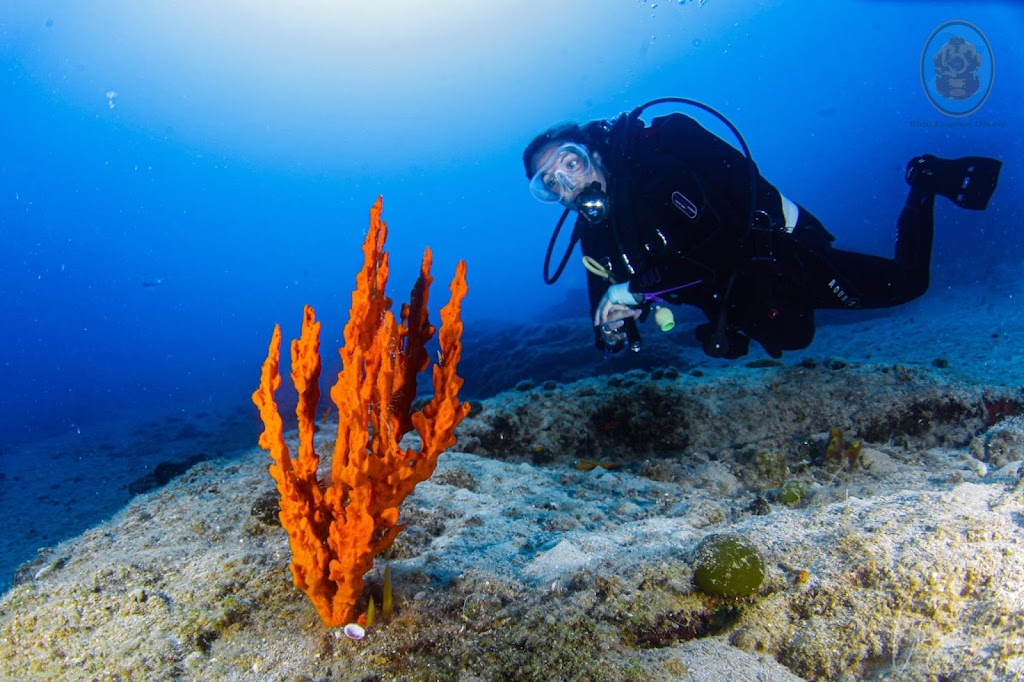
Upon approaching the Catermaran Wreck, divers will likely first notice the schooling fish congregating around its structure, making it a living artificial reef. Within the wreck's protective crevices and larger openings, expect to observe various species adapting to this habitat.
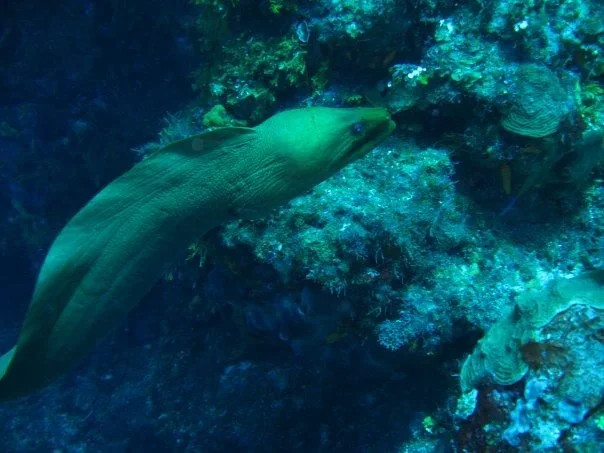
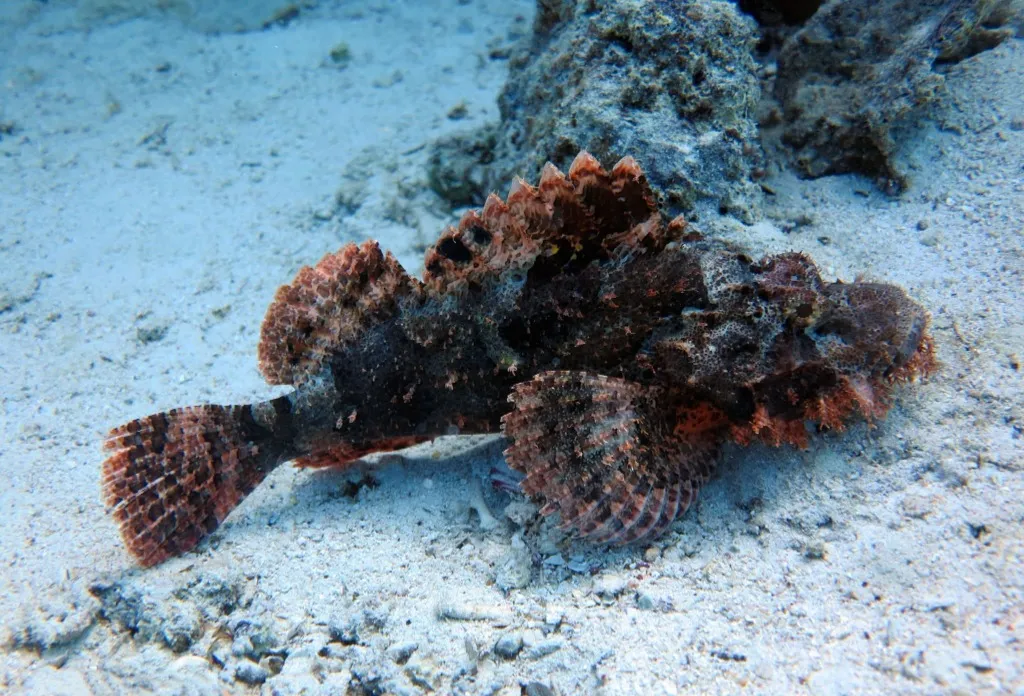
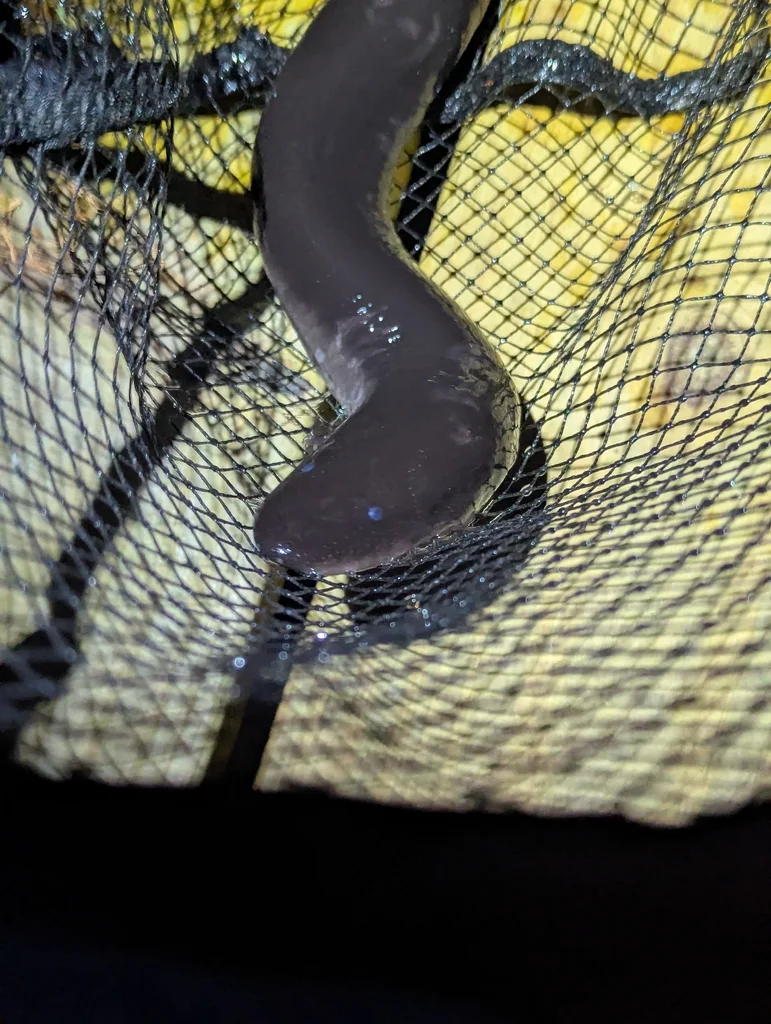
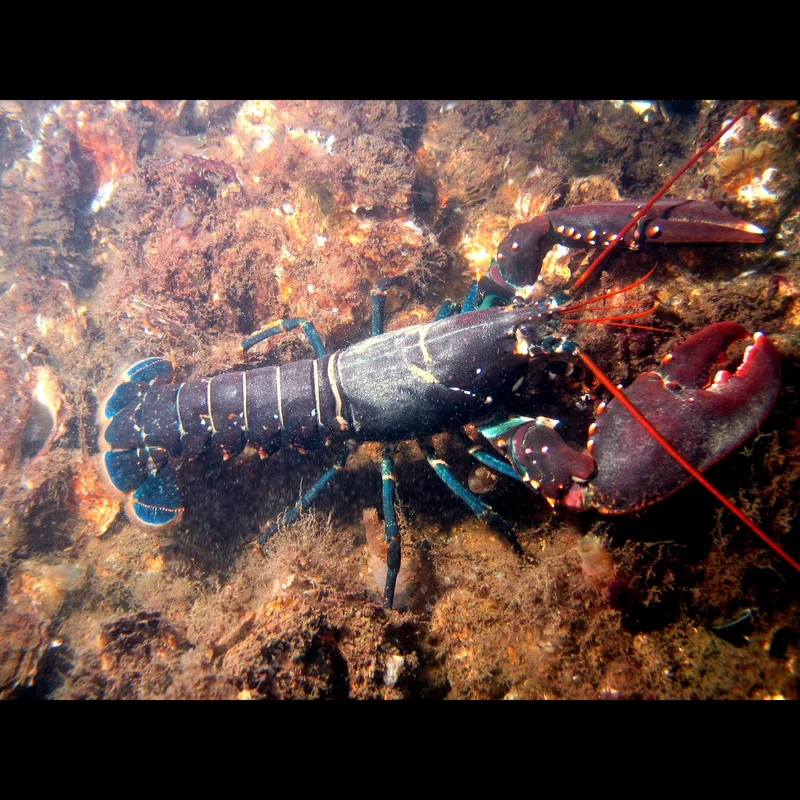
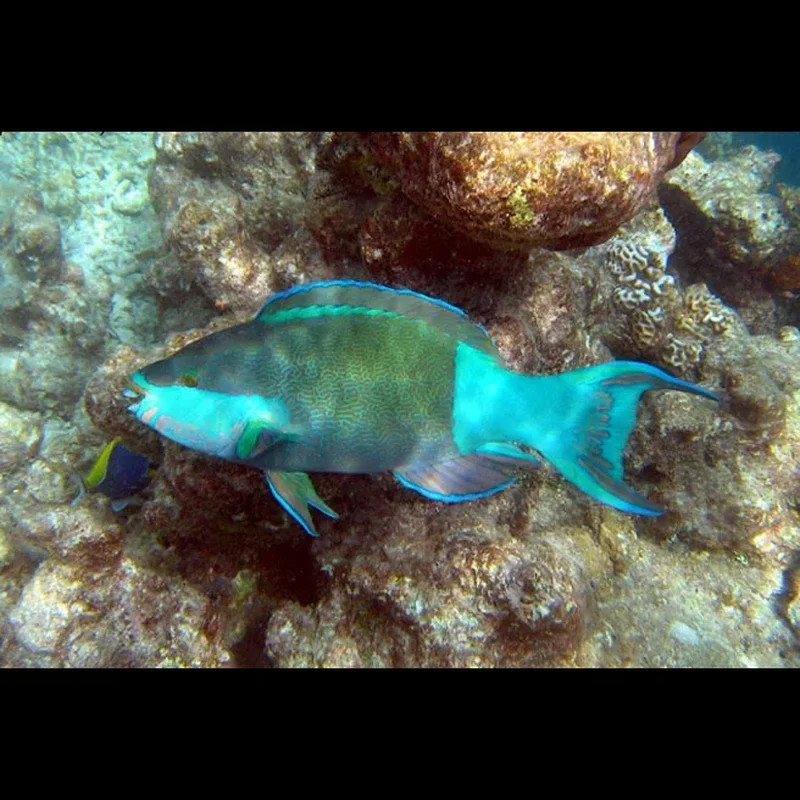
Regional wreck dives frequently yield sightings of scorpionfish, conger eels, and moray eels finding shelter within the framework. Keep an eye out for nudibranchs along the surfaces, as well as parrotfish and small schooling bream navigating the general vicinity. Octopus and lobsters might also be seen tucked away, adding to the diversity inhabiting the site.
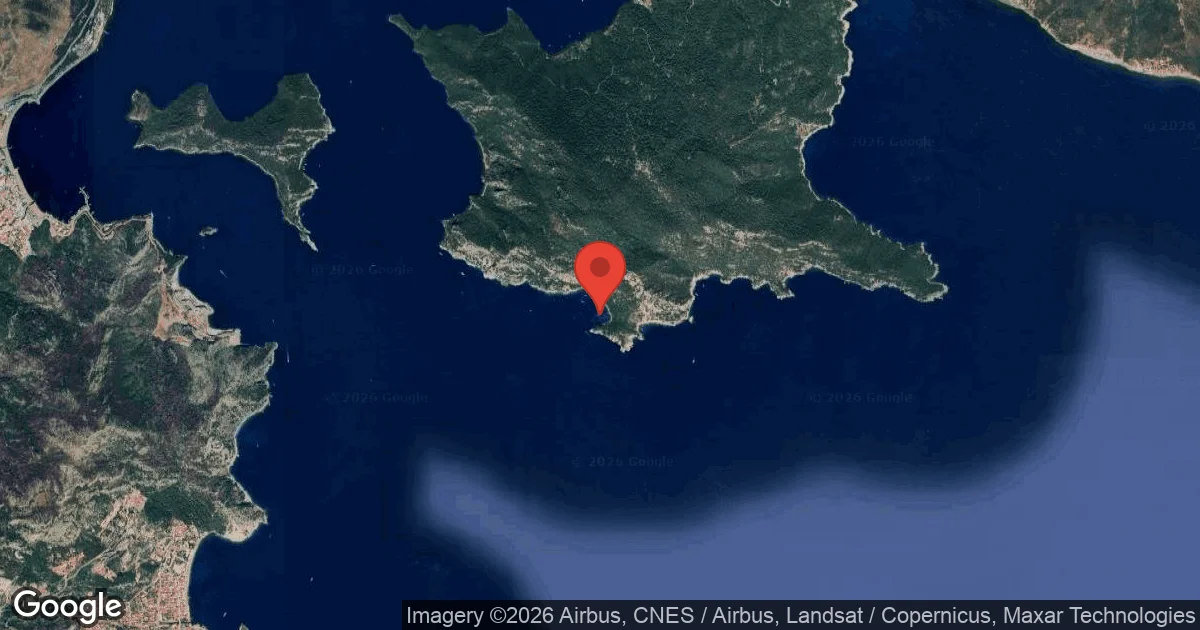
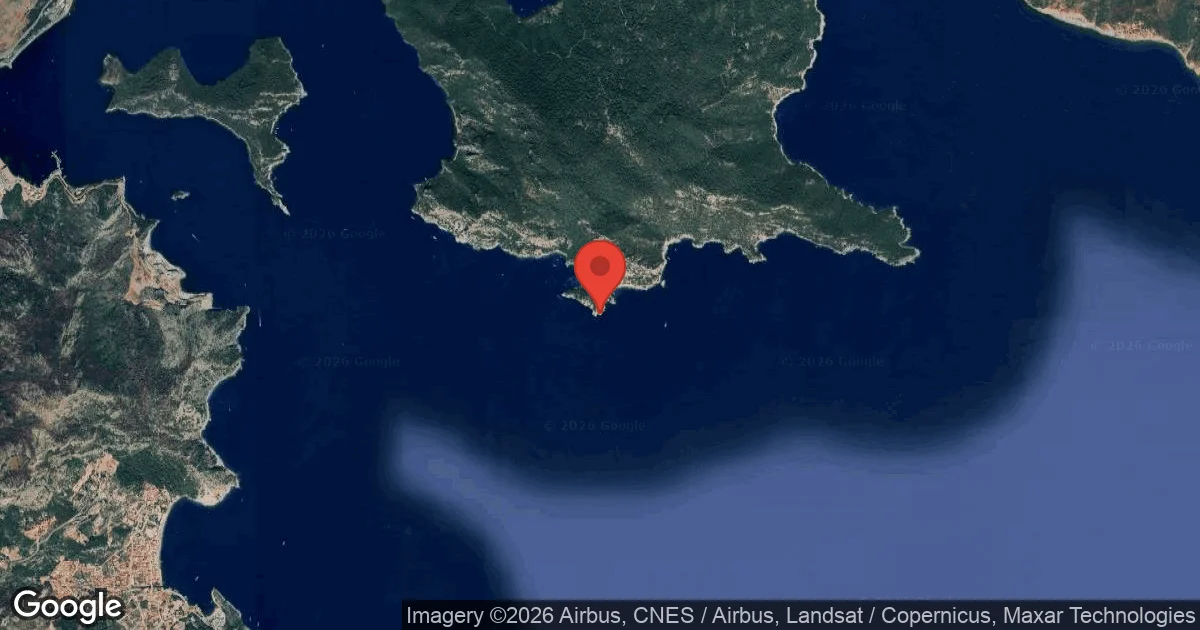
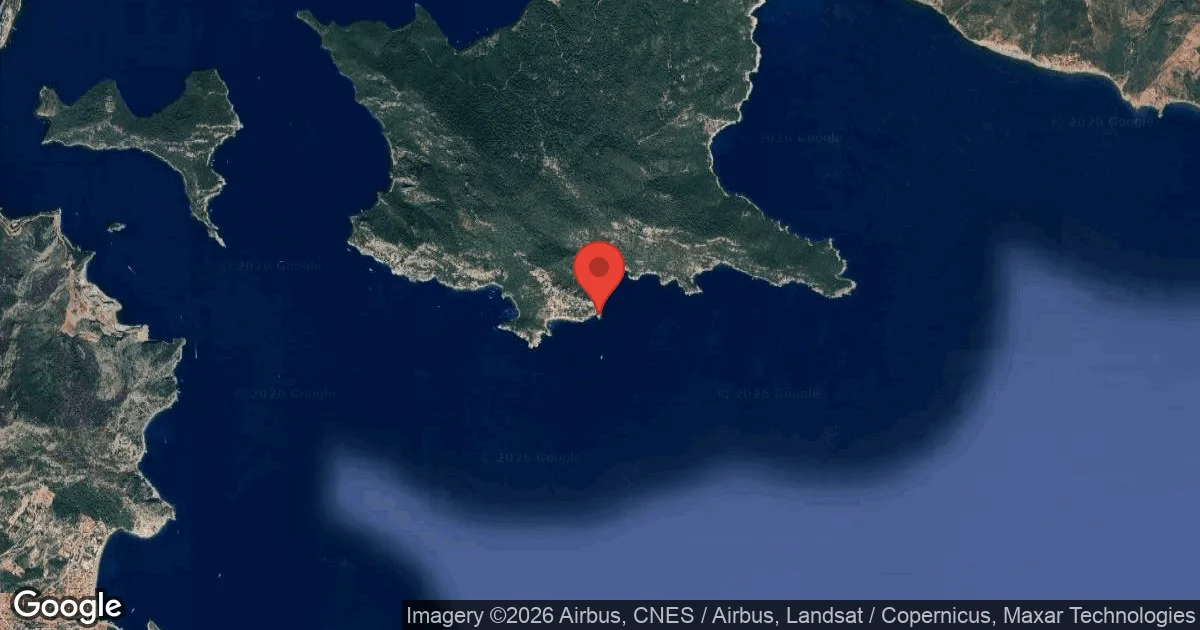
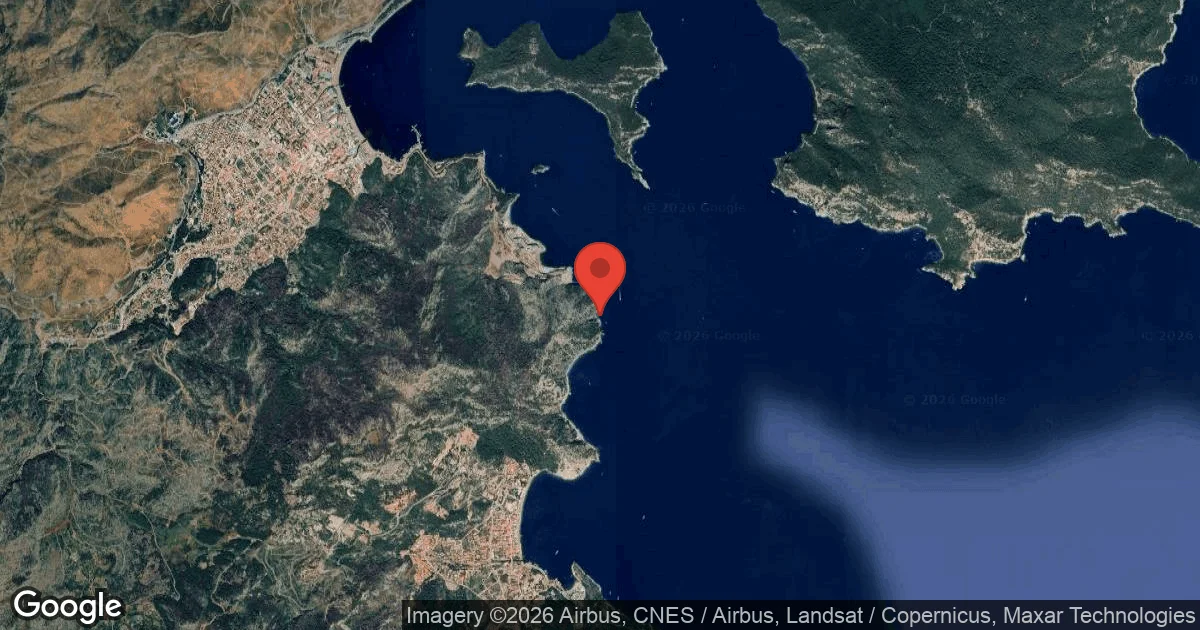
Dive Sites Near Catermaran Wreck
View all dive sites in TurkeyDiscover more underwater gems in this area.
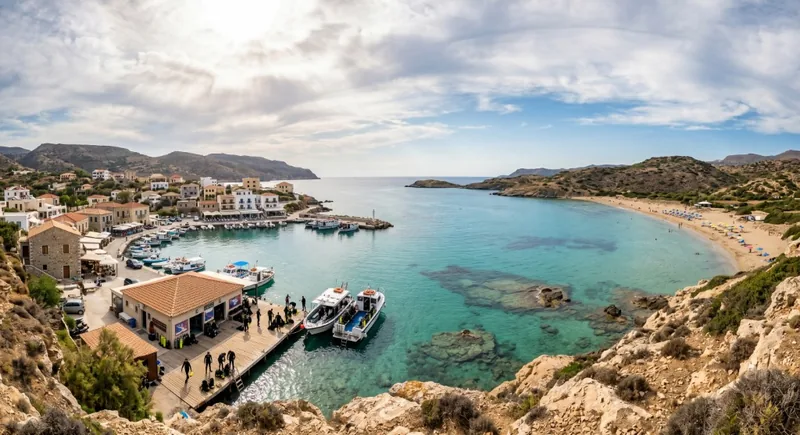
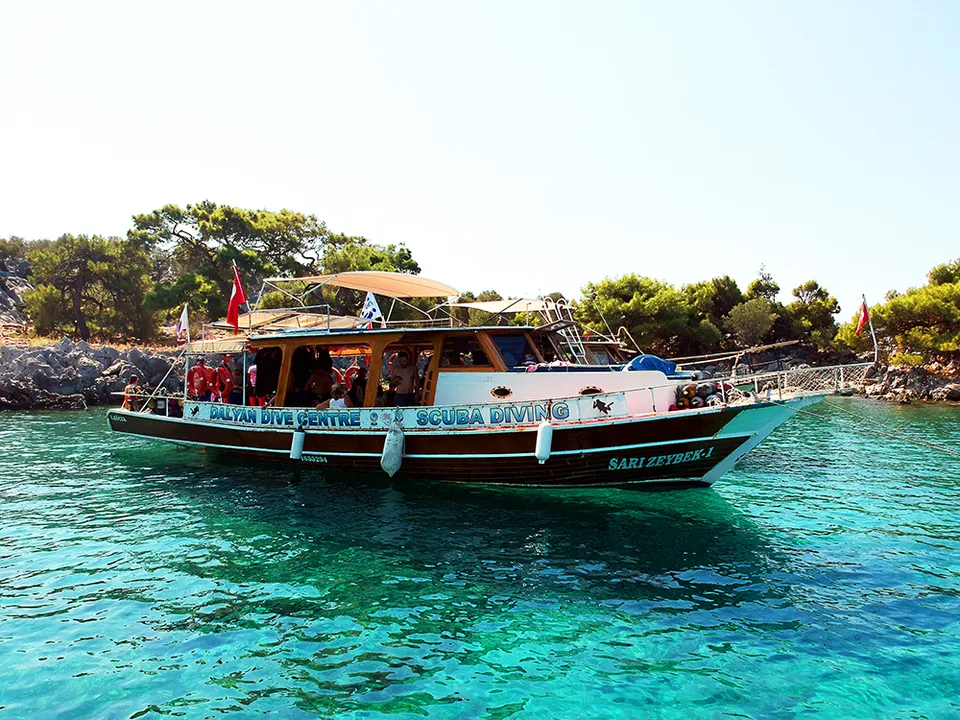
Dive Centers Near Catermaran Wreck
Today: Open 24 hours

Nearest Airports
Nearest airports to help plan travel to this dive area.
Search Flights
Check available flights and routes on Expedia, using the nearby airports listed in this section.
Search Flights on ExpediaFrequently Asked Questions
What type of dive site is the Catermaran Wreck?
This site is a dedicated wreck dive, offering an opportunity to explore a submerged vessel. Wrecks typically serve as artificial reefs, attracting diverse marine life and providing structural interest for divers.
Where is the Catermaran Wreck located?
The Catermaran Wreck is located in Muğla Sarigerme, Turkey. It's accessible via local dive operators in the region, such as those operating out of Bodrum or Marmaris.
What certification level is recommended for diving the Catermaran Wreck?
While general wreck diving often suits Advanced Open Water divers due to potential depths and complexities, specific site difficulty can vary. It's always best to consult with a local dive center for the most current recommendations based on the wreck's conditions.
What marine life might I see at the Catermaran Wreck?
Wrecks in this region attract a range of species. Divers frequently encounter schooling fish, scorpionfish, moray eels, and possibly octopus or lobsters using the wreck for shelter and hunting.
When is the best time of year to dive this wreck?
The optimal diving season for the Catermaran Wreck, offering the best conditions, is generally from June through October. This period features minimal rain, calmer seas, and excellent overall dive scores.
Can divers penetrate the Catermaran Wreck?
Information specific to the Catermaran Wreck's penetrability is not consistently available. Wreck penetration requires specialized training and equipment, and without appropriate certification, it should be avoided.
Planning to dive Catermaran Wreck?
Send one inquiry and receive offers directly from the best verified local dive operators.
Conditions are Excellent
07:00 - 14:00
Optimal conditions expected
Current conditions near Catermaran Wreck show 19° air, 28° sea temperature, 0.4 m waves, and 22 km/h wind. Forecast data is refreshed regularly to ensure accuracy.