
Diving at Coastguard Wreck (Turkey)
Submerged beneath Turkey's clear waters, a series of intentionally sunk coastguard vessels now serve as vibrant artificial reefs, each offering a compelling journey into maritime history. These wrecks, once patrol ships guarding the coastline, have transformed into dynamic underwater ecosystems. Exploring these sites reveals a unique blend of structural integrity and thriving marine life, inviting divers to discover the past and witness the present.
Evening condition tracking at Coastguard Wreck features an air temperature of 21°C. We have recorded wave heights measuring 0.1 m during this period. These figures outline the environmental parameters currently present.
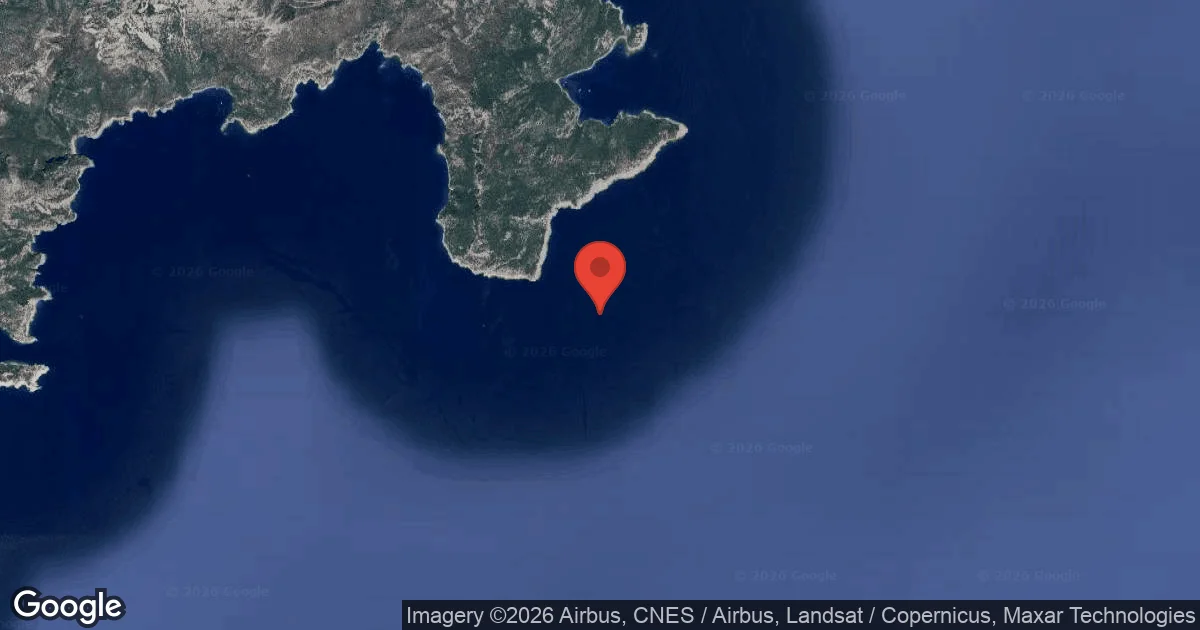
Dive Site Location & Key Facts
Dive Site Overview
Approaching these coastguard wrecks often involves traversing varied underwater topography. Divers might navigate around natural rock formations near the coast before encountering stretches of Neptune grass, which gradually give way to the prominent silhouettes of the sunken vessels.
These retired patrol boats and water tankers were intentionally sunk, largely as part of artificial reef projects in the mid-2000s or later, transforming them into significant dive attractions. The wrecks themselves vary in size and depth across the region, typically ranging from 29 meters (95 ft) to 41 meters (135 ft) in length. For instance, some wrecks have their sterns resting at around 18 meters (59 ft) and their bows descending deeper, often to 26 meters (85 ft) or even 33 meters (108 ft).
The structures remain largely intact, with features such as accessible wheelhouses and prominent masts providing distinct exploration points. Penetration opportunities are common for experienced wreck divers, allowing exploration of interior spaces.
The surrounding seafloor often showcases further rock formations, enhancing the overall dive experience by attracting additional marine life. Each vessel presents its own character, creating a diverse underwater landscape that invites repeat visits to uncover their submerged stories and the continuous evolution of these artificial habitats. The strategic placement of these wrecks supports local biodiversity and dive tourism.
Conditions are Excellent
07:00 - 14:00
Optimal conditions expected
Current conditions near Coastguard Wreck show 21° air, 28° sea temperature, 0.3 m waves, and 19 km/h wind. Forecast data is refreshed regularly to ensure accuracy.
Best Time to Dive
Peak diving conditions for Turkey's coastguard wrecks generally align with the warmer, drier months, when visibility tends to be at its best. From June through October, the region experiences excellent dive scores, minimizing surface chop and enhancing underwater clarity. Air temperatures during this period are pleasantly warm, ranging from 26.5°C (80°F) in September to 31°C (88°F) in July, making surface intervals comfortable. Rainfall is minimal, often less than 1 mm (0.04 inches) per month from June to September, preventing runoff that could reduce visibility. Wave heights are also consistently lower, averaging around 0.4-0.5 meters (1.3-1.6 ft), which contributes to calmer seas and easier boat entries. While specific water temperature data for the wreck sites isn't consistently reported, the general trend for Turkish Aegean waters during summer and early autumn suggests comfortable diving without excessive thermal protection. Even shoulder months like May and November offer good conditions, though cooler air temperatures and slightly higher rainfall should be considered. Planning your dive during these optimal months increases the likelihood of clear water and a more enjoyable experience overall.
PEAK SEASON SCORE
Scores combine air & water temps, waves, wind & rainfall for overall conditions.
BEST MONTHS TO DIVE
Monthly records compiled from satellite and marine observation nodes over the last 3 years. Data provided by Open-Meteo and MET Norway.
Dive Experience & Conditions
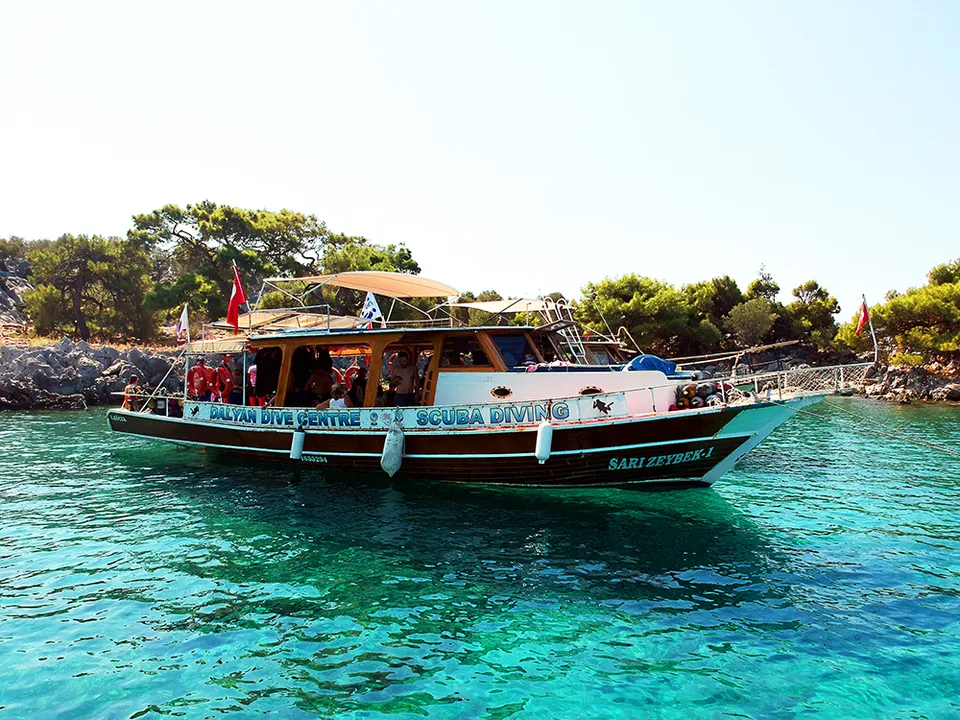
Diver access to these coastguard wrecks typically requires a short boat ride, often 25-40 minutes from local dive centers, varying by site. Following entry, a descent usually begins on the wreck's stern, which sits at a shallower depth, gradually leading explorers towards the deeper bow section. These sites accommodate a wide spectrum of certifications; many areas are well-suited for entry-level certified divers, especially for exterior tours. Conversely, more experienced wreck or deep divers can find rewarding penetration opportunities into spaces like the wheelhouse, provided the structure permits safe entry. Exploration platforms are notably stable, gradually descending with the wreck's slope. Encountering varying currents is possible, though they generally remain manageable. Marine communities have actively colonized these artificial reefs, creating a vibrant, dynamic environment for divers to observe.
Dive Difficulty & Safety Guidelines
While no distinct site-specific hazards are consistently reported beyond standard wreck diving considerations, responsible diving at these coastguard wrecks requires adherence to established safety protocols. Divers planning interior penetration must be properly trained and equipped for overhead environments, carrying appropriate lighting and redundant air sources. Always consult with local dive operators; they offer crucial insights into current conditions and specific wreck characteristics, which can vary between sites.
These vessels, though intentionally sunk as artificial reefs, are still structures that can shift or present entanglement risks in certain areas. Maintaining good buoyancy control is essential to avoid disturbing the wreck or stirring up sediment.
Dive within your certification limits and always dive with a buddy, ensuring clear communication throughout your exploration.
Recommended Equipment
Overhead / entanglement risk. Wreck penetration requires proper training.
- Dive Computer
- Primary & Backup Lights
- Wreck Reel
- Cutting Tool
This gear list is based on verified equipment signals for Coastguard Wreck, Turkey. Always confirm final gear choices with your dive operator, guide, or liveaboard.
Recommended Dive Suit
The latest conditions reported around Coastguard Wreck place the water temperature close to 28°C (82°F). Surface air temperatures are resting at 21°C (69°F).
For the majority of recreational dives here, 2-3mm shorty or light wetsuit should provide suitable protection. Surface intervals may feel cooler.
Surface conditions are expected to warm up slightly in the coming days. A warming trend is expected over the next few days.
Due to technical issues with our weather providers, data hasn't been fetched for over 48 hours. The data above reflects the conditions at the time of the last successful fetch.
Emergency & Medical Support
Essential information to help you plan your dive trip to Coastguard Wreck.

Hyperbaric chambers are a critical part of dive safety infrastructure. Availability varies significantly by region, and not all dive areas have immediate access.
Before diving, it's recommended to:
- confirm nearest medical facilities
- check emergency procedures with local dive operators
- ensure dive insurance covers evacuation if required
Divers Alert Network
Diving emergency assistance available through DAN Europe.
+39 0642115685- 24/7 emergency hotline
- Diving medical assistance
- Evacuation coordination
Emergency contacts are provided for reference. Always verify local emergency services before diving.
Closest Listed Hyperbaric Chambers
Showing listed hyperbaric chamber facilities within 200 km of this dive site.
Distances are approximate straight-line distances and may not reflect emergency travel time.
DzKK Aksaz Deniz Üssü, Military base chamber
24/7 ListedMugla, Turkey•Approx. 11 km straight-line
DzKK Aksaz Deniz Üssü, Military base chamber
24/7 ListedInformation is provided for reference and planning purposes only. Dive Navigator does not verify operational status, staffing, availability, or quality of care at listed facilities. In an emergency, contact local emergency services, DAN, your dive operator, or the chamber directly. Do not travel to a facility without calling ahead.
Denizli Özel Sağlık Hastanesi
24/7 ListedICU CapableDenizli, Turkey•Approx. 127 km straight-line
Denizli Özel Sağlık Hastanesi
24/7 ListedICU CapableInformation is provided for reference and planning purposes only. Dive Navigator does not verify operational status, staffing, availability, or quality of care at listed facilities. In an emergency, contact local emergency services, DAN, your dive operator, or the chamber directly. Do not travel to a facility without calling ahead.
Marine Life at Coastguard Wreck
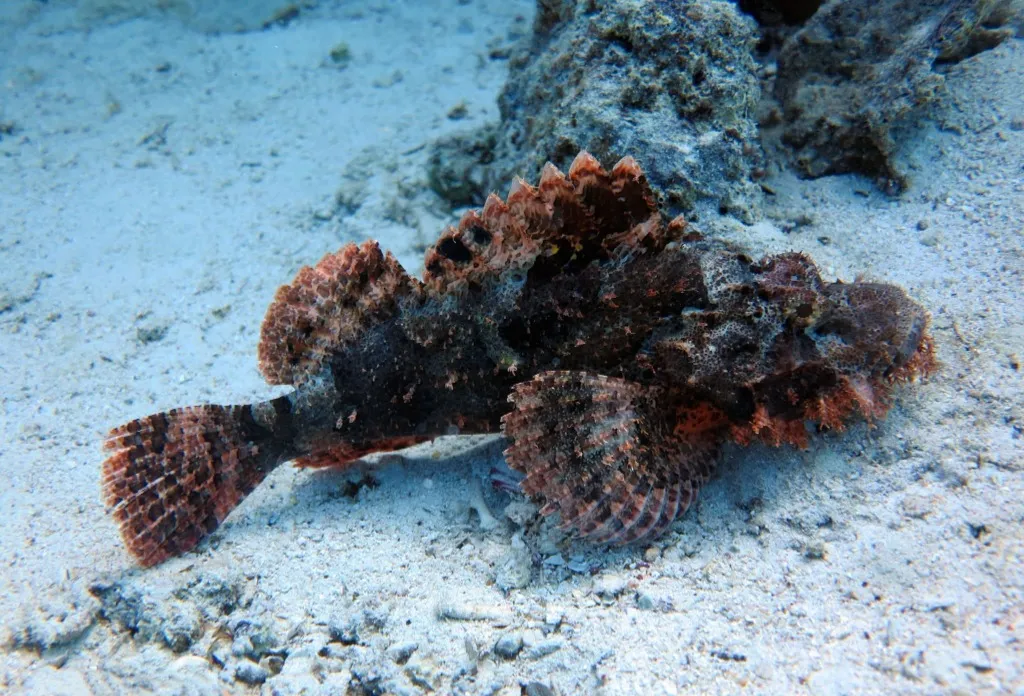
Upon approaching these wrecks, divers often first notice the vibrant marine life colonizing the structures. Look closely for delicate squid eggs meticulously laid on the mast and flagpole, or observe scorpionfish perfectly camouflaged against the hull.
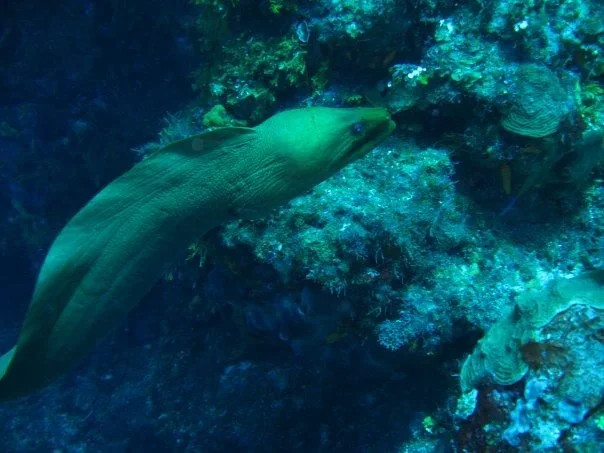
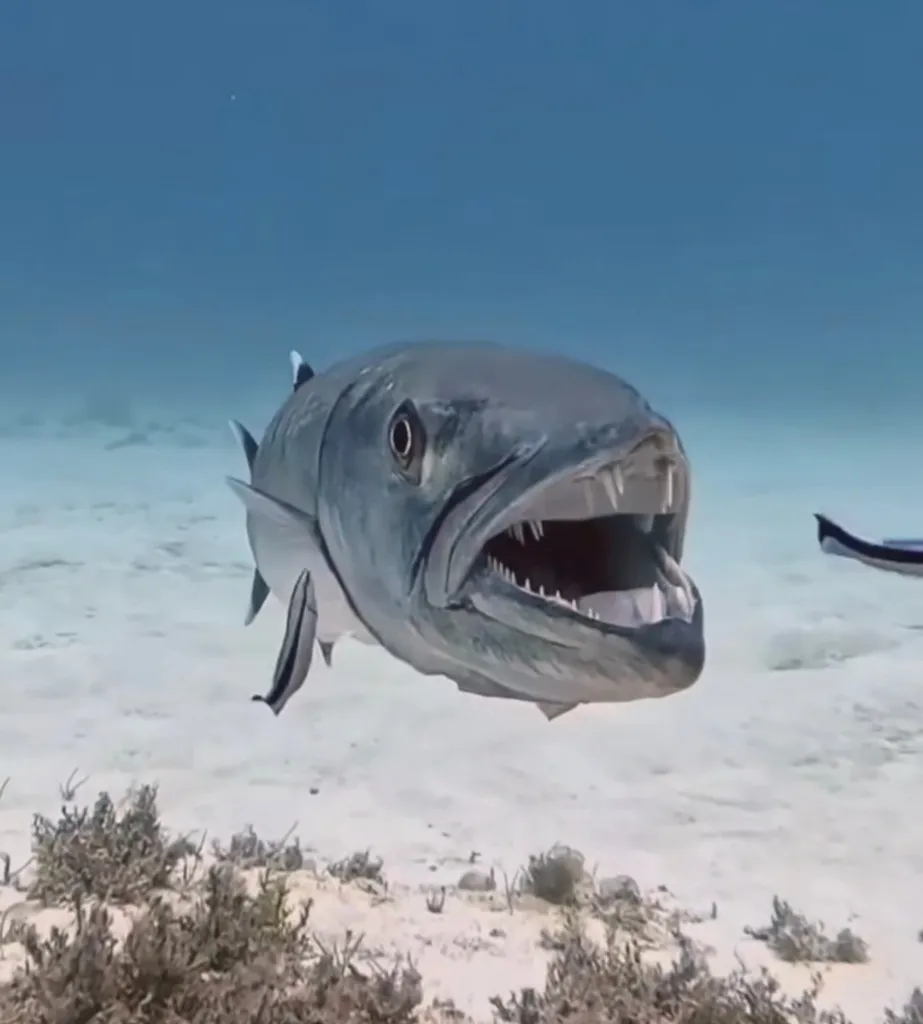
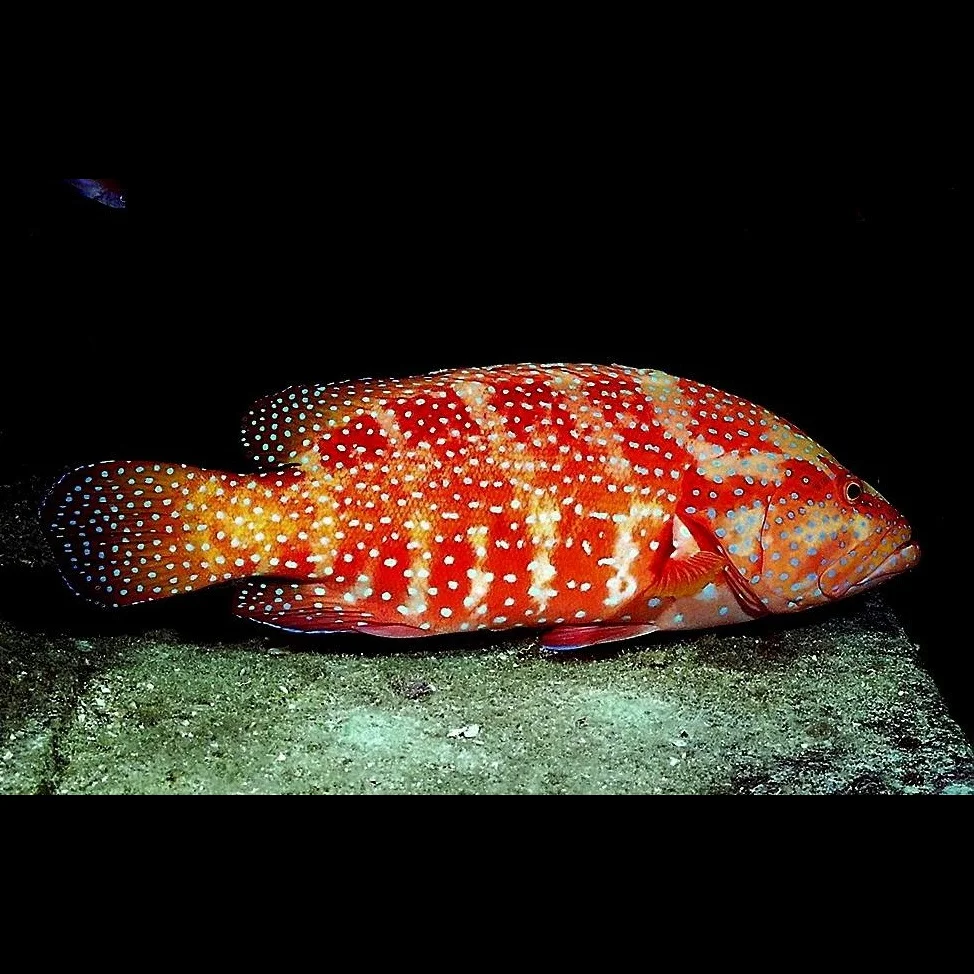
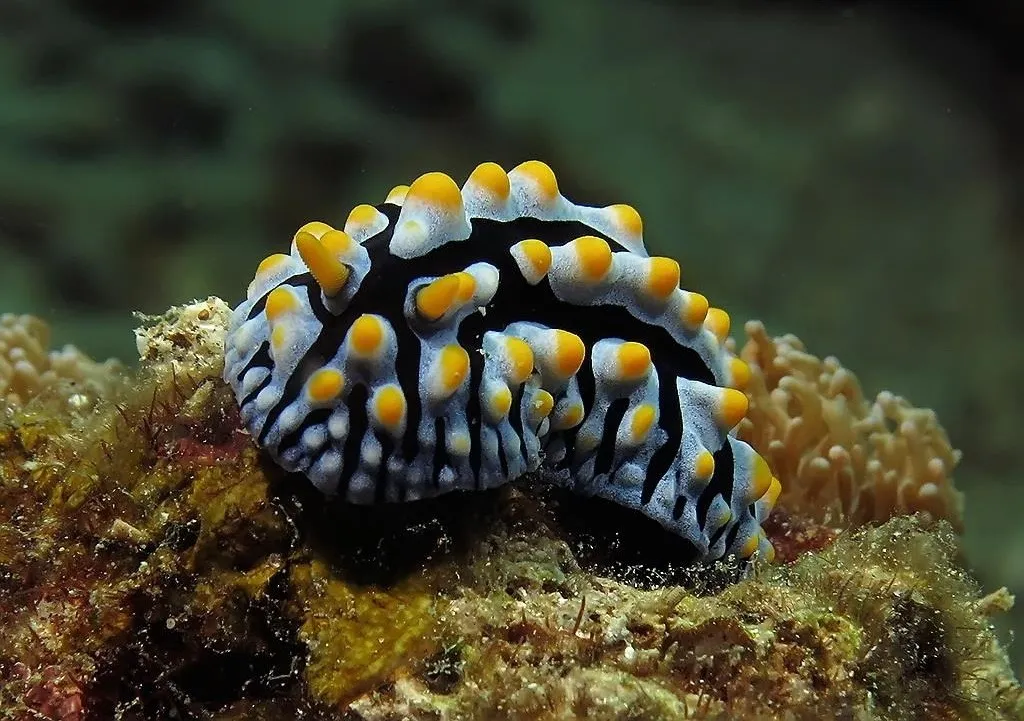
The wrecks host various nudibranchs, adding splashes of color to the metallic surfaces. Around the ship, schools of dentex and barracuda are frequently observed patrolling the perimeter, while groupers and moray eels find refuge within the larger crevices and former compartments.
Lionfish have also become residents at some sites, showcasing the diverse ecosystem that these artificial reefs support.
Dive Sites Near Coastguard Wreck
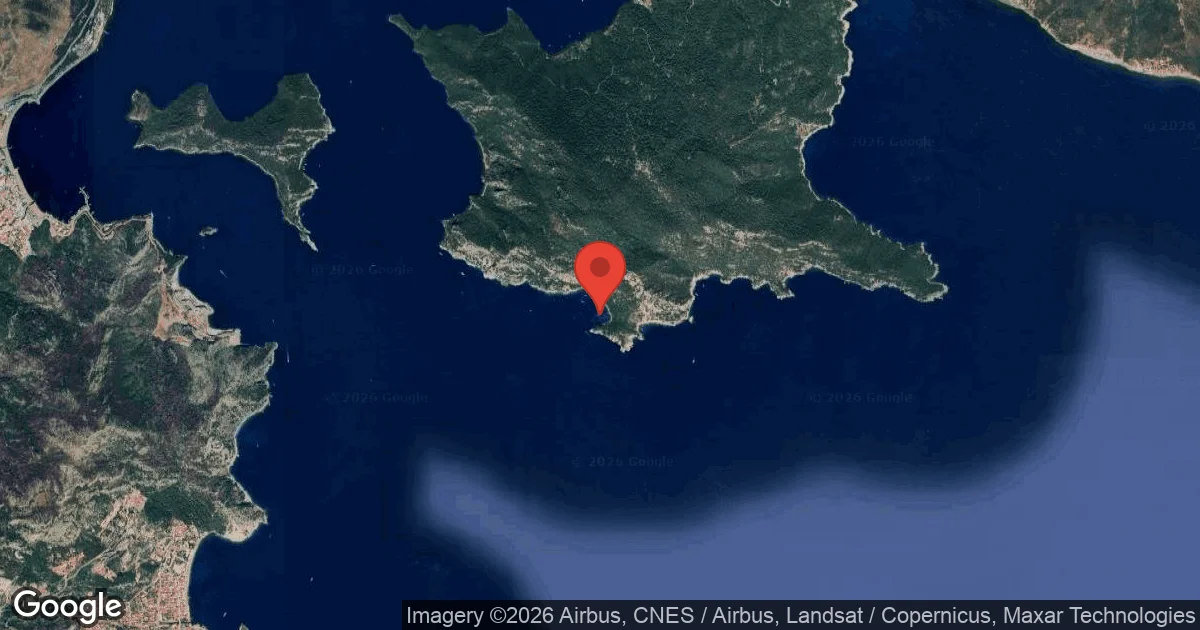
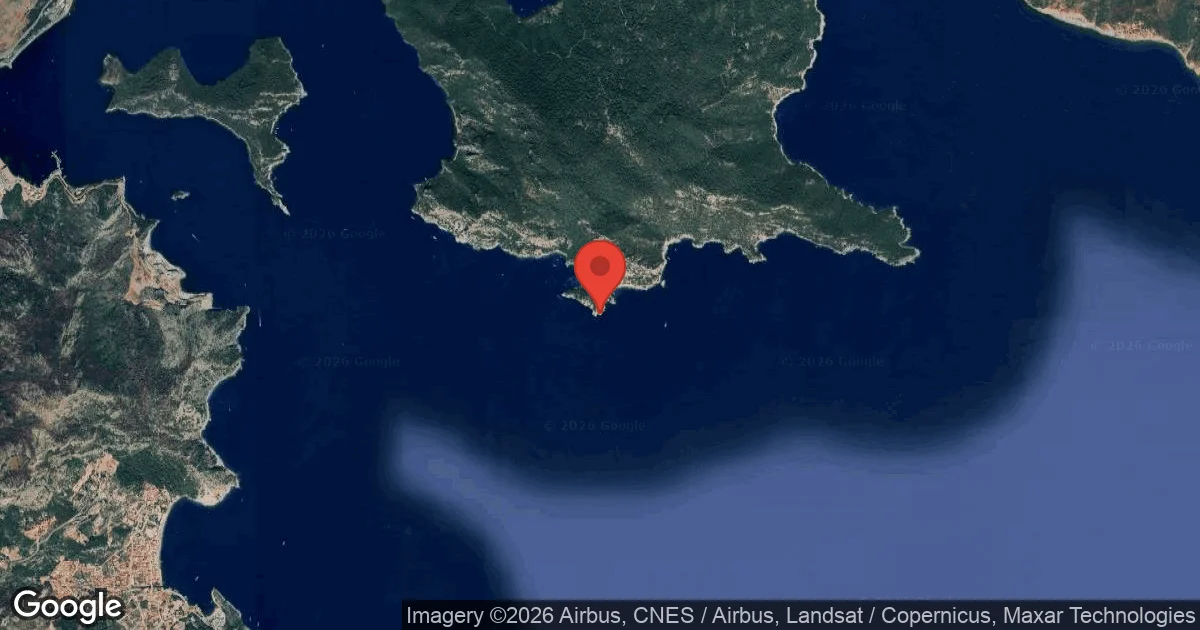
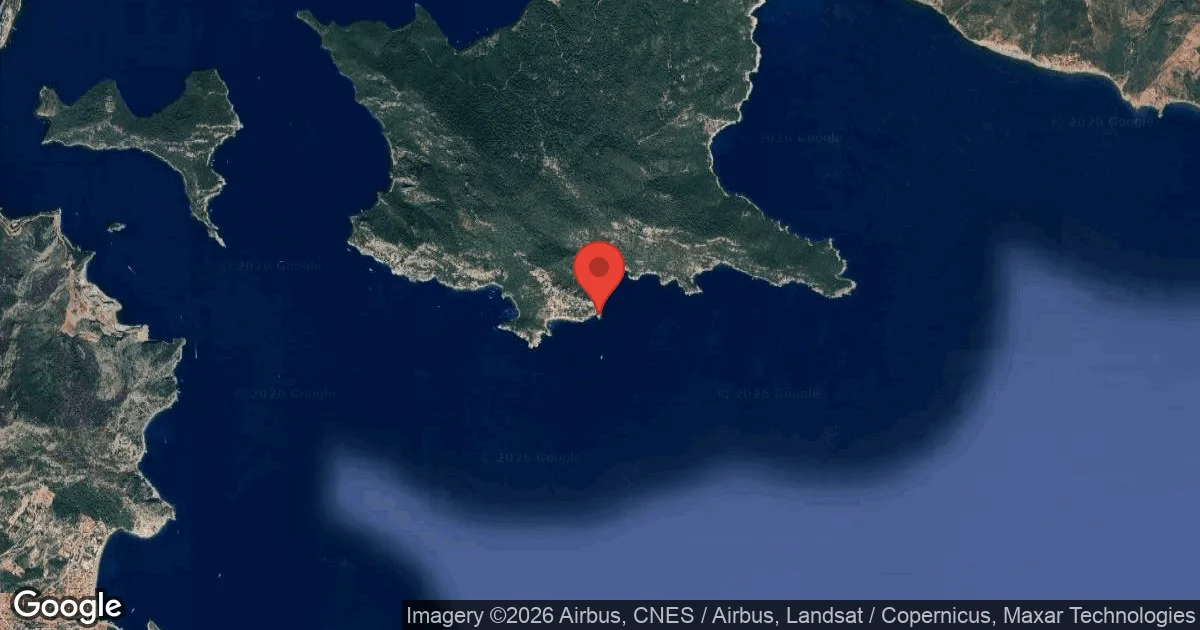
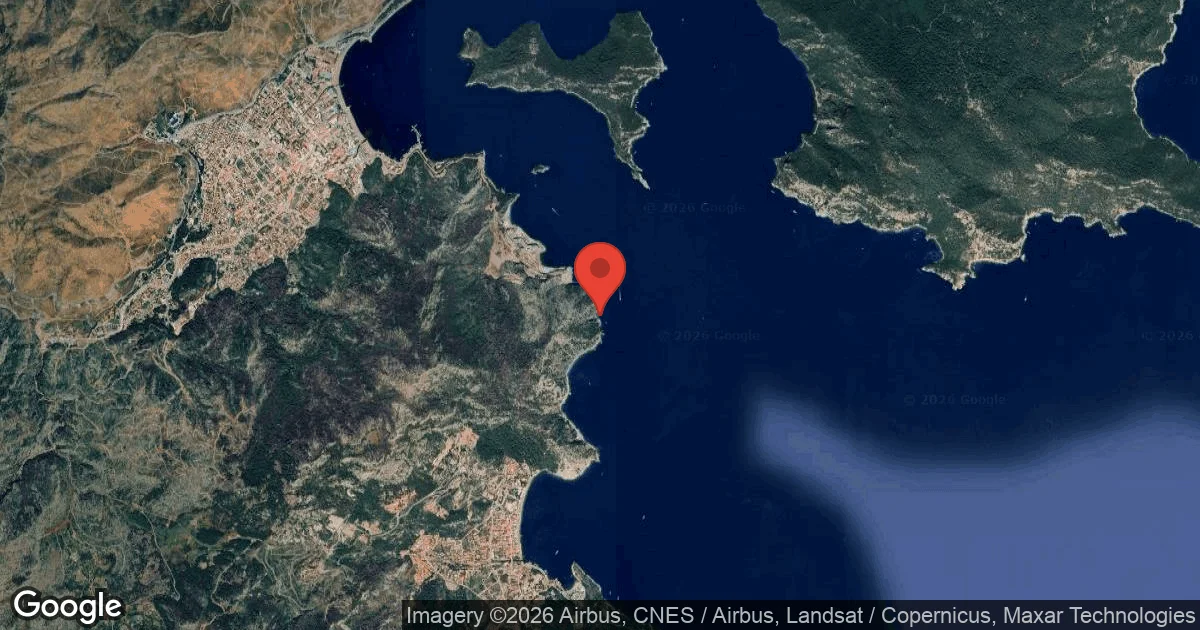
View all dive sites in TurkeyDiscover more underwater gems in this area.
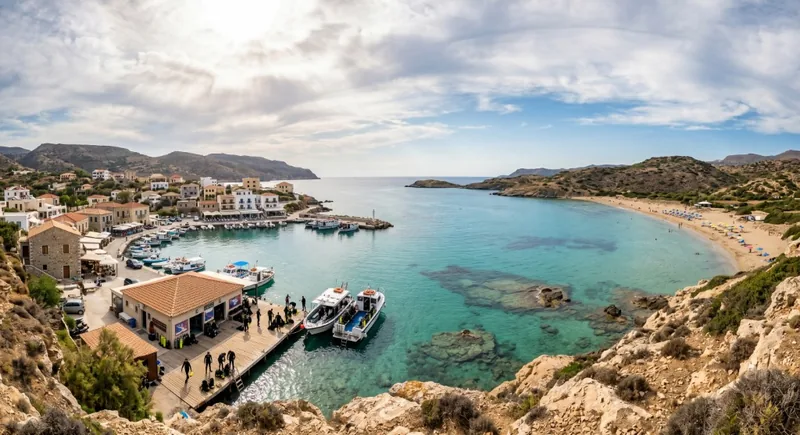
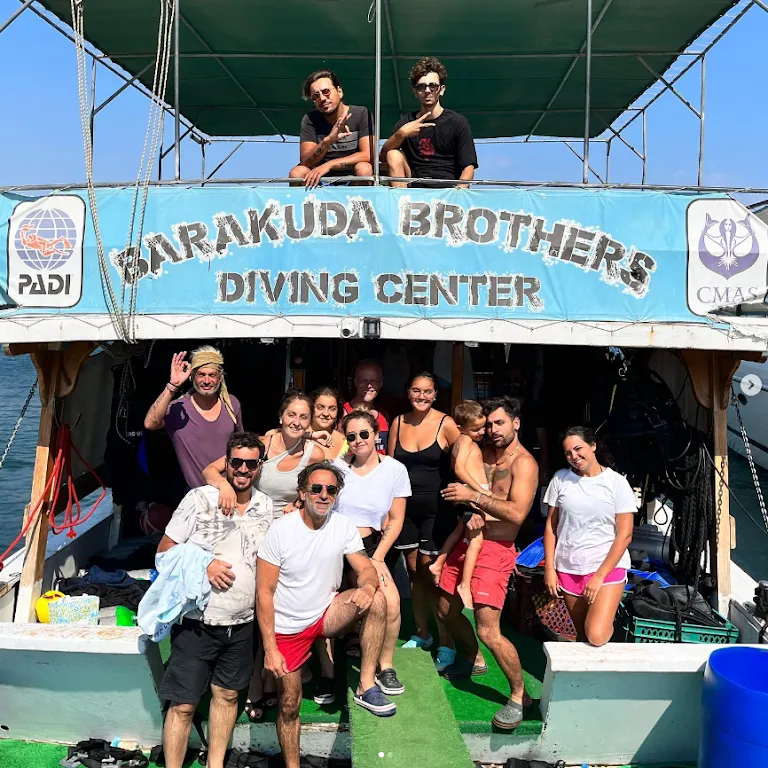
Dive Centers Near Coastguard Wreck
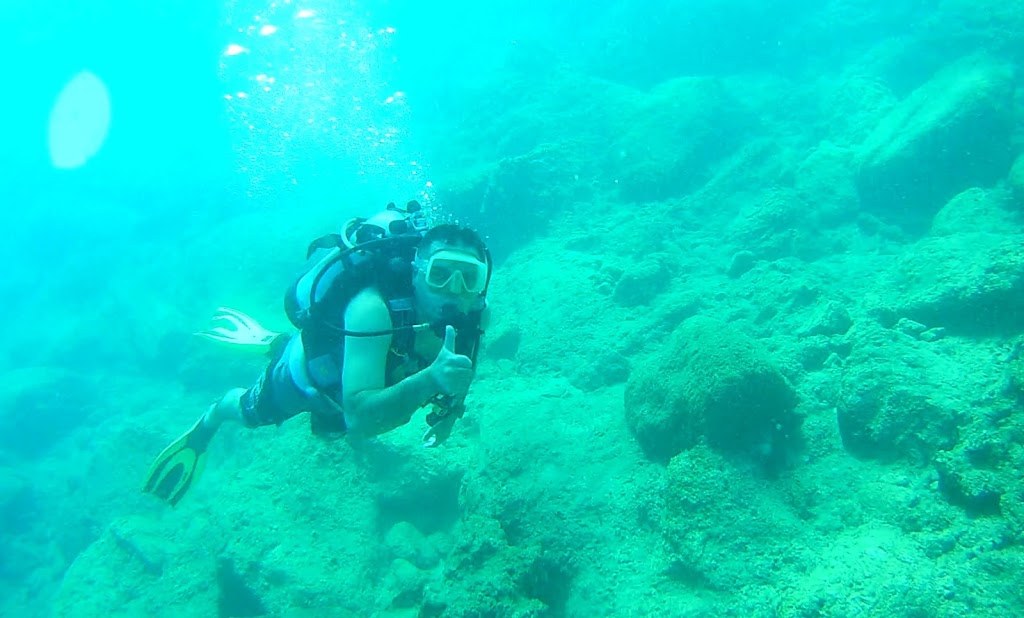
Today: Open 24 hours
Nearest Airports
Nearest airports to help plan travel to this dive area.
Search Flights
Check available flights and routes on Expedia, using the nearby airports listed in this section.
Search Flights on ExpediaFrequently Asked Questions
What types of vessels are these coastguard wrecks?
The wrecks are primarily retired coastguard patrol ships and occasionally former water tankers. They were intentionally sunk to create artificial reefs and promote marine biodiversity.
What are the typical depths of these wrecks?
The depths vary between sites, but generally, the wrecks start around 18 meters (59 ft) at the stern and descend to 26 meters (85 ft) or up to 33 meters (108 ft) at the bow or deeper sections.
Can divers penetrate these wrecks?
Yes, penetration into areas like the wheelhouse is possible for divers with appropriate wreck diving certification and experience. Local dive guides can provide specific guidance on accessible sections.
What marine life commonly inhabits these wrecks?
Divers frequently encounter squid eggs, scorpionfish, and various nudibranchs on the wreck structures. Around the perimeters, sightings of groupers, dentex, barracuda, and moray eels are common.
When is the best time of year to dive these wrecks?
The period from June through October generally offers the best diving conditions, with warm air temperatures, minimal rainfall, and calmer seas, leading to excellent visibility.
How intact are the coastguard wrecks?
Most of the coastguard wrecks remain largely intact, preserving their original structure. This allows for exploration of various features, from the mast to internal compartments.
Are these dive sites suitable for beginner divers?
Many of these wreck sites offer sections suitable for entry-level certified divers, particularly for exterior tours. However, more advanced or specific certifications are needed for deeper parts or wreck penetration.
Planning to dive Coastguard Wreck?
Send one inquiry and receive offers directly from the best verified local dive operators.
Conditions are Excellent
07:00 - 14:00
Optimal conditions expected
Current conditions near Coastguard Wreck show 21° air, 28° sea temperature, 0.3 m waves, and 19 km/h wind. Forecast data is refreshed regularly to ensure accuracy.