
Diving at Kadirga Bay (Turkey)
Kadirga Bay in Turkey's Marmaris region presents a compelling contrast between ancient history and vibrant marine topography. Divers can explore an impressive reef system and then transition to a Hellenistic shipwreck, resting notably at 15 m (50 ft). This site appeals to those seeking both historical artifacts and engaging underwater landscapes, making it a distinctive destination within the Mediterranean.
Evening condition tracking at Kadirga Bay features an air temperature of 25.5°C. We have recorded wave heights measuring 0.2 m during this period. These figures outline the environmental parameters currently present.
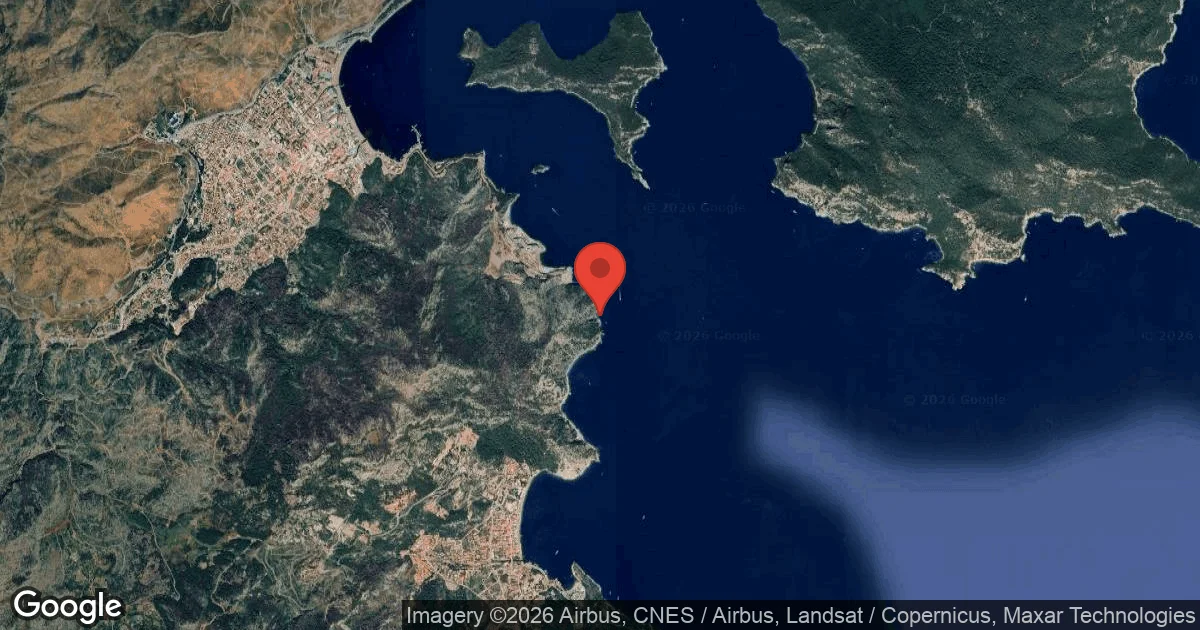
Dive Site Location & Key Facts
Dive Site Overview
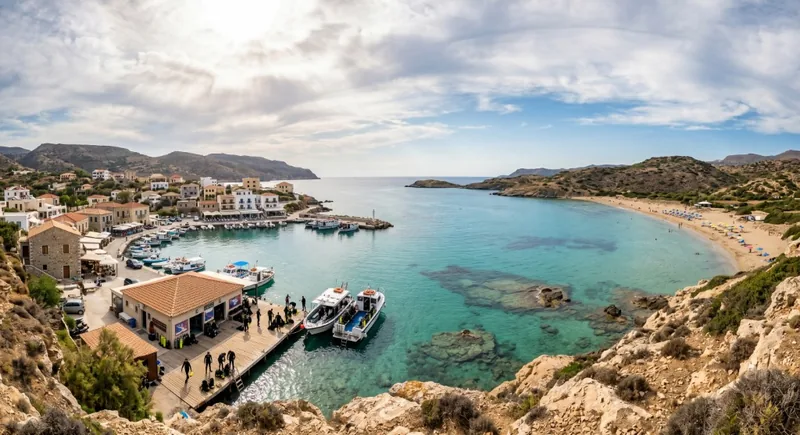
Kadirga Bay invites divers into a compelling landscape where ancient history meets natural topography. Descending into its structured reef system, divers can explore a vibrant environment shaped by rock formations and crevices.
This diverse terrain allows for exploration down to maximum depths of 38-40 m (125-131 ft), appealing to those with advanced certifications. A highlight of the bay, a Hellenistic shipwreck, lies positioned around 15 meters, easily accessible for most certified divers.
Hundreds of amphoras scatter across the seafloor surrounding the wreck, preserved exactly as they fell over two millennia ago. Their presence offers a tangible connection to ancient maritime trade routes, transforming a recreational dive into a historical journey.
Surrounding rock formations contribute to the site's rugged appeal, creating varied hiding spots and small caverns for potential marine life. Kadirga Bay distinguishes itself among Marmaris dive sites through this unique blend of archaeological significance and vibrant natural reef formations, providing a rich narrative for every underwater visitor.
Exploring the site's deeper sections reveals a sandy bottom transition, where the rock structures eventually give way to open expanse.
Conditions are Good
07:00 - 14:00
Optimal conditions expected
Current conditions near Kadirga Bay show 25° air, 28° sea temperature, 0.4 m waves, and 34 km/h wind. Forecast data is refreshed regularly to ensure accuracy.
Best Time to Dive
Optimizing visibility is key for appreciating Kadirga Bay's historical wreck and reef structures, making the period from April to November the most suitable for diving. Throughout these months, the region experiences warmer air temperatures, ranging from approximately 17.5°C (64°F) in April up to 31°C (88°F) in July, before gradually cooling to around 17.5°C (64°F) by November. Rain is minimal, especially from June to October, with monthly averages often less than 1 mm, ensuring clearer surface conditions. Excellent dive scores are consistently reported during this entire period. While specific water temperature data isn't consistently reported for the bay itself, conditions are generally much warmer regionally, complementing the superb visibility that can extend up to 30-40 meters (100-131 ft) during this peak season. Conversely, winter months present cooler air temperatures, higher wave activity, and increased rainfall, which may reduce overall dive comfort and clarity.
PEAK SEASON SCORE
Scores combine air & water temps, waves, wind & rainfall for overall conditions.
BEST MONTHS TO DIVE
Monthly records compiled from satellite and marine observation nodes over the last 3 years. Data provided by Open-Meteo and MET Norway.
Dive Experience & Conditions
Currents within Kadirga Bay are generally considered manageable, contributing to a comfortable dive experience for various skill levels. The sheltered nature of the bay often results in relatively calm conditions, though localized currents can always vary based on specific weather patterns. Regional visibility consistently offers clear water, allowing divers to easily observe the shipwreck and reef details. This site accommodates both intermediate divers keen to explore the ancient amphoras resting around 15 meters and experienced technical divers looking to push to the max depth. Water temperatures in the Mediterranean are typically warmest between June and October, ensuring more pleasant extended bottom times. Expect comfortable diving with typical underwater temperatures for the region varying between 22-27°C (72-81°F) during the prime season, enhancing the overall enjoyment of the site's rich historical and natural features.
Dive Difficulty & Safety Guidelines
Prioritizing safety at Kadirga Bay begins with ensuring proper certification and choosing a reputable dive center. Always verify that your chosen operator employs experienced and qualified instructors who prioritize diver welfare. Before each dive, a thorough buddy check is crucial to confirm all equipment is functioning correctly.
Throughout the dive, maintain constant, normal breathing; holding your breath can lead to serious health risks like air embolism. Equalization techniques must be practiced diligently, especially during descent, to prevent barotrauma.
Consistently monitor your air tank levels and adhere to your dive plan limits. A slow and controlled ascent is always recommended.
Finally, observe marine life and underwater structures from a distance; avoid touching any organisms or historical artifacts.
Recommended Equipment
- Dive Computer
This gear list is based on verified equipment signals for Kadirga Bay, Turkey. Always confirm final gear choices with your dive operator, guide, or liveaboard.
Recommended Dive Suit
The latest conditions reported around Kadirga Bay place the water temperature close to 28°C (82°F). Surface air temperatures are resting at 25°C (78°F).
Many divers choose 2-3mm shorty or light wetsuit when diving in similar conditions.
Forecast models show minimal temperature variation in the coming days.
Emergency & Medical Support
Essential information to help you plan your dive trip to kadirga bay.

Hyperbaric chambers are a critical part of dive safety infrastructure. Availability varies significantly by region, and not all dive areas have immediate access.
Before diving, it's recommended to:
- confirm nearest medical facilities
- check emergency procedures with local dive operators
- ensure dive insurance covers evacuation if required
Divers Alert Network
Diving emergency assistance available through DAN Europe.
+39 0642115685- 24/7 emergency hotline
- Diving medical assistance
- Evacuation coordination
Emergency contacts are provided for reference. Always verify local emergency services before diving.
Closest Listed Hyperbaric Chambers
Showing listed hyperbaric chamber facilities within 200 km of this dive site.
Distances are approximate straight-line distances and may not reflect emergency travel time.
DzKK Aksaz Deniz Üssü, Military base chamber
24/7 ListedMugla, Turkey•Approx. 15 km straight-line
DzKK Aksaz Deniz Üssü, Military base chamber
24/7 ListedInformation is provided for reference and planning purposes only. Dive Navigator does not verify operational status, staffing, availability, or quality of care at listed facilities. In an emergency, contact local emergency services, DAN, your dive operator, or the chamber directly. Do not travel to a facility without calling ahead.
Denizli Özel Sağlık Hastanesi
24/7 ListedICU CapableDenizli, Turkey•Approx. 135 km straight-line
Denizli Özel Sağlık Hastanesi
24/7 ListedICU CapableInformation is provided for reference and planning purposes only. Dive Navigator does not verify operational status, staffing, availability, or quality of care at listed facilities. In an emergency, contact local emergency services, DAN, your dive operator, or the chamber directly. Do not travel to a facility without calling ahead.
Marine Life at Kadirga Bay
Diving at Kadirga Bay, one first notices the interplay of marine life with the ancient wreckage and rocky reefs. While specific endemic species to the shipwreck aren't detailed, the broader Mediterranean Sea environment ensures abundant biodiversity.
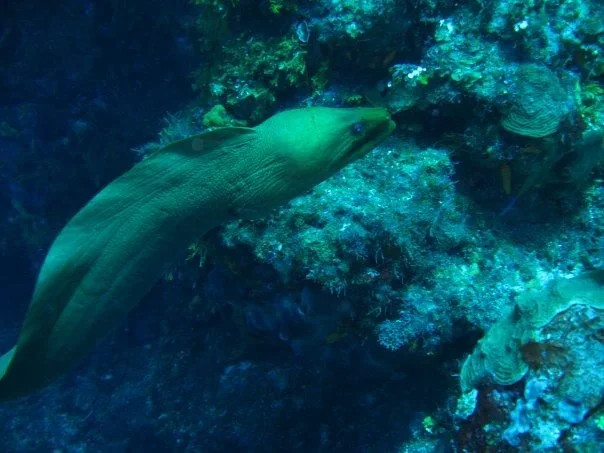
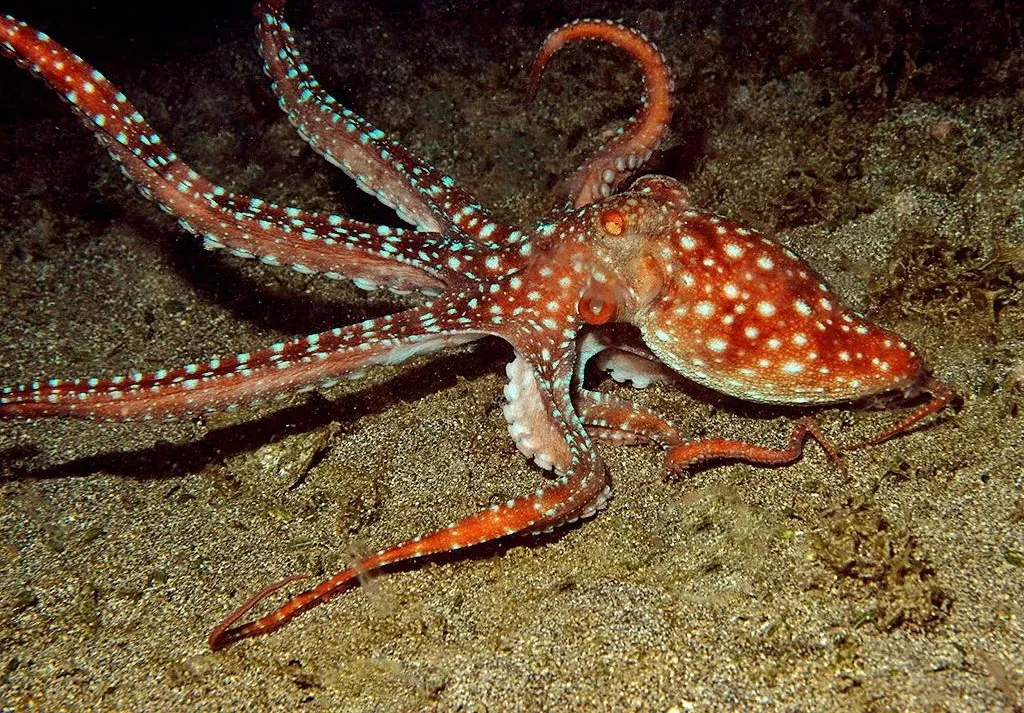
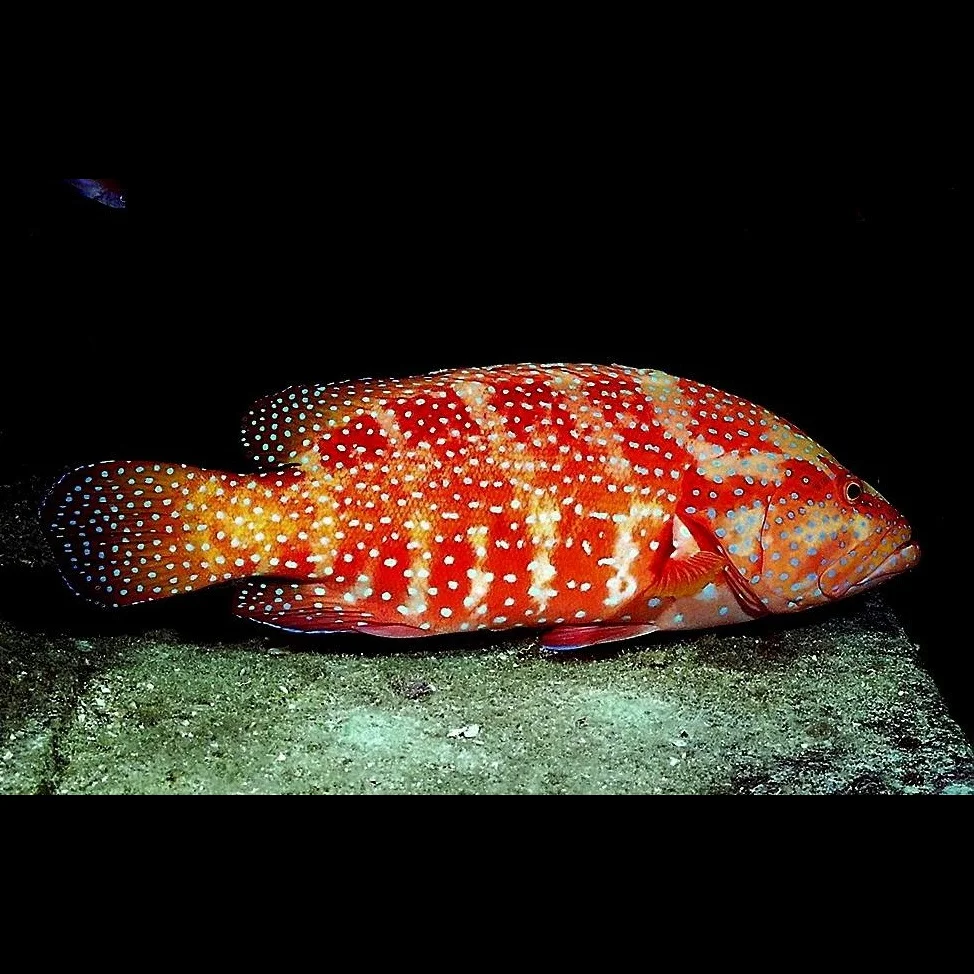
Divers may encounter species like sea bream and groupers congregating around the reef and the Hellenistic wreck, utilizing these structures for shelter. Observing octopuses and moray eels finding crevices among the amphoras is also a possibility.
The clear waters often allow glimpses of starfish and various smaller invertebrates clinging to the rocky seafloor, contributing to the site's natural ecosystem.

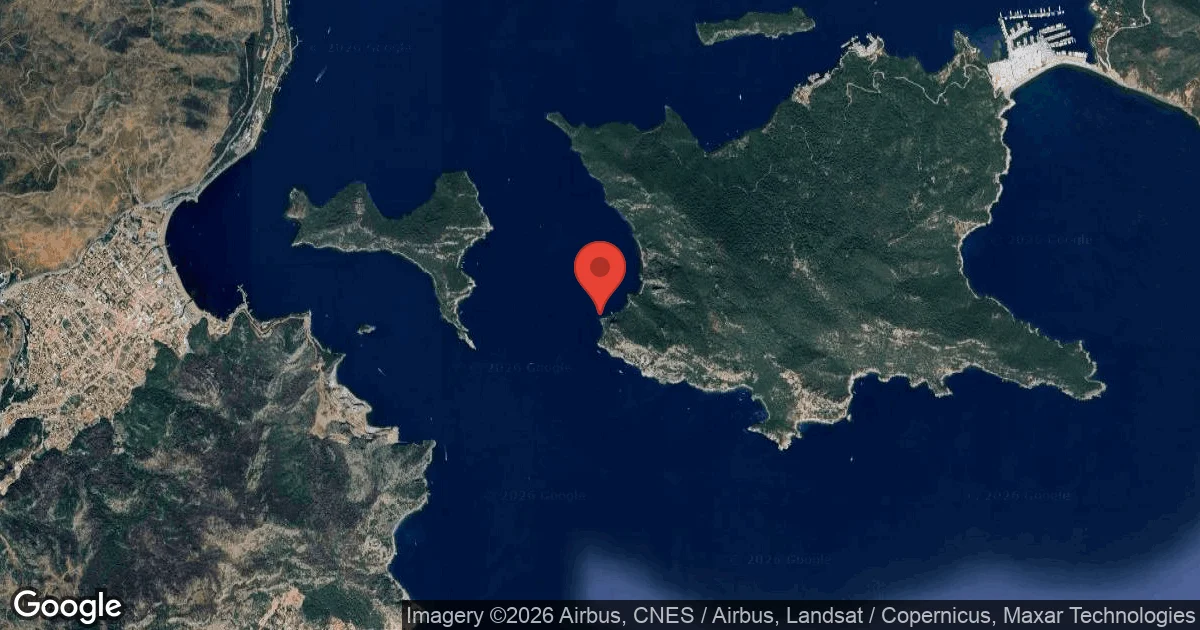
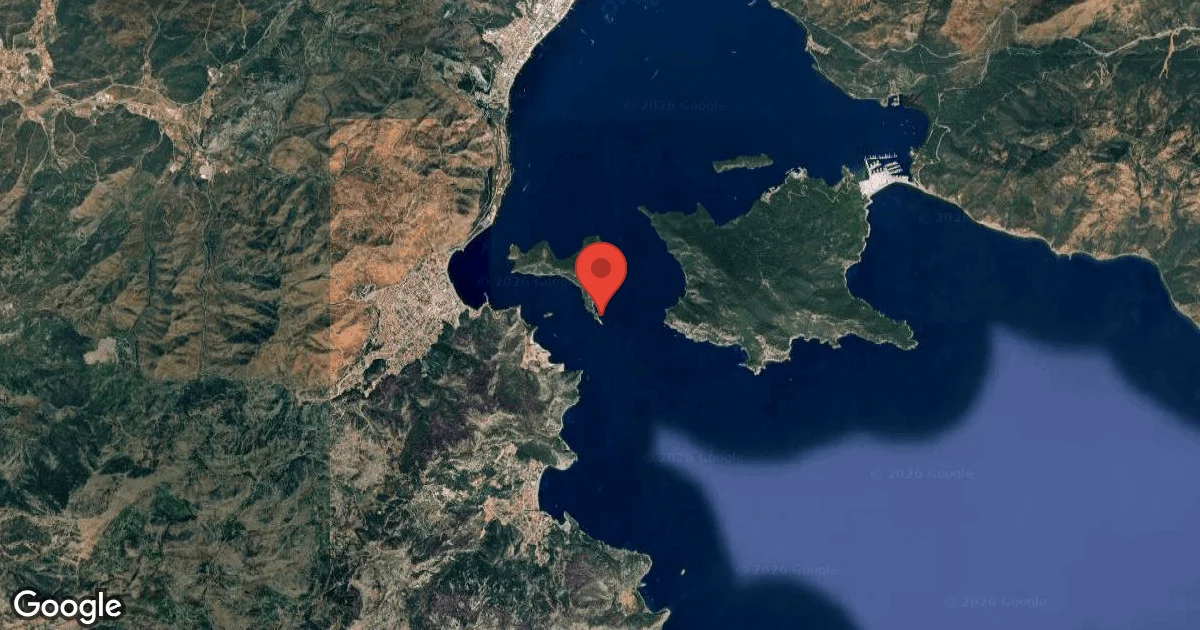
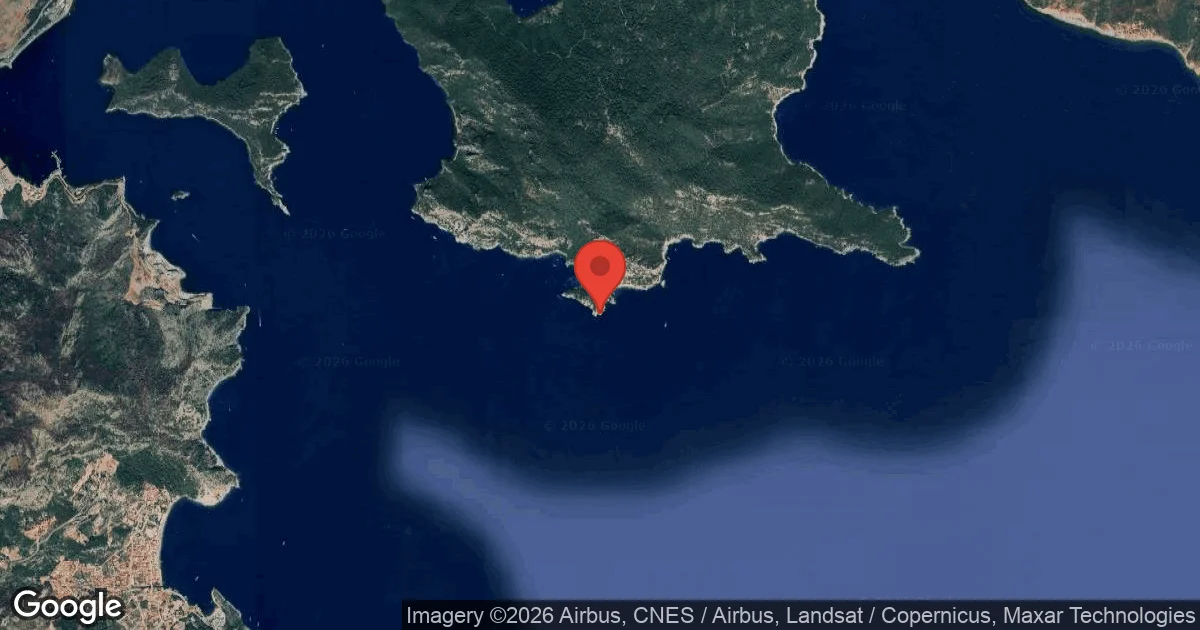
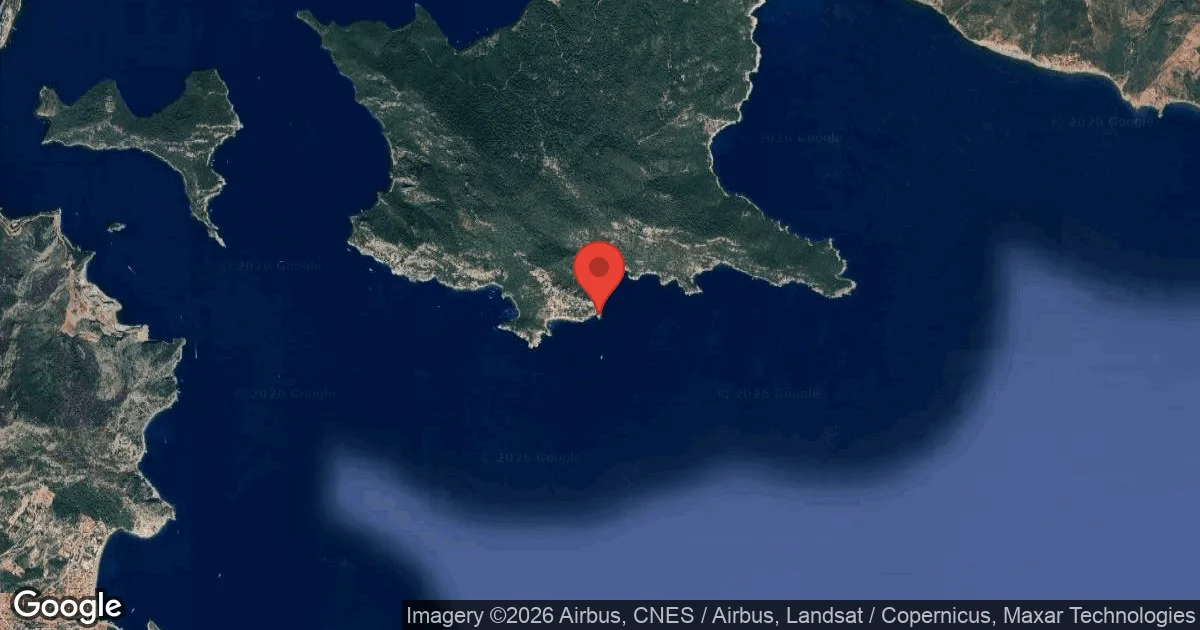
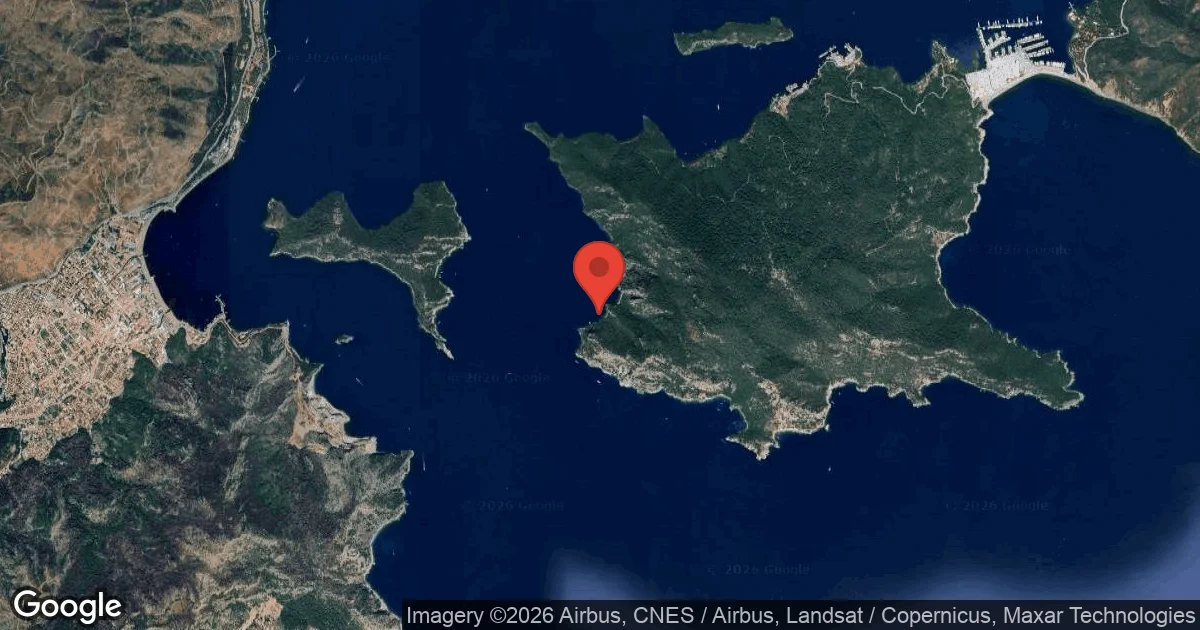
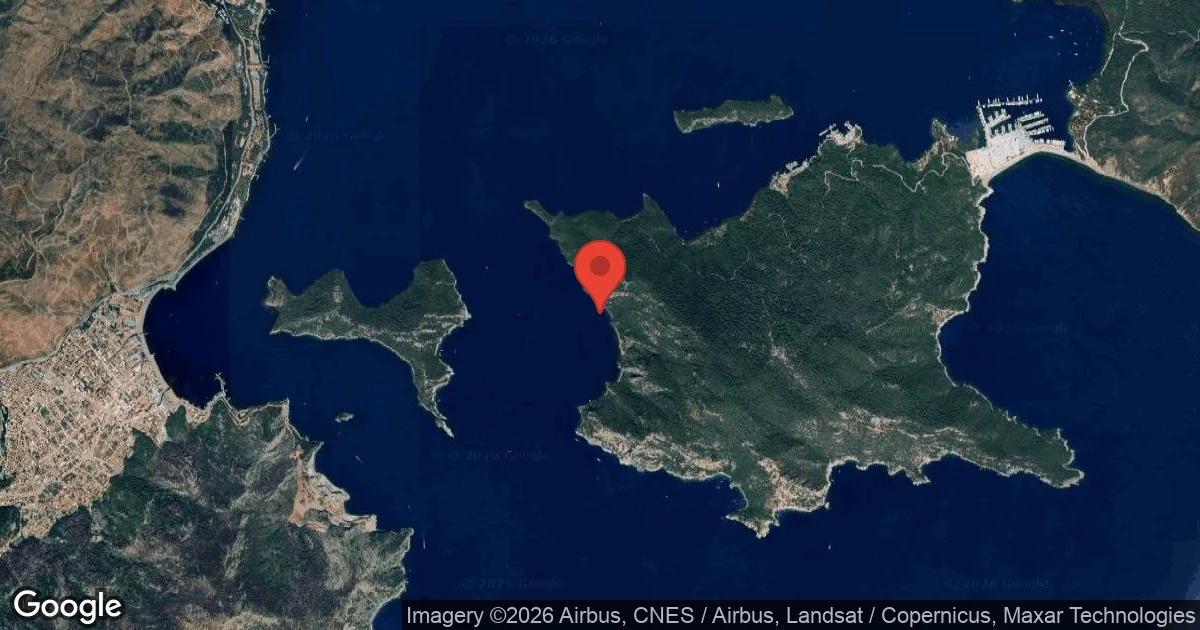
Dive Sites Near Kadirga Bay
View all dive sites in TurkeyDiscover more underwater gems in this area.
Dive Centers Near Kadirga Bay
Today: Open 24 hours

Nearest Airports
Nearest airports to help plan travel to this dive area.
Search Flights
Check available flights and routes on Expedia, using the nearby airports listed in this section.
Search Flights on ExpediaFrequently Asked Questions
What makes Kadirga Bay a notable dive site?
Kadirga Bay is distinguished by its Hellenistic shipwreck, complete with hundreds of ancient amphoras resting around 15 meters. This historical element combines with a vibrant reef system to offer a distinctive underwater experience in Turkey.
What is the typical depth range for diving at Kadirga Bay?
The site offers a diverse depth profile, with the ancient shipwreck accessible around 15 meters. Divers can explore the accompanying reef system down to a maximum depth of 38-40 meters (125-131 ft), catering to various certification levels.
When is the best time of year to dive at Kadirga Bay?
The ideal time to dive is from April to November. During these months, the region experiences warmer air temperatures and minimal rainfall, contributing to excellent visibility that can reach up to 30-40 meters.
Is Kadirga Bay suitable for beginner divers?
Intermediate divers can comfortably explore the shallower sections and the shipwreck at 15 meters. More experienced divers can venture to the deeper reef sections. Beginners should confirm with a dive center if specific areas are suitable for entry-level training.
What kind of marine life might I see at Kadirga Bay?
While not specifically detailed for Kadirga Bay, the general Mediterranean marine environment suggests sightings of sea bream, groupers, octopuses, and moray eels. These creatures often seek refuge within the reef formations and the shipwreck structure.
What are the common water conditions at the site?
Kadirga Bay typically offers clear water with excellent visibility. Currents are generally manageable within the bay, though conditions can vary. Water temperatures are warmest from late spring through early autumn.
Planning to dive Kadirga Bay?
Send one inquiry and receive offers directly from the best verified local dive operators.
Conditions are Good
07:00 - 14:00
Optimal conditions expected
Current conditions near Kadirga Bay show 25° air, 28° sea temperature, 0.4 m waves, and 34 km/h wind. Forecast data is refreshed regularly to ensure accuracy.