
Diving at Dibba Island (United Arab Emirates)
Approaching Dibba Rock involves a short boat ride north from the mainland, where the distinctive rock formation becomes visible above the surface. Below, a prominent pinnacle extends for approximately 200 meters, forming the core of the dive site. This structure features a steep wall initially, descending to the deeper parts of the site, before transitioning into gentler slopes and coral walls around the island, offering a diverse underwater route.
Evening condition tracking at Dibba Island features an air temperature of 31°C. We have recorded wave heights measuring 0.3 m during this period. These figures outline the environmental parameters currently present.
Dive Site Location & Key Facts
Dive Site Overview
Dibba Al-Fujairah, positioned on the UAE's eastern coastline, is recognized as a significant diving destination, catering to both novice and experienced divers. The region's marine biodiversity and well-maintained dive sites draw interest from various diving communities.
Beyond Dibba Rock, divers can explore several other distinct locations. For instance, the Inchcape 1 wreck, originally a supply vessel, now rests at approximately 30 meters and serves as an artificial reef.
Sharm Rocks, sometimes referred to as “Three Rocks,” features unique rock formations and expansive coral gardens, typically explored at shallower recreational depths. Martini Rock is notable for its macro marine life and vibrant reef ecosystems, while Hole in the Wall offers a thrilling experience with its underwater cave formations and swim-throughs, reaching deeper sections.
This variety ensures that whether seeking colorful reef exploration, historical wreck dives, or topographical adventures, Dibba Al-Fujairah provides diverse underwater landscapes.
Conditions are Excellent
07:00 - 14:00
Optimal conditions expected
Current conditions near Dibba Island show 31° air, 33° sea temperature, 0.3 m waves, and 15 km/h wind. Forecast data is refreshed regularly to ensure accuracy.
Best Time to Dive
The optimal period for diving in Dibba Al-Fujairah typically spans from October through May, when water temperatures are conducive for comfortable dives, generally ranging between 22°C and 28°C (72-82°F). During these months, the dive scores consistently rank as 'Excellent,' reflecting stable conditions. Air temperatures during this prime season vary, from cooler averages of 21°C (70°F) in January to warmer 33.5°C (92°F) in May, with minimal rainfall. The visibility during this period can often extend up to 20 meters (65 ft), providing clear views of the marine environment. While the summer months from June to September still offer good diving, with 'Good' dive scores, air temperatures average higher, peaking around 35.5°C (96°F) in June, and wave heights might be slightly more pronounced.
PEAK SEASON SCORE
Scores combine air & water temps, waves, wind & rainfall for overall conditions.
BEST MONTHS TO DIVE
Monthly records compiled from satellite and marine observation nodes over the last 3 years. Data provided by Open-Meteo and MET Norway.
Dive Experience & Conditions
Diving at Dibba Island presents a variety of conditions, generally characterized by warm waters and minimal currents, contributing to excellent visibility that can reach up to 20 meters (65 ft). Dibba Rock itself ranges from 5 to 16 meters (16-52 ft), making it accessible for all certification levels. The initial section of the pinnacle drops steeply, transitioning into a gently sloping wall adorned with corals. For those seeking deeper excursions, the Inchcape 1 wreck descends to about 30 meters (100 ft), suitable for advanced certification. Other sites like Sharm Rocks offer unique rock formations and coral gardens, typically explored between 8 and 15 meters (26-49 ft). Martini Rock commonly explores depths between 10 and 22 meters (33-72 ft) for macro photography, while Hole in the Wall presents cave-like formations for advanced divers reaching 18 to 25 meters (59-82 ft). Each site offers a distinct underwater dynamic, from expansive reefs to intricate swim-throughs.
Dive Difficulty & Safety Guidelines
When planning dives around Dibba Island, it's essential to match the site to your certification level. Deeper dives, such as those at the Inchcape 1 wreck or Hole in the Wall, require advanced diver qualifications due to their maximum depth of 30 meters (100 ft) and overhead environments, respectively.
Always ensure proper buoyancy control, especially when navigating delicate coral formations or confined spaces. Familiarize yourself with the dive plan, including entry and exit points, and adhere to conservative no-decompression limits.
Many local operators include professional dive guides as part of their packages, which can significantly enhance safety and enjoyment, particularly for those unfamiliar with the specific topography and current patterns.
Recommended Equipment
- Dive Computer
This gear list is based on verified equipment signals for Dibba Island, United Arab Emirates. Always confirm final gear choices with your dive operator, guide, or liveaboard.
Recommended Dive Suit
Comfort levels can also depend on how active a diver is during the dive.
Environmental readings suggest that the waters surrounding Dibba Island are about 33°C (91°F) at the moment. Surface air temperatures are resting at 31°C (87°F). When water temperatures fall within this range, many divers dive comfortably with dive skin or rash guard.
Conditions are expected to stay fairly consistent in the days ahead.
Emergency & Medical Support
Essential information to help you plan your dive trip to Dibba Island.

Hyperbaric chambers are a critical part of dive safety infrastructure. Availability varies significantly by region, and not all dive areas have immediate access.
Before diving, it's recommended to:
- confirm nearest medical facilities
- check emergency procedures with local dive operators
- ensure dive insurance covers evacuation if required
Divers Alert Network
Diving emergency assistance available through DAN World.
+1-919-684-9111- 24/7 emergency hotline
- Diving medical assistance
- Evacuation coordination
Emergency contacts are provided for reference. Always verify local emergency services before diving.
Marine Life at Dibba Island
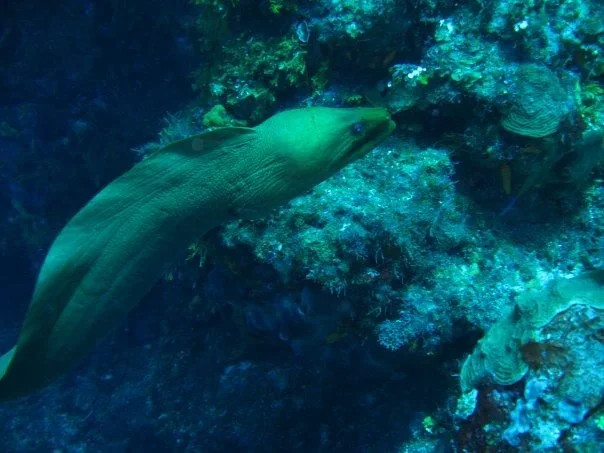
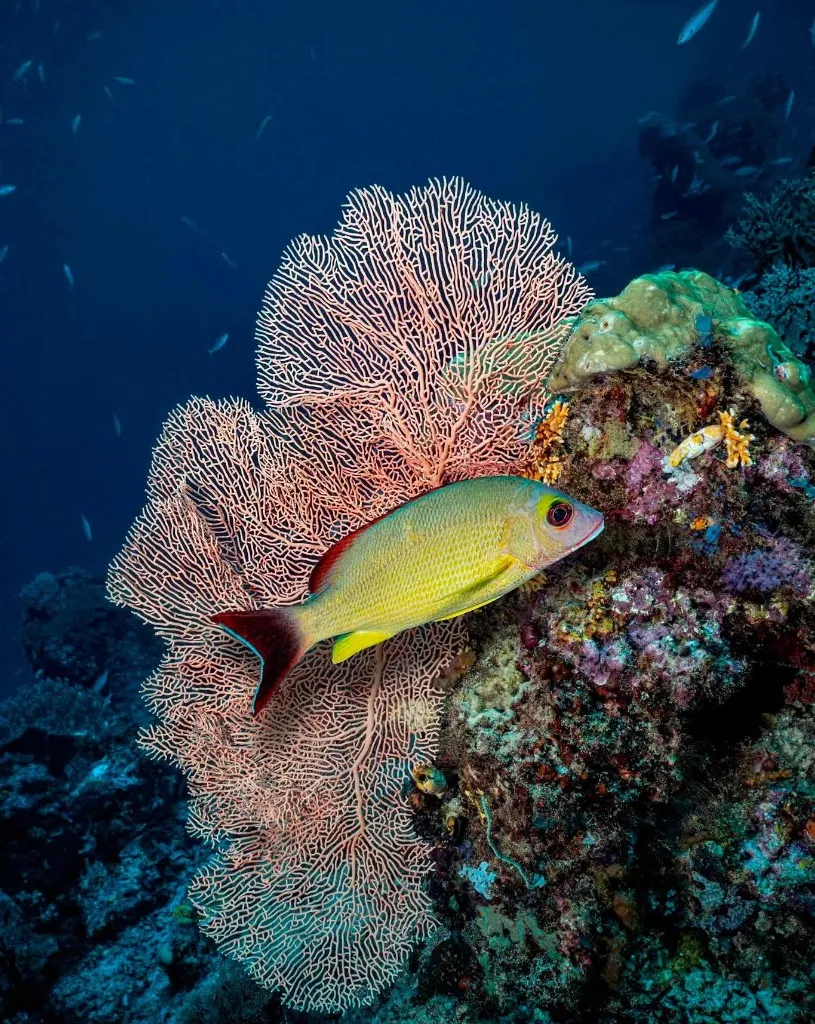
The underwater landscape around Dibba Island supports a vibrant and varied marine population. Divers exploring Dibba Rock frequently encounter turtles, moray eels, and cuttlefish, alongside large schools of snappers, fusiliers, and barracudas inhabiting the soft and hard coral gardens.
Night dives here also provide opportunities to observe bioluminescent plankton. Deeper at the Inchcape 1 wreck, marine life includes stingrays, lionfish, and frogfish.
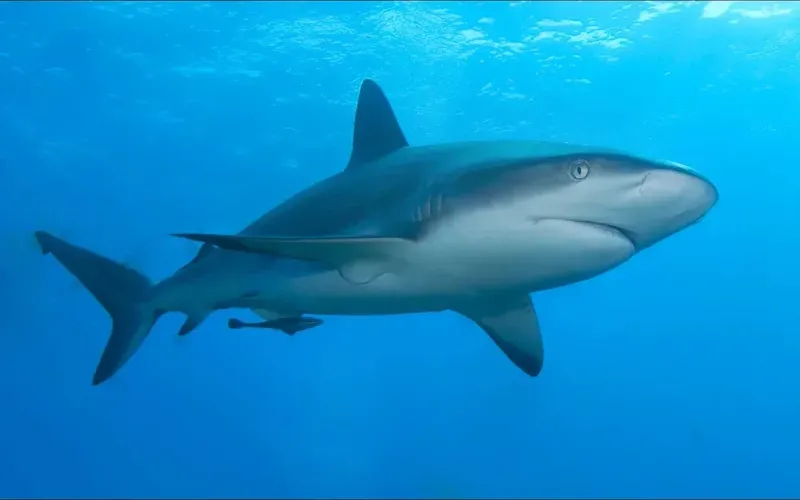
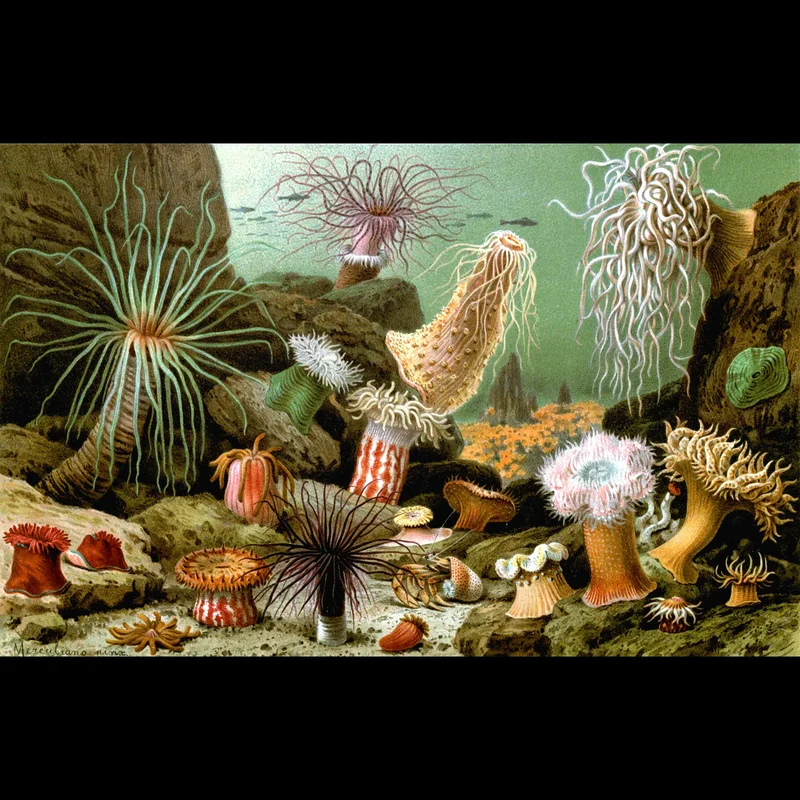
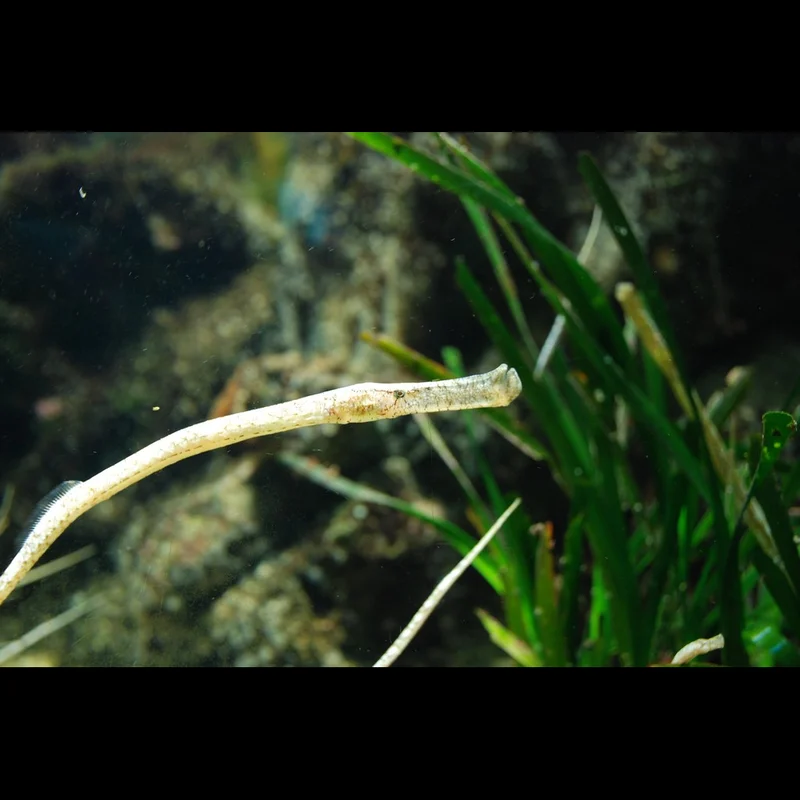
Sharm Rocks frequently hosts eagle rays and turtles amidst anemones and clownfish. Martini Rock is particularly noted for its macro creatures, with nudibranchs, pipefish, and seahorses commonly spotted. Occasionally, reef sharks and rays can be seen around the cave formations of Hole in the Wall.
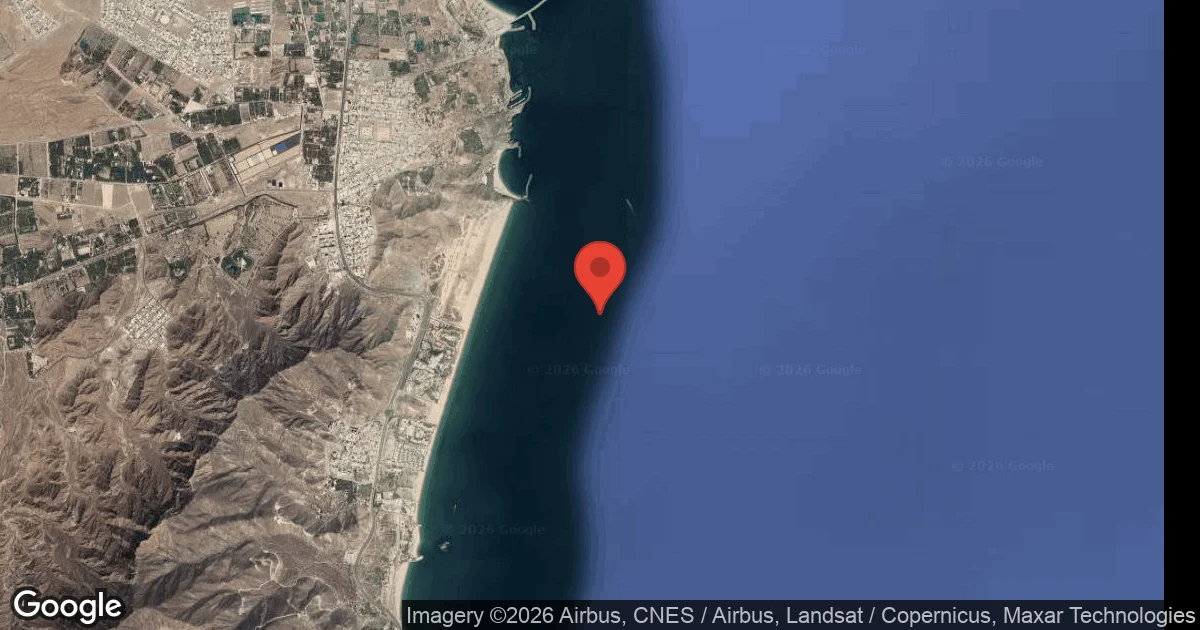
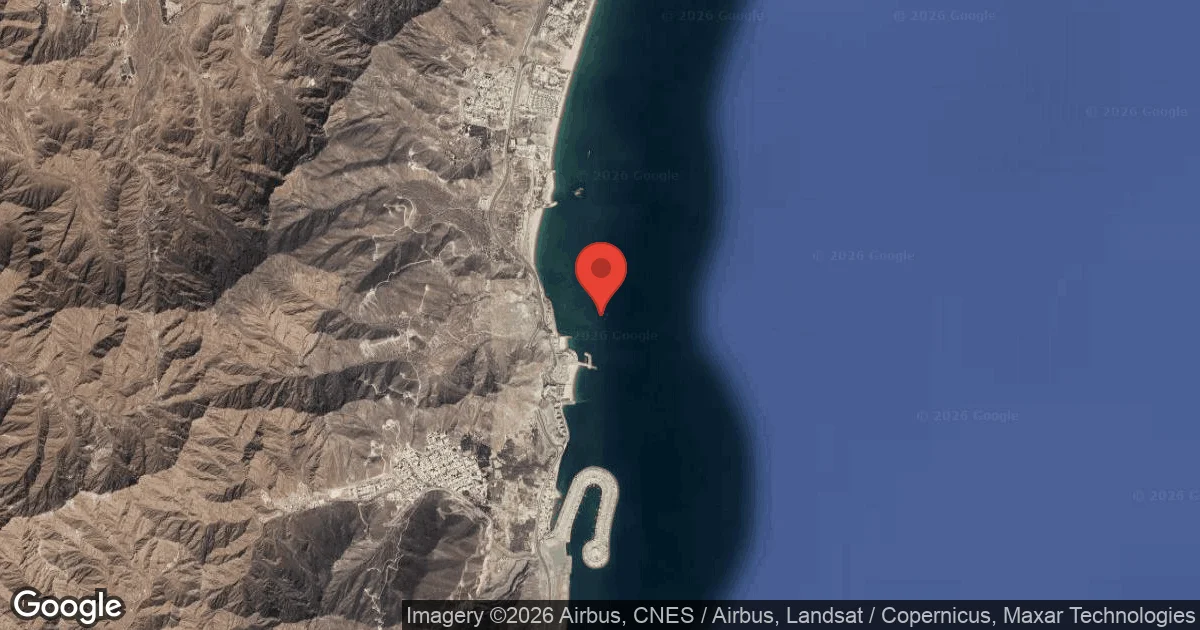
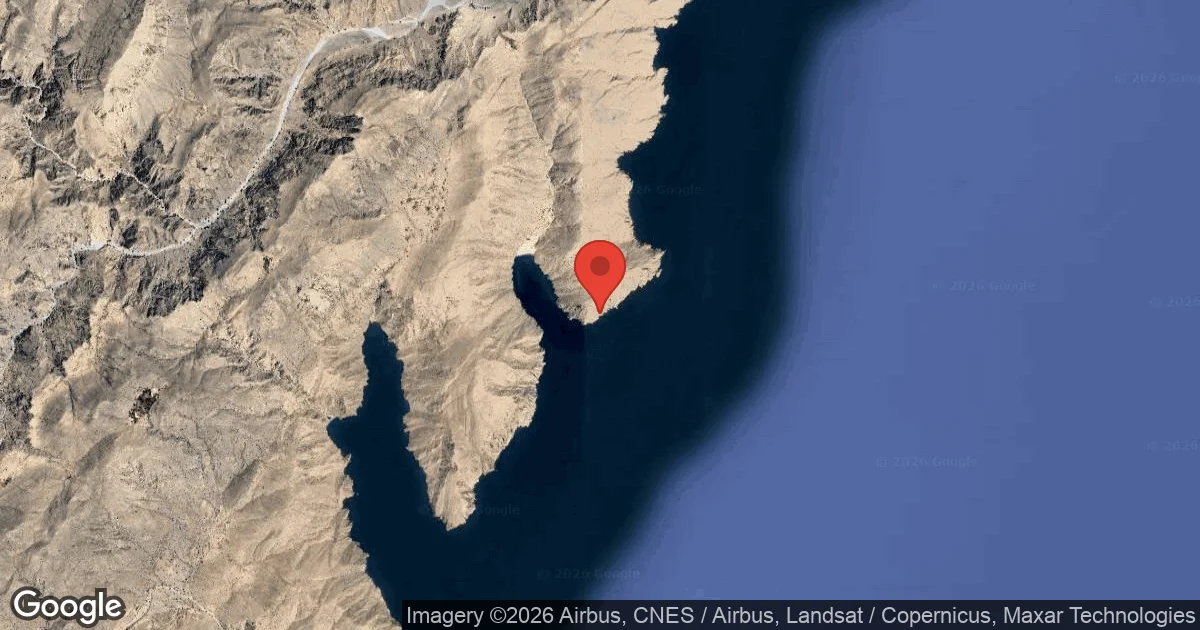
Dive Sites Near Dibba Island
View all dive sites in United Arab EmiratesDiscover more underwater gems in this area.
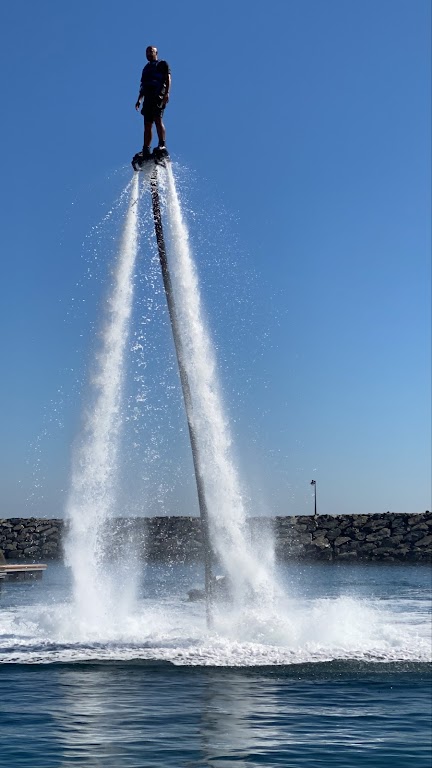
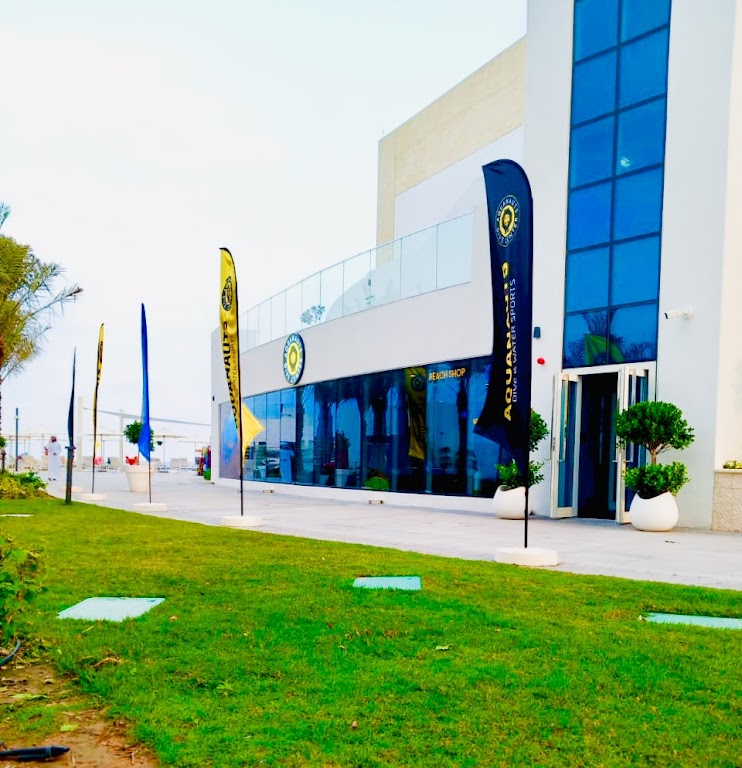
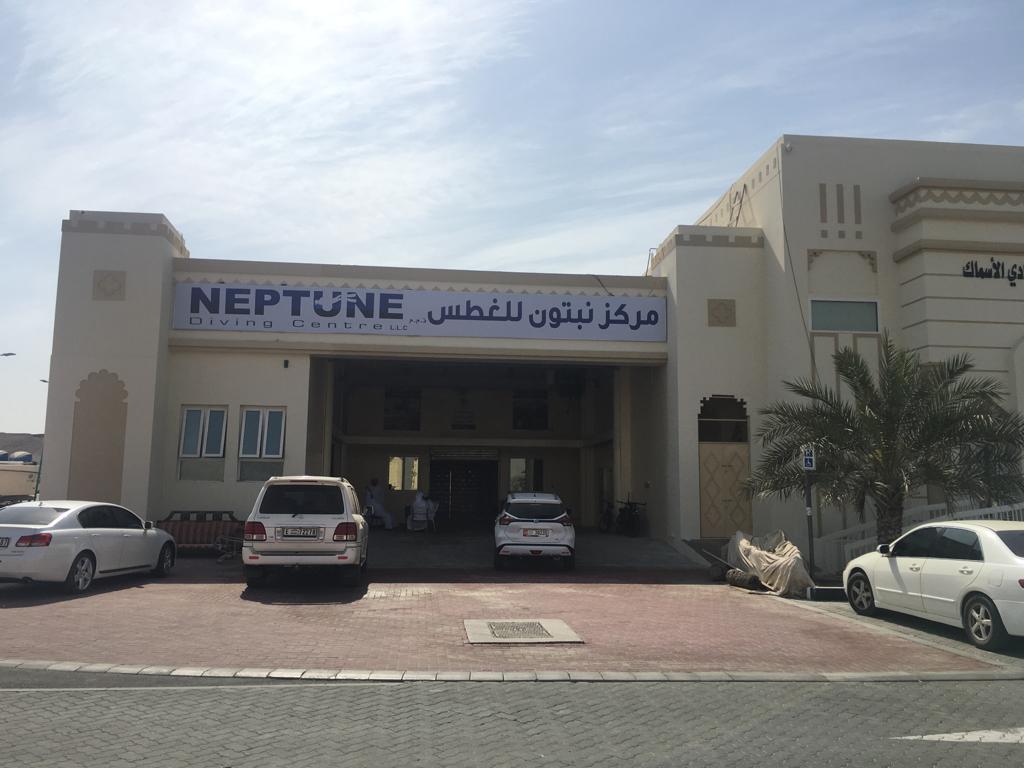
Dive Centers Near Dibba Island

Nearest Airports
Nearest airports to help plan travel to this dive area.
Search Flights
Check available flights and routes on Expedia, using the nearby airports listed in this section.
Search Flights on ExpediaFrequently Asked Questions
What is Dibba Rock?
Dibba Rock is a prominent dive site near Dibba Al-Fujairah, characterized by an underwater pinnacle stretching 200 meters. It features both steep walls and gently sloping coral gardens, suitable for divers of all experience levels.
What are the typical diving depths around Dibba Island?
Dive depths vary significantly across the sites. Dibba Rock ranges from 5 to 16 meters (16-52 ft), while the Inchcape 1 wreck descends to about 30 meters (100 ft). Other formations like Martini Rock and Hole in the Wall are commonly explored between 10 and 25 meters.
What marine life can I expect to see?
You can encounter a wide array of marine species, including turtles, moray eels, cuttlefish, and large schools of snappers and barracudas. Specific sites also host stingrays, lionfish, frogfish, anemones, clownfish, nudibranchs, pipefish, seahorses, and occasionally reef sharks.
When is the best time to dive in Dibba Al-Fujairah?
The prime diving season is from October to May, offering comfortable water temperatures between 22°C and 28°C (72-82°F) and excellent visibility up to 20 meters (65 ft). Air temperatures are also more moderate during these months.
Are there dive sites for advanced divers?
Yes, advanced divers have options like the Inchcape 1 wreck, which is at 30 meters (100 ft), and Hole in the Wall, which features underwater cave formations and swim-throughs at depths of 18 to 25 meters (59-82 ft).
Is the visibility generally good?
Visibility is generally excellent in Dibba Al-Fujairah, especially during the peak diving season from October to May. It can frequently reach up to 20 meters (65 ft), allowing for clear views of the underwater environment.
Planning to dive Dibba Island?
Send one inquiry and receive offers directly from the best verified local dive operators.
Conditions are Excellent
07:00 - 14:00
Optimal conditions expected
Current conditions near Dibba Island show 31° air, 33° sea temperature, 0.3 m waves, and 15 km/h wind. Forecast data is refreshed regularly to ensure accuracy.