
Diving at Artificial Reef (United Arab Emirates)
Successfully navigating an artificial reef challenges divers to master buoyancy and situational awareness. This man-made underwater structure, strategically placed off the coast, is carefully designed for marine ecosystem restoration. Divers here contribute to conservation efforts by observing its role in fostering biodiversity. Exploring its intricate features requires precision, rewarding those who approach it with a commitment to both safety and environmental respect.
As evening covers Artificial Reef, the local air temperature is measured at 31°C. The current wave height at the surface is recorded at 0.3 m. These late-day readings characterize the surface conditions for the night.
Dive Site Location & Key Facts
Dive Site Overview
Descending upon the Artificial Reef near Dibba, Fujairah, divers are immediately drawn into a bustling underwater world. This site presents a fascinating exploration of man-made structures that have become vibrant marine habitats.
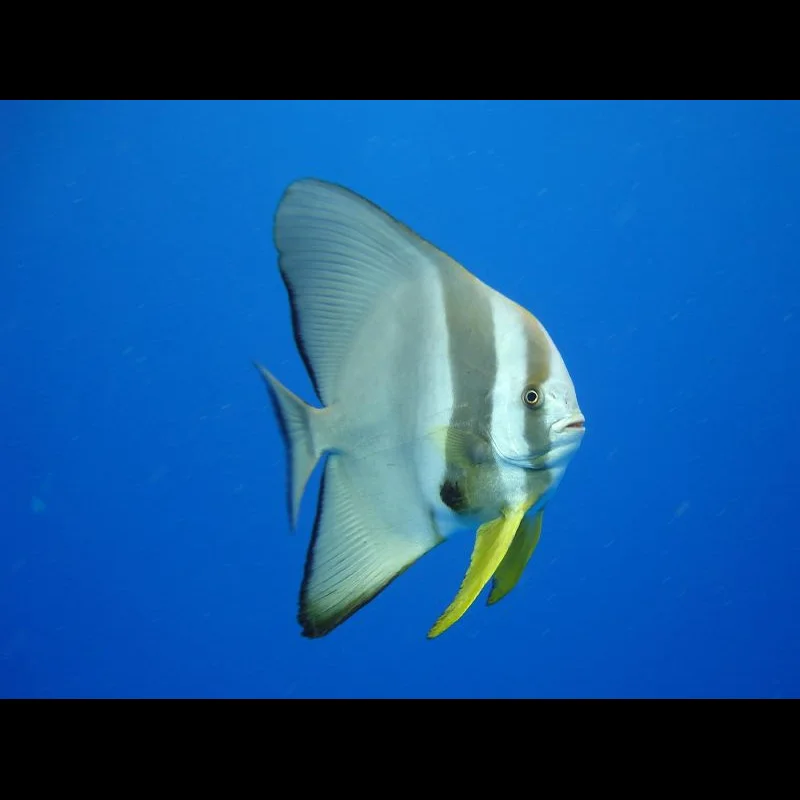
Initially, you'll encounter hollow pyramids, which frequently shelter Snapper, Mackerel, and the distinctive Giant Pufferfish. Following a larger rope along the seafloor leads to a small fishing boat wreck, serving as a sanctuary for resident Batfish, various Groupers, and the more elusive Nudibranchs.
Further exploration reveals additional structures, including sets of tires and concrete domes, all contributing to a rich habitat. Maximum depth is around 15 m (50 ft), with an average recreational depth range of 5-8 m (16-26 ft), making it accessible for Open Water certified divers and above. Water temperatures typically range between 20-28°C (68-82°F) here.
Conditions are Excellent
07:00 - 14:00
Optimal conditions expected
Current conditions near Artificial Reef show 31° air, 33° sea temperature, 0.3 m waves, and 15 km/h wind. Forecast data is refreshed regularly to ensure accuracy.
Best Time to Dive
Considering the climate patterns in the United Arab Emirates, the optimal months for diving at the Artificial Reef generally span from January to May and October to December. During these periods, dive conditions are frequently rated as 'Excellent,' with air temperatures ranging comfortably from approximately 21°C (70°F) in January to 33.5°C (92°F) in May, and 26.5°C (80°F) in November. By contrast, the summer months, from June through September, see 'Good' dive scores due to significantly higher air temperatures that can reach averages of 35.5°C (96°F) in June. Throughout the year, wave heights remain relatively low, typically below 0.7 meters (2.3 feet), and rainfall is minimal, ensuring surface conditions are generally favorable. Despite the lack of specific reported water temperatures for all months in system data, the available dive site information suggests a consistent range of 20-28°C (68-82°F) underwater.
PEAK SEASON SCORE
Scores combine air & water temps, waves, wind & rainfall for overall conditions.
BEST MONTHS TO DIVE
Monthly records compiled from satellite and marine observation nodes over the last 3 years. Data provided by Open-Meteo and MET Norway.
Dive Experience & Conditions
Upon descending, the diverse structures of this artificial reef come into view, immediately inviting exploration. Visibility at the site is generally good, allowing for clear views of the various components that comprise this artificial environment. Diver certification for this site is typically Open Water and higher, reflecting the moderate depths and straightforward navigation. While specific current data is not consistently reported, local conditions can vary; paying attention to dive briefings is essential. The shallow average depth, often found within the recreational range, allows for extended bottom times and thorough examination of the structures and their inhabitants. Exploring the fishing boat wreck requires careful buoyancy, allowing divers to navigate its interior and discover hidden marine life. A speed boat ride of 15-20 minutes is typical to reach the site, providing a quick and efficient entry to the dive. Sandy sections surrounding the structures often host interesting macro life, encouraging a slower pace of exploration. Calm conditions frequently characterize this site, making it suitable for newer divers to practice their skills.
Dive Difficulty & Safety Guidelines
Mastering your buoyancy control is paramount when exploring artificial reefs to ensure both personal safety and environmental protection. Efficient buoyancy allows divers to glide over the sunken structures, preventing accidental contact with metal parts or delicate marine life. Always adhere to your personal diving limits regarding depth and dive time to mitigate risks like decompression sickness.
Creating a comprehensive dive plan, discussed thoroughly with your buddy, is crucial; this should cover objectives, route, potential hazards, and emergency procedures. Observe marine life from a respectful distance without chasing, touching, feeding, or harassing any creatures, as this can disrupt their natural behaviors.
Additionally, streamline your dive gear and be mindful of fin kicks to minimize any impact on the reef's fragile ecosystem. Always listen to your dive instructor, as their guidance is invaluable for a safe and impactful experience.
Recommended Equipment
Overhead / entanglement risk. Wreck penetration requires proper training.
- Dive Computer
- Primary & Backup Lights
- Wreck Reel
- Cutting Tool
This gear list is based on verified equipment signals for Artificial Reef, United Arab Emirates. Always confirm final gear choices with your dive operator, guide, or liveaboard.
Recommended Dive Suit
For divers planning standard recreational dives, dive skin or rash guard is usually a suitable option. Divers vary widely in how quickly they feel cold underwater.
The waters surrounding Artificial Reef are currently maintaining temperatures close to 33°C (91°F). Surface air temperatures are resting at 31°C (87°F).
The forecast outlook suggests that temperatures will stay close to current levels.
Emergency & Medical Support
Essential information to help you plan your dive trip to Artificial Reef.

Hyperbaric chambers are a critical part of dive safety infrastructure. Availability varies significantly by region, and not all dive areas have immediate access.
Before diving, it's recommended to:
- confirm nearest medical facilities
- check emergency procedures with local dive operators
- ensure dive insurance covers evacuation if required
Divers Alert Network
Diving emergency assistance available through DAN World.
+1-919-684-9111- 24/7 emergency hotline
- Diving medical assistance
- Evacuation coordination
Emergency contacts are provided for reference. Always verify local emergency services before diving.
Marine Life at Artificial Reef
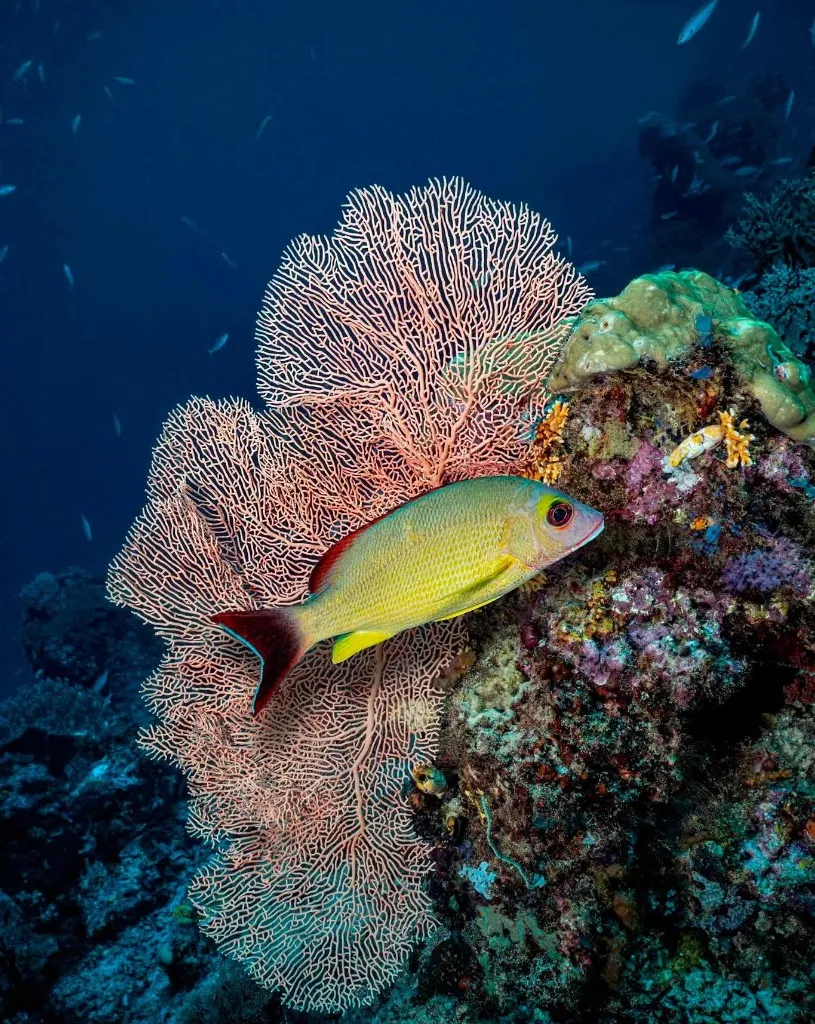
An artificial landscape of hollow pyramids and a fishing boat wreck provides shelter for a diverse array of marine inhabitants. Within these structures, you'll commonly spot Snapper and Mackerel, alongside the distinctive Giant Pufferfish.
The boat wreck itself offers refuge to resident Batfish and various Grouper species. Moving through the crevices, keep an eye out for the more elusive Nudibranchs.
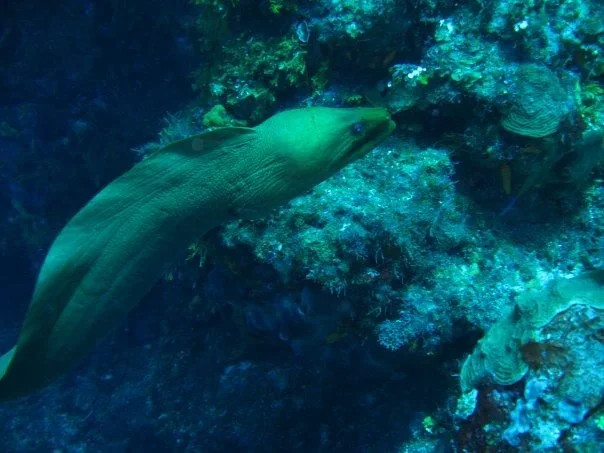
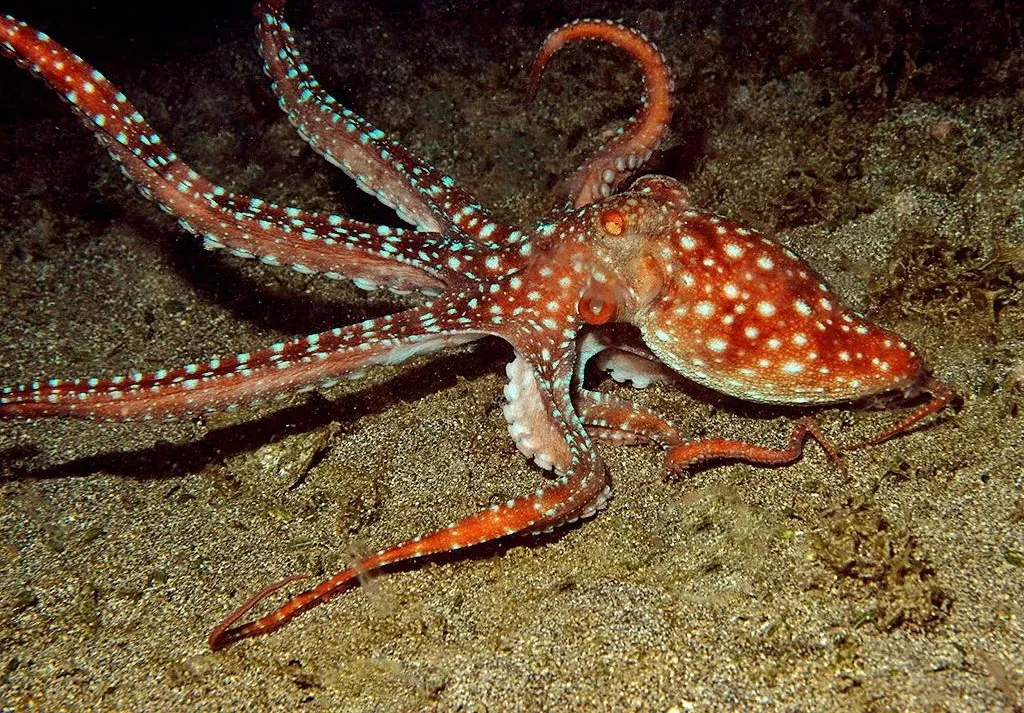
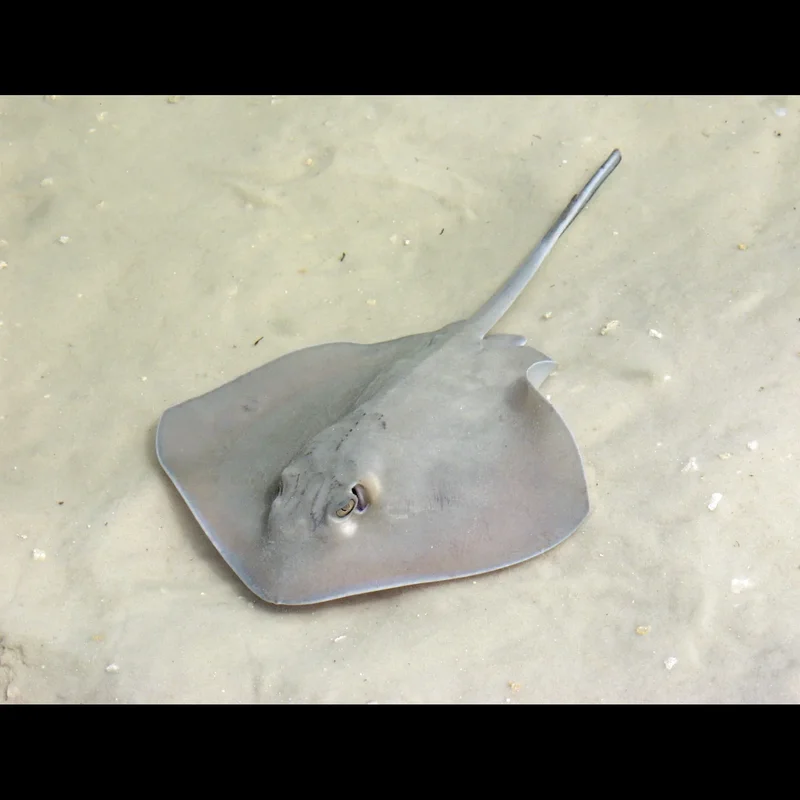
This dynamic environment also supports vibrant populations of Trumpetfish, Arabian Angelfish, Lionfish, and Anemonefish, often seen darting among the structures. Moray Eels and Stingrays are known to frequent the area, gracefully navigating the contours of the reef, with cuttlefish and octopuses also present in the various hiding places.
Dive Sites Near Artificial Reef
View all dive sites in United Arab EmiratesDiscover more underwater gems in this area.
Dive Centers Near Artificial Reef
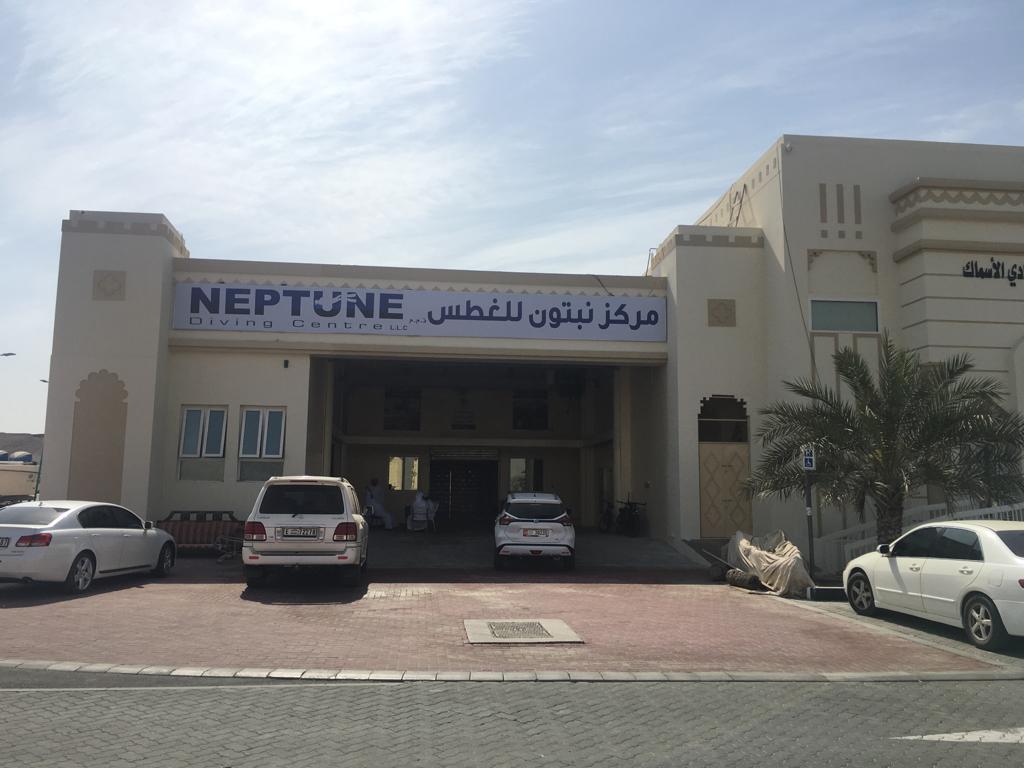
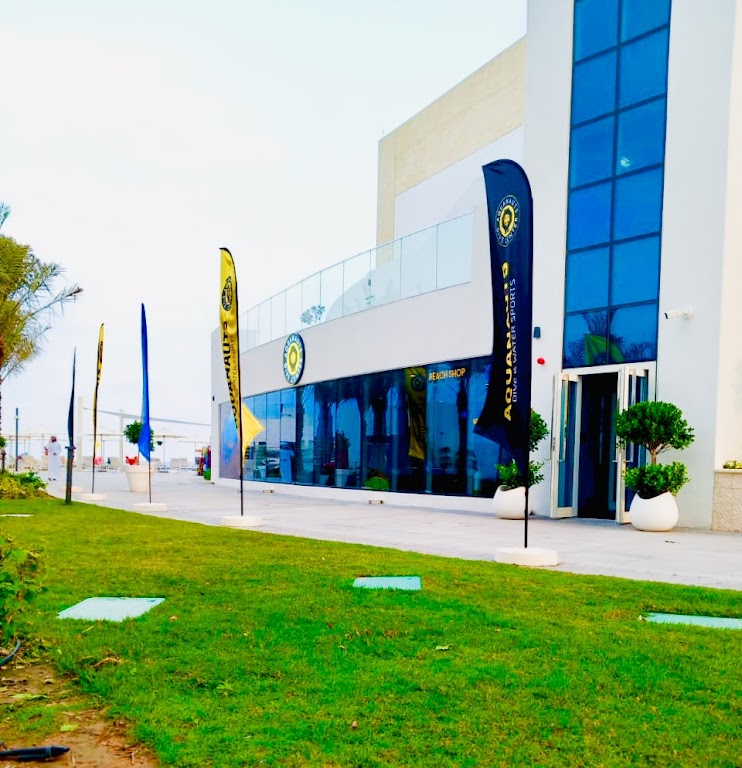

Nearest Airports
Nearest airports to help plan travel to this dive area.
Search Flights
Check available flights and routes on Expedia, using the nearby airports listed in this section.
Search Flights on ExpediaFrequently Asked Questions
What certification level is required for this dive site?
Divers need an Open Water certification or higher to explore the Artificial Reef. Its moderate depths make it suitable for certified recreational divers.
What is the maximum depth at the Artificial Reef?
The maximum depth recorded at this site is approximately 15 meters (50 ft). However, much of the exploration occurs in shallower sections, with an average recreational depth range.
What marine life can I expect to see?
The reef is home to a variety of species, including Snapper, Mackerel, Giant Pufferfish, Batfish, and Groupers. You might also spot Nudibranchs, Trumpetfish, Lionfish, Anemonefish, Moray Eels, and Stingrays, along with cuttlefish and octopuses.
What are the typical water temperatures?
Water temperatures at the Artificial Reef generally range between 20-28°C (68-82°F). This comfortable range supports diverse marine life throughout the year.
Why was this artificial reef created?
Artificial reefs like this one are man-made structures designed for environmental conservation and marine ecosystem restoration. They provide essential shelter, breeding grounds, and food sources, helping to increase biodiversity and support the recovery of damaged natural reefs.
Are there any specific safety guidelines for diving here?
Maintaining excellent buoyancy control is crucial to avoid contact with the structures. Always stay within your personal dive limits, follow your dive plan, respect marine life by observing from a distance, and listen to your dive instructor for guidance.
Planning to dive Artificial Reef?
Send one inquiry and receive offers directly from the best verified local dive operators.
Conditions are Excellent
07:00 - 14:00
Optimal conditions expected
Current conditions near Artificial Reef show 31° air, 33° sea temperature, 0.3 m waves, and 15 km/h wind. Forecast data is refreshed regularly to ensure accuracy.