
Diving at 2011 Barge Wreck Concrete Pile #1 (United States)
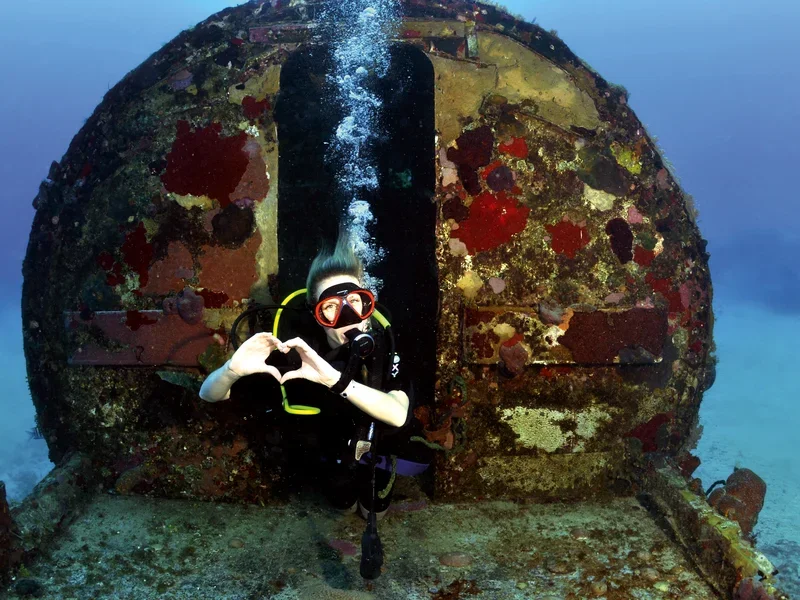
An artificial reef crafted from concrete, the 2011 Barge wreck concrete pile #1 invites divers to explore an unusual underwater structure. This distinctive landscape showcases marine engineering’s versatility. It now functions as a thriving habitat below the surface, a testament to repurposed materials.
Evening condition tracking at 2011 Barge Wreck Concrete Pile #1 features an air temperature of 28°C. We have recorded wave heights measuring 1 m during this period. These figures outline the environmental parameters currently present.
Dive Site Location & Key Facts
Dive Site Overview
Diving the 2011 Barge wreck concrete pile #1 presents a compelling look into maritime history, particularly the use of ferrocement technology. Concrete ships, initially a practical answer to wartime shipping needs, evolved from active service vessels to modern artificial reefs.
Joseph-Louis Lambot first pioneered ferrocement construction in 1844. During World War I, the US government constructed several such vessels; a 1917 publication, for instance, detailed their potential.
While some WWI efforts saw limited success, the durability of ferrocement ships meant many were later repurposed. After WWII, some found new purpose as breakwaters, like the nine barges off Kiptopeke Beach, Virginia, deployed in 1948.
This particular 2011 Barge wreck represents a more recent, intentional deployment as an artificial reef. Divers encounter a robust, man-made structure specifically placed to attract marine life, situated within recreational depth limits.
It offers a different kind of underwater architecture to navigate and observe compared to natural reefs.
Conditions are Good
Optimal conditions expected
Current conditions near 2011 Barge Wreck Concrete Pile #1 show 28° air, 29° sea temperature, 0.9 m waves, and 25 km/h wind. Forecast data is refreshed regularly to ensure accuracy.
Best Time to Dive
For comfortable diving at the 2011 Barge wreck concrete pile #1, consider visiting during the 'Good' dive score months, typically May through August. Air temperatures during this period often range from 24.5°C to 28°C (76-82°F), making surface intervals more pleasant. May and July typically record less rainfall, with averages around 2.3 mm (0.09 inches) and 2.0 mm (0.08 inches) respectively, potentially leading to clearer conditions. While June and August also achieve 'Good' scores, they may have slightly higher average rainfall, up to 3.3 mm (0.13 inches) and 3.2 mm (0.13 inches) respectively. Wave heights usually remain lower in these summer months, averaging between 0.7-0.9 meters (2.3-3.0 ft), which often means calmer seas. Diving outside this primary window, from October through April, remains possible, but conditions become more variable with 'Moderate' dive scores, increased wave activity, and cooler air temperatures.
PEAK SEASON SCORE
Scores combine air & water temps, waves, wind & rainfall for overall conditions.
BEST MONTHS TO DIVE
Monthly records compiled from satellite and marine observation nodes over the last 3 years. Data provided by Open-Meteo and MET Norway.
Dive Experience & Conditions
Descending onto the 2011 Barge wreck concrete pile #1, divers will discover a robust, angular structure now serving as a foundation for aquatic growth. Specific visibility reports for this site are not consistently available; however, conditions on similar concrete wrecks can fluctuate with local currents and sediment. Divers might experience moderate to good visibility, occasionally reduced by suspended particles during significant water movement. Maximum depth on this artificial reef structure remains within typical recreational dive limits, making it accessible for a range of certified divers. Water temperatures aren't available in system data; however, warmer surface water could be expected during the peak summer diving season, based on air temperatures. Exploring the wreck's exterior reveals textures and crevices within the concrete, which attract different organisms than natural reef formations. The structure maintains relative integrity, providing interesting topography without requiring deep penetration unless specifically permitted and trained for.
Dive Difficulty & Safety Guidelines
Approaching the concrete barge wreck requires adherence to standard wreck diving safety protocols, even at recreational depths. Divers should always ensure they hold appropriate certification and experience for wreck environments. While the structure is generally stable, divers must maintain excellent buoyancy control; this prevents contact with the wreck itself and avoids stirring up silt, which could reduce visibility for others and obscure features.
Given its classification as 'concrete pile #1', this site could be part of a larger artificial reef system. Always consult local dive operators for the most current information on site-specific hazards, currents, and entry/exit procedures.
Understanding the site layout before the dive enhances safe navigation and optimizes the experience.
Recommended Equipment
- Dive Computer
This gear list is based on verified equipment signals for 2011 Barge Wreck Concrete Pile #1, United States. Always confirm final gear choices with your dive operator, guide, or liveaboard.
Recommended Dive Suit
With water temperatures around 29°C (83°F), many divers find a 2-3mm shorty or light wetsuit provides comfortable protection.
Local dive briefings can provide the most accurate guidance.
The upcoming forecast points to generally steady conditions in the area.
Emergency & Medical Support
Essential information to help you plan your dive trip to 2011 Barge wreck concrete pile #1.

Hyperbaric chambers are a critical part of dive safety infrastructure. Availability varies significantly by region, and not all dive areas have immediate access.
Before diving, it's recommended to:
- confirm nearest medical facilities
- check emergency procedures with local dive operators
- ensure dive insurance covers evacuation if required
Divers Alert Network
Diving emergency assistance available through DAN World.
+1-919-684-9111- 24/7 emergency hotline
- Diving medical assistance
- Evacuation coordination
Emergency contacts are provided for reference. Always verify local emergency services before diving.
Marine Life at 2011 Barge Wreck Concrete Pile #1
The stark concrete outline of this barge wreck quickly becomes an ideal substrate for marine life. Its rugged surface offers numerous hiding spots and attachment points for various invertebrates.
Over time, the structure evolves into a complex habitat, attracting different fish species that seek shelter, food, and breeding grounds. Observing the concrete's transformation, from a stark man-made object into a living part of the ecosystem, serves as a significant highlight.
Divers can expect to see schools of fish congregating around its edges, with smaller organisms establishing homes in its nooks and crannies. An effective oasis, this artificial reef draws diverse species from surrounding sandy bottoms or open water.
Dive Centers Near 2011 Barge Wreck Concrete Pile #1
Today: 10:00 - 19:00
Nearest Airports
Nearest airports to help plan travel to this dive area.
Search Flights
Check available flights and routes on Expedia, using the nearby airports listed in this section.
Search Flights on Expedia
Plan Your Stay
Looking for a place to stay for your dive trip? Explore hotels, stays, and vacation rentals for dive groups near Edgewater.
Dive Navigator may earn a commission from these links at no extra cost to you.
Frequently Asked Questions
What makes this wreck unique?
Constructed from ferrocement, a concrete material, this wreck stands out. Many ships from WWI and WWII were built this way, subsequently serving as robust artificial reefs. It provides a distinct diving experience compared to typical steel or wooden wrecks.
What is the typical depth of the 2011 Barge wreck concrete pile #1?
This 2011 Barge wreck is situated within recreational diving depths. While a precise measurement isn't consistently available, divers can expect it to be accessible to standard certification levels.
Is wreck penetration allowed or recommended?
Information on interior penetration for this specific wreck is limited. Unless explicitly permitted and holding advanced wreck diving certifications, it's generally recommended to enjoy the exterior. Always prioritize safety and consult local dive guides.
What are the best months for diving this site?
The most favorable conditions for diving the 2011 Barge wreck concrete pile #1 are typically from May through August. During these months, air temperatures are warmer, and calmer sea conditions are more probable, contributing to a more comfortable dive experience.
What marine life can be expected?
As an artificial reef, the concrete barge attracts a variety of marine life. You can expect to see various schooling fish, invertebrates, and organisms that thrive on hard surfaces, making the wreck a vibrant underwater habitat over time.
How does visibility typically behave at this site?
Visibility at concrete wreck sites can vary. Factors like local currents and recent rainfall might influence clarity. While specific data for this site is limited, divers should be prepared for conditions that might range from good to occasionally moderate.
Planning to dive 2011 Barge Wreck Concrete Pile #1?
Send one inquiry and receive offers directly from the best verified local dive operators.
Conditions are Good
Optimal conditions expected
Current conditions near 2011 Barge Wreck Concrete Pile #1 show 28° air, 29° sea temperature, 0.9 m waves, and 25 km/h wind. Forecast data is refreshed regularly to ensure accuracy.