
Diving at 2018 FWC Topsail Hill Patch Reef 4 (United States)
Navigating an artificial reef like the 2018 FWC Topsail Hill Patch Reef 4 presents a unique challenge, rewarding divers with an intimate look at a structured marine habitat. This site requires precise planning and situational awareness to fully appreciate its developing ecosystem. It's a dive that invites exploration of its purpose-built elements, attracting local marine life.
Evening condition tracking at 2018 FWC Topsail Hill Patch Reef 4 features an air temperature of 26°C. We have recorded wave heights measuring 0.5 m during this period. These figures outline the environmental parameters currently present.
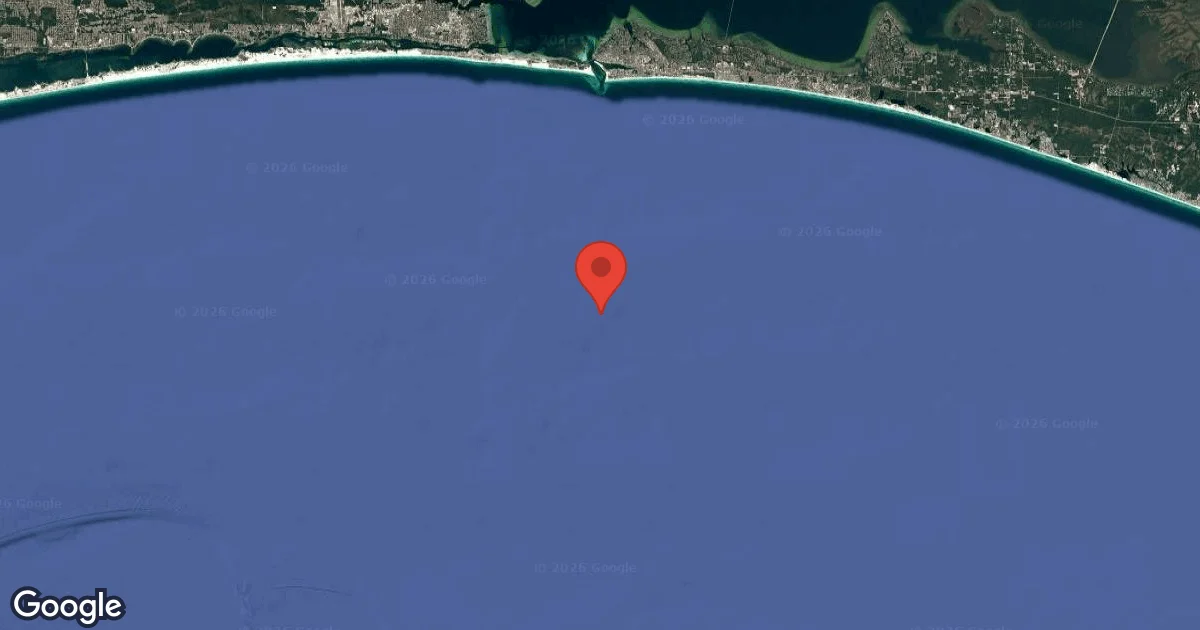
Dive Site Location & Key Facts
Dive Site Overview
Beneath the surface, the 2018 FWC Topsail Hill Patch Reef 4 serves as an integral part of an artificial reef system designed to enhance marine biodiversity off the United States coast. This site functions as a foundational habitat, drawing various species to its structure.
Divers typically explore depths within a comfortable recreational range, often encountering its artificial components. While specific maximum depths are not consistently reported for this particular patch, similar structures in the region generally range to about 30 m (100 ft), suitable for advanced open water divers. Water temperatures vary seasonally, aligning closely with regional air temperature patterns, which can range from cooler in winter months to much warmer in summer.
Visibility at the site depends on coastal conditions, local weather, and currents, but often allows for clear views of the reef's features. This dive offers a chance to observe how human-placed structures can foster thriving underwater environments.
Conditions are Good
07:00 - 14:00
Optimal conditions expected
Current conditions near 2018 FWC Topsail Hill Patch Reef 4 show 26° air, 30° sea temperature, 0.3 m waves, and 20 km/h wind. Forecast data is refreshed regularly to ensure accuracy.
Best Time to Dive
Optimal diving at FWC Topsail Hill Patch Reef 4 usually contrasts the warmer, calmer summer and early autumn months with the cooler, potentially choppier conditions of winter. From July through October, average dive scores are rated as 'Good' (8 out of 10), reflecting more favorable conditions. During these months, air temperatures are at their peak, ranging from 27-28.5°C (81-83°F), while average wave heights are typically lower, often around 0.6-0.7 m (2.0-2.3 ft). Conversely, winter months like January and February see air temperatures drop to 11-14.5°C (52-58°F) with slightly higher average wave heights, making for a less comfortable surface experience. Rainfall tends to be moderate year-round, but late summer can see increased precipitation, potentially affecting visibility.
PEAK SEASON SCORE
Scores combine air & water temps, waves, wind & rainfall for overall conditions.
BEST MONTHS TO DIVE
Monthly records compiled from satellite and marine observation nodes over the last 3 years. Data provided by Open-Meteo and MET Norway.
Dive Experience & Conditions
Understanding the local current dynamics is key to planning a dive at the 2018 FWC Topsail Hill Patch Reef 4. Currents can vary significantly based on tidal movements, recent weather, and offshore systems, potentially influencing both dive planning and underwater navigation. While not consistently reported, visibility on artificial reefs in similar areas typically ranges from 5-20 m (15-65 ft), with conditions fluctuating with plankton blooms and sediment stirred by wave action. The structure itself provides distinct points of interest, allowing divers to explore crevices and ledges that serve as shelter for marine life. Divers should be prepared for varying conditions, as the open water exposure of a patch reef means it's susceptible to environmental changes.
Dive Difficulty & Safety Guidelines
Diving on artificial structures like the 2018 FWC Topsail Hill Patch Reef 4 requires careful adherence to standard safety practices. Always plan your dive thoroughly, considering current weather forecasts, tides, and potential offshore conditions.
Buoyancy control is paramount to avoid damaging the delicate ecosystem and to prevent accidental contact with the structure. Given the nature of an artificial reef, precise navigation, possibly using GPS coordinates for entry and exit, is essential.
Divers should maintain awareness of their depth, particularly when exploring deeper sections, to remain within safe recreational limits. It's always advisable to dive with a buddy and carry appropriate safety signaling devices.
Recommended Equipment
- Dive Computer
This gear list is based on verified equipment signals for 2018 FWC Topsail Hill Patch Reef 4, United States. Always confirm final gear choices with your dive operator, guide, or liveaboard.
Recommended Dive Suit
Forecast trends indicate little change in overall diving conditions during the next few days.
Two divers in the same water temperature may experience very different comfort levels.
Many divers find that dive skin or rash guard offers the right level of insulation for conditions like these. A hood or vest is suggested for sensitive divers due to surface winds. The latest environmental readings for 2018 FWC Topsail Hill Patch Reef 4 suggest water temperatures around 30°C (86°F). Surface air temperatures are resting at 26°C (79°F).
Emergency & Medical Support
Essential information to help you plan your dive trip to 2018 FWC Topsail Hill Patch Reef 4.

Hyperbaric chambers are a critical part of dive safety infrastructure. Availability varies significantly by region, and not all dive areas have immediate access.
Before diving, it's recommended to:
- confirm nearest medical facilities
- check emergency procedures with local dive operators
- ensure dive insurance covers evacuation if required
Divers Alert Network
Diving emergency assistance available through DAN World.
+1-919-684-9111- 24/7 emergency hotline
- Diving medical assistance
- Evacuation coordination
Emergency contacts are provided for reference. Always verify local emergency services before diving.
Marine Life at 2018 FWC Topsail Hill Patch Reef 4
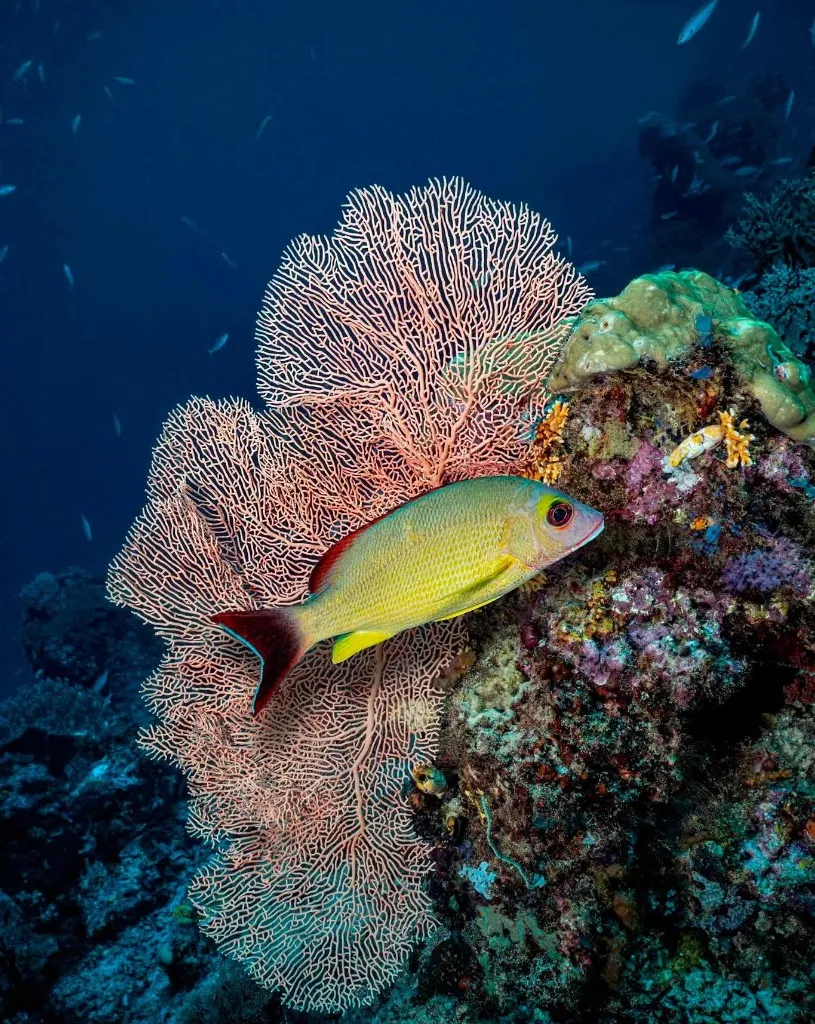
The constructed underwater landscape of the 2018 FWC Topsail Hill Patch Reef 4 creates a valuable habitat, fostering a diverse community of marine organisms. While specific species aren't consistently documented for this particular site, artificial reefs in the region typically attract various schooling fish like snappers and groupers seeking shelter and feeding opportunities.
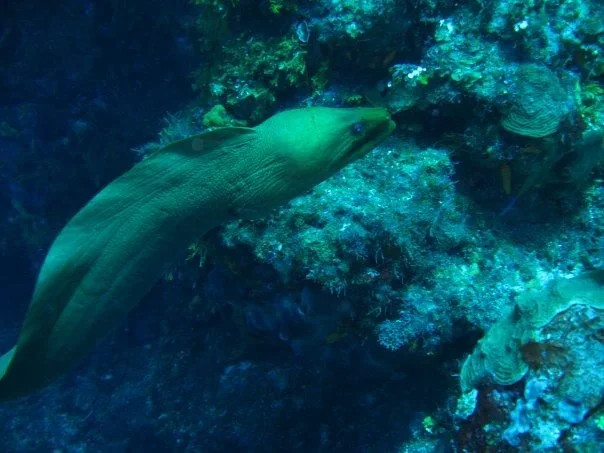
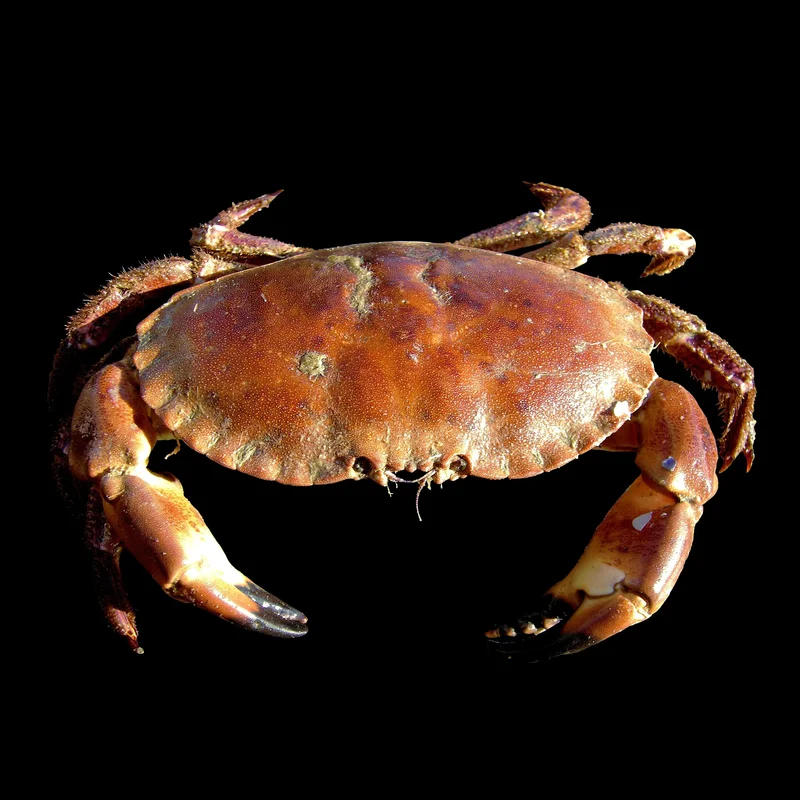
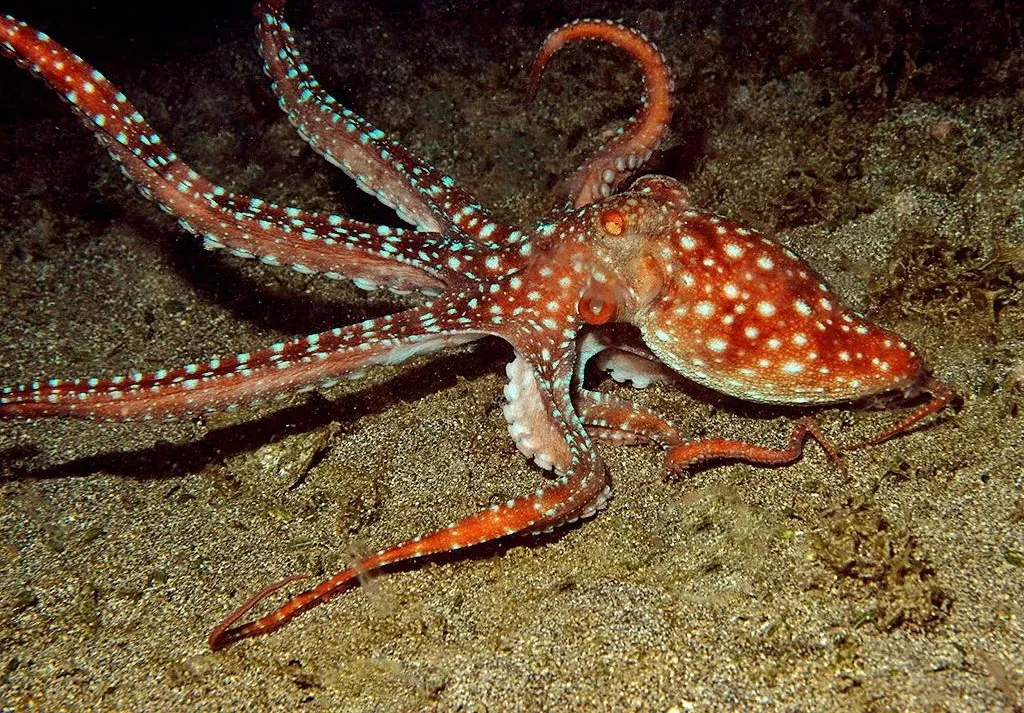
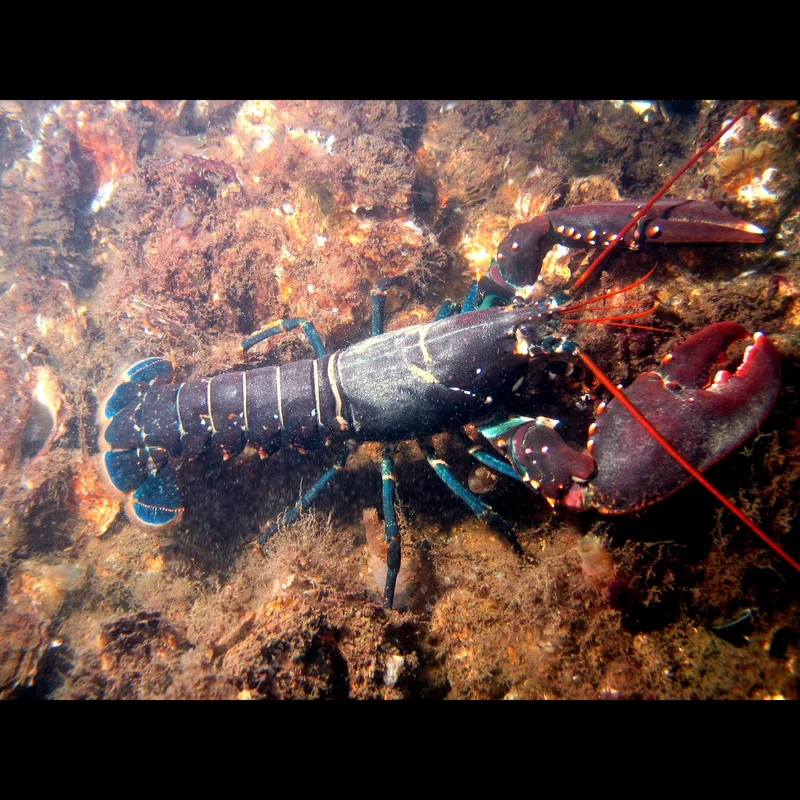
Crustaceans such as crabs and lobsters often colonize the structure's crevices, and octopuses or moray eels may reside within its sheltered areas. The reef also provides a substrate for sessile invertebrates like sponges and corals, which gradually grow and further enrich the ecosystem, providing food sources for smaller reef dwellers.
Dive Sites Near 2018 FWC Topsail Hill Patch Reef 4
View all dive sites in United StatesDiscover more underwater gems in this area.
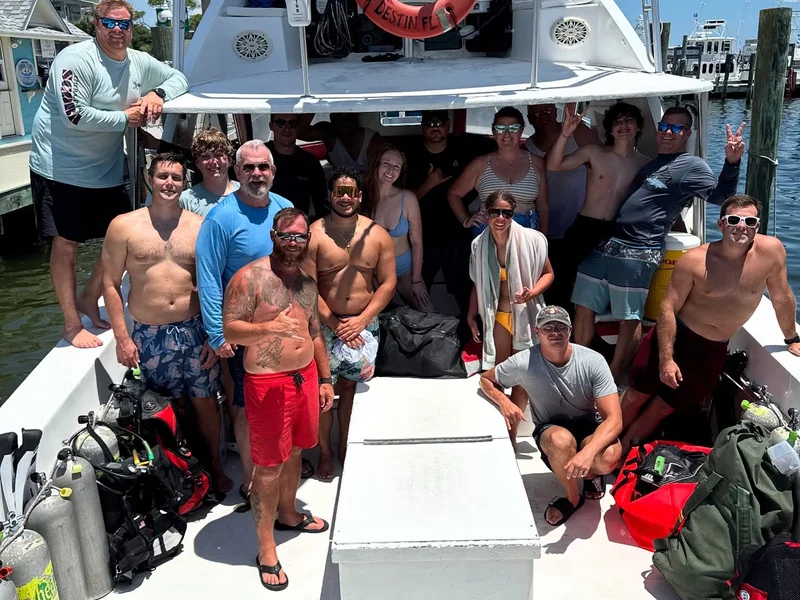
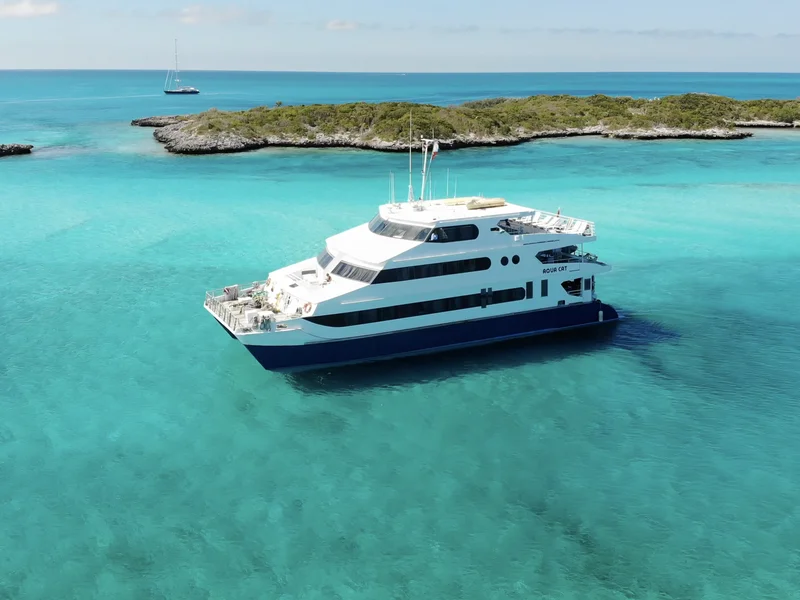
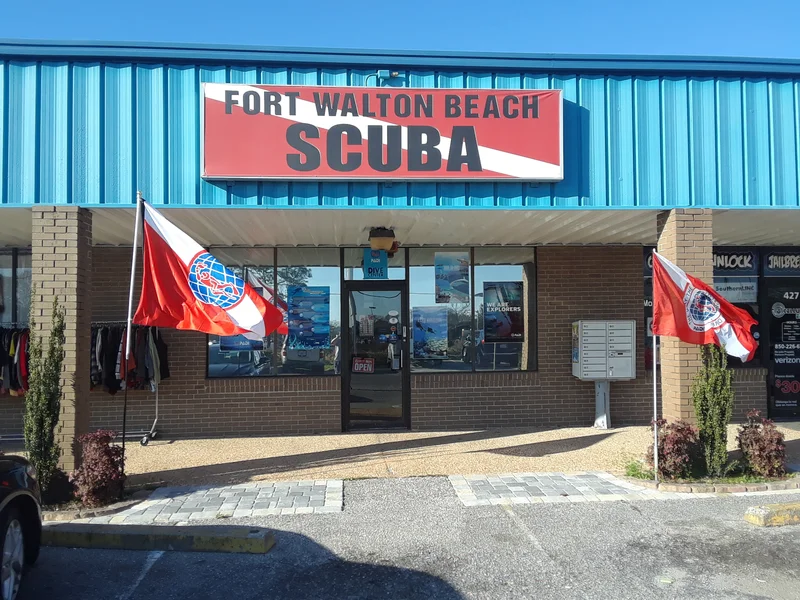
Dive Centers Near 2018 FWC Topsail Hill Patch Reef 4
Today: 09:00 - 16:00
Nearest Airports
Nearest airports to help plan travel to this dive area.
Search Flights
Check available flights and routes on Expedia, using the nearby airports listed in this section.
Search Flights on Expedia
Plan Your Stay
Looking for a place to stay for your dive trip? Explore hotels, stays, and vacation rentals for dive groups near Miramar Beach.
Dive Navigator may earn a commission from these links at no extra cost to you.
Frequently Asked Questions
What is the typical depth range for diving this reef?
While exact figures aren't consistently reported for this specific site, similar artificial patch reefs in the area generally offer a maximum recreational depth of around 30 m (100 ft). Shallower sections are likely present, suitable for less experienced divers or longer bottom times.
What kind of visibility can be expected?
Visibility at artificial reefs in this region can vary significantly. Factors such as weather, currents, and seasonal plankton blooms can cause it to range anywhere from 5-20 m (15-65 ft). Checking local dive reports before your trip is always recommended.
Are there strong currents at this dive site?
Currents can be present and may vary with tidal shifts and prevailing weather. It's advisable for divers to assess conditions on-site and be prepared for potential current fluctuations. Good dive planning should always account for possible current dynamics.
What marine life is commonly seen here?
As an artificial reef, it acts as a magnet for local marine life. You might observe schooling fish, various crustaceans, and bottom-dwelling species like octopuses or eels. The structure itself will also be colonized by sponges and other invertebrates.
Is this site suitable for beginner divers?
While some shallower sections may be appropriate, the variability in currents and depths up to 30 m (100 ft) suggests it might be best suited for advanced open water divers or those with some experience in similar conditions. Always dive within your certification and comfort limits.
Do I need special equipment for this dive?
Standard recreational dive gear is typically sufficient. However, due to potentially varying water temperatures, appropriate exposure protection like a wetsuit is recommended. A dive light can be useful for examining the details of the reef structure and its inhabitants.
Planning to dive 2018 FWC Topsail Hill Patch Reef 4?
Send one inquiry and receive offers directly from the best verified local dive operators.
Conditions are Good
07:00 - 14:00
Optimal conditions expected
Current conditions near 2018 FWC Topsail Hill Patch Reef 4 show 26° air, 30° sea temperature, 0.3 m waves, and 20 km/h wind. Forecast data is refreshed regularly to ensure accuracy.