
Diving at Antares (United States)
Successfully navigating the Antares wreck challenges divers with its depth and the complexity of a structure reshaped by a hurricane. This site, a substantial freighter that once measured 387 feet (118 m), requires advanced planning and skill. While much of the hull lies broken, the remaining stern and debris field present a compelling, deep dive experience in the United States.
Tonight's objective overview for Antares shows an air temperature of 22.5°C. The measured surface conditions include wave heights around 0.6 m. This environmental data is logged for the close of the day.
Dive Site Location & Key Facts
Dive Site Overview
Exploring the Antares presents a compelling narrative for wreck divers, detailing a purposeful sinking followed by nature's powerful intervention. This 387-foot (118 m) steel-hulled freighter was intentionally deployed in September 1995 to serve as an artificial reef.
Just one week later, Hurricane Opal struck, dramatically altering the wreck's structure. The storm twisted and broke the main hull, leaving only the stern section largely intact. That stern now rests with its upper portions rising to about 90 feet (27 m).
Farther down, the main hull lies at a maximum depth of 130-140 feet (40-43 m). Divers can locate the distinct stack in shallower water, approximately 70 feet (21 m) below the surface.
An extensive debris field now sprawls across the seafloor, providing a dynamic habitat for a wide array of marine life attracted to its complex structures. Navigating these scattered remains offers an intricate exploration for those prepared for its depths.
Conditions are Good
Optimal conditions expected
Current conditions near Antares show 23° air, 24° sea temperature, 1.0 m waves, and 36 km/h wind. Forecast data is refreshed regularly to ensure accuracy.
Best Time to Dive
Optimizing your dive to the Antares often centers on achieving the best possible visibility, which can range from 80-100 feet (24-30 m) under favorable conditions. Reviewing climate trends reveals that the months from May through August typically offer the highest dive scores, indicating generally better surface conditions for boat access. During this period, average air temperatures are warmer, ranging from 16°C (61°F) in May to 25.5°C (78°F) in July, with rainfall remaining relatively low. Wave heights also tend to be calmer, averaging between 0.8-0.9 meters (2.6-3.0 ft), reducing the likelihood of challenging entries or surface chop. Conversely, late fall and winter months, like December through April, show moderate dive scores due to cooler air temperatures and slightly higher wave activity, potentially impacting the overall dive experience.
PEAK SEASON SCORE
Scores combine air & water temps, waves, wind & rainfall for overall conditions.
BEST MONTHS TO DIVE
Monthly records compiled from satellite and marine observation nodes over the last 3 years. Data provided by Open-Meteo and MET Norway.
Dive Experience & Conditions
Descending upon the Antares wreck offers a palpable sense of its history, a massive structure now fragmented yet vibrantly alive with marine activity. Divers frequently encounter excellent visibility, sometimes exceeding 80 feet (24 m), which aids navigation around the sprawling site. The water temperature can be quite pleasant for deeper dives, reported around 28°C (83°F) during warmer periods, though it varies seasonally with depth. Exploring the stern section, which is the most intact part, provides a clear appreciation for the vessel's original scale. Moving deeper towards the main hull reveals a complex debris field where scattered pieces of the freighter form a series of intriguing underwater landscapes, each segment now contributing to a thriving reef ecosystem.
Dive Difficulty & Safety Guidelines
Diving the Antares demands an Advanced Open Water Diver certification due to its significant depths and the complex nature of the wreck. Recreational divers should limit exploration to the upper sections, such as the stern and stack, to remain within safe limits. Penetration into any part of the structure is considered extremely dangerous given the wreck's hurricane damage and unstable nature; it is strongly advised against without specific technical training and appropriate equipment.
Planning dives with conservative bottom times and adequate decompression stops is essential when exploring the deeper main hull areas, which can extend to 130-140 feet (40-43 m). Consider specialized training like PADI Wreck Diver and Enriched Air Diver to enhance safety and maximize bottom time.
Recommended Equipment
- Dive Computer
This gear list is based on verified equipment signals for Antares, United States. Always confirm final gear choices with your dive operator, guide, or liveaboard.
Recommended Dive Suit
In conditions like these, many divers prefer diving with 3-5mm wetsuit. Consider warmer surface protection (like a boat coat) due to brisk winds. Surface intervals may feel cooler.
Current readings at Antares show water temperatures near 24°C (75°F). Surface air temperatures are resting at 23°C (73°F).
Environmental conditions appear stable for the near future.
Emergency & Medical Support
Essential information to help you plan your dive trip to Antares.

Hyperbaric chambers are a critical part of dive safety infrastructure. Availability varies significantly by region, and not all dive areas have immediate access.
Before diving, it's recommended to:
- confirm nearest medical facilities
- check emergency procedures with local dive operators
- ensure dive insurance covers evacuation if required
Divers Alert Network
Diving emergency assistance available through DAN World.
+1-919-684-9111- 24/7 emergency hotline
- Diving medical assistance
- Evacuation coordination
Emergency contacts are provided for reference. Always verify local emergency services before diving.
Marine Life at Antares
The Antares wreck is a thriving hub of marine biodiversity, drawing divers with its rich aquatic life. Observations frequently include various reef creatures, finding refuge and sustenance within the wreck's structure and extensive debris field.
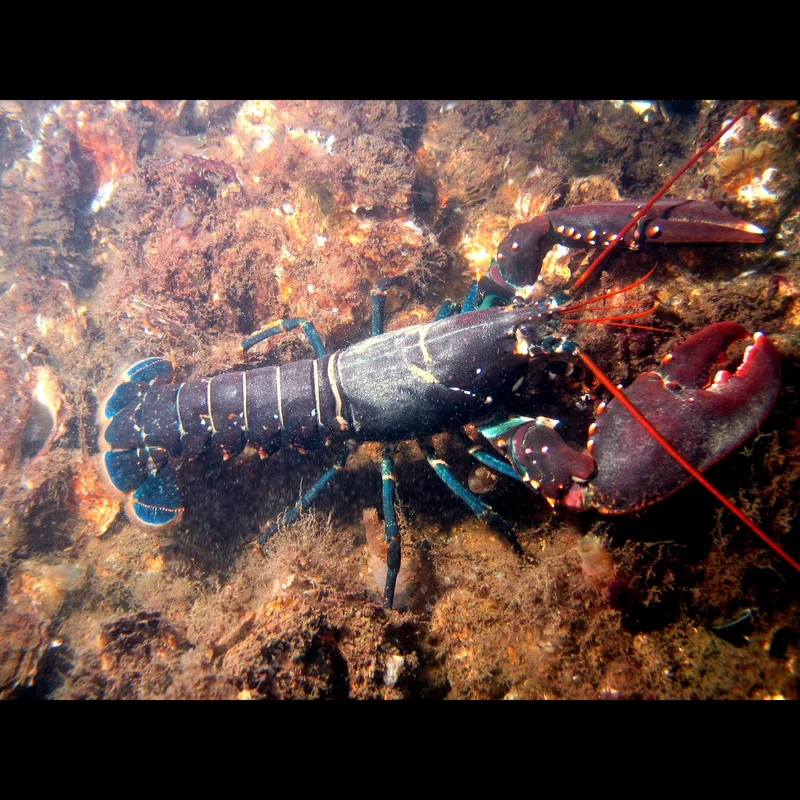
Divers often spot a range of fish species, with reports of Spanish or Cuban hogfish gracefully navigating the broken hull. Keep an eye out for bottom dwellers; sightings have included flounder and lobsters.
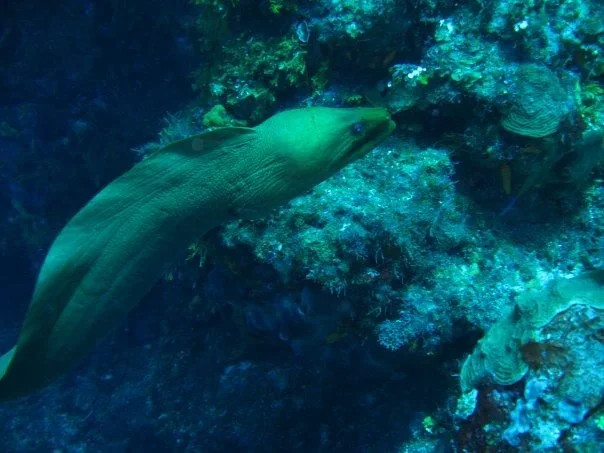
Moray eels are also known to inhabit the nooks and crannies, adding to the dynamic ecosystem that has developed around this artificial reef.
Dive Centers Near Antares
Today: 08:00 - 18:00


Nearest Airports
Nearest airports to help plan travel to this dive area.
Search Flights
Check available flights and routes on Expedia, using the nearby airports listed in this section.
Search Flights on Expedia
Plan Your Stay
Looking for a place to stay for your dive trip? Explore hotels, stays, and vacation rentals for dive groups near Barnegat Light.
Dive Navigator may earn a commission from these links at no extra cost to you.
Frequently Asked Questions
What is the maximum depth of the Antares wreck?
The main hull of the Antares lies at a maximum depth of 130-140 feet (40-43 m). Shallower sections, like the intact stern, are found around 90 feet (27 m), with the stack rising to about 70 feet (21 m).
What kind of dive training is recommended for the Antares?
Due to its depth and complexity, the Antares is categorized as an advanced dive. An Advanced Open Water Diver certification is recommended, and specialized training such as PADI Wreck Diver or Enriched Air Diver can further enhance safety and enjoyment.
What happened to the Antares wreck?
The Antares was intentionally sunk as an artificial reef in 1995. Just one week later, Hurricane Opal struck, twisting and breaking the hull and leaving only the stern section largely intact.
Is wreck penetration safe at the Antares?
Penetration into the Antares structure is considered extremely dangerous and is not advised for recreational divers. The wreck's hurricane damage makes it unstable, posing significant risks.
What marine life can be seen at the Antares?
Divers frequently observe a variety of marine life, including lobsters, flounder, and moray eels. Spanish or Cuban hogfish are also commonly reported, thriving among the wreck's features.
What are typical water temperatures at the Antares?
Water temperatures can be quite warm during peak season, with one report indicating 28°C (83°F). However, temperatures can vary with depth and season.
Planning to dive Antares?
Send one inquiry and receive offers directly from the best verified local dive operators.
Conditions are Good
Optimal conditions expected
Current conditions near Antares show 23° air, 24° sea temperature, 1.0 m waves, and 36 km/h wind. Forecast data is refreshed regularly to ensure accuracy.