
Diving at Aurora Reservoir (United States)
Navigating freshwater environments, especially around submerged structures, presents unique considerations for divers. Aurora Reservoir provides a dedicated training ground, featuring a purpose-sunk Cessna 210 wreck that demands precise buoyancy and navigation skills. Functioning as an accessible lake dive, the site is ideal for refining techniques in variable visibility. Its roped-off dive area on the eastern shore ensures a controlled setting, establishing it as a primary location for diverse skill development and certification dives.
The latest environmental reading at Aurora Reservoir indicates an air temperature of 19.5°C. The regional climate in United States is aligning with expected historical averages. Prepare your gear according to these specific local conditions.
Dive Site Location & Key Facts
Dive Site Overview
Aurora Reservoir's dive area provides a structured environment for divers of all levels, established as a key local training hub. A dedicated SCUBA beach on the eastern shore is roped off, offering a safe zone distinct from other reservoir activities.
A purpose-sunk Cessna 210 wreck serves as a central point for practicing underwater navigation and advanced search and recovery skills. Entry is convenient, accessible via a staircase from the northeastern parking lot or an ADA-compliant ramp. Freshwater conditions support a range of PADI courses, from Open Water to specialty certifications like Altitude Diver.
Depths typically reach up to 6 meters / 21 feet, suitable for foundational skill development. Reservoir operations are seasonal, opening daily from April 1 to October 31, dawn until dusk; night diving is explicitly prohibited.
The emphasis on daylight training aligns with its primary role as a certification and skill refinement location. Infrastructure includes changing areas and permits for grills on cement pads, supporting extended dive day activities.
Conditions are Moderate
Optimal conditions expected
Current conditions near Aurora Reservoir show 20° air, --° sea temperature, N/A waves, and 25 km/h wind. Forecast data is refreshed regularly to ensure accuracy.
Best Time to Dive
For the most comfortable diving experience at Aurora Reservoir, plan your visits between April and October, aligning with the site's operational season. Air temperatures during this period average from 9°C / 48°F in April, climbing to a peak of 23.5°C / 74°F in July, then gradually decreasing to 12.5°C / 54°F by October. Warmer months generally offer more pleasant surface conditions. Rain is typically minimal, averaging around 1.5-3.3 mm per month during spring and early summer, decreasing later in the season. While water temperatures aren't consistently reported, warmer air temperatures suggest the most favorable in-water conditions occur from late spring through early autumn. Wind speeds are consistently moderate throughout the open season, averaging 23-25 km/h / 14-15 mph, which can influence surface chop but generally won't preclude diving. Planning for these months maximizes comfort and aligns with the reservoir's seasonal accessibility.
PEAK SEASON SCORE
Scores combine air & water temps, waves, wind & rainfall for overall conditions.
BEST MONTHS TO DIVE
Monthly records compiled from satellite and marine observation nodes over the last 3 years. Data provided by Open-Meteo and MET Norway.
Dive Experience & Conditions
Diving in Aurora Reservoir presents typical freshwater lake conditions, which can vary significantly with weather and seasonal turnover. Visibility often shifts, clearer during cooler periods or after extended calm. Divers should prepare for colder water, especially at deeper training depths, necessitating appropriate thermal protection. Maximum depths generally reach 6 meters / 21 feet, making it suitable for entry-level training and skill refinement. As a freshwater environment, the site influences both equipment considerations and the underwater landscape. Surface conditions are generally calm, but moderate winds, averaging around 24 km/h / 15 mph, are common and might create some surface chop. A dedicated SCUBA beach with an accessible ramp facilitates easy shore entries and exits. Such dynamic conditions provide a practical setting for practicing core dive skills, navigation, and search and recovery in real-world, albeit controlled, freshwater conditions.
Dive Difficulty & Safety Guidelines
Understanding the site-specific regulations is crucial for safe diving at Aurora Reservoir. All divers must adhere to the seasonal operating hours of April 1 to October 31, from dawn until dusk; night diving is strictly prohibited. A designated SCUBA dive area is clearly roped off from other reservoir activities, ensuring a dedicated space for training and practice.
While no specific inherent hazards are consistently reported beyond typical freshwater diving considerations like variable visibility, prudent divers will always prioritize situational awareness. A daily park entrance fee of approximately $15 per car is required, though there's no additional charge for diving itself.
Divers have the option to rent a key for $20 to access a loading zone near the dive area, but this is for gear transport only, not parking. Always carry a dive flag and maintain proper buoyancy control, especially when working around the Cessna wreck.
Recommended Equipment
Overhead / entanglement risk. Wreck penetration requires proper training.
- Dive Computer
- Primary & Backup Lights
- Wreck Reel
- Cutting Tool
- Hard-soled Dive Boots
This gear list is based on verified equipment signals for Aurora Reservoir, United States. Always confirm final gear choices with your dive operator, guide, or liveaboard.
Recommended Dive Suit
Repeated dives during the same day can gradually reduce overall body warmth.
Because recent water temperature readings are not available for Aurora Reservoir, the guidance below is based mainly on current air conditions and seasonal expectations. Current surface air temperatures are roughly 20°C (67°F). Based on regional estimates and current weather, the likely required exposure protection is a 5mm or thicker wetsuit. Note that local currents and upwellings can alter this. A hood or vest is suggested for sensitive divers due to surface winds. Surface intervals may feel cooler.
Conditions may fluctuate slightly depending on wind and weather patterns. A significant temperature drop is forecast; strongly suggest bringing a backup warmer suit option. A thicker wetsuit may be worth considering for extended dives.
Emergency & Medical Support
Essential information to help you plan your dive trip to Aurora Reservoir.

Hyperbaric chambers are a critical part of dive safety infrastructure. Availability varies significantly by region, and not all dive areas have immediate access.
Before diving, it's recommended to:
- confirm nearest medical facilities
- check emergency procedures with local dive operators
- ensure dive insurance covers evacuation if required
Divers Alert Network
Diving emergency assistance available through DAN World.
+1-919-684-9111- 24/7 emergency hotline
- Diving medical assistance
- Evacuation coordination
Emergency contacts are provided for reference. Always verify local emergency services before diving.
Marine Life at Aurora Reservoir
Aurora Reservoir's underwater landscape is primarily defined by its role as a training facility, featuring a significant purpose-sunk structure. A central attraction is the Cessna 210 wreck, which offers an excellent focal point for practicing navigation and object recovery skills.
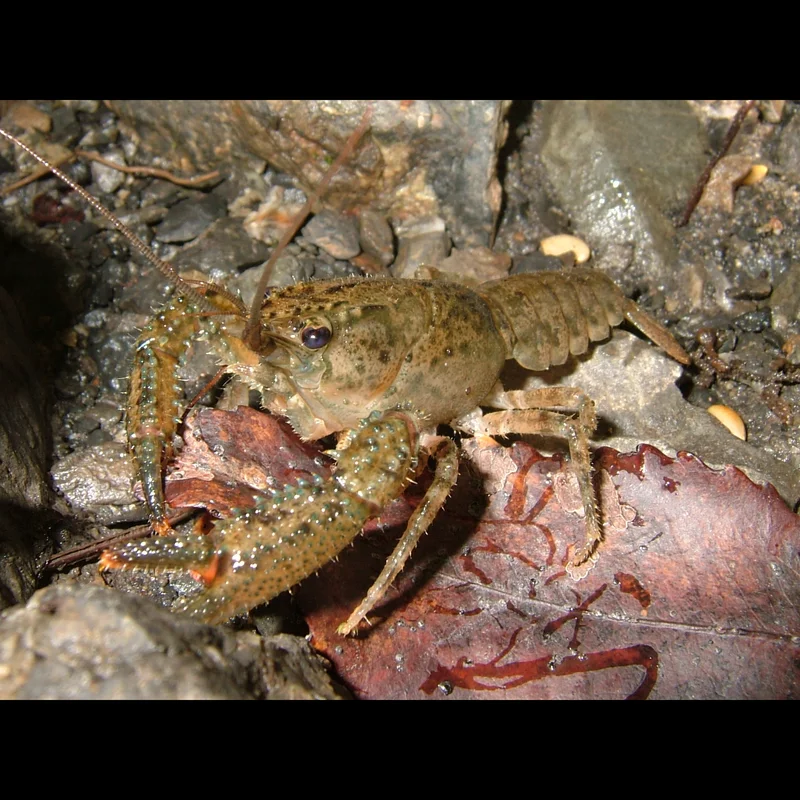
While specific indigenous marine life sightings aren't consistently reported, freshwater lakes typically host various species of fish, crayfish, and aquatic plants. Divers should anticipate observing a typical freshwater ecosystem, with any observed life contributing to the dynamic backdrop of the training environment. Focus remains on skill development and interaction with the submerged wreck.
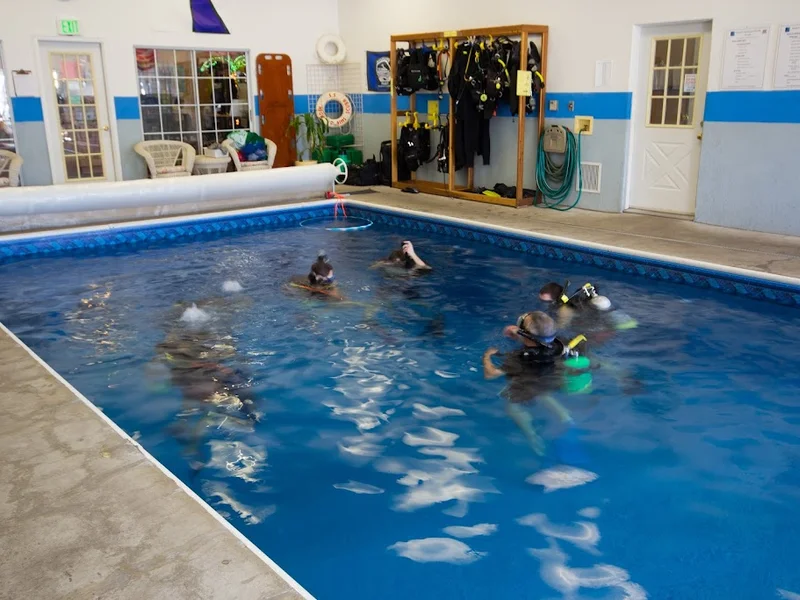
Dive Centers Near Aurora Reservoir
Today: 10:00 - 18:00
Nearest Airports
Nearest airports to help plan travel to this dive area.
Search Flights
Check available flights and routes on Expedia, using the nearby airports listed in this section.
Search Flights on Expedia
Plan Your Stay
Looking for a place to stay for your dive trip? Explore hotels, stays, and vacation rentals for dive groups near Foxfield.
Dive Navigator may earn a commission from these links at no extra cost to you.
Frequently Asked Questions
What is the maximum depth available for diving at Aurora Reservoir?
Divers at Aurora Reservoir can typically reach maximum depths of approximately 6 meters / 21 feet. Depths in this range are suitable for various training exercises and entry-level certifications.
Is night diving permitted at Aurora Reservoir?
No, night diving is strictly prohibited at Aurora Reservoir. Operating seasonally from April 1 to October 31, the dive area limits operations to daylight hours, from dawn until dusk.
What unique features can divers explore at this site?
A primary unique feature is a purpose-sunk Cessna 210 wreck, which serves as an excellent site for practicing underwater navigation and search and recovery skills. It's a key element of the reservoir's training environment.
What are the typical water conditions divers should expect?
Aurora Reservoir is a freshwater dive site, meaning divers should prepare for variable visibility and cooler water temperatures, especially at depth. Conditions can shift depending on the season and recent weather patterns.
Is there an entrance fee for divers at Aurora Reservoir?
Yes, there is a daily park entrance fee, approximately $15 per car, to access Aurora Reservoir. However, no additional fee is required specifically for diving once inside the park.
What types of dive training are commonly conducted at Aurora Reservoir?
Aurora Reservoir is a popular training location supporting a wide range of PADI courses, including Open Water, Advanced Open Water, Rescue Diver, Underwater Navigator, Altitude Diver, and Search and Recovery Diver certifications.
How do divers access the dedicated SCUBA area?
Access to the SCUBA dive area comes via a staircase from the northeastern parking lot, and it also features an ADA-compliant ramp for easier entry. Divers can also rent a key for $20 to drive gear to a loading zone near the beach.
Planning to dive Aurora Reservoir?
Send one inquiry and receive offers directly from the best verified local dive operators.
Conditions are Moderate
Optimal conditions expected
Current conditions near Aurora Reservoir show 20° air, --° sea temperature, N/A waves, and 25 km/h wind. Forecast data is refreshed regularly to ensure accuracy.