
Diving at Austin (United States)
Divers approaching Austin typically focus on local certification and freshwater training opportunities. It's a regional hub for skill development, providing access to inland dive sites rather than coastal excursions. Preparing for open water dives often begins in local pools and confined areas before transitioning to nearby lakes. Many local dive shops and academies offer structured programs, facilitating everything from initial certifications to advanced specialties within this setting.
Tonight's objective overview for Austin shows an air temperature of 24.5°C. The measured surface conditions include wave heights around 0.6 m. This environmental data is logged for the close of the day.
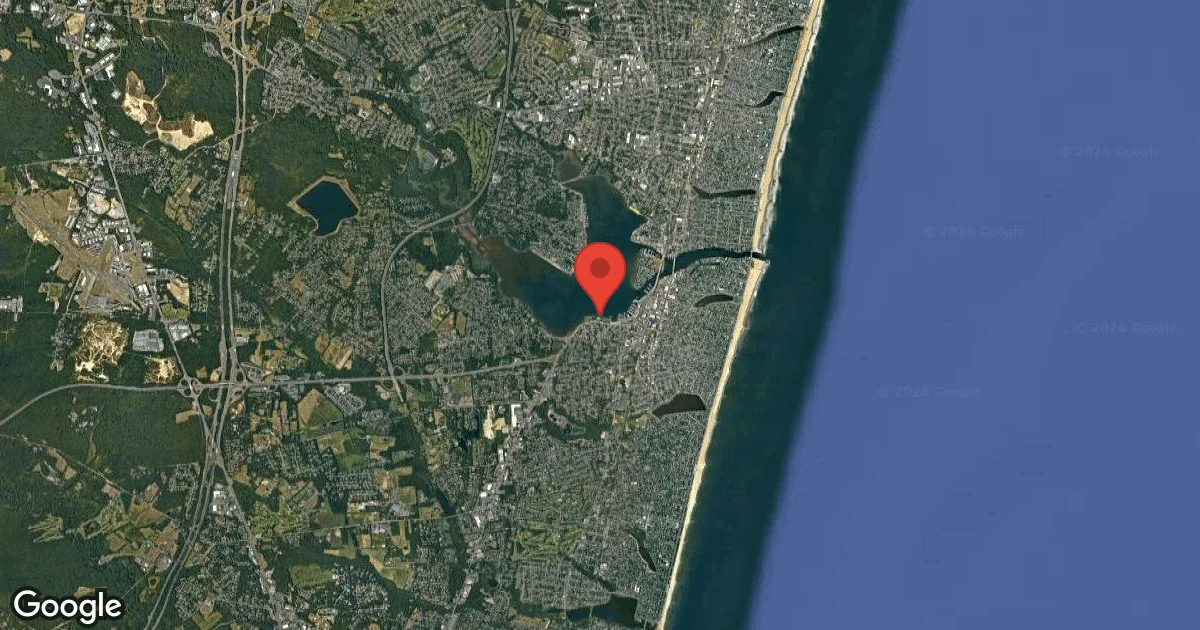
Dive Site Location & Key Facts
Dive Site Overview
Austin's dive scene centers around freshwater lake diving, with its primary listed sites being lake-based experiences. These locations serve as essential training grounds, particularly for open water certification and specialty courses.
Divers should anticipate a different environment compared to oceanic diving, characterized by varying visibility depending on the specific lake and recent weather conditions. Submerged topography generally includes silty or rocky bottoms, alongside structures and features often created for diver interest and training purposes. Texas Scuba Academy, for instance, emphasizes small group training sessions to ensure personalized attention for skill mastery.
Instructors foster confidence in a controlled yet realistic setting, guiding students from academic e-learning to pool sessions, and finally to required open water training dives. While not teeming with coral reefs, Austin's sites are foundational for local divers, offering consistent accessibility for learning and practice.
Depths typically fall within recreational limits, accommodating a wide range of certifications from beginner to advanced. Local centers often provide mobile dive training, bringing convenience to divers across the area.
Conditions are Good
Optimal conditions expected
Current conditions near Austin show 24° air, 23° sea temperature, 1.1 m waves, and 32 km/h wind. Forecast data is refreshed regularly to ensure accuracy.
Best Time to Dive
Deciding when to dive in Austin often involves contrasting seasonal air temperatures, given the lack of specific water temperature data. Warmest air temperatures are experienced from June through August, peaking in July with averages around 25°C (77°F), making these months particularly comfortable for surface activities. During this period, dive scores consistently rank as 'Good', with July holding the highest rating of 8. Good conditions also extend into May, September, and October, where air temperatures remain pleasant, ranging from 15-20.5°C (59-69°F). February and November also maintain 'Good' dive scores, although air temperatures drop significantly to 1.5°C (35°F) and 9°C (48°F) respectively, indicating the need for appropriate dry or thick wetsuit protection. Moderate dive scores are common during January, March, April, and December, often coinciding with cooler air temperatures and slightly higher rainfall averages, such as 4.08 mm (0.16 inches) in December. Divers planning during these cooler months should be prepared for potential temperature differences between air and water, as well as the variability in conditions rain might introduce.
PEAK SEASON SCORE
Scores combine air & water temps, waves, wind & rainfall for overall conditions.
BEST MONTHS TO DIVE
Monthly records compiled from satellite and marine observation nodes over the last 3 years. Data provided by Open-Meteo and MET Norway.
Dive Experience & Conditions
Diving in Austin predominantly revolves around the progression of diver training and local freshwater exploration. Initial skill development often occurs in pools or confined water, with instructors guiding students through fundamental techniques. As divers move to open water training, they will experience conditions typical of freshwater lakes, which differ from ocean environments. Visibility levels can fluctuate, influenced by factors such as recent rainfall, sediment, and the activity of other users. Max depths at these lake sites generally fall within typical recreational ranges, suitable for PADI Open Water and Advanced certifications. Austin's local training academies prioritize a learning pace that builds genuine underwater confidence, emphasizing quality instruction over volume. A personalized approach means divers receive ample one-on-one time with instructors, ensuring a thorough understanding of skills before progressing. While specific water temperatures aren't consistently reported, divers should expect seasonal variations in lake temperatures that generally align with surface air temperatures to some degree, necessitating appropriate thermal protection.
Dive Difficulty & Safety Guidelines
Ensuring safety within Austin's dive community emphasizes proper certification and adherence to established training protocols. All open water dives require supervision from a certified SDI or PADI Instructor, especially for students undergoing their initial certification. Divers must maintain their equipment regularly, with local shops offering repair and rental services to prevent malfunctions.
Before any dive, always conduct a thorough buddy check and confirm your gear is in optimal working order. While specific hazards for local dive sites aren't detailed, freshwater environments can present unique challenges such as limited visibility, entanglement risks from submerged debris, or thermoclines.
Always follow the dive plan briefed by your instructor or dive leader, respecting depth limits and bottom times appropriate for your certification level. Regular refresher courses are also highly recommended for inactive divers to ensure skills remain sharp and current.
Recommended Equipment
- Dive Computer
This gear list is based on verified equipment signals for Austin, United States. Always confirm final gear choices with your dive operator, guide, or liveaboard.
Recommended Dive Suit
For dives of average duration, 3-5mm wetsuit usually provides sufficient protection from heat loss. A hood or vest is suggested for sensitive divers due to surface winds.
Current readings at Austin show water temperatures near 23°C (74°F). Surface air temperatures are resting at 24°C (76°F).
A modest cooling trend is expected in the upcoming forecast. Cooler days are ahead; you might want a warmer option for later in the week. Having a second exposure option available is often a good precaution.
Emergency & Medical Support
Essential information to help you plan your dive trip to Austin.

Hyperbaric chambers are a critical part of dive safety infrastructure. Availability varies significantly by region, and not all dive areas have immediate access.
Before diving, it's recommended to:
- confirm nearest medical facilities
- check emergency procedures with local dive operators
- ensure dive insurance covers evacuation if required
Divers Alert Network
Diving emergency assistance available through DAN World.
+1-919-684-9111- 24/7 emergency hotline
- Diving medical assistance
- Evacuation coordination
Emergency contacts are provided for reference. Always verify local emergency services before diving.
Marine Life at Austin
Austin's dive sites feature an underwater landscape reflecting its freshwater lake environment. While rich coral ecosystems are absent, divers can still observe various freshwater species.
Dive experience often focuses more on developing diving skills and exploring submerged training structures than on diverse marine encounters. Lake beds may feature soft sediments, rock formations, and occasional aquatic vegetation.
Common sightings might include different species of freshwater fish, aquatic invertebrates, and other organisms that thrive in these inland habitats, depending on the specific lake site.
Dive Sites Near Austin
View all dive sites in United StatesDiscover more underwater gems in this area.
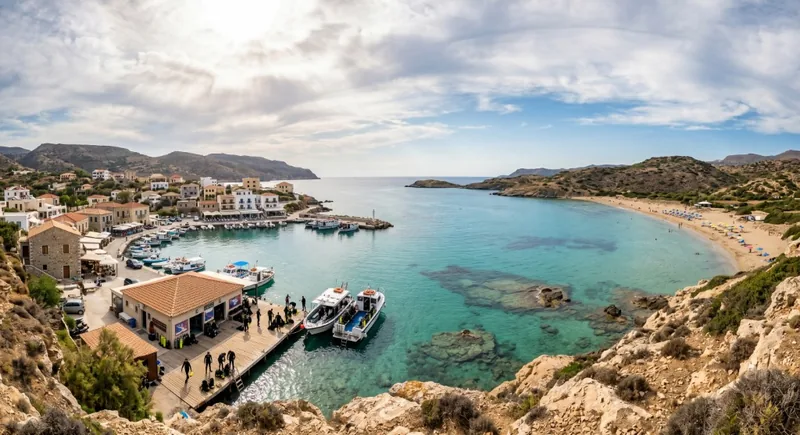
Dive Centers Near Austin
Today: 08:00 - 18:00
Nearest Airports
Nearest airports to help plan travel to this dive area.
Search Flights
Check available flights and routes on Expedia, using the nearby airports listed in this section.
Search Flights on Expedia
Plan Your Stay
Looking for a place to stay for your dive trip? Explore hotels, stays, and vacation rentals for dive groups near Bay Head.
Dive Navigator may earn a commission from these links at no extra cost to you.
Frequently Asked Questions
What type of diving is available in Austin?
Diving in Austin is primarily freshwater lake diving, with sites used for certifications and recreational exploration. Focus is often on training and skill development within inland bodies of water.
Can I get scuba certified in Austin?
Yes, Austin is a prominent center for scuba certification. Local academies offer personalized training, from SDI Open Water to advanced specialties, with options for small group classes.
What are the benefits of training with Austin's dive centers?
Austin's dive centers, like Texas Scuba Academy, often prioritize small group training, providing more one-on-one time with instructors. Such an approach helps build confidence and ensures thorough skill mastery.
What are the best months for diving in Austin?
Best months for diving generally align with warmer air temperatures, from May through October, with July often having the highest dive scores. However, 'Good' dive scores are recorded for many months, including cooler ones, if suitable thermal protection is used.
Are dive equipment rentals available in Austin?
Yes, local dive shops in Austin offer a range of equipment rentals and repair services. Such services ensure divers can access necessary gear for training and recreational dives without needing to purchase everything upfront.
What kind of marine life can I expect to see?
Given the freshwater lake environment, divers can expect to see various freshwater fish and aquatic invertebrates. Dive focus is often on the training experience and the general underwater landscape, which includes natural lake features and submerged training structures.
Planning to dive Austin?
Send one inquiry and receive offers directly from the best verified local dive operators.
Conditions are Good
Optimal conditions expected
Current conditions near Austin show 24° air, 23° sea temperature, 1.1 m waves, and 32 km/h wind. Forecast data is refreshed regularly to ensure accuracy.