
Diving at BA Site (United States)
Across the coastal expanse of Virginia Beach and the Outer Banks, dive sites often feature submerged historical structures. These locations, whether a jetty or nearshore wreck, present diverse underwater landscapes. Divers can explore remnants like the Little Creek Jetty, known for its rock formations, or various shipwrecks such as the Winks Wreck, resting in shallower sections around 4.5-6 m (15-20 ft). From concrete ships forming breakwaters at Kiptopeke to offshore structures like the Chesapeake Light Tower, the region offers varied structural engagements for underwater exploration.
Evening condition tracking at BA Site features an air temperature of 28°C. We have recorded wave heights measuring 1.1 m during this period. These figures outline the environmental parameters currently present.
Dive Site Location & Key Facts
Dive Site Overview
Explorers visiting the Virginia Beach and Outer Banks coastal waters will find diving fundamentally shaped by rich maritime history and often challenging environmental conditions. The region isn't known for consistently clear, tropical waters; rather, it promises an authentic wreck diving experience where each submerged site tells a story of the past.
Divers frequently encounter the remnants of various vessels, from the 879-ton freighter Metropolis, which met its end near Virginia Beach, to the WWII-era Kiptopeke Concrete Ships. Deliberately scuttled to form an extensive breakwater, these concrete ships now act as vibrant artificial reefs. Many sites, such as certain jetty structures or shallower nearshore wrecks, allow for shore access.
Other notable locations, including the Chesapeake Light Tower, require boat passage to reach its base, extending to recreational diving depths. Prevailing low visibility and potentially strong currents are consistent features of this environment, making each descent an exercise in adaptability.
Successfully exploring historical sites demands a high level of preparedness, robust navigation skills, and a strong understanding of local tidal patterns. A unique combination of accessible history, dynamic ocean conditions, and diverse structural engagements defines the underwater landscape here, encouraging a dive approach focused on situational awareness and diligent planning.
Conditions are Excellent
07:00 - 14:00
Optimal conditions expected
Current conditions near BA Site show 28° air, 29° sea temperature, 0.7 m waves, and 18 km/h wind. Forecast data is refreshed regularly to ensure accuracy.
Best Time to Dive
Planning a dive in this region focuses heavily on prevailing conditions rather than just calendar months. While water temperature data isn't consistently reported, air temperatures are generally milder from May to November, ranging from 24°C (75°F) to 19.5°C (67°F), offering a more comfortable surface experience. Dive scores are rated 'Good' in May, June, July, and November, indicating better overall conditions during these periods. Specifically, July often sees the lowest average wave heights at 0.8 m (2.6 ft), with minimal rain at 1.56 mm. For optimal visibility and reduced current, divers generally find the best opportunities around high tide, especially following several days of low wind blowing off the beach from the West. Conversely, September and October can present higher wave heights, averaging 1.4 m (4.6 ft) and 1.5 m (4.9 ft) respectively, with moderate dive scores.
PEAK SEASON SCORE
Scores combine air & water temps, waves, wind & rainfall for overall conditions.
BEST MONTHS TO DIVE
Monthly records compiled from satellite and marine observation nodes over the last 3 years. Data provided by Open-Meteo and MET Norway.
Dive Experience & Conditions
Beginning a dive here often involves navigating varying entry points, from walk-ins at jetties to surface swims over nearshore wrecks. Once submerged, divers frequently encounter low visibility, which can range from limited to almost none depending on recent wave action and tidal conditions. Currents can be a significant factor, especially around structures like the CBBT Pilings or the Kiptopeke Concrete Ships, where strong flows necessitate diving at slack current. Wreck sites like the Winks Wreck are relatively shallow, found around 4.5-6 m (15-20 ft) of water, while other locations such as the Frisco Pier Wreck may extend to 9 m (30 ft). The offshore Chesapeake Light Tower, however, offers greater depths reaching 13.5 m (45 ft). Divers should anticipate potential surge, particularly at beach-entry sites, making navigation and site orientation paramount.
Dive Difficulty & Safety Guidelines
Diving in the Virginia Beach and Outer Banks area demands a high degree of situational awareness due to dynamic conditions. Recreational divers must be prepared for the distinct possibility of low visibility and strong currents, which can fluctuate quickly. Boat traffic is common in some areas, particularly near the Chesapeake Bay entrance and fishing piers, requiring divers to use surface marker buoys.
Fisherman frequently use these waters, so encountering snagged lines and nets around wrecks and jetties is a realistic hazard; divers should carry cutting tools. For any site, particularly those with strong tidal influences like the Kiptopeke Concrete Ships, diving should be strictly timed for slack current to mitigate risks. Planning and experience in challenging conditions are crucial for safe exploration.
Recommended Equipment
- Dive Computer
This gear list is based on verified equipment signals for BA Site, United States. Always confirm final gear choices with your dive operator, guide, or liveaboard.
Recommended Dive Suit
Recent conditions suggest the water at BA Site remains near 29°C (84°F), offering typical conditions for the area. Surface air temperatures are resting at 28°C (82°F).
Forecast models indicate that diving conditions should remain largely unchanged.
In water temperatures like these, 2-3mm shorty or light wetsuit typically offers sufficient warmth for most recreational dives. A hood or vest is suggested for sensitive divers due to surface winds. Some divers naturally tolerate cooler water better than others.
Emergency & Medical Support
Essential information to help you plan your dive trip to BA Site.

Hyperbaric chambers are a critical part of dive safety infrastructure. Availability varies significantly by region, and not all dive areas have immediate access.
Before diving, it's recommended to:
- confirm nearest medical facilities
- check emergency procedures with local dive operators
- ensure dive insurance covers evacuation if required
Divers Alert Network
Diving emergency assistance available through DAN World.
+1-919-684-9111- 24/7 emergency hotline
- Diving medical assistance
- Evacuation coordination
Emergency contacts are provided for reference. Always verify local emergency services before diving.
Marine Life at BA Site
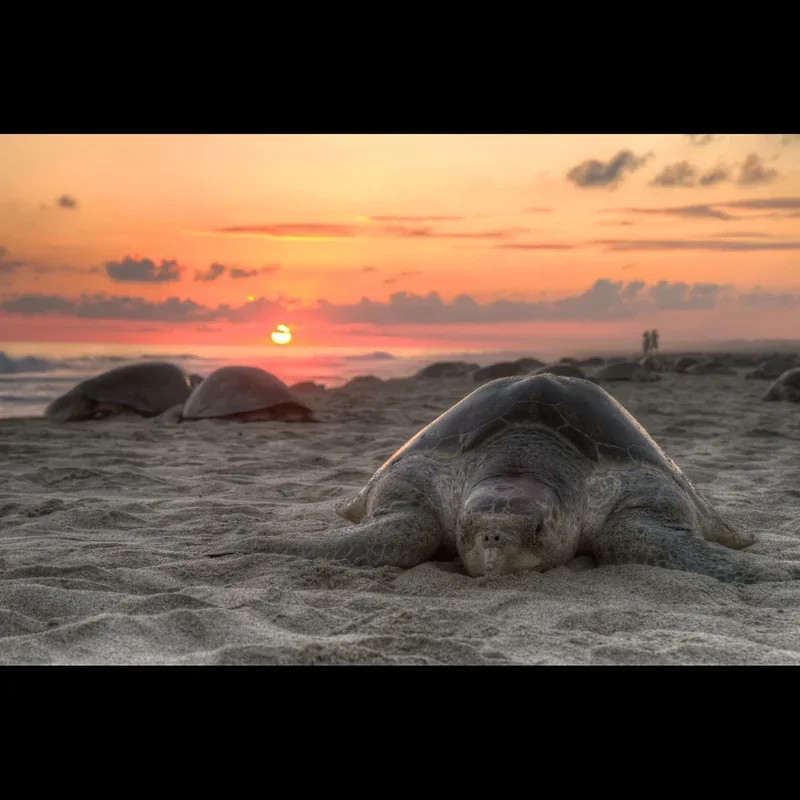
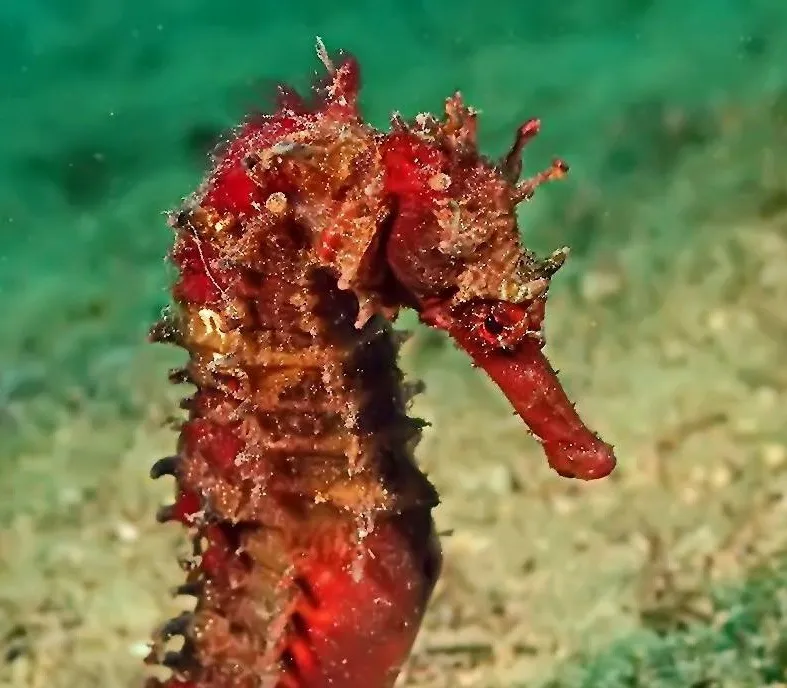
Even with variable visibility, the various structures provide crucial habitats that attract diverse marine life. Near jetties, like the Little Creek Jetty, divers have reported sightings of seahorses and sea turtles.
Around the CBBT Pilings, fish and crustaceans commonly seek shelter and food. The Kiptopeke Concrete Ships serve as artificial reefs, hosting various fish, birds, and invertebrates.
While large pelagics aren't consistently reported in the nearshore environments, the smaller, resilient species create a vibrant, if sometimes subtle, underwater ecosystem.
Dive Centers Near BA Site
Today: 10:00 - 18:30
Nearest Airports
Nearest airports to help plan travel to this dive area.
Search Flights
Check available flights and routes on Expedia, using the nearby airports listed in this section.
Search Flights on ExpediaFrequently Asked Questions
What are the typical visibility conditions?
Visibility in this region is highly variable and can frequently be low, ranging from limited to almost none. Conditions depend heavily on recent wave action, wind direction, and tidal movements. Divers should always be prepared for reduced visibility.
Are strong currents a concern at these dive sites?
Yes, strong currents are a common concern, especially around jetties, pilings, and the Kiptopeke Concrete Ships. It's often recommended to dive at slack current to minimize exposure to strong flows. Divers need to be proficient in current management.
What types of dive sites are available in the area?
The area primarily features historical wreck dives, jetties, and artificial reefs. Sites range from nearshore shipwrecks and concrete ship breakwaters to more offshore structures like the Chesapeake Light Tower. Both shore-entry and boat-accessed dives are common.
What kind of marine life might I encounter?
You may see seahorses, sea turtles, various fish species, crustaceans, and invertebrates, particularly around jetty rocks and artificial reef structures. These structures provide vital habitat despite the often murky conditions.
What depths can divers expect?
Most nearshore wreck and jetty sites are relatively shallow, typically ranging from 4.5 m (15 ft) to 9 m (30 ft). Deeper sites, such as the Chesapeake Light Tower, can reach approximately 13.5 m (45 ft).
What are the primary safety concerns for diving here?
Key safety concerns include low visibility, potentially strong currents, and boat traffic. Divers should also be wary of snagged fishing lines and nets around dive sites. Proper planning, dive flags, and cutting tools are essential.
Planning to dive BA Site?
Send one inquiry and receive offers directly from the best verified local dive operators.
Conditions are Excellent
07:00 - 14:00
Optimal conditions expected
Current conditions near BA Site show 28° air, 29° sea temperature, 0.7 m waves, and 18 km/h wind. Forecast data is refreshed regularly to ensure accuracy.