
Diving at Bendickson Reef - Tank #1 (United States)
Bendickson Reef - Tank #1, an artificial reef system, lies approximately 18 miles (29 km) west of Hernando Beach in Hernando County, Florida. Composed primarily of several purpose-sunk military tanks, including Vietnam era M-60 models, and complemented by reef balls, the site offers a compact and engaging dive area for Gulf Coast divers.
Tonight's objective overview for Bendickson Reef - Tank #1 shows an air temperature of 27°C. The measured surface conditions include wave heights around 0.5 m. This environmental data is logged for the close of the day.
Dive Site Location & Key Facts
Dive Site Overview
For those exploring the Gulf Coast, Bendickson Reef - Tank #1 provides a distinct underwater encounter. It focuses on a collection of M-60 military tanks intentionally deployed as an artificial reef.
These structures, along with accompanying reef balls, create a habitat attracting a variety of marine life. Dives here typically range from about 25 to 38 feet (7.6 to 11.6 m), a suitable depth for recreational divers. Mooring lines attached to buoys simplify approach for dive operators, eliminating the need for private anchoring.
While recognized as a productive fishing ground for species like grouper and snapper, divers also find ample opportunity to observe these same species in their natural, artificial reef environment. A clear objective of enhancing marine habitat through these large-scale deployments is evident in the developing ecosystem around each tank.
Conditions are Good
Optimal conditions expected
Current conditions near Bendickson Reef - Tank #1 show 27° air, 30° sea temperature, 0.3 m waves, and 28 km/h wind. Forecast data is refreshed regularly to ensure accuracy.
Best Time to Dive
Planning a trip to Bendickson Reef - Tank #1 requires consideration of local weather patterns; optimal dive scores are consistently reported across all months. Air temperatures are mildest from January to March, ranging from 13.5°C to 19.5°C (67°F)to 67°F), then progressively warming to an average peak of 29°C (84°F) in August. Wave heights are generally lower during summer months, particularly in July, averaging 0.5 meters (1.6 feet), which suggests calmer surface conditions. Wind speeds also tend to decrease in summer, potentially making for smoother boat rides. While rain averages less than 2 mm (.08 inches) in April and November, it increases slightly in summer, peaking at around 7.1 mm (.28 inches) in August. Overall, late spring through early fall offers a favorable balance of warm air temperatures and generally reduced wave and wind conditions.
PEAK SEASON SCORE
Scores combine air & water temps, waves, wind & rainfall for overall conditions.
BEST MONTHS TO DIVE
Monthly records compiled from satellite and marine observation nodes over the last 3 years. Data provided by Open-Meteo and MET Norway.
Dive Experience & Conditions
Navigating the site often involves considering mild currents, especially near the structures, though mooring lines simplify entry and exit by providing a fixed reference. Tanks themselves are designed for diver interaction; their engines have been removed, and hatches are open, allowing for exploration of their exteriors. Depths for these dives remain within recreational limits, typically around 30 feet (9 m), making bottom times generous for thorough exploration. Water temperatures are not consistently reported but generally align with warm Gulf Coast conditions, with surface air temperatures ranging from 13.5-29°C (56-84°F) throughout the year. Visibility can vary depending on local conditions, but similar sites often offer clear enough water for good observation of marine life congregating around the artificial structures.
Dive Difficulty & Safety Guidelines
Approaching Bendickson Reef - Tank #1 demands adherence to standard recreational diving principles, particularly since it's an artificial reef with submerged structures. Always ensure proper buoyancy control to avoid contact with the tanks or surrounding reef balls, preserving the delicate ecosystem. Due to the site's offshore location, divers should verify current weather and sea conditions before departure, as wave heights can vary, impacting comfort and safety.
Mooring lines are a significant aid, offering a secure ascent and descent reference, and eliminating the risks associated with deploying a personal anchor near the reef. Doing so also helps minimize environmental impact.
Diving with an experienced local operator familiar with the site's specific characteristics and potential currents is advisable.
Recommended Equipment
- Dive Computer
This gear list is based on verified equipment signals for Bendickson Reef - Tank #1, United States. Always confirm final gear choices with your dive operator, guide, or liveaboard.
Recommended Dive Suit
With water temperatures around 30°C (86°F), many divers find a dive skin or rash guard provides comfortable protection.
Divers performing multiple dives may appreciate slightly warmer protection later in the day.
Environmental conditions appear stable for the near future.
Emergency & Medical Support
Essential information to help you plan your dive trip to Bendickson Reef - Tank #1.

Hyperbaric chambers are a critical part of dive safety infrastructure. Availability varies significantly by region, and not all dive areas have immediate access.
Before diving, it's recommended to:
- confirm nearest medical facilities
- check emergency procedures with local dive operators
- ensure dive insurance covers evacuation if required
Divers Alert Network
Diving emergency assistance available through DAN World.
+1-919-684-9111- 24/7 emergency hotline
- Diving medical assistance
- Evacuation coordination
Emergency contacts are provided for reference. Always verify local emergency services before diving.
Marine Life at Bendickson Reef - Tank #1
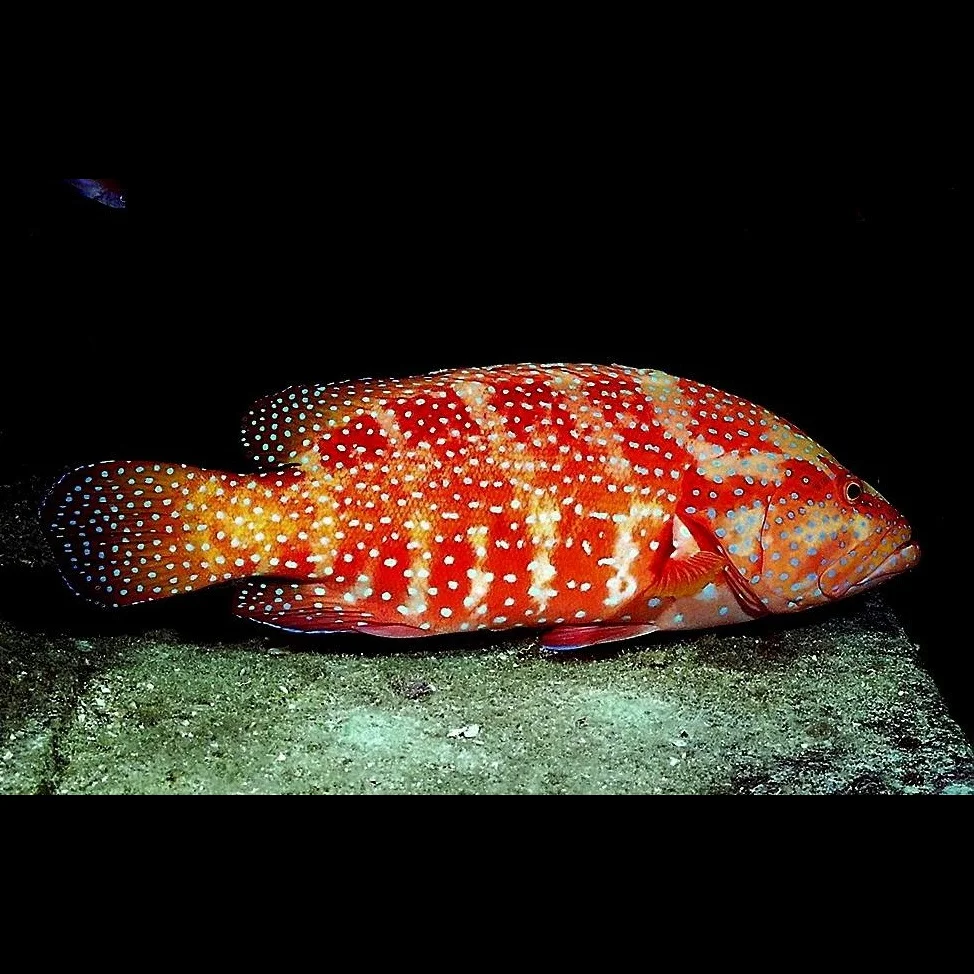
Artificial structures at Bendickson Reef - Tank #1 act as significant attractors for local marine species, creating a concentrated habitat. Divers frequently encounter grouper and various snapper species, including Mangrove Snapper (referred to as 'mangos'), often observed around the tank perimeters.
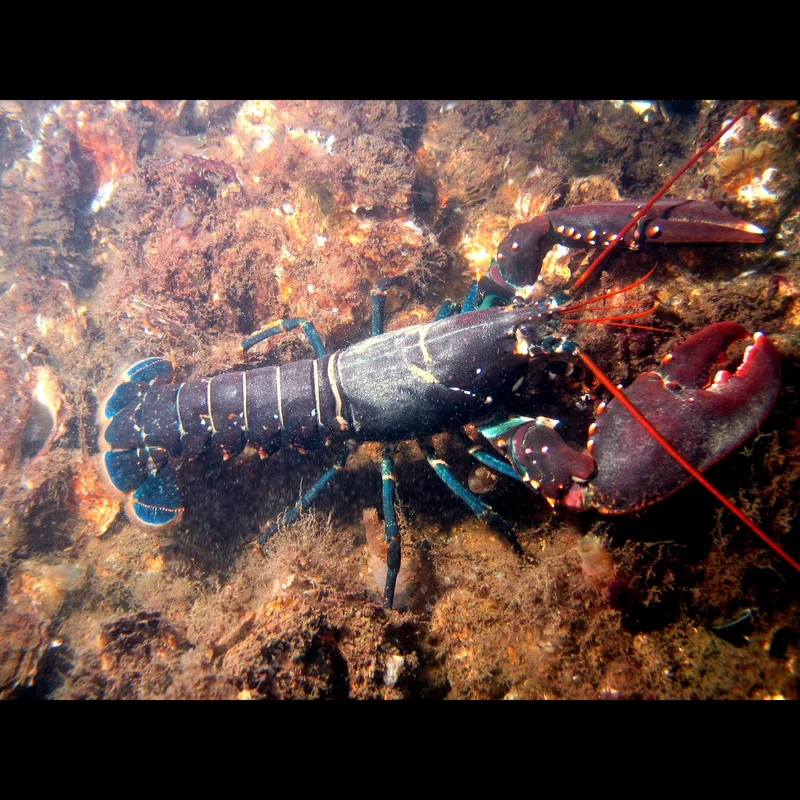
Lobster are also commonly found taking refuge within crevices and underneath the structures. Spadefish often school near the upright parts of the tanks, while Flounder can be spotted camouflaged on the sandy bottom nearby.
These tanks serve as crucial aggregation points, providing shelter and feeding grounds that might otherwise be sparse in the surrounding seabed.

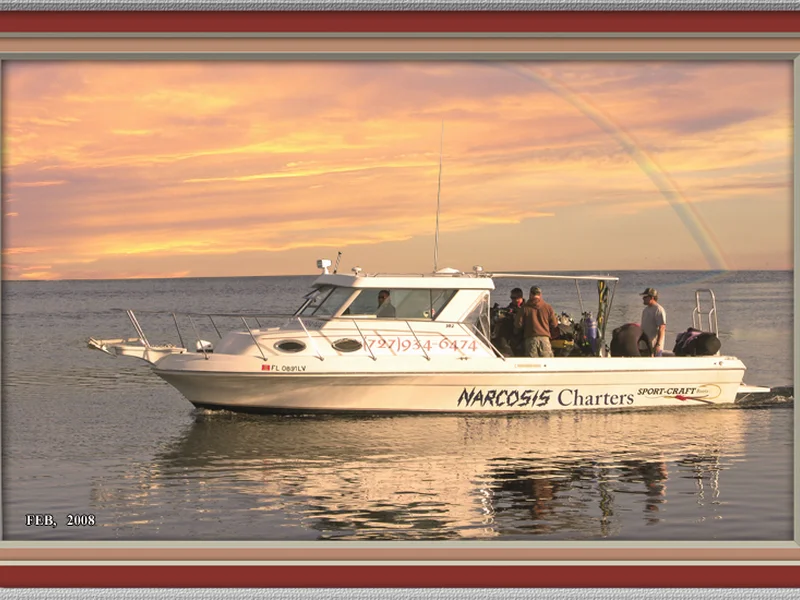
Dive Centers Near Bendickson Reef - Tank #1
Today: 11:00 - 19:00
Nearest Airports
Nearest airports to help plan travel to this dive area.
Search Flights
Check available flights and routes on Expedia, using the nearby airports listed in this section.
Search Flights on ExpediaFrequently Asked Questions
What kind of structures comprise Bendickson Reef - Tank #1?
The site primarily features several intentionally sunk military tanks, specifically Vietnam era M-60 tanks, alongside various reef balls. Large structures form an artificial reef system designed to attract and support marine life.
What is the typical depth range for diving at this site?
Dives at Bendickson Reef - Tank #1 generally range between 25 to 38 feet (7.6 to 11.6 meters). This depth range makes it an accessible site for recreational divers to explore for extended bottom times.
Are there mooring lines available at Bendickson Reef - Tank #1?
Yes, mooring lines are typically present at the site, attached to buoys and anchored to the bottom. These features allow divers to descend and ascend without needing to drop anchor, protecting the reef structures and simplifying dive logistics.
What marine life can divers expect to see here?
Divers often observe grouper, various snapper species (including Mangrove Snapper), lobster, Spadefish, and Flounder. Artificial structures provide shelter and attract a diverse community of fish and invertebrates.
When is the best time of year to dive Bendickson Reef - Tank #1?
While all months generally offer good diving scores, late spring through early fall typically provides the best conditions. During this period, warmer air temperatures and often calmer seas are present, with lower wave heights and reduced wind speeds.
Is spearfishing permitted at this reef?
The site is known to hold species like lobster and Mangrove Snapper, which are often targeted by spearfishermen. Divers interested in spearfishing should confirm local regulations and licensing requirements before engaging in the activity.
Planning to dive Bendickson Reef - Tank #1?
Send one inquiry and receive offers directly from the best verified local dive operators.
Conditions are Good
Optimal conditions expected
Current conditions near Bendickson Reef - Tank #1 show 27° air, 30° sea temperature, 0.3 m waves, and 28 km/h wind. Forecast data is refreshed regularly to ensure accuracy.