
Diving at Billy D (United States)
In the realm of challenging deep wreck and technical diving within the United States, the influence of 'Captain' Billy Deans remains a cornerstone. As a pioneering American wreck and technical diver, his work, particularly with trimix, reshaped how complex underwater environments were explored. His legacy is intrinsically linked to the advancement of demanding dive practices in the region.
As evening covers Billy D, the local air temperature is measured at 23.5°C. The current wave height at the surface is recorded at 0.6 m. These late-day readings characterize the surface conditions for the night.
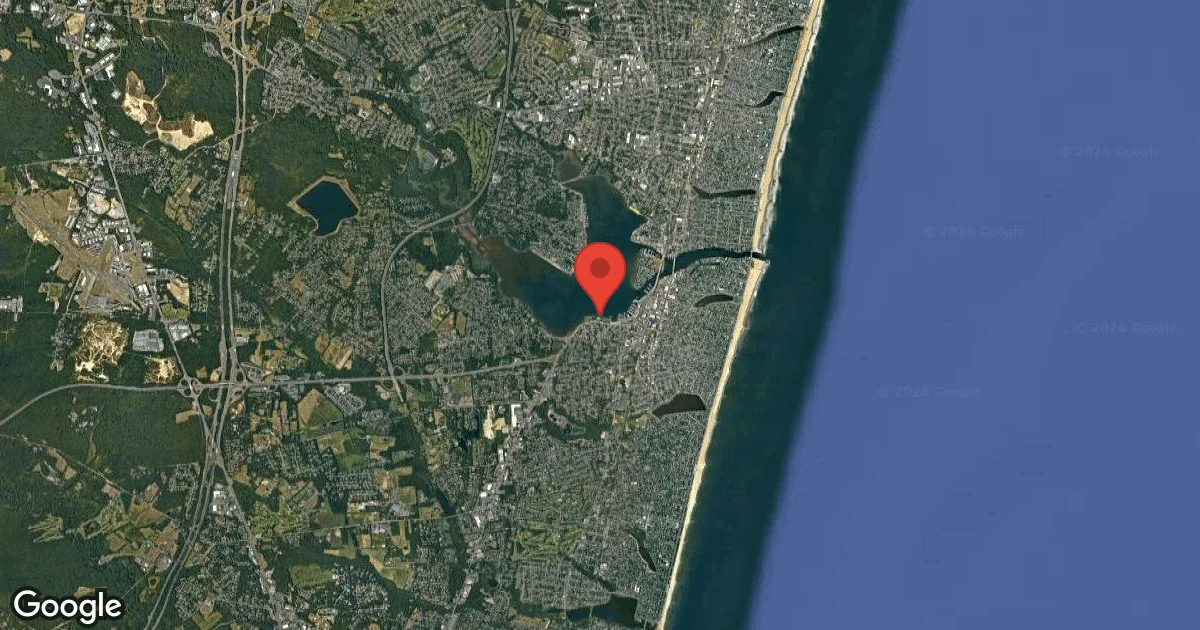
Dive Site Location & Key Facts
Dive Site Overview
Focusing on the types of diving environments Billy Deans explored and helped make accessible, dives in these regions often involve challenging conditions, frequently encountered in areas such as the Gulf of Mexico or off the Northeast US coast. These are not typical recreational sites; they often feature shipwrecks, requiring specialized training for penetration, advanced navigation, and precise gas management.
While specific site depths vary widely, many technical dives in these environments typically extend to 30 m (100 ft) or more, with some expeditions pushing well beyond conventional recreational limits to explore deeper wrecks. Divers approaching these sites should expect varying underwater topography and currents depending on the exact location and seasonal shifts, which can add complexity to a dive plan. Careful planning, beyond standard recreational parameters, is essential to safely explore these demanding and historically rich underwater structures.
Exploration is often the objective, documentation, or simply the challenge of accessing these deeper, often remote, locations. Divers may encounter environments with limited natural light, requiring reliable artificial illumination and stringent protocols for overhead environments. These dives are characterized by meticulous preparation and a strong emphasis on self-sufficiency.
Conditions are Good
Optimal conditions expected
Current conditions near Billy D show 23° air, 23° sea temperature, 1.1 m waves, and 31 km/h wind. Forecast data is refreshed regularly to ensure accuracy.
Best Time to Dive
Planning a technical dive in areas influenced by Billy Deans's work often means aligning with periods that favor clearer conditions and calmer seas, even if water temperatures aren't consistently reported for all locations. Air temperatures become most pleasant from June through August, averaging around 21-25°C (70-77°F), coinciding with the highest average dive scores of 8. This mid-year period also sees the lowest average wave heights, often below 1 meter (3.3 ft), and typically lighter winds, around 16-18 km/h (10-11 mph). These calmer surface conditions are crucial for managing complex boat entries and exits, especially for divers carrying extensive technical gear. While rainfall is consistently low year-round across the broader region, minimal precipitation during these months further contributes to stable weather. Optimal conditions during these peak months tend to mitigate surface chop and improve overall logistical ease for expeditions, making them the preferred time for challenging deep-water endeavors.
PEAK SEASON SCORE
Scores combine air & water temps, waves, wind & rainfall for overall conditions.
BEST MONTHS TO DIVE
Monthly records compiled from satellite and marine observation nodes over the last 3 years. Data provided by Open-Meteo and MET Norway.
Dive Experience & Conditions
Navigating the varied conditions associated with advanced wreck and technical diving requires understanding the prevalent current dynamics. Specific current strengths are not consistently reported, but divers should anticipate moderate to strong currents in deeper, open-water wreck sites, which can significantly influence dive profiles and safety protocols. Surface conditions, characterized by average wave heights ranging from 0.9 m (3.0 ft) in July to 1.4 m (4.6 ft) in September, play a role in dive boat operations and surface support. Visibility varies depending on the specific location and local sediment, often improving in deeper, offshore sites. The absence of specific water temperature data emphasizes the need for comprehensive thermal protection, especially on deeper or extended dives.
Dive Difficulty & Safety Guidelines
Approach advanced wreck and technical diving with meticulous planning and strict adherence to established safety protocols. Divers undertaking these challenging expeditions, especially to deeper wrecks or those requiring penetration, must possess appropriate certifications and experience in technical gas blends like trimix, a technique Billy Deans helped pioneer.
Given the nature of these dives, careful gas management, thorough buddy checks, and familiarity with emergency ascent procedures are paramount. It's crucial to be aware of entanglement hazards associated with wrecks and potential silt-outs in confined spaces. Always dive within your training and comfort limits.
Recommended Equipment
- Dive Computer
This gear list is based on verified equipment signals for Billy D, United States. Always confirm final gear choices with your dive operator, guide, or liveaboard.
Recommended Dive Suit
Surface temperatures may decrease slightly later in the week. Cooler days are ahead; you might want a warmer option for later in the week. A hood or vest can noticeably improve warmth during longer dives.
For typical recreational dives, 3-5mm wetsuit generally provides comfortable insulation. A hood or vest is suggested for sensitive divers due to surface winds.
Recent environmental data from Billy D indicates water temperatures near 23°C (74°F). Surface air temperatures are resting at 23°C (74°F).
Emergency & Medical Support
Essential information to help you plan your dive trip to Billy D.

Hyperbaric chambers are a critical part of dive safety infrastructure. Availability varies significantly by region, and not all dive areas have immediate access.
Before diving, it's recommended to:
- confirm nearest medical facilities
- check emergency procedures with local dive operators
- ensure dive insurance covers evacuation if required
Divers Alert Network
Diving emergency assistance available through DAN World.
+1-919-684-9111- 24/7 emergency hotline
- Diving medical assistance
- Evacuation coordination
Emergency contacts are provided for reference. Always verify local emergency services before diving.
Marine Life at Billy D
While specific marine life data is limited for general technical wreck sites, these underwater landscapes often become artificial reefs, attracting various species. The structure of a sunken vessel provides shelter and habitat for diverse marine organisms.
Expect to see typical reef fish navigating the wreck's crevices and schooling around its edges. Occasional larger pelagic species may patrol the open water surrounding deeper sites, especially in nutrient-rich currents, interacting with the man-made environment.
Dive Sites Near Billy D
View all dive sites in United StatesDiscover more underwater gems in this area.
Dive Centers Near Billy D
Today: 08:00 - 18:00
Nearest Airports
Nearest airports to help plan travel to this dive area.
Search Flights
Check available flights and routes on Expedia, using the nearby airports listed in this section.
Search Flights on Expedia
Plan Your Stay
Looking for a place to stay for your dive trip? Explore hotels, stays, and vacation rentals for dive groups near Sea Girt.
Dive Navigator may earn a commission from these links at no extra cost to you.
Frequently Asked Questions
What is technical diving?
Technical diving involves going beyond recreational diving limits, often using specialized equipment, gas mixes like trimix, and advanced decompression procedures. It typically encompasses deep diving, extended bottom times, or penetration into overhead environments like wrecks and caves.
Who is 'Captain' Billy Deans?
'Captain' Billy Deans is an American pioneering wreck and technical diver. He was instrumental in advancing the use of trimix for deep diving, especially for shipwreck exploration in the United States, and taught special forces divers.
Where did Billy Deans typically conduct his expeditions?
Billy Deans was involved in high-profile shipwreck expeditions across various US waters, including the SS Andrea Doria off the Northeast coast and a Spanish brigantine in the Gulf of Mexico off New Orleans. He also ran a dive shop in Key West, Florida, for many years.
What kind of training is needed for technical wreck diving?
Technical wreck diving requires specific certifications from recognized agencies in technical diving, often including advanced nitrox, decompression procedures, trimix, and wreck penetration specialties. Training emphasizes precise buoyancy, propulsion, gas management, and emergency protocols.
What are the primary hazards in technical wreck diving?
Primary hazards include decompression sickness, nitrogen narcosis, oxygen toxicity, entanglement with lines or debris, silt-outs leading to zero visibility inside wrecks, and equipment malfunctions. Overhead environments also present unique challenges for ascent.
When are conditions generally best for technical diving in the regions associated with Billy Deans's work?
Conditions are typically more favorable during the summer months, particularly June to August. During this period, air temperatures are warmer, wave heights are lower, and winds are lighter, generally providing better surface conditions for dive operations and more comfortable air temperatures for divers.
Is specialized equipment mandatory for these types of dives?
Yes, specialized equipment is mandatory. This includes technical dive computers, redundant breathing systems (like double tanks or rebreathers), dedicated decompression cylinders, powerful lights, cutting tools, and robust thermal protection due to potential long bottom times and cooler deep-water temperatures.
Planning to dive Billy D?
Send one inquiry and receive offers directly from the best verified local dive operators.
Conditions are Good
Optimal conditions expected
Current conditions near Billy D show 23° air, 23° sea temperature, 1.1 m waves, and 31 km/h wind. Forecast data is refreshed regularly to ensure accuracy.