
Diving at Blue Springs State Park (United States)
Blue Springs State Park offers a striking contrast, serving as both a vital winter sanctuary for West Indian manatees and a notable inland cave diving destination. Its refreshing 22°C (72°F) waters attract both these gentle giants and certified divers seeking the thrill of its intricate underwater passages. This Central Florida gem is a unique convergence of wildlife observation and technical underwater exploration.
Recent updates for Blue Springs State Park show an air temperature measuring 26°C. Overall water conditions reflect the typical seasonal state for United States. Please exercise standard safety precautions before entering the water.
Dive Site Location & Key Facts
Dive Site Overview
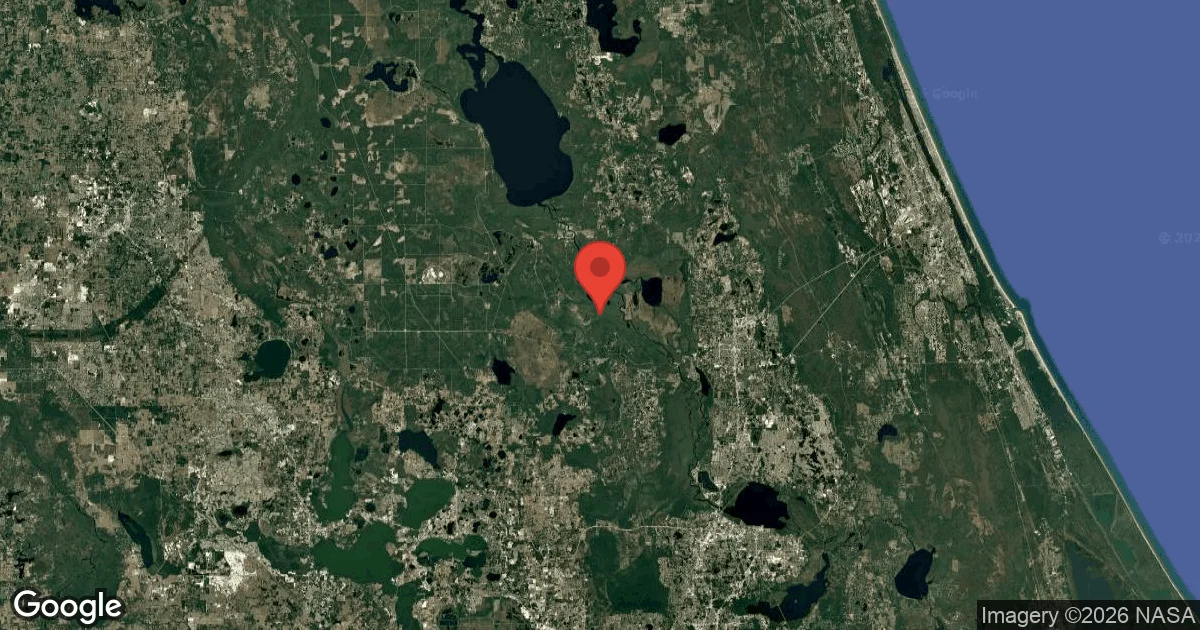
Blue Springs State Park centers around a remarkably clear spring that feeds into the St. Johns River. The main attraction for divers is the primary spring vent, which descends into a cave system reaching a reported maximum depth of 35.6 m (117 ft).
The spring run itself is generally shallow, around 3 m (10 ft) deep, and provides a gentler environment for exploration. Access for scuba diving is restricted to designated areas, and open water certified divers must not exceed 18 m (60 ft). Further, carrying lights is prohibited for open water and free divers within these areas.
Capacity at the park is limited to 32 scuba divers at any given time, requiring adherence to strict guidelines. Dives must conclude one hour before sunset.
A significant seasonal closure affects all water activities, including diving, from approximately mid-November through March. This closure provides a critical warm-water refuge for West Indian manatees, with exact dates depending on their presence and local conditions.
Conditions are Good
Optimal conditions expected
Current conditions near Blue Springs State Park show 26° air, --° sea temperature, N/A waves, and 15 km/h wind. Forecast data is refreshed regularly to ensure accuracy.
Best Time to Dive
Optimal diving conditions, particularly concerning visibility, are often experienced outside the manatee season, which typically runs from mid-November to March when the spring run is closed to all water activities. During the open season, the spring's constant 22°C (72°F) water temperature contributes to consistently good clarity, making it a reliable destination for clear views. While air temperatures vary from 14°C (57°F) in January to 27.5°C (82°F) in July, the stable water temperature means thermal protection is a constant consideration. Rain levels are notably higher between June and September, with average monthly rainfall ranging from 5.2 to 7.3 mm (0.2-0.3 inches). This increased precipitation could potentially affect the surrounding river system, though the spring's source water typically maintains its clarity. Dive scores remain consistently good throughout the year, peaking outside the restricted manatee season.
PEAK SEASON SCORE
Scores combine air & water temps, waves, wind & rainfall for overall conditions.
BEST MONTHS TO DIVE
Monthly records compiled from satellite and marine observation nodes over the last 3 years. Data provided by Open-Meteo and MET Norway.
Dive Experience & Conditions
Diving at Blue Springs involves distinct current dynamics depending on the area. The spring run itself can offer a gentle drift experience as water flows towards the St. Johns River, making it suitable for leisurely river dives. Within the spring head and cave system, conditions shift. While the constant outflow maintains clarity, stronger currents can be encountered closer to the main vent, requiring appropriate finning techniques and experience. Water temperature remains a stable 22°C (72°F) year-round. Divers must adhere to specific depth limitations; open water certified individuals are restricted to a maximum depth of 18 m (60 ft). Furthermore, lights are prohibited for these divers when exploring the designated areas. This ensures safety and protects the delicate spring environment.
Dive Difficulty & Safety Guidelines
Divers at Blue Springs State Park must prioritize adherence to park regulations for safety and environmental protection. A primary consideration is the seasonal closure of the spring and spring run to all water activities, including diving, from approximately mid-November through March, to safeguard wintering manatees.
During open periods, diving capacity is strictly limited to 32 individuals at any one time, necessitating planning. Each diver must operate within the limits of their certification, and all dive parties are required to consist of at least two divers.
Open water divers are specifically prohibited from carrying lights and from descending below 18 m (60 ft). Disturbing or removing fossils and artifacts is strictly forbidden. All dives must conclude one hour prior to sunset.
Recommended Equipment
Overhead environment. Do not enter beyond training and gas planning limits.
Current and surface separation risk. Local briefing strongly recommended.
- Dive Computer
- DSMB
- Primary & Backup Lights
- Reel / Spool
- Cutting Tool
This gear list is based on verified equipment signals for Blue Springs State Park, United States. Always confirm final gear choices with your dive operator, guide, or liveaboard.
Recommended Dive Suit
Forecast confidence is somewhat lower, with potential for varied conditions ahead. Cooler days are ahead; you might want a warmer option for later in the week. A hood or vest can noticeably improve warmth during longer dives.
Based on regional estimates and current weather, the likely required exposure protection is a 3mm wetsuit. Note that local currents and upwellings can alter this.
Because recent water temperature readings are not available for Blue Springs State Park, the guidance below is based mainly on current air conditions and seasonal expectations. Current surface air temperatures are roughly 26°C (79°F).
Emergency & Medical Support
Essential information to help you plan your dive trip to Blue Springs State Park.

Hyperbaric chambers are a critical part of dive safety infrastructure. Availability varies significantly by region, and not all dive areas have immediate access.
Before diving, it's recommended to:
- confirm nearest medical facilities
- check emergency procedures with local dive operators
- ensure dive insurance covers evacuation if required
Divers Alert Network
Diving emergency assistance available through DAN World.
+1-919-684-9111- 24/7 emergency hotline
- Diving medical assistance
- Evacuation coordination
Emergency contacts are provided for reference. Always verify local emergency services before diving.
Marine Life at Blue Springs State Park
The most immediately noticeable marine life at Blue Springs State Park, particularly during cooler months, are the West Indian manatees. They seek refuge in the constant 22°C (72°F) spring water from mid-November to March, offering unparalleled viewing opportunities from observation platforms.
While diving is restricted during this period, when the spring is open, divers might encounter freshwater turtles gliding through the shallows. The spring run also supports a variety of fish species, adding to the dynamic ecosystem within the remarkably clear waters. Their presence enhances the natural tranquility of this unique freshwater environment.

Dive Sites Near Blue Springs State Park
View all dive sites in United StatesDiscover more underwater gems in this area.
Dive Centers Near Blue Springs State Park
Today: 10:00 - 19:00
Nearest Airports
Nearest airports to help plan travel to this dive area.
Search Flights
Check available flights and routes on Expedia, using the nearby airports listed in this section.
Search Flights on Expedia
Plan Your Stay
Looking for a place to stay for your dive trip? Explore hotels, stays, and vacation rentals for dive groups near Orange City.
Dive Navigator may earn a commission from these links at no extra cost to you.
Frequently Asked Questions
Can I dive with manatees at Blue Springs?
No, diving and all other water activities are prohibited in the spring and spring run from approximately mid-November through March. This closure is critical to provide a safe, warm-water refuge for the West Indian manatees during the colder months. Manatee viewing is available from observation platforms during this time.
What are the depth restrictions for divers?
The main spring cave system descends to 35.6 m (117 ft) for properly certified cave divers. However, open water certified divers are strictly limited to a maximum depth of 18 m (60 ft) within designated areas. Adhering to these limits is essential for diver safety and park regulations.
Are dive lights permitted at Blue Springs?
No, open water certified divers and free divers are explicitly prohibited from carrying lights while diving in the park's designated areas. This regulation helps maintain the natural environment and prevents disturbance.
Is Blue Springs suitable for all certification levels?
The shallow spring run can be suitable for less experienced divers under proper supervision, offering gentle drift conditions. However, the deeper cave system is a technical dive requiring specific cave diving certification. All divers must operate within the limits of their training.
What is the capacity for scuba divers at Blue Springs?
Scuba diving capacity at Blue Springs State Park is limited to 32 individuals at any one time. This regulation helps manage the impact on the delicate spring ecosystem.
Are there specific seasonal closures to be aware of?
Yes, the entire spring run is closed to all water activities, including diving, from approximately November 15 through March 15. These dates can be adjusted based on the presence of manatees, which utilize the spring as a warm-water refuge.
What is the water temperature like?
The water temperature in Blue Springs remains a constant 22°C (72°F) year-round. This stable temperature makes it a desirable location for manatees in winter and provides consistent conditions for divers when the spring is open.
Planning to dive Blue Springs State Park?
Send one inquiry and receive offers directly from the best verified local dive operators.
Conditions are Good
Optimal conditions expected
Current conditions near Blue Springs State Park show 26° air, --° sea temperature, N/A waves, and 15 km/h wind. Forecast data is refreshed regularly to ensure accuracy.