
Diving at Blue Stone Dive Resort (United States)
To make the most of your dive at Blue Stone Dive Resort, approach it with an understanding of its freshwater quarry environment. This former slate quarry, spanning 19.5 acres of water in Thomasville, NC, provides a distinct inland diving experience. Divers should prepare for varying conditions inherent to a non-oceanic site. It's an excellent location for skill progression and freshwater exploration, offering numerous training opportunities away from coastal currents.
At Blue Stone Dive Resort, the ambient air temperature is currently recorded at 24.5°C. This dive site in United States is operating under normal seasonal weather patterns. Familiarize yourself with the local topography prior to navigating.
Dive Site Location & Key Facts
Dive Site Overview
Blue Stone Dive Resort, a former slate quarry in Thomasville, North Carolina, has been repurposed into a dedicated inland diving facility. Occupying 19.5 acres of a larger 305-acre property, it draws its name from the distinctive blue slate once extracted here.
The resort functions as an SDI/TDI/ERDI Instructor Facility, supporting divers from open-water certification to advanced technical training. Specialty courses like Wreck, Night & Limited Visibility, and Dry Suit diving are available, addressing varied interests.
Divers explore numerous man-made attractions and observe freshwater aquatic life. Comprehensive services include gear rentals—regulators, BCDs, computers, wetsuits, tanks, and weights—and air fills.
Bunkhouse lodging, indoor bathrooms with hot showers, and paddle board rentals enhance the visit. Operation hours are Saturdays and Sundays from 9:00 AM to 6:00 PM; last water entry is 3:30 PM, with dives concluding by 5:15 PM. Off-season diving for groups of five or more can be arranged.
Conditions are Good
07:00 - 14:00
Optimal conditions expected
Current conditions near Blue Stone Dive Resort show 24° air, --° sea temperature, N/A waves, and 13 km/h wind. Forecast data is refreshed regularly to ensure accuracy.
Best Time to Dive
Visibility at Blue Stone Dive Resort often correlates with seasonal changes and recent weather patterns, typical of an inland quarry. While specific water temperature data is not consistently reported, divers can generally expect the water to be colder in deeper sections and during cooler months. Air temperatures here range significantly throughout the year; January sees averages around 3.5°C (38°F), while July can reach 26.5°C (80°F). These air temperature fluctuations influence surface water temperatures and the comfort level for shore-based activities. Rainfall, generally moderate year-round, is relatively lower in October, averaging 1.10 mm, and higher in July at 3.68 mm. Prolonged periods of heavy rain could temporarily affect visibility by increasing runoff. Therefore, the warmer months, typically from May through September, with average air temperatures from 19.5°C (67°F) to 24°C (75°F), usually offer the most comfortable diving conditions at the surface, even though water temperatures deeper down may still require appropriate thermal protection.
PEAK SEASON SCORE
Scores combine air & water temps, waves, wind & rainfall for overall conditions.
BEST MONTHS TO DIVE
Monthly records compiled from satellite and marine observation nodes over the last 3 years. Data provided by Open-Meteo and MET Norway.
Dive Experience & Conditions
An inland quarry's typical bowl-like profile defines the dive experience at Blue Stone Dive Resort. This structure provides varying depths, suitable for both shallower training dives and more advanced explorations into deeper sections. A key aspect for divers is navigating the site's man-made attractions and observing the adapted freshwater marine life. Water temperature, not consistently reported, tends to be cooler than oceanic environments, especially with increasing depth. Thermoclines are a common feature, producing distinct temperature shifts. Visibility here varies with conditions but generally supports training and exploration effectively. Divers should anticipate typical quarry conditions, which might include reduced natural light at greater depths and potential silt, underscoring the need for good buoyancy control. The resort's distinct characteristics are utilized to support a wide array of dive training, from basic open water to advanced technical skills.
Dive Difficulty & Safety Guidelines
Navigating an inland quarry presents specific challenges that divers should be prepared for at Blue Stone Dive Resort. Cold water conditions, particularly in deeper areas, necessitate appropriate thermal protection, such as wetsuits or dry suits, depending on the season and individual comfort.
Good buoyancy control is crucial to avoid stirring up silt, which can quickly reduce visibility. While the site features various attractions, divers should adhere to safe exploration practices and respect the environment.
The resort functions as a professional training facility, emphasizing adherence to SDI/TDI/ERDI standards. They offer refreshers and inactive diver courses, highlighting the importance of current skills.
Always dive within your certification limits, conduct thorough gear checks, and plan your dive, especially when exploring deeper sections or during specialized training. The last water entry is strictly at 3:30 PM, with all dives concluding by 5:15 PM, underscoring the importance of time management.
Recommended Equipment
- Dive Computer
This gear list is based on verified equipment signals for Blue Stone Dive Resort, United States. Always confirm final gear choices with your dive operator, guide, or liveaboard.
Recommended Dive Suit
Based on regional estimates and current weather, the likely required exposure protection is a 3-5mm wetsuit. Note that local currents and upwellings can alter this. Because recent water temperature readings are not available for Blue Stone Dive Resort, the guidance below is based mainly on current air conditions and seasonal expectations. Current surface air temperatures are roughly 24°C (76°F).
Longer-range forecasts show some uncertainty in upcoming temperature trends. Cooler days are ahead; you might want a warmer option for later in the week. Some divers bring an extra layer for surface intervals between dives.
Conditions can vary slightly across different parts of the same dive site.
Emergency & Medical Support
Essential information to help you plan your dive trip to Blue Stone Dive Resort.

Hyperbaric chambers are a critical part of dive safety infrastructure. Availability varies significantly by region, and not all dive areas have immediate access.
Before diving, it's recommended to:
- confirm nearest medical facilities
- check emergency procedures with local dive operators
- ensure dive insurance covers evacuation if required
Divers Alert Network
Diving emergency assistance available through DAN World.
+1-919-684-9111- 24/7 emergency hotline
- Diving medical assistance
- Evacuation coordination
Emergency contacts are provided for reference. Always verify local emergency services before diving.
Marine Life at Blue Stone Dive Resort
Entering the water at Blue Stone Dive Resort, divers often first encounter a variety of freshwater fish that have made the quarry their home. Largemouth Bass and Bluegill are commonly observed in the shallower sections.
Moving through the site, one might spot the distinctive Japanese Koi, adding vibrant colors to the underwater landscape. Additionally, the unique Paddlefish are present.
In late summer, visitors may even encounter non-stinging freshwater jellyfish, a fascinating and unexpected sight in this inland body of water. While the diversity isn't comparable to ocean reefs, the adapted freshwater ecosystem offers its own subtle beauty and points of interest for observant divers.

Dive Centers Near Blue Stone Dive Resort
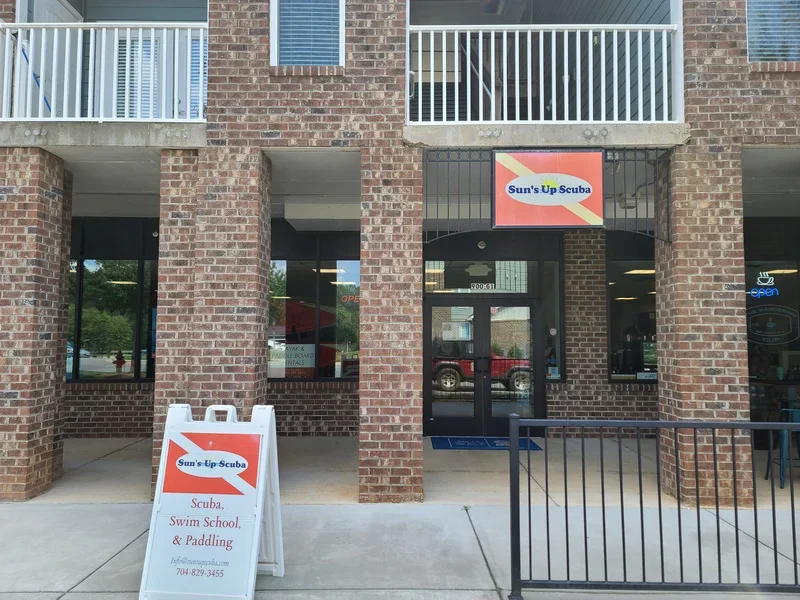
Today: 11:30 - 18:30
Nearest Airports
Nearest airports to help plan travel to this dive area.
Search Flights
Check available flights and routes on Expedia, using the nearby airports listed in this section.
Search Flights on Expedia
Plan Your Stay
Looking for a place to stay for your dive trip? Explore hotels, stays, and vacation rentals for dive groups near Thomasville.
Dive Navigator may earn a commission from these links at no extra cost to you.
Frequently Asked Questions
What are the operating hours for Blue Stone Dive Resort?
The resort is open Saturdays and Sundays from 9:00 AM to 6:00 PM. Please note that the last entry into the water is at 3:30 PM, and all dives must conclude by 5:15 PM.
Can I dive at Blue Stone Dive Resort during the week or off-season?
Off-season diving is available, but requires a minimum group of five or more divers. To schedule these dives, you'll need to contact Blue Dolphin Dive Shop or email the resort directly.
Are there accommodations available at the dive resort?
Yes, the resort offers bunkhouse rentals for divers wishing to stay overnight. Guests also have access to indoor bathrooms with hot showers, enhancing comfort during their visit.
What types of marine life can I expect to see in the quarry?
You'll typically encounter freshwater species such as Largemouth Bass, Bluegill, and Japanese Koi. Paddlefish are also present, and during late summer, non-stinging freshwater jellyfish can be observed, offering a unique sighting.
Does Blue Stone Dive Resort offer dive certifications?
Absolutely. Blue Stone Dive Resort is an SDI/TDI/ERDI Instructor Facility, providing a wide range of certifications. These include open-water, advanced continued education, specialty courses, and even instructor-level training.
Can I rent dive gear on site?
Yes, a full range of rental equipment is available, covering essentials like regulators, BCDs, dive computers, wetsuits, tanks, and weights. Underwater Propulsion Vehicles (DPVs) and paddle boards are also available for rent.
Is there an entry fee for diving at the resort?
A day pass for diving or snorkeling costs $25. Night dives are also $25, and if you plan to dive during both the day and night, the total charge is $30.
Planning to dive Blue Stone Dive Resort?
Send one inquiry and receive offers directly from the best verified local dive operators.
Conditions are Good
07:00 - 14:00
Optimal conditions expected
Current conditions near Blue Stone Dive Resort show 24° air, --° sea temperature, N/A waves, and 13 km/h wind. Forecast data is refreshed regularly to ensure accuracy.