
Diving at Bud Bar (United States)
Once a working coastal freighter, the M/S Havel transformed into the artificial reef known as Bud Bar. Sunk off Boynton Beach, Florida, this former dry goods transporter now presents an advanced wreck dive. Its journey from commercial vessel to submerged habitat highlights the ocean's reclamation of man-made structures. Today, the wreck invites exploration at considerable depths, requiring suitable certification.
Tonight's objective overview for Bud Bar shows an air temperature of 25°C. The measured surface conditions include wave heights around 1 m. This environmental data is logged for the close of the day.
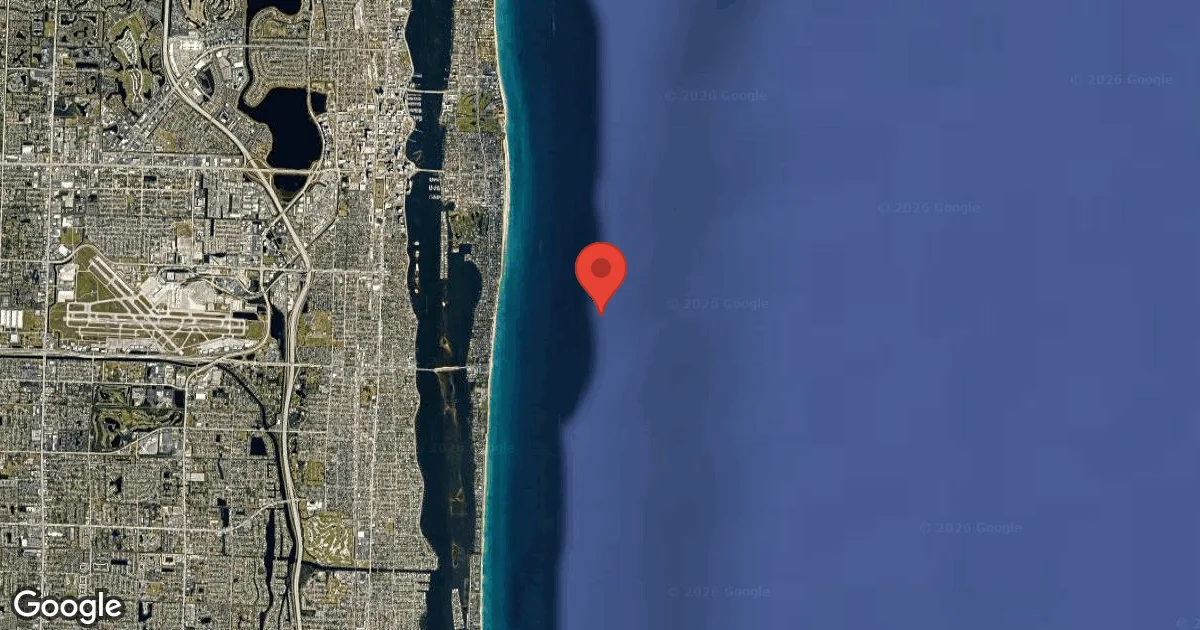
Dive Site Location & Key Facts
Dive Site Overview
Bud Bar wreck, initially known as M/S Havel and later Olive M, rests at depths ranging from 22 to 29 meters (72 to 95 ft). Measuring 51.5 meters (169 ft) long and 8.5 meters (27.9 ft) wide, this artificial reef lies partially upright, oriented south.
While the stern historically detached and was reported northeast, recent accounts suggest further damage and separation occurred during Hurricane Irma. Divers planning exploration should confirm its current integrity with local operators. Historically, the wreck allowed numerous penetration opportunities via large hatch openings.
Recognizable features once included the propeller, engine room, crew quarters, and galley. Rubble piles reportedly link Bud Bar's stern to the bow of the nearby Captain Tony wreck, a swim estimated at 7 to 10 minutes for a combined dive.
Diving here typically requires advanced open water certification due to deeper sections and potential for varying currents, often warranting a drift or anchor dive based on prevailing conditions. Created in 1987 by the Boynton Beach Dive Operators Association and Palm Beach County, the structure now shows extensive coverage of sponges and marine growth, sheltering diverse fish populations.
Conditions are Excellent
07:00 - 14:00
Optimal conditions expected
Current conditions near Bud Bar show 25° air, 31° sea temperature, 0.8 m waves, and 13 km/h wind. Forecast data is refreshed regularly to ensure accuracy.
Best Time to Dive
Optimizing a dive trip to Bud Bar means considering the prevailing weather patterns, which present a clear contrast between seasons. The most favorable conditions typically occur from May through August, when dive scores consistently rate 'Good' (8 out of 10). During these months, air temperatures are at their warmest, ranging from 26°C (79°F) in May to 28°C (82°F) in August. Wave heights are generally lower, averaging between 0.5 to 0.8 meters (1.6 to 2.6 ft), contributing to calmer surface conditions. While rainfall is higher in summer, averaging 4 to 8 mm, it usually manifests as brief afternoon showers. Conversely, October can see dive scores drop to 'Moderate' (5 out of 10), primarily due to higher wave heights, averaging 1.5 meters (5 ft), and increased wind speeds, averaging 20.4 km/h (12.7 mph). Wind speeds also tend to be elevated from March to May and again in October through December, potentially affecting boat comfort and underwater visibility. Divers should prioritize the summer months for the best combination of warm air, lower waves, and generally good diving scores.
PEAK SEASON SCORE
Scores combine air & water temps, waves, wind & rainfall for overall conditions.
BEST MONTHS TO DIVE
Monthly records compiled from satellite and marine observation nodes over the last 3 years. Data provided by Open-Meteo and MET Norway.
Dive Experience & Conditions
Descending onto the Bud Bar provides an immediate sense of scale; the substantial freighter stretches out, partially upright, hinting at its past life. Expect to feel the dynamic nature of the site, as currents are often a factor, sometimes requiring a drift dive approach. The structure is now heavily colonized, with vibrant sponges coating its surfaces, transforming industrial metal into a living reef. As you navigate the wreck, whether exploring the exterior or considering a penetration, the recognized features like the propeller or the outline of the engine room become focal points. Visibility varies, but when good, it allows for clear views of the wreck's expanse and its resident marine life. Encountering sections broken by time and hurricanes, particularly the stern area, highlights the ocean's immense power and the continuous evolution of artificial reefs. The deeper recreational depth range of this site also adds to the perceived chill, making appropriate exposure protection a thoughtful consideration even on warmer days.
Dive Difficulty & Safety Guidelines
Approaching Bud Bar demands a respect for its advanced nature and the environmental forces at play. Strong currents can develop here, necessitating proficiency in drift diving techniques or requiring careful anchoring by the dive operator. As an advanced open water dive, the maximum depth of 29 meters (95 ft) requires vigilant no-decompression limit monitoring and adequate air management.
Divers considering wreck penetration must possess appropriate training and equipment, as the interior environment, even with large hatch openings, carries inherent risks. The wreck's integrity, reportedly affected by recent hurricanes such as Irma, means potential hazards like unstable structures or entanglement risks might be present.
Always conduct a thorough pre-dive brief with local dive operators to understand the most current conditions and any specific site warnings. Maintaining neutral buoyancy is crucial to avoid disturbing the wreck or its delicate marine growth.
Recommended Equipment
- Dive Computer
This gear list is based on verified equipment signals for Bud Bar, United States. Always confirm final gear choices with your dive operator, guide, or liveaboard.
Recommended Dive Suit
Forecast trends indicate similar diving conditions over the next few days.
Many experienced divers would consider dive skin or rash guard an appropriate choice here.
Current dive conditions indicate that water temperatures around Bud Bar are sitting at roughly 31°C (87°F). Surface air temperatures are resting at 25°C (77°F).
Emergency & Medical Support
Essential information to help you plan your dive trip to Bud Bar.

Hyperbaric chambers are a critical part of dive safety infrastructure. Availability varies significantly by region, and not all dive areas have immediate access.
Before diving, it's recommended to:
- confirm nearest medical facilities
- check emergency procedures with local dive operators
- ensure dive insurance covers evacuation if required
Divers Alert Network
Diving emergency assistance available through DAN World.
+1-919-684-9111- 24/7 emergency hotline
- Diving medical assistance
- Evacuation coordination
Emergency contacts are provided for reference. Always verify local emergency services before diving.
Marine Life at Bud Bar
The underwater landscape of Bud Bar, with its encrusted wreckage, provides an ideal habitat for diverse marine species. Colorful sponges and various fish species blanket the structure, creating a vibrant ecosystem.
Within the wreck's nooks and crannies, schools of smaller reef fish find shelter. Larger pelagic species frequently patrol the perimeter; divers often encounter crevalle jack and amber jacks.
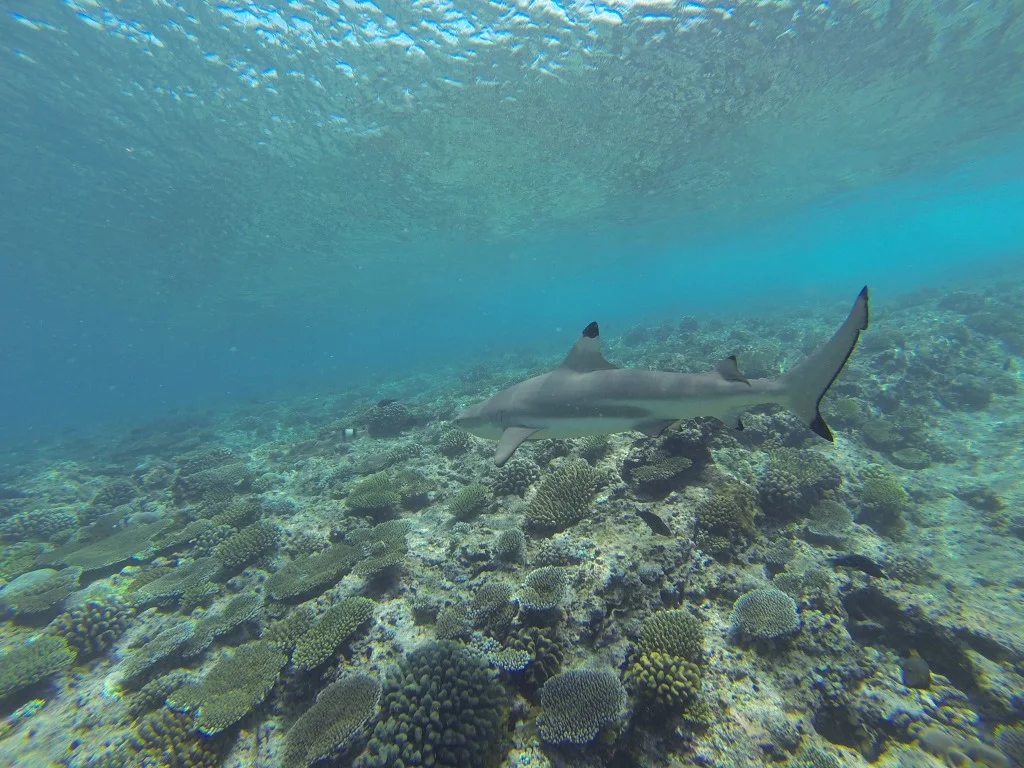
Occasional shark sightings are reported around the wreck and its surrounding rubble piles. The broken sections and open hatches act as artificial caves, attracting different types of fish seeking refuge or hunting opportunities. Exploring the wreck reveals these interactions between marine life and its artificial home.
Dive Sites Near Bud Bar
View all dive sites in United StatesDiscover more underwater gems in this area.
Dive Centers Near Bud Bar
Today: 07:30 - 17:00
Nearest Airports
Nearest airports to help plan travel to this dive area.
Search Flights
Check available flights and routes on Expedia, using the nearby airports listed in this section.
Search Flights on Expedia
Plan Your Stay
Looking for a place to stay for your dive trip? Explore hotels, stays, and vacation rentals for dive groups near Gulf Stream.
Dive Navigator may earn a commission from these links at no extra cost to you.
Frequently Asked Questions
What is the typical depth range for the Bud Bar wreck?
Bud Bar wreck generally lies in depths up to 29 meters (95 ft). Shallower sections begin around 22 meters. Advanced Open Water certification is necessary for this depth range.
What certification level is necessary for diving Bud Bar?
An Advanced Open Water certification or equivalent is required for diving Bud Bar, due to its depth and potential for currents. It ensures divers possess the necessary experience and training for deeper wreck exploration.
Are there penetration opportunities within the Bud Bar wreck?
Historically, the wreck offered several penetration options through large hatch openings, allowing access to areas like the engine room. However, recent reports indicate hurricane damage, so divers should verify current conditions and safety with local operators before considering penetration.
How large is the Bud Bar wreck?
Bud Bar, formerly M/S Havel, is approximately 51.5 meters (169 ft) long with a width of 8.5 meters. While originally a single vessel, recent storm activity has reportedly caused further separation and damage.
Is it possible to swim from Bud Bar to another nearby wreck?
Yes, Bud Bar is reportedly connected to the Captain Tony wreck by rubble piles. Swimming between the two sites is estimated to take 7 to 10 minutes, offering an extended dive experience.
What kind of marine life might divers encounter at Bud Bar?
Divers frequently observe colorful sponges and various fish species covering the wreck, creating a vibrant ecosystem. Larger marine life such as crevalle jack, amber jacks, and occasional sharks are also reported to frequent the site.
How has the Bud Bar wreck's condition changed over time?
Scuttled in 1987, the wreck historically sat partially upright, with its stern detached. However, more recent reports, especially after Hurricane Irma, indicate significant damage and separation. Always check with local dive operators for current site conditions.
Planning to dive Bud Bar?
Send one inquiry and receive offers directly from the best verified local dive operators.
Conditions are Excellent
07:00 - 14:00
Optimal conditions expected
Current conditions near Bud Bar show 25° air, 31° sea temperature, 0.8 m waves, and 13 km/h wind. Forecast data is refreshed regularly to ensure accuracy.