
Diving at Caddo (08/1921) (United States)
Caddo Lake presents a dive destination unlike many others, rich with a storied past. While an infamous Mittie Stephens shipwreck isn't an underwater dive site today, its dramatic history remains deeply intertwined with the lake's legendary allure. This vast, cypress-lined freshwater body, straddling the Louisiana and Texas border, offers divers a chance to explore an ecosystem shaped by geological events and human drama. History echoes through the waters here, even if its most significant artifact rests on dry land nearby.
As evening covers Caddo (08/1921), the local air temperature is measured at 20.5°C. The current wave height at the surface is recorded at 0.6 m. These late-day readings characterize the surface conditions for the night.
Dive Site Location & Key Facts
Dive Site Overview
Delving into Caddo Lake's narrative reveals a body of water shaped by powerful natural forces and profound human events. Legend suggests an earthquake formed the lake in the 1700s, coinciding with the Red River log jam that influenced its water levels for decades.
A strong historical context sets the stage for the dramatic tale of the sidewheel steamboat Mittie Stephens. On February 11, 1869, during a routine trip from Shreveport to Jefferson, Texas, the vessel, heavily laden with passengers, government goods, and hay, tragically caught fire near Swanson's Landing.
Crewmen had lit fire baskets to illuminate the path, inadvertently igniting over 200 bales of hay. A captain's decision to steer for the bank at full throttle, standard emergency procedure then, proved catastrophic; sixty-four souls were lost, pulled into the boat's side paddles as they abandoned ship.
The incident remains one of the deadliest inland boating accidents ever recorded. For over a century, the wreck's precise location was lost.
In 1993, researcher Jacques Bagur and Dr. David Nave, using an 1860s map, discovered the site on what had become dry land near the water's edge, a consequence of the lake's fluctuating levels. Salvaged items, including broken china, crockery, glass, and iron fittings, corroborated the site's mid-1800s vintage and the fire's intensity, with the ship's bell now displayed in a Jefferson, Texas museum.
Conditions are Good
Optimal conditions expected
Current conditions near Caddo (08/1921) show 21° air, 23° sea temperature, 1.1 m waves, and 33 km/h wind. Forecast data is refreshed regularly to ensure accuracy.
Best Time to Dive
Understanding the prevailing conditions is key to planning a dive at Caddo Lake. Warmest air temperatures for the region occur during July, averaging 24°C (75°F), contributing to the highest dive score of "Good" (8) for that month. January and February see significantly colder air, averaging around 2-2.5°C (36°F). While specific water temperature data for Caddo Lake is not consistently reported, divers should anticipate conditions aligning with or slightly cooler than the ambient air, particularly in deeper sections or during cooler months. Most rainfall occurs in December at 4.55 mm, while August is notably drier with 1.49 mm. Wind speeds generally remain moderate, ranging from 28.7 km/h (17.8 mph) in July to around 40.1 km/h (24.9 mph) in January, influencing surface conditions and visibility. Dive scores are predominantly "Moderate" (5-6) for much of the year, underscoring the need for divers to be prepared for varied environmental factors.
PEAK SEASON SCORE
Scores combine air & water temps, waves, wind & rainfall for overall conditions.
BEST MONTHS TO DIVE
Monthly records compiled from satellite and marine observation nodes over the last 3 years. Data provided by Open-Meteo and MET Norway.
Dive Experience & Conditions
Approaching a dive in Caddo Lake involves preparing for a unique freshwater environment dominated by towering bald cypress trees draped in Spanish moss, creating an atmospheric underwater landscape. Visibility can vary significantly, often influenced by recent rainfall, suspended particulate matter, and seasonal algal blooms; divers should anticipate conditions ranging from limited to moderate. Without consistent reports on water temperature, thermal protection suitable for a broad range of freshwater conditions is advisable, as temperatures likely fluctuate with air temperatures and depth. Entry points often involve boat access through the extensive network of bayous and sloughs characteristic of the lake. Divers will navigate submerged root systems and cypress knees, which form intricate habitats and require careful buoyancy control. Lake's floor is typically silty, so precise finning techniques are essential to maintain visibility for yourself and your buddy. Such an environment provides a different kind of underwater exploration compared to many coastal sites.
Dive Difficulty & Safety Guidelines
An expert diver navigating Caddo Lake prioritizes situational awareness and adherence to general freshwater diving protocols. Given this environment, boat traffic presents a primary concern, especially in popular areas or during peak recreational seasons. Always deploy a dive flag and consider surface support.
Visibility can be unpredictable, making proper dive planning, buddy procedures, and navigation skills paramount; compass and reel use are often beneficial. Entanglement hazards from submerged vegetation or fishing lines should be considered, so carrying a cutting tool is a prudent measure.
Without specific current data, maintain awareness of potential minor currents, particularly near inlets or outflows. Lake environments can have thermoclines, where temperature drops abruptly with depth, requiring appropriate thermal exposure planning. Regular equipment checks are essential before entering.
Recommended Equipment
- Dive Computer
This gear list is based on verified equipment signals for Caddo (08/1921), United States. Always confirm final gear choices with your dive operator, guide, or liveaboard.
Recommended Dive Suit
Environmental conditions are expected to remain consistent in the short-term outlook.
Even in warm destinations, extended dives can gradually draw heat away from the body.
Exposure protection such as 3-5mm wetsuit is commonly used when diving in waters of this temperature. Surface intervals may feel cooler. The surrounding waters at Caddo (08/1921) are currently registering temperatures of roughly 23°C (73°F). Surface air temperatures are resting at 21°C (69°F).
Due to technical issues with our weather providers, data hasn't been fetched for over 48 hours. The data above reflects the conditions at the time of the last successful fetch.
Emergency & Medical Support
Essential information to help you plan your dive trip to Caddo (08/1921).

Hyperbaric chambers are a critical part of dive safety infrastructure. Availability varies significantly by region, and not all dive areas have immediate access.
Before diving, it's recommended to:
- confirm nearest medical facilities
- check emergency procedures with local dive operators
- ensure dive insurance covers evacuation if required
Divers Alert Network
Diving emergency assistance available through DAN World.
+1-919-684-9111- 24/7 emergency hotline
- Diving medical assistance
- Evacuation coordination
Emergency contacts are provided for reference. Always verify local emergency services before diving.
Marine Life at Caddo (08/1921)
Focusing on the ecosystem, Caddo Lake's unique environment, shaped by its cypress forests, supports various freshwater species. While specific details on prevalent marine life for divers are limited, the lake is known to host diverse fish populations, despite past reports of massive fish die-offs impacting the general area.
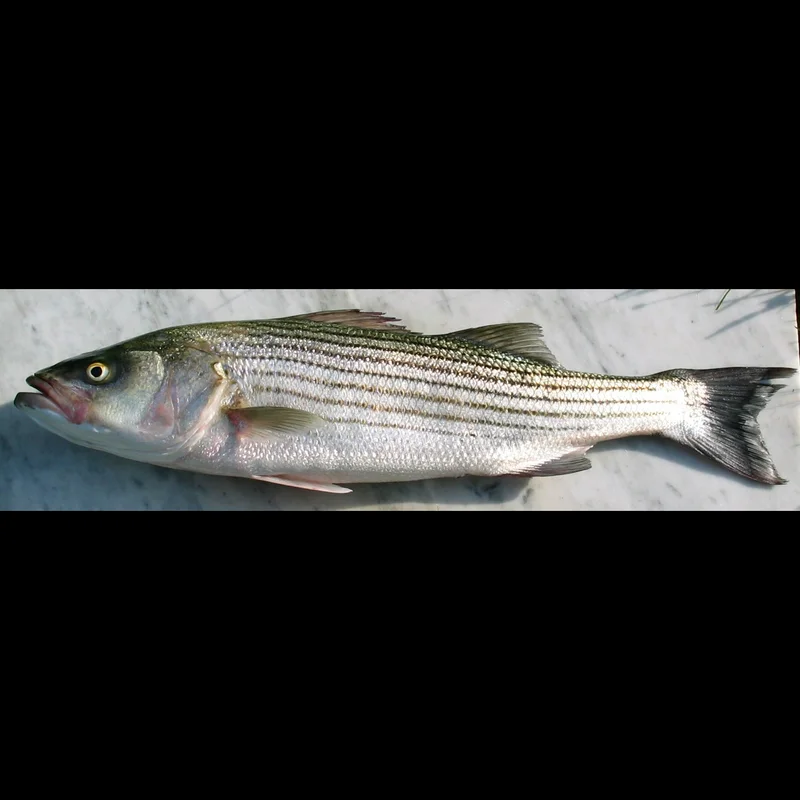
Divers exploring Caddo Lake might encounter typical freshwater inhabitants such as bass, catfish, and various sunfish species, often seeking refuge among the submerged root systems and cypress knees. Intricate structures provided by the trees create pockets of habitat, offering glimpses into this vibrant freshwater world.

Dive Centers Near Caddo (08/1921)
Today: 08:00 - 18:00

Nearest Airports
Nearest airports to help plan travel to this dive area.
Search Flights
Check available flights and routes on Expedia, using the nearby airports listed in this section.
Search Flights on Expedia
Plan Your Stay
Looking for a place to stay for your dive trip? Explore hotels, stays, and vacation rentals for dive groups near Surf City.
Dive Navigator may earn a commission from these links at no extra cost to you.
Frequently Asked Questions
Is the Mittie Stephens shipwreck diveable?
Actual wreckage of the Mittie Stephens is not an underwater dive site. It was discovered in 1993 on what had become dry land near the water's edge, due to historical changes in Caddo Lake's water levels.
What type of diving experience does Caddo Lake offer?
Caddo Lake offers freshwater diving characterized by a unique cypress forest environment. Divers can explore submerged root systems and the atmospheric beauty of this historic lake.
When is the best time to dive Caddo Lake?
July generally offers the most favorable conditions, with the warmest average air temperatures around 24°C (75°F) and the highest dive score. However, conditions can be moderate throughout much of the year.
Are there any specific hazards to be aware of in Caddo Lake?
Key hazards include potential boat traffic, variable underwater visibility, and entanglement risks from submerged vegetation or fishing lines. Divers should always use a dive flag and maintain careful buoyancy control.
What marine life can divers expect to see?
While specific data is limited, divers may encounter common freshwater fish species like bass, catfish, and sunfish. These creatures often utilize the intricate cypress roots and submerged structures for shelter.
What kind of thermal protection is recommended for diving here?
With water temperature data not consistently reported, divers should prepare for variable freshwater temperatures. A wetsuit or drysuit, along with a hood, is generally advisable to ensure adequate thermal comfort.
What is the historical significance of Caddo Lake?
Caddo Lake is legendary for its natural formation, possibly by an earthquake, and is the site of the tragic 1869 Mittie Stephens steamboat fire. Its history also includes tales of pirate treasures.
Planning to dive Caddo (08/1921)?
Send one inquiry and receive offers directly from the best verified local dive operators.
Conditions are Good
Optimal conditions expected
Current conditions near Caddo (08/1921) show 21° air, 23° sea temperature, 1.1 m waves, and 33 km/h wind. Forecast data is refreshed regularly to ensure accuracy.