
Diving at Cadet (1949) (United States)
The Cadet shipwreck offers a historical freshwater dive experience in Lake George, inviting exploration of a well-preserved 19th-century steam launch. Descending to approximately 15 m (50 ft), divers can observe the hull of this 1893 vessel. Its relatively shallow depth makes it accessible for various certification levels, providing an intimate look at a significant piece of maritime history.
Evening condition tracking at Cadet (1949) features an air temperature of 22°C. We have recorded wave heights measuring 0.6 m during this period. These figures outline the environmental parameters currently present.
Dive Site Location & Key Facts
Dive Site Overview
An 1893-built steam launch, the Cadet shipwreck presents a compelling dive in Lake George. Originally known as the Olive ex Cadet, this wooden steamboat, measuring 14.6 m (48 ft) in length and 2.9 m (9.6 ft) wide, features a distinctive pointed bow.
Discovered in 1997 by Bateaux Below Inc., the wreck rests in approximately 15 m (50 ft) of water near Bolton, New York. Reports from 2005 indicate the vessel remains in fairly good condition, with much of its hull largely intact. This allows divers to easily discern its original form during exploration.
Exploring this archaeological site offers a direct connection to the lake's rich historical narrative, revealing the construction details of a bygone era. The well-preserved hull still conveys the lines of a steam launch, providing an immersive historical experience.
Navigating around its perimeter, divers appreciate the structural integrity endured since its sinking. A relatively compact wreck, the Cadet is an ideal site for multiple passes to fully appreciate its features without extensive travel.
Its presence under clear freshwater provides a glimpse into 19th-century maritime engineering. Observing the gentle slope of the lakebed leading to the wreck, one gains a sense of the undisturbed resting place this historic vessel now occupies.
Conditions are Good
Optimal conditions expected
Current conditions near Cadet (1949) show 22° air, 25° sea temperature, 1.0 m waves, and 31 km/h wind. Forecast data is refreshed regularly to ensure accuracy.
Best Time to Dive
Diving conditions at Cadet show a clear seasonal contrast, with the most favorable periods aligning with warmer air temperatures and calmer waters. Optimal dive scores are typically seen from June through November, particularly in June and July when air temperatures average around 22°C (72°F) and 25.5°C (78°F) respectively, paired with notably lower average wave heights, around 1.0 m (3.3 ft) in June and 0.9 m (3.0 ft) in July. Winds are generally lighter during these months as well, contributing to smoother surface conditions. Conversely, diving in the colder months, from December to May, presents more challenging circumstances, marked by moderate dive scores. For instance, January sees air temperatures averaging just 1.5°C (35°F), along with higher average wave heights exceeding 1.2 m (3.9 ft) and stronger winds. Rain activity is not consistently reported as a major deterrent throughout the year, but September shows the highest average rainfall at 4.56 mm (0.18 in), potentially impacting surface comfort. Water temperature data is not consistently reported for this location, so planning for a dry suit or thick wetsuit is advisable year-round, especially outside of peak summer months.
PEAK SEASON SCORE
Scores combine air & water temps, waves, wind & rainfall for overall conditions.
BEST MONTHS TO DIVE
Monthly records compiled from satellite and marine observation nodes over the last 3 years. Data provided by Open-Meteo and MET Norway.
Dive Experience & Conditions
Descending to where the Cadet rests, near its maximum recreational depth, begins in the clear freshwater of Lake George. Visibility is generally good as you drop, allowing the shipwreck to gradually reveal itself. The surrounding lakebed is likely soft or silty, requiring careful finning to maintain good visibility around the wreck. With the hull reported as largely intact, navigating along its length presents an opportunity to appreciate the full profile of the steamboat. Moving slowly around the pointed bow and along the sides, divers can observe structural details. Current is not consistently reported as significant at this site, but conditions can vary depending on local weather patterns. Divers should be prepared for potential thermoclines, common in freshwater lakes, indicating changes in water temperature, though specific water temperature data for the Cadet remains limited.
Dive Difficulty & Safety Guidelines
No specific hazards beyond standard freshwater diving considerations are consistently reported for the Cadet shipwreck, making it a relatively straightforward site for certified divers. Always prioritize a thorough pre-dive check and clear communication with your buddy. Since the wreck is a historical site listed on the National Register, divers must adhere strictly to a "look, don't touch" policy.
Disturbing the wreck, removing artifacts, or causing any damage is prohibited. Remaining well within recreational diving limits at its maximum depth, the site reduces risks associated with deeper diving.
Maintain neutral buoyancy throughout the dive to prevent contact with the hull or stirring up sediment. Lake conditions can shift, so always assess surface conditions before entry and exit.
Plan for potential colder freshwater temperatures, even if specific water temperature readings are not consistently reported.
Recommended Equipment
- Dive Computer
This gear list is based on verified equipment signals for Cadet (1949), United States. Always confirm final gear choices with your dive operator, guide, or liveaboard.
Recommended Dive Suit
Weather models currently point toward consistent diving conditions over the next several days.
For typical recreational dives, 3mm wetsuit generally provides comfortable insulation. Surface intervals may feel cooler.
At Cadet (1949), the water is currently sitting around 25°C (77°F). Surface air temperatures are resting at 22°C (72°F).
Emergency & Medical Support
Essential information to help you plan your dive trip to Cadet (1949).

Hyperbaric chambers are a critical part of dive safety infrastructure. Availability varies significantly by region, and not all dive areas have immediate access.
Before diving, it's recommended to:
- confirm nearest medical facilities
- check emergency procedures with local dive operators
- ensure dive insurance covers evacuation if required
Divers Alert Network
Diving emergency assistance available through DAN World.
+1-919-684-9111- 24/7 emergency hotline
- Diving medical assistance
- Evacuation coordination
Emergency contacts are provided for reference. Always verify local emergency services before diving.
Marine Life at Cadet (1949)
Approaching the Cadet shipwreck, divers might first notice any smaller fish species that have made the wreck their habitat. While extensive marine life data is not consistently reported for this specific site, freshwater wrecks often attract species seeking shelter or foraging opportunities.
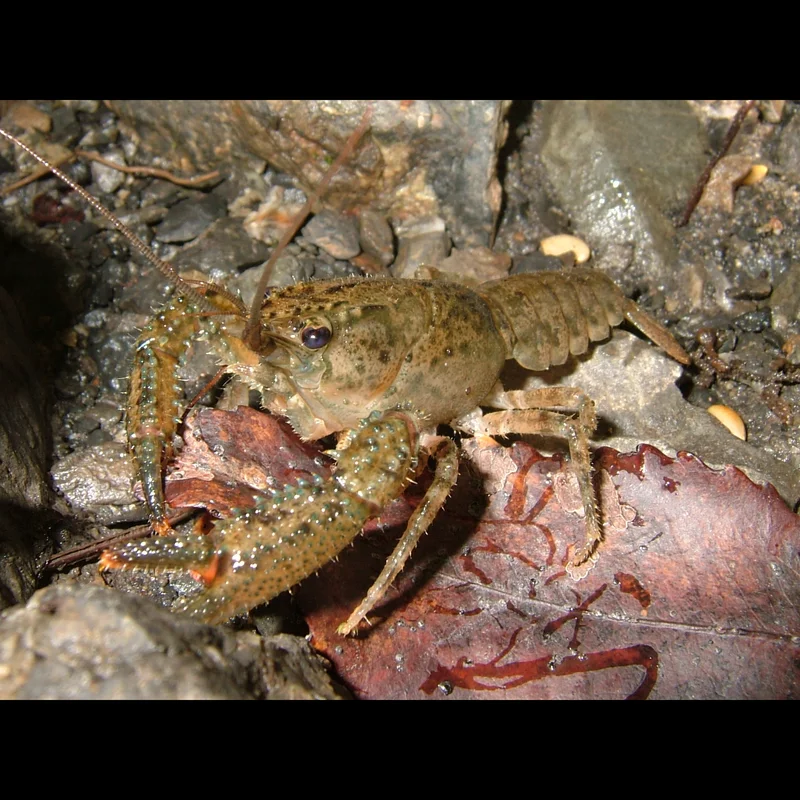
Observing the wooden hull, you might spot crayfish or other invertebrates clinging to the structure. Occasional larger fish may cruise by the wreck, depending on the season and time of day.
The focus of this dive remains primarily on the historical artifact, yet patient observation can reveal the subtle interactions of aquatic life with this sunken monument.
Dive Centers Near Cadet (1949)
Nearest Airports
Nearest airports to help plan travel to this dive area.
Search Flights
Check available flights and routes on Expedia, using the nearby airports listed in this section.
Search Flights on Expedia
Plan Your Stay
Looking for a place to stay for your dive trip? Explore hotels, stays, and vacation rentals for dive groups near Avalon.
Dive Navigator may earn a commission from these links at no extra cost to you.
Frequently Asked Questions
Is the Cadet shipwreck suitable for beginner divers?
Yes, the Cadet shipwreck's relatively shallow depth of approximately 15 meters (50 feet) makes it accessible for Open Water certified divers. Its intact nature and lack of complex penetration points contribute to its beginner-friendly profile.
What type of vessel was the Cadet?
The Cadet was originally an 1893-built wooden steam launch. Reports indicate it measured 14.6 meters in length and 2.9 meters wide.
When was the Cadet shipwreck discovered?
The Cadet shipwreck was discovered in 1997 by Bateaux Below Inc., an organization dedicated to documenting Lake George's submerged history. It has since become a protected archaeological site.
Is it permissible to touch or collect artifacts from the wreck?
No, the Cadet shipwreck is listed on the National Register of Historic Places and is a protected archaeological site. Divers must strictly adhere to a "look, don't touch" policy, leaving all artifacts undisturbed for preservation.
What is the typical visibility at the Cadet shipwreck?
Visibility at the Cadet shipwreck can vary, but Lake George is known for its clear freshwater. Generally, good visibility can be expected, allowing for clear views of the wreck and its immediate surroundings.
What are the best months for diving the Cadet?
The best months for diving the Cadet are typically from June through November, with June and July often offering the most favorable surface conditions due to warmer air temperatures and lower wave heights. These months provide optimal dive scores.
Is specific water temperature data available for the site?
Specific water temperature data for the Cadet shipwreck is not consistently reported. Divers should anticipate cooler freshwater conditions, especially in deeper sections or outside the warmer summer months, and plan thermal protection accordingly.
Planning to dive Cadet (1949)?
Send one inquiry and receive offers directly from the best verified local dive operators.
Conditions are Good
Optimal conditions expected
Current conditions near Cadet (1949) show 22° air, 25° sea temperature, 1.0 m waves, and 31 km/h wind. Forecast data is refreshed regularly to ensure accuracy.