
Diving at Canobie (United States)
Lake Erie's dynamic conditions frequently shape the diving experience at Canobie, where unpredictable weather patterns can quickly alter visibility and surface stability. This freshwater environment, while often challenging, offers access to a significant historical shipwreck. Divers must be prepared for variable water clarity and potential lake surges, making local knowledge valuable for planning successful dives.
Evening condition tracking at Canobie features an air temperature of 19°C. We have recorded wave heights measuring 0.4 m during this period. These figures outline the environmental parameters currently present.
Dive Site Location & Key Facts
Dive Site Overview
The 268-foot steamer Canobie rests in Lake Erie, a significant historical site that continues to reveal stories from its past. Scuttled 80 years ago, it's now part of an extensive mapping program led by institutions like Mercyhurst College's Archaeological Institute.
This initiative aims to record the wrecks, promote underwater preservation, and deter looting, making the site an evolving area of interest for recreational divers and historians alike. Canobie, found in approximately 4.5 m (15 ft) of water, is one of several shipwrecks within a 20-square-mile area. Other wrecks in this region of Lake Erie lie at various depths, ranging from 4.5 m (15 ft) to 45 m (150 ft), each contributing to the lake's reputation as a resting place for thousands of vessels.
Exploring these sites contributes to a broader understanding of maritime trade routes and the lake's fast-changing weather, which historically claimed many ships.
Conditions are Good
Optimal conditions expected
Current conditions near Canobie show 19° air, --° sea temperature, 0.4 m waves, and 30 km/h wind. Forecast data is refreshed regularly to ensure accuracy.
Best Time to Dive
Considering Lake Erie's temperament, planning a dive to Canobie benefits from understanding the seasonal patterns. The months of July and September consistently show 'Excellent' dive scores, with average air temperatures peaking at 22.5°C (72°F) in July and remaining warm at 18.5°C (65°F) in September. These periods also see reduced average rainfall, around 2.86 mm (0.11 in) in July and 1.44 mm (0.06 in) in September, and lower wind speeds, contributing to calmer lake conditions. Conversely, winter months, especially January through March, present colder air temperatures ranging from -3.5°C (38°F) to 4.5°C (40°F) and higher wave activity, leading to 'Moderate' or 'Good' dive scores. Spring and fall offer 'Good' scores, but require preparedness for cooler air and potentially more variable lake conditions.
PEAK SEASON SCORE
Scores combine air & water temps, waves, wind & rainfall for overall conditions.
BEST MONTHS TO DIVE
Monthly records compiled from satellite and marine observation nodes over the last 3 years. Data provided by Open-Meteo and MET Norway.
Dive Experience & Conditions
Divers exploring Canobie should anticipate conditions characterized by the lake's unique freshwater dynamics. Visibility can vary considerably, though Lake Erie has seen significant cleanup over the last two decades, partly attributed to invasive zebra mussels. On a good day, the wreck can be visible in its approximately 4.5 m (15 ft) depth. The lake is known for its fast-changing weather, which can lead to rapid shifts in wind and wave height, particularly in winter with wave heights reaching over 1.2 m (4 ft). Wind speeds also fluctuate, from averages around 17.6 km/h (10.9 mph) in July to nearly 30 km/h (18.6 mph) in January. These conditions require divers to remain aware of current dynamics and be prepared for potential changes during their planned excursion. The shallow nature of the Canobie means less bottom time constraint but emphasizes the importance of good surface support.
Dive Difficulty & Safety Guidelines
Preserving the historical integrity of Canobie is paramount for divers. Given the ongoing efforts by research institutions to map and protect these wrecks from looting, a responsible approach is essential. Divers should strictly adhere to a 'look, don't touch' policy and never remove artifacts from the site.
Local dive charters often operate two-tank dives and can provide valuable insights into site-specific conditions and potential hazards, such as shifting silts or entanglement risks within the wreckage. Consulting with experienced local operators is highly recommended to understand current visibility, entry points, and any specific preservation guidelines. Always prioritize dive planning that accounts for Lake Erie's often dynamic weather and currents.
Recommended Equipment
- Dive Computer
This gear list is based on verified equipment signals for Canobie, United States. Always confirm final gear choices with your dive operator, guide, or liveaboard.
Recommended Dive Suit
Forecast confidence is somewhat lower, with potential for varied conditions ahead. Cooler days are ahead; you might want a warmer option for later in the week. A hood or vest can noticeably improve warmth during longer dives.
Based on regional estimates and current weather, the likely required exposure protection is a 5mm or thicker wetsuit. Note that local currents and upwellings can alter this. Consider warmer surface protection (like a boat coat) due to brisk winds. Surface intervals may feel cooler.
Because recent water temperature readings are not available for Canobie, the guidance below is based mainly on current air conditions and seasonal expectations. Current surface air temperatures are roughly 19°C (67°F).
Emergency & Medical Support
Essential information to help you plan your dive trip to Canobie.

Hyperbaric chambers are a critical part of dive safety infrastructure. Availability varies significantly by region, and not all dive areas have immediate access.
Before diving, it's recommended to:
- confirm nearest medical facilities
- check emergency procedures with local dive operators
- ensure dive insurance covers evacuation if required
Divers Alert Network
Diving emergency assistance available through DAN World.
+1-919-684-9111- 24/7 emergency hotline
- Diving medical assistance
- Evacuation coordination
Emergency contacts are provided for reference. Always verify local emergency services before diving.
Marine Life at Canobie
While specific marine life data for Canobie is limited, Lake Erie's ecosystem has undergone significant changes over the past two decades. The introduction of invasive zebra mussels has notably improved water clarity by acting as a powerful filtering mechanism, which can enhance overall visibility on many dives.
Although precise species accounts for the immediate wreck site are not available, divers exploring freshwater wrecks in the Great Lakes typically observe various native and introduced fish species that adapt to these unique submerged structures. The improved water clarity can facilitate sightings within the wreck's structure.

Dive Centers Near Canobie
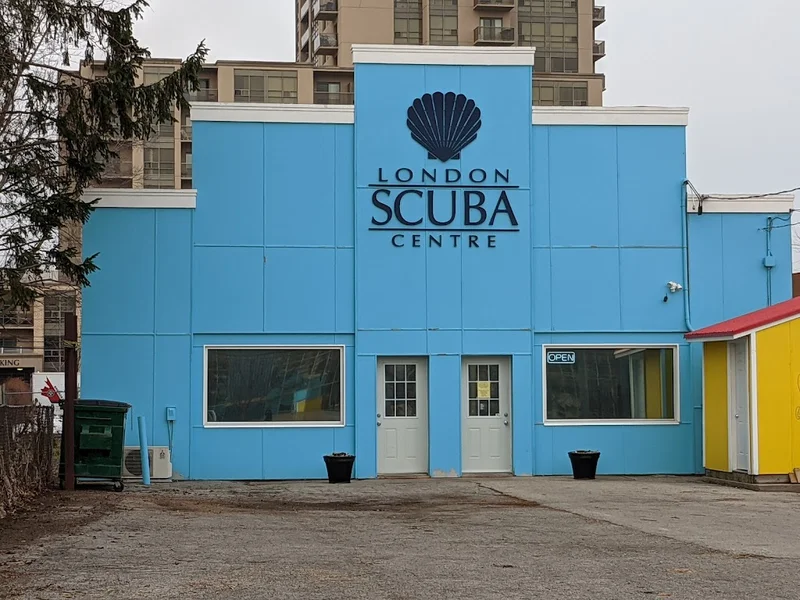
Nearest Airports
Nearest airports to help plan travel to this dive area.
Search Flights
Check available flights and routes on Expedia, using the nearby airports listed in this section.
Search Flights on Expedia
Plan Your Stay
Looking for a place to stay for your dive trip? Explore hotels, stays, and vacation rentals for dive groups near Lawrence Park.
Dive Navigator may earn a commission from these links at no extra cost to you.
Frequently Asked Questions
What is the typical depth of the Canobie shipwreck?
Canobie's shipwreck rests in shallow waters, typically reported at approximately 15 feet. This depth makes the site accessible to a wide range of certified divers.
What is the historical significance of the Canobie?
The Canobie is a 268-foot steamer, scuttled 80 years ago, and is now a focus for archaeological research and preservation efforts. It represents a piece of Lake Erie's rich maritime history and is part of a broader study to map and protect numerous wrecks.
Are there other shipwrecks in the area around Canobie?
Yes, Canobie is one of five shipwrecks within a 20-square-mile area, part of ongoing mapping efforts. Lake Erie is known for housing thousands of wrecks at depths ranging from shallow areas to deeper sections exceeding 150 feet.
How clear is the water at Canobie?
Water clarity at Canobie can vary. Lake Erie's water has significantly cleaned up over the last two decades due to factors like zebra mussels, allowing for good visibility on favorable days. However, conditions are subject to the lake's dynamic weather.
What is the best time of year to dive Canobie?
For optimal conditions, July and September typically offer the highest dive scores due to warmer air temperatures, lower rainfall, and calmer lake conditions. These months provide a more comfortable diving experience.
Is looting a concern at the Canobie wreck site?
Yes, the potential for looting is a concern for historical wrecks like Canobie. Research efforts and educational programs aim to deter scavenging and promote the preservation of these underwater sites, sometimes suggesting underwater museums or artifact removal for museum display.
Planning to dive Canobie?
Send one inquiry and receive offers directly from the best verified local dive operators.
Conditions are Good
Optimal conditions expected
Current conditions near Canobie show 19° air, --° sea temperature, 0.4 m waves, and 30 km/h wind. Forecast data is refreshed regularly to ensure accuracy.