
Diving at Cape Haze Reef (Bay) (United States)
Cape Haze Reef, situated within the expansive Charlotte Harbor Aquatic Preserves, offers a compelling mix of natural and historical underwater landscapes. This estuarine environment supports a diverse array of flora and fauna, making each descent an exploration of various natural communities. Divers encounter mollusk reefs, extensive seagrass beds, and both consolidated and unconsolidated substrates that form the foundation for a vibrant ecosystem.
Starting the day at Cape Haze Reef (Bay), the ambient air temperature is recorded at 26.5°C. Ongoing monitoring shows wave heights measuring 0.2 m. This data represents the current surface conditions for early activities.
Dive Site Location & Key Facts
Dive Site Overview
Exploring Cape Haze Reef provides a multifaceted dive experience, blending natural formations with glimpses into the region's rich past. Dive charters here typically focus on varied underwater targets, including "boneyard" fossil sites, natural ledges, artificial reefs, and occasional wreck remnants.
Recreational depths vary, with some fossil dives shallow at 9 m (30 ft) or less, while other reef and wreck explorations can extend to 18 m (60 ft). For those seeking deeper spearfishing opportunities, excursions may reach max depths of 30 m (100 ft). The geology beneath consists of both solidified rock and shell conglomerates, alongside unsolidified sand and mud flats, which significantly shape the underwater topography.
Historical elements like submerged archaeological sites and shell middens are present across the preserve, adding another layer of interest to the underwater environment.
Conditions are Good
Optimal conditions expected
Current conditions near Cape Haze Reef (Bay) show 27° air, 31° sea temperature, 0.1 m waves, and 19 km/h wind. Forecast data is refreshed regularly to ensure accuracy.
Best Time to Dive
Optimizing for visibility at Cape Haze Reef often aligns with the cooler, drier months, typically from November through April, when rainfall is minimal. During this period, the air temperatures are generally comfortable, ranging from 17-23.5°C (63-74°F). Dive conditions during these months are frequently rated as "Excellent," benefiting from lower wave heights and moderate winds. The wetter summer months, particularly June and August, see increased rainfall, which can influence particulate matter in the water and potentially affect clarity. Water temperature data is not consistently reported, but often follows regional air temperature trends, indicating warmer conditions in summer. Considering overall dive scores and climatic stability, the late fall to mid-spring season tends to provide the most consistent and favorable conditions for exploring this estuarine system.
PEAK SEASON SCORE
Scores combine air & water temps, waves, wind & rainfall for overall conditions.
BEST MONTHS TO DIVE
Monthly records compiled from satellite and marine observation nodes over the last 3 years. Data provided by Open-Meteo and MET Norway.
Dive Experience & Conditions
Beginning a descent at Cape Haze Reef often reveals a mosaic of substrate types, transitioning from shallower, unconsolidated sand or mud flats to deeper, consolidated rock or shell conglomerates. Divers will find themselves navigating through estuarine waters, where conditions can vary with tidal flow and recent rainfall, influencing visibility. While specific water temperature data isn't consistently available, the regional climate suggests warmer waters in summer and cooler temperatures in winter. Recreational depths typically range from 9 m (30 ft) at fossil sites up to 30 m (100 ft) for deeper reef and spearfishing spots. Expect to encounter varied topography including ledges and remnants of mollusk reefs, which provide structure for localized marine life.
Dive Difficulty & Safety Guidelines
Diving within Cape Haze Aquatic Preserve requires adherence to specific guidelines to ensure safety and preserve the delicate estuarine environment. All divers must carry their C-card or equivalent scuba diving certificate, as required by charter operators. Handheld GPS devices and valuable items should be left ashore to prevent loss or damage in this dynamic environment.
Charters typically operate on a flat-rate basis, with minimum hours, and it's common for costs to be divided among a maximum of six passengers. Always confirm current regulations with your chosen dive operator before planning your trip.
Additionally, be mindful of the historical significance of the area; disturbing archaeological sites, including shipwrecks or shell middens, is prohibited.
Recommended Equipment
- Dive Computer
This gear list is based on verified equipment signals for Cape Haze Reef (Bay), United States. Always confirm final gear choices with your dive operator, guide, or liveaboard.
Recommended Dive Suit
Dive skin or rash guard is often considered an appropriate level of exposure protection for conditions like these. Consider warmer surface protection (like a boat coat) due to brisk winds.
Current readings at Cape Haze Reef (Bay) show water temperatures near 31°C (88°F). Surface air temperatures are resting at 27°C (80°F).
The upcoming forecast points to generally steady conditions in the area.
Due to technical issues with our weather providers, live updates are temporarily delayed. The data above reflects the conditions at the time of the last successful fetch.
Emergency & Medical Support
Essential information to help you plan your dive trip to Cape Haze Reef (Bay).

Hyperbaric chambers are a critical part of dive safety infrastructure. Availability varies significantly by region, and not all dive areas have immediate access.
Before diving, it's recommended to:
- confirm nearest medical facilities
- check emergency procedures with local dive operators
- ensure dive insurance covers evacuation if required
Divers Alert Network
Diving emergency assistance available through DAN World.
+1-919-684-9111- 24/7 emergency hotline
- Diving medical assistance
- Evacuation coordination
Emergency contacts are provided for reference. Always verify local emergency services before diving.
Marine Life at Cape Haze Reef (Bay)
Upon entering the water at Cape Haze Reef, divers often first notice the intricate structure of mollusk reefs, primarily formed by eastern oysters, which serve as vital micro-habitats. The surrounding continuous and discontinuous seagrass beds also host a range of smaller estuarine species.
While specific large marine animals are not consistently reported, the complex ecosystem of estuarine waters, barrier islands, and tidal wetlands inherently supports a diverse array of flora and fauna. Bird rookeries in adjacent areas suggest a healthy food web, contributing to the overall biodiversity of the preserve's waters.
Dive Centers Near Cape Haze Reef (Bay)
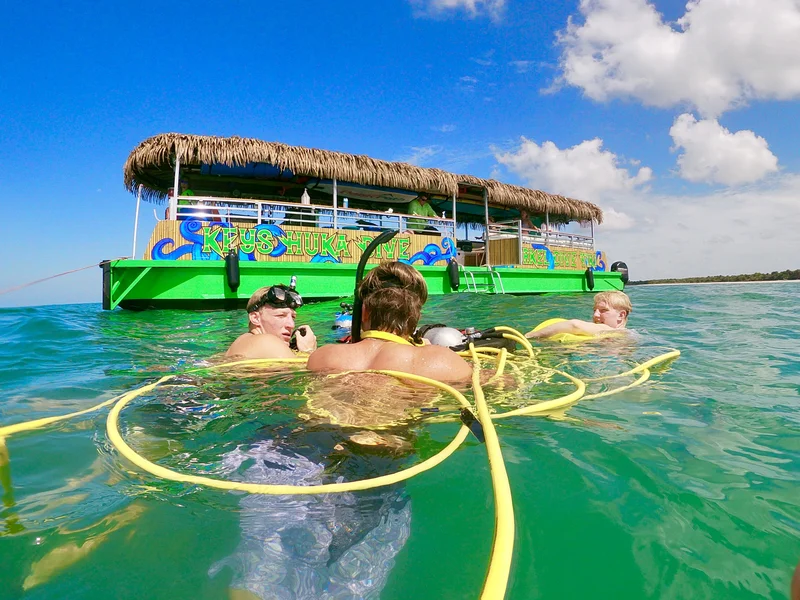
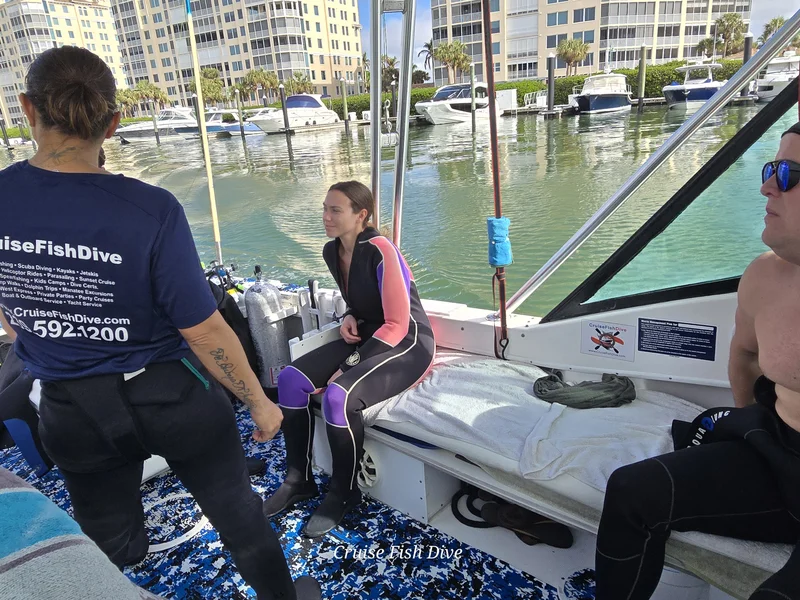
Today: 09:00 - 18:00

Nearest Airports
Nearest airports to help plan travel to this dive area.
Search Flights
Check available flights and routes on Expedia, using the nearby airports listed in this section.
Search Flights on Expedia
Plan Your Stay
Looking for a place to stay for your dive trip? Explore hotels, stays, and vacation rentals for dive groups near Bokeelia.
Dive Navigator may earn a commission from these links at no extra cost to you.
Frequently Asked Questions
What types of diving are available at Cape Haze Reef?
Cape Haze Reef offers a range of diving experiences, including "boneyard" fossil dives, explorations of natural ledges and artificial reefs, and visits to historical wreck sites. Spearfishing is also a popular activity in certain designated areas.
What are the typical dive depths at Cape Haze Reef?
Depths vary considerably depending on the specific dive site. Fossil dives are generally shallower, at 9 m (30 ft) or less, while reef and wreck dives can extend to 18 m (60 ft). Deeper spearfishing charters may reach depths up to 30 m (100 ft).
When is the best time of year to dive Cape Haze Reef?
The optimal time for diving is typically from November through April. These months generally offer lower rainfall and more stable weather conditions, which often correlate with better underwater visibility in this estuarine environment.
Are there any specific historical or archaeological features to see?
Yes, the Cape Haze Aquatic Preserve is rich in history, with over 40 recorded archaeological sites. Divers may encounter prehistoric shell kitchen middens, Native American and European encampments, and various shipwreck remnants, though direct interaction is prohibited to protect these sites.
What is the visibility like at Cape Haze Reef?
Visibility at Cape Haze Reef, being in an estuarine system, can vary. It is generally better during drier months with less rainfall. Factors like tidal flow and recent weather events can influence water clarity.
What should I bring for a dive charter?
You should bring your C-card, snacks, food, towels, sunscreen, sunglasses, and cameras. Canned beverages are permissible after dives. It's recommended to leave handheld GPS devices and expensive valuables at home.
Planning to dive Cape Haze Reef (Bay)?
Send one inquiry and receive offers directly from the best verified local dive operators.
Conditions are Good
Optimal conditions expected
Current conditions near Cape Haze Reef (Bay) show 27° air, 31° sea temperature, 0.1 m waves, and 19 km/h wind. Forecast data is refreshed regularly to ensure accuracy.