
Diving at Capt Ed Schmidiger (United States)
Planning a dive to the Capt Ed Schmidiger requires understanding its history as a purpose-sunk artificial reef. This 165-foot navy tanker barge, deployed on the Axel Carlson Reef in October 1997, serves as an underwater monument and habitat. Expect depths within recreational limits, typically ranging from 12 to 41 m (40 to 135 ft). A successful dive here hinges on precise navigation and preparing for variable coastal conditions.
As evening covers Capt Ed Schmidiger, the local air temperature is measured at 20°C. The current wave height at the surface is recorded at 0.6 m. These late-day readings characterize the surface conditions for the night.
Dive Site Location & Key Facts
Dive Site Overview
Descending onto the Capt Ed Schmidiger offers a direct encounter with a piece of maritime history repurposed for ecological benefit. This 165-foot (50 m) navy tanker barge rests within the Axel Carlson Reef, a significant component of New Jersey's extensive artificial reef program.
Sunk on October 8, 1997, its structure now provides essential hard substrate for marine life on the sandy bottom. The site was sponsored by Marie Schmidiger and Paul Donohoe, serving as a memorial to Captain Ed Schmidiger, an avid ocean sportsman. Navigating this submerged vessel reveals the evolution of an artificial habitat.
Its various sections attract different species, creating pockets of activity around the wreck. Divers will find the main structure of the barge largely intact, allowing for exploration of its exterior and potentially some accessible interior spaces, depending on sedimentation and diver training.
Continually transforming, the barge's surfaces are steadily reclaimed by encrusting organisms, while fish populations utilize its shelter. Beyond the barge itself, the surrounding artificial reef complex consists of various materials, designed to enhance the marine ecosystem.
Expect a dive that blends historical interest with dynamic marine ecology, offering something for recreational divers within the typical artificial reef depth range of 12 to 41 m (40 to 135 ft). Careful buoyancy control is advisable to avoid disturbing the silty seabed often associated with such wrecks.
Conditions are Good
Optimal conditions expected
Current conditions near Capt Ed Schmidiger show 20° air, 23° sea temperature, 1.0 m waves, and 32 km/h wind. Forecast data is refreshed regularly to ensure accuracy.
Best Time to Dive
Optimal visibility is often a key factor when planning a dive at Capt Ed Schmidiger, which largely correlates with calmer seas. July consistently presents the best overall dive conditions, indicated by its highest dive score of 8, with average wave heights around 0.9 m (3.0 ft) and lowest wind speeds at 17.17 km/h (10.7 mph). Air temperatures during July are pleasant, averaging 25°C (77°F). However, good diving conditions extend through much of the year, particularly from May to October, with dive scores rated "Good." During these months, air temperatures are generally comfortable, ranging from 16°C (61°F) in May to 20.5°C (69°F) in September. Wave heights tend to be lower during this period, enhancing underwater clarity. Rainfall is consistently low across all seasons, typically between 1.97 mm and 4.11 mm, minimizing surface runoff impacts. While specific water temperature data isn't consistently reported for this site, it will vary with seasonal air temperature fluctuations, requiring appropriate thermal protection.
PEAK SEASON SCORE
Scores combine air & water temps, waves, wind & rainfall for overall conditions.
BEST MONTHS TO DIVE
Monthly records compiled from satellite and marine observation nodes over the last 3 years. Data provided by Open-Meteo and MET Norway.
Dive Experience & Conditions
As divers begin their descent towards the Capt Ed Schmidiger, the surrounding waters often present varying conditions typical of coastal artificial reefs. Current strength can fluctuate, sometimes requiring a descent line or proper drift diving techniques. Reaching the wreck, which lies within the general recreational depth range of artificial reef sites, usually from 12 to 41 meters (40 to 135 ft), divers will notice the visibility depends heavily on recent weather patterns and tidal movements. Calm days can bring better clarity. The structure of the 165-foot (50 m) tanker barge is substantial, providing numerous points of interest. Exploring the exterior, divers will observe how marine growth has colonized the metal surfaces. Water temperatures are not consistently reported, but divers should anticipate cooler conditions, especially in deeper sections or outside peak summer months. Given the artificial reef nature, a sandy bottom often surrounds the wreck, which can easily be stirred up, impacting local visibility for other divers. Maintaining excellent buoyancy control is crucial throughout the dive.
Dive Difficulty & Safety Guidelines
Diving the Capt Ed Schmidiger requires preparedness for coastal wreck site challenges. Currents vary, so always assess conditions before entering the water and plan your dive accordingly. Local dive operators will provide current updates.
Maintaining adequate thermal protection is crucial, as water temperatures are not consistently reported and can be cool, especially at depth or outside summer. Always plan your dive within your certification limits, especially when considering any wreck penetration; the barge's interior is not specifically cleared for all divers.
Avoid stirring up the sandy bottom to preserve visibility for yourself and others. Proper buoyancy control is essential.
As with any artificial reef, respect the marine life and structures. Do not remove artifacts or disturb the developing ecosystem. Familiarity with local conditions and having a surface marker buoy are always recommended.
Recommended Equipment
- Dive Computer
This gear list is based on verified equipment signals for Capt Ed Schmidiger, United States. Always confirm final gear choices with your dive operator, guide, or liveaboard.
Recommended Dive Suit
Divers visiting Capt Ed Schmidiger today can expect water conditions around 23°C (73°F). Surface air temperatures are resting at 20°C (68°F).
Many divers choose 3-5mm wetsuit when diving in similar conditions. Surface intervals may feel cooler.
Forecast models show minimal temperature variation in the coming days.
Due to technical issues with our weather providers, live updates are temporarily delayed. The data above reflects the conditions at the time of the last successful fetch.
Emergency & Medical Support
Essential information to help you plan your dive trip to Capt Ed Schmidiger.

Hyperbaric chambers are a critical part of dive safety infrastructure. Availability varies significantly by region, and not all dive areas have immediate access.
Before diving, it's recommended to:
- confirm nearest medical facilities
- check emergency procedures with local dive operators
- ensure dive insurance covers evacuation if required
Divers Alert Network
Diving emergency assistance available through DAN World.
+1-919-684-9111- 24/7 emergency hotline
- Diving medical assistance
- Evacuation coordination
Emergency contacts are provided for reference. Always verify local emergency services before diving.
Marine Life at Capt Ed Schmidiger
Approaching the Capt Ed Schmidiger, divers often first notice the abundance of encrusting organisms that have claimed its surfaces. Mussels, barnacles, and sponges are common, creating a textured habitat.
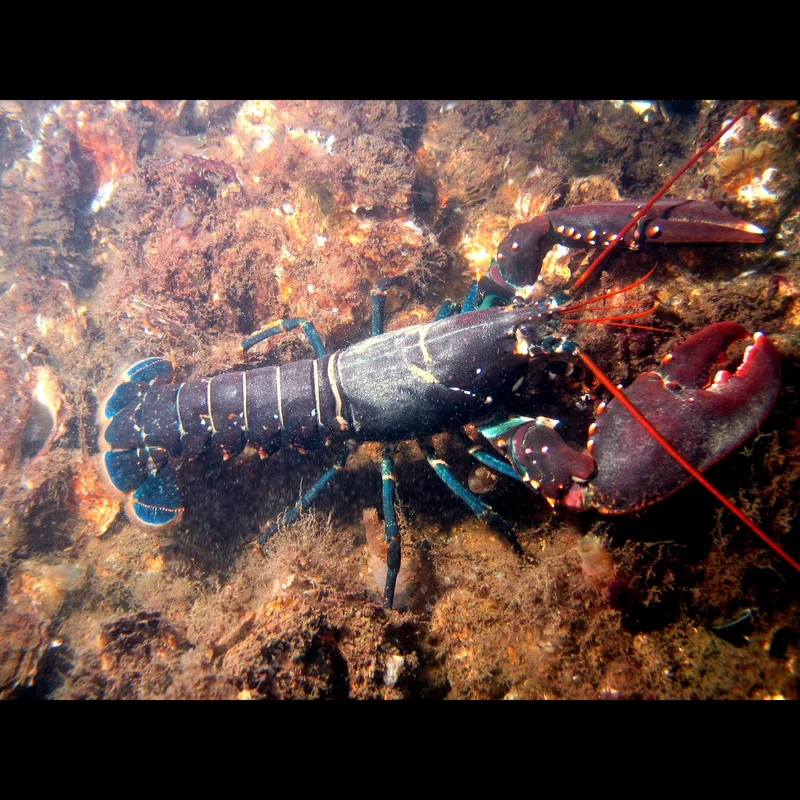
Look closely; juvenile fish and small crustaceans, like lobsters, can be seen using the nooks and crannies of the barge for shelter. This wreck serves as a vital hard substrate on an otherwise sandy seabed, attracting a diverse array of fish.
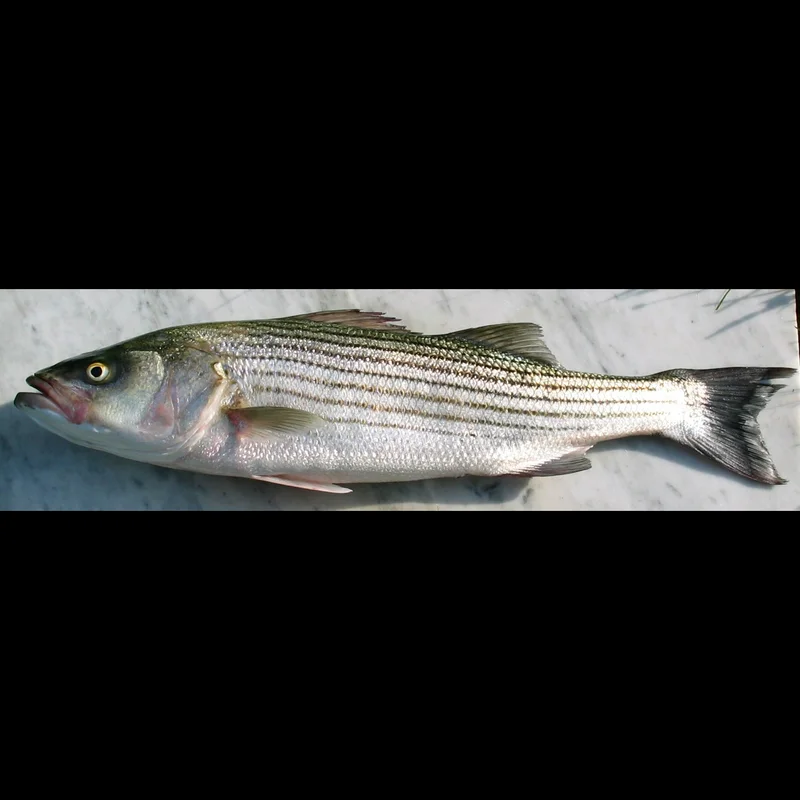
Sea bass, tautog, and porgy are frequently observed patrolling the structure. A dynamic ecosystem unfolds here, where new life continuously colonizes the artificial reef, offering rewarding observations for attentive divers.

Dive Sites Near Capt Ed Schmidiger
View all dive sites in United StatesDiscover more underwater gems in this area.
Dive Centers Near Capt Ed Schmidiger
Today: 08:00 - 18:00
Nearest Airports
Nearest airports to help plan travel to this dive area.
Search Flights
Check available flights and routes on Expedia, using the nearby airports listed in this section.
Search Flights on Expedia
Plan Your Stay
Looking for a place to stay for your dive trip? Explore hotels, stays, and vacation rentals for dive groups near Bay Head.
Dive Navigator may earn a commission from these links at no extra cost to you.
Frequently Asked Questions
What type of vessel is the Capt Ed Schmidiger?
It's a 165-foot (50 m) navy tanker barge, purpose-sunk as part of an artificial reef program. It was deployed on the Axel Carlson Reef in October 1997.
What is the typical depth range for diving this wreck?
The site is within the general recreational depth limits for artificial reefs, typically ranging from 12 to 41 m (40 to 135 ft). Most of the exploration occurs on the main structure.
Is the wreck accessible for penetration?
While the barge is substantial, interior penetration depends on diver training and prevailing conditions. Only properly trained and equipped divers should consider internal exploration, as configurations can change due to silting.
What marine life can be expected at the site?
Divers often encounter sea bass, tautog, and porgy, along with various crustaceans like lobsters. The surfaces of the wreck are covered in encrusting organisms such as mussels, barnacles, and sponges.
What are the best months to dive Capt Ed Schmidiger?
July generally offers the best overall conditions, but good diving extends from May through October. These months typically feature calmer seas and more comfortable air temperatures.
Are there strong currents at this site?
Currents can fluctuate, so divers should be prepared for variable conditions. It's advisable to check with local dive operators for current reports before planning your dive.
What water temperatures should I expect?
Specific water temperature data is not consistently reported for this site. Divers should anticipate cooler conditions, especially outside the summer months, and plan for appropriate thermal protection.
Planning to dive Capt Ed Schmidiger?
Send one inquiry and receive offers directly from the best verified local dive operators.
Conditions are Good
Optimal conditions expected
Current conditions near Capt Ed Schmidiger show 20° air, 23° sea temperature, 1.0 m waves, and 32 km/h wind. Forecast data is refreshed regularly to ensure accuracy.