
Diving at Car Bodies (United States)
Descending into Car Bodies offers a distinct, almost somber underwater tableau. Submerged vehicles rest in varying states of decay, creating a unique artificial reef. It’s an environment that combines the intrigue of a wreck dive with the unusual context of civic recovery efforts, presenting an uncommonly stark yet compelling visual experience for divers exploring its depths.
Tonight's objective overview for Car Bodies shows an air temperature of 28.5°C. The measured surface conditions include wave heights around 0.8 m. This environmental data is logged for the close of the day.
Dive Site Location & Key Facts
Dive Site Overview
This dive site presents a unique opportunity to explore collections of submerged automobiles, often linked to law enforcement investigations or environmental cleanup operations. Far from a natural reef, these sites typically consist of dozens of cars deliberately or accidentally deposited, as seen in instances where dive teams recovered over 30 vehicles from a single lake in Doral, Florida.
Many of these submerged vehicles are part of ongoing efforts by volunteer dive teams like United Search Corps or Adventures With Purpose, dedicated to solving cold cases and locating missing persons. While some recoveries yield stolen vehicles, others have tragically led to finding human remains, emphasizing the poignant history embedded within these artificial structures. Depths commonly encountered vary, with reports of cars found at recreational depths, such as a vehicle in the San Joaquin River at 5.5 m (18 ft) deep, or deeper in other locations, creating distinct exploratory zones for divers.
The collective presence of these discarded cars forms an unusual underwater landscape, attracting marine life seeking shelter and offering a different kind of dive experience.
Conditions are Excellent
07:00 - 14:00
Optimal conditions expected
Current conditions near Car Bodies show 29° air, 30° sea temperature, 0.5 m waves, and 22 km/h wind. Forecast data is refreshed regularly to ensure accuracy.
Best Time to Dive
Planning a dive to Car Bodies is generally most favorable during the warmer months, specifically from May through October, when conditions tend to be more stable. During this period, the dive score ratings are consistently 'Good', reflecting a better overall diving experience. Air temperatures during these months range from 24.5°C (76°F) to a high of 29°C (84°F) in August, ensuring comfortable surface intervals. Wave heights are typically lower, often below 0.9 m (3 ft), and average wind speeds are reduced, which can contribute to calmer surface conditions and potentially better visibility underwater. While rain does occur, averaging 3.3 to 4.6 mm (0.13-0.18 inches) per month, it usually doesn't significantly impede dive plans. February also shows a 'Good' dive score with milder air temperatures around 15.5°C (60°F), but other conditions may vary.
PEAK SEASON SCORE
Scores combine air & water temps, waves, wind & rainfall for overall conditions.
BEST MONTHS TO DIVE
Monthly records compiled from satellite and marine observation nodes over the last 3 years. Data provided by Open-Meteo and MET Norway.
Dive Experience & Conditions
Exploring the depths around these car bodies requires careful navigation, as they often rest on silty or soft bottoms, which can easily be disturbed. Depths vary significantly, ranging from relatively shallow sections around 5.5 m (18 ft) to deeper areas that might extend beyond typical recreational limits. Visibility isn't consistently reported but can be challenging due to stirred-up silt, especially in freshwater ponds or rivers where many of these vehicles are found. Conditions vary depending on the specific location and recent weather patterns. Water temperatures are not consistently reported but are expected to align with local climate, typically warmer in summer and cooler in winter. Divers should be prepared for potential thermoclines and current variations, particularly in riverine environments. These sites offer a unique challenge in terms of buoyancy control to avoid reducing visibility for others.
Dive Difficulty & Safety Guidelines
Diving around submerged vehicles demands a high level of caution and preparation. Before entering, always conduct a thorough risk assessment for potential hazards such as sharp metal edges, entanglement risks from wires or fishing lines, and unstable structures that could shift.
Maintaining excellent buoyancy control is crucial to prevent stirring up silt from the bottom, which can drastically reduce visibility for everyone. Penetration into confined spaces like car interiors is generally not recommended unless you have specific wreck diving training and appropriate equipment, as these areas can pose significant entrapment risks.
Dive with a buddy and ensure your team is proficient in communication, emergency procedures, and navigating low-visibility environments. Always follow local dive regulations and respect any ongoing law enforcement or recovery operations at the site.
Recommended Equipment
- Dive Computer
This gear list is based on verified equipment signals for Car Bodies, United States. Always confirm final gear choices with your dive operator, guide, or liveaboard.
Recommended Dive Suit
Water temperatures at Car Bodies are currently estimated to be around 30°C (86°F), shaping the overall diving conditions for today. Surface air temperatures are resting at 29°C (83°F).
Dive skin or rash guard generally offers enough warmth for most dives under these conditions. Consider warmer surface protection (like a boat coat) due to brisk winds.
Forecast conditions over the next few days suggest temperatures will remain relatively stable.
Emergency & Medical Support
Essential information to help you plan your dive trip to Car Bodies.

Hyperbaric chambers are a critical part of dive safety infrastructure. Availability varies significantly by region, and not all dive areas have immediate access.
Before diving, it's recommended to:
- confirm nearest medical facilities
- check emergency procedures with local dive operators
- ensure dive insurance covers evacuation if required
Divers Alert Network
Diving emergency assistance available through DAN World.
+1-919-684-9111- 24/7 emergency hotline
- Diving medical assistance
- Evacuation coordination
Emergency contacts are provided for reference. Always verify local emergency services before diving.
Marine Life at Car Bodies
Despite being an artificial environment, the collection of car bodies often transforms into a unique habitat for various aquatic species. These submerged structures offer shelter and hiding spots, attracting fish that seek refuge from currents and predators.
In many freshwater bodies, freshwater mussels or crayfish may colonize the vehicles' surfaces, while smaller fish species can be observed darting in and out of broken windows or chassis. Algae and other aquatic plants frequently begin to grow on the car bodies, initiating an ecosystem that, over time, can support a surprising diversity of life, creating pockets of biodiversity within an otherwise human-made landscape.

Dive Centers Near Car Bodies
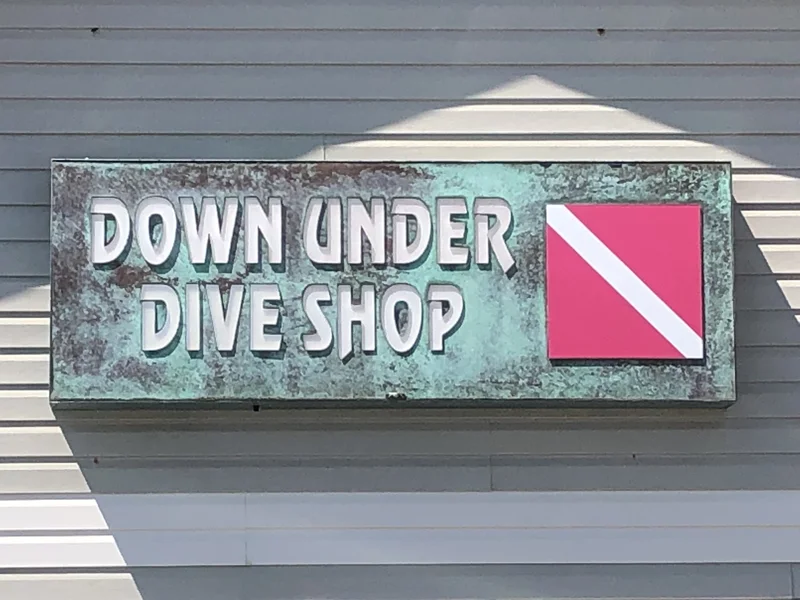
Today: 10:00 - 18:00
Nearest Airports
Nearest airports to help plan travel to this dive area.
Search Flights
Check available flights and routes on Expedia, using the nearby airports listed in this section.
Search Flights on Expedia
Plan Your Stay
Looking for a place to stay for your dive trip? Explore hotels, stays, and vacation rentals for dive groups near Gulf Breeze.
Dive Navigator may earn a commission from these links at no extra cost to you.
Frequently Asked Questions
What is the typical depth range for these dives?
Depths at these sites are quite varied, from around 5.5 m (18 ft) in shallower locations to greater depths depending on the specific body of water. Most areas are within recreational dive limits, but some may extend deeper.
What kind of visibility can be expected?
Visibility is not consistently reported and can vary significantly. It often depends on the specific body of water, recent weather, and diver activity, as stirred-up silt can quickly reduce sightlines.
Are these sites related to actual crime scenes?
Yes, many submerged car body sites are discovered during law enforcement investigations or by volunteer dive teams searching for missing persons. Some vehicles are indeed linked to cold cases or stolen vehicle reports.
Is special training required to dive at Car Bodies?
While general open water certification is a start, advanced buoyancy control and potentially wreck diver training are highly recommended due to the unique hazards. Penetration diving into vehicles should only be attempted by appropriately certified divers.
What marine life might I see around the car bodies?
You can expect to see fish seeking shelter within and around the vehicles. Depending on the freshwater environment, you might also find crayfish, freshwater mussels, or other invertebrates colonizing the surfaces of the submerged cars.
How do these sites form?
These sites typically form from vehicles being intentionally dumped, accidentally driven into water, or submerged during criminal activities. Cleanup efforts and investigations often concentrate these vehicles in specific areas over time.
Planning to dive Car Bodies?
Send one inquiry and receive offers directly from the best verified local dive operators.
Conditions are Excellent
07:00 - 14:00
Optimal conditions expected
Current conditions near Car Bodies show 29° air, 30° sea temperature, 0.5 m waves, and 22 km/h wind. Forecast data is refreshed regularly to ensure accuracy.