
Diving at Causeway Reef #21 (United States)
Descending into the waters off Florida's southeast coast reveals Causeway Reef #21, an intricate part of a vast natural reef system. Divers will find themselves drifting along ancient geological formations, where coral growth has re-established itself on submerged sand dunes.
Starting the day at Causeway Reef #21, the ambient air temperature is recorded at 26.5°C. Ongoing monitoring shows wave heights measuring 0.3 m. This data represents the current surface conditions for early activities.
Dive Site Location & Key Facts
Dive Site Overview
Causeway Reef #21 forms a segment of the extensive South East Florida Reef Tract, a continuous structure stretching parallel to the shoreline. This natural reef system originated from lithified sand dunes that became submerged as sea levels rose after the last glacial period.
While not all areas display all three typical reef formations (inner, middle, outer), the site contributes to a diverse underwater topography, offering varied exploration opportunities. Geological history is evident in collapsed features on the reef top, believed to be framework collapses now covered with sand. These formations create characteristic ledges that divers can explore.
Regionally, reefs here are easily accessible, often requiring only short boat rides from shore. Depths across the broader tract vary significantly, ranging from approximately 4.5 m to 40 m (15 ft to 130 ft), making various sections suitable for different certification levels.
Recreational divers will find numerous suitable depths within this expansive reef system, experiencing a dynamic underwater environment.
Conditions are Good
Optimal conditions expected
Current conditions near Causeway Reef #21 show 26° air, 31° sea temperature, 0.3 m waves, and 27 km/h wind. Forecast data is refreshed regularly to ensure accuracy.
Best Time to Dive
Planning a dive at Causeway Reef #21 often centers on optimizing underwater visibility and comfortable surface conditions. The months of May and July frequently offer excellent dive conditions, correlating with lower average wave heights around 0.3-0.5 m (1.0-1.6 ft) and pleasant air temperatures peaking at 26-28°C (79-82°F). Rainfall is generally moderate during these periods, with July seeing around 4.8 mm and May around 2.0 mm, reducing the likelihood of significant runoff impacting clarity. While specific water temperature data for Causeway Reef #21 isn't consistently reported, the Gulf Stream often bathes these coral reefs in warm, clear water. Throughout the year, dive conditions generally remain good, with air temperatures ranging from 17-28°C (63-82°F) and average wave heights typically below 0.8 m (2.6 ft).
PEAK SEASON SCORE
Scores combine air & water temps, waves, wind & rainfall for overall conditions.
BEST MONTHS TO DIVE
Monthly records compiled from satellite and marine observation nodes over the last 3 years. Data provided by Open-Meteo and MET Norway.
Dive Experience & Conditions
Entering the water at Causeway Reef #21, divers quickly notice prevailing currents running parallel to the shoreline. Drift diving becomes a common and efficient approach here, enabling exploration of larger reef sections without excessive effort. The Gulf Stream often influences these waters, contributing to clear conditions and warmer temperatures, typically around 22-27°C (72-81°F). While specific depths for this particular reef vary, the broader tract includes sections accessible to recreational divers, offering a range of underwater environments. Unique geological history presents ledges formed from ancient framework collapses, now colonized by modern corals. Such formations offer numerous hiding spots and intriguing contours to explore as you move with the current, providing dynamic visual interest.
Dive Difficulty & Safety Guidelines
While specific hazards for Causeway Reef #21 are not consistently reported, general safety protocols apply. Divers should remain aware of potential strong currents, a common feature along this reef tract; drift diving is often the recommended technique. It's crucial to plan dives within certified limits and monitor no-decompression limits carefully.
Always dive with a buddy and ensure proper buoyancy control to protect the delicate coral ecosystems. No specific environmental threats or unique local hazards are listed for this site, but vigilance regarding boat traffic is always advised near coastal dive locations.
Recommended Equipment
- Dive Computer
This gear list is based on verified equipment signals for Causeway Reef #21, United States. Always confirm final gear choices with your dive operator, guide, or liveaboard.
Recommended Dive Suit
Comfort levels can also depend on how active a diver is during the dive.
The water around Causeway Reef #21 is currently holding at approximately 31°C (87°F), setting the tone for today's dives. Surface air temperatures are resting at 26°C (80°F). When water temperatures fall within this range, many divers dive comfortably with dive skin or rash guard. Consider warmer surface protection (like a boat coat) due to brisk winds.
Conditions are expected to stay fairly consistent in the days ahead.
Emergency & Medical Support
Essential information to help you plan your dive trip to Causeway Reef #21.

Hyperbaric chambers are a critical part of dive safety infrastructure. Availability varies significantly by region, and not all dive areas have immediate access.
Before diving, it's recommended to:
- confirm nearest medical facilities
- check emergency procedures with local dive operators
- ensure dive insurance covers evacuation if required
Divers Alert Network
Diving emergency assistance available through DAN World.
+1-919-684-9111- 24/7 emergency hotline
- Diving medical assistance
- Evacuation coordination
Emergency contacts are provided for reference. Always verify local emergency services before diving.
Marine Life at Causeway Reef #21
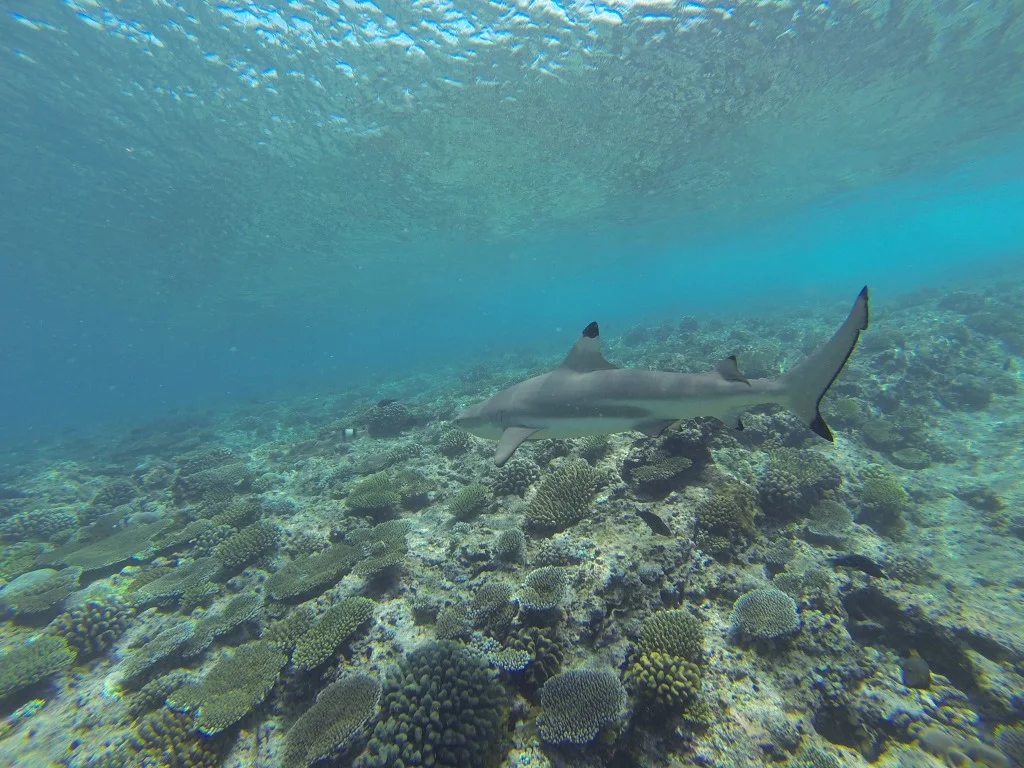
Gliding along Causeway Reef #21, divers will first notice the vibrant reformations of coral atop older reef structures. The South East Florida Reef Tract is known for its ecological richness, supporting over 40 species of reef-building corals.
You'll observe hundreds of fish species flourishing throughout the reef's ledges and formations. Encounters with tropical fish are common.
Depending on the season and specific conditions, divers might also spot various turtles, rays, and different shark species moving through the area. This reef serves as a vital habitat for a diverse marine community.

Dive Centers Near Causeway Reef #21
Today: 11:00 - 15:00
Nearest Airports
Nearest airports to help plan travel to this dive area.
Search Flights
Check available flights and routes on Expedia, using the nearby airports listed in this section.
Search Flights on Expedia
Plan Your Stay
Looking for a place to stay for your dive trip? Explore hotels, stays, and vacation rentals for dive groups near Sanibel.
Dive Navigator may earn a commission from these links at no extra cost to you.
Frequently Asked Questions
What kind of reef is Causeway Reef #21?
Causeway Reef #21 is part of the natural South East Florida Reef Tract. It's built upon ancient lithified sand dunes where corals have reformed over thousands of years, creating unique ledges and formations.
What is the typical depth range for this reef?
While the exact depth for Causeway Reef #21 specifically isn't detailed, the broader reef tract includes dive sites ranging from approximately 4.5 m (15 ft) in shallower sections to over 40 m (130 ft) in deeper areas. Recreational divers will find suitable depths throughout the tract.
Are currents usually present at Causeway Reef #21?
Yes, prevailing currents often run parallel to the shoreline along this reef tract. Drift diving is a common and often preferred method to explore larger sections of the reef.
What marine life can I expect to see?
This reef system supports over 40 species of reef-building corals and hundreds of fish species. Divers often encounter tropical fish, and it's possible to see turtles, rays, and various sharks.
When is the best time of year to dive here?
May and July often present excellent dive conditions due to lower wave heights and comfortable air temperatures. However, good dive conditions are generally maintained throughout the year in this region.
Is Causeway Reef #21 suitable for new divers?
Sections of the broader reef tract are suitable for recreational divers. However, given the potential for currents, new divers should ensure they are comfortable with drift diving techniques or dive with experienced guides.
Planning to dive Causeway Reef #21?
Send one inquiry and receive offers directly from the best verified local dive operators.
Conditions are Good
Optimal conditions expected
Current conditions near Causeway Reef #21 show 26° air, 31° sea temperature, 0.3 m waves, and 27 km/h wind. Forecast data is refreshed regularly to ensure accuracy.