
Diving at Cliff House (United States)
This shallow reef system offers an accessible underwater landscape, transitioning directly from the beach into a series of hard corals. The site’s maximum depth of 3 m / 12 ft facilitates extensive exploration and detailed observation of the benthic environment. It’s an ideal setting for divers to immerse themselves in a compact, yet lively, marine habitat.
As evening covers Cliff House, the local air temperature is measured at 25.5°C. The current wave height at the surface is recorded at 1.2 m. These late-day readings characterize the surface conditions for the night.
Dive Site Location & Key Facts
Dive Site Overview
Embark on a unique shore dive at Cliff House, which commences with a challenging entry directly from the beach. Divers navigate a rocky or uneven shoreline before submerging into a dynamic shallow reef system.
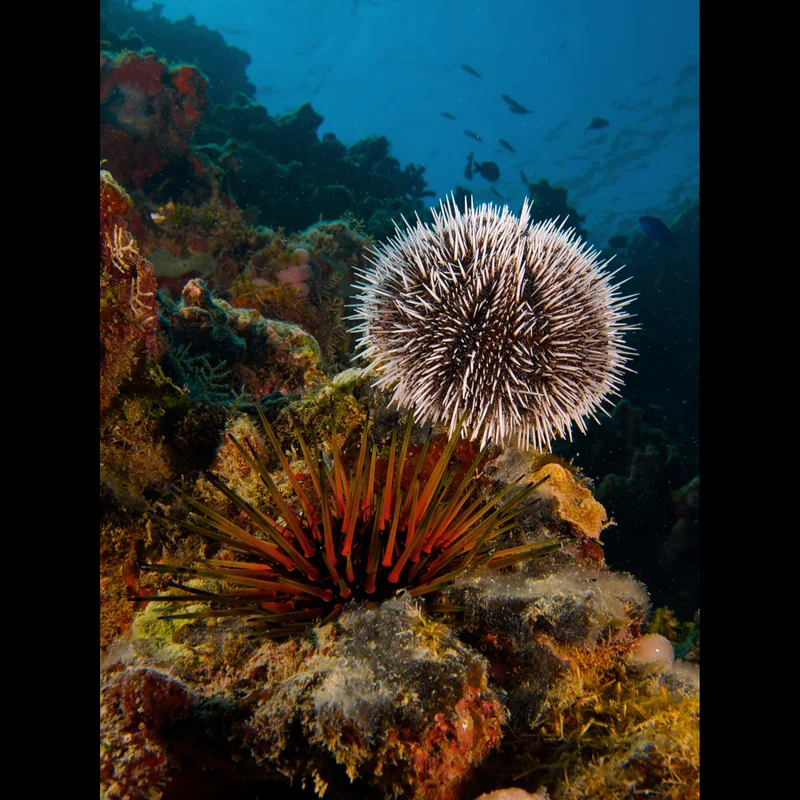
An intricate network of hard coral formations unfolds underwater, reaching a maximum depth of 3 m / 12 ft, allowing for prolonged bottom times and detailed observation. Throughout this compact habitat, precise buoyancy control is not merely recommended; it's essential. Mastering this skill safeguards delicate coral structures from accidental contact and helps divers avoid prevalent sea urchins, commonly found amongst the reef.
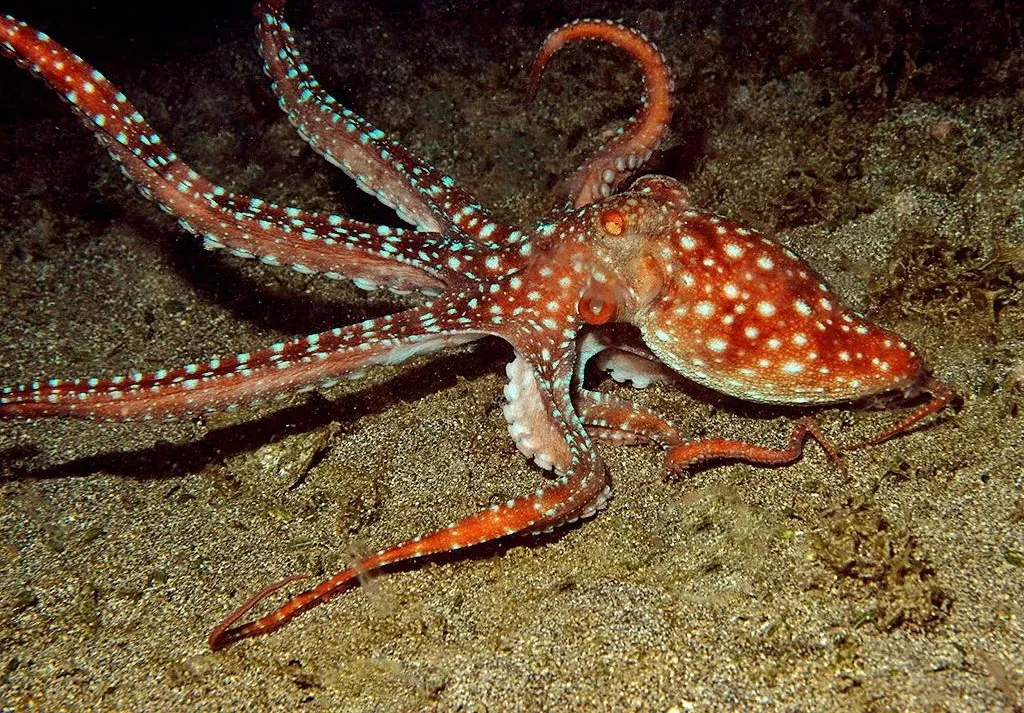
Many divers often encounter octopuses, skillfully camouflaged within the corals, adding an exciting element to the exploration. Vigilant air supply management is crucial, as is the directive to remain within the sheltered bay.
Straying too far can lead to an extended and strenuous surface swim back to the entry point. Site demands attention to detail from entry to exit, but rewards divers with a vibrant, accessible glimpse into a productive nearshore ecosystem.
Conditions are Moderate
High Wind Advisory (46km/h). Unsafe surface.
Current conditions near Cliff House show 26° air, 28° sea temperature, 1.4 m waves, and 46 km/h wind. Forecast data is refreshed regularly to ensure accuracy.
Best Time to Dive
Optimal diving periods at Cliff House are influenced by a year-round range of fluctuating conditions, reflected in dive scores that typically fall between "Good" and "Moderate." For divers seeking the most favorable experience, the months of May, June, August, September, and October consistently show "Good" dive scores. These periods often present calmer surface conditions and potentially clearer visibility, which can significantly enhance the shore entry and overall enjoyment of the shallow reef. While specific water temperature data for the site isn't consistently reported, air temperatures average between 22.5-26°C / 72-79°F across the year, suggesting a generally comfortable climate for surface intervals and preparation. Minimal rainfall, generally staying below 4.1 mm per month, is experienced in the area. Consistent dryness contributes to more stable overall conditions, minimizing run-off and maintaining clearer water. Even during "Moderate" score periods, the site remains accessible, though divers might encounter slightly choppier surface conditions or a marginal reduction in visibility compared to the peak months.
PEAK SEASON SCORE
Scores combine air & water temps, waves, wind & rainfall for overall conditions.
BEST MONTHS TO DIVE
Monthly records compiled from satellite and marine observation nodes over the last 3 years. Data provided by Open-Meteo and MET Norway.
Dive Experience & Conditions
Diving at Cliff House centers on its accessible yet demanding shore-based approach to a vibrant shallow reef. Beginning with a challenging entry from the beach, divers should anticipate navigating uneven terrain until fully submerged. Once underwater, an environment transitions into a salt water realm dominated by extensive hard coral formations, where depths are consistently shallow. A shallow profile encourages extended exploration, but demands exceptional buoyancy control to prevent accidental contact with delicate coral structures and to safely navigate past ubiquitous sea urchins. Throughout the year, surface conditions generally reflect air temperatures, which typically range from 22.5-26°C / 72-79°F. Specific water temperature data for the site isn't consistently reported, but these air temperatures suggest a climate where a shorty wetsuit is often adequate for thermal comfort. While conditions can vary, periods with "Good" dive scores often correlate with calmer waters and improved visibility, enhancing overall dive experience on this active reef.
Dive Difficulty & Safety Guidelines
Diving at Cliff House requires a mindful approach, beginning with a challenging beach entry that necessitates careful navigation. Once submerged, maintaining rigorous buoyancy control is essential to safeguard the hard corals and to prevent contact with prevalent sea urchins. Divers must also vigilantly monitor their air consumption and remain within the bay's confines to prevent an unnecessarily long surface swim back to shore.
A PADI Open Water Diver certification is recommended, providing the foundational skills for this site's unique demands.
Recommended Equipment
- Dive Computer
- DSMB
This gear list is based on verified equipment signals for Cliff House, United States. Always confirm final gear choices with your dive operator, guide, or liveaboard.
Recommended Dive Suit
With water temperatures around 28°C (82°F), many divers find a 2-3mm shorty or light wetsuit provides comfortable protection.
Being prepared with flexible exposure options is a common approach among experienced divers.
The next few days appear likely to bring similar environmental conditions.
Emergency & Medical Support
Essential information to help you plan your dive trip to Cliff House.

Hyperbaric chambers are a critical part of dive safety infrastructure. Availability varies significantly by region, and not all dive areas have immediate access.
Before diving, it's recommended to:
- confirm nearest medical facilities
- check emergency procedures with local dive operators
- ensure dive insurance covers evacuation if required
Divers Alert Network
Diving emergency assistance available through DAN World.
+1-919-684-9111- 24/7 emergency hotline
- Diving medical assistance
- Evacuation coordination
Emergency contacts are provided for reference. Always verify local emergency services before diving.
Marine Life at Cliff House
Shallow hard coral formations at Cliff House create a rich, dynamic habitat that supports a diverse array of marine life. Divers frequently observe octopuses, masters of camouflage, adeptly blending into the reef structure.
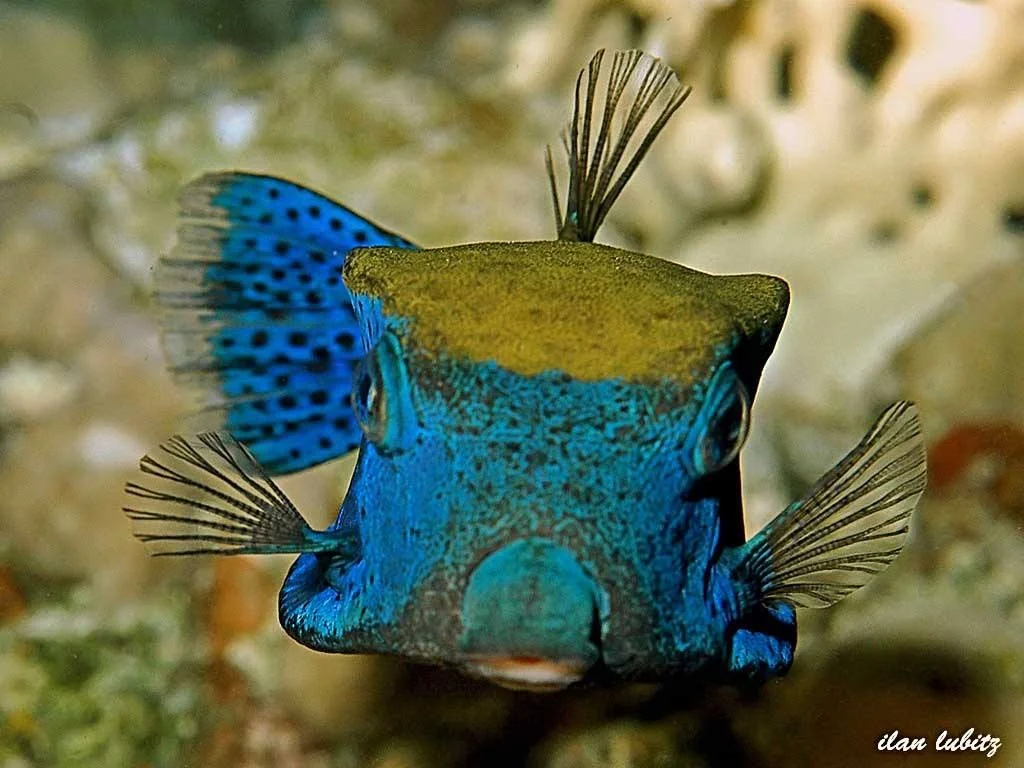
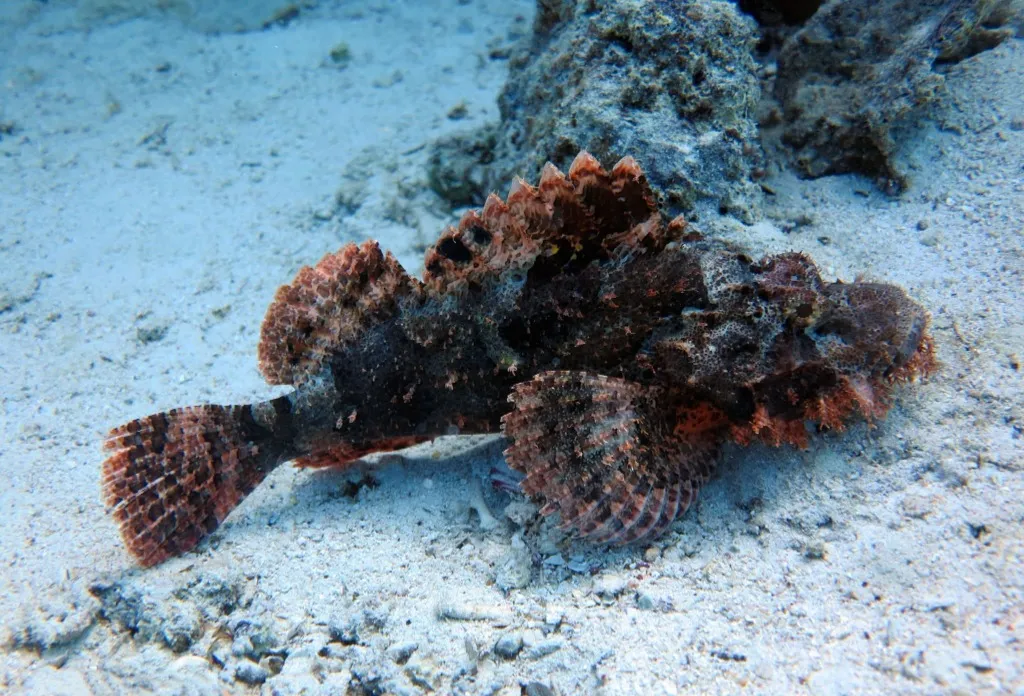
An active ecosystem hosts a variety of reef fish: look for the well-hidden scorpionfish, alongside more openly swimming species such as surgeonfish, angelfish, and bannerfish navigating the coral heads. Boxfish and pufferfish are commonly seen, adding to the visual spectacle.
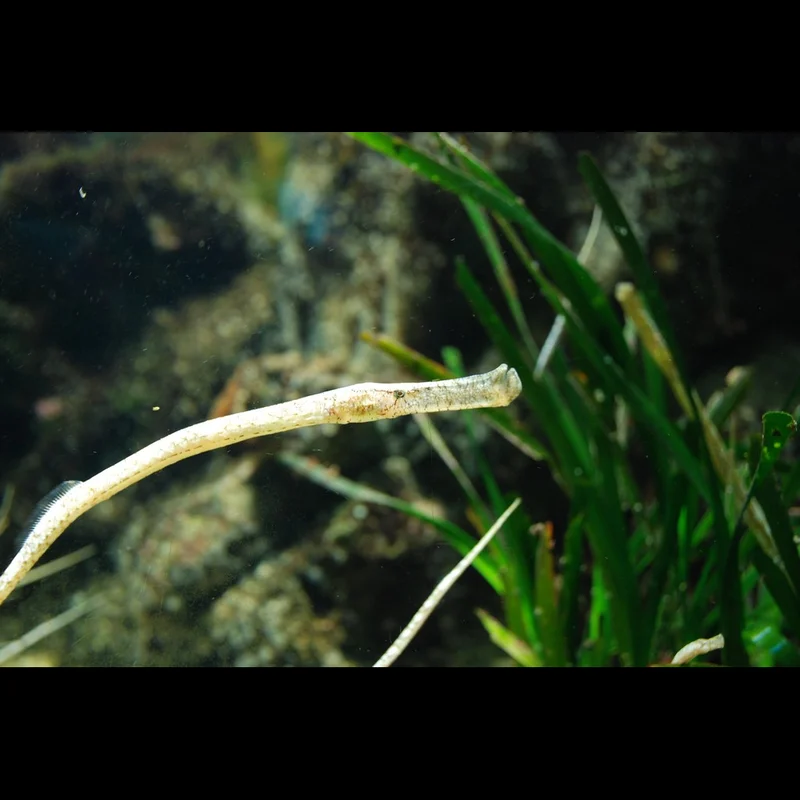
Trumpetfish often lurk near crevices, while a keen eye might spot the more delicate pipefish, subtly integrated within the intricate reef. A productive environment ensures a steady stream of activity for observant divers exploring its depths.
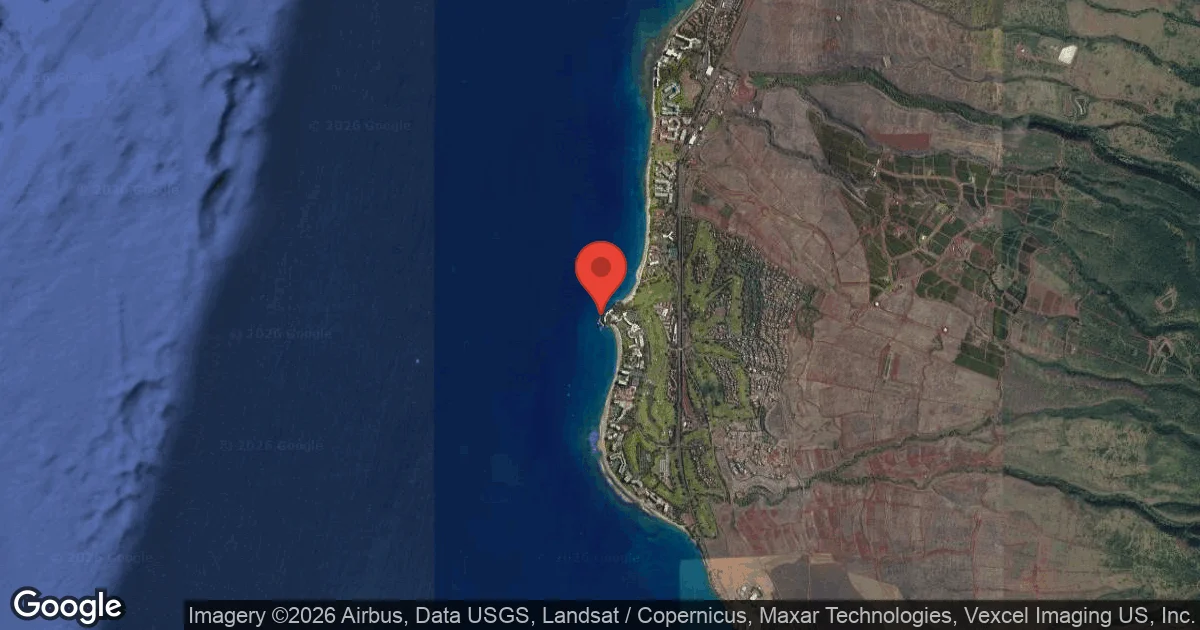
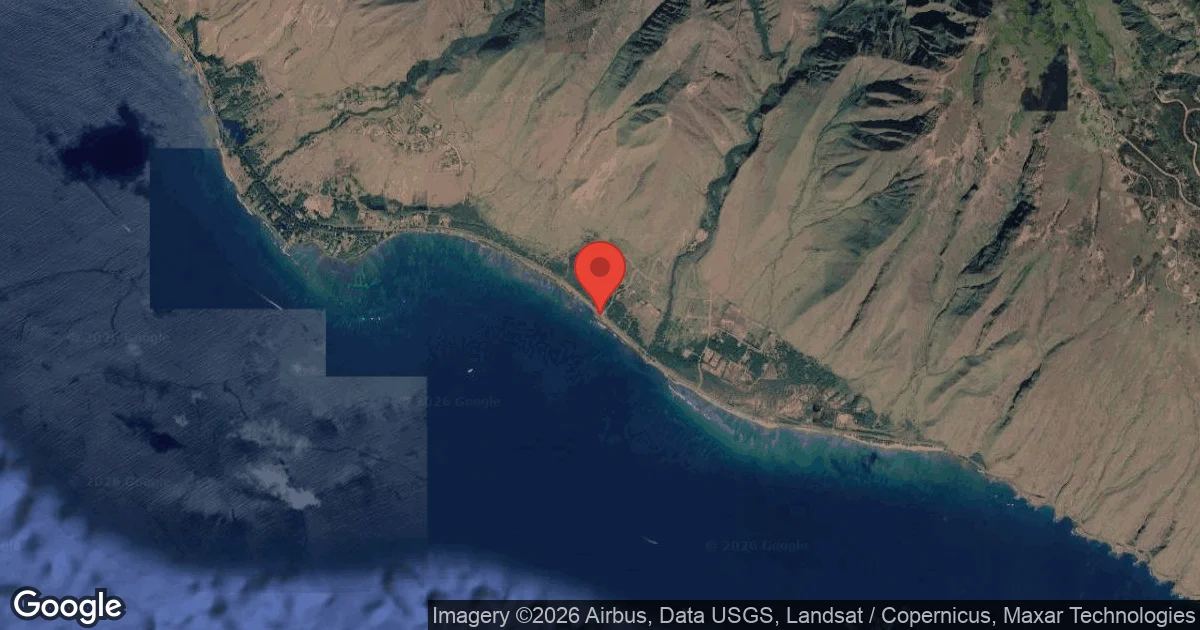
Dive Sites Near Cliff House
View all dive sites in United StatesDiscover more underwater gems in this area.
Dive Centers Near Cliff House
Today: 07:00 - 17:30

Nearest Airports
Nearest airports to help plan travel to this dive area.
Search Flights
Check available flights and routes on Expedia, using the nearby airports listed in this section.
Search Flights on Expedia
Plan Your Stay
Looking for a place to stay for your dive trip? Explore hotels, stays, and vacation rentals for dive groups near Napili-Honokowai.
Dive Navigator may earn a commission from these links at no extra cost to you.
Frequently Asked Questions
What is the maximum dive depth at Cliff House?
The maximum reported depth for diving at Cliff House is 3 m / 12 ft. This shallow profile makes it suitable for extended bottom times and relaxed exploration.
What type of entry should I expect at this dive site?
Cliff House is a beach entry dive site. Divers should anticipate a challenging entry from the shore, requiring careful footing and preparation.
What marine life might I see while diving here?
You can expect to encounter various reef fish, such as scorpionfish, angelfish, and pufferfish. Octopuses are also commonly observed hiding among the corals. Pipefish are additionally seen within the reef structure.
Are there any specific hazards divers should be aware of?
Divers should maintain good buoyancy to avoid sea urchins and protect corals. The challenging beach entry requires caution, and monitoring air is key to prevent a long surface swim.
What are the typical water conditions, especially temperature?
Water temperature data is not consistently reported for this specific site. However, surface air temperatures average between 22.5-26°C / 72-79°F throughout the year, which might provide an indication of the general comfort level.
What certification level is recommended for Cliff House?
A PADI Open Water Diver certification is recommended for this site. This ensures divers possess the fundamental skills necessary to manage its specific conditions and potential challenges.
Is Cliff House a reef dive?
Yes, Cliff House features a shallow reef system comprised of hard corals. This environment offers a rich habitat for marine life and is the primary attraction for divers.
Planning to dive Cliff House?
Send one inquiry and receive offers directly from the best verified local dive operators.
Conditions are Moderate
High Wind Advisory (46km/h). Unsafe surface.
Current conditions near Cliff House show 26° air, 28° sea temperature, 1.4 m waves, and 46 km/h wind. Forecast data is refreshed regularly to ensure accuracy.