
Diving at Olowalu Beach (United States)
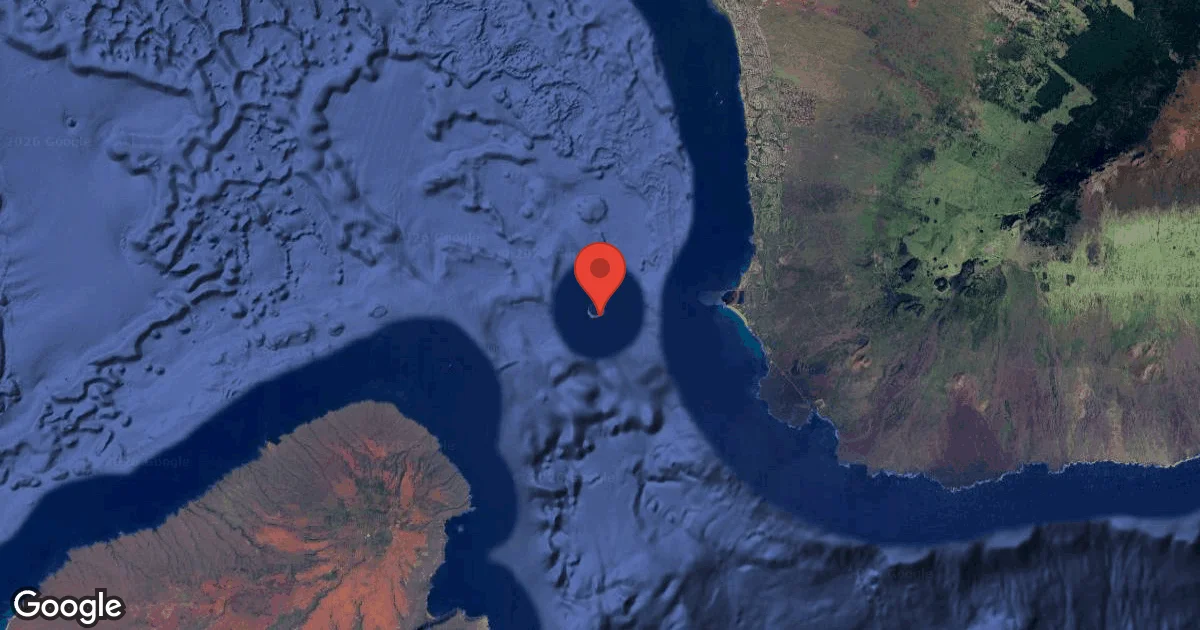
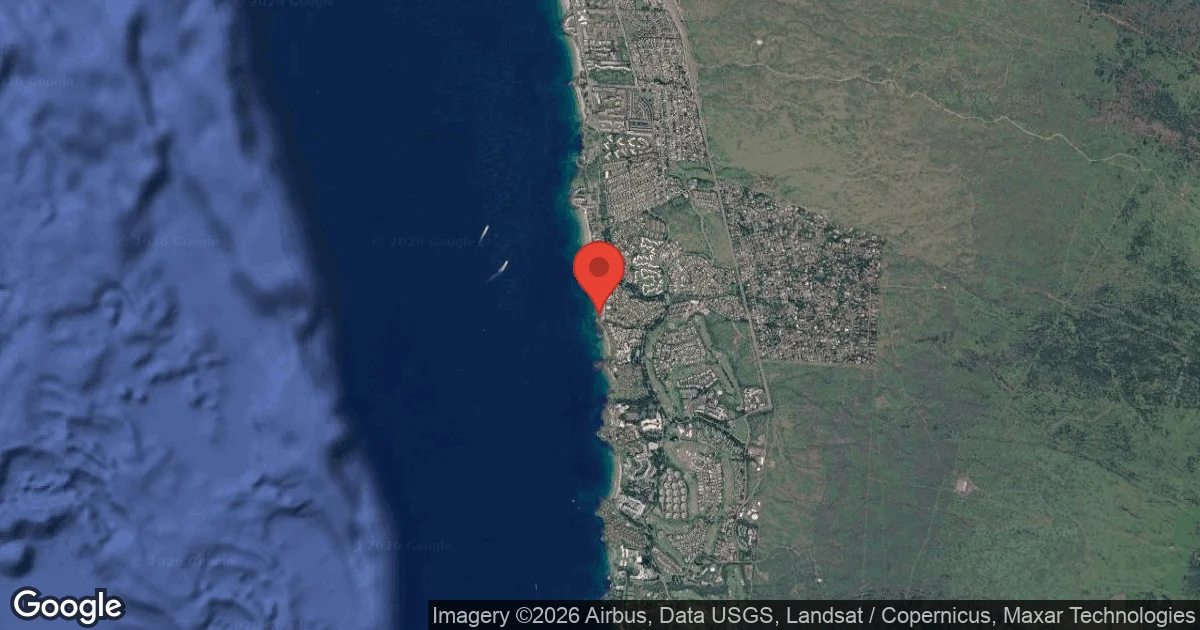
Nestled on Maui's western coastline, Olowalu Beach offers certified divers a welcoming entry into an underwater world often referred to by its unique identifier, Mile Marker 14. This site provides a readily accessible shore diving experience, ideal for those seeking calm, clear conditions. It serves as a fantastic location for both introductory dives and advanced open water training, setting the stage for comfortable exploration.
As evening covers Olowalu Beach, the local air temperature is measured at 27°C. The current wave height at the surface is recorded at 1 m. These late-day readings characterize the surface conditions for the night.
Dive Site Location & Key Facts
Dive Site Overview
Beginning at Olowalu, divers find an easy shore entry point, leading over a gently sloping sandy bottom. The initial shallower sections, consistently around 3-8 m (10-25 ft), display extensive coral formations alongside clear sand channels.
As divers propel themselves further from shore, approximately 275-365 meters (300-400 yards) out, the topography notably transitions to deeper areas. Navigating this expansive reef, you'll encounter a series of three distinct sand channels positioned to the left, serving as natural guides for deeper exploration. Beyond these guiding channels, a significant drop-off descends to maximum depths of 14-15 m (45-50 ft).
At this deeper range, a prominent heart-shaped sand pit emerges as a remarkable landmark, often visible even from above the surface. Throughout the dive, exploring this unique blend of living reef structures and expansive sandy terrain offers varied microhabitats.
Divers often follow the sand channels to conserve air and navigate efficiently, revealing hidden nooks and ledges along the coral edges. This site allows for extensive bottom time within recreational limits, favoring thorough observation of its diverse benthic communities.
Conditions are Good
07:00 - 14:00
Optimal conditions expected
Current conditions near Olowalu Beach show 27° air, 28° sea temperature, 1.0 m waves, and 20 km/h wind. Forecast data is refreshed regularly to ensure accuracy.
Best Time to Dive
Considering Olowalu's climate averages, favorable dive conditions persist for much of the year, with dive scores consistently rated 'Good' (7-8). The calmer months, particularly from May through October, generally see lower average wave heights, often below 1 meter (3 feet), and reduced wind speeds, enhancing the overall dive experience. For instance, September presents a low average wave height of 0.9 meters (3.0 feet) and average wind speeds of 10.08 km/h (6.26 mph), contributing to excellent visibility and comfort. Conversely, the winter months, such as January and February, tend to experience slightly higher wave activity, averaging around 1.1 meters (3.6 feet), and increased wind, which might occasionally affect surface conditions. Rain remains minimal across all seasons, ensuring clear skies for most dives.
PEAK SEASON SCORE
Scores combine air & water temps, waves, wind & rainfall for overall conditions.
BEST MONTHS TO DIVE
Monthly records compiled from satellite and marine observation nodes over the last 3 years. Data provided by Open-Meteo and MET Norway.
Dive Experience & Conditions
Diving at Olowalu generally presents calm water conditions, making it an excellent choice for beginner divers and refresher courses. The site's primary appeal lies in its clear visibility, which is often reported to be exceptional, providing ample opportunities for photography. While usually calm, this location can serve as a viable alternative if west side shores experience murkier conditions due to runoff or high surf elsewhere on Maui. Entering the water involves an easy shore access directly from the entry point. However, divers should note that reaching the deeper sections requires a substantial surface kick out, traversing shallow coral areas before descending into the more profound channels and sand pits.
Dive Difficulty & Safety Guidelines
Divers must exercise caution in the shallow reef areas at low tide, as coral exposures can lead to minor cuts. Wearing appropriate footwear, such as booties or dive boots, is essential due to the potential presence of Kiawe thorns hidden in the sand during entry and exit. While the parking area is sandy and generally accessible, drivers should be mindful that vehicles can occasionally get stuck.
Observe proper reef etiquette, avoiding contact with coral, especially given reports of snorkelers sometimes standing on the reef. Carrying a dive flag is a recommended safety practice for all shore dives here.
Recommended Equipment
- Dive Computer
- Hard-soled Dive Boots
This gear list is based on verified equipment signals for Olowalu Beach, United States. Always confirm final gear choices with your dive operator, guide, or liveaboard.
Recommended Dive Suit
Short-term weather patterns suggest stable conditions for divers visiting the area.
Thermal protection such as 2-3mm shorty or light wetsuit is commonly used in similar temperatures. A hood or vest is suggested for sensitive divers due to surface winds.
Recent environmental data from Olowalu Beach indicates water temperatures near 28°C (83°F). Surface air temperatures are resting at 27°C (80°F).
Emergency & Medical Support
Essential information to help you plan your dive trip to Olowalu Beach.

Hyperbaric chambers are a critical part of dive safety infrastructure. Availability varies significantly by region, and not all dive areas have immediate access.
Before diving, it's recommended to:
- confirm nearest medical facilities
- check emergency procedures with local dive operators
- ensure dive insurance covers evacuation if required
Divers Alert Network
Diving emergency assistance available through DAN World.
+1-919-684-9111- 24/7 emergency hotline
- Diving medical assistance
- Evacuation coordination
Emergency contacts are provided for reference. Always verify local emergency services before diving.
Marine Life at Olowalu Beach
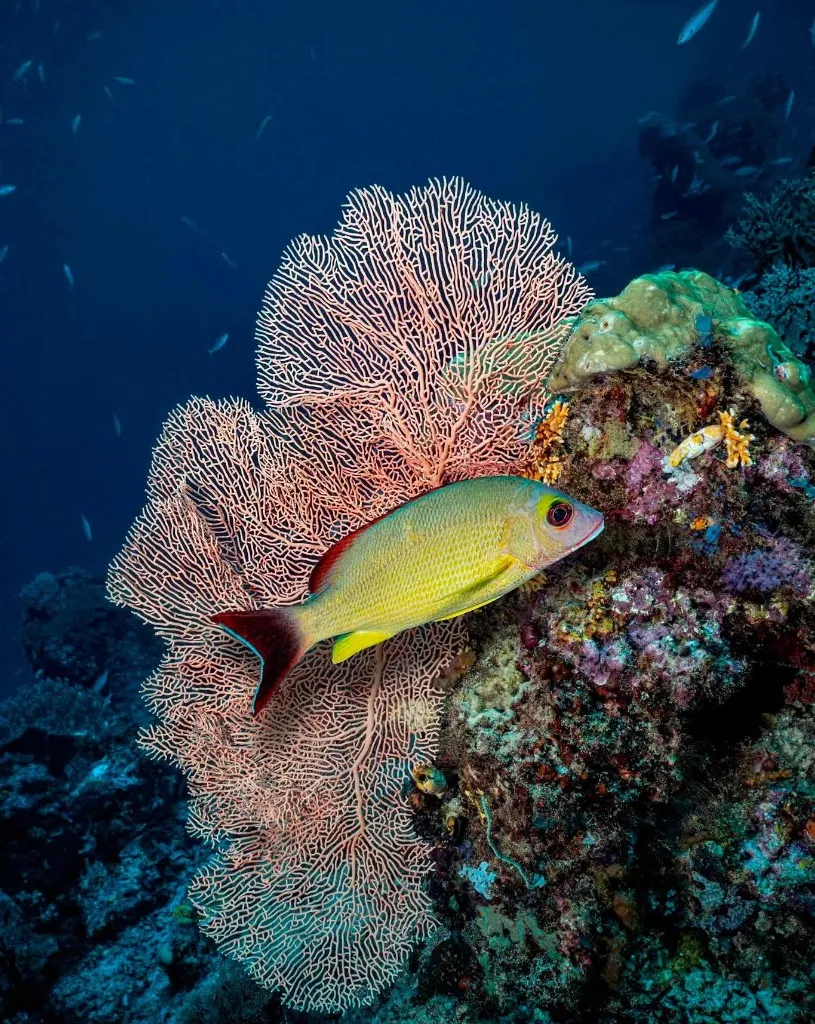
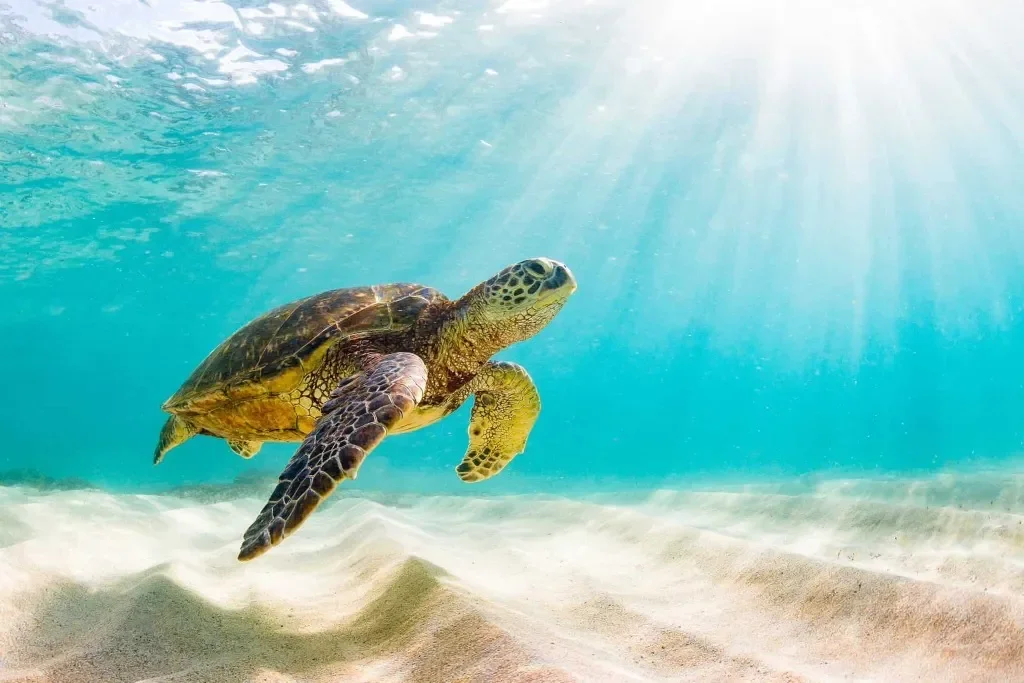
Olowalu's reef system is teeming with diverse life, creating an engaging experience. Divers frequently encounter green sea turtles gliding through the water, alongside various snapper species.
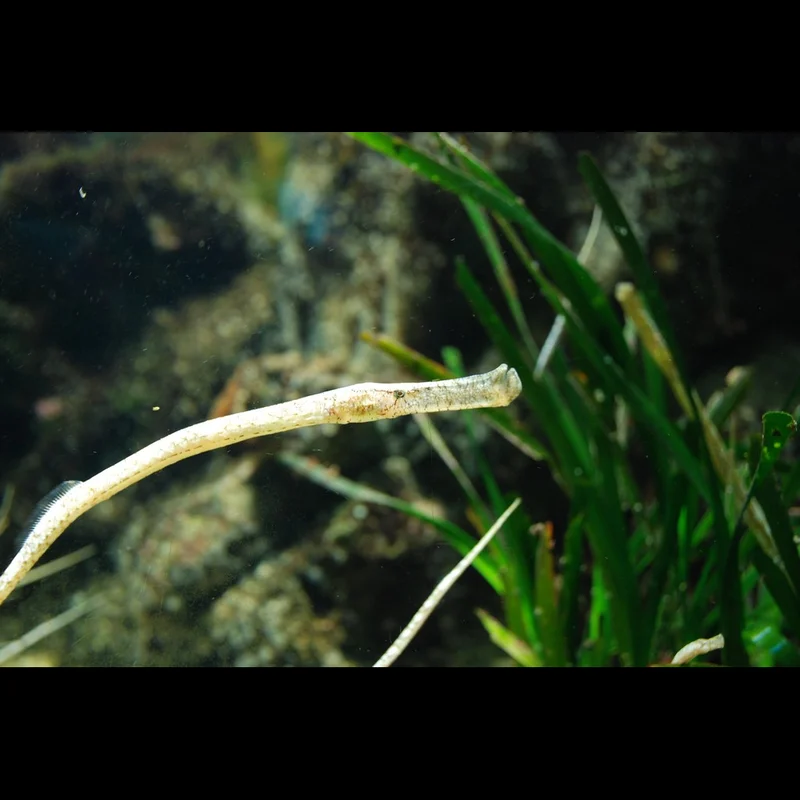
Within the coral formations and sand channels, one might spot trumpetfish, pipefish, and triggerfish. Look closely along the bottom for peacock flounder.
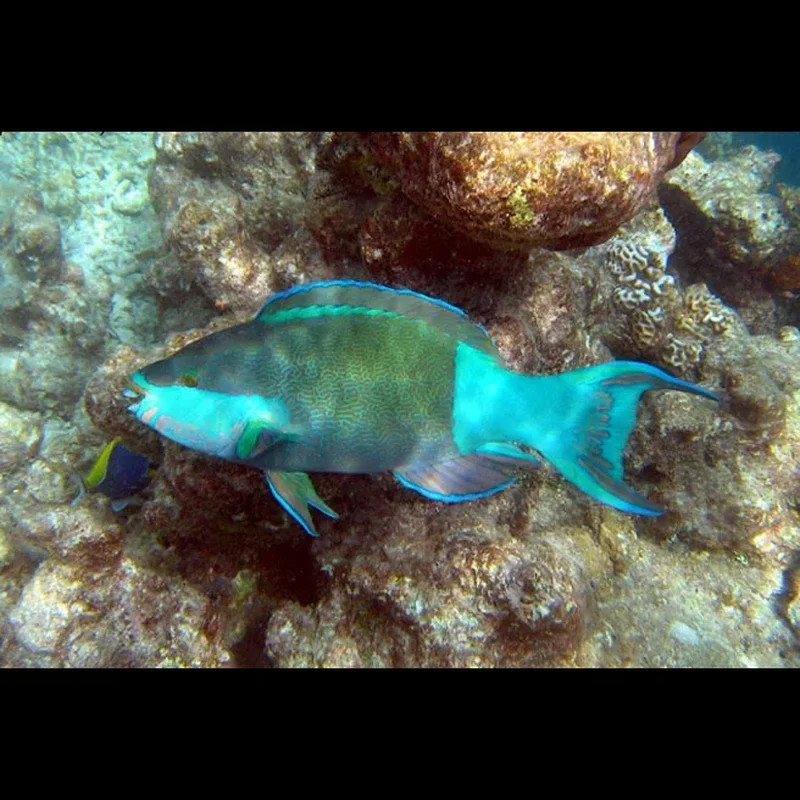
As you explore, you'll likely observe colorful wrasse, including large bird wrasse and surge wrasse, as well as both red and blue parrotfish. Deeper sections host cleaning stations where a variety of puffer fish, like spinney, white spot, and stars stripes puffers, seek refuge under ledges.

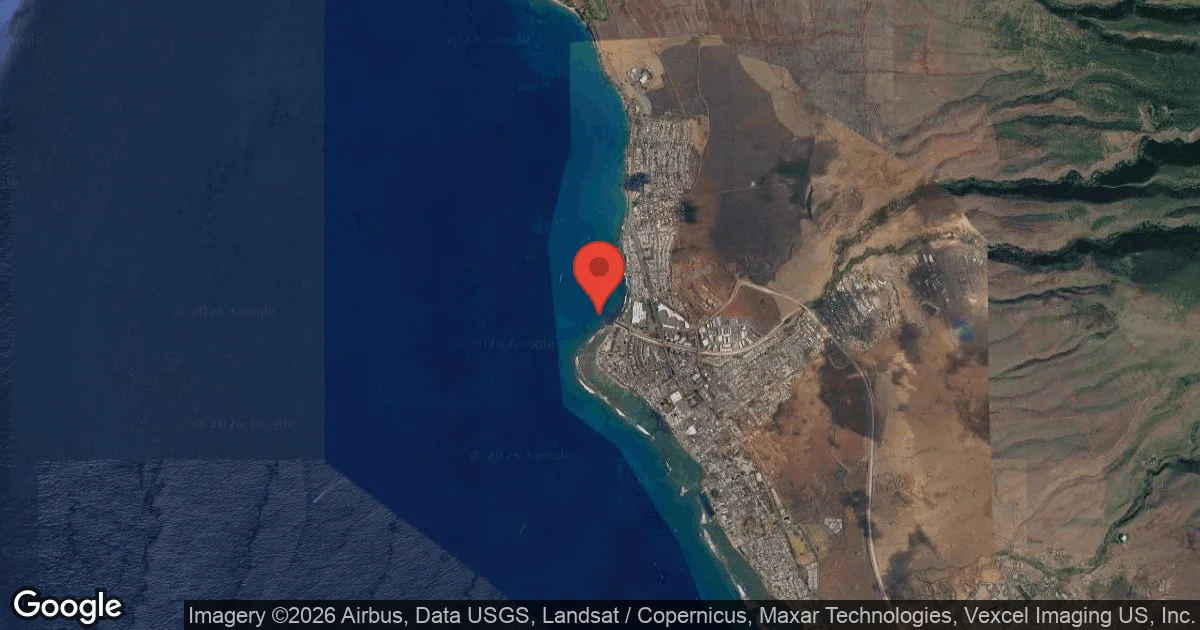
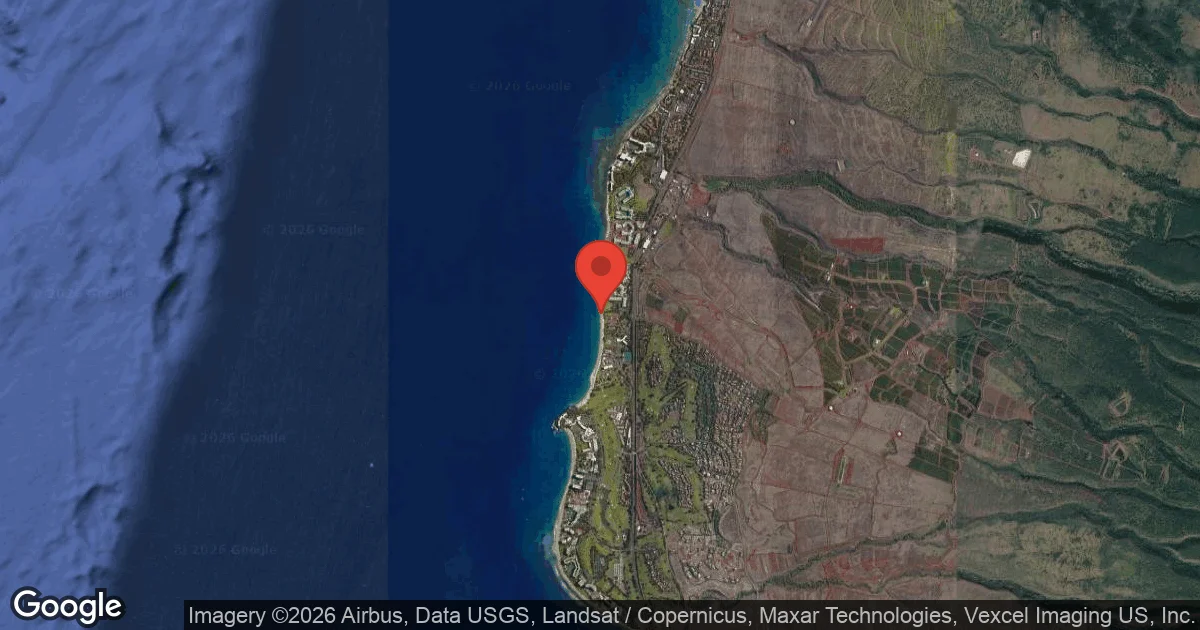
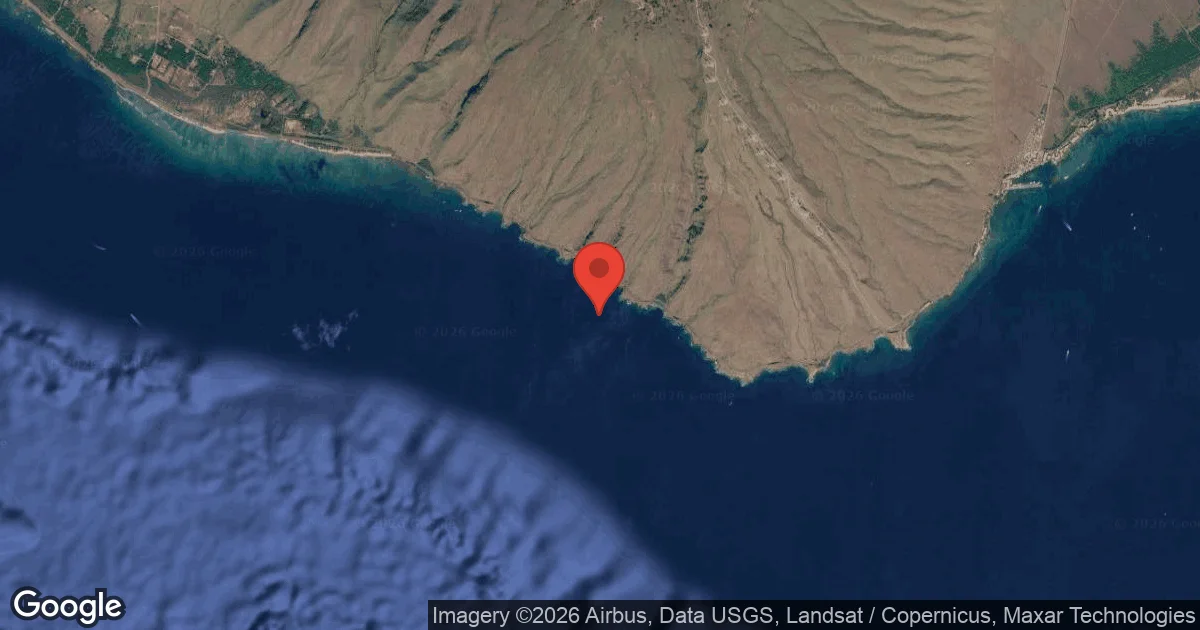
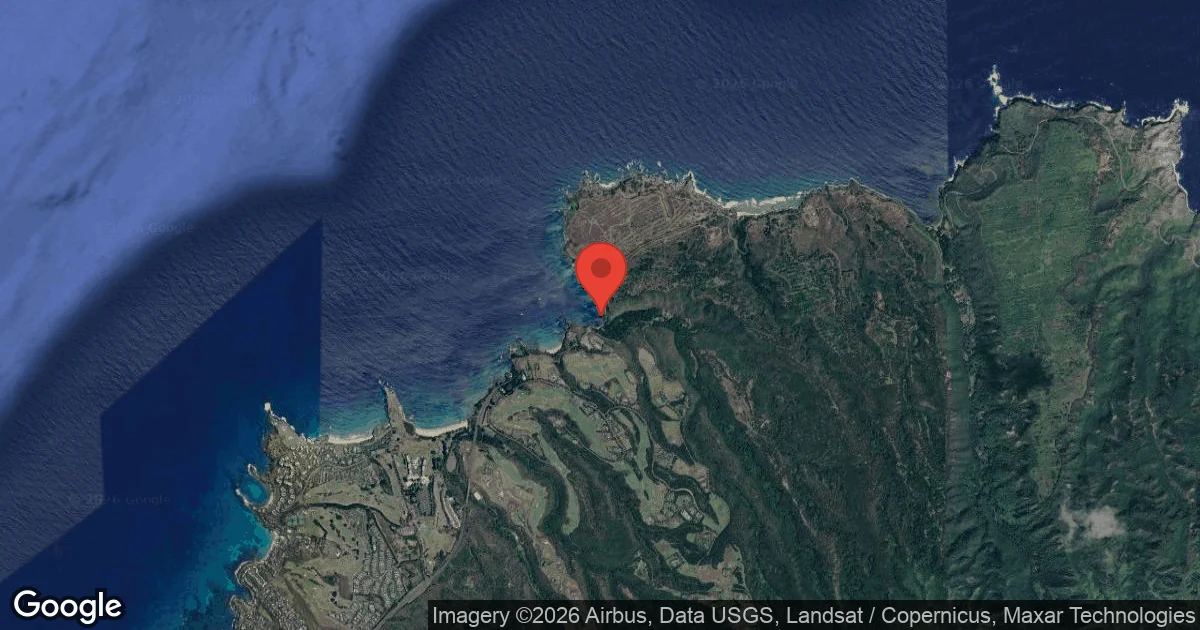
Dive Sites Near Olowalu Beach
View all dive sites in United StatesDiscover more underwater gems in this area.
Dive Centers Near Olowalu Beach
Today: 07:00 - 17:30

Nearest Airports
Nearest airports to help plan travel to this dive area.
Search Flights
Check available flights and routes on Expedia, using the nearby airports listed in this section.
Search Flights on Expedia
Plan Your Stay
Looking for a place to stay for your dive trip? Explore hotels, stays, and vacation rentals for dive groups near Launiupoko.
Dive Navigator may earn a commission from these links at no extra cost to you.
Frequently Asked Questions
What is the typical entry like at Olowalu?
The entry point here is an easy shore access over sand, generally suitable for all diver levels. You'll walk directly into the water, but be mindful of Kiawe thorns potentially present in the sand near the entry, making sturdy footwear advisable.
Are strong currents a concern at this dive site?
Olowalu is largely known for its calm water conditions, particularly in the warmer months. Strong currents are not consistently reported, though localized currents can vary slightly depending on tidal changes or distant weather patterns.
What kind of visibility can divers expect?
Visibility here is often exceptional, providing clear views of the extensive coral formations and sandy bottom. It can serve as a clearer alternative if other west Maui sites are affected by runoff or higher surf.
Is Olowalu suitable for beginner divers?
Absolutely. Its calm, shallow initial depths and easy entry make it an excellent site for new divers, open water training, and refresher courses. Experienced divers will also appreciate the opportunity for longer bottom times and detailed exploration of its unique topography.
How far out do you need to swim to reach deeper sections?
Reaching the maximum depth of 14-15 m (45-50 ft) requires a substantial surface kick. Divers typically swim approximately 275-365 meters (300-400 yards) from the entry point before descending into the deeper channels and the heart-shaped sand pit.
Are there any facilities available at the dive site?
This is a rustic shore dive site with no formal facilities like restrooms or gear rental. Divers should come prepared with all necessary equipment and provisions, as it's primarily a roadside pull-off.
What is the best time of day to dive Olowalu?
Earlier mornings often present the calmest surface conditions and best visibility before trade winds typically pick up later in the day. Low tide conditions might expose more coral in the very shallowest entry areas, so checking tide charts can be beneficial.
Planning to dive Olowalu Beach?
Send one inquiry and receive offers directly from the best verified local dive operators.
Conditions are Good
07:00 - 14:00
Optimal conditions expected
Current conditions near Olowalu Beach show 27° air, 28° sea temperature, 1.0 m waves, and 20 km/h wind. Forecast data is refreshed regularly to ensure accuracy.