
Diving at Mala Wharf (United States)
What was once a functional commercial and military pier, Mala Wharf now serves as a vibrant underwater ecosystem. Destroyed by Hurricane Iniki in 1992, the collapsed structure transformed into an artificial reef, offering a compelling contrast between its industrial past and its thriving marine present. Located in Lahaina, Maui, it's a dynamic destination for divers of varying skill levels.
As evening covers Mala Wharf, the local air temperature is measured at 29.5°C. The current wave height at the surface is recorded at 0.9 m. These late-day readings characterize the surface conditions for the night.
Dive Site Location & Key Facts
Dive Site Overview
Approaching Mala Wharf reveals a landscape significantly shaped by its former pier. Originally constructed in 1922 with steel reinforcements, the pier was intended for large commercial steamships, though it later served smaller vessels and even humpback whale hunters in the 1930s.
Its eventual destruction by Hurricane Iniki in 1992 left behind a series of collapsed concrete pilings and steel reinforcements, now forming an extensive artificial reef. These remnants lie scattered across a mostly sandy bottom, creating an intricate network of nooks and crevices for marine inhabitants. Depths at Mala Wharf are relatively shallow, typically ranging from 3 to 9 m / 10 to 30 ft.
Shallow depths allow for accessible diving for various skill levels, suitable even for beginners exploring the wreck. Divers easily navigate through and around the fallen structures, extensively colonized by vibrant corals and sponges.
While boat access is possible, it's widely recognized as an excellent shore dive. Entry is straightforward from the beach, following a short surface swim before descending at the end of the remaining pier.
Find parking behind public restrooms immediately south of the concrete canal near the Lahaina Cannery Mall.
Conditions are Moderate
High Wind Advisory (40km/h). Unsafe surface.
Current conditions near Mala Wharf show 30° air, 28° sea temperature, 1.0 m waves, and 40 km/h wind. Forecast data is refreshed regularly to ensure accuracy.
Best Time to Dive
Consistent visibility at Mala Wharf enhances the diving experience year-round, with dive scores rated 'Good' for every month. Enjoy comfortable conditions throughout the year, characterized by mild average air temperatures hovering between 22-27°C / 72-81°F. These conditions make surface preparations and post-dive activities pleasant. Rainfall remains notably low across all seasons, typically averaging less than 5 mm monthly, ensuring consistently dry conditions above water. Wave heights are generally manageable, staying below 1.2 meters, which supports relatively easy beach entries and exits. While the entire year is suitable for diving, periods from May through October often present the calmest seas and highest average air temperatures, which some divers may prefer for enhanced comfort. These months also align with periods of minimal rain, solidifying their reputation for excellent underwater exploration.
PEAK SEASON SCORE
Scores combine air & water temps, waves, wind & rainfall for overall conditions.
BEST MONTHS TO DIVE
Monthly records compiled from satellite and marine observation nodes over the last 3 years. Data provided by Open-Meteo and MET Norway.
Dive Experience & Conditions
Diving at Mala Wharf offers a distinct sensory experience, blending historical remnants with vibrant marine life. Descending into the shallow waters, you'll feel the gentle currents typical here, allowing for relaxed exploration. Warm water temperatures contribute to a comfortable dive, suitable for adventurers across all certification levels. Navigating the collapsed pilings reveals a dynamic ecosystem, where schools of fish dart between the structures and numerous Hawaiian Green Sea Turtles are a consistent sight. Many operators emphasize an intimate diving experience, often limiting group sizes to enhance personal encounters and focus. Its shallow nature also means longer bottom times, giving ample opportunity to observe the intricate details of this artificial reef. With an easy beach entry and short surface swim, divers quickly immerse themselves in this fascinating underwater world.
Dive Difficulty & Safety Guidelines
While Mala Wharf is generally a safe dive, awareness of boat traffic is crucial. Upon reaching the end of the existing pier structure, divers should actively look for and remain clear of snorkeling boats and catamarans that frequent the mooring field. Maintaining this vigilance ensures safe surfacing and navigation.
No other specific hazards are consistently reported for this site. Divers are advised to wear fins only when in chest-deep water during shore entries to avoid stirring up sand or damaging the shallow bottom.
Standard dive safety protocols, including buddy system adherence and dive plan communication, are always recommended.
Recommended Equipment
Overhead / entanglement risk. Wreck penetration requires proper training.
- Dive Computer
- Primary & Backup Lights
- Wreck Reel
- Cutting Tool
- Hard-soled Dive Boots
This gear list is based on verified equipment signals for Mala Wharf, United States. Always confirm final gear choices with your dive operator, guide, or liveaboard.
Recommended Dive Suit
Surface temperatures may decrease slightly later in the week. Cooler days are ahead; you might want a warmer option for later in the week. Divers planning multiple dives may appreciate having a warmer option available.
Two divers in the same water temperature may experience very different comfort levels. Stronger winds may also make surface intervals feel cooler than usual.
Many divers find that 2-3mm shorty or light wetsuit offers the right level of insulation for conditions like these. Consider warmer surface protection (like a boat coat) due to brisk winds. The surrounding waters at Mala Wharf are currently registering temperatures of roughly 28°C (83°F). Surface air temperatures are resting at 30°C (85°F).
Emergency & Medical Support
Essential information to help you plan your dive trip to Mala Wharf.

Hyperbaric chambers are a critical part of dive safety infrastructure. Availability varies significantly by region, and not all dive areas have immediate access.
Before diving, it's recommended to:
- confirm nearest medical facilities
- check emergency procedures with local dive operators
- ensure dive insurance covers evacuation if required
Divers Alert Network
Diving emergency assistance available through DAN World.
+1-919-684-9111- 24/7 emergency hotline
- Diving medical assistance
- Evacuation coordination
Emergency contacts are provided for reference. Always verify local emergency services before diving.
Marine Life at Mala Wharf
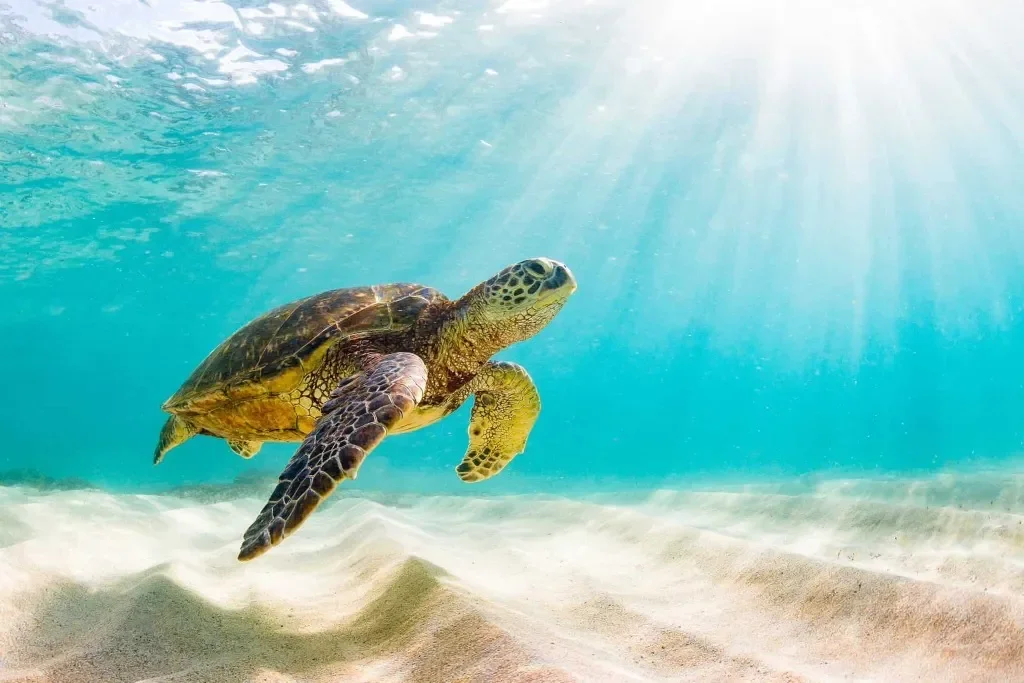
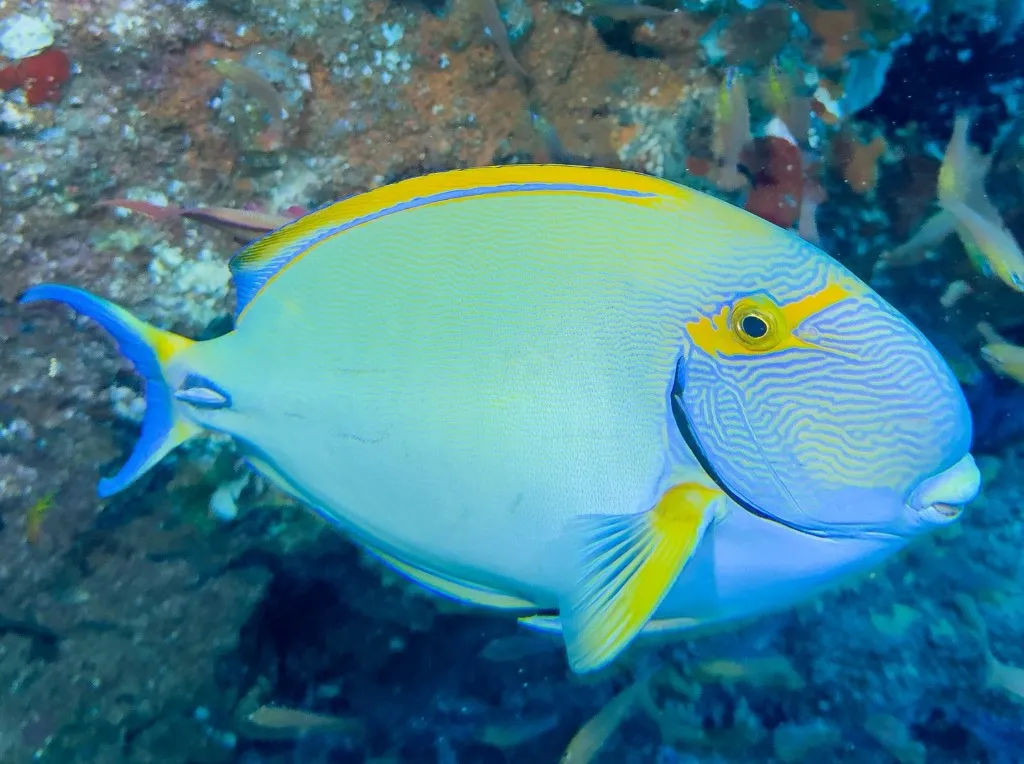
The collapsed structure of Mala Wharf has become a thriving habitat for a variety of marine species. Goldring surgeonfish congregating here create active turtle cleaning stations, attracting up to 30 Hawaiian Green Sea Turtles daily.
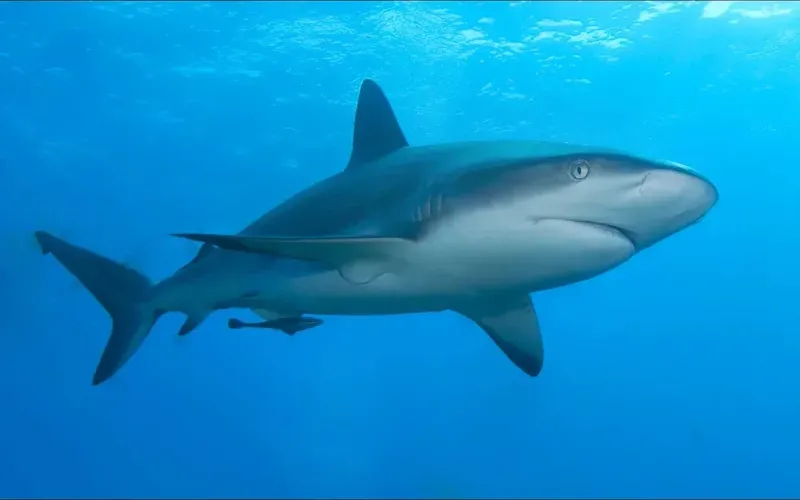
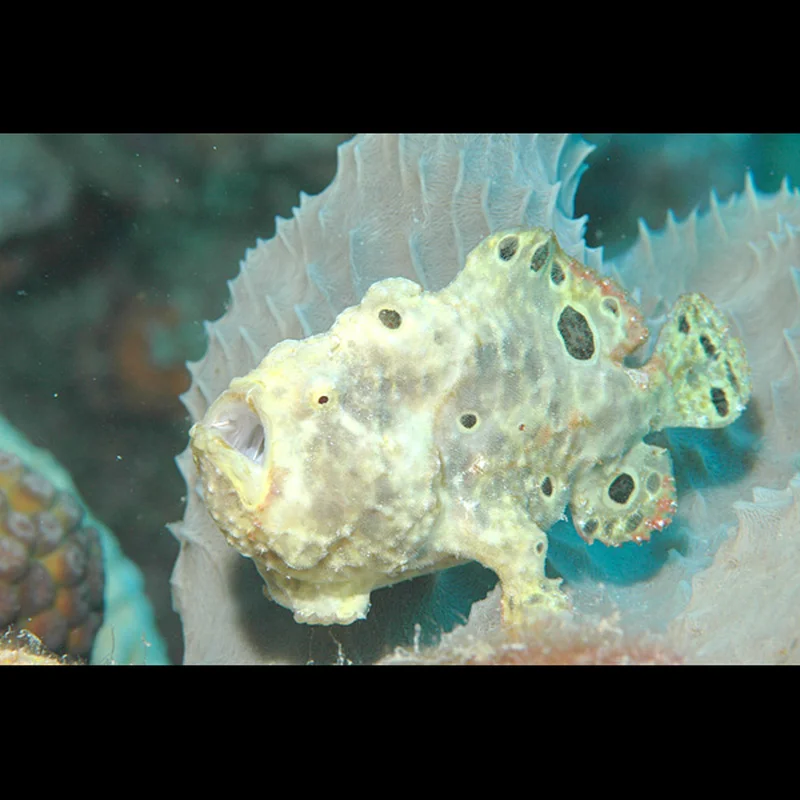
White tip reef sharks are commonly observed resting on sandy bottoms amidst the pilings. Divers can also expect to encounter large schools of goat fish and might even spot the elusive frogfish, adding an element of discovery to the dive. Corals and colorful sponges have colonized concrete wreckage, further enhancing biodiversity.

Dive Sites Near Mala Wharf
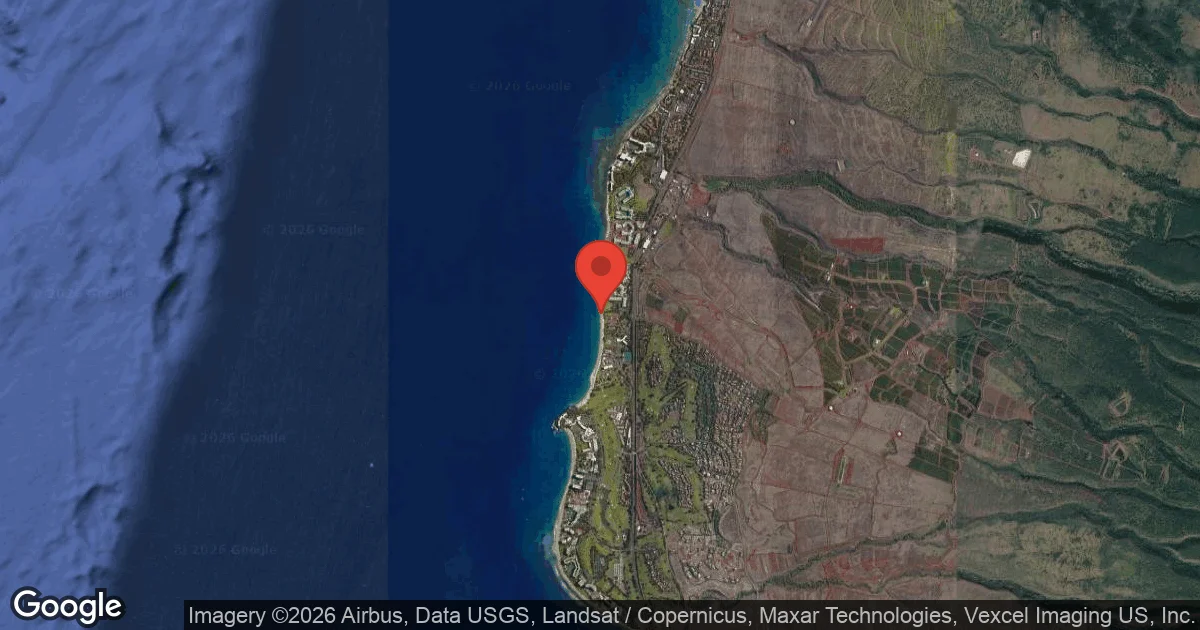
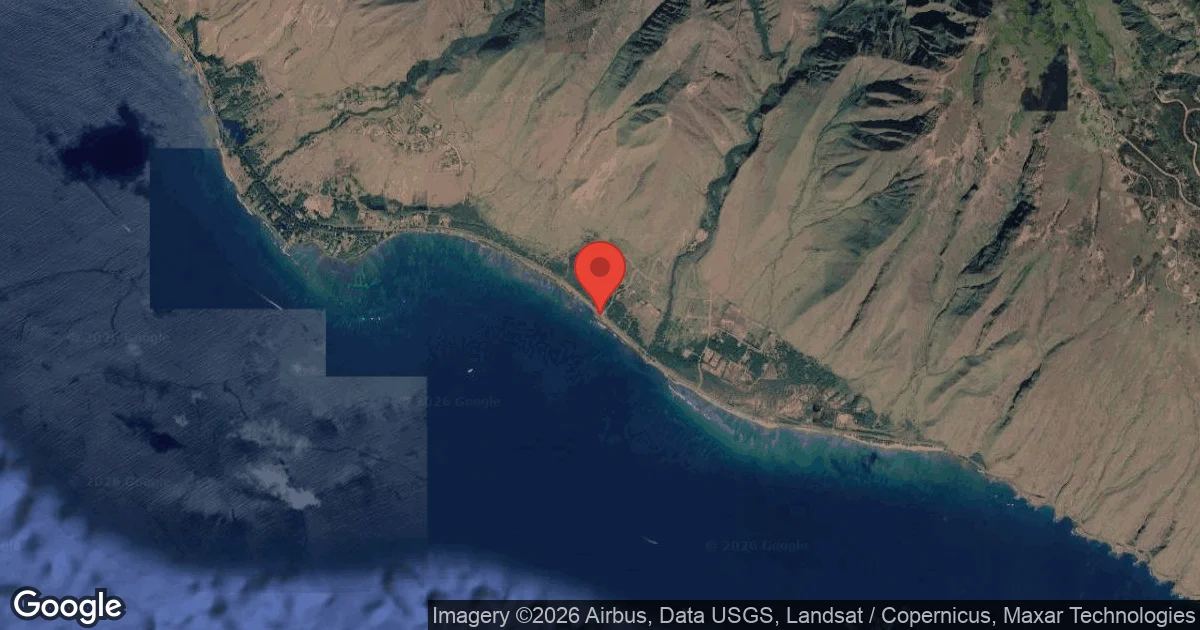
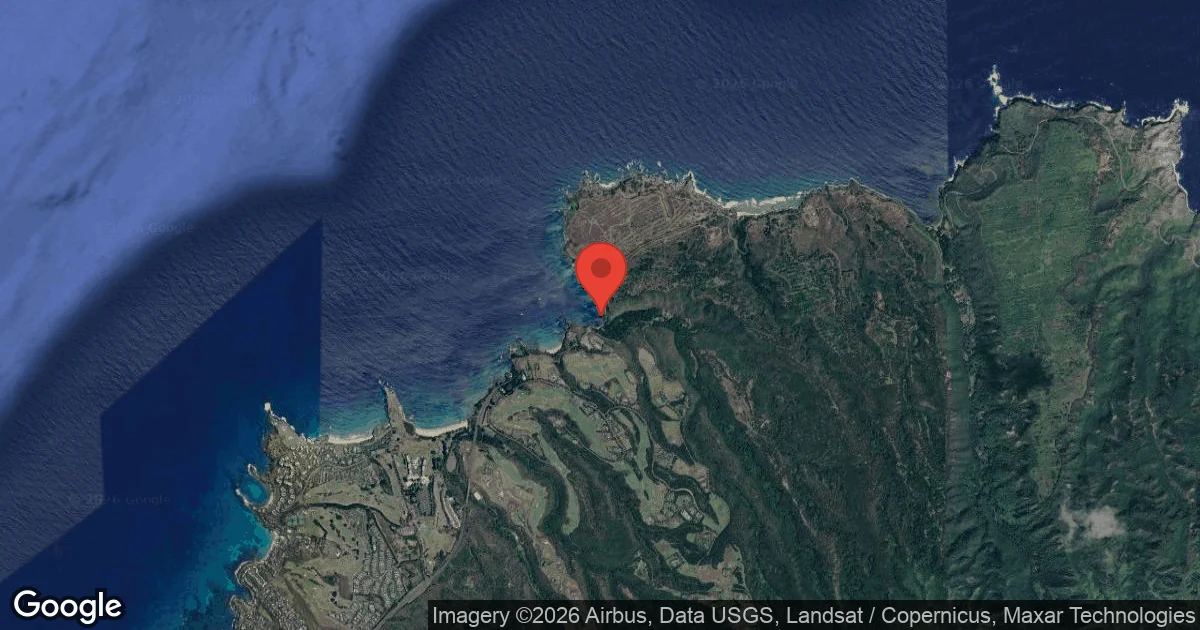
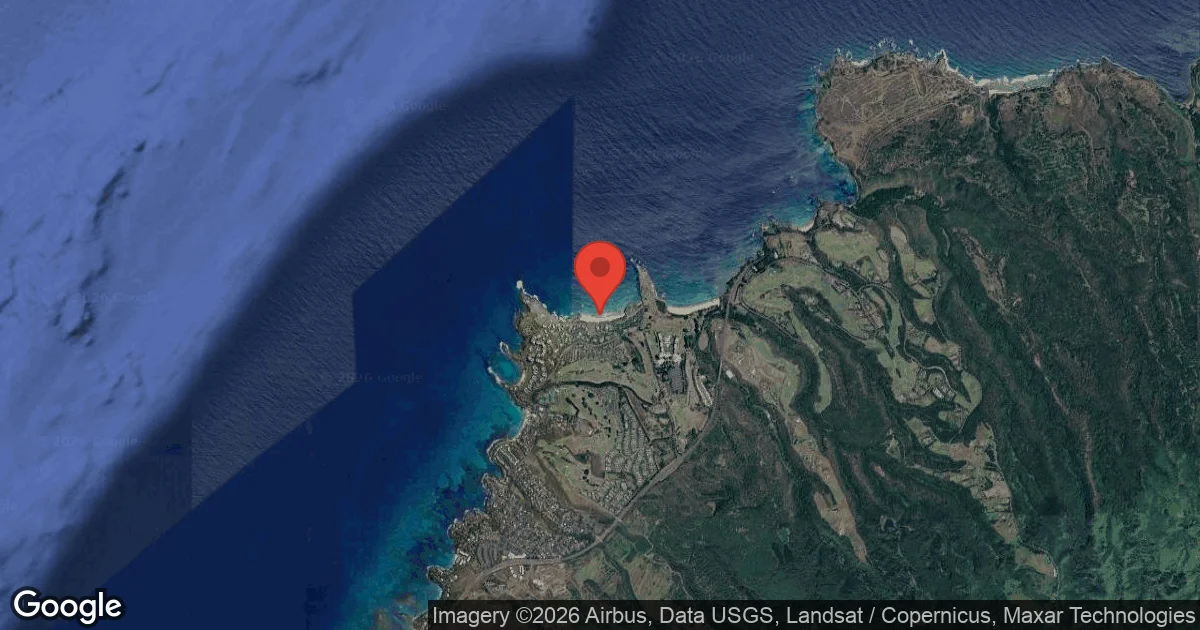
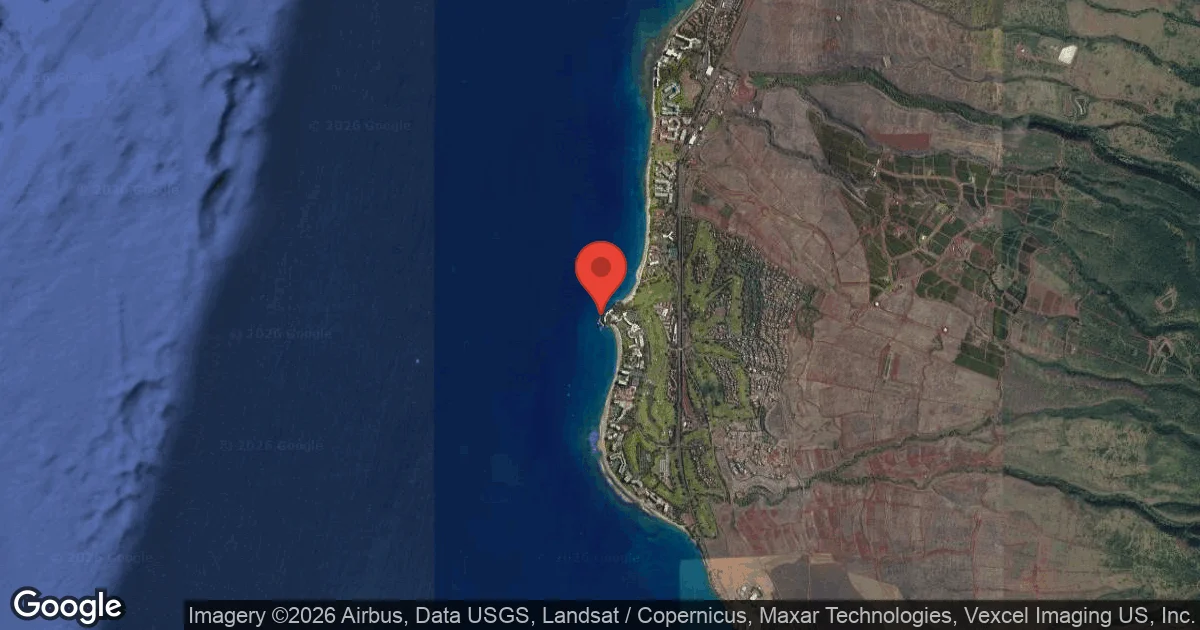
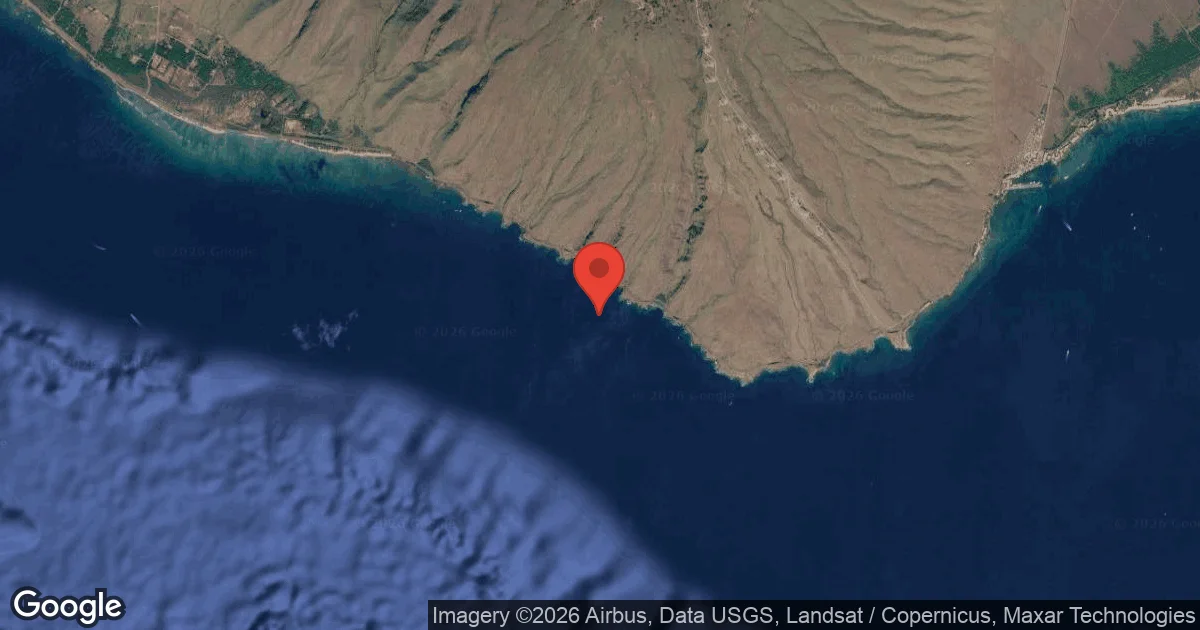
View all dive sites in United StatesDiscover more underwater gems in this area.
Dive Centers Near Mala Wharf
Today: 07:00 - 17:30

Nearest Airports
Nearest airports to help plan travel to this dive area.
Search Flights
Check available flights and routes on Expedia, using the nearby airports listed in this section.
Search Flights on Expedia
Plan Your Stay
Looking for a place to stay for your dive trip? Explore hotels, stays, and vacation rentals for dive groups near Lahaina.
Dive Navigator may earn a commission from these links at no extra cost to you.
Frequently Asked Questions
What is the history of Mala Wharf as a dive site?
Mala Wharf was originally a commercial and military pier built in 1922. It was severely damaged by Hurricane Iniki in 1992, which toppled its concrete pilings into the ocean. The resulting wreckage then transformed into a vibrant artificial reef, becoming a popular dive site.
What are the typical depths at Mala Wharf?
Mala Wharf is a relatively shallow dive site, with depths generally ranging from 3 to 9 m / 10 to 30 ft. This makes it suitable for divers of all experience levels, including beginners, and also a good spot for snorkelers.
Is Mala Wharf accessible as a shore dive?
Yes, Mala Wharf is well-known for its easy shore access. Divers can park in a dirt lot behind public restrooms, then walk to the beach entry along the south side of the pier. A short surface swim leads to the main dive area.
What kind of marine life can I expect to see?
Divers frequently encounter Hawaiian Green Sea Turtles, especially at the cleaning stations created by Goldring surgeonfish. White tip reef sharks are also common, along with large schools of goat fish and various other tropical fish. There's also a chance to spot frogfish.
Are there any specific safety concerns for diving Mala Wharf?
The primary safety consideration is awareness of boat traffic. Snorkeling boats and catamarans frequently use the mooring field near the end of the pier structure. Divers should always be vigilant for vessel movement, especially during ascents and descents.
What are the best months to dive Mala Wharf?
Diving at Mala Wharf is generally good year-round, with consistently high dive scores. The months from July through October often offer slightly calmer surface conditions and warmer air temperatures, though overall conditions remain favorable throughout the year.
Planning to dive Mala Wharf?
Send one inquiry and receive offers directly from the best verified local dive operators.
Conditions are Moderate
High Wind Advisory (40km/h). Unsafe surface.
Current conditions near Mala Wharf show 30° air, 28° sea temperature, 1.0 m waves, and 40 km/h wind. Forecast data is refreshed regularly to ensure accuracy.